Artwork
Virtue Overcoming Avarice
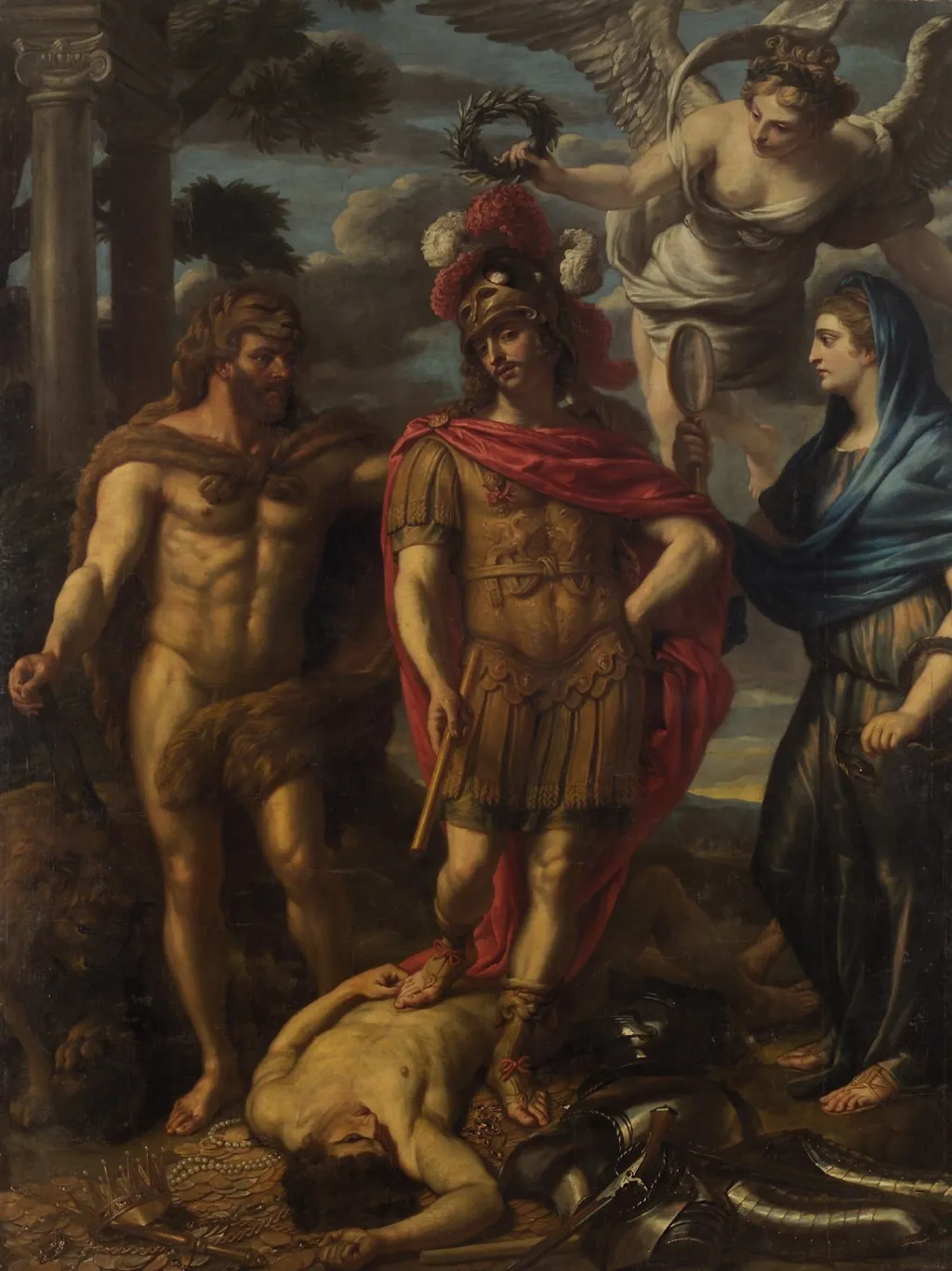
Virtue Overcoming Avarice is an oil painting by the Flemish Baroque painting artist Jan van den Hoecke. It dates from 1637 and is held in the collection of the Kunsthistorisches Museum.
About this work
Overview
Executed in the Baroque idiom, the work presents a staged allegory in which personified virtues confront a figure embodying greed.
Created in 1637, *Virtue Overcoming Avarice* is an oil painting by Flemish artist Jan van den Hoecke. Executed in the Baroque idiom, the work presents a staged allegory in which personified virtues confront a figure embodying greed. The composition is anchored by a central, armored male figure wielding a scepter, surrounded by supporting characters and a dramatic sky, all rendered with careful attention to texture.
Subject & Meaning
The scene illustrates an abstract moral conflict: a triumphant virtue, symbolized by the red‑capped, scepter‑bearing man, stands over a fallen embodiment of avarice. To his left, a bearded, semi‑nude figure draped in fur and crowned with a wreath suggests the allure of wealth, while a woman in a blue shawl and a winged attendant holding a wreath represent the rewarding aspects of moral excellence. The painting visualizes the triumph of ethical conduct over greed.
Technique & Style
Hoecke employs the dynamic chiaroscuro typical of Flemish Baroque, using strong contrasts of light and shadow to model the figures’ bodies and fabrics. The rendering of textures—metallic armor, plush fur, and flowing drapery—is rendered with fine brushwork that conveys tactile realism. A cloudy sky and distant column provide a theatrical backdrop, enhancing the sense of movement and drama characteristic of the period.
History & Provenance
Jan van den Hoecke, a former assistant to Peter Paul Rubens, painted the work after a decade of study in Rome and before his appointments as court painter in Vienna and Brussels. *Virtue Overcoming Avarice* entered the collection of the Kunsthistorisches Museum in Vienna, where it remains part of the museum’s Baroque holdings, reflecting the artist’s reputation within imperial circles.
Context
The painting belongs to a broader tradition of allegorical art popular in 17th‑century Europe, where moral concepts were personified for didactic purposes. Its creation coincides with the Counter‑Reformation’s emphasis on virtue and the moral instruction of the elite, aligning with the visual language cultivated in Rubens’ workshop and disseminated across Flemish courts.
Artist & collection
Artist
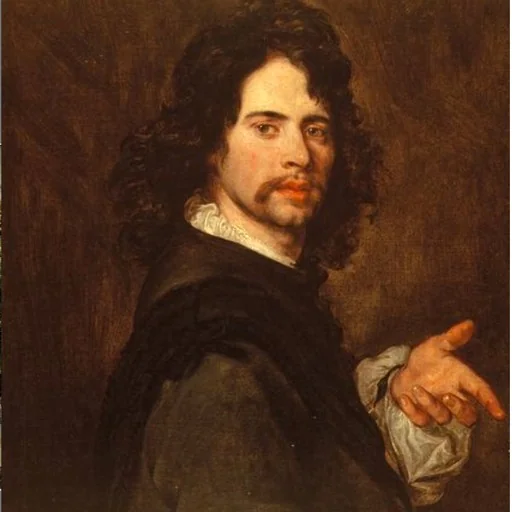
Jan van den Hoecke (baptised on 4 August 1611 – 1651) was a Flemish painter, draughtsman and designer of wall tapestries.

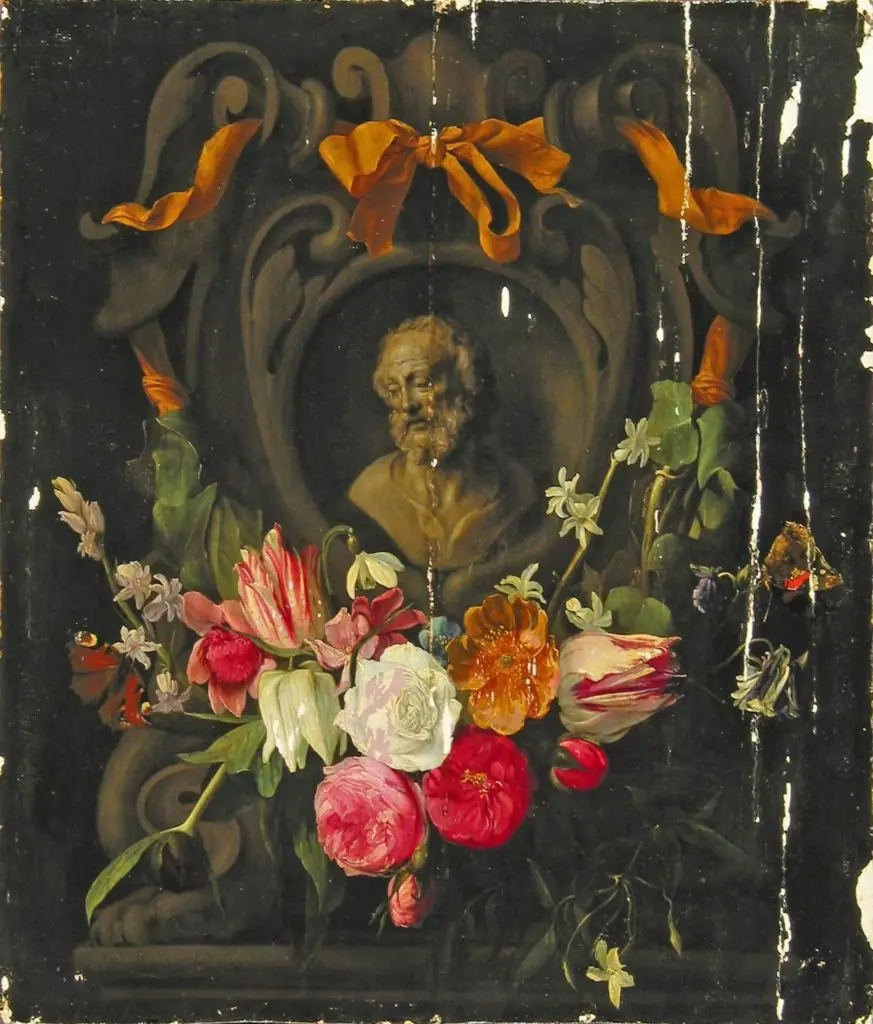
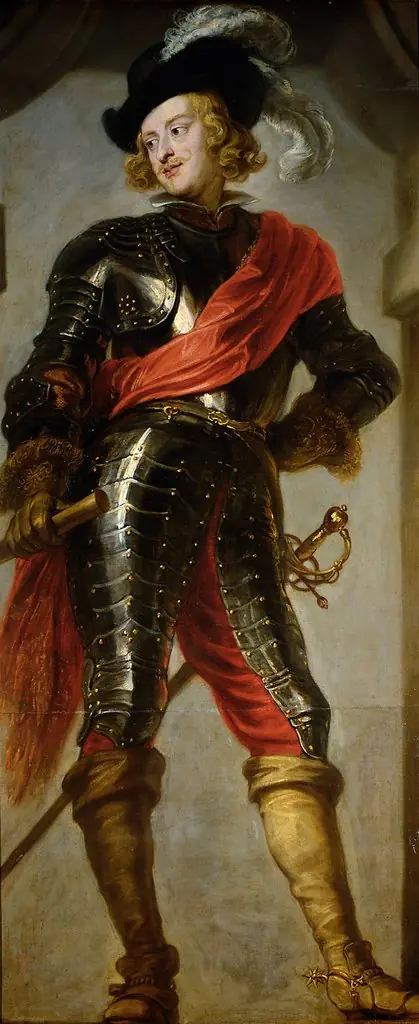
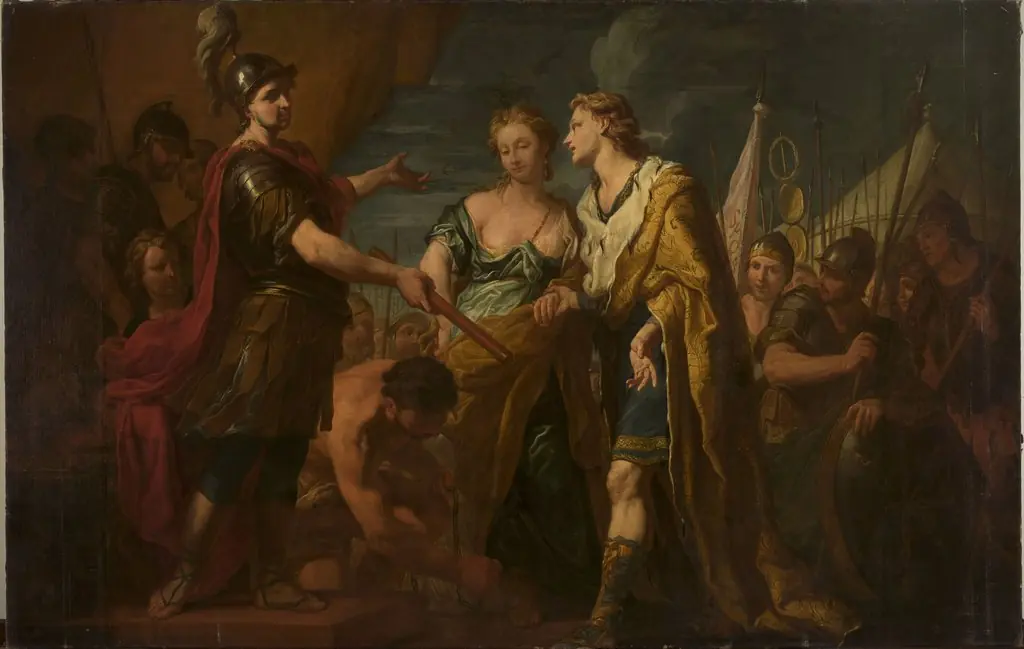 Magnanimity of Scipio
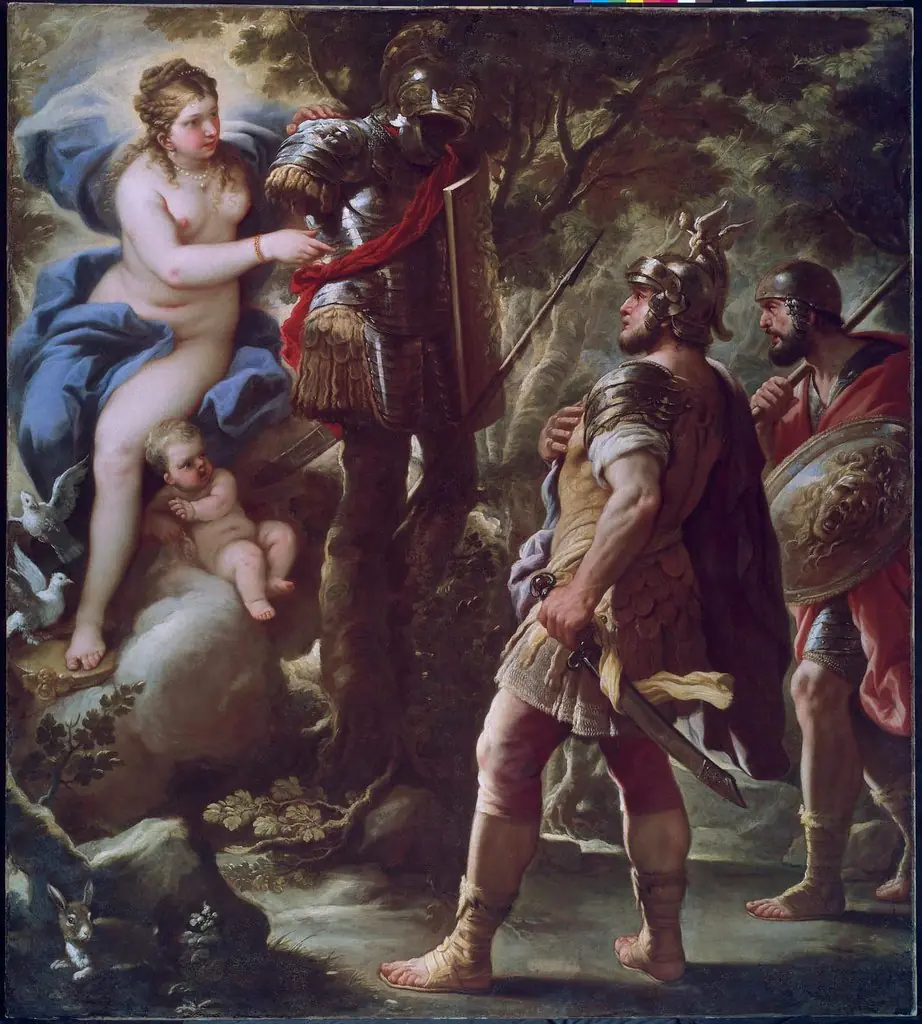 Venus Giving Arms to Aeneas
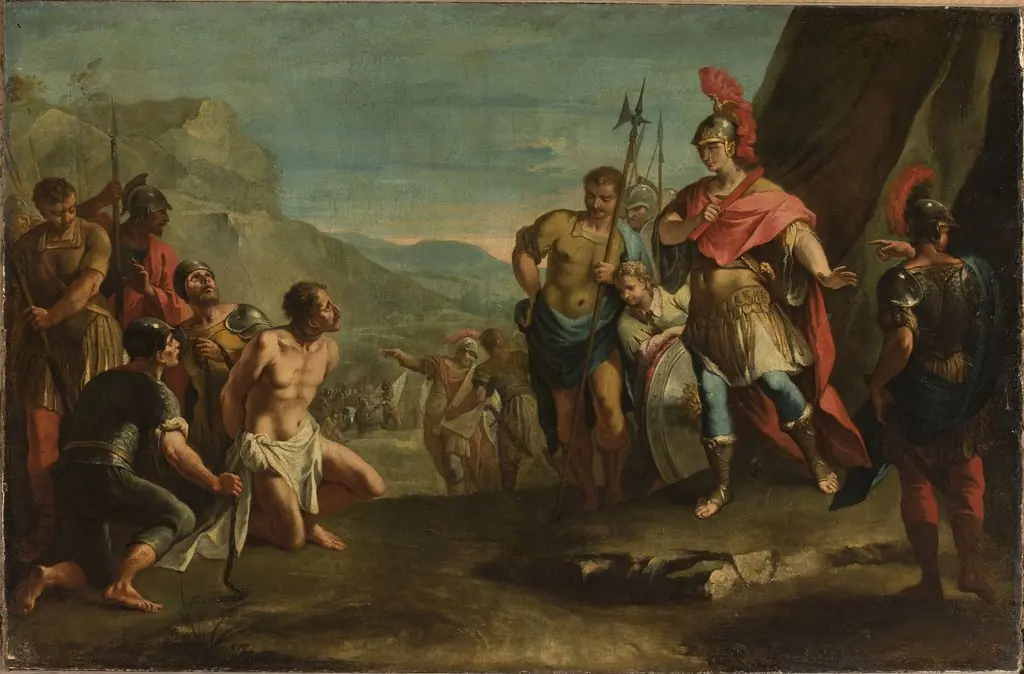 Killer of Darius before Alexander (King Porus and Alexander the Great)
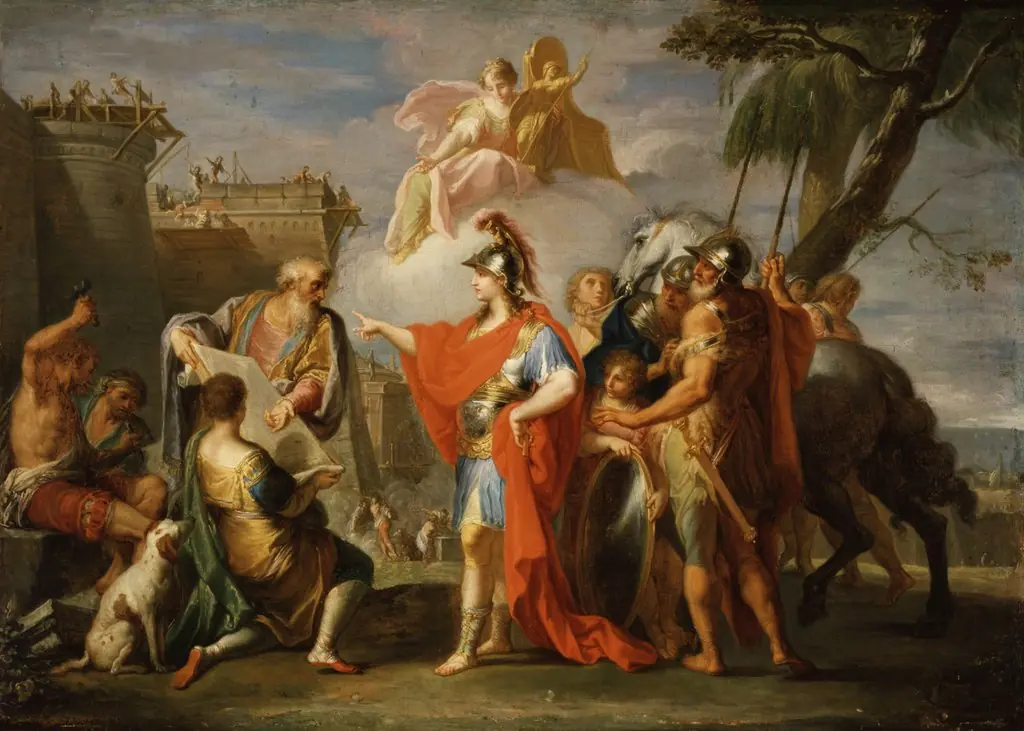 Alexander the Great Founding Alexandria
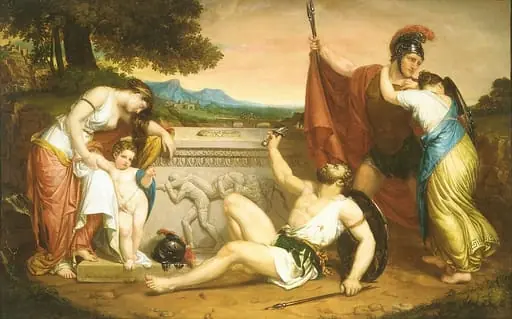 The Wages of War
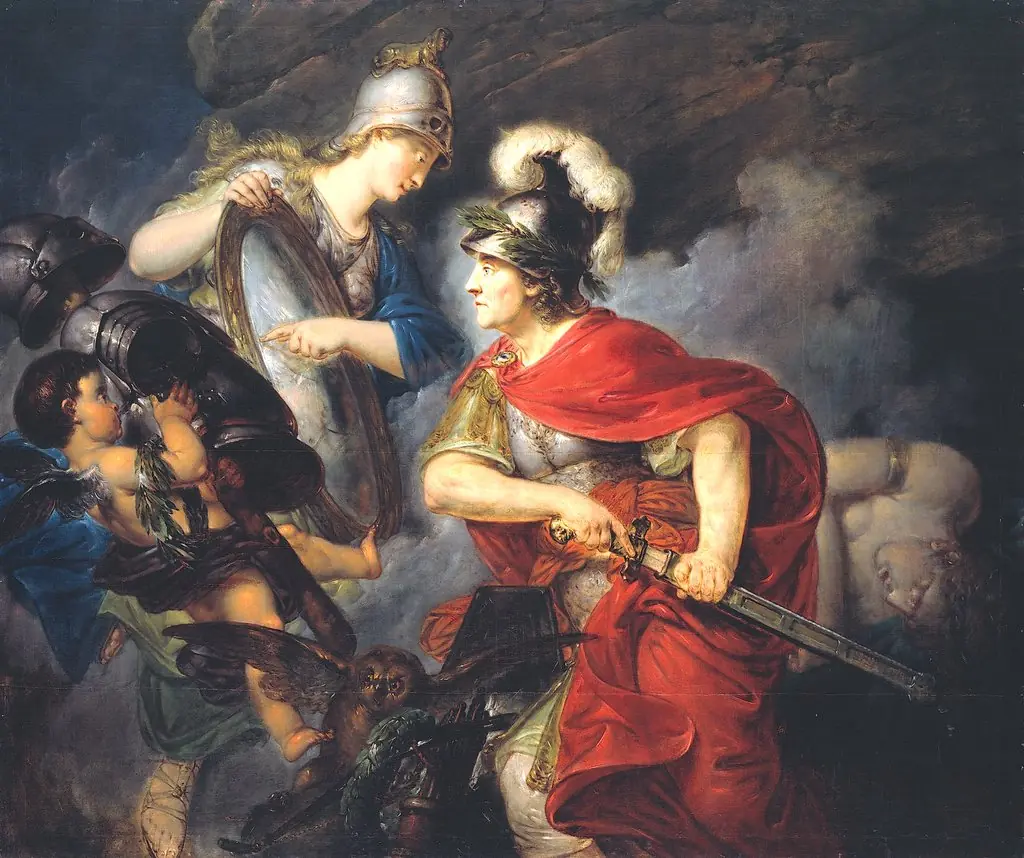 Allegory of Frederick the Great as Perseus
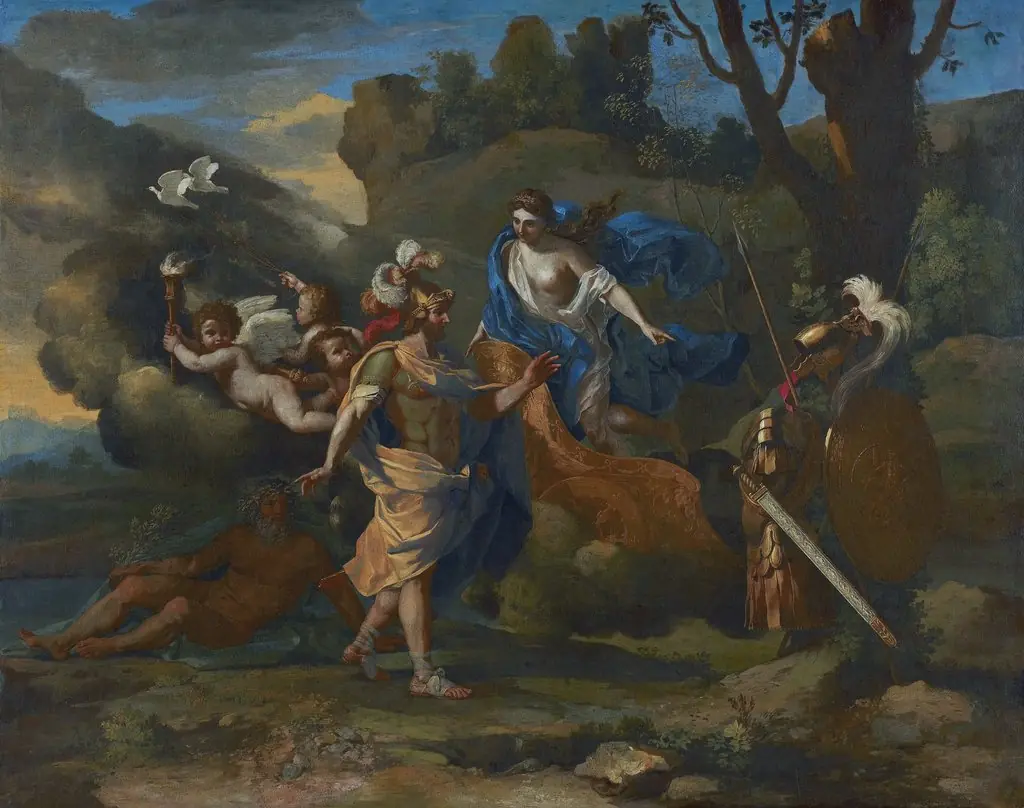 Venus, Mother of Aeneas, presenting him with Arms forged by Vulcan"
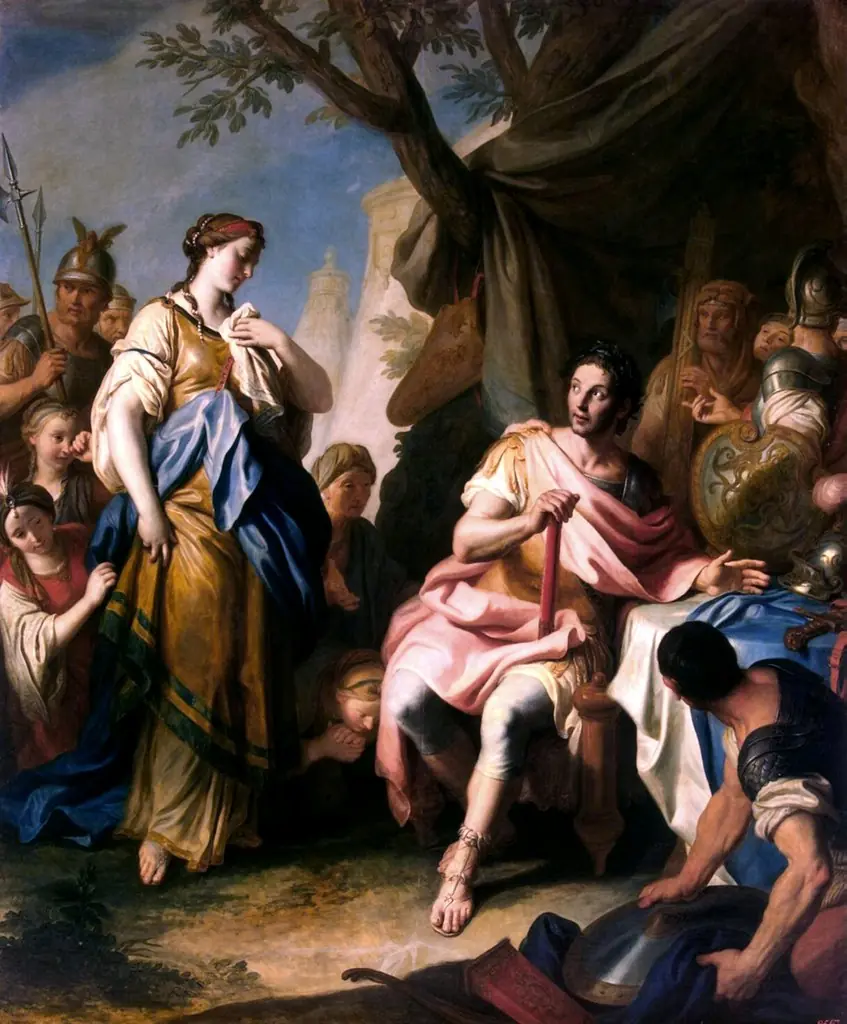 Alexander the Great and Roxana
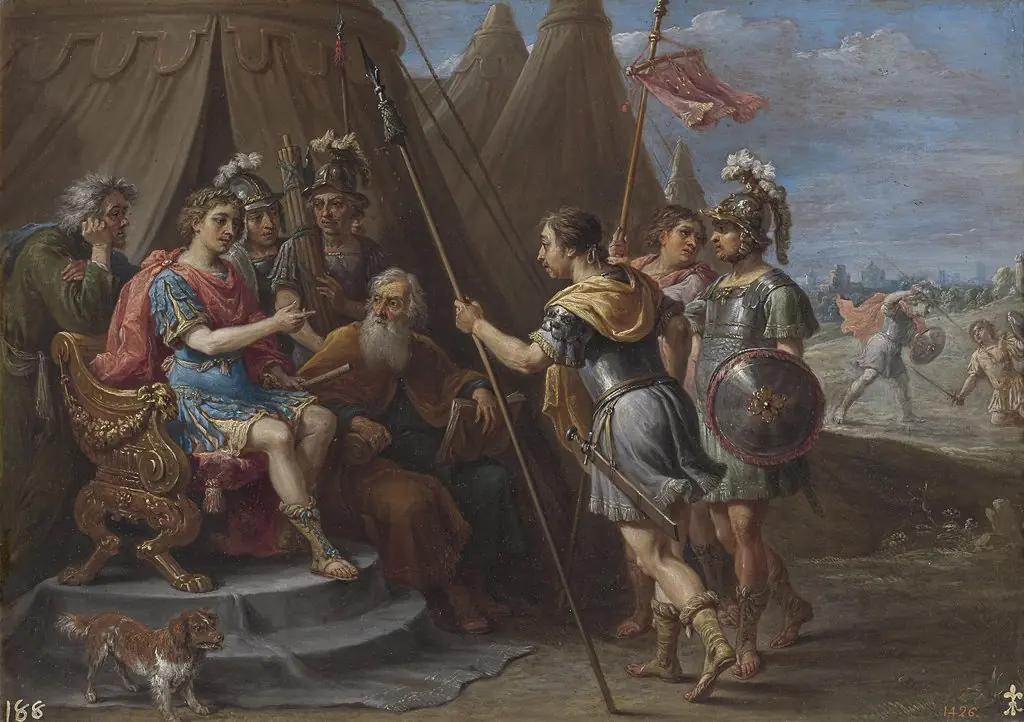 Godofredo y el Consejo escuchan la demanda de Armida
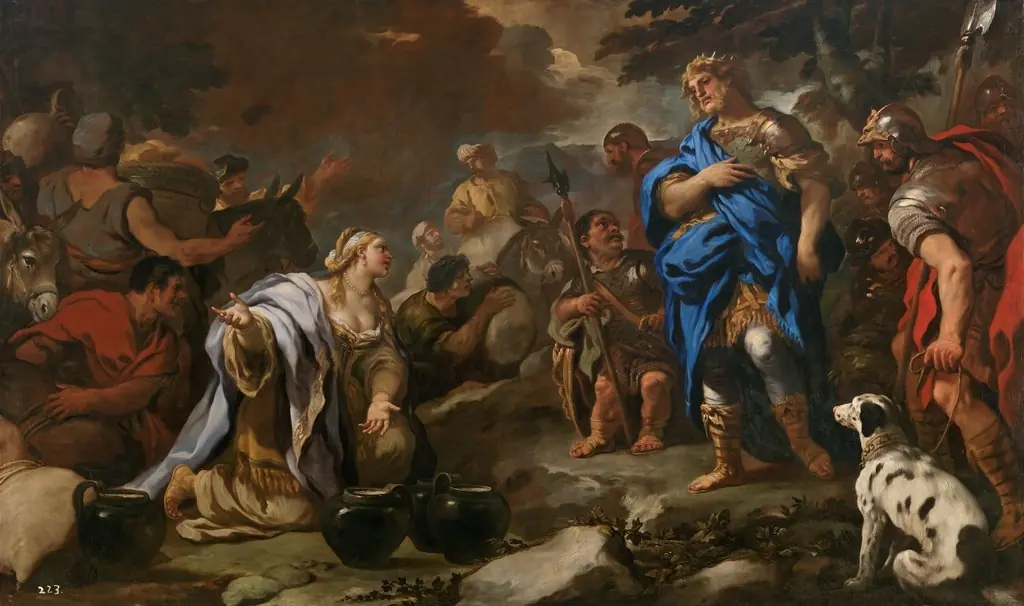 La prudente Abigail
 Mythological Scene
 Rinaldo's Conquest of the Enchanted Forest