Artwork
Gypsy camp
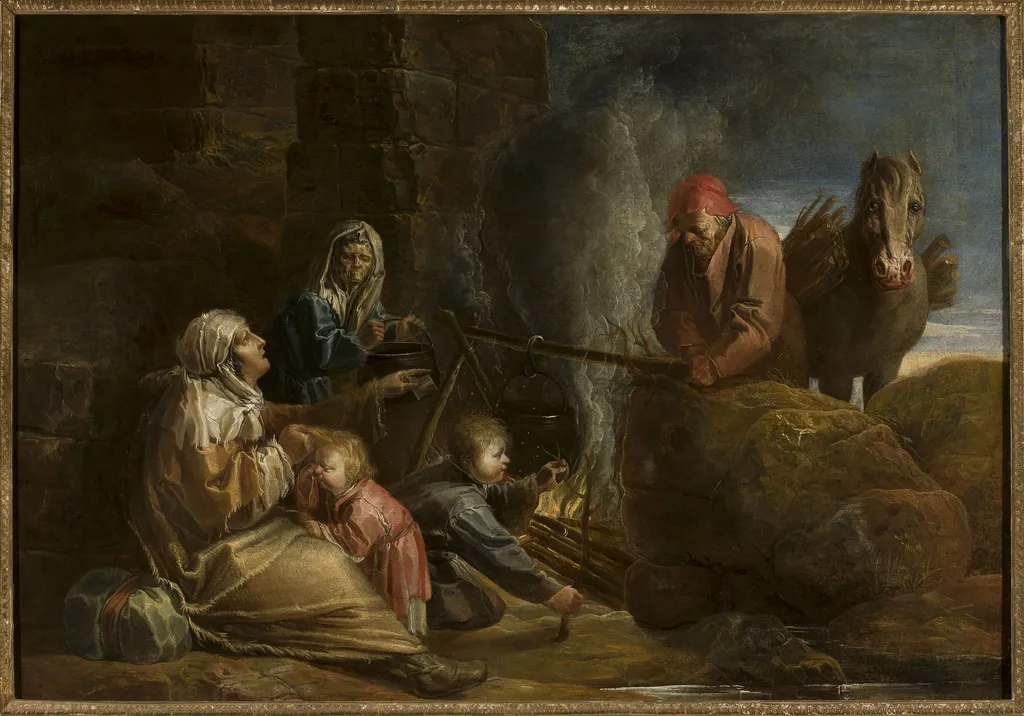
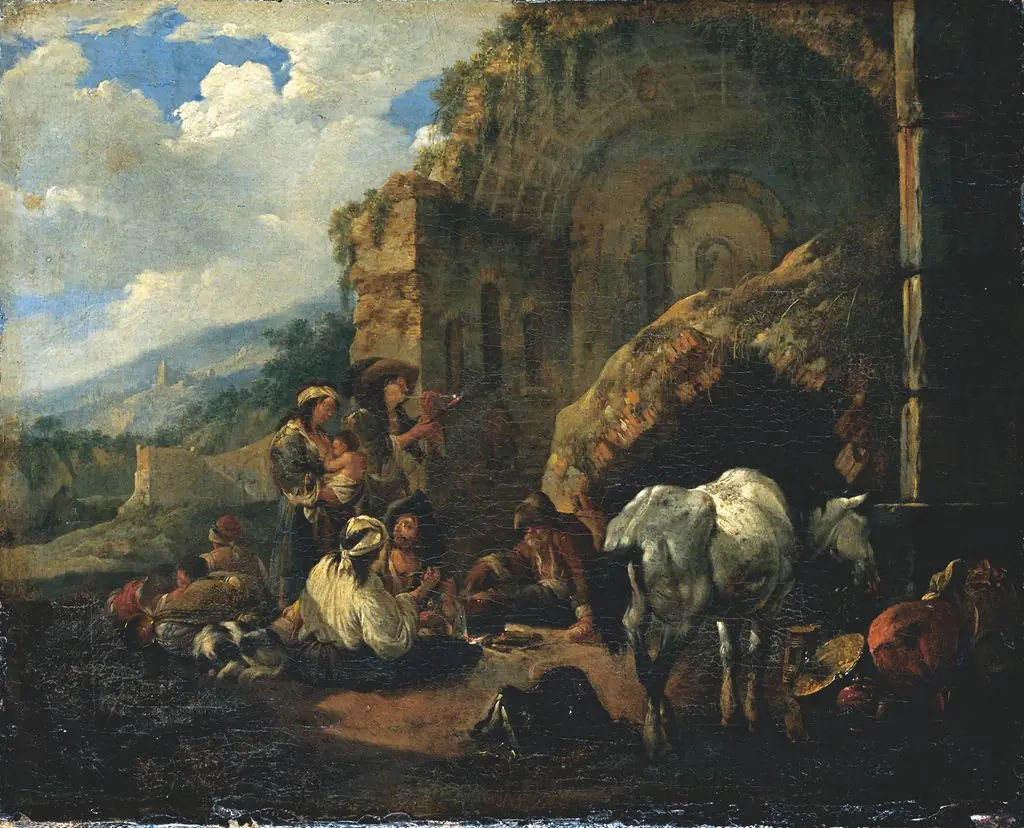
Gypsy camp is an oil painting by Jan van der Venne. It dates from 1664 and is held in the collection of the National Museum in Warsaw.
About this work
Overview
The composition emphasizes human presence within a rugged natural setting, avoiding idealization in favor of observed detail.
Painted around 1664 by Jan van der Venne, this oil on canvas depicts a modest encampment of itinerant people. The work is part of the collection at the National Museum in Warsaw. It captures a quiet moment of rest at dusk, with figures gathered near a fire under a shadowed sky. The composition emphasizes human presence within a rugged natural setting, avoiding idealization in favor of observed detail.
Subject & Meaning
The scene portrays a small group of travelers—adults and a child—engaged in routine nocturnal activities: tending fire, sitting in stillness, and sharing space. There is no narrative drama, only the quiet dignity of daily life. The inclusion of a horse suggests mobility and transience, reinforcing the group’s itinerant existence. The painting conveys solidarity through posture and proximity, not gesture or expression.
Technique & Style
Van der Venne employs chiaroscuro to define forms and direct focus, using the fire’s glow to illuminate faces and hands while leaving the surrounding rocks and sky in deep shadow. Brushwork is restrained, favoring texture over flourish. The palette is muted—ochres, browns, and smoky grays—enhancing the sense of twilight. Light becomes a quiet actor, shaping mood rather than spectacle.
History & Provenance
The painting entered the National Museum in Warsaw’s collection in the 19th century, though its earlier ownership remains undocumented. It was likely acquired during a period of increased interest in Dutch and Flemish genre scenes. No records indicate it was exhibited publicly before the 1800s, and its survival through wars and political shifts underscores its quiet endurance as a cultural artifact.
Context
In mid-17th-century Netherlands, depictions of Romani and other itinerant groups were common in genre painting, often tinged with moralizing or exoticism. Van der Venne’s approach diverges: there is no judgment, no caricature. The scene aligns with a broader trend toward empathetic observation, reflecting a shift in how marginal communities were visually represented in Northern European art.
Legacy
Though not widely reproduced or studied, the painting stands as a restrained example of Dutch genre work that avoids sentimentality. Its value lies in its quiet authenticity—offering a glimpse into lives rarely centered in art of the period. It contributes to a quieter, more nuanced understanding of social diversity in early modern Europe.
Artist & collection

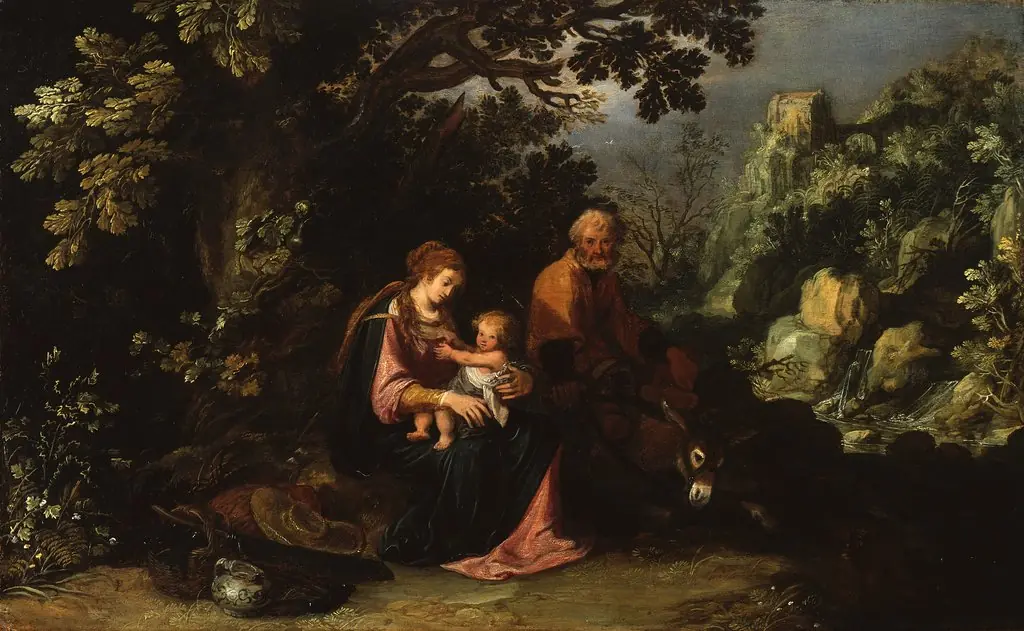 The Rest on the Flight to Egypt
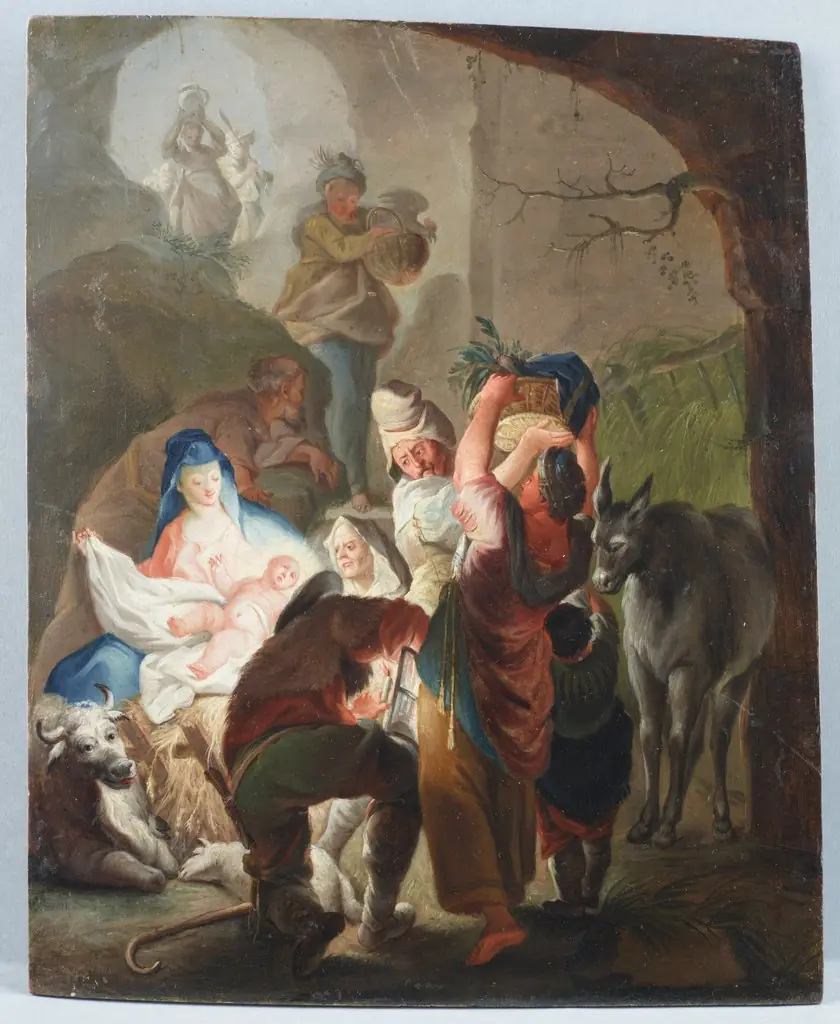 Adoration of the Shepherds
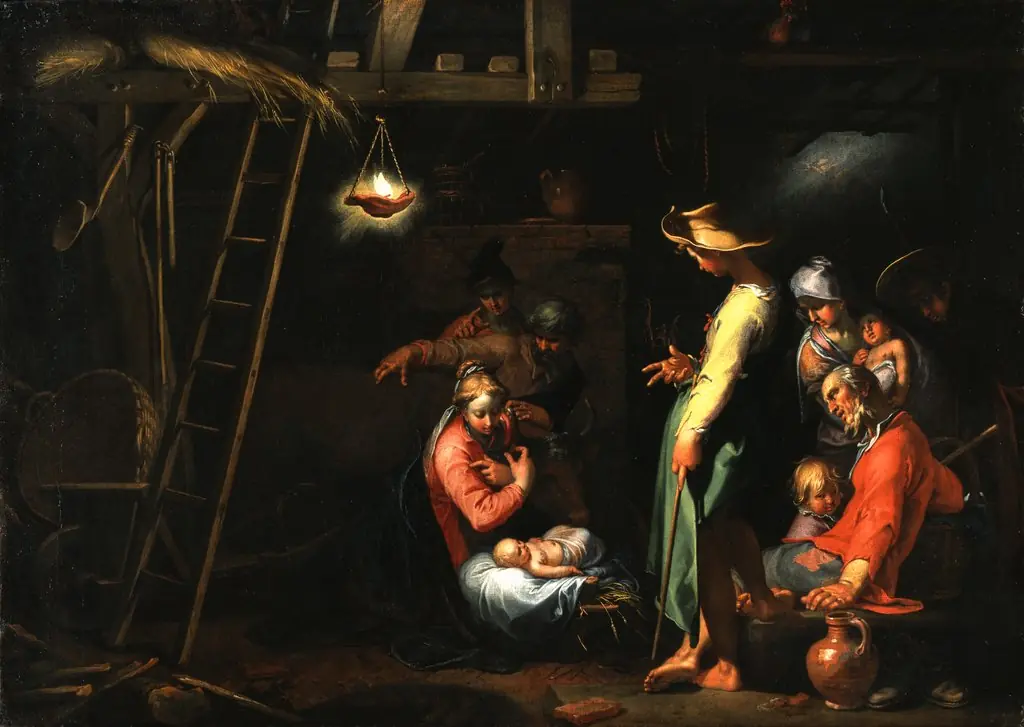 The Adoration of the Shepherds
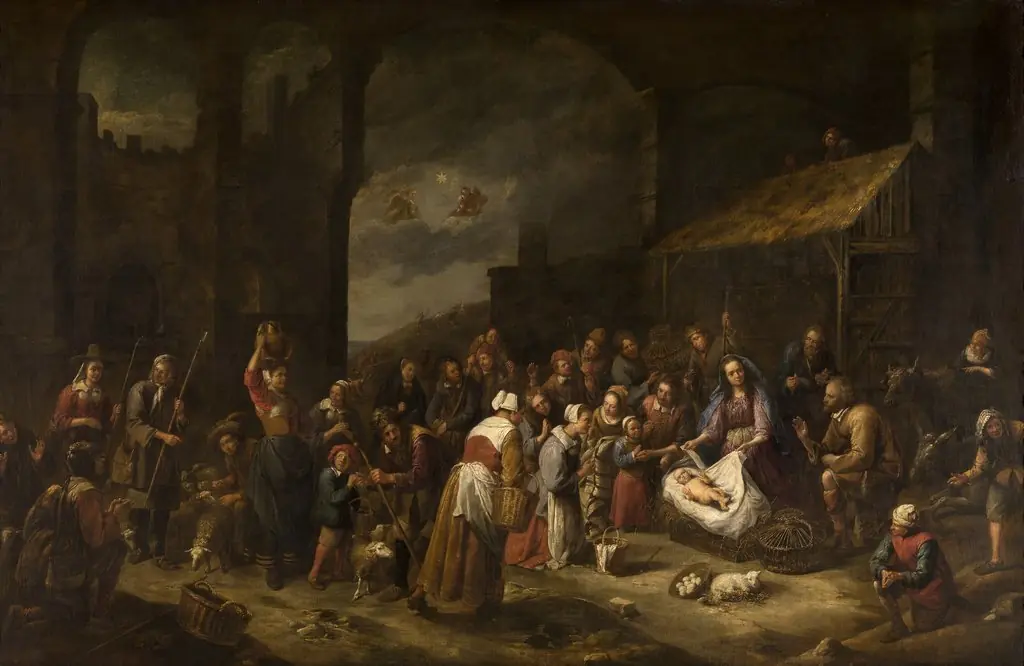 The Adoration of the Shepherds
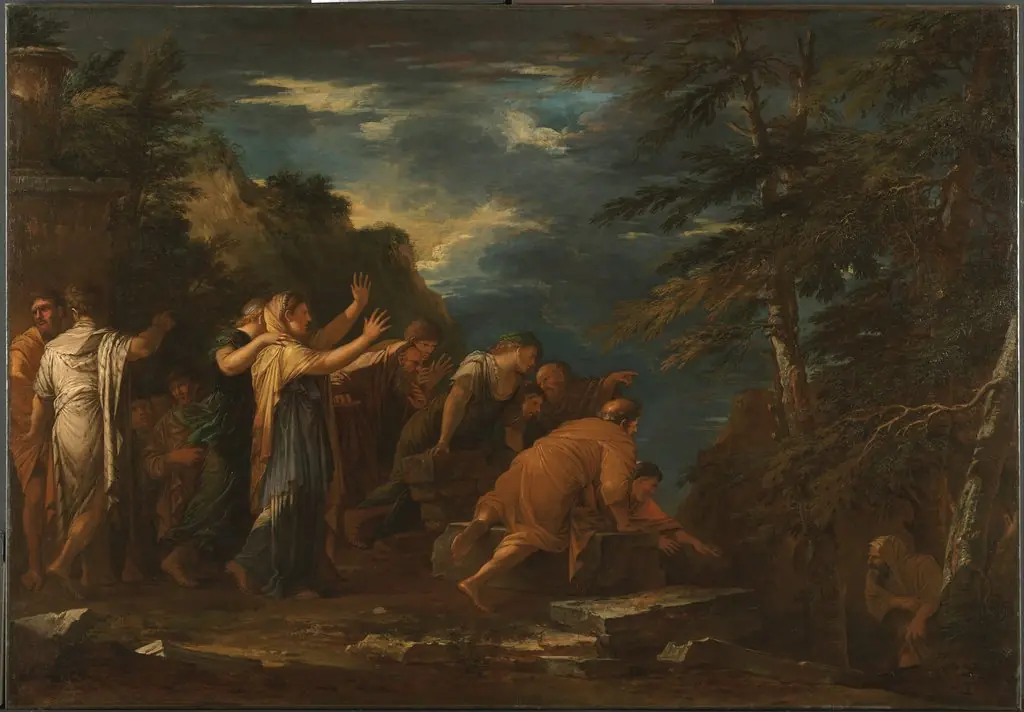 Pythagoras Emerging from the Underworld
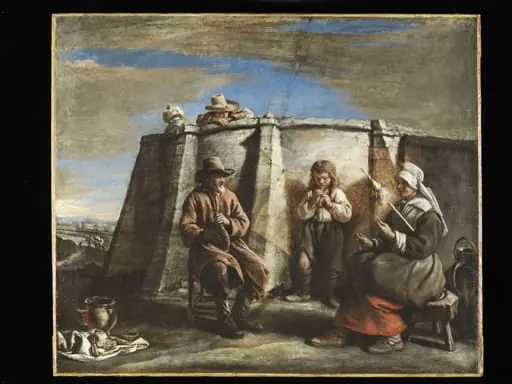 The Flageolet Player
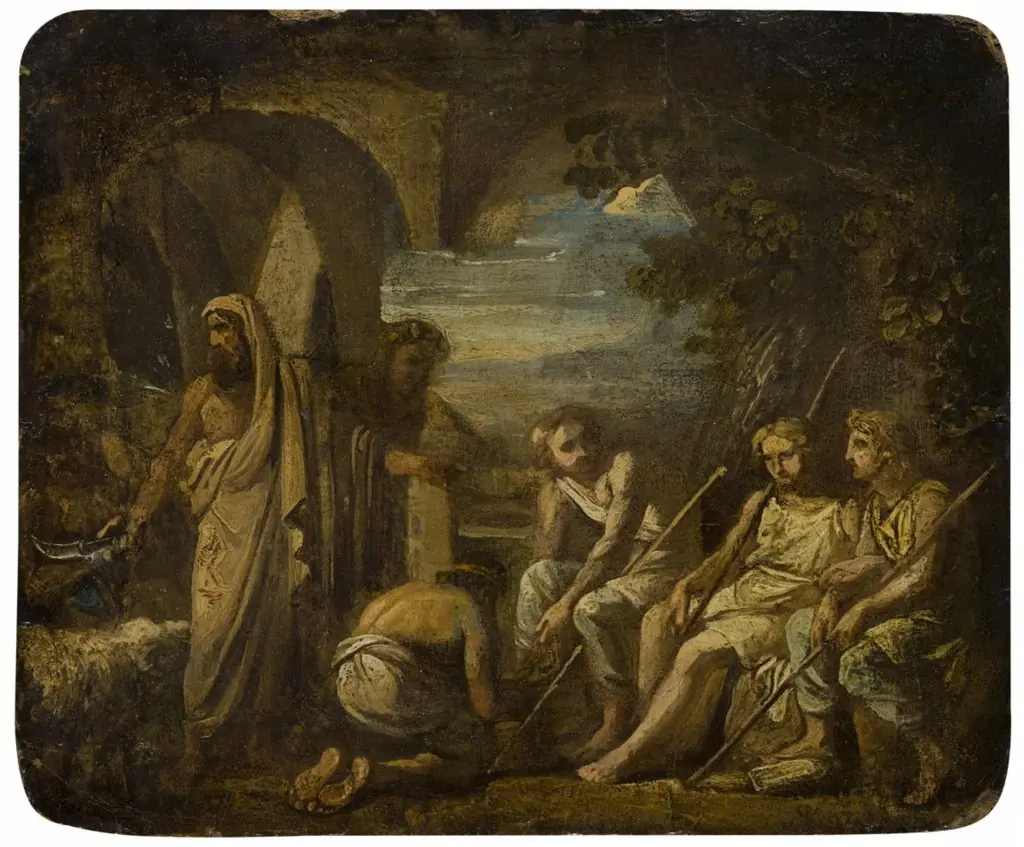 Sketch on the Subject of the Trinity Beneath the Oak of Mambre
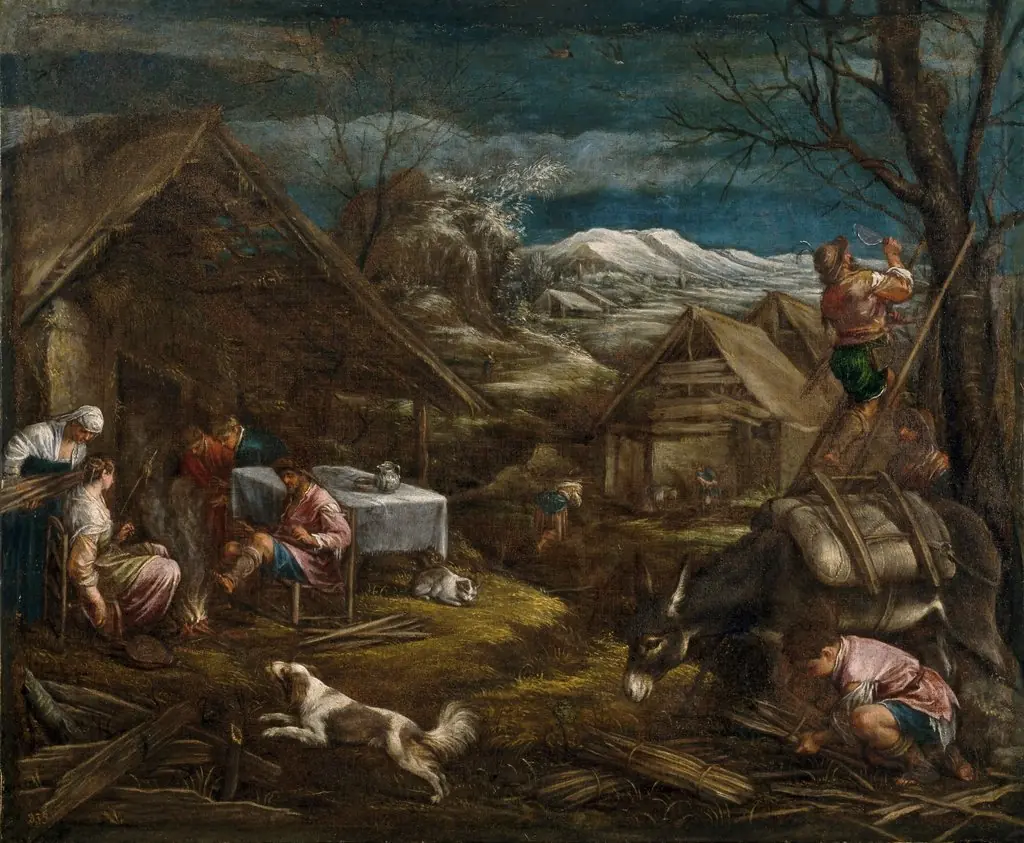 Winter
 Laban Searching for His Stolen Gods
 Nativity of St. John
 Vintage Scene
 Gypsy Camp in a Roman Ruin