Artwork
Cottages and Fishermen by a River
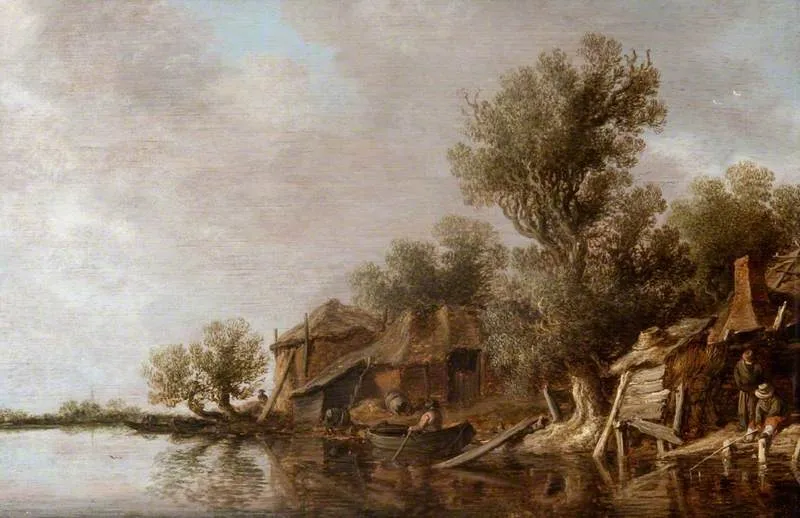
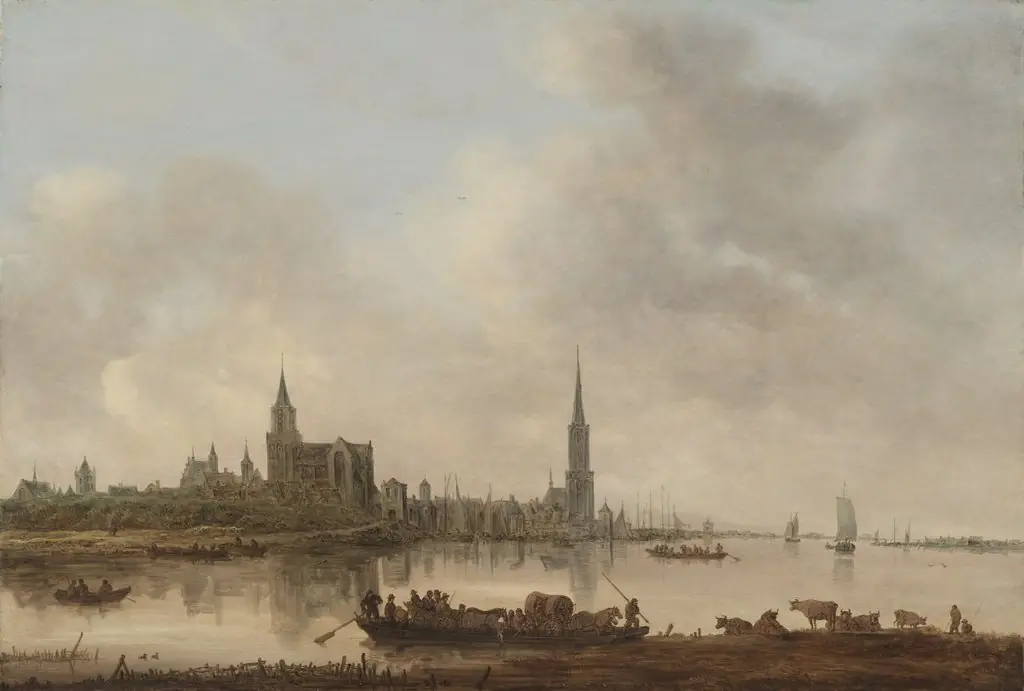
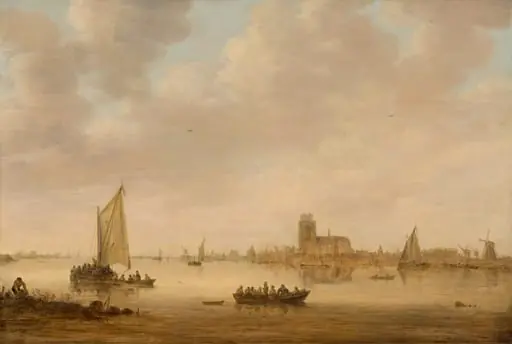
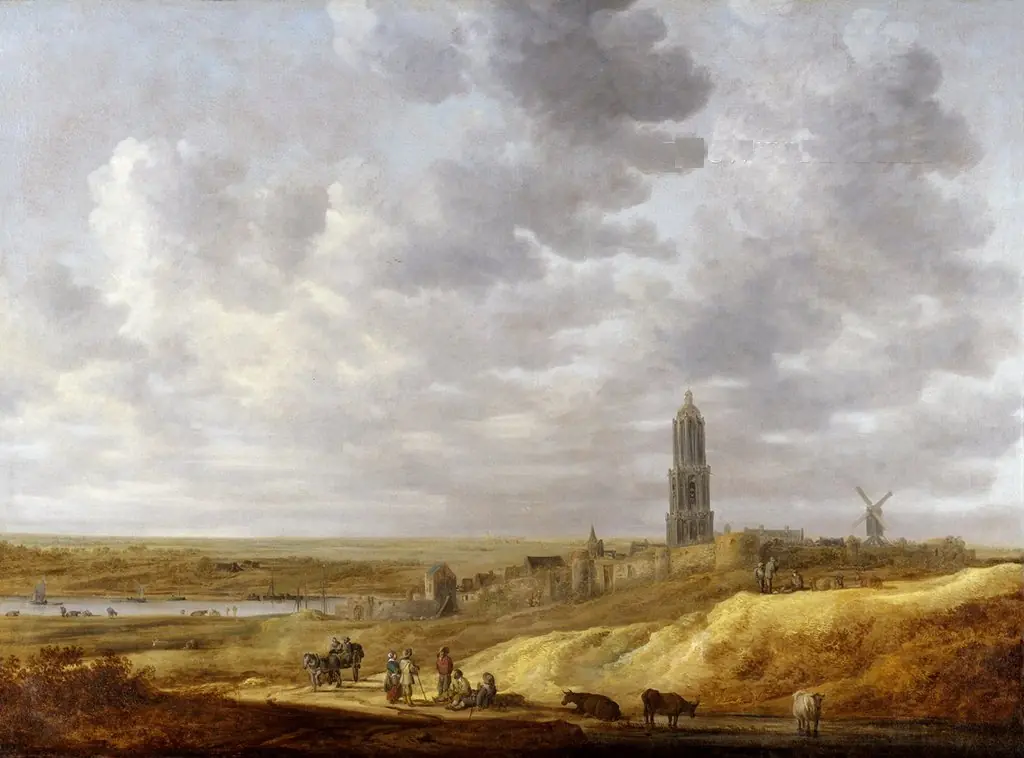
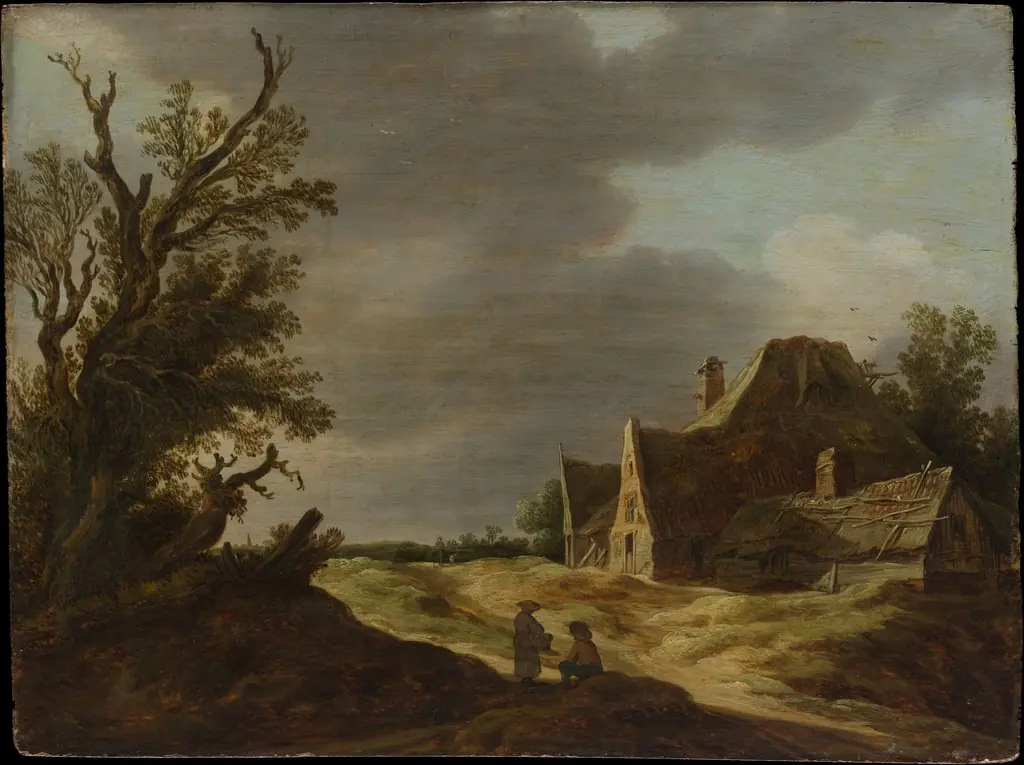
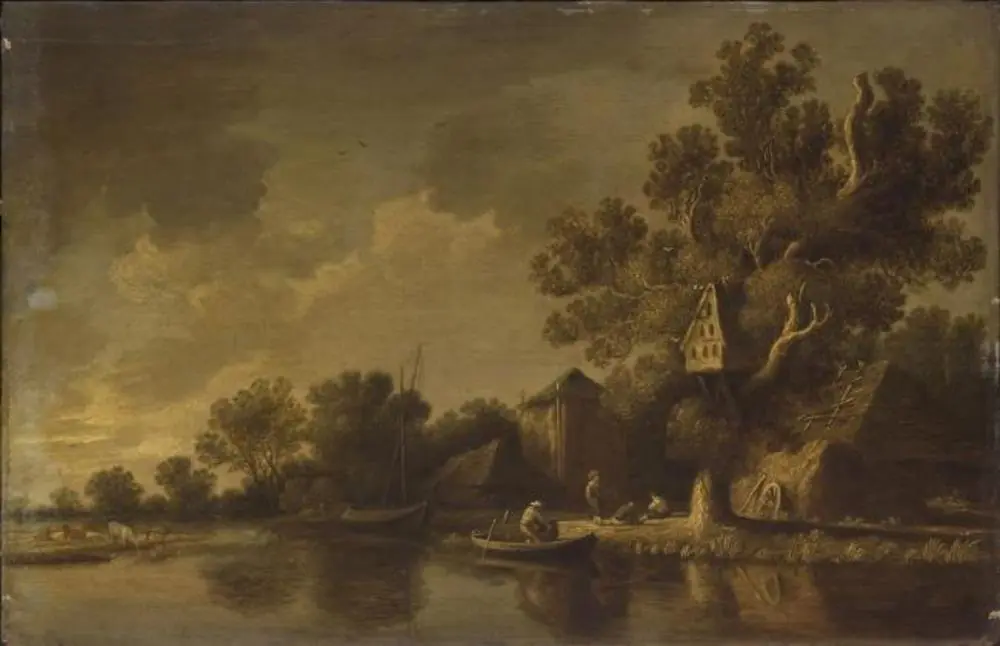
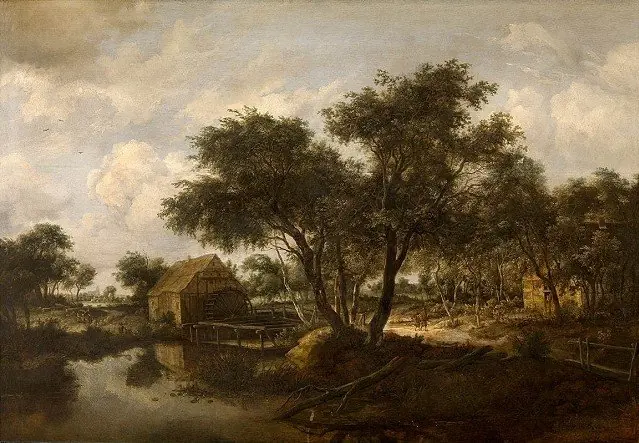
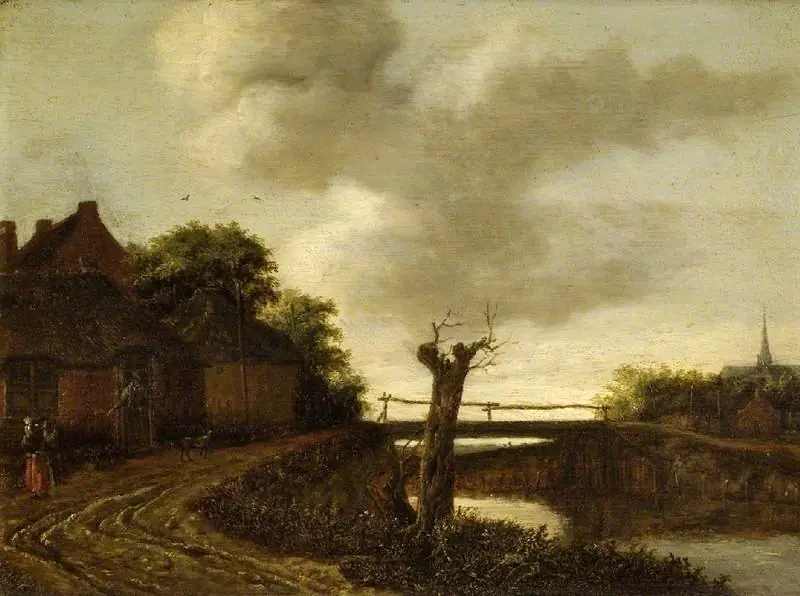
Cottages and Fishermen by a River is an oil painting by the Dutch Golden Age artist Jan van Goyen. It dates from 1631 and is held in the collection of the Kelvingrove Art Gallery and Museum.
About this work
Overview
Painted in 1631 by Jan van Goyen, this oil-on-panel work captures a quiet riverside setting in the Dutch countryside. Van Goyen, prolific in both painting and drawing, specialized in atmospheric landscapes that emphasized natural light and subtle tonal shifts. The piece reflects his mature style, characterized by restrained color and a focus on everyday rural life rather than grand narratives.
Subject & Meaning
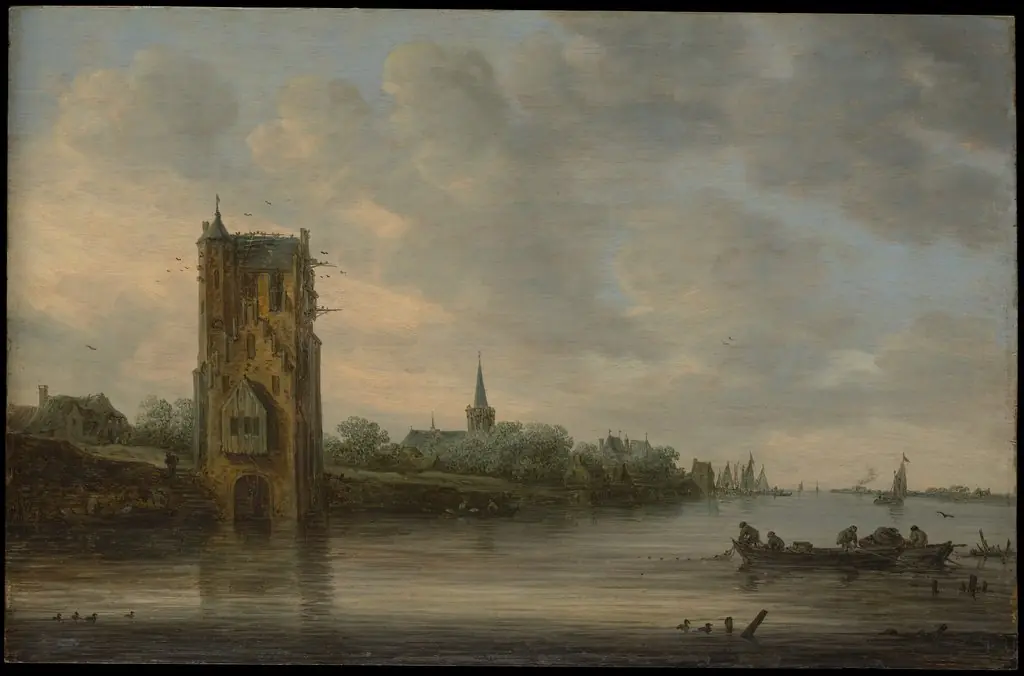
The scene portrays modest cottages nestled beside a river, with a lone fisherman in a small boat engaged in his labor.
The scene portrays modest cottages nestled beside a river, with a lone fisherman in a small boat engaged in his labor. No dramatic events unfold; instead, the painting conveys stillness and routine. The figures are small, integrated into the landscape, suggesting harmony between human activity and the natural world. This quietude reflects the Dutch Golden Age’s interest in the dignity of ordinary life.
Technique & Style
Van Goyen employed a muted palette of browns, grays, and soft greens to evoke a hazy, overcast day. He used thin, layered glazes to build depth and subtle transitions between land, water, and sky. Chiaroscuro is applied sparingly, guiding the eye toward the river and the distant cottages without harsh contrasts. His brushwork is loose yet deliberate, capturing texture without detail.
History & Provenance
The painting has been part of the Kelvingrove Art Gallery and Museum’s collection since the early 20th century. Its earlier ownership is not fully documented, but it likely passed through private Dutch or British collections before entering public hands. Van Goyen’s works were widely traded during his lifetime, and many entered institutional collections in the 1800s as interest in Dutch landscape painting grew.
Context
Created during the Dutch Golden Age, the painting aligns with a cultural shift toward secular, domestic subjects. As the Netherlands prospered through trade, artists turned from religious and mythological themes to depict the familiar: rivers, fields, and working lives. Van Goyen’s landscapes responded to a growing middle-class market that valued realism, tranquility, and a connection to the land.
Legacy
Van Goyen’s approach influenced generations of Dutch landscape painters, including his student Salomon van Ruysdael. His emphasis on atmospheric effects and tonal harmony helped define the genre. While less celebrated today than contemporaries like Rembrandt, his quiet, observational style remains a key reference for understanding how 17th-century Dutch artists redefined the relationship between people and their environment.
Artist & collection
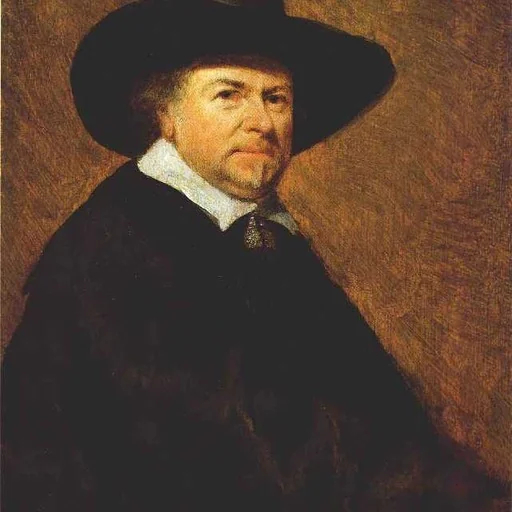
Artist
Jan Josephszoon van Goyen (Dutch pronunciation: ; 13 January 1596 – 27 April 1656) was a Dutch landscape painter.