Artwork
Landscape with a Canal
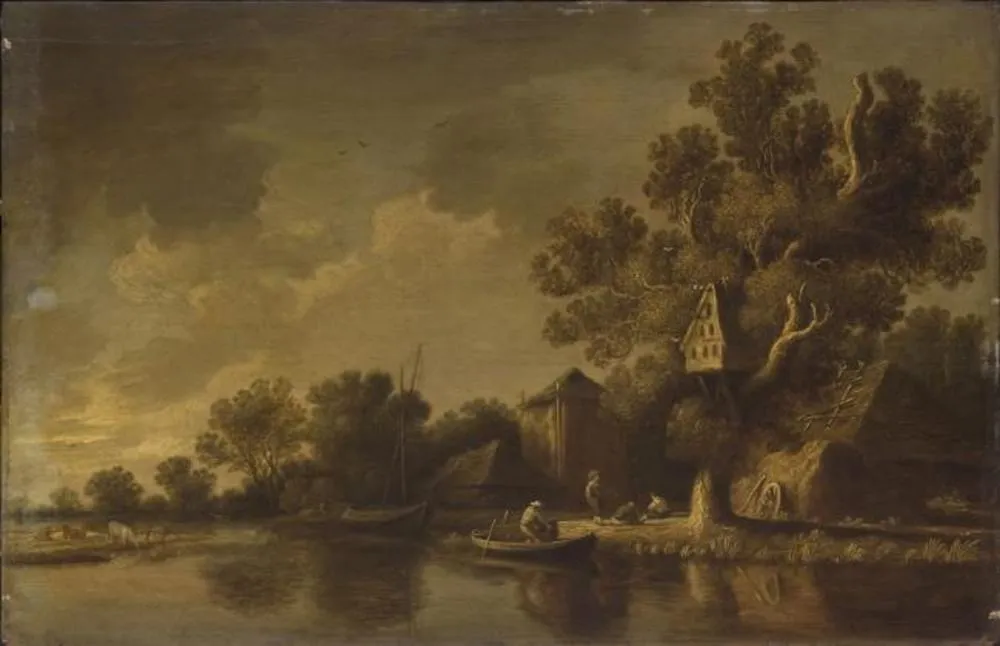
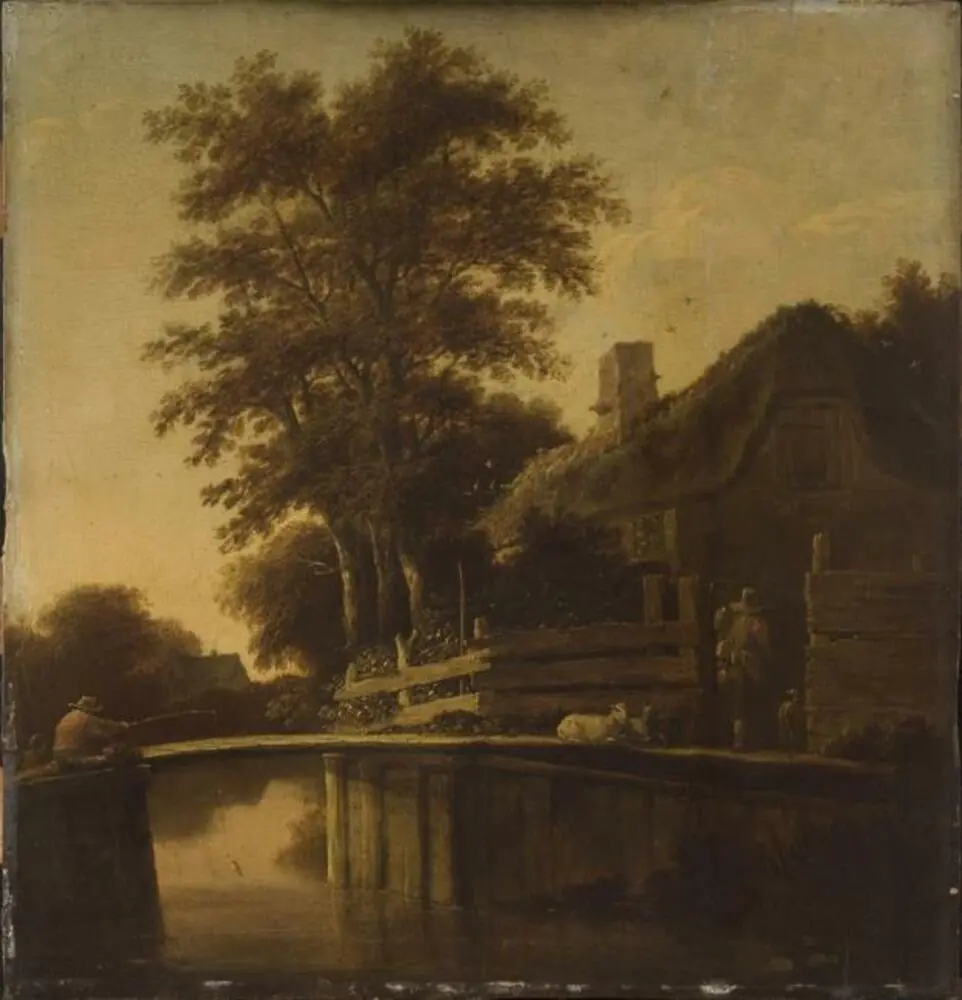
Landscape with a Canal is an oil painting by the Dutch Golden Age artist Pieter de Neyn. It dates from 1634 and is held in the collection of the Philadelphia Museum of Art.
About this work
Overview
The painting is part of the Philadelphia Museum of Art’s collection, where it represents early 17th-century Dutch landscape tradition.
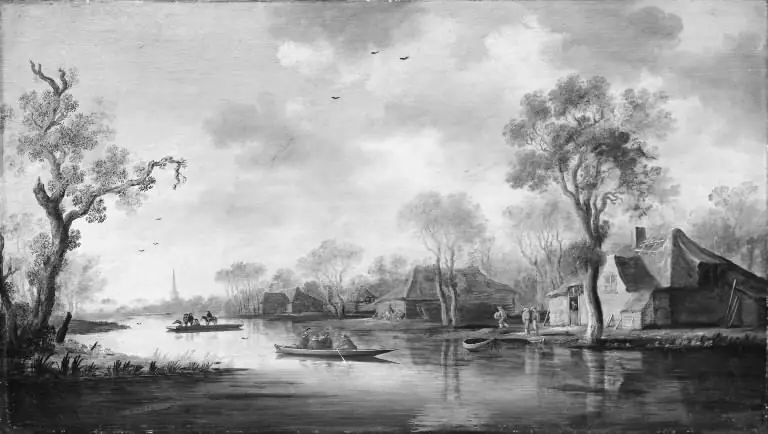
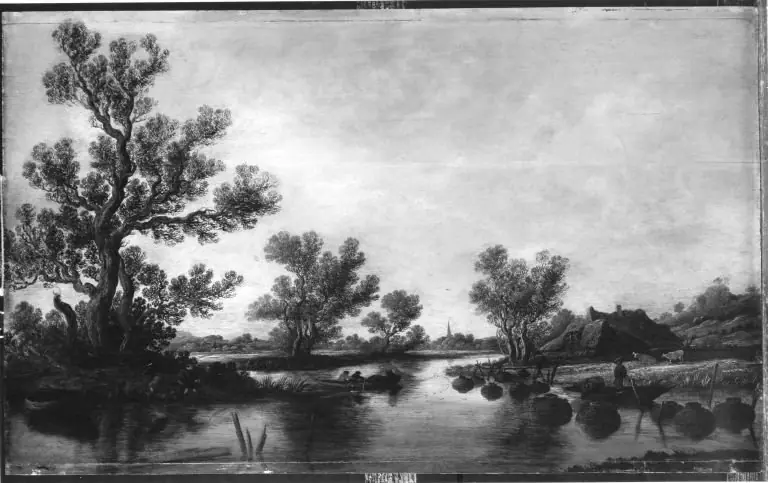
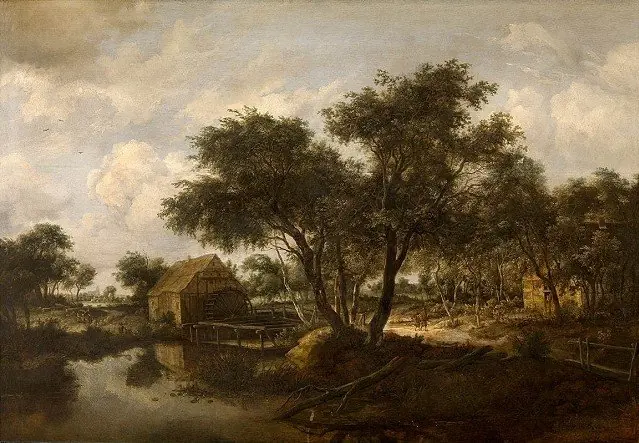
Painted in 1634, Landscape with a Canal is an oil on panel work by Dutch artist Pieter de Neyn. It depicts a quiet rural scene centered on a narrow waterway, flanked by modest architecture and vegetation. The painting is part of the Philadelphia Museum of Art’s collection, where it represents early 17th-century Dutch landscape tradition. Its composition emphasizes stillness and natural harmony over dramatic action.
Subject & Meaning
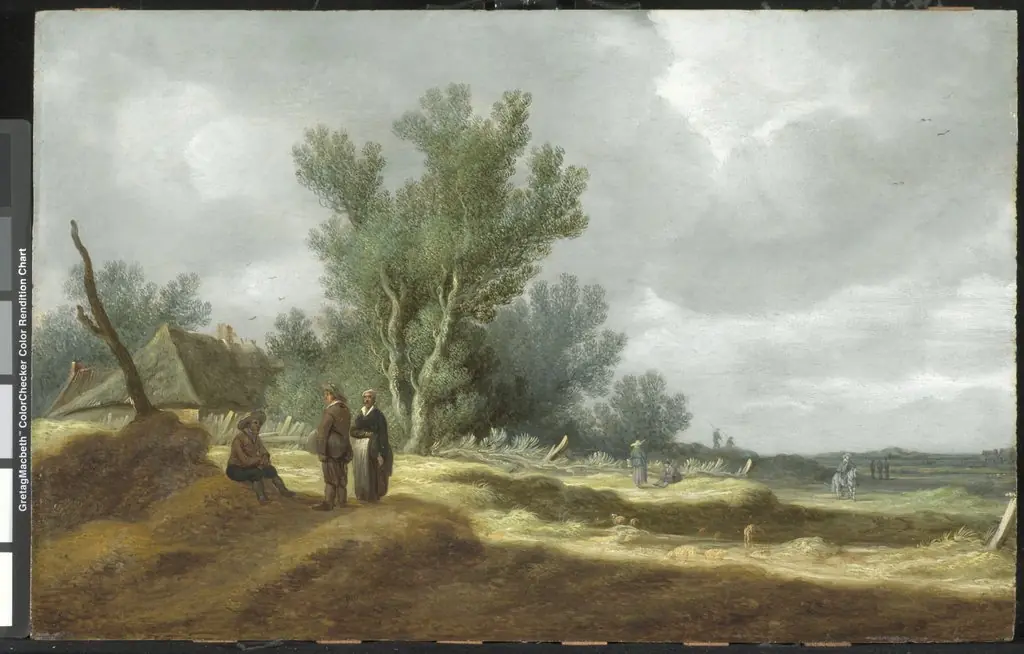
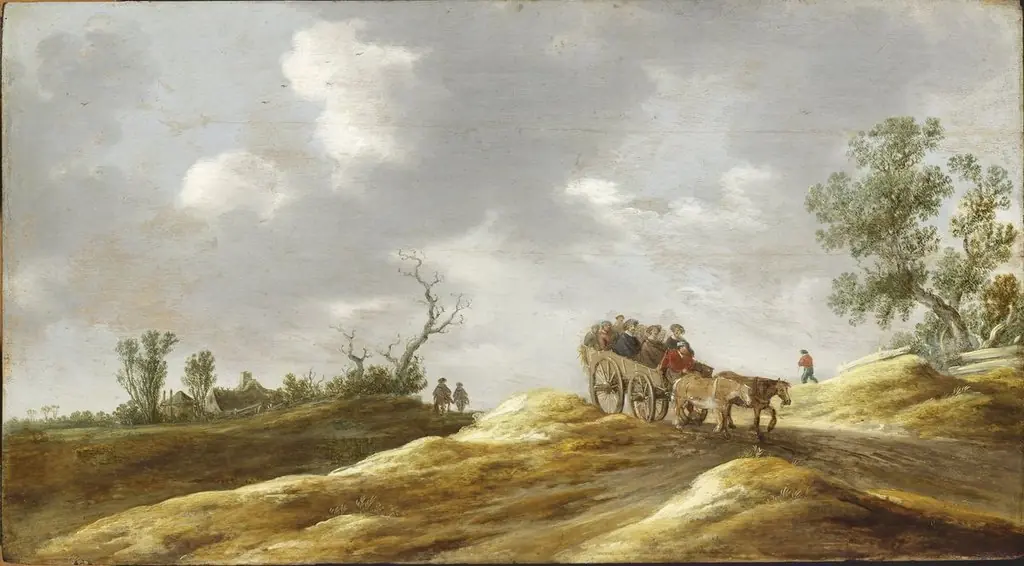
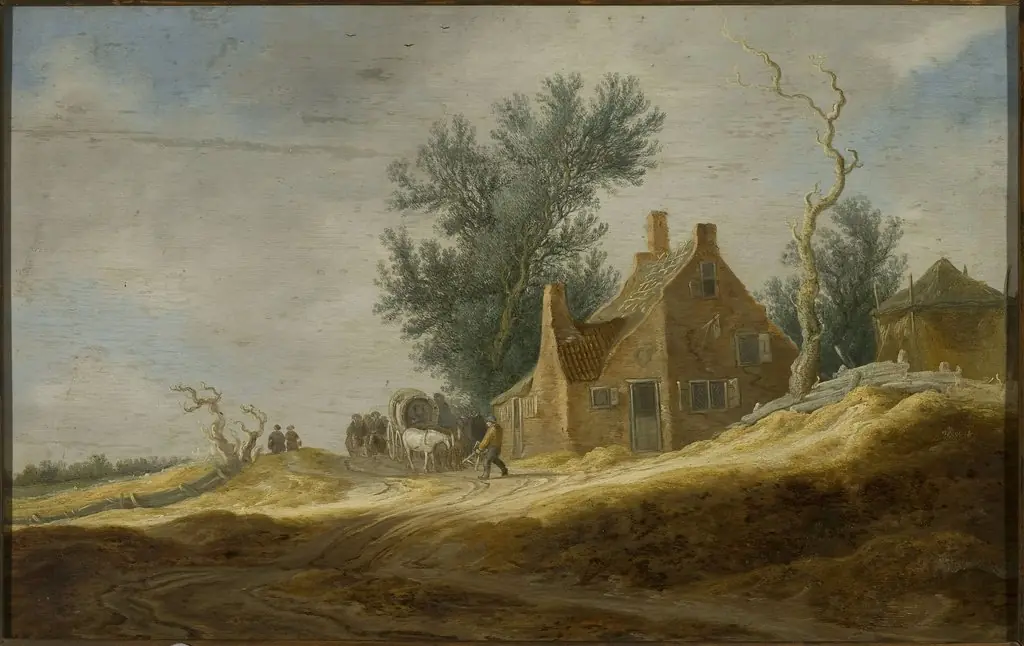
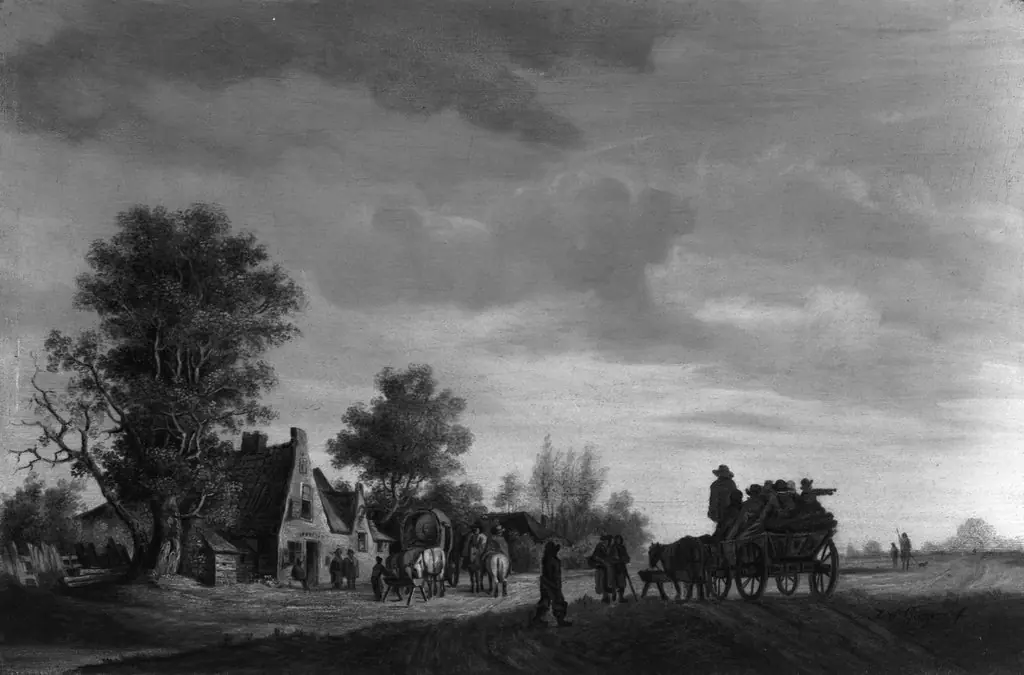
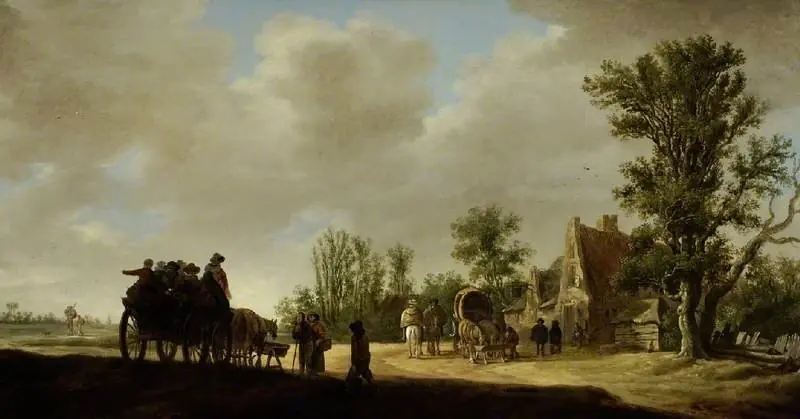
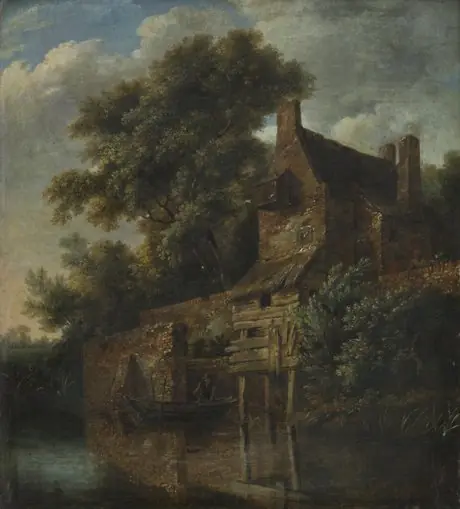
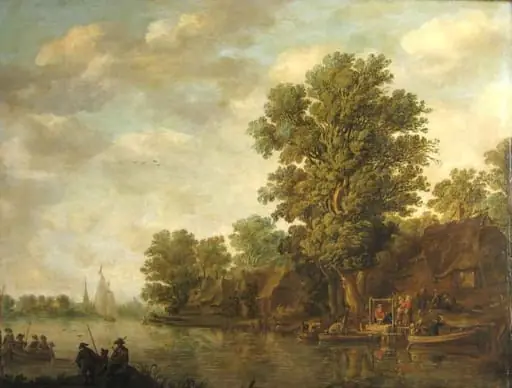
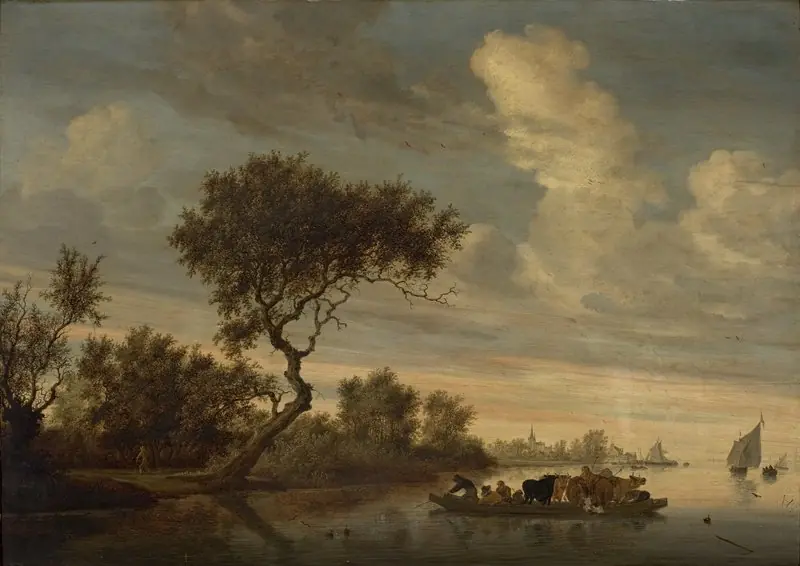
The scene presents a tranquil canal bordered by a large tree on the right and a small building on the left, with a few figures engaged in quiet activities. No narrative is implied; instead, the focus lies in the observation of everyday rural life. The absence of grandeur or symbolism suggests an appreciation for the ordinary, reflecting the Dutch preference for intimate, unidealized views of the natural world.
Technique & Style
De Neyn employs soft, blended brushwork to render the sky and water, creating a gentle transition between elements. Warm earth tones and muted greens dominate the palette, while subtle variations in light suggest late afternoon. Shadows are delicately modeled to suggest volume without harsh contrast, reinforcing the painting’s calm mood and observational realism.
History & Provenance
The painting was completed in 1634 during de Neyn’s active period in Leiden. It entered the Philadelphia Museum of Art’s collection in the 20th century, though its earlier ownership history remains largely undocumented. Its preservation in good condition reflects careful handling over centuries, consistent with its modest scale and unassuming subject matter.
Context
De Neyn worked alongside contemporaries like Rembrandt and Jan van Goyen, contributing to a growing Dutch interest in landscape as an independent genre. Unlike Italianate or heroic landscapes, his works emphasize local topography and subdued light. This painting aligns with regional trends that valued quietude and topographical accuracy over idealized scenery.
Legacy
Though not widely known today, de Neyn’s work exemplifies the quiet realism that defined Dutch landscape painting in the 1630s. Landscape with a Canal illustrates how artists of the time found significance in ordinary scenes, influencing later generations to value the poetic potential of everyday environments. His approach remains a quiet counterpoint to more theatrical contemporaries.
Artist & collection