Artwork
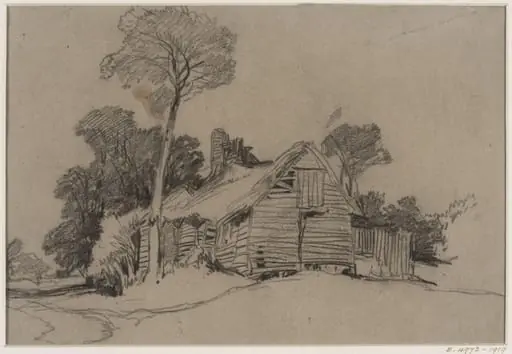
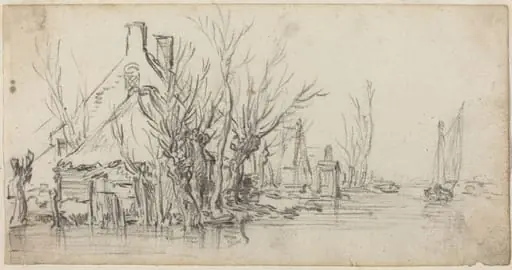
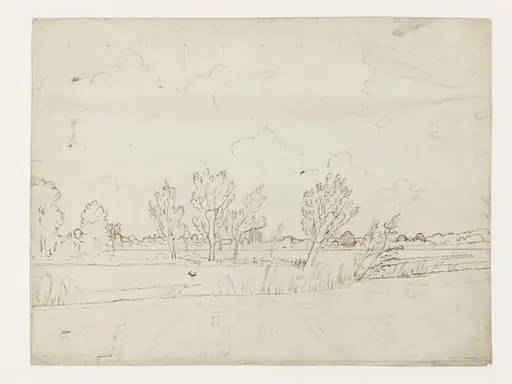
Sketch of Landscape with Cottage
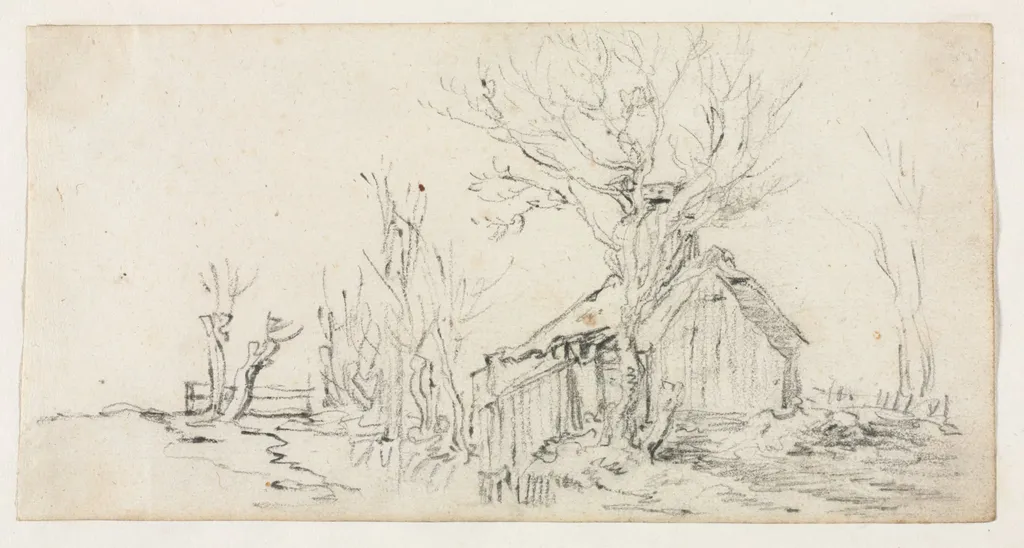
Sketch of Landscape with Cottage is a drawing by the Baroque artist Jan van Goyen. It dates from 1630 and is held in the collection of the Cleveland Museum of Art.
About this work
Overview
As one of over a thousand surviving drawings by the artist, it reflects his habit of observing and recording landscapes directly from nature.
Created around 1630, this drawing by Jan van Goyen captures a modest rural scene with minimal detail and spontaneous brushwork. As one of over a thousand surviving drawings by the artist, it reflects his habit of observing and recording landscapes directly from nature. The work is held in the collection of The Cleveland Museum of Art, where it serves as an example of Dutch 17th-century draftsmanship focused on everyday scenery rather than idealized vistas.
Subject & Meaning
The drawing depicts a humble cottage beside a quiet river, surrounded by bare trees and a narrow path. There is no human presence, and the architecture is unadorned, suggesting an unembellished view of rural life. The absence of dramatic elements or symbolic content points to an interest in quiet observation rather than narrative or moral instruction, aligning with the Dutch preference for truthful, unheroic landscapes.
Technique & Style
Van Goyen employed loose, fluid strokes in ink and wash to suggest form without definition. The water is rendered with rapid, undulating lines; the trees, leafless and skeletal, are indicated with minimal tracery. Light and shadow are implied through tonal variation rather than shading, creating a sense of immediacy. This sketch-like approach prioritizes atmosphere and movement over precision, characteristic of his working method.
History & Provenance
The drawing entered the collection of The Cleveland Museum of Art through documented acquisition, though its earlier ownership history remains largely undocumented. As a work from van Goyen’s mature period, it aligns with his prolific output during the 1620s and 1630s, when he produced numerous drawings as preparatory studies or independent records of observed scenes. Its survival reflects its value as a representative example of his graphic practice.
Context
In early 17th-century Holland, landscape drawing flourished as artists turned from religious and mythological themes to the visible world. Van Goyen was among those who elevated everyday scenery—rivers, fields, cottages—into legitimate subjects. His sketches, often made outdoors, contributed to a broader cultural shift toward empirical observation and the aesthetic appreciation of the mundane.
Legacy
Van Goyen’s approach to landscape drawing influenced later generations of Dutch artists who valued direct observation and economical technique. His sketches, though not intended as finished works, became models for capturing transient effects of light and weather. Today, they are studied for their role in the development of naturalistic representation in European art.
Artist & collection
Artist
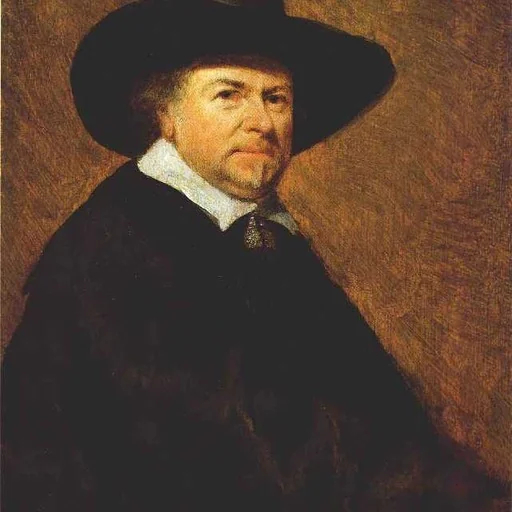
Jan Josephszoon van Goyen (Dutch pronunciation: ; 13 January 1596 – 27 April 1656) was a Dutch landscape painter.

 The Ness, Shaldon, Devon
 Roman Buildings with an Open Shed
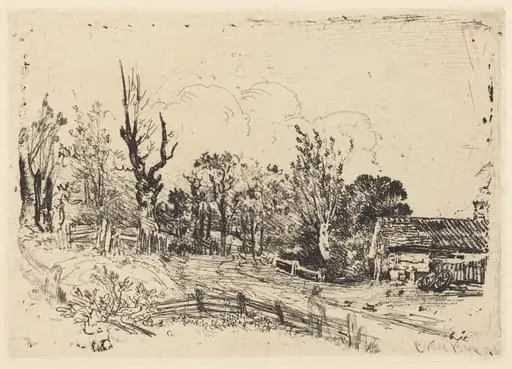 Road with a Farmhouse on the Right
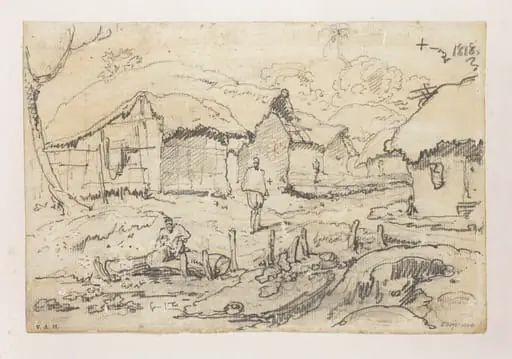 A village street, Bengal
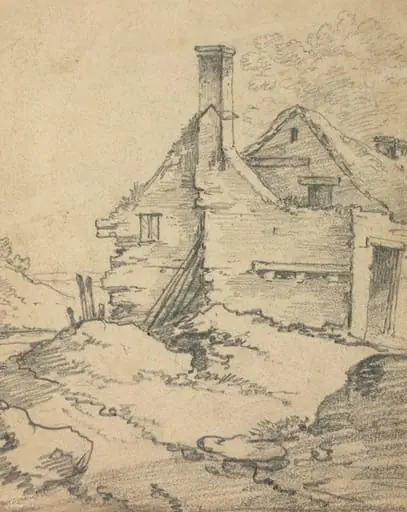 Houses in a Landscape
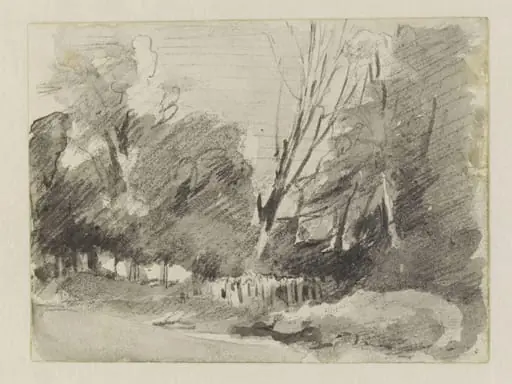 Two sketches on one sheet: a countryman walking, and a group of people beside two donkeys.
 Cottages by a River
 Cottage and landscape at Chirk, North Wales
 A small building on a rocky hillside, Macau
 Houses by a Road
 Water meadows near Salisbury
 Landscape with Cottages