Artwork
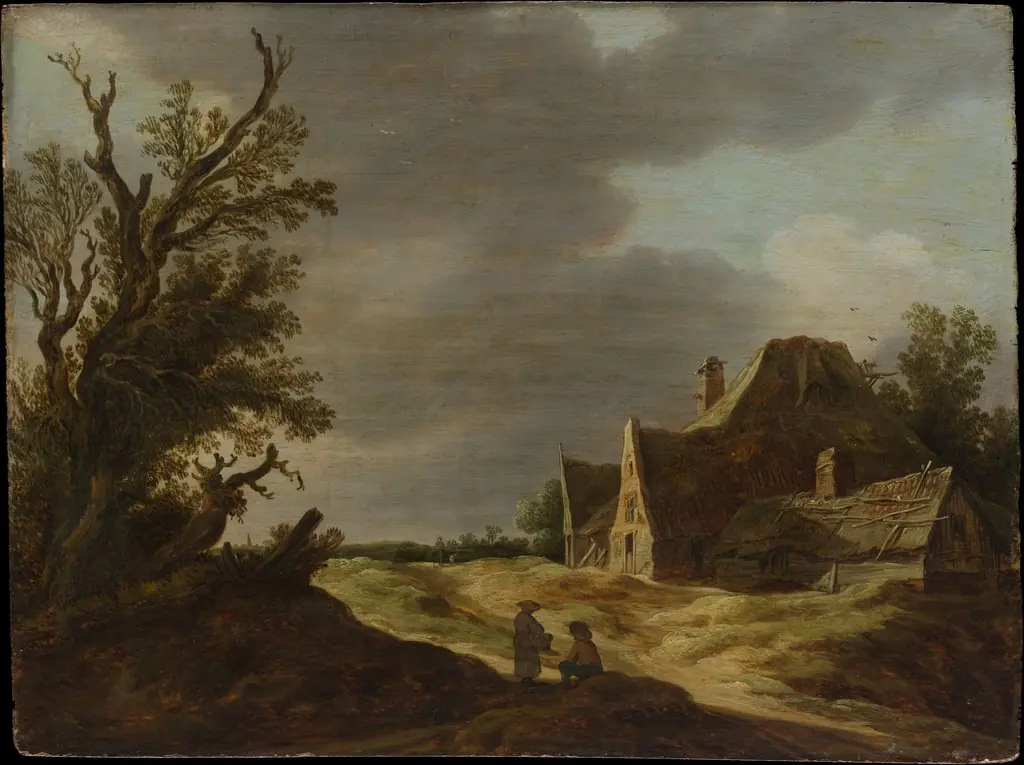
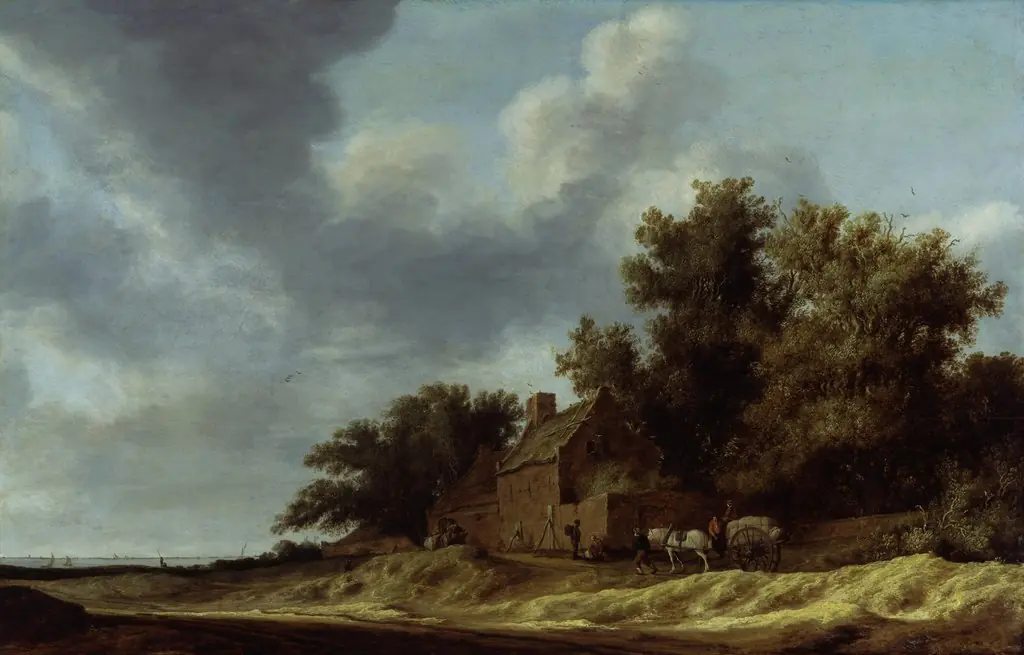
Landscape with a Wayside Inn
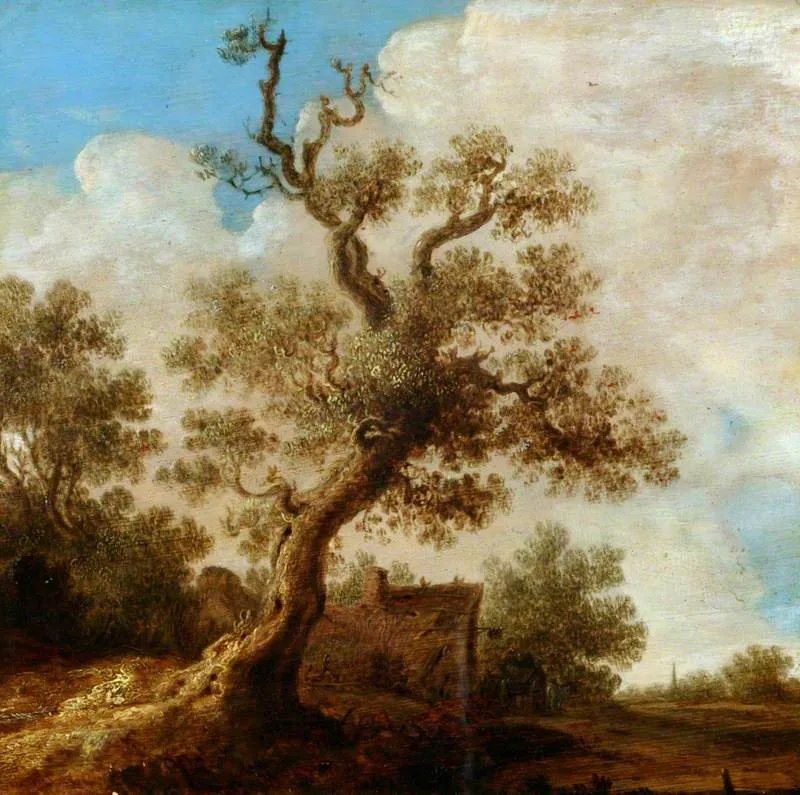
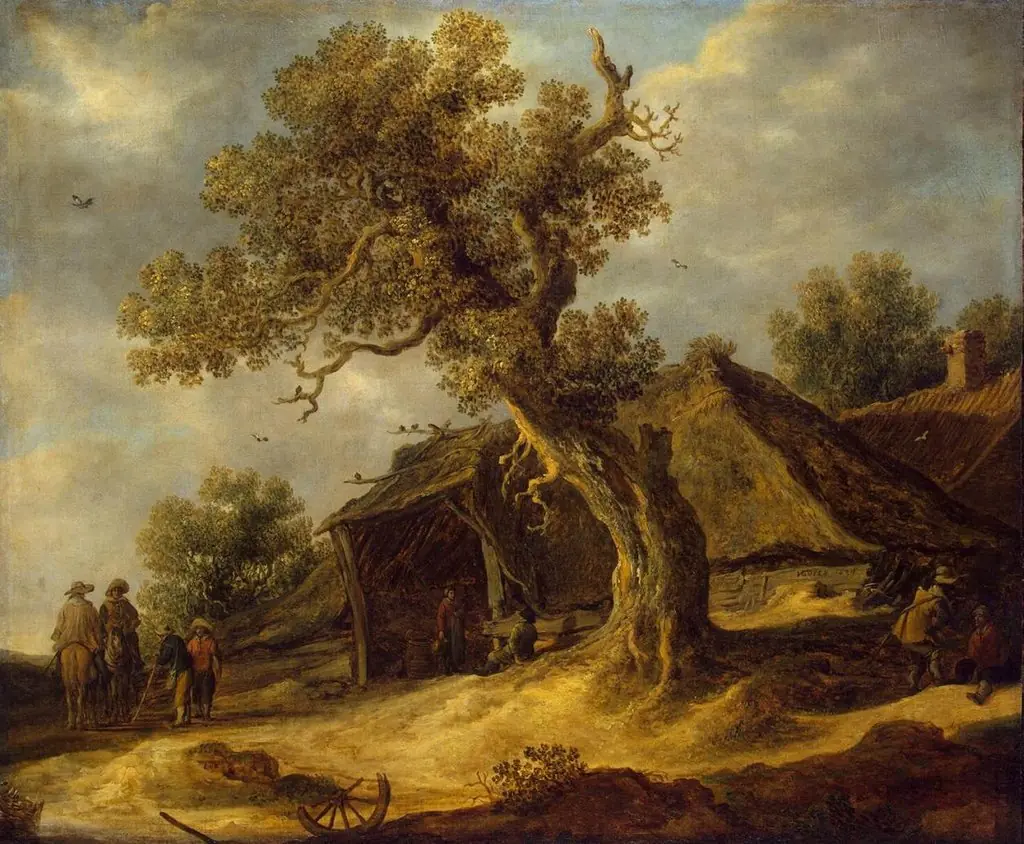
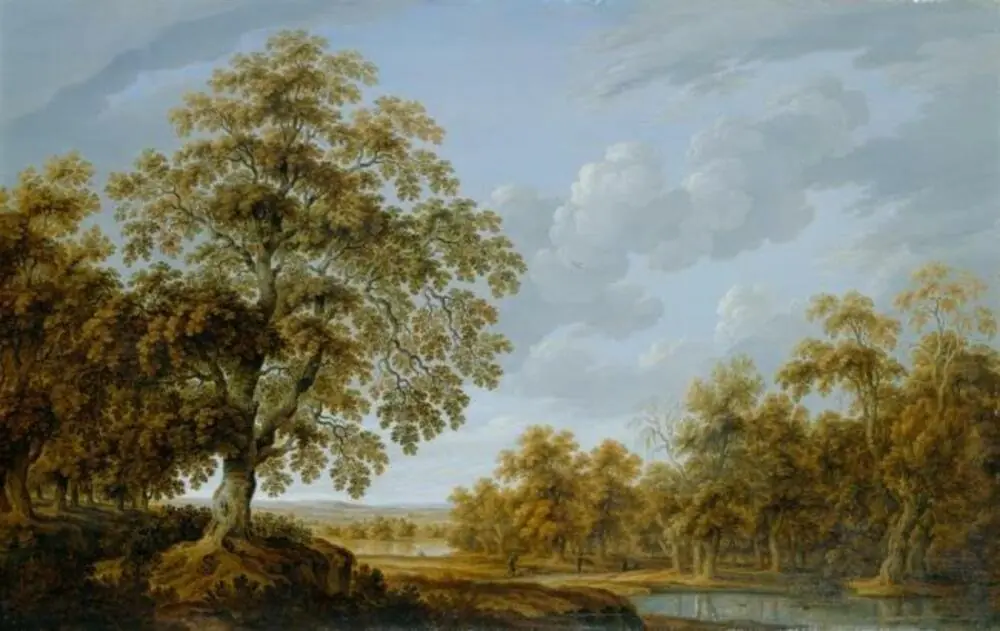
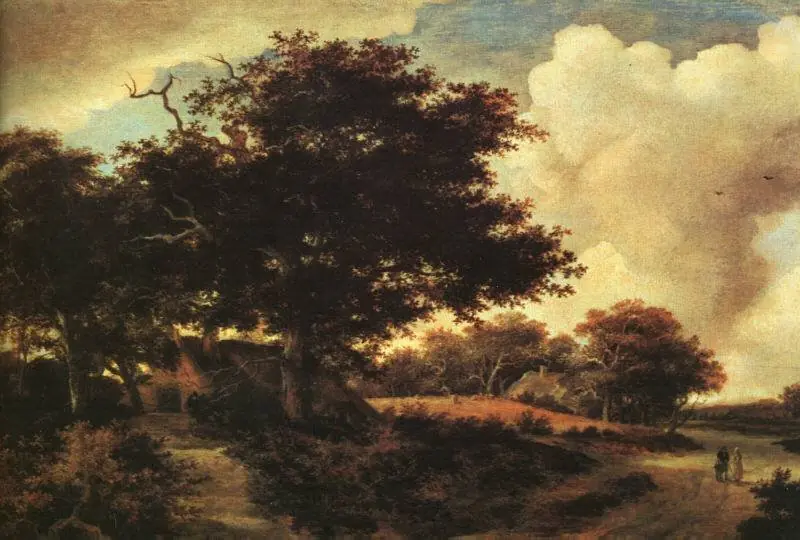
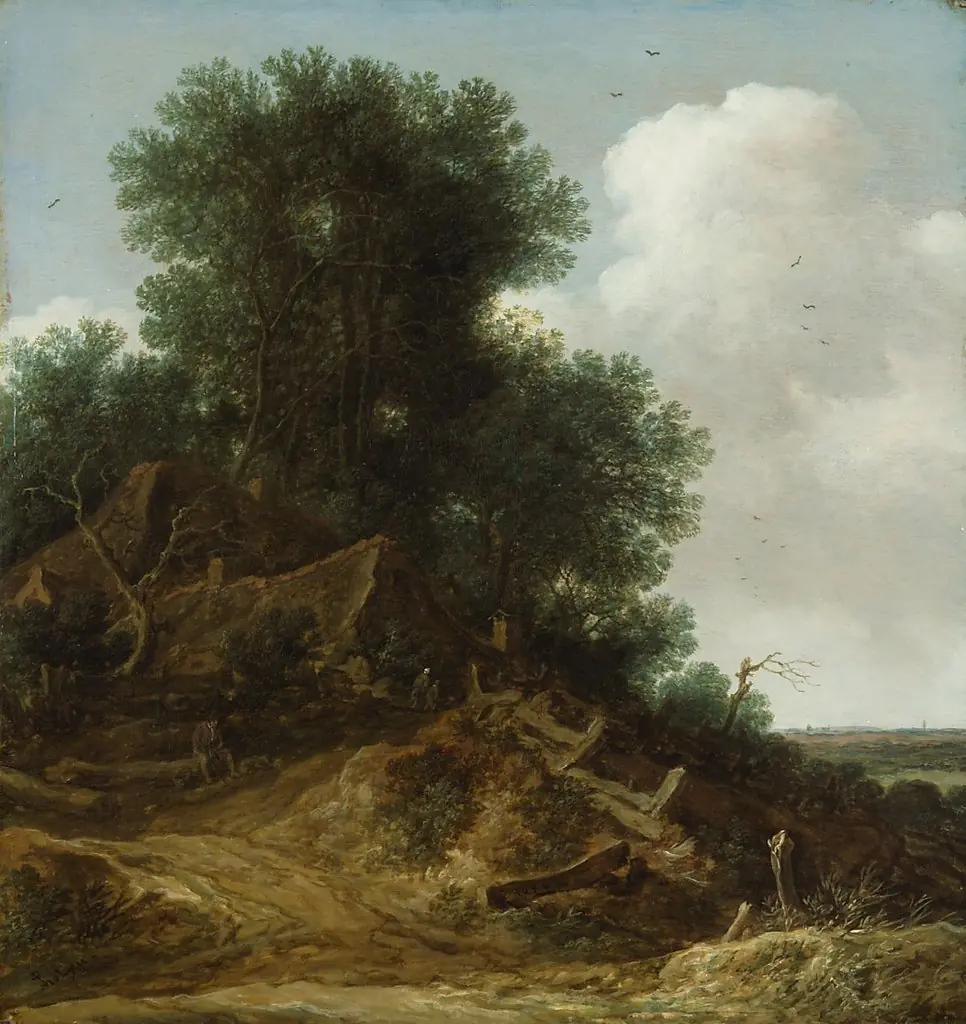
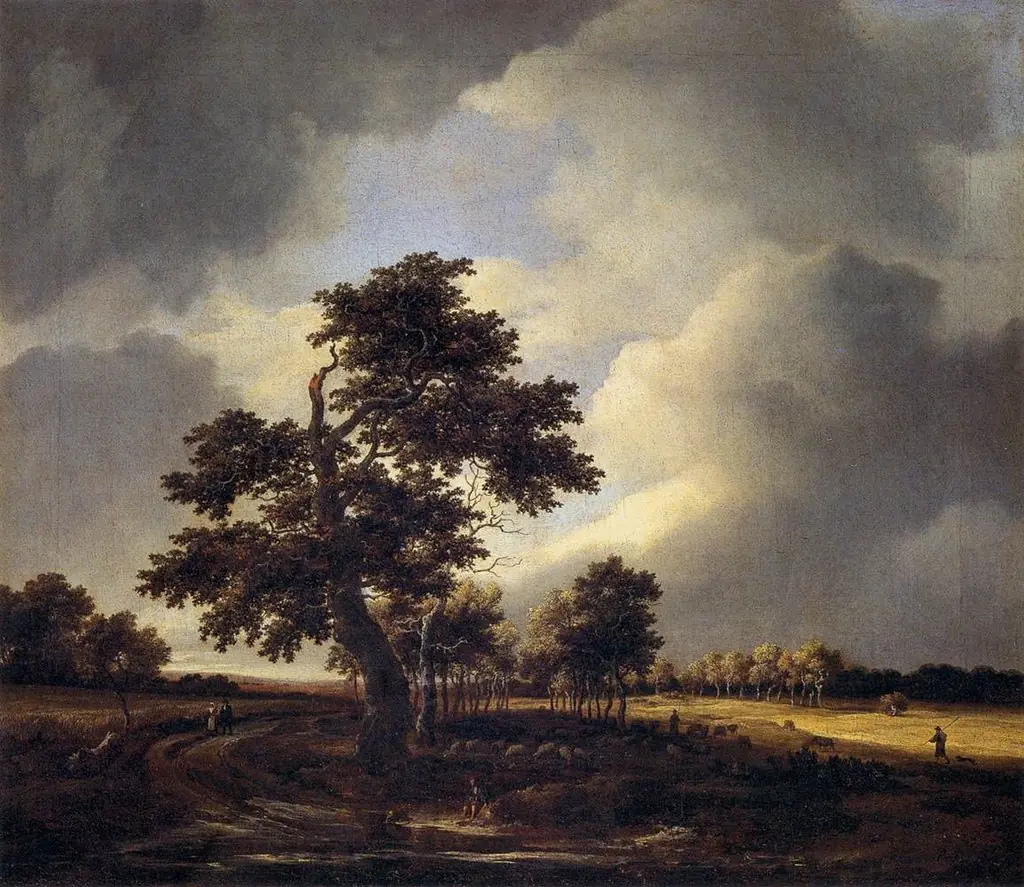
Landscape with a Wayside Inn is an oil painting by the Dutch Golden Age artist Jan van Goyen. It dates from 1636 and is held in the collection of the Victoria and Albert Museum.
About this work
Overview
Executed in oil on panel, it reflects the artist’s prolific output and his role in shaping the Dutch landscape tradition during the Golden Age.
Painted around 1636, *Landscape with a Wayside Inn* is one of approximately twelve hundred landscapes by Jan van Goyen, a leading figure in Dutch 17th-century painting. The work exemplifies his dedication to capturing everyday rural scenes with quiet realism. Executed in oil on panel, it reflects the artist’s prolific output and his role in shaping the Dutch landscape tradition during the Golden Age.
Subject & Meaning
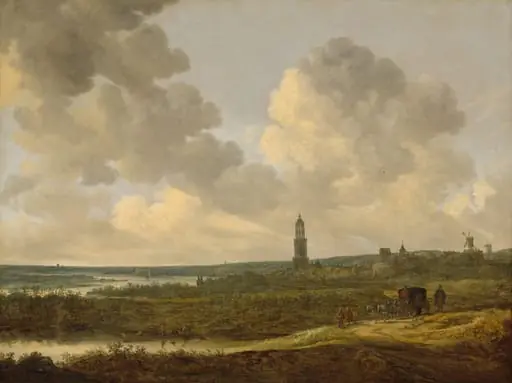
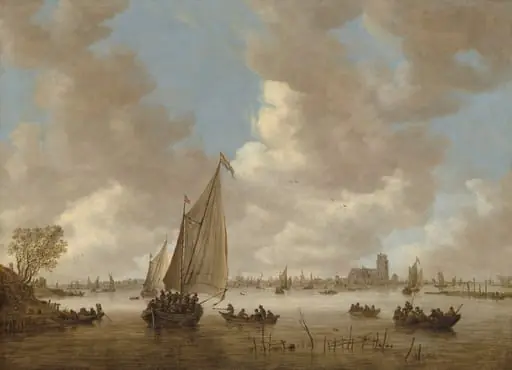
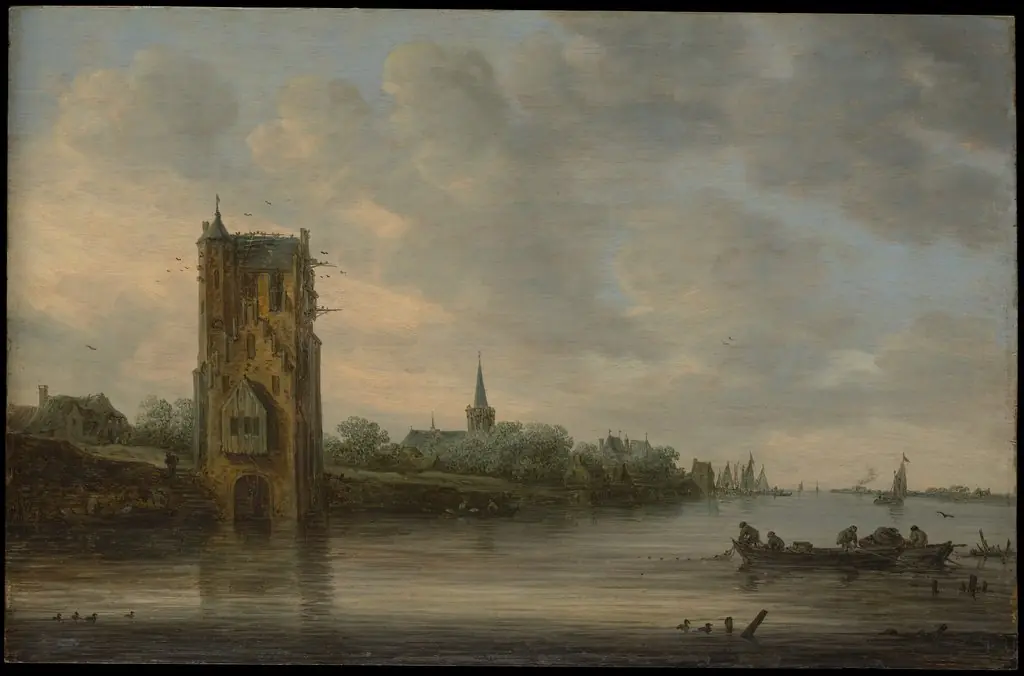
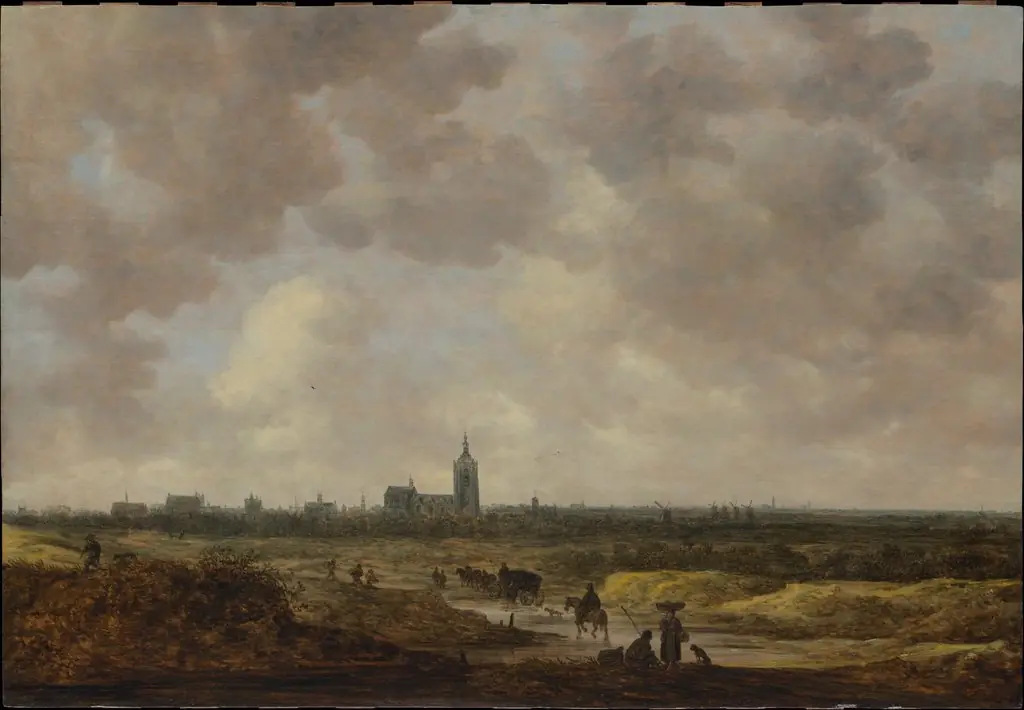
The painting presents a modest roadside inn nestled among trees and under a broad sky, framed by a gnarled tree in the foreground. No human figures are prominent, emphasizing solitude and the quiet rhythm of rural life. The inn, functional and unadorned, suggests the transient nature of travel and the quiet infrastructure supporting it, aligning with Dutch values of modesty and observation of the ordinary.
Technique & Style
Van Goyen employed loose, visible brushwork to render textures of bark, foliage, and cloud cover, avoiding idealized detail in favor of atmospheric suggestion. A restrained palette of browns, greens, and soft blues dominates, with subtle shifts in tone modeling form and depth. Light falls unevenly across the scene, enhancing spatial recession without dramatic contrast, characteristic of his tonalist approach.
History & Provenance
The painting’s early ownership is undocumented, but it aligns with van Goyen’s commercial practice of producing landscapes for a broad market of middle-class collectors. Its survival reflects its appeal in the 17th-century Dutch art trade. Later acquisitions by institutions or private collectors followed the broader rediscovery of Dutch Golden Age works in the 19th and 20th centuries.
Context
During the Dutch Golden Age, landscape painting flourished as a distinct genre, freed from religious or mythological narratives. Van Goyen’s focus on humble, unheroic scenery responded to a growing urban middle class’s interest in their own environment. His works, including this one, helped define a national visual identity rooted in observed reality rather than idealized nature.
Legacy
Van Goyen’s approach influenced later landscape painters through his emphasis on mood, tonal harmony, and everyday subjects. While less celebrated than contemporaries like Rembrandt, his systematic exploration of light and terrain laid groundwork for 18th-century Dutch and English landscape traditions. His oeuvre remains a key reference for understanding the secularization of nature in early modern art.
Artist & collection
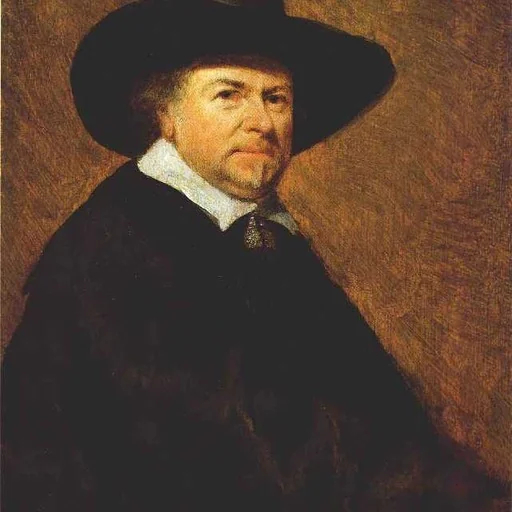
Artist
Jan Josephszoon van Goyen (Dutch pronunciation: ; 13 January 1596 – 27 April 1656) was a Dutch landscape painter.