Artwork
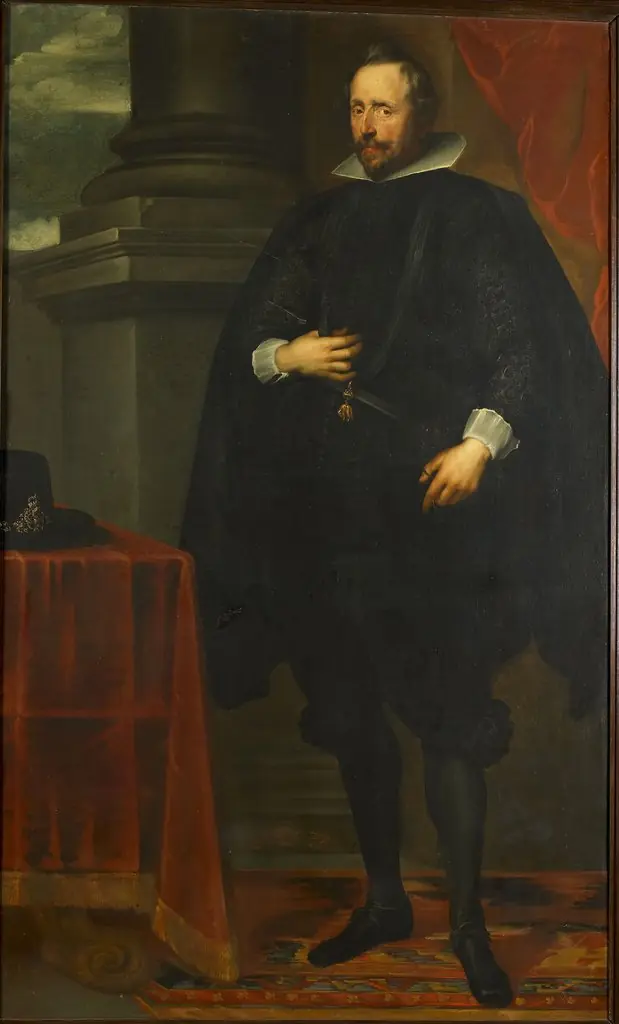
Portrait of Cornelis Jacobsz de Boer, Captain in the Navy
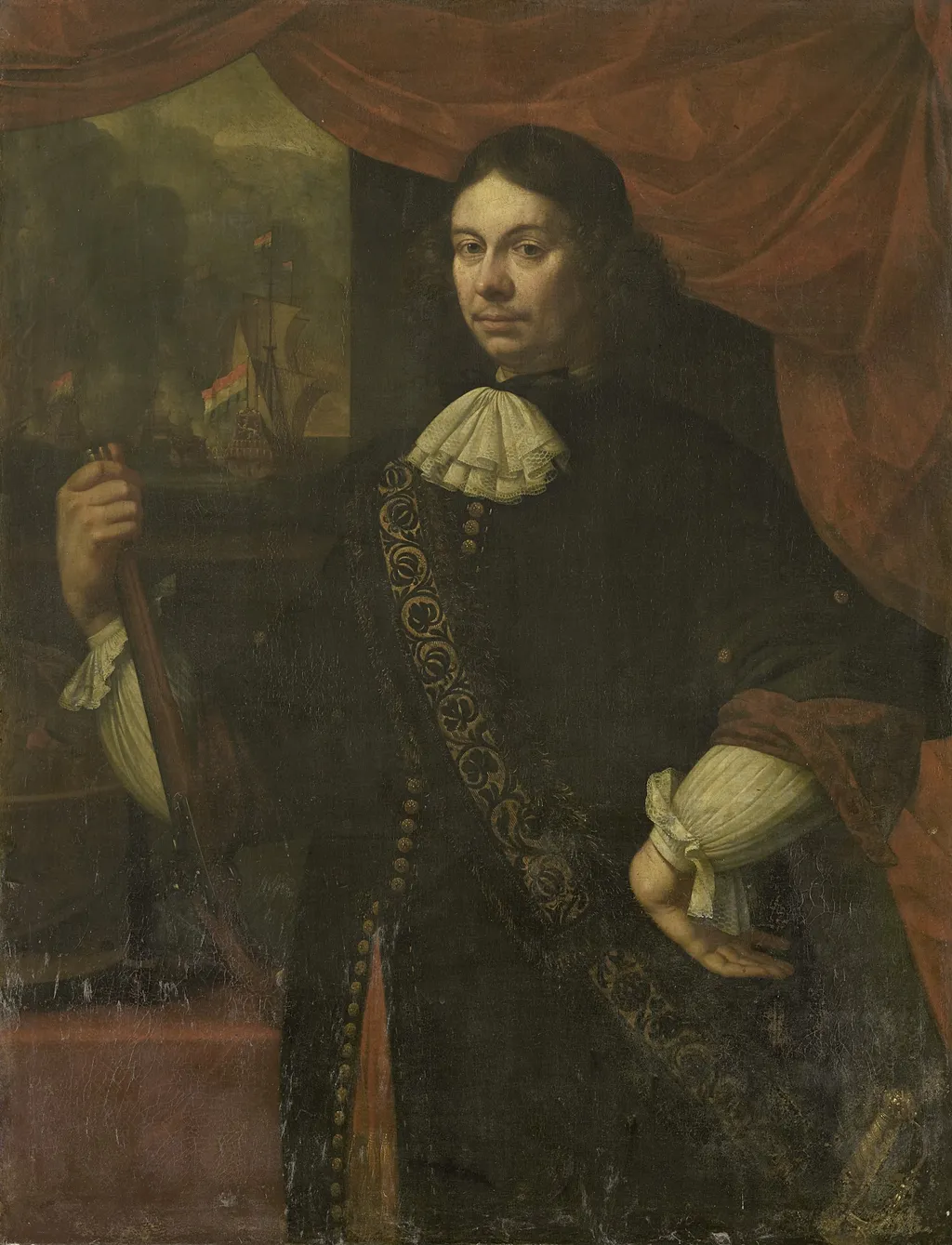
Portrait of Cornelis Jacobsz de Boer, Captain in the Navy is an oil painting by Jan van Neck. It dates from 1674 and is held in the collection of the Rijksmuseum.
About this work
Overview
Painted in 1674 by Jan van Neck, this oil portrait depicts Cornelis Jacobsz de Boer, a naval officer of the Dutch Republic.
Painted in 1674 by Jan van Neck, this oil portrait depicts Cornelis Jacobsz de Boer, a naval officer of the Dutch Republic. The work is part of the Rijksmuseum’s collection and exemplifies mid-to-late 17th-century Dutch portraiture. It captures the sitter in formal attire, with subtle environmental cues that hint at his professional identity, reflecting the era’s emphasis on civic and military status.
Subject & Meaning
Cornelis Jacobsz de Boer is portrayed as a disciplined naval captain, his posture composed and authoritative. The rolled document in his hand suggests official duties, while the maritime scene behind him reinforces his connection to the sea. The starched collar and gold-threaded embroidery signify rank and wealth, common markers of status among Dutch naval officers. The portrait conveys duty and dignity without overt grandeur.
Technique & Style
Van Neck employs restrained chiaroscuro to model the sitter’s face and clothing, lending volume without dramatic contrast. The texture of the embroidered coat is rendered with fine brushwork, while the background is softly blurred, drawing focus to the figure. The paint surface shows fine cracking, typical of age and oil medium, adding historical texture without compromising clarity of form.
History & Provenance
The portrait entered the Rijksmuseum’s collection as part of its broader effort to preserve Dutch Golden Age art. Its provenance traces back to de Boer’s family or associates, likely remaining in the Netherlands since its creation. No major alterations or reattributions are recorded, and it has been consistently identified as Van Neck’s work since at least the 19th century.
Context
In 17th-century Holland, naval officers held significant social standing due to the Republic’s maritime power. Portraits like this were commissioned to affirm civic identity and professional achievement. The inclusion of a maritime backdrop was a conventional device, distinguishing naval figures from merchants or land-based officials. Van Neck’s approach aligns with the sober realism favored by Dutch burgher elites.
Legacy
The portrait remains a representative example of Dutch civic portraiture from the late 1600s. It contributes to scholarly understanding of how naval officers were visually represented during the height of the Dutch Republic’s global influence. Though not widely reproduced, it continues to inform exhibitions on maritime history and the visual culture of the Dutch Golden Age.
Own this work as a print
Artist & collection

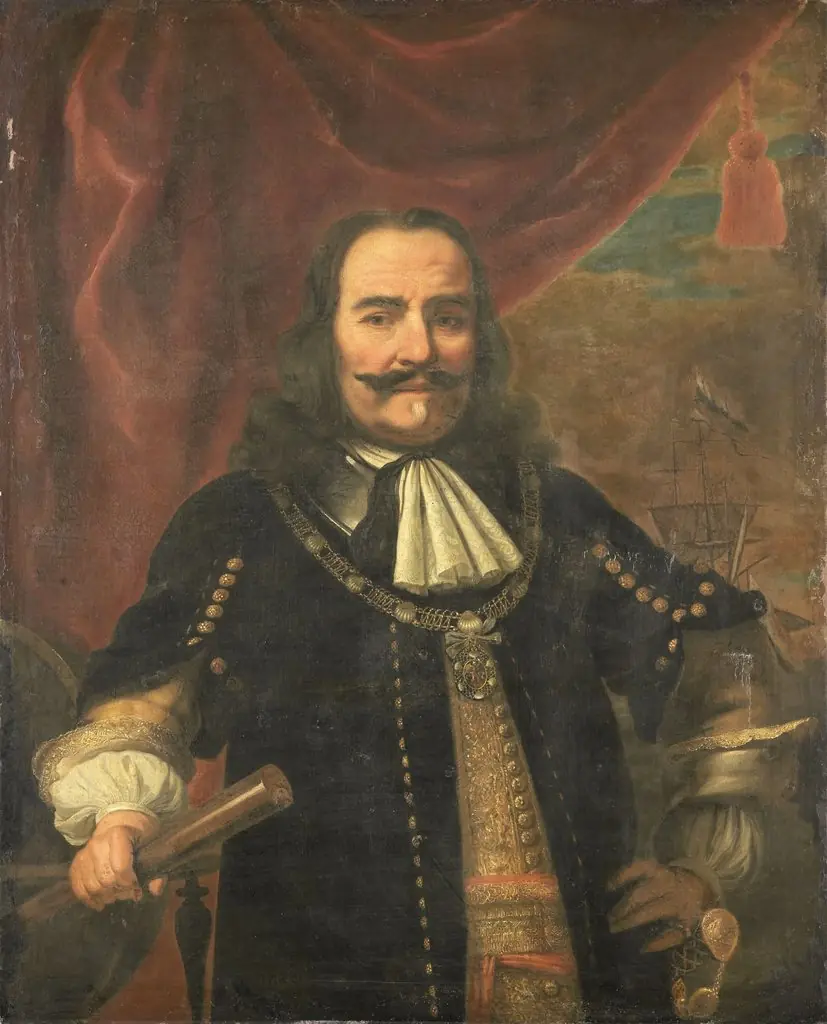 Michiel Adriaensz de Ruyter (1607-76), vice admiral
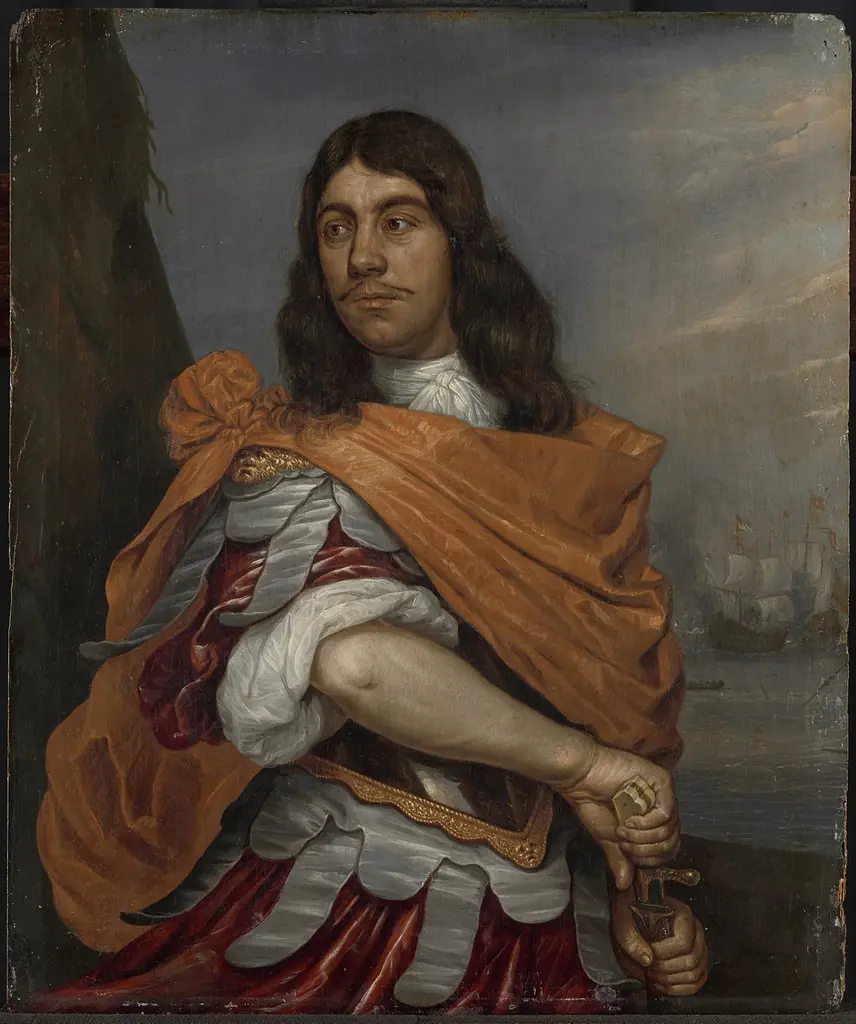 Cornelis Tromp (1629-91), Vice admiral, in Roman costume
 Untitled
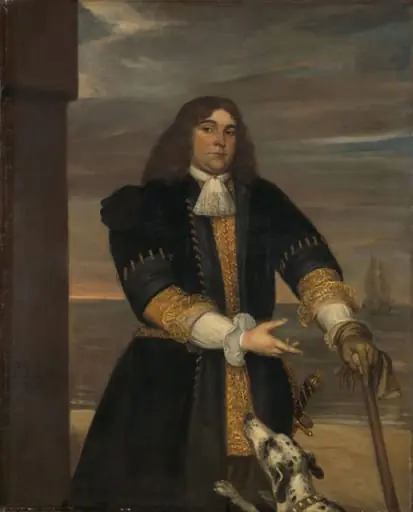 Jan van Gelder (1647-73), Naval Captain, Stepson of Michiel Adriaensz de Ruyter
 Portrait of Aleksander Ludwik Radziwiłł (1594–1654)
 Mandsportræt
 Portret van Nicolaes Witsen (1641-1717)
 Portrait of Engel de Ruyter
 Portrait of Wolfgang Wilhelm, Count Palatine of Neuburg