Artwork
Hunting still life with swan
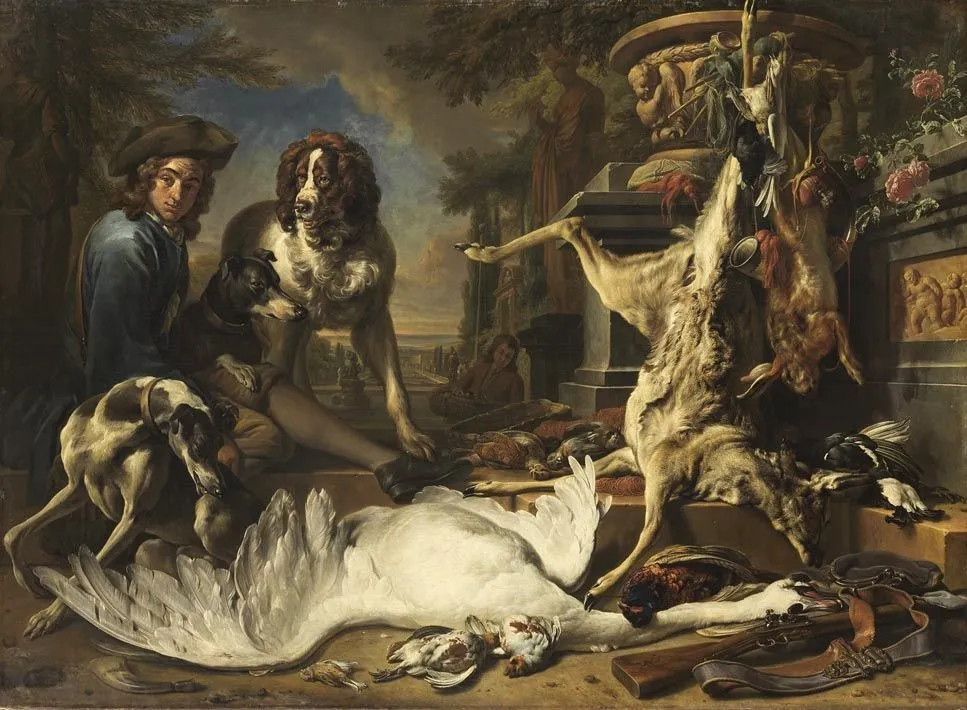
Hunting still life with swan is an oil painting by the Dutch Golden Age artist Jan Weenix. It dates from 1702 and is held in the collection of the Bavarian State Painting Collections.
About this work
Overview
Jan Weenix’s 1702 oil painting *Hunting still life with swan* presents a richly detailed tableau of a hunt’s aftermath. Set on a wooden table, the composition combines a standing figure in a blue coat, a large dog, a dead swan, assorted birds, and a rabbit still furred, alongside hunting implements, a vase of flowers, and a distant statue. The work is held in the Alte Pinakothek collection.
Subject & Meaning
The image juxtaposes the living hunter and his companion with the lifeless game, a common motif in Dutch still‑life that underscores the abundance and skill associated with aristocratic sport. The inclusion of a swan, a bird prized for its size and rarity, alongside more modest fowl and a rabbit, creates a hierarchy of trophies that reflects social status and the triumph of man over nature.
Technique & Style
Weenix employs a refined chiaroscuro, allowing light to strike the plumage of the swan and the fur of the rabbit, rendering them with a tactile realism.
Weenix employs a refined chiaroscuro, allowing light to strike the plumage of the swan and the fur of the rabbit, rendering them with a tactile realism. The brushwork is meticulous in the rendering of feathers and metal, while broader strokes suggest the texture of the tablecloth and background drapery. The palette balances cool blues of the coat with warm earth tones of the game, enhancing depth.
History & Provenance
Created during the later phase of the Dutch Golden Age, the painting exemplifies Weenix’s mature period, when he focused almost exclusively on hunting subjects. After remaining in private Dutch collections for much of the 18th and 19th centuries, the canvas entered the holdings of the Alte Pinakothek in Munich, where it has been displayed as part of the museum’s Dutch Baroque holdings.
Context
In the early 18th century, still‑life paintings of game served both decorative and didactic purposes, celebrating the prosperity of the Dutch mercantile class. Weenix, trained by his father Jacob and cousin Philips Wouwerman, inherited a family tradition of animal and landscape painting, adapting it to the tastes of wealthy patrons who commissioned such works for country estates and urban homes.
Artist & collection
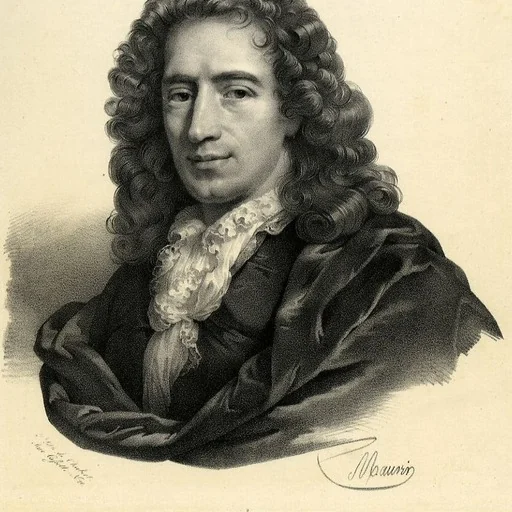
Artist
Jan Weenix or Joannis Wenix (between 1641/1649 – 19 September 1719 (buried)) was a Dutch painter.

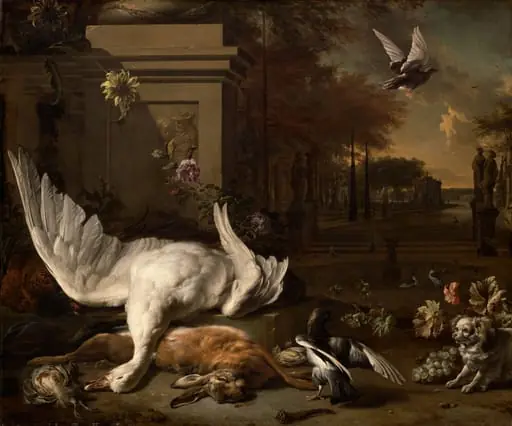 Still Life with Goose and Game before a Country Estate
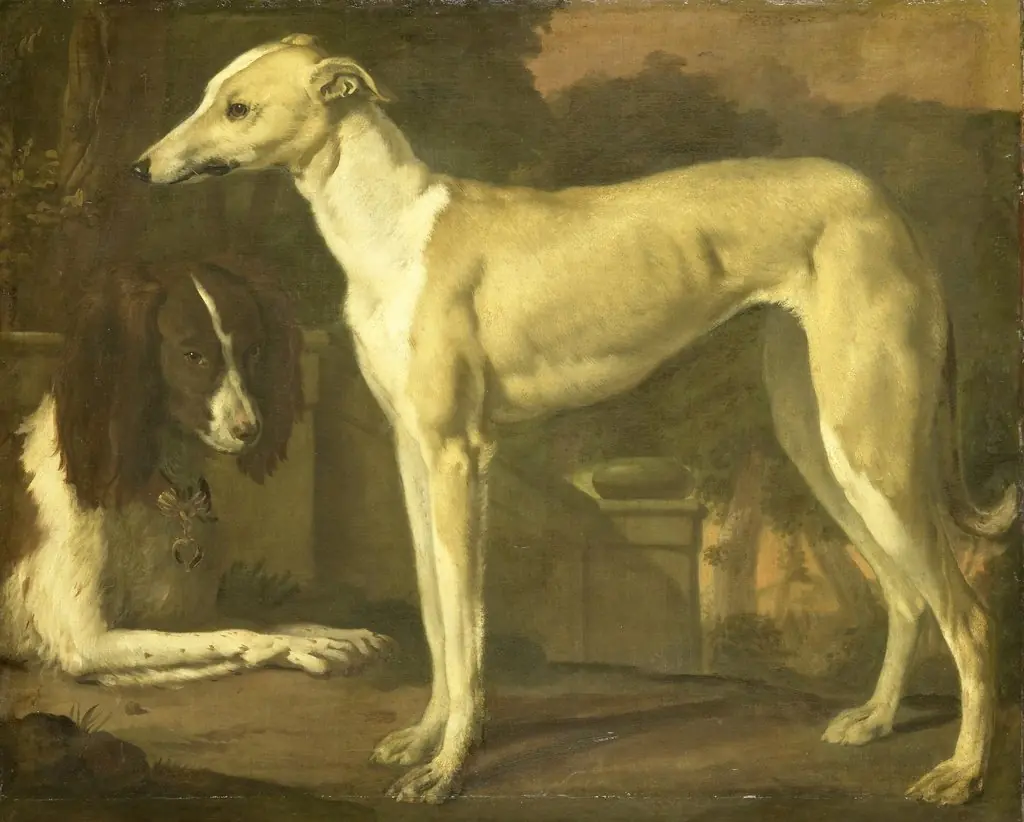 Portrait of a greyhound and a spaniel
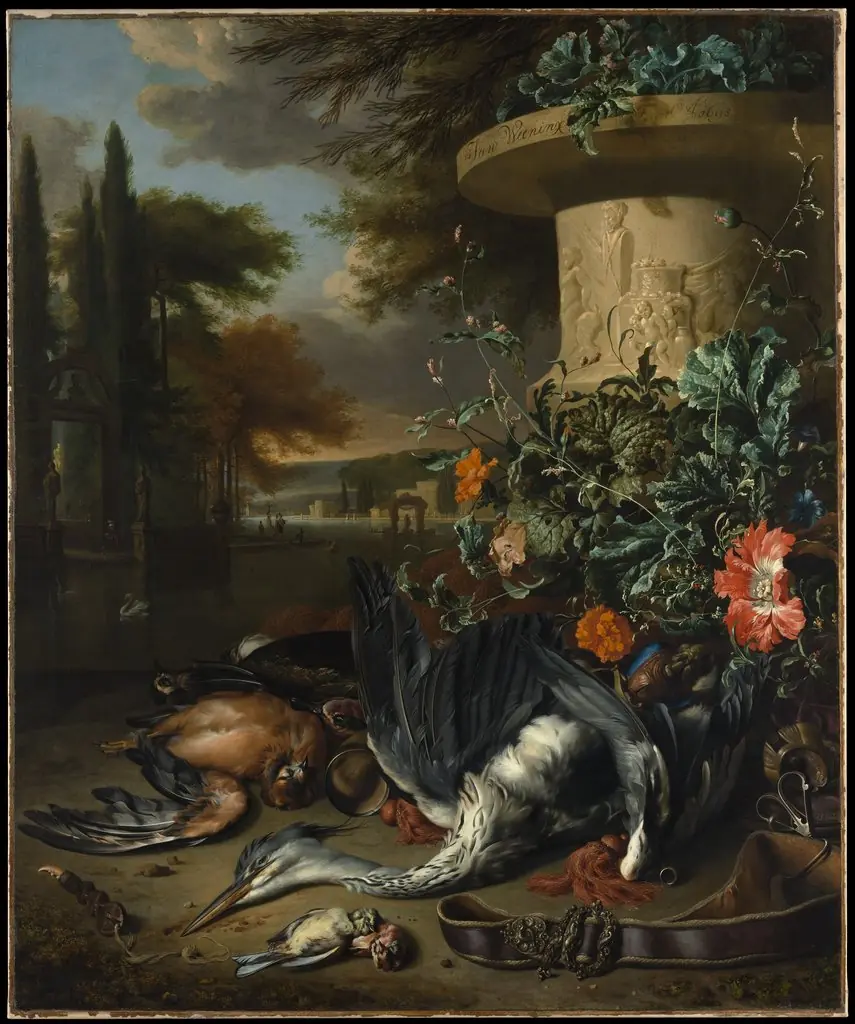 Gamepiece with a Dead Heron ("Falconer's Bag")
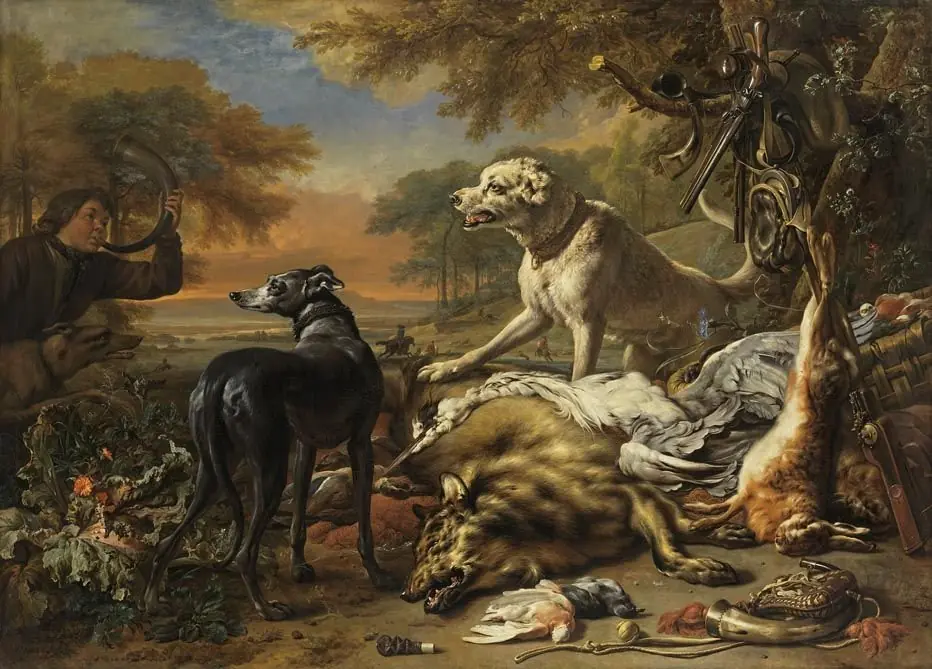 Hunting still life with wolf
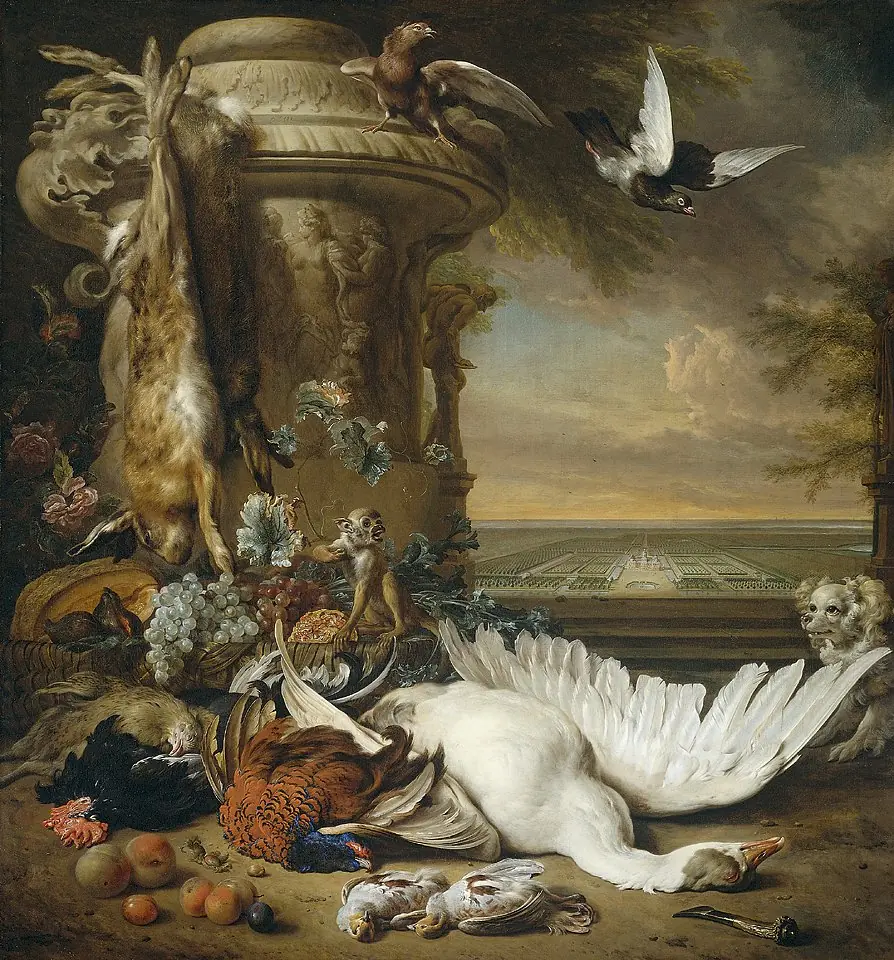 Still Life with Dead Game and Fruit beside a Garden Vase, with a Monkey, a Dog and Two Pigeons; in the Background Rijksdorp near Wassenaar, the Estate of Jonkheer Jacob Emmery, Baron of Wassenaar
 A monkey and a dog beside dead game and fruits, with the estate of Rijxdorp near Wassenaar in the background
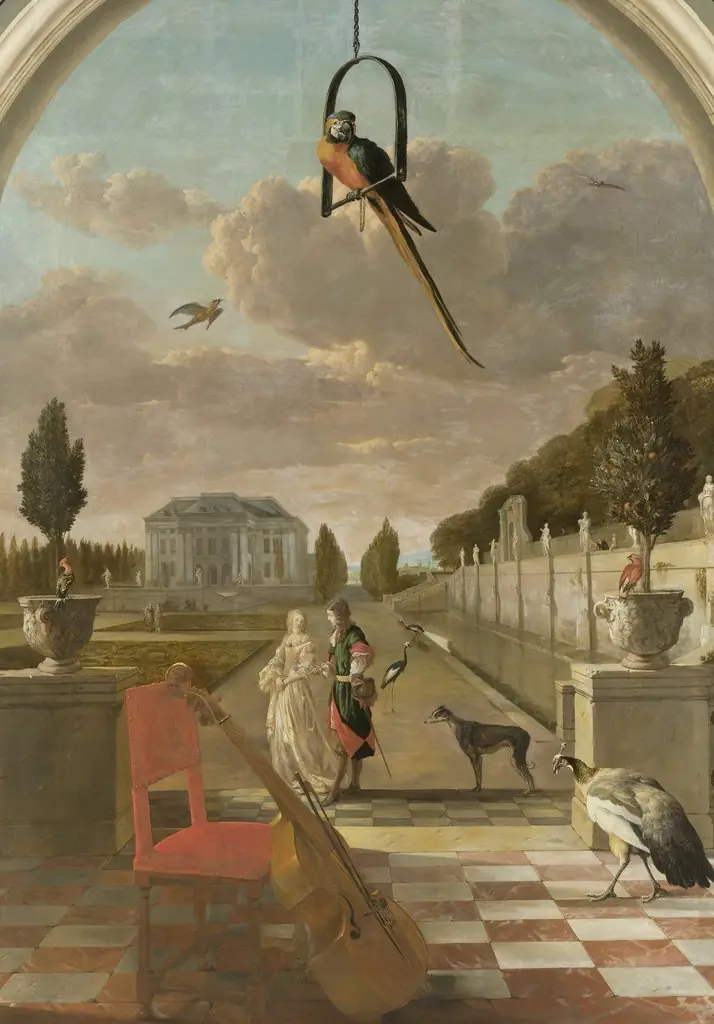 Park with country home
 Portrait of Maria Cornelisz, Wife of Silvester van Tongeren