Artwork
Christ on the Road to Emmaus
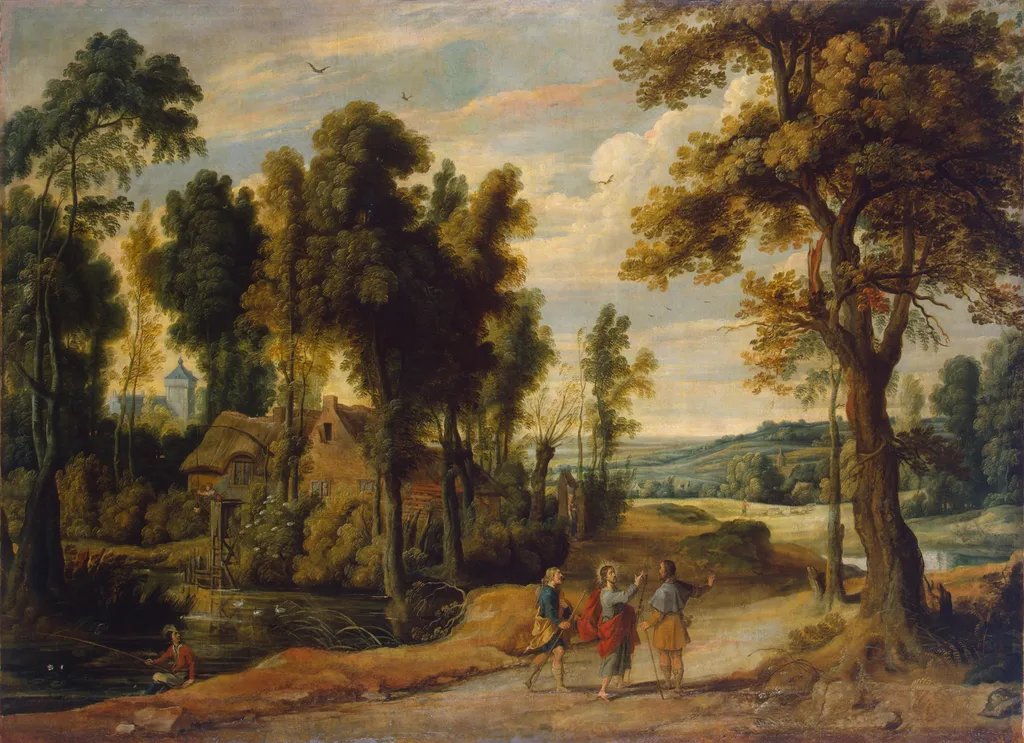
Christ on the Road to Emmaus is an oil painting by the Flemish Baroque painting artist Jan Wildens. It dates from 1640 and is held in the collection of the Hermitage Museum.
About this work
Overview
Painted in 1640 by Jan Wildens, this oil-on-canvas work illustrates a moment from the Gospel of Luke in which the resurrected Christ walks with two disciples.
Painted in 1640 by Jan Wildens, this oil-on-canvas work illustrates a moment from the Gospel of Luke in which the resurrected Christ walks with two disciples. Though Wildens is better known for landscape contributions to collaborative works, this piece stands as a rare independent composition where he both conceived the narrative and rendered the setting. The painting is part of the State Hermitage Museum’s collection in Saint Petersburg.
Subject & Meaning
The scene captures Christ, unrecognized by his followers, journeying toward Emmaus after his resurrection. The two disciples, dressed in red and blue robes, walk beside him in quiet contemplation. Their shared path, staffs in hand, suggests both physical travel and spiritual inquiry. The modest house ahead hints at the impending revelation at supper, a moment of divine recognition central to the biblical account.
Technique & Style
Wildens employs soft, diffused light to unify the figures with the landscape, a hallmark of his approach. Brushwork is restrained, favoring atmospheric harmony over dramatic contrast. The figures are rendered with quiet dignity, their gestures subtle, while the background—trees, stream, and distant architecture—is rendered with careful detail, reflecting his strength as a landscape specialist.
History & Provenance
The painting entered the State Hermitage Museum’s collection in the 19th century, likely through acquisitions from European private holdings. Its attribution to Wildens has been consistently supported by stylistic analysis and archival records. Unlike many of his collaborative works, this piece was not commissioned for a church or patron, suggesting a personal or devotional intent.
Context
In mid-17th century Flanders, religious subjects remained central to artistic production, even as secular themes gained ground. Wildens, though primarily a landscape artist, engaged with biblical narratives through his own lens—emphasizing calm, naturalistic settings over theatricality. This work aligns with a broader trend among Flemish painters to humanize sacred moments through intimate, everyday environments.
Legacy
While not among Wildens’s most widely reproduced works, this painting exemplifies his ability to merge narrative restraint with environmental precision. It stands as a quiet testament to his skill beyond background contributions, offering insight into how landscape artists of the period engaged with theological themes. The work continues to be studied for its understated emotional tone and compositional balance.
Own this work as a print
Artist & collection
Artist
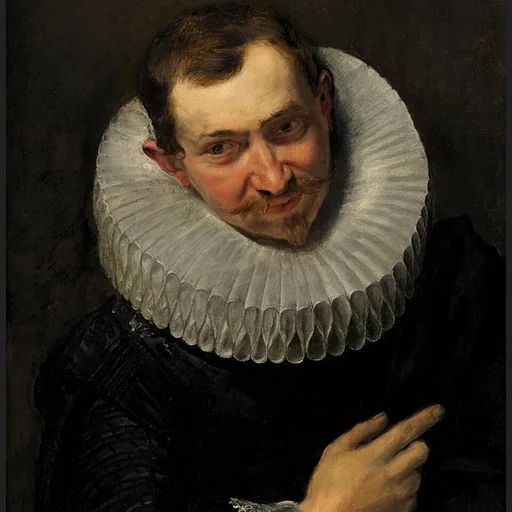
Jan Wildens (1586 in Antwerp – 16 October 1653 in Antwerp) was a Flemish painter and draughtsman specializing in landscapes.

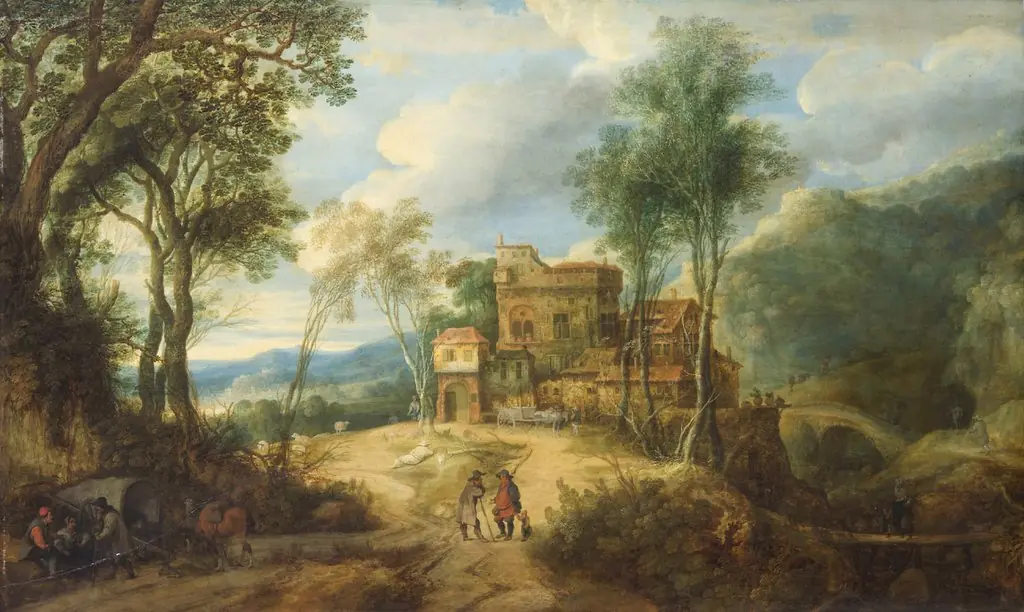 Mountainous landscape with castle
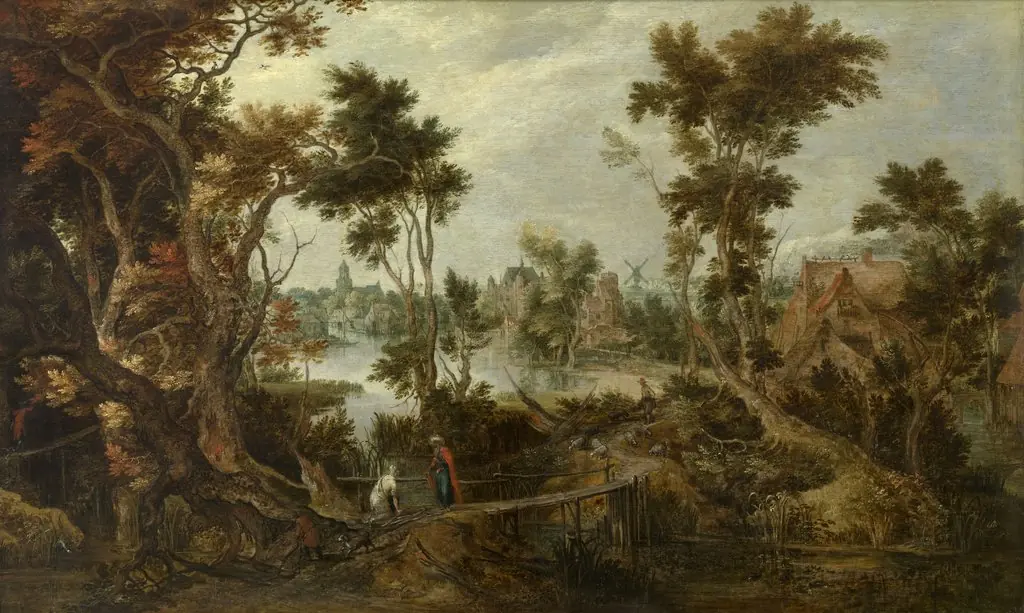 Landscape with Prophet Elijah and the Widow of Zarephath
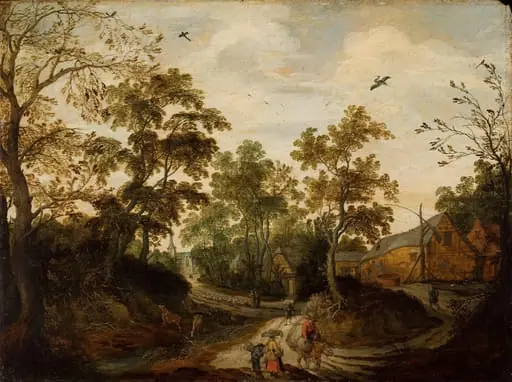 Untitled
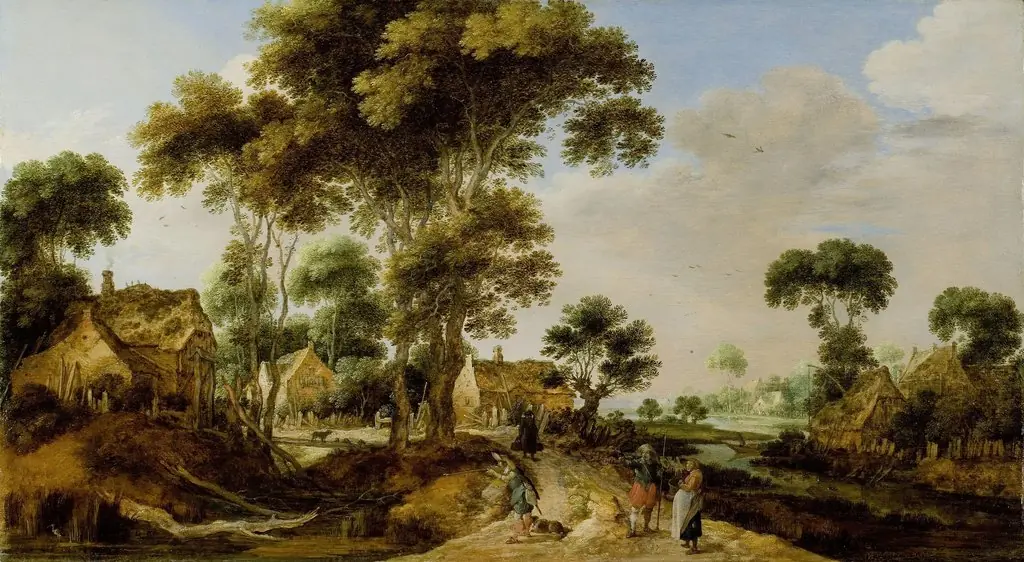 The country road
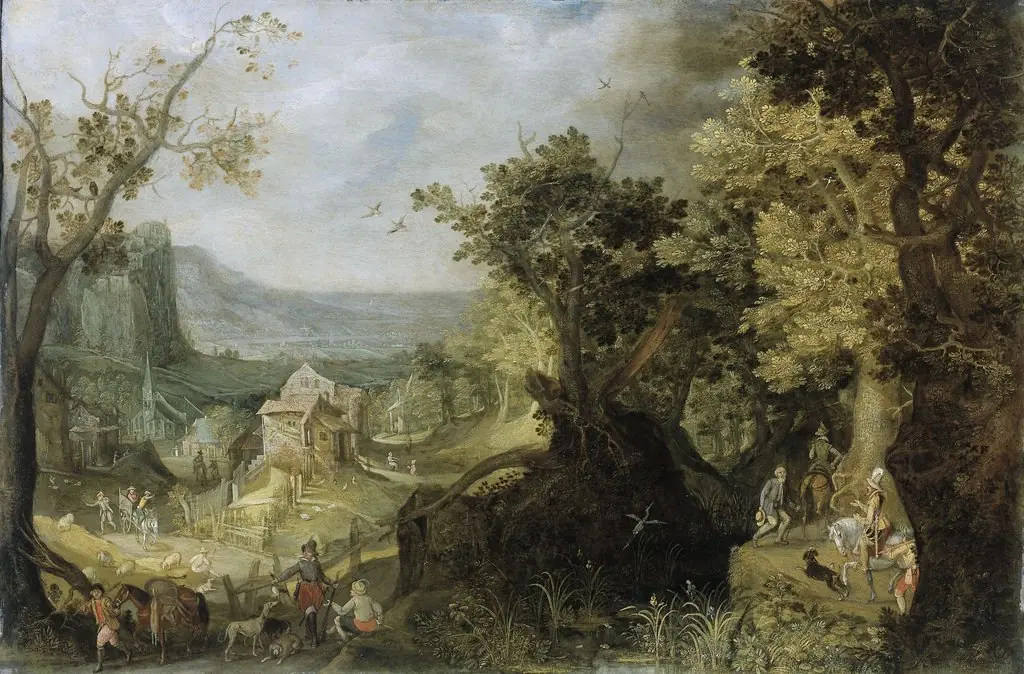 Wooded Landscape
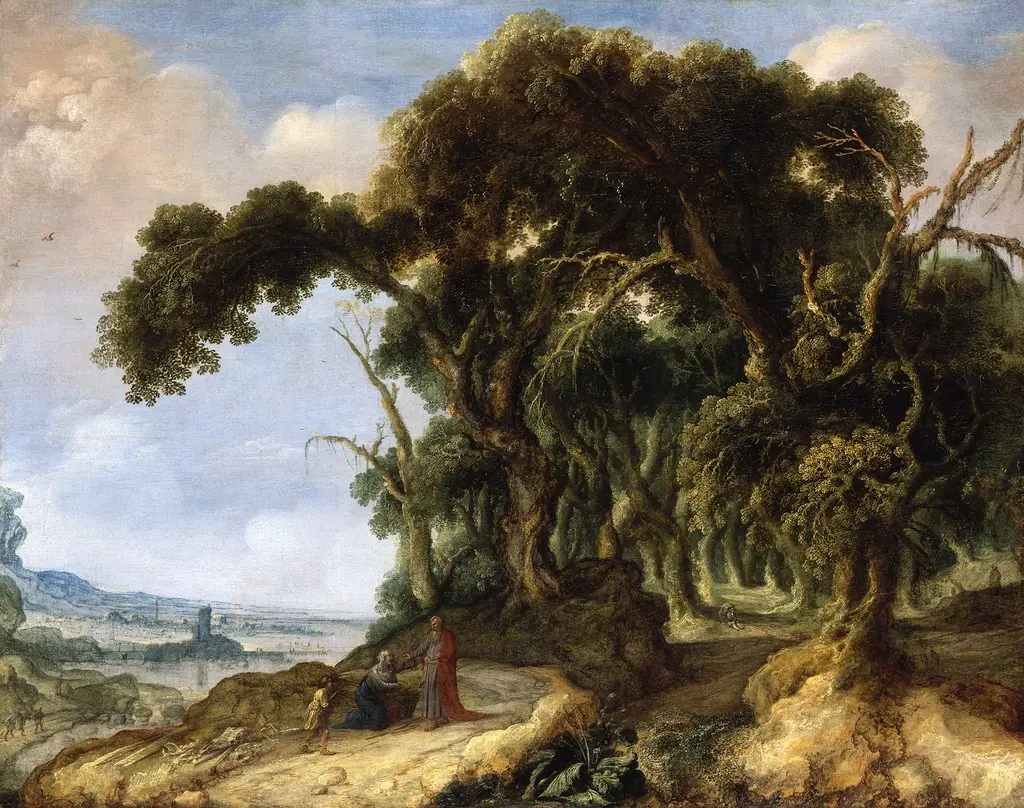 Forest Landscape with Elias and Zapath's Widow
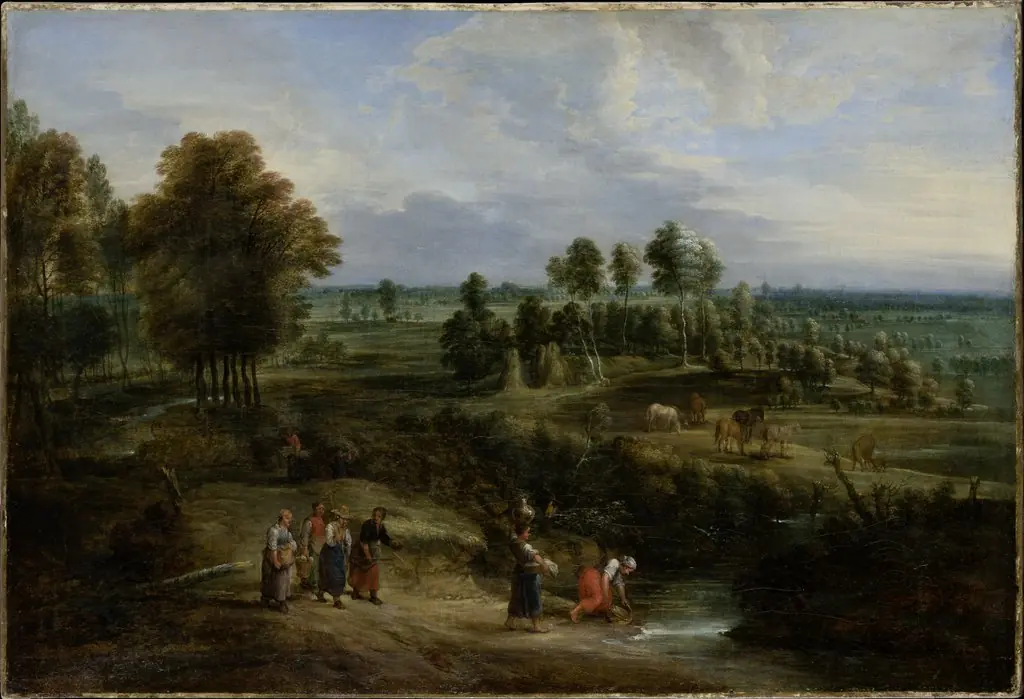 Landscape with Pastures and Clusters of Trees
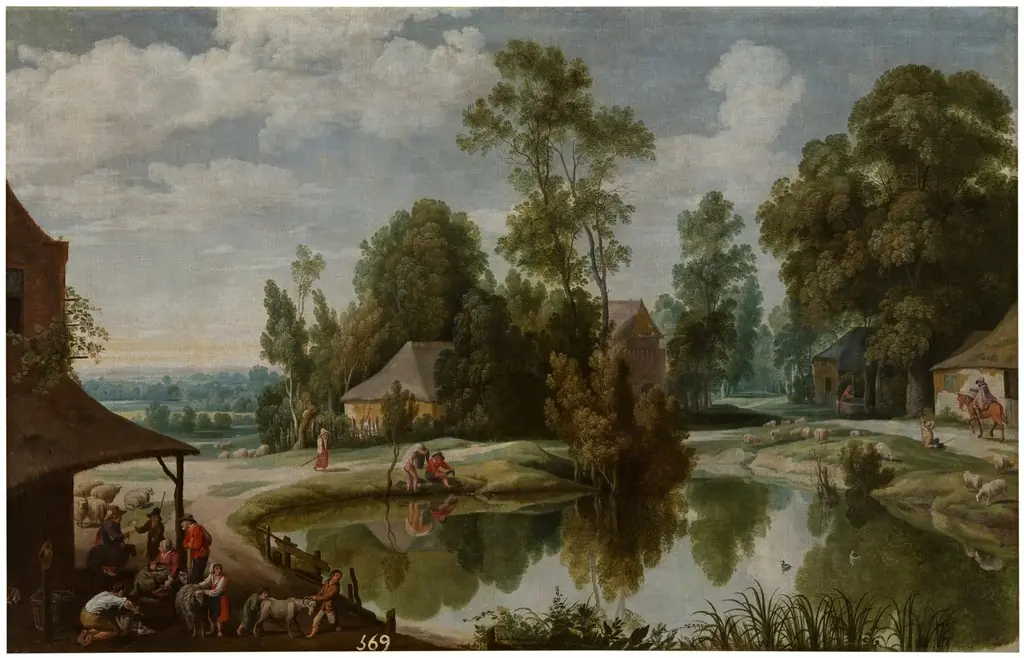 Landscape with shearers
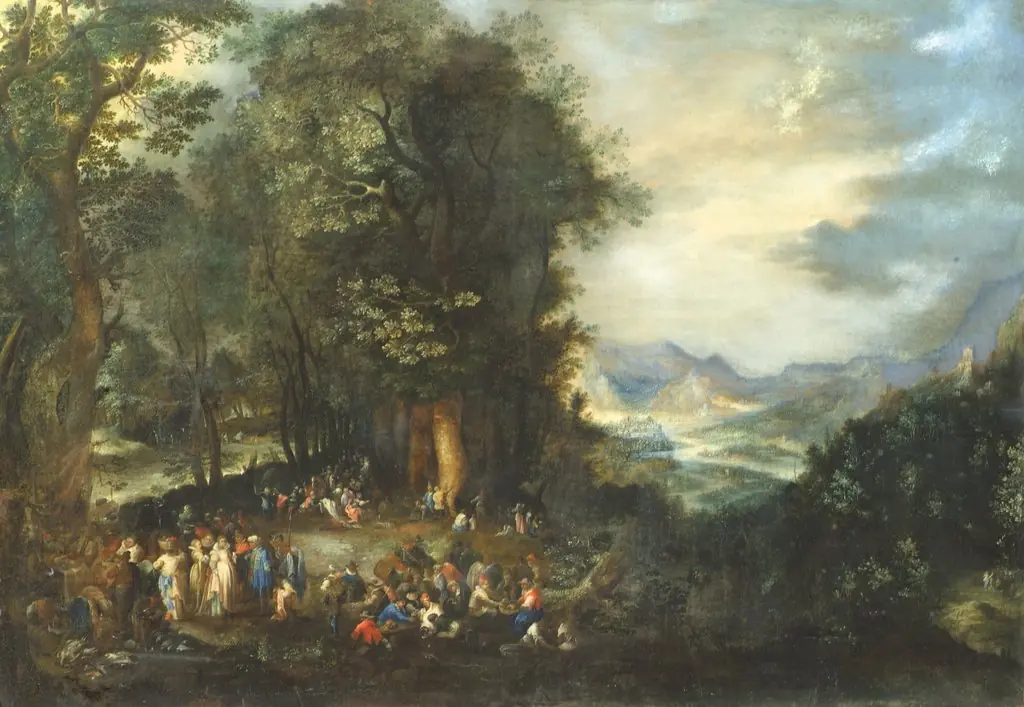 Sutler Camp at the Edge of the Forest
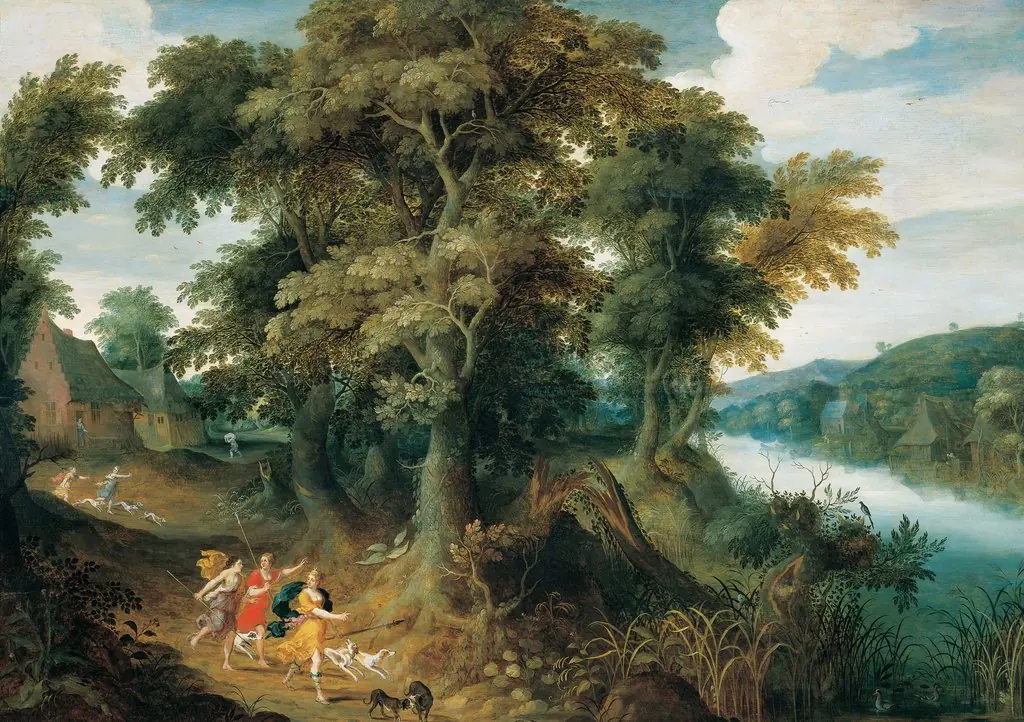 Diana and her nymphs hunting
 Mountain landscape with staffage
 Finding of Moses