Artwork
The calling of Matthew
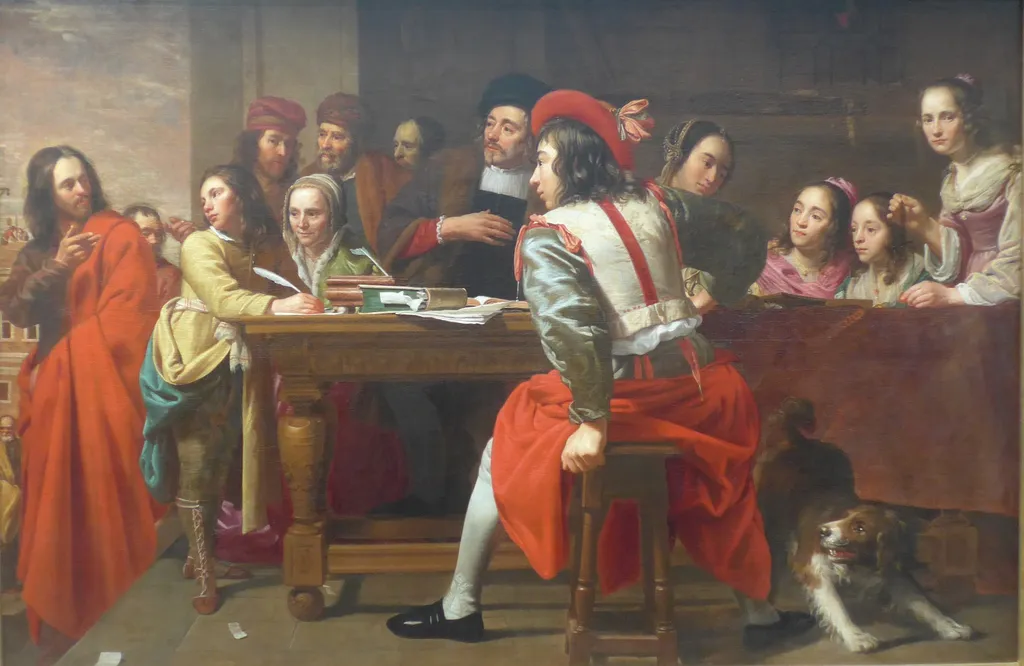
The calling of Matthew is an oil painting by Unknown. It dates from 1641 and is held in the collection of the Groeningemuseum. This oil painting captures the moment Jesus calls Matthew, a tax collector, to become one of his disciples.
About this work
Overview
Figures are arranged around a table cluttered with coins and ledgers, their attire reflecting 17th-century fashion rather than biblical antiquity.
This oil painting captures the moment Jesus calls Matthew, a tax collector, to become one of his disciples. Set in a dimly lit interior, the scene unfolds with quiet intensity. Figures are arranged around a table cluttered with coins and ledgers, their attire reflecting 17th-century fashion rather than biblical antiquity. The composition centers on a direct gaze between Christ and Matthew, underscored by a sharp contrast of light and shadow.
Subject & Meaning
The narrative draws from the Gospel account in which Jesus invites Matthew to follow him. Rather than idealizing the moment, the scene presents it as an ordinary, even mundane encounter—tax collectors surrounded by their tools of trade. The gesture of Christ’s pointing hand, unadorned and direct, suggests divine intervention within everyday life, challenging social norms by choosing someone viewed as morally compromised.
Technique & Style
The artist employs chiaroscuro to isolate the central figures, casting Jesus and Matthew in a narrow band of light against deep shadows. The warm, earth-toned palette enhances the intimacy of the space. Brushwork is precise in facial expressions and fabric folds, while background figures remain loosely rendered, guiding the viewer’s focus to the pivotal interaction. The lighting functions both spatially and symbolically, marking the moment of spiritual awakening.
History & Provenance
Painted in the early 17th century, the work was commissioned for a Roman church and remained in ecclesiastical hands for centuries. It later entered a private collection before being acquired by a major European museum. Its attribution has been consistently supported by stylistic analysis and archival records, with no significant disputes over authorship or origin.
Context
Created during the Counter-Reformation, the painting aligns with Church efforts to make sacred stories emotionally immediate and relatable. By dressing biblical figures in contemporary clothing, the artist bridged the gap between scripture and the viewer’s world. This approach, favored by Caravaggio and his followers, emphasized realism over idealization to deepen spiritual engagement.
Legacy
The painting influenced generations of artists through its dramatic use of light and psychological realism. Its unembellished portrayal of divine encounter in a mundane setting became a model for religious narrative painting. Though not widely reproduced in its time, its compositional strategies were studied and adapted in both sacred and secular art throughout Europe.
Artist & collection

 Domestic Scene
 Giacomo and Cardinal Marco, investing Andrea, Abbot of San Zeno, with his Benefice
 The Nymph of Fontainebleau
 Portrait of a Woman
 Madonna and Child with Saints in the Enclosed Garden
 Venus and Minerva
 Family Group of Four on Sofa
 Wall painting from Room H of the Villa of P. Fannius Synistor at Boscoreale
 Wirtshausszene
 Jacob Simonsz de Rijk getting the Spanish Governor-General Requesens to Release Marnix van Sint Aldegonde, 1575
 Prisión de don Fernando de Valenzuela
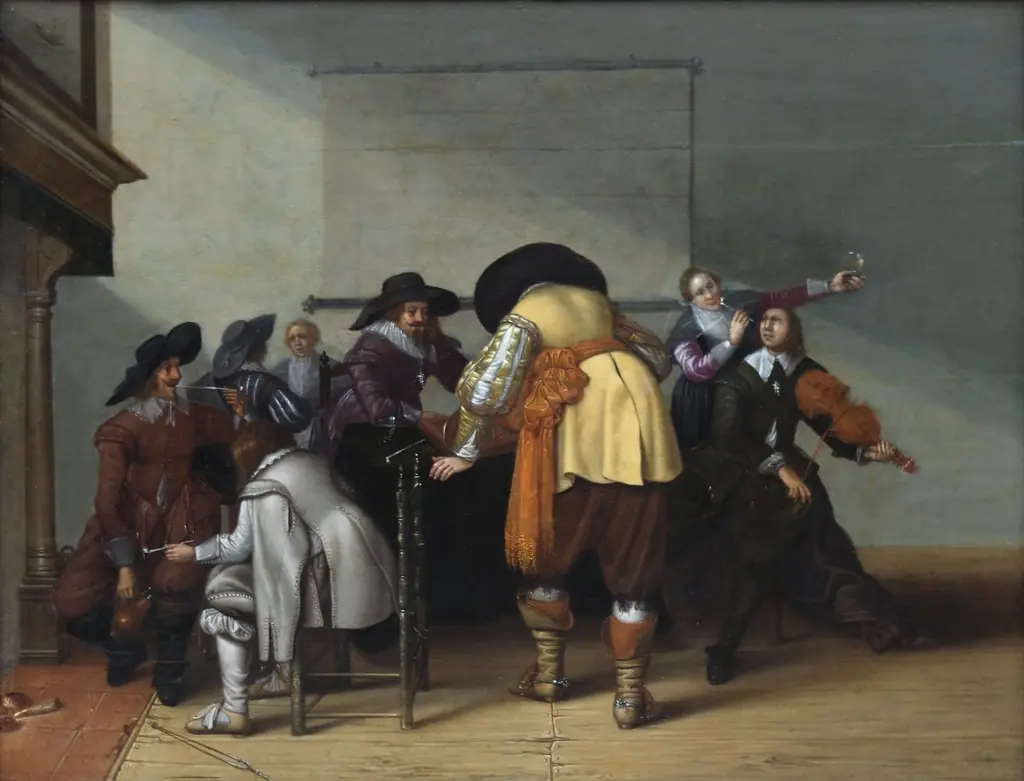 Merry Company
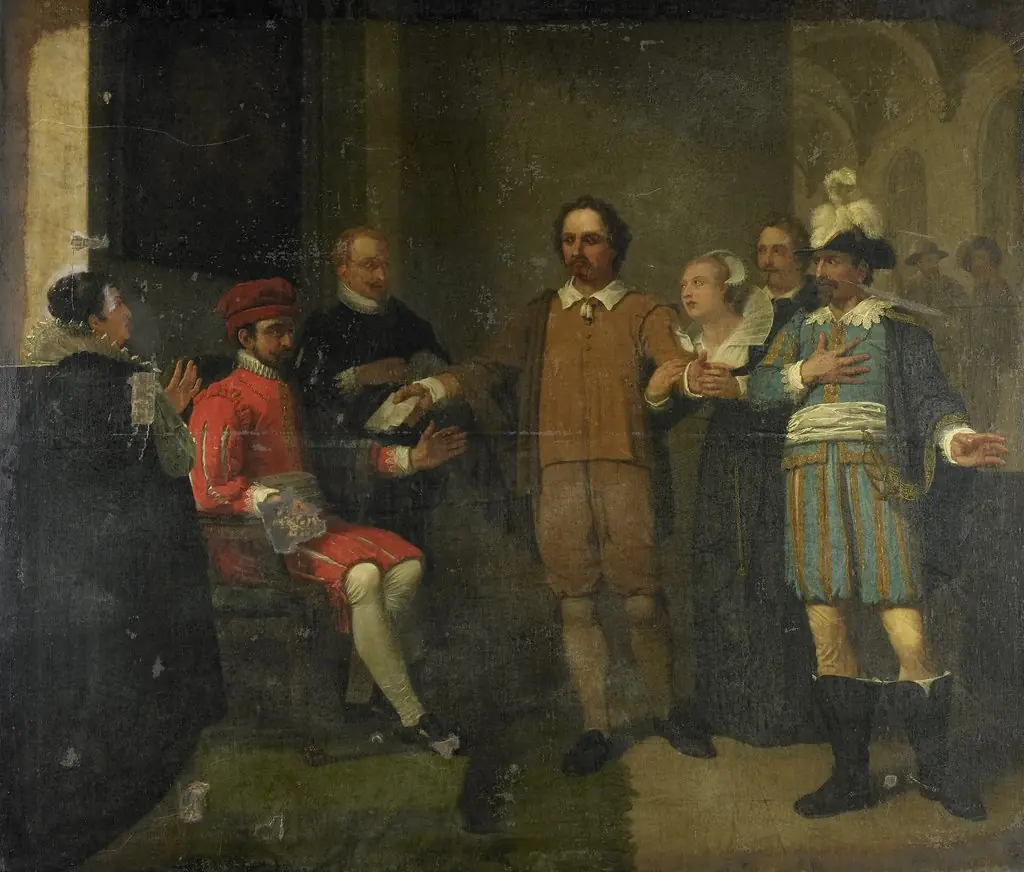 Jacob Simonsz de Rijk Secures from Spanish Governor-General Requesens the Release of Marnix van Sint Aldegonde
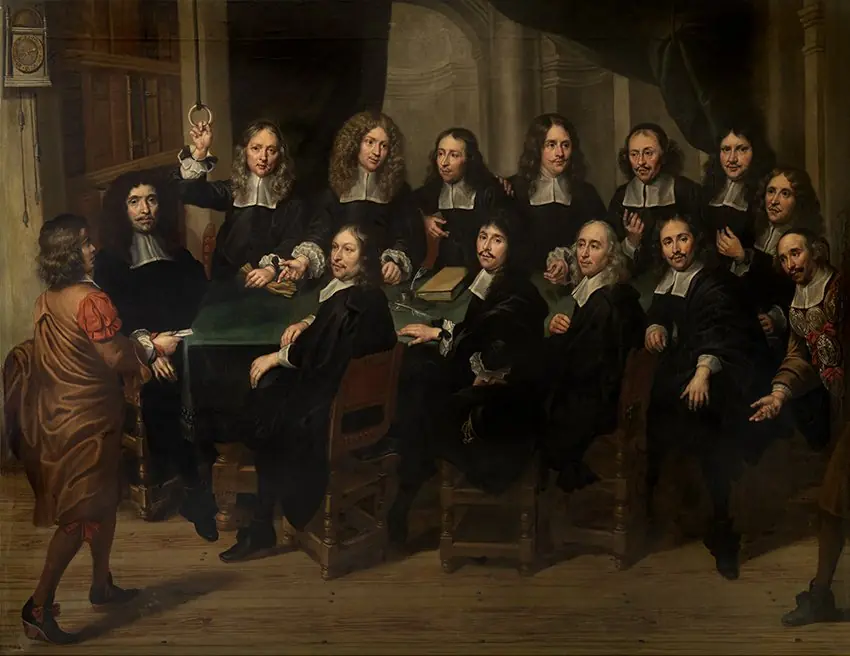 Het bestuur van het Brugse chirurgijnsambacht
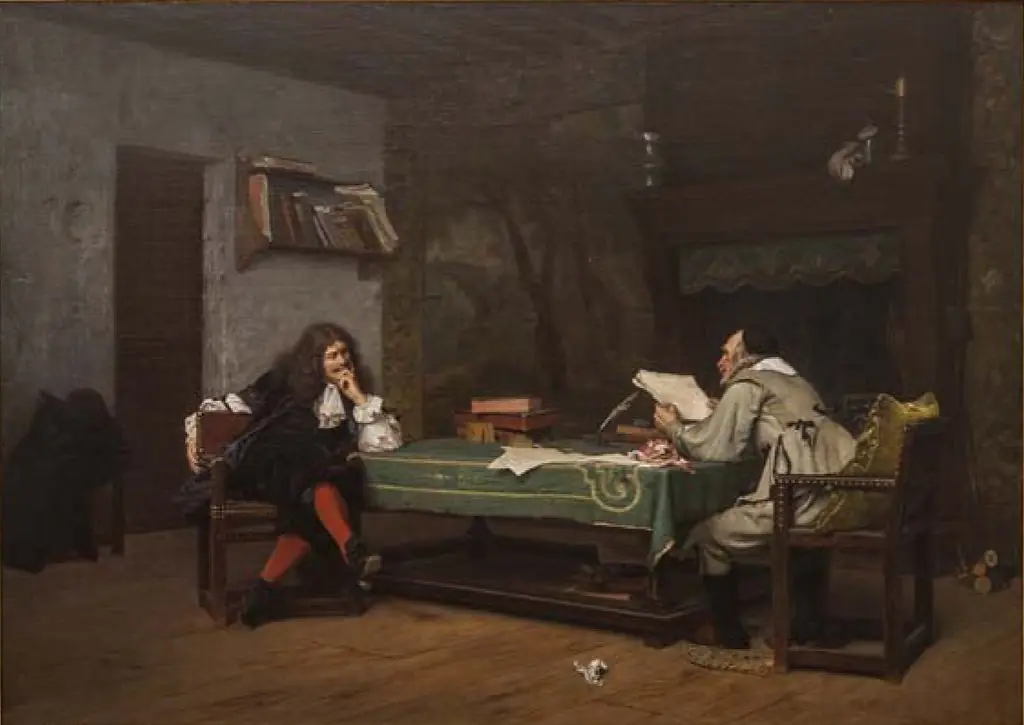 A Collaboration (Molière and Corneille
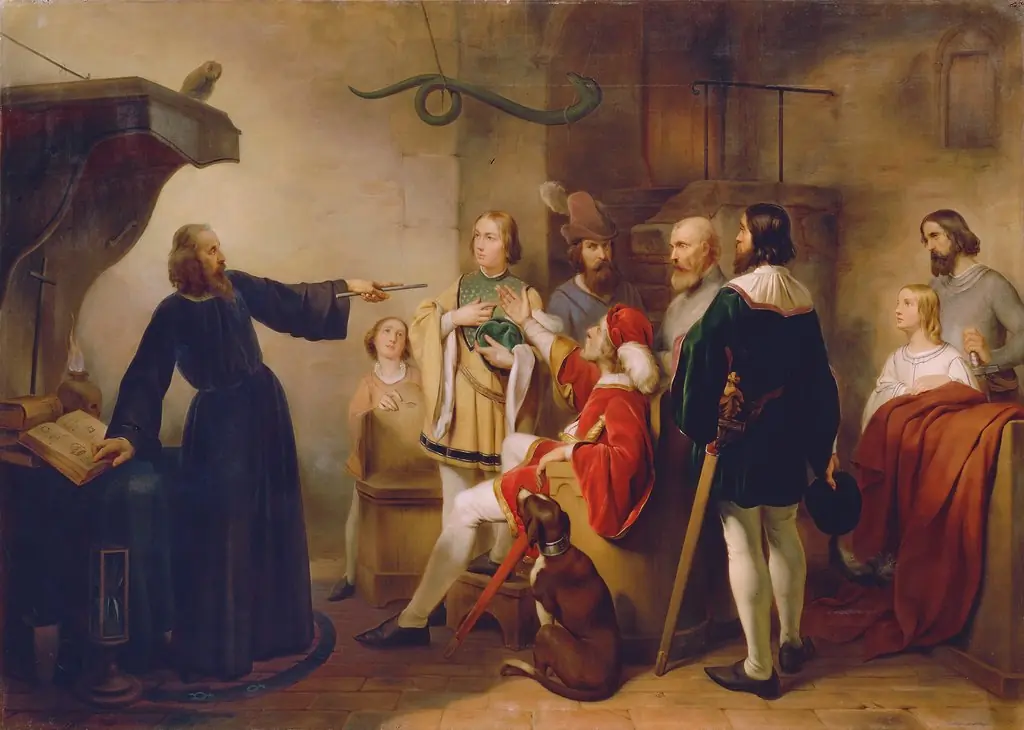 Ein Astrologe weissagt Rudolf von Habsburg
 Game of Backgammon
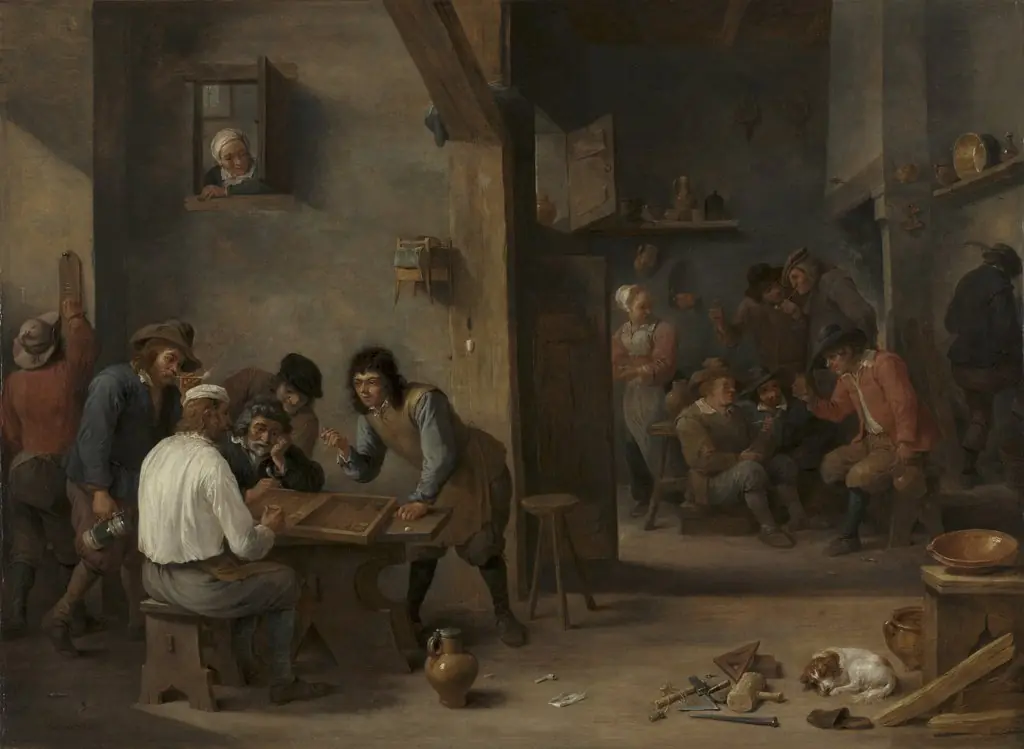 Game of Backgammon
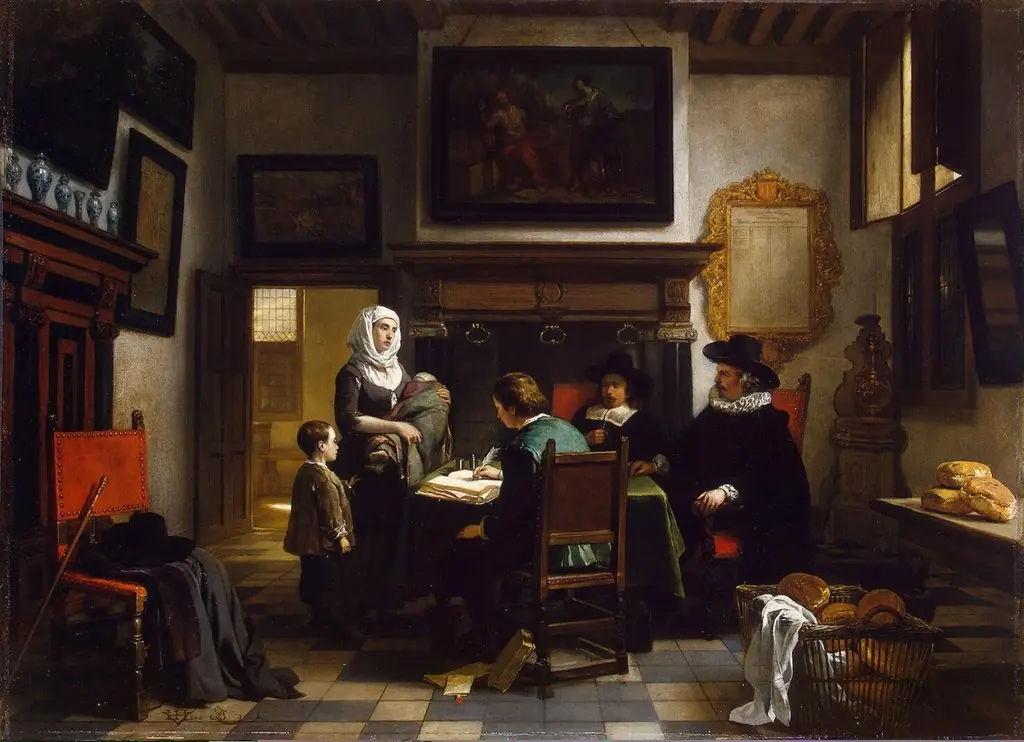 Distribution of Charity in the Alms-House
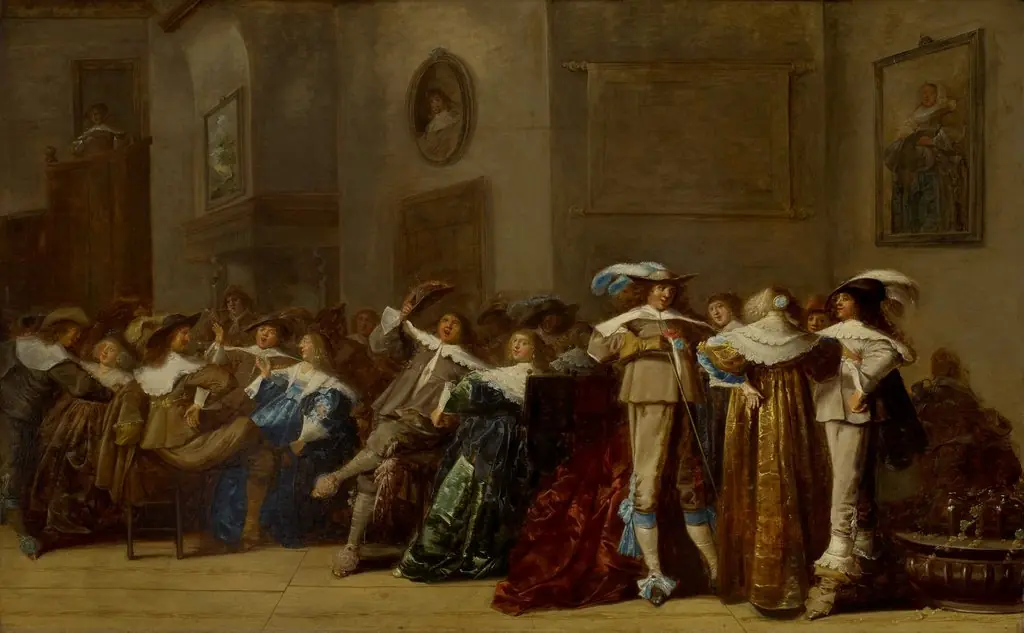 The Merry Company