Artwork
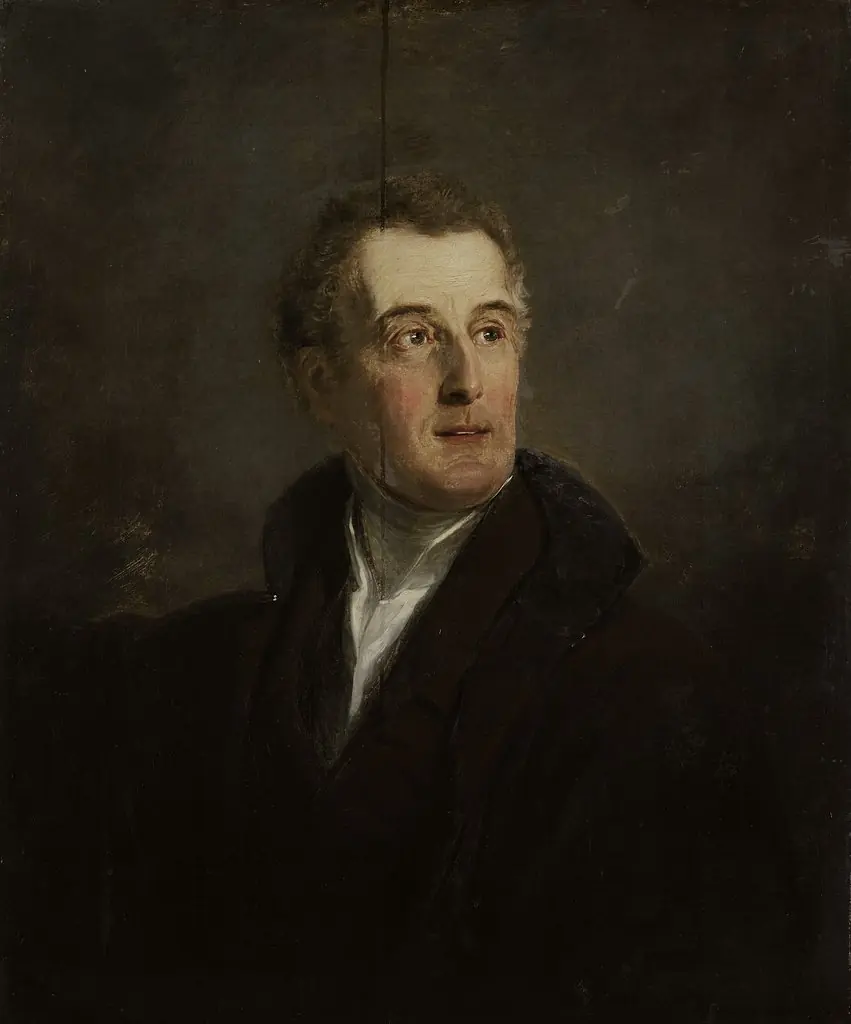
Portrait Study of Arthur Wellesley, Duke of Wellington
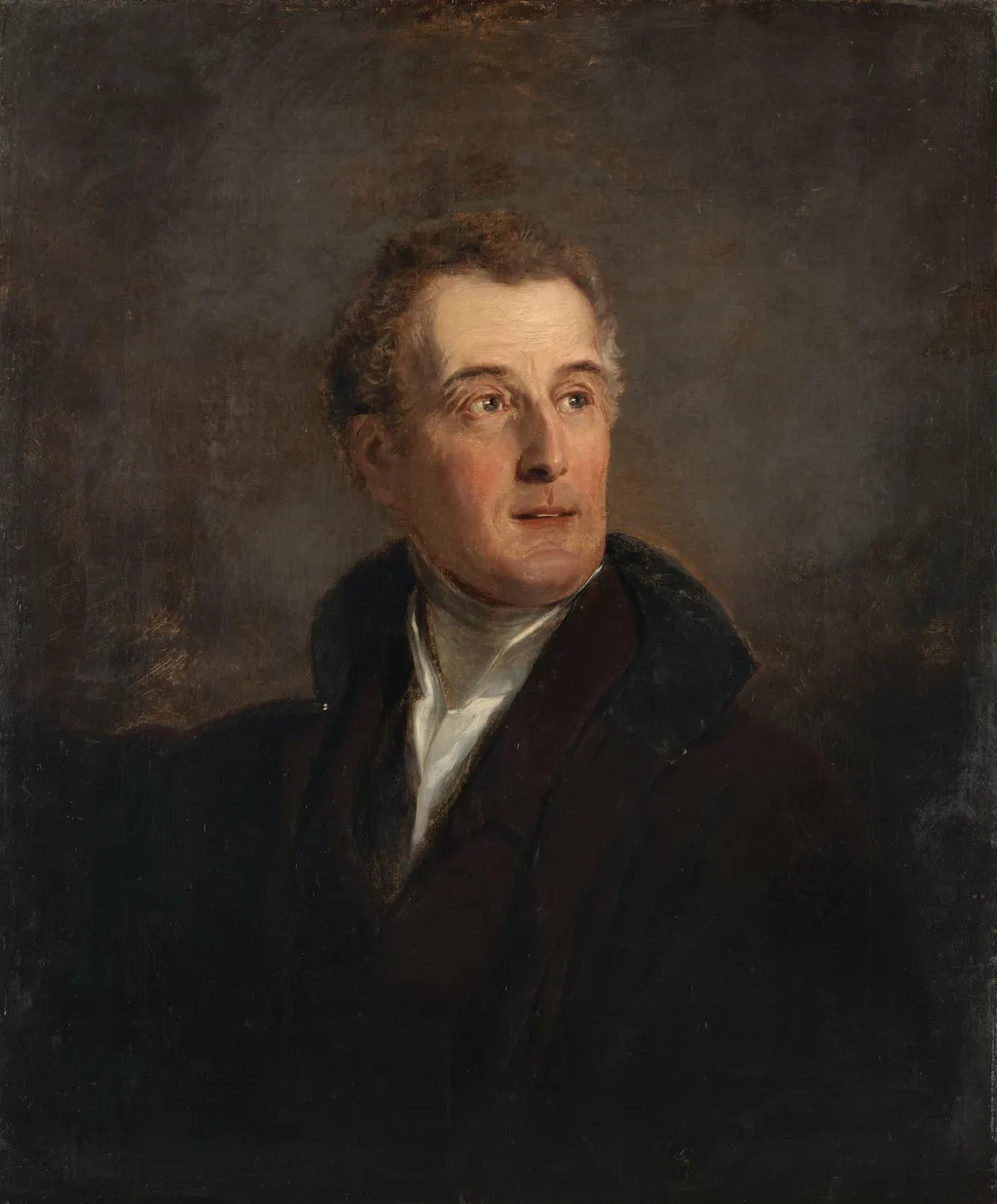
Portrait Study of Arthur Wellesley, Duke of Wellington is an unspecified painting by the Biedermeier artist Jan Willem Pieneman. It dates from 1821 and is held in the collection of the Rijksmuseum.
About this work
Overview
Painted between 1821 and 1822, this portrait captures Arthur Wellesley, Duke of Wellington, during a period of quiet reflection after his military triumphs.
Painted between 1821 and 1822, this portrait captures Arthur Wellesley, Duke of Wellington, during a period of quiet reflection after his military triumphs. The artist, Jan Willem Pieneman, was granted access to Wellington’s London residence, Apsley House, where he lived for over a year to study his subject directly. The resulting work is one of several life studies made during this extended stay.
Subject & Meaning
The Duke is depicted in full military uniform, his posture rigid and gaze unwavering, conveying authority and composure. His attire, marked by gold braid and the red coat of a British general, signals rank and service. The portrait avoids dramatic gesture, instead emphasizing stillness and presence, aligning with the public image of a disciplined commander who had just ended a long war.
Technique & Style
Pieneman employed a precise, restrained approach, focusing on accurate rendering of fabric, facial structure, and posture. Brushwork is controlled, with attention to the texture of the coat and the subtle play of light on metal embellishments. The background remains neutral, directing focus entirely to the figure, consistent with the conventions of formal portraiture in early 19th-century Britain.
History & Provenance
The portrait was completed during Pieneman’s extended stay at Apsley House, where Wellington hosted him as a guest. The Duke selected several of these life studies for permanent display in his home, affirming his approval. The house, now a public museum, retains many of these works as part of its original collection, preserving the context in which they were first seen.
Context
Pieneman’s visit coincided with a broader European interest in commemorating Napoleonic War leaders. While large-scale battle scenes were common, this portrait reflects a quieter, more personal mode of commemoration — one that emphasized character over spectacle. It aligns with British tastes for dignified, restrained representation of national heroes in the post-war era.
Legacy
The portrait remains part of the Apsley House collection, where it continues to serve as a direct link to Wellington’s domestic life and public persona. Its preservation offers insight into how military leaders were visually constructed in the early 19th century, not through grandeur alone, but through measured presence and attention to detail.
Own this work as a print
Artist & collection

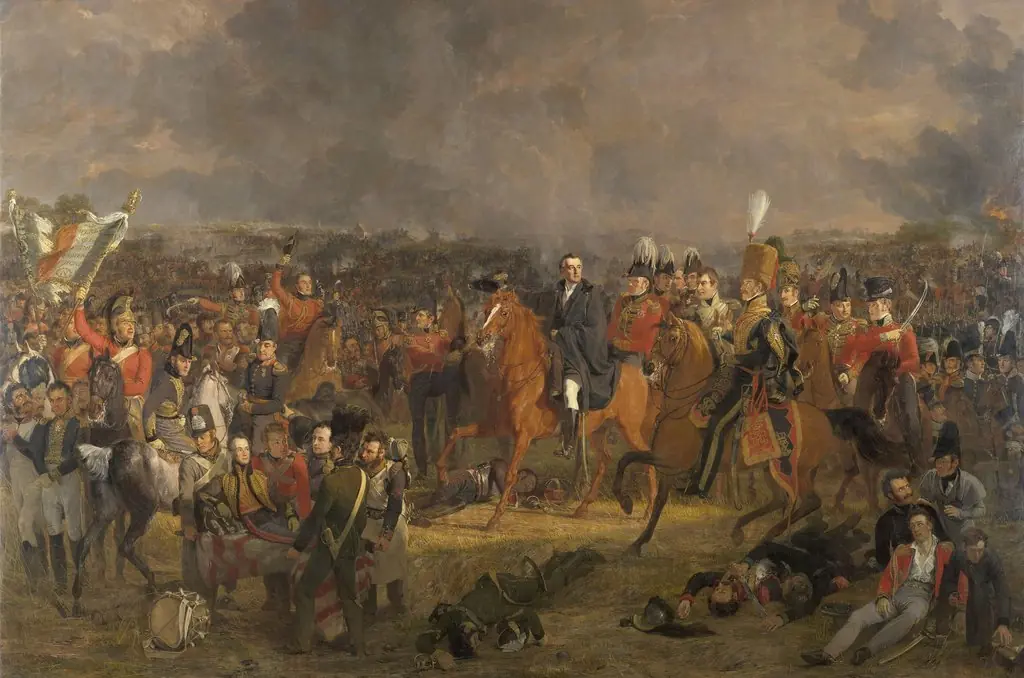 The Battle of Waterloo
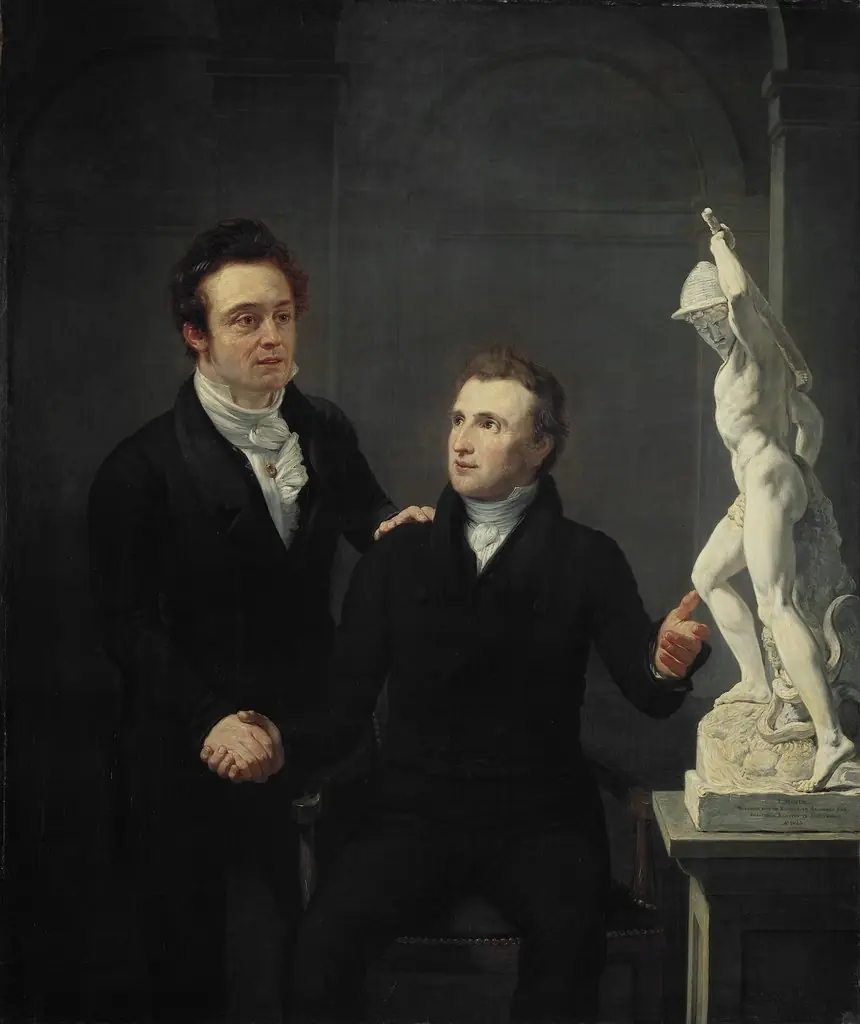 Louis Royer, sculptor, and Albertus Bernardus Roothaan, stockbroker, friend of the arts, and patron of the sciences
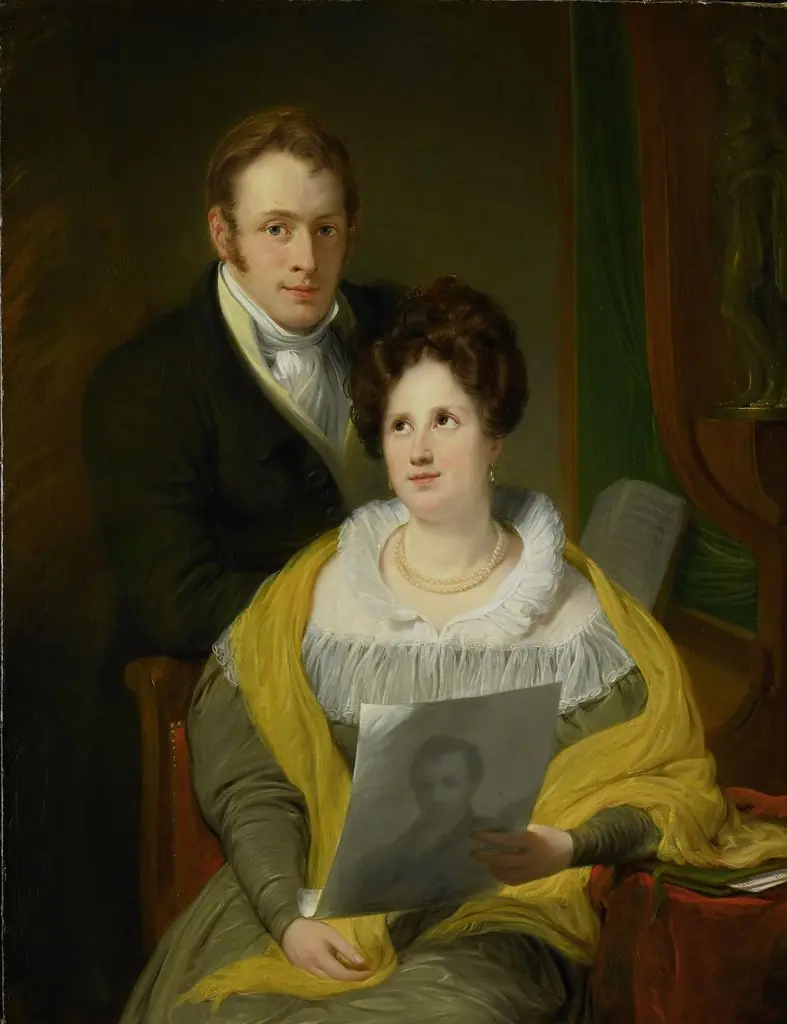 Portrait of a Woman and a Man
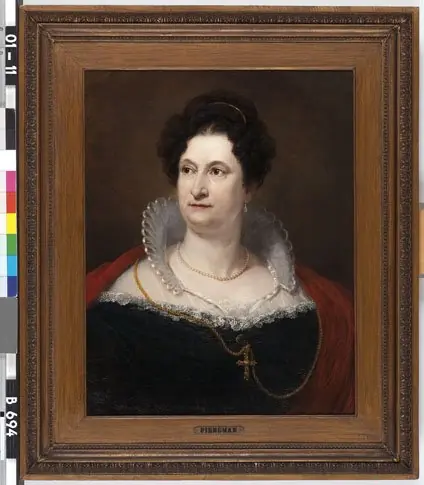 Joanna Cornelia Ziesenis-Wattier (1762–1827). Toneelspeelster
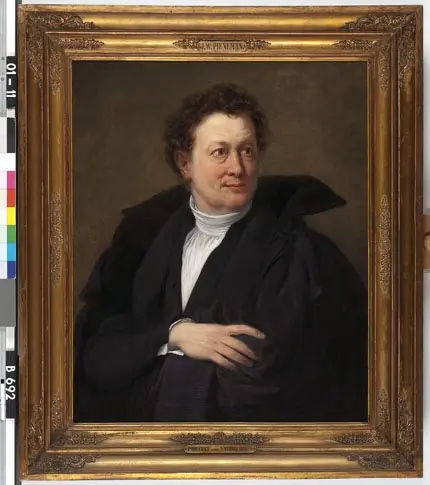 Andries Snoek (1766–1829). Toneelspeler
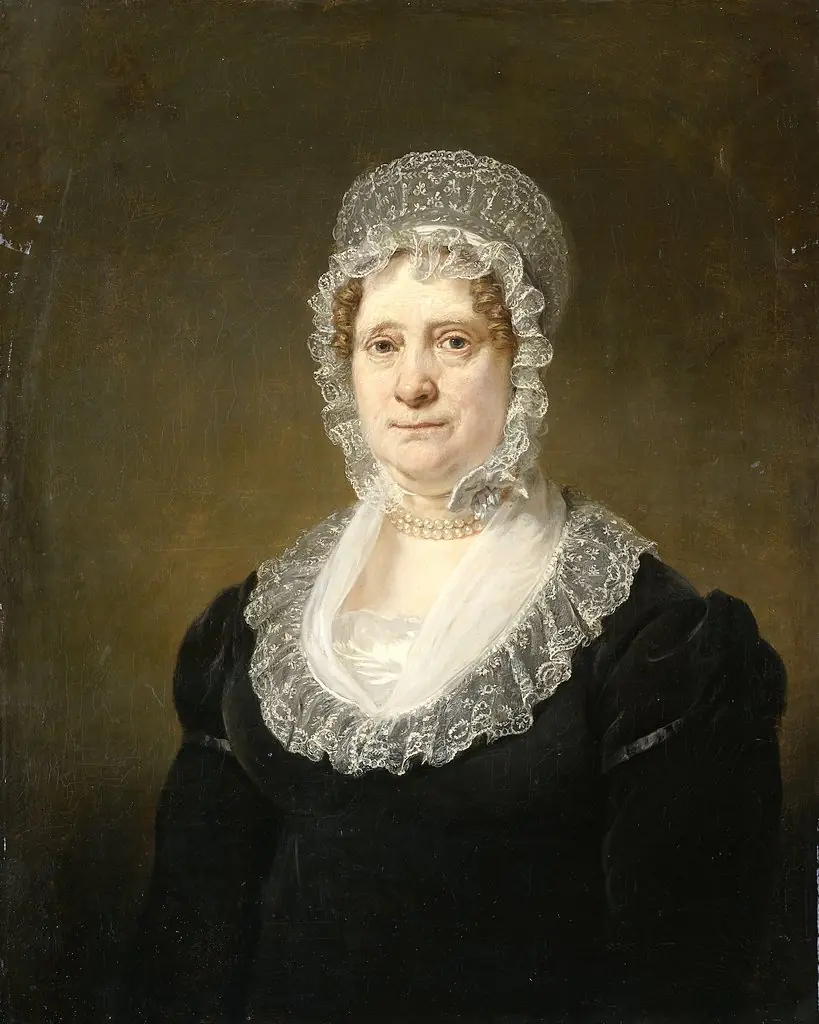 Portrait of Sara de Haan, Widow of the Amsterdam Underwriter Cornelis Hartsen
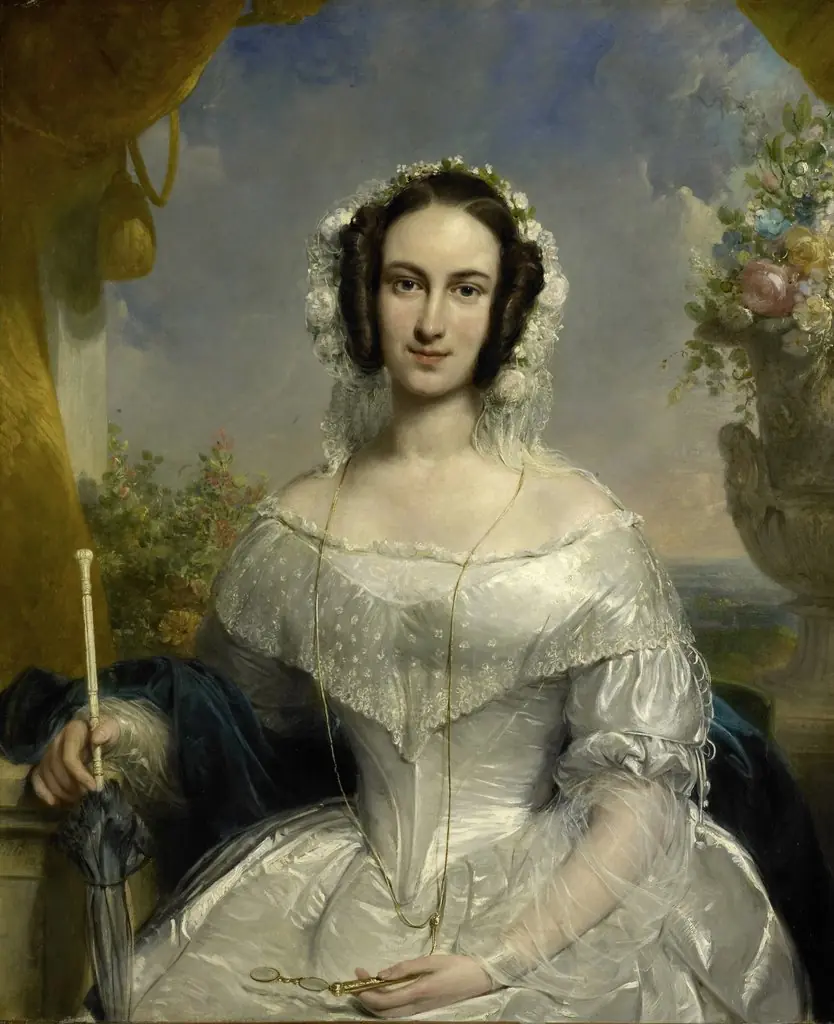 Agatha Petronella Hartsen (1814-78). In bruidstoilet ter gelegenheid van haar huwelijk met Jan van der Hoop op 17 maart 1841
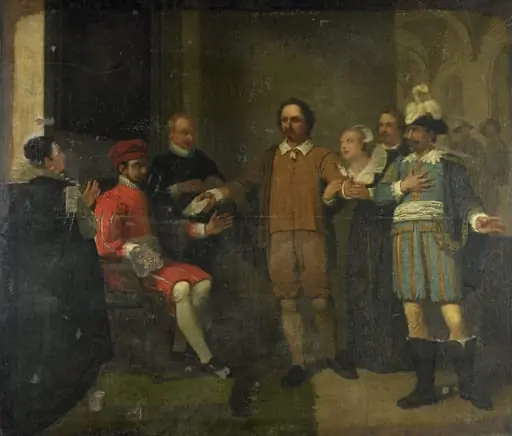 Jacob Simonsz de Rijk getting the Spanish Governor-General Requesens to Release Marnix van Sint Aldegonde, 1575
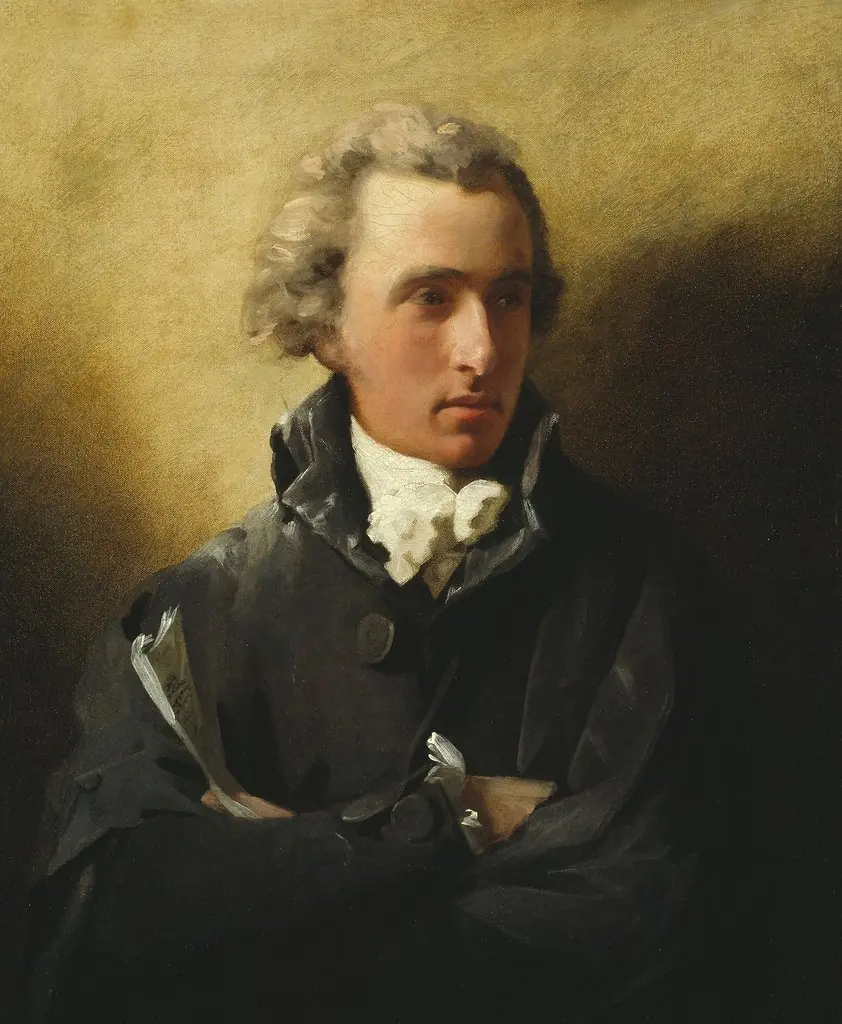 Robert Brown of Newhall
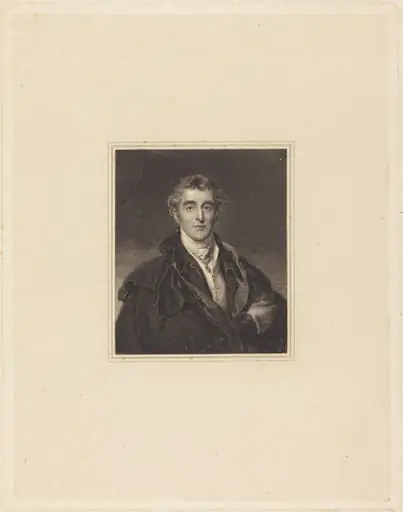 Portrait of a Gentleman
 Portrait of a Man
 Portrait of the artist’s father
 Sir William Hamilton
 Self-portrait
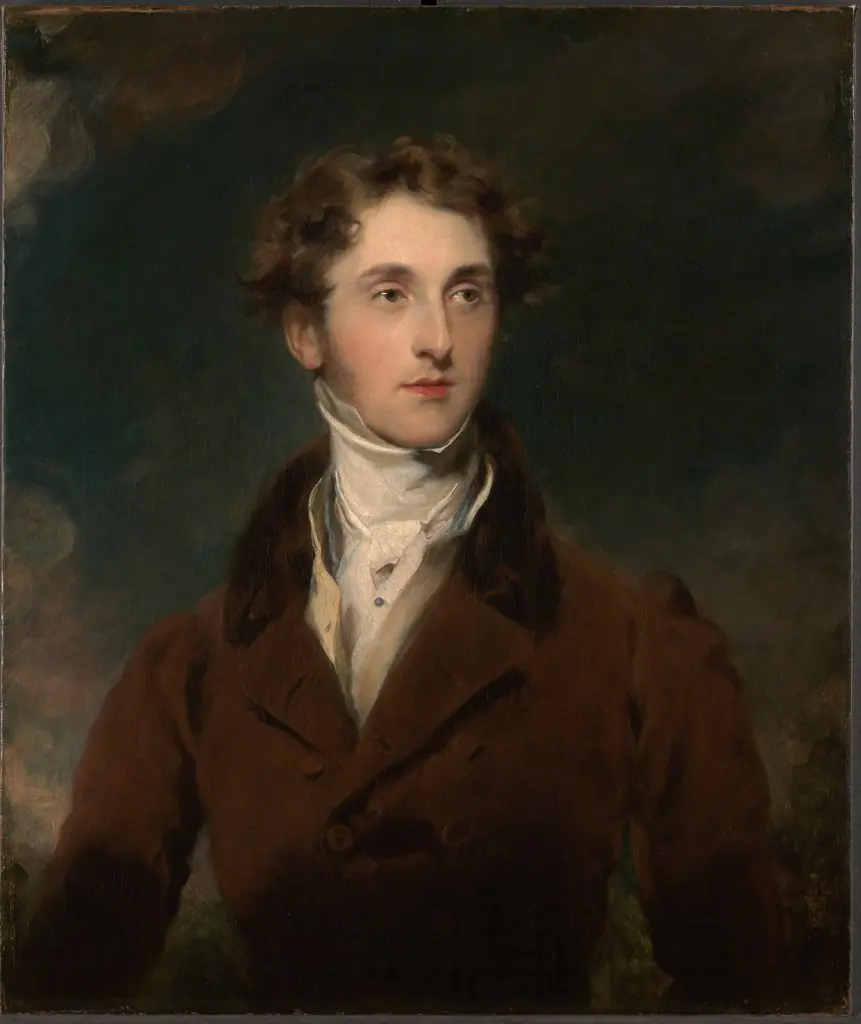 Portrait of Frederick H. Hemming
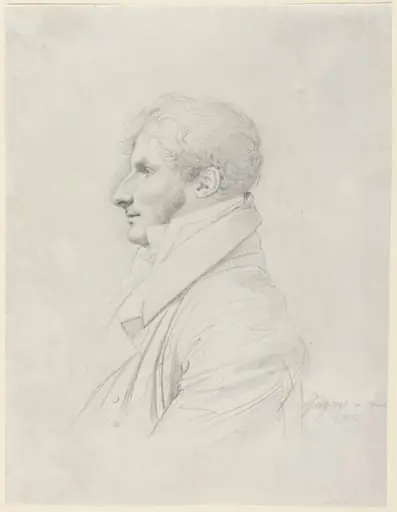 Philippe Mengin de Bionval
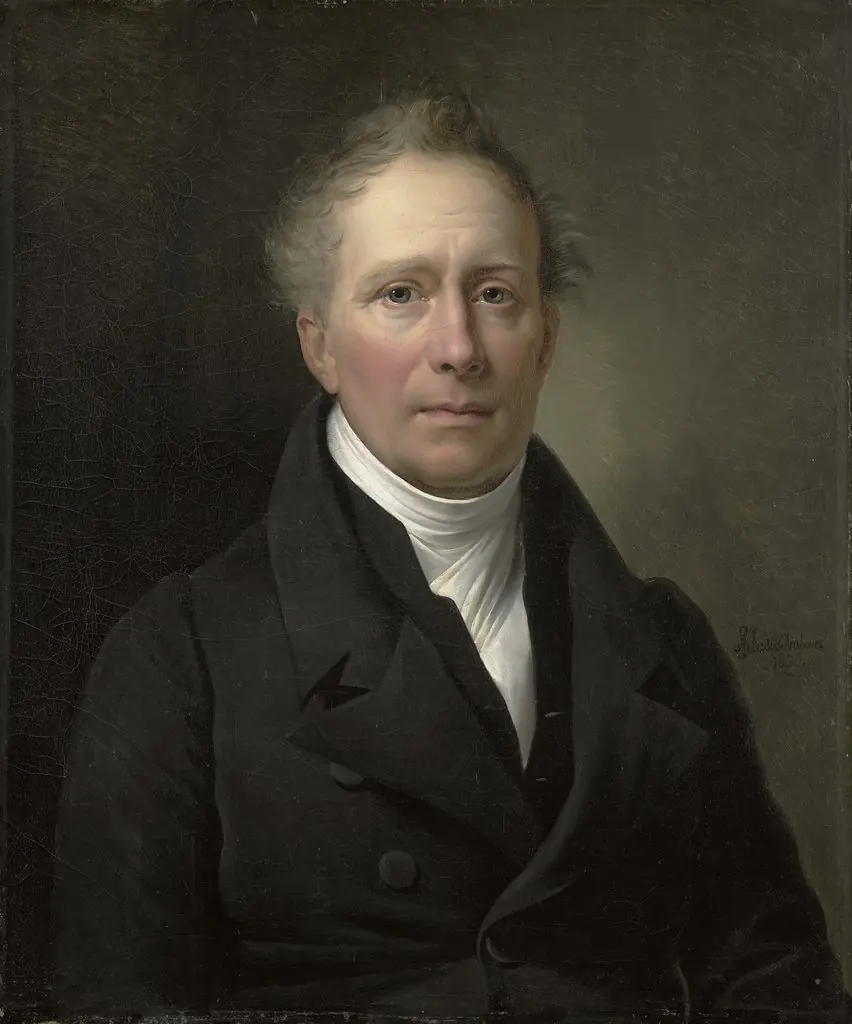 Portrait of Daniel Francis Schas, from 1814 to 1820 Member of the Board of Commerce for the Colonies
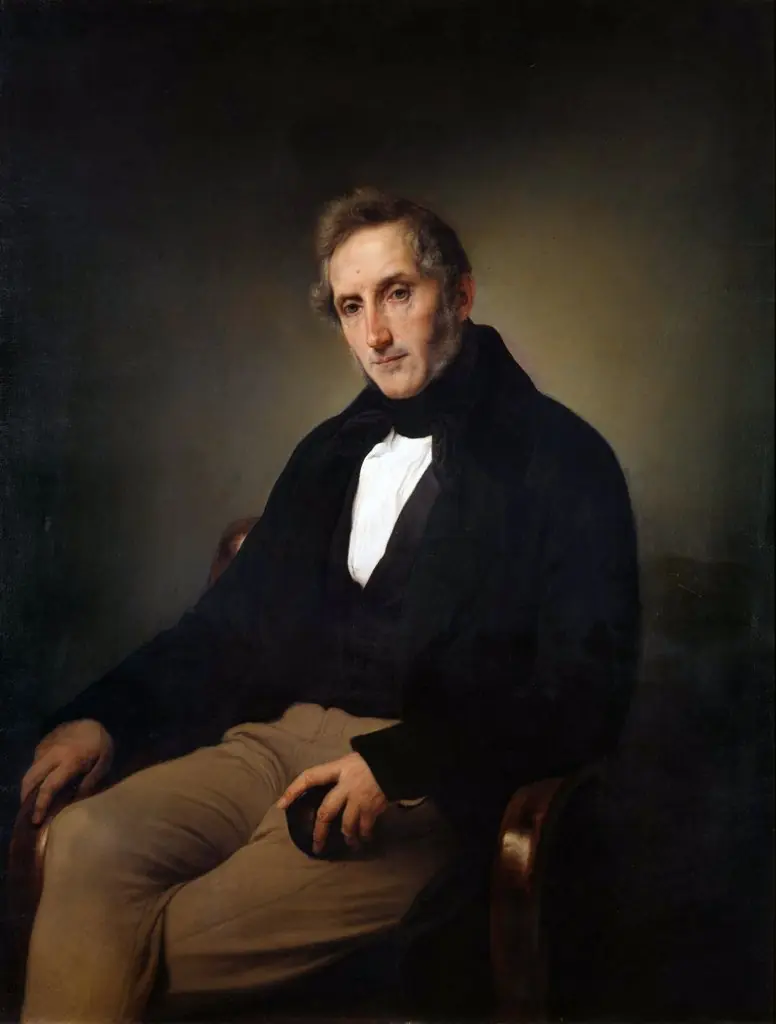 Portrait of Alessandro Manzoni
 William Eden, First Lord Auckland, M. P.
 Portrait of Arthur Wellesley, Duke of Wellington (1769-1852)