Artwork
Henry IV
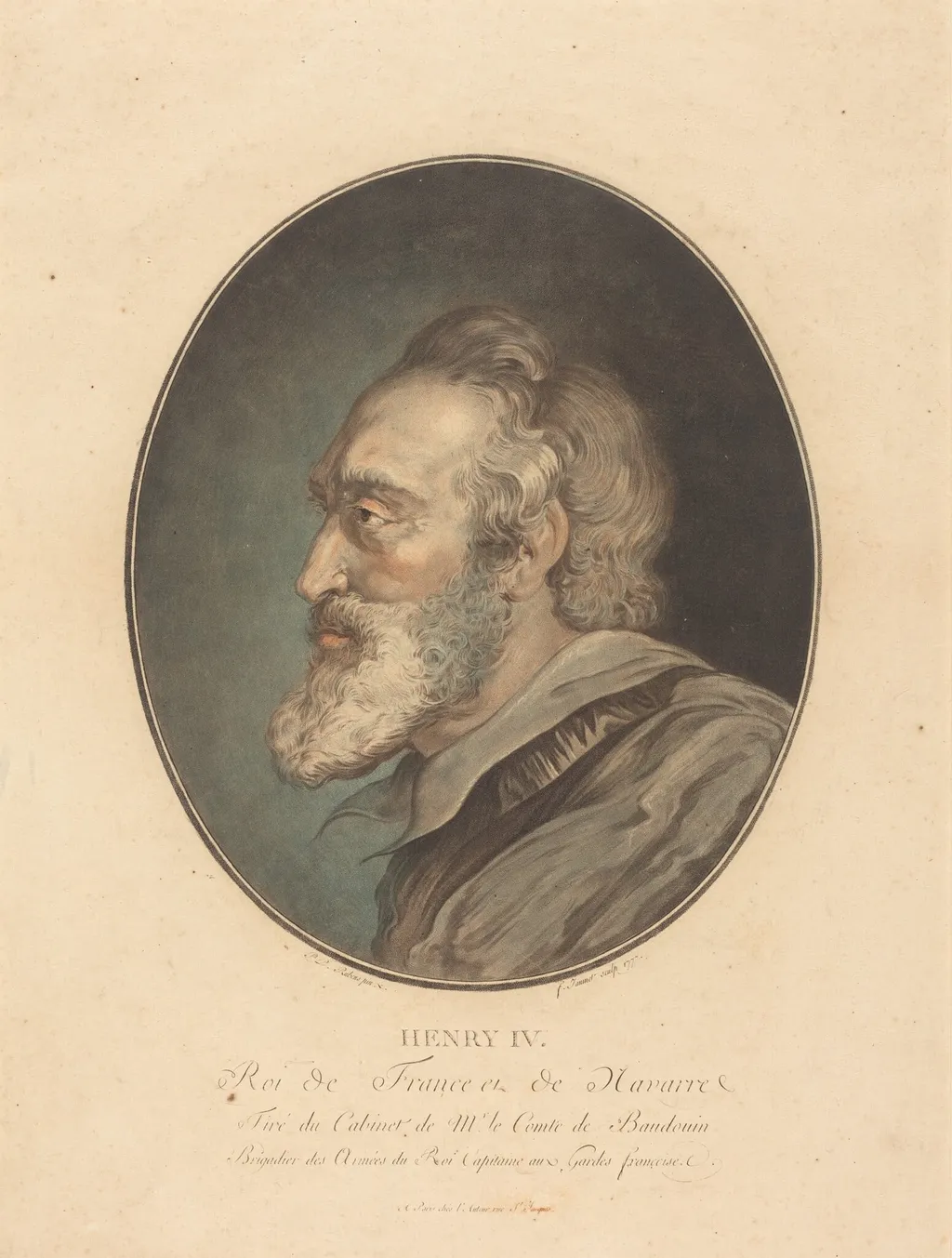
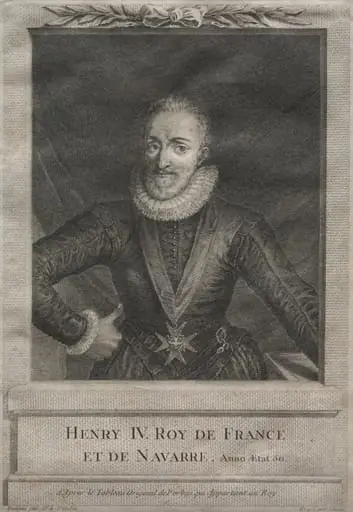
Henry IV is an ink print by the Romanticist artist Jean-François Janinet. It dates from 1777 and is held in the collection of the National Gallery of Art.
About this work
Overview
The print employs subtle tonal gradations in gray and brown to render form and texture, characteristic of aquatint’s capacity for atmospheric depth.
Created in 1777 by Jean-François Janinet, this color aquatint depicts a male figure identified as Henry IV. The print employs subtle tonal gradations in gray and brown to render form and texture, characteristic of aquatint’s capacity for atmospheric depth. The subject’s dignified posture and muted palette reflect the printmaking conventions of late 18th-century portraiture, prioritizing solemnity over ornamentation.
Subject & Meaning
The figure is portrayed as an elderly monarch, distinguished by a long, white beard and furrowed brows, suggesting wisdom and burden. His downward gaze and turned head convey introspection rather than authority. Though not a documented likeness of the French king, the image draws on symbolic associations of aged rulership—melancholy, experience, and the weight of legacy—common in post-revolutionary visual culture.
Technique & Style
Janinet used aquatint to achieve soft transitions between tones, avoiding sharp lines in favor of atmospheric shading. The gradient background, shifting from dark blue to black, isolates the figure and enhances the three-dimensionality of his face and collar. Fine etched lines define the beard and fabric, while the limited color palette reinforces the print’s restrained, contemplative mood.
History & Provenance
The print was produced in Paris during a period of intense interest in historical portraiture, though Janinet’s work primarily served commercial and reproductive markets. This piece likely circulated as part of a series of royal or historical figures, intended for private collectors rather than public display. No definitive record of its early ownership survives, but its survival suggests modest but sustained interest in such imagery.
Context
In the decade before the French Revolution, images of monarchs remained popular despite growing political tension. Janinet’s aquatint reflects a broader trend of using print media to mediate historical memory, often blending fact with idealized representation. The portrait’s somber tone aligns with a cultural shift toward introspective, humanized depictions of power, anticipating later Romantic sensibilities without fully embracing their emotional intensity.
Legacy
Janinet’s aquatint of Henry IV exemplifies the role of reproductive printmaking in shaping public perceptions of historical figures. While not widely celebrated in its time, it contributes to a body of work that preserved visual archetypes of monarchy during a period of political upheaval. Its quiet realism stands as a quiet counterpoint to the more dramatic portrayals that followed in the 19th century.
Artist & collection