Artwork
Henry VIII
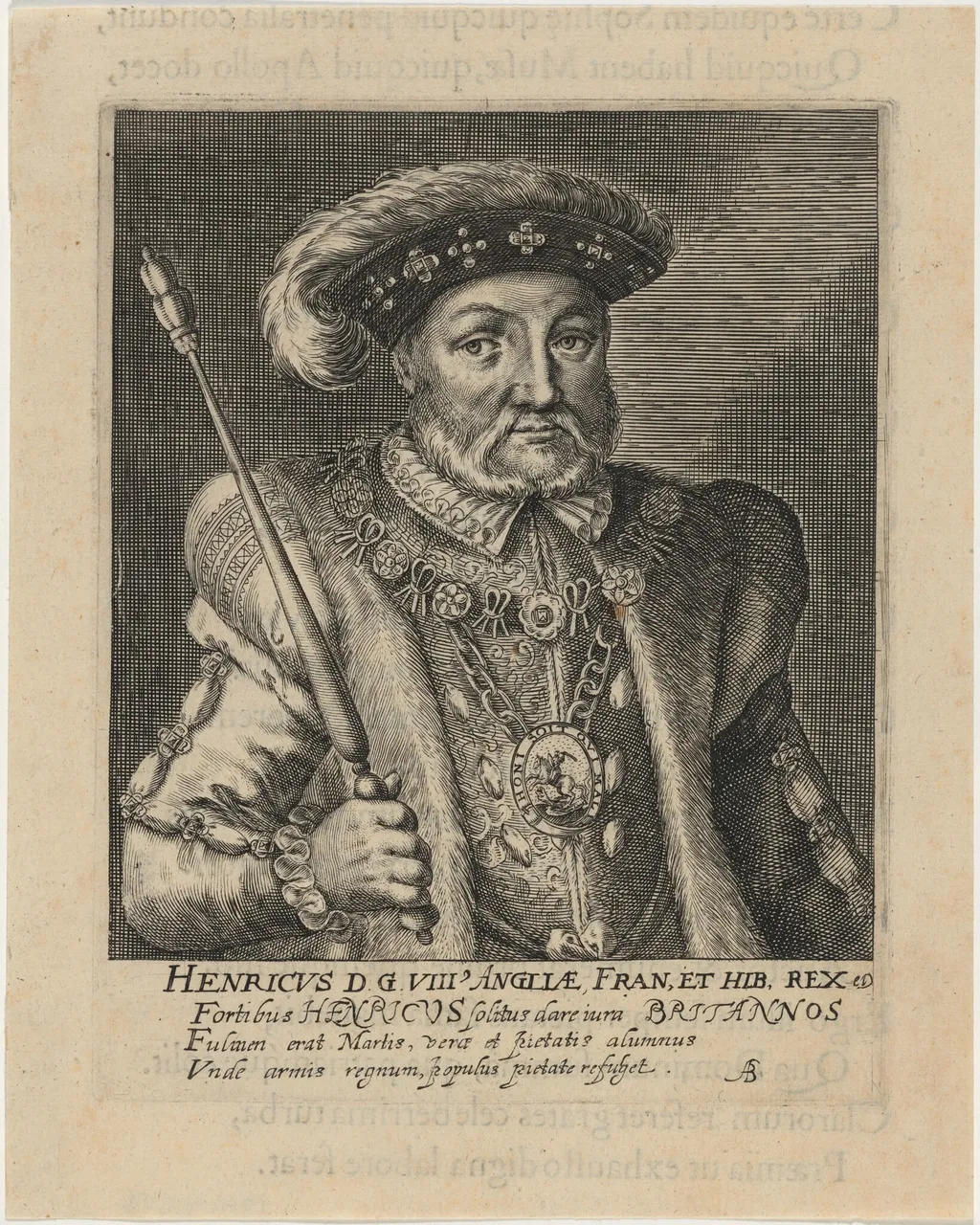
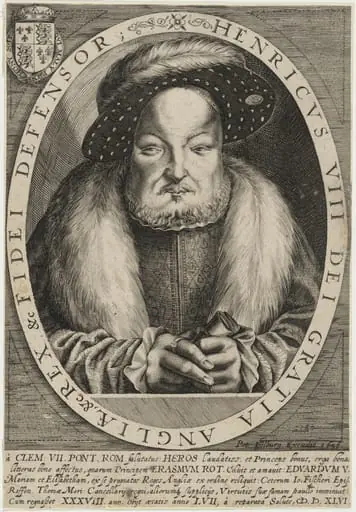
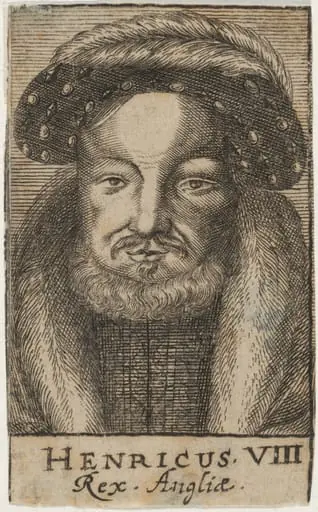
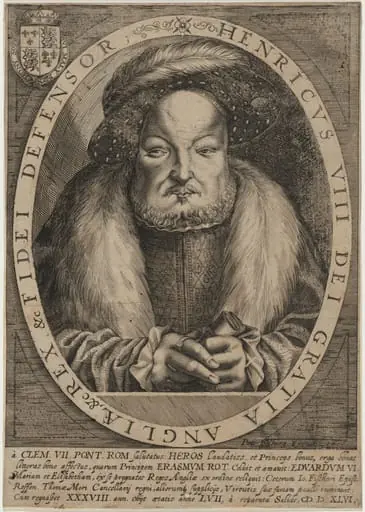
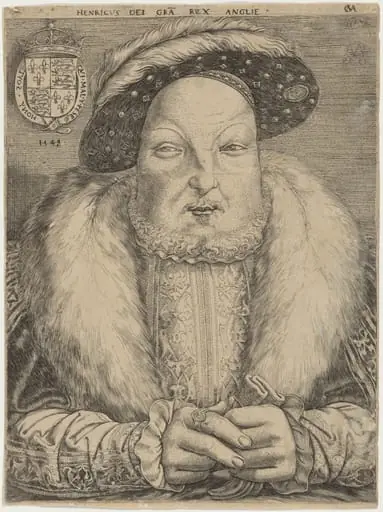
Henry VIII is an ink print by the Baroque artist Magdalena van de Passe. It dates from 1620 and is held in the collection of the National Gallery of Art.
About this work
Overview
Rendered with precise lines, the portrait emphasizes his authority through clothing and posture rather than elaborate scenery.
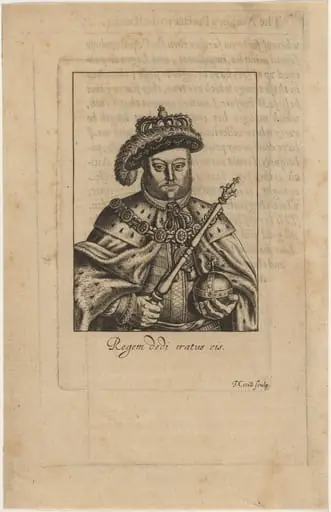
Created in 1620, this black-and-white engraving by Magdalena van de Passe depicts Henry VIII in formal regalia. Rendered with precise lines, the portrait emphasizes his authority through clothing and posture rather than elaborate scenery. The plain background directs focus to the monarch’s facial expression and the symbols of his rule, consistent with early 17th-century portraiture practices that prioritized status over narrative context.
Subject & Meaning
The portrait presents Henry VIII as a sovereign wielding both political and divine authority. His jeweled hat, heavy chain of office, and ornate belt signify royal dignity, while the staff in his right hand suggests governance. The Latin inscription identifying him as king of England, France, and Ireland reinforces his claimed territorial dominion. His stern gaze conveys resolve, aligning with contemporary ideals of monarchical gravitas.
Technique & Style
Executed in engraving, the image relies on incised lines on a metal plate to create tonal contrast and fine detail. Van de Passe’s precision in rendering textures—such as the fabric folds of the cloak and the intricate patterns of the chain—demonstrates mastery of the medium. The absence of color and the controlled use of shadow emphasize structure and form, characteristic of Northern European printmaking traditions of the period.
History & Provenance
The engraving was produced by Magdalena van de Passe, a skilled printmaker from a prominent family of artists. Likely made for distribution among European elites, it reflects the use of prints to circulate royal imagery beyond painted portraits. While its early ownership is undocumented, its survival in institutional collections suggests it was valued for its accurate representation of Tudor iconography.
Context
Produced nearly 50 years after Henry VIII’s death, the engraving belongs to a wave of posthumous royal portraits intended to reinforce dynastic legitimacy. During the early 1600s, prints like this served as tools of political memory, especially in Protestant regions where Tudor rule was still referenced to assert continuity. Van de Passe’s work aligns with broader European trends in using print to standardize royal imagery.
Legacy
This engraving remains a key example of how printmaking extended the reach of royal portraiture in the absence of photography. Magdalena van de Passe’s contribution as a female artist in a male-dominated field is notable, though often understated. The image continues to be referenced in historical studies for its faithful depiction of Tudor regalia and its role in shaping perceptions of Henry VIII’s authority.
Artist & collection

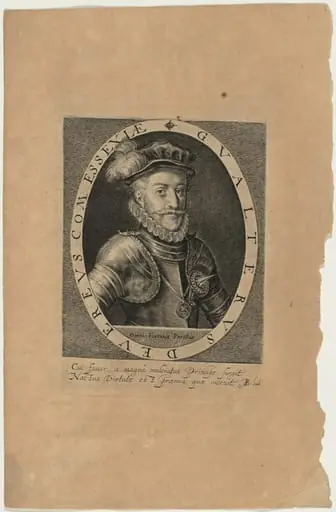 Walter Devereux, First Earl of Essex
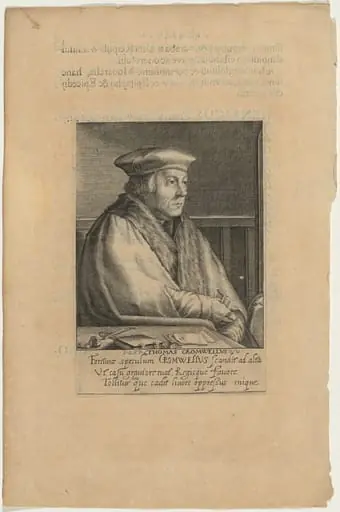 Thomas Cromwell, Earl of Essex
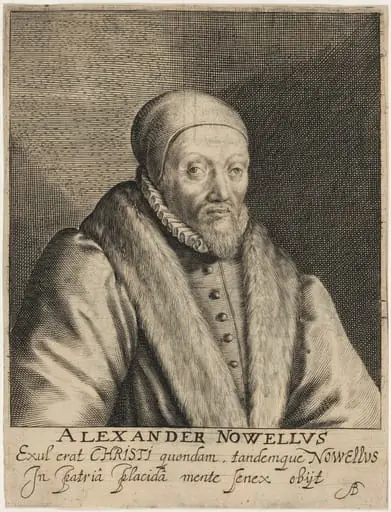 Alexander Nowell, Dean of Saint Paul's
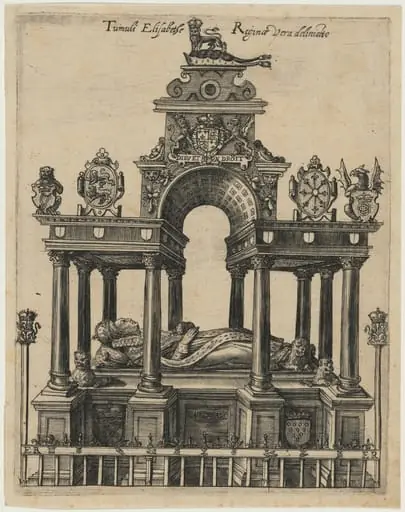 Elizabeth's Tomb
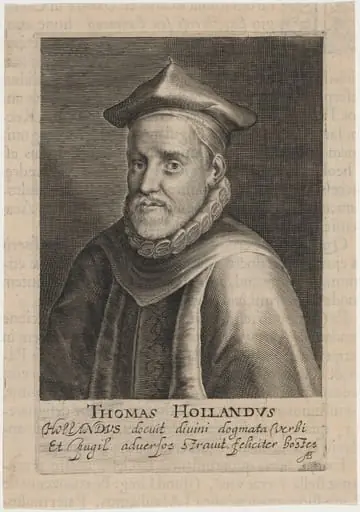 Thomas Holland, Regius Professor of Divinity at Oxford, and Rector of Exeter College
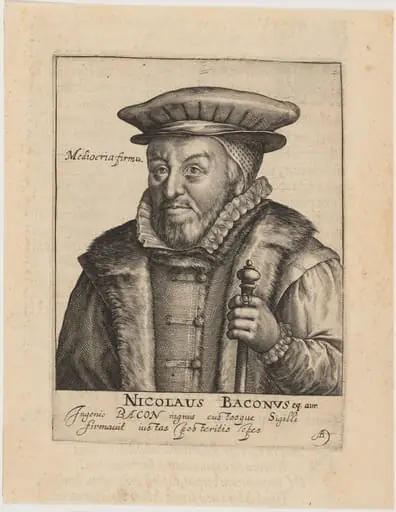 Sir Nicholas Bacon, Lord Keeper
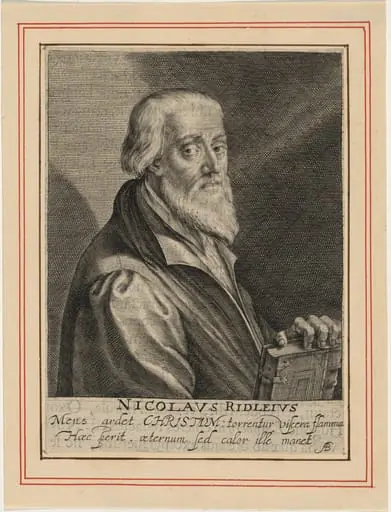 Nicholas Ridley, Bishop of London, Protestant Martyr
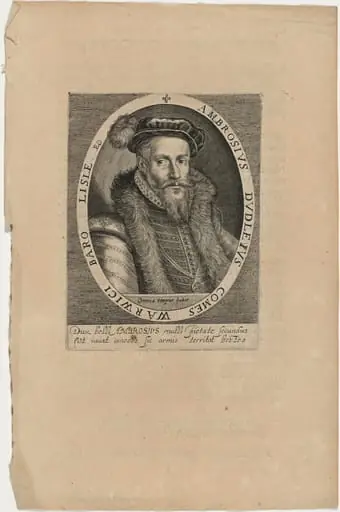 Ambrose Dudley, Earl of Warwick