Artwork
Henry IV
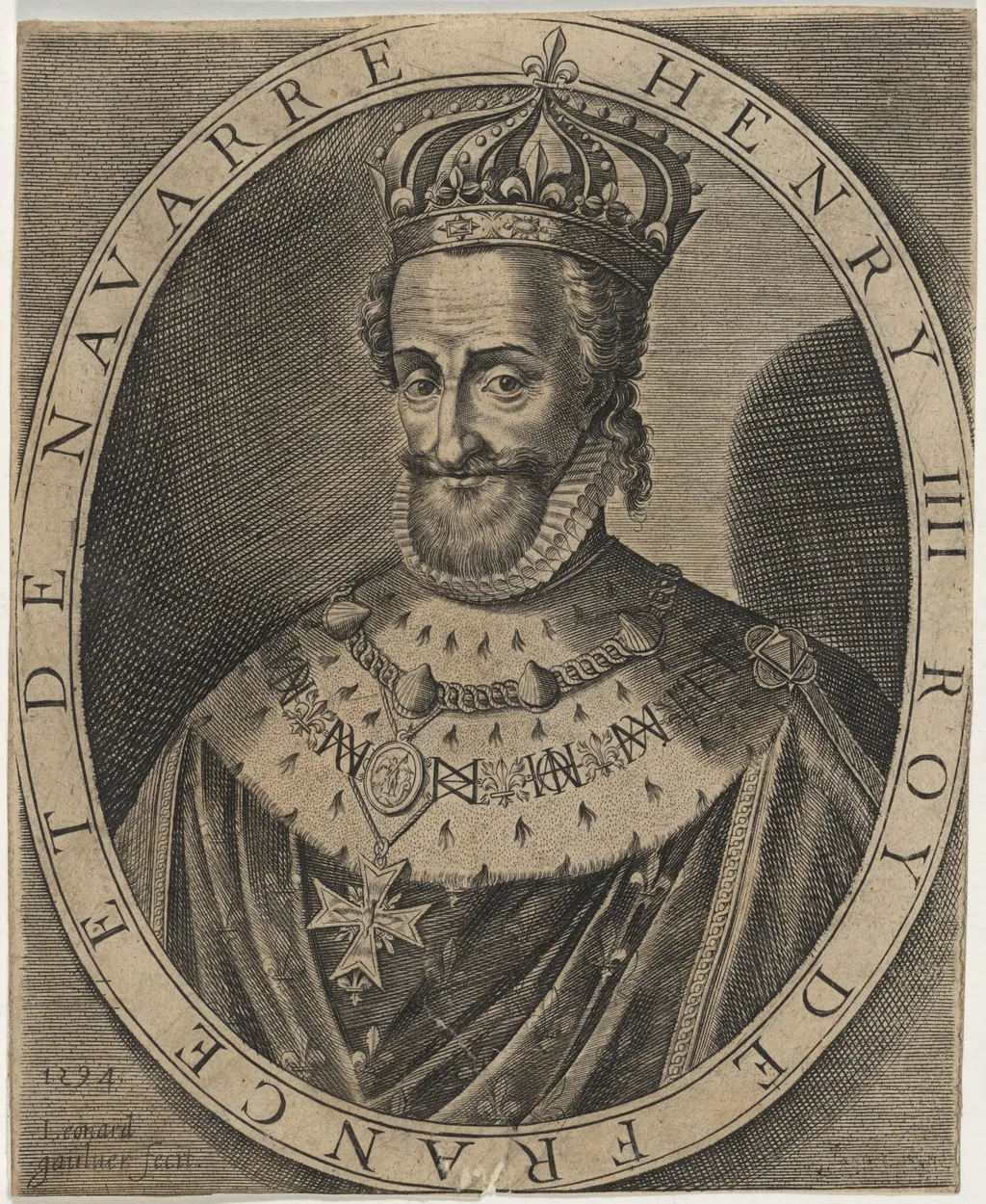
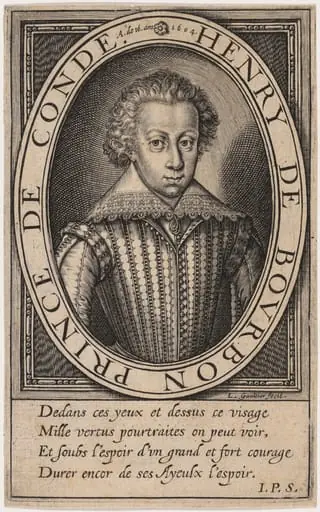
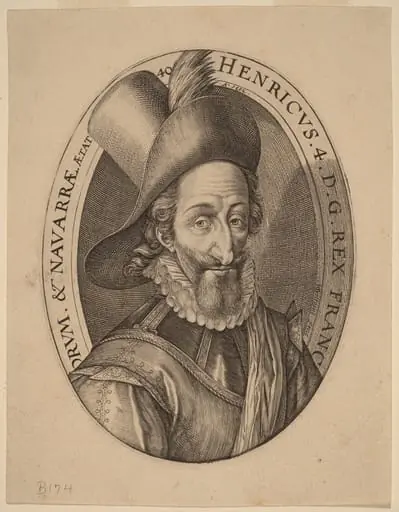
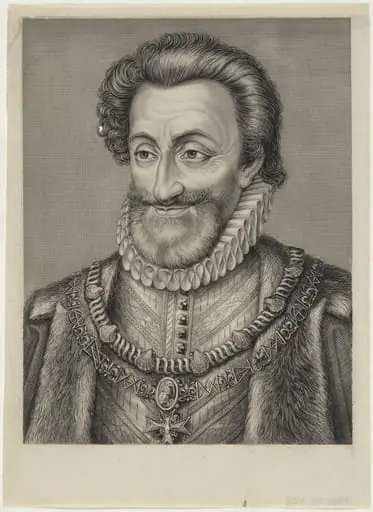
Henry IV is an ink print by the Renaissance artist Léonard Gaultier. It dates from 1594 and is held in the collection of the National Gallery of Art.
About this work
Overview
This 1594 engraving, *Henry IV*, is a work by French engraver Léonard Gaultier, active in Paris from the late 16th to the early 17th century. It depicts King Henry IV on horseback, set against a backdrop of trees and a distant town, showcasing Gaultier's characteristic precise linework and formal composition.
Subject & Meaning
The engraving portrays King Henry IV in a majestic pose, emphasizing his strength and grandeur. The image was designed to disseminate the king's authoritative image to a broad audience, leveraging the reproductive capabilities of engraving.
Technique & Style
Gaultier employed his signature technique of cross-hatching to achieve detailed shading, notably in the king's armor and the sky. The work's stiff, formal execution aligns with the styles of contemporary engraving workshops, such as those of the Wierix and Crispyn van de Passe families.
History & Provenance
Created in 1594, *Henry IV* is part of Gaultier's extensive oeuvre of portraits and subjects, often based on his own designs. The engraving's provenance is not specified here, reflecting the common circulation of such prints during the period.
Context
As an engraving, *Henry IV* served as an early mass medium, preceding photography in the dissemination of royal imagery. It contributed to the widespread visualization of monarchs as powerful figures.
Artist & collection
Artist
Léonard Gaultier, or, as he sometimes signed himself, Galter, a French engraver, was born at Mainz about 1561, and died in Paris in 1641.