Artwork
The Self- Sacrifice of Titusz Dugovics
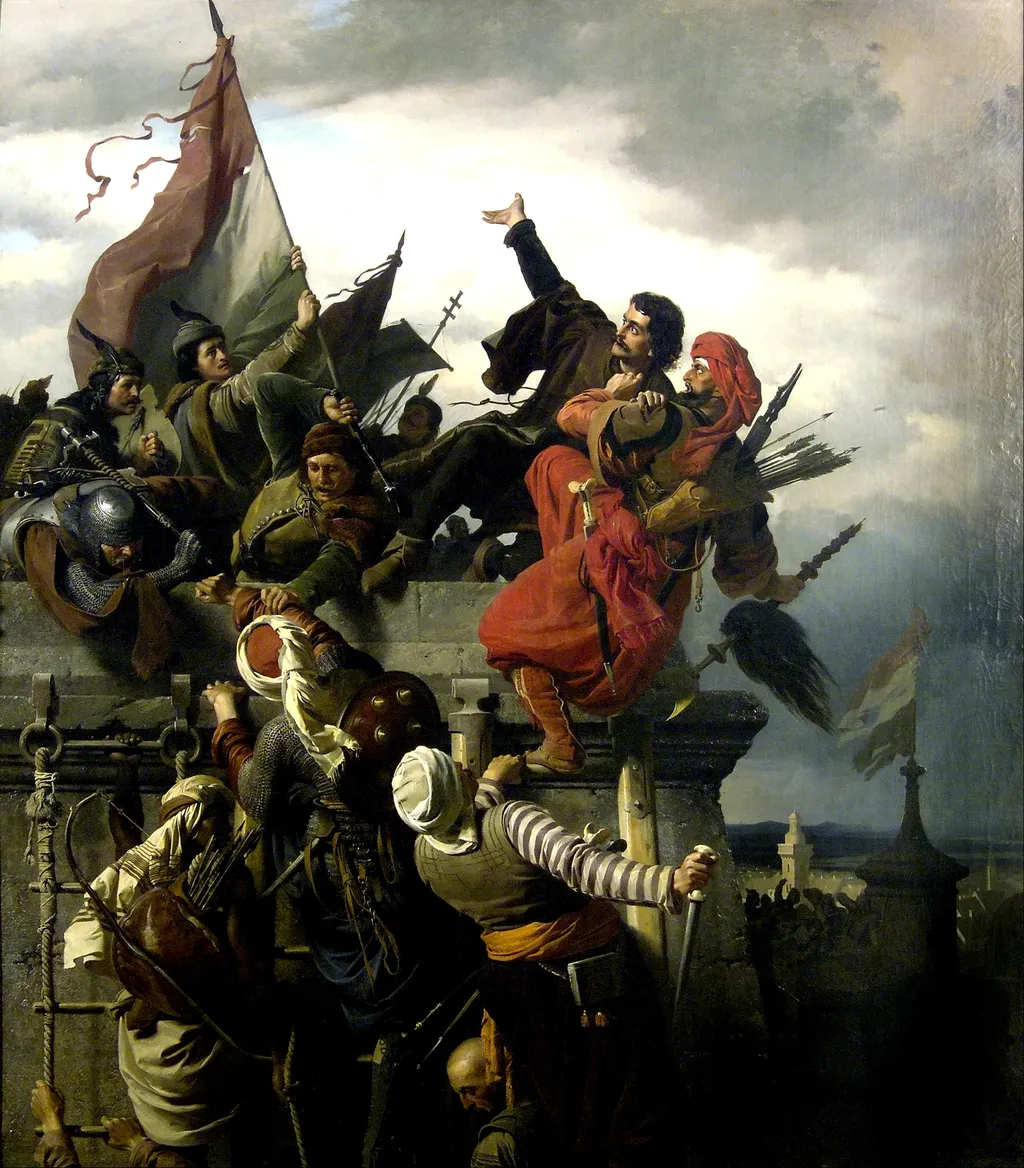
The Self- Sacrifice of Titusz Dugovics is an oil painting by Alexander von Wagner. It dates from 1859 and is held in the collection of the Hungarian National Gallery.
About this work
Overview
Created in 1859, Alexander von Wagner’s oil on canvas, *The Self‑Sacrifice of Titusz Dugovics*, is a history painting now in the collection of the Hungarian National Gallery. The work presents a turbulent battlefield scene, dominated by a central figure in red, set against a cloudy sky and distant landscape that heighten the sense of urgency.
Subject & Meaning
The composition centers on the legendary Hungarian hero Titusz Dugovics, portrayed in a moment of self‑sacrifice during a clash. Surrounding combatants clutch weapons and flags, while the protagonist’s distressed posture suggests a dramatic act of personal bravery intended to inspire national valor.
Technique & Style
Wagner employs a dynamic arrangement of figures, using chiaroscuro to model the central figure against a muted, atmospheric background. The brushwork conveys movement, especially in the swirling clouds and the varied poses of the soldiers, while the limited palette of reds, earth tones, and grays unifies the scene.
History & Provenance
The painting was completed in 1859, shortly after Wagner’s studies in Munich, and entered the Hungarian National Gallery’s holdings where it remains on display. Its acquisition reflects the 19th‑century Hungarian interest in visualizing national myths through academic history painting.
Context
Produced during a period of heightened Hungarian nationalism, the work aligns with contemporary efforts to commemorate historic figures who embodied sacrifice for the nation. Wagner’s choice of a dramatic, emotionally charged moment mirrors the Romantic‑historical trend prevalent in European art of the mid‑1800s.
Own this work as a print
Artist & collection

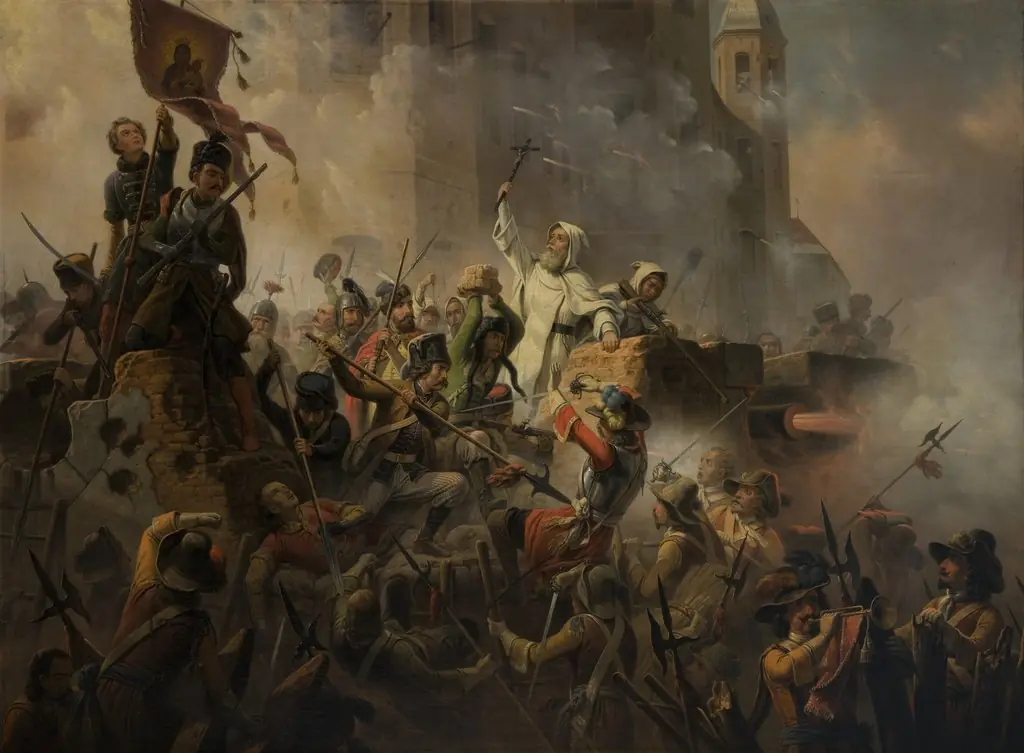 Defence of Częstochowa
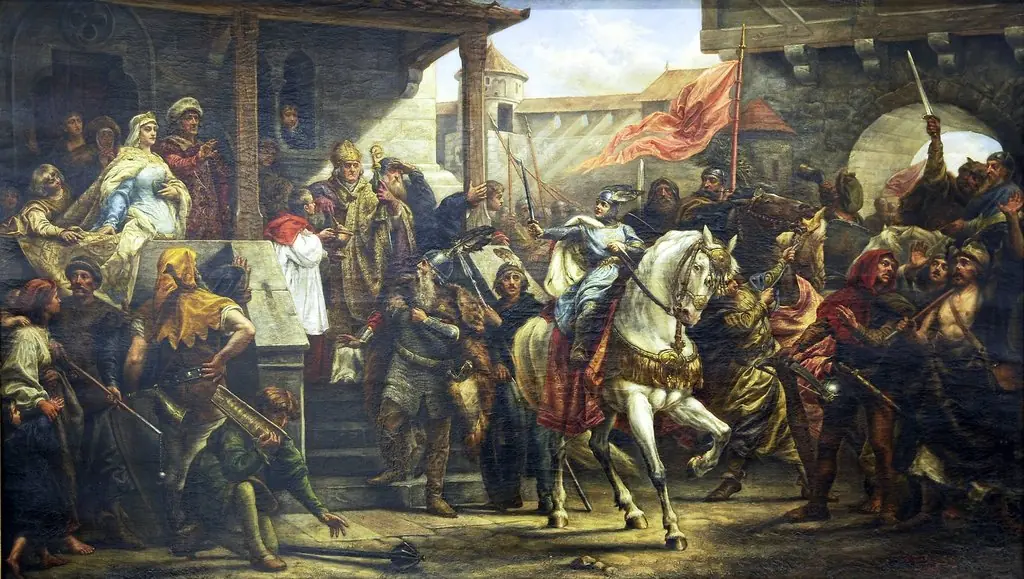 Władysław Herman blesses Bolesław the Wry-Mouthed before a war campaign
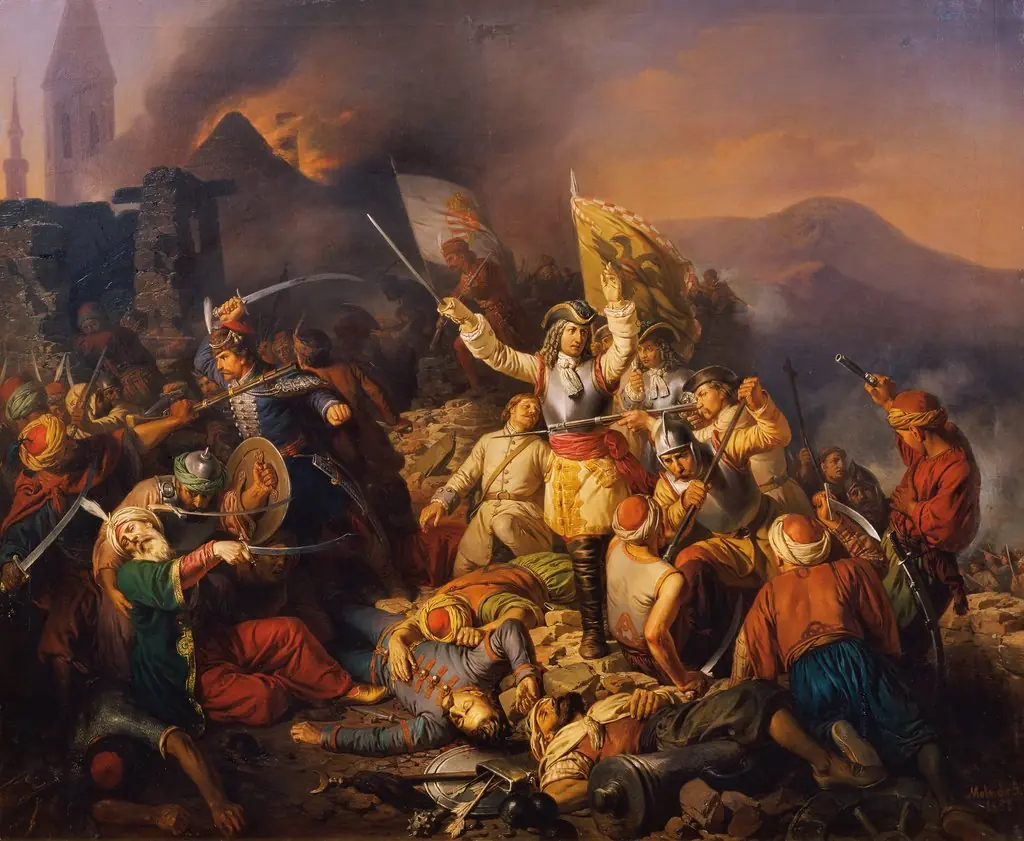 Die Rückeroberung Ofens aus der Hand der Türken im Jahr 1686
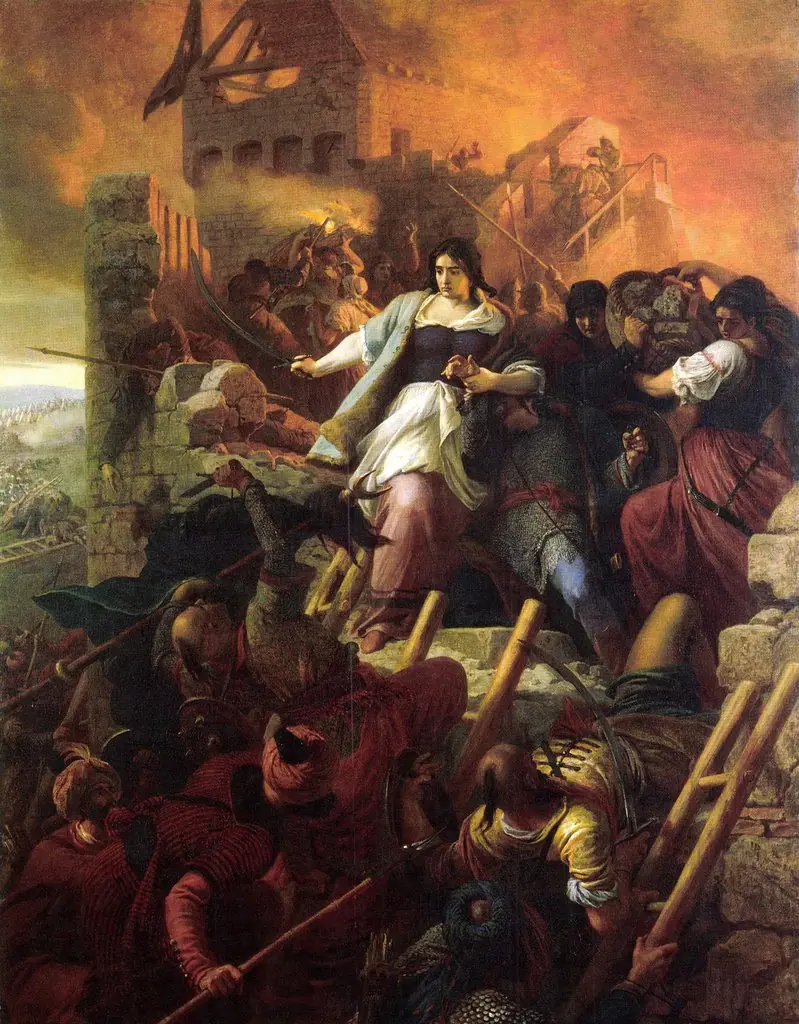 Women of Eger
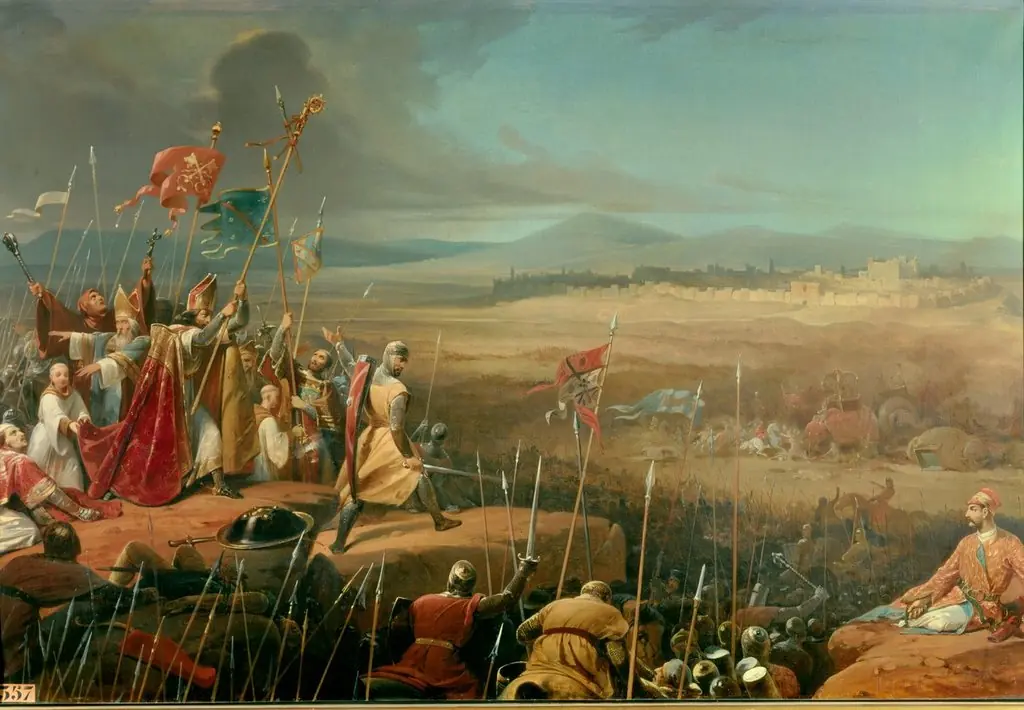 Battle outside the walls of Antioch (23 june 1098) between the crusaders, commanded by Bohemnon, and the army of Kerbogha.
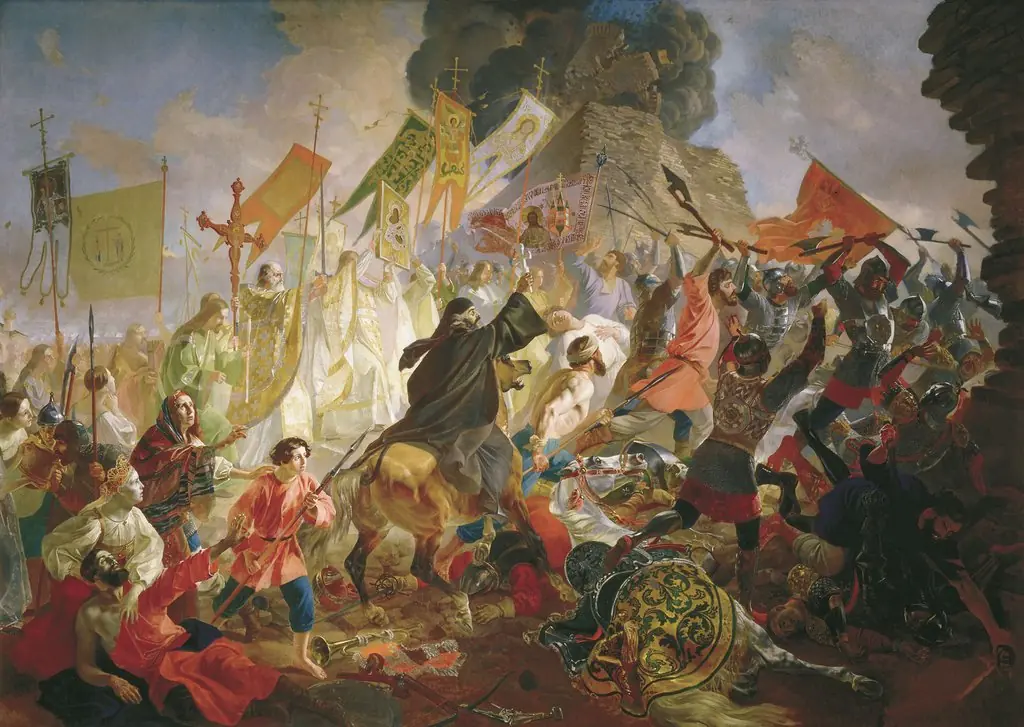 Осада Пскова польским королём Стефаном Баторием в 1581 году
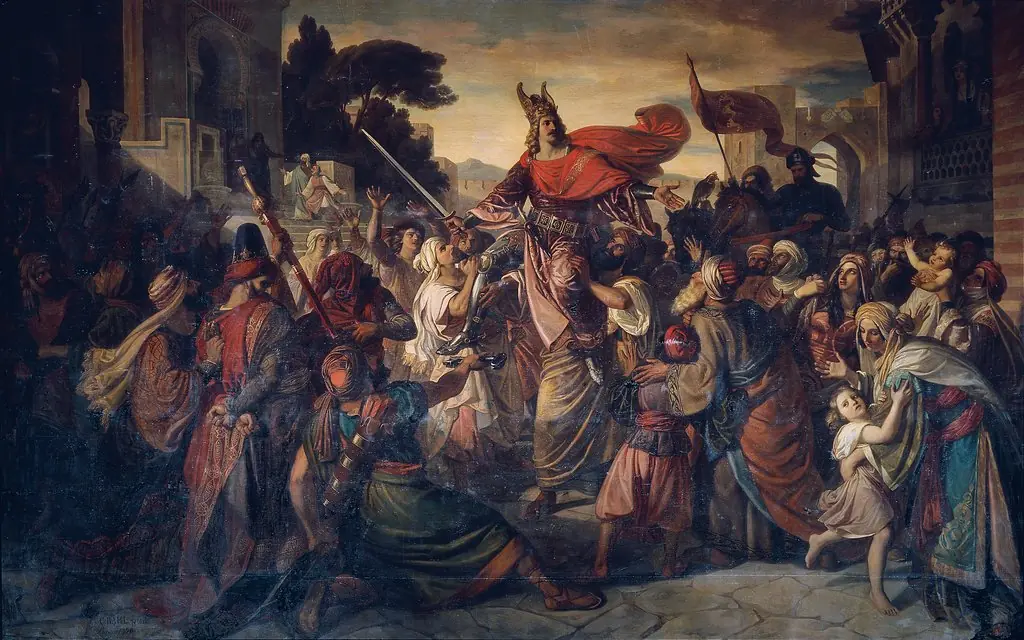 Der Empfang Manfreds (1231–1266) bei den Sarazenen in Luceria im Jahre 1254
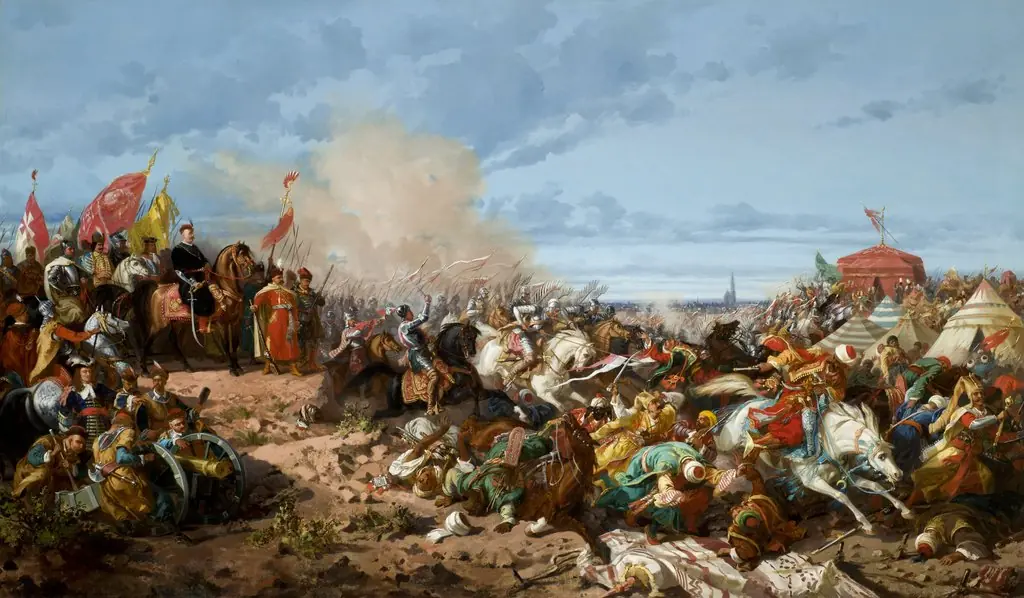 Sobieski at Vienna
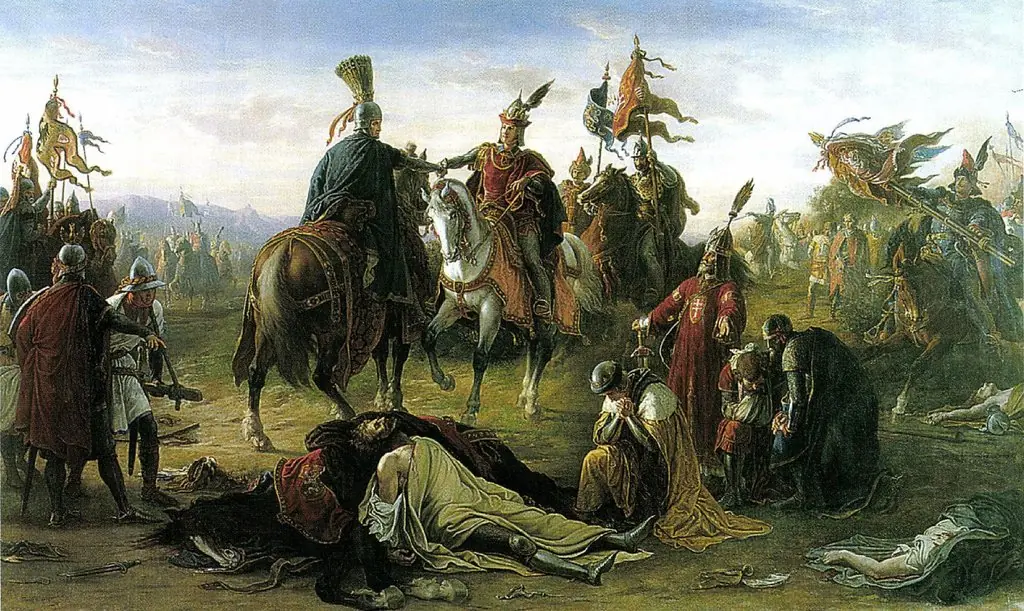 The Meeting of King Ladislas IV and Rudolph of Habsburg on the Battlefield of Marchfeld
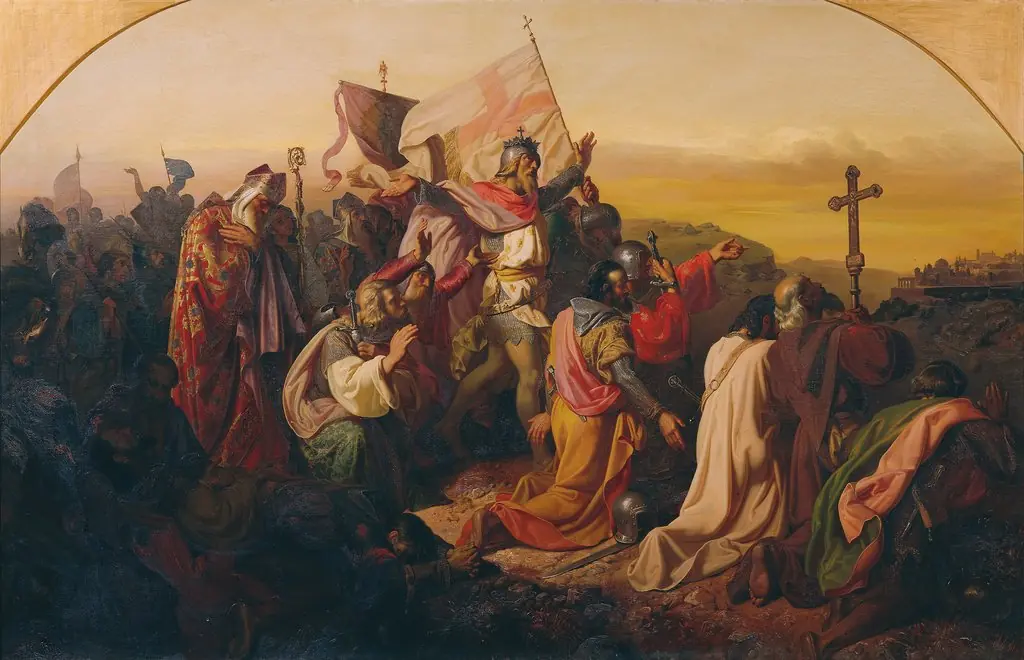 Gottfried von Bouillon und Kreuzfahrer
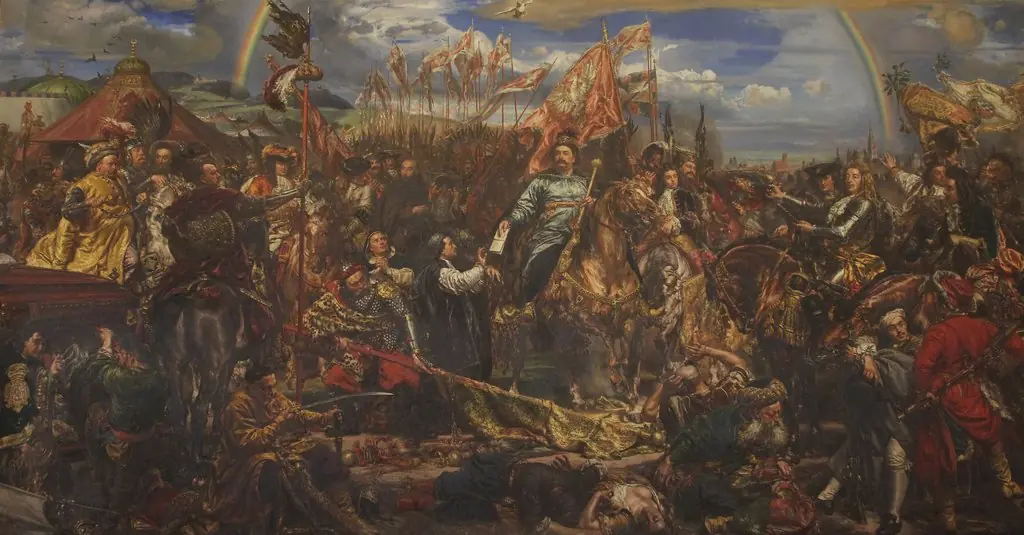 Jan Sobieski at Vienna
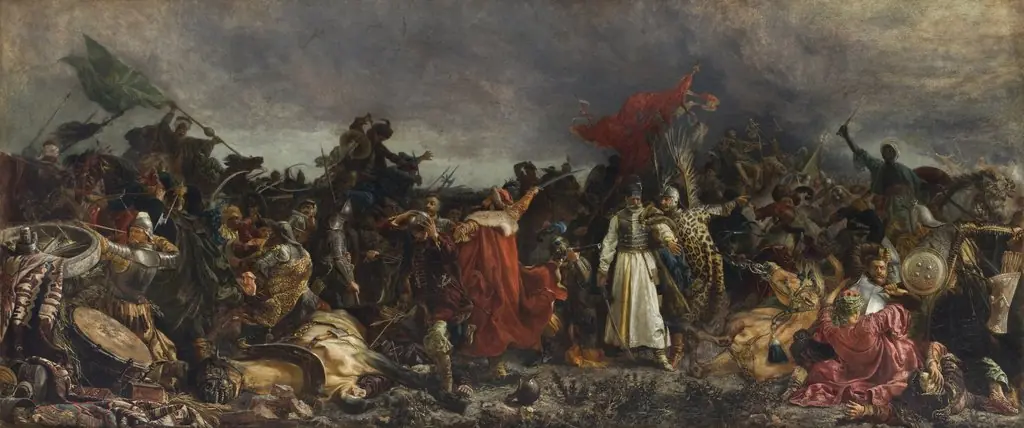 The Battle of Cecora