Artwork
Altarpiece of the Virgin
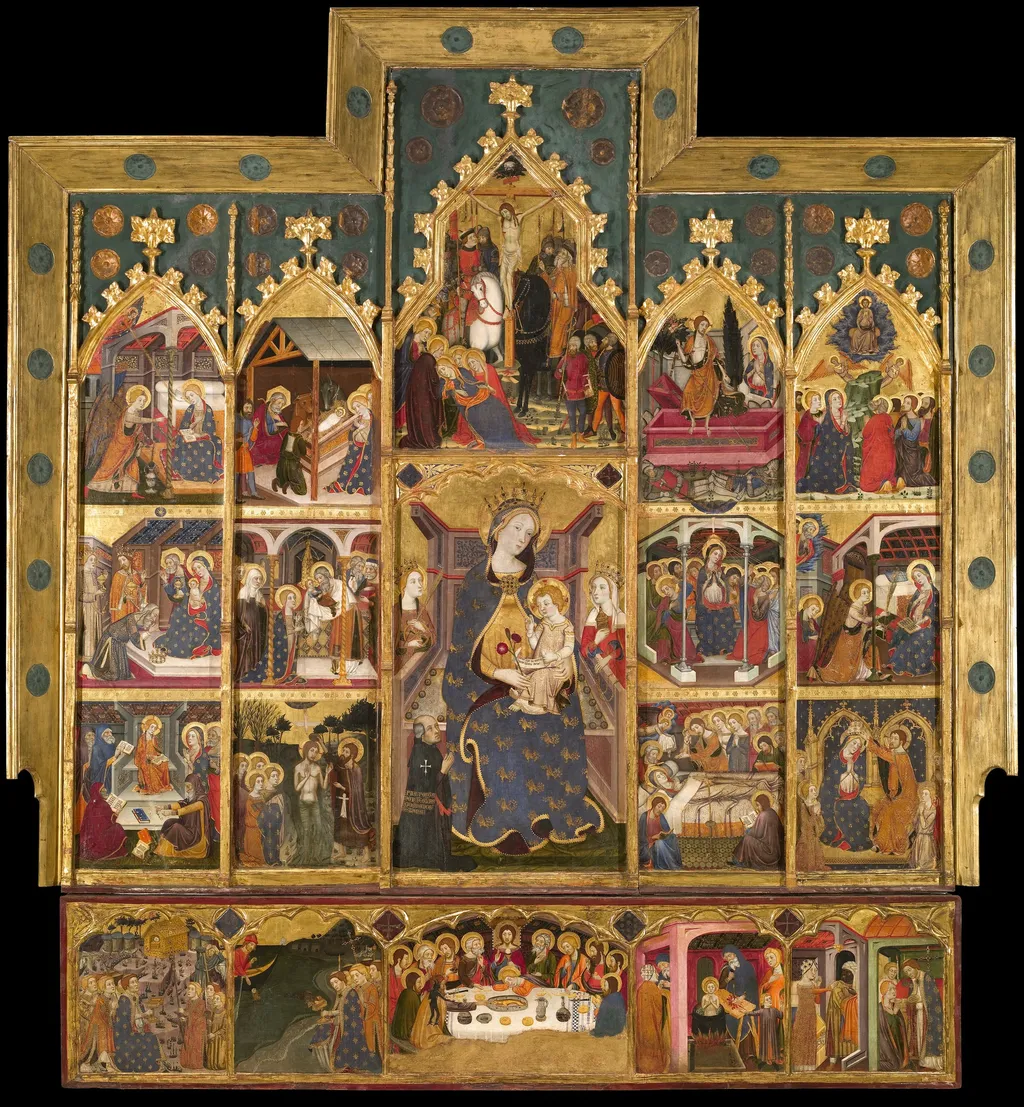
Altarpiece of the Virgin is an unspecified painting by the Byzantine icon painting artist Jaume Serra. It dates from 1393 and is held in the collection of the Museu Nacional d'Art de Catalunya.
About this work
Overview
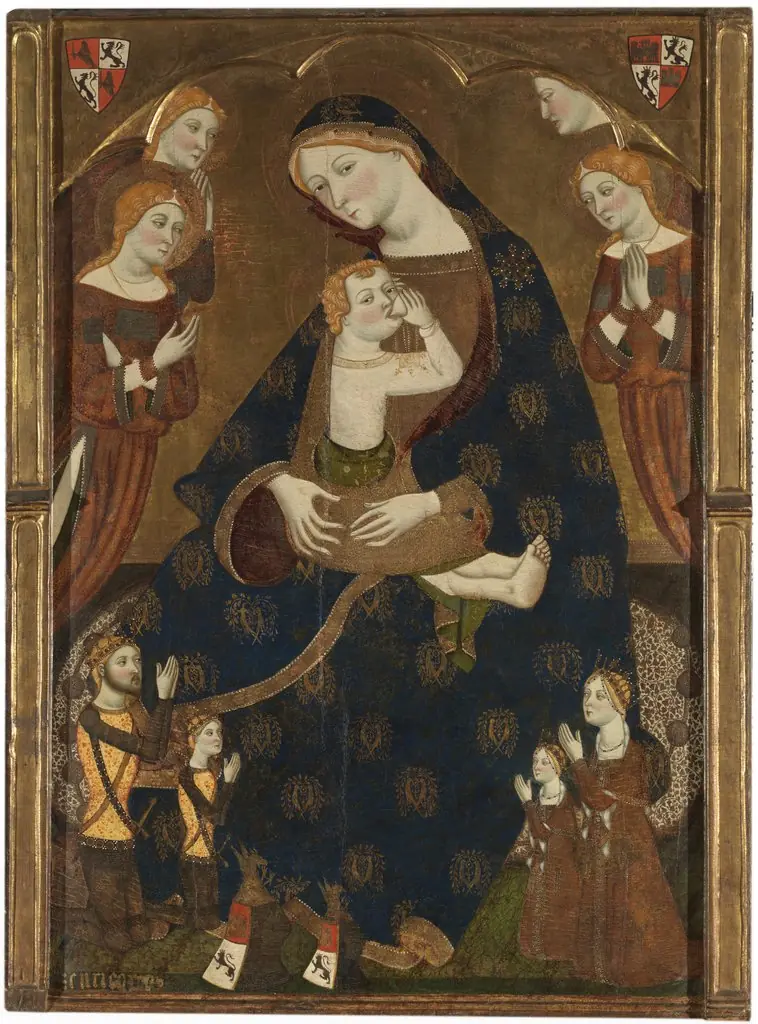
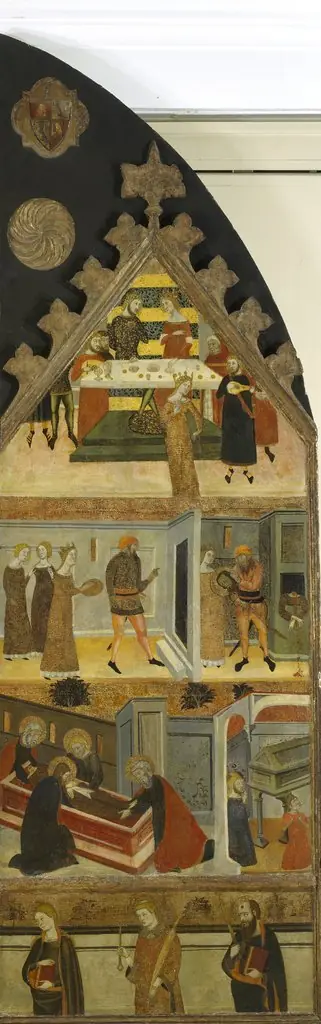
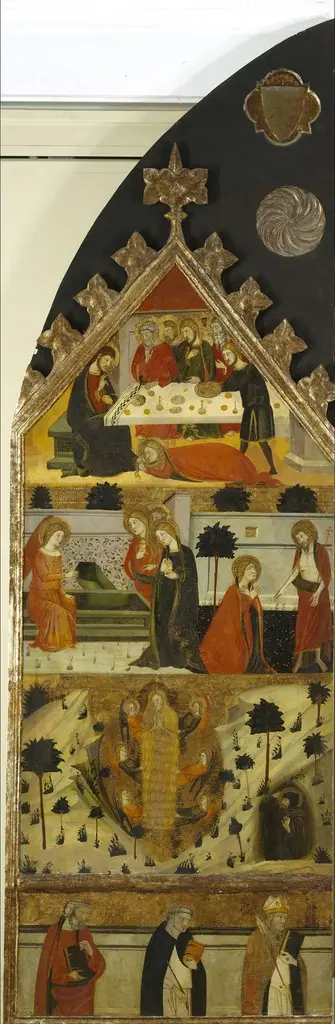
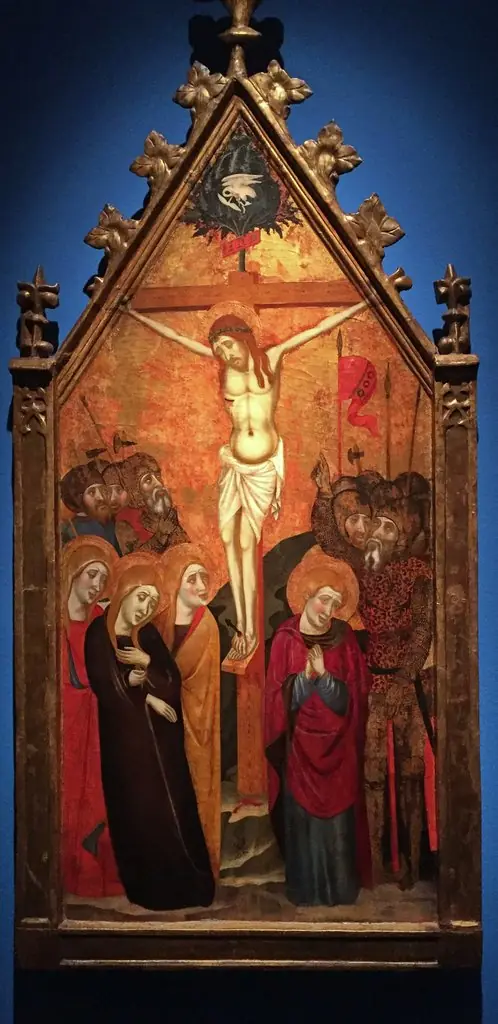
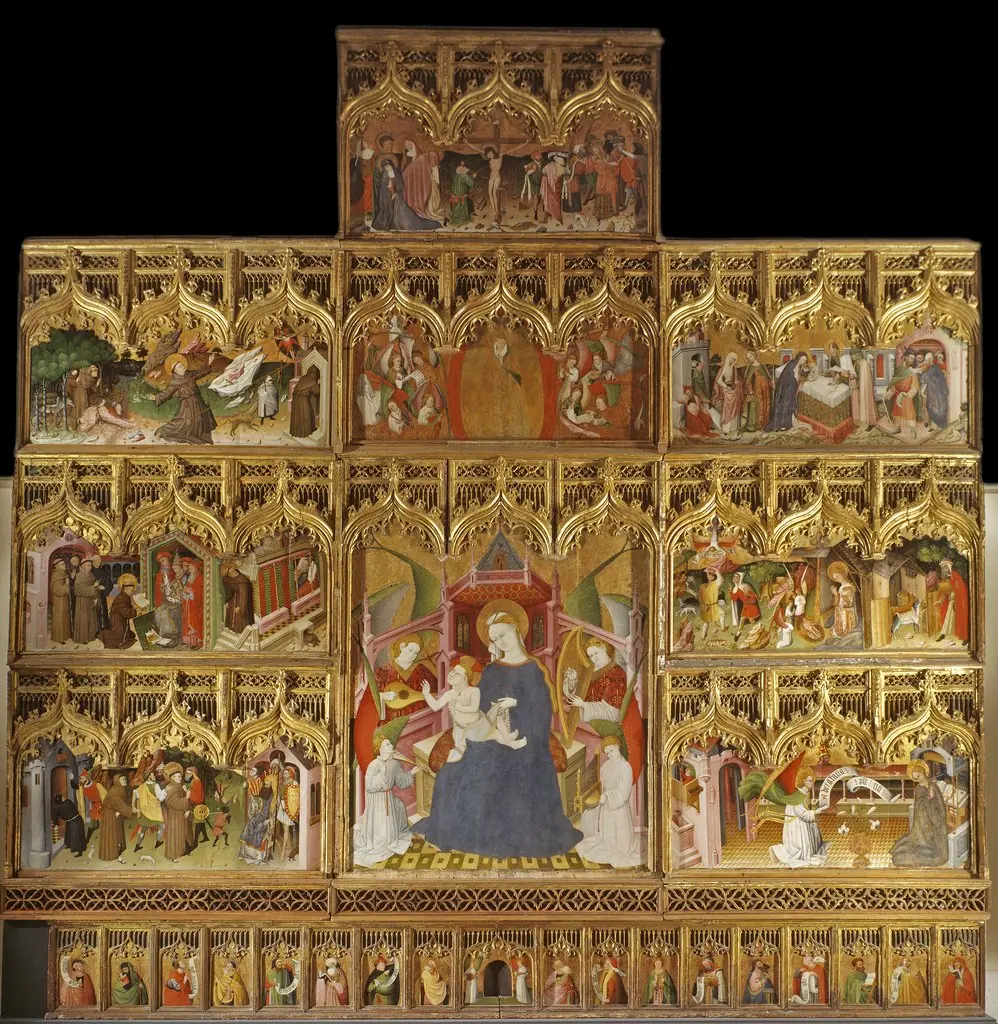
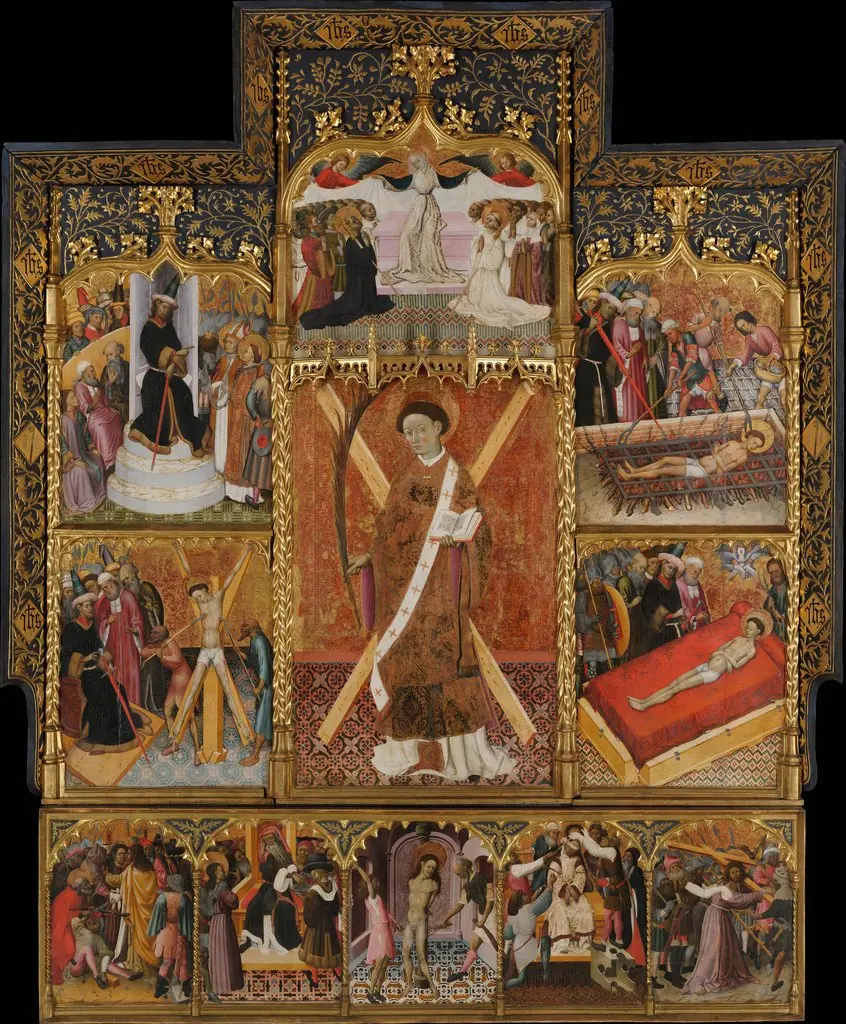
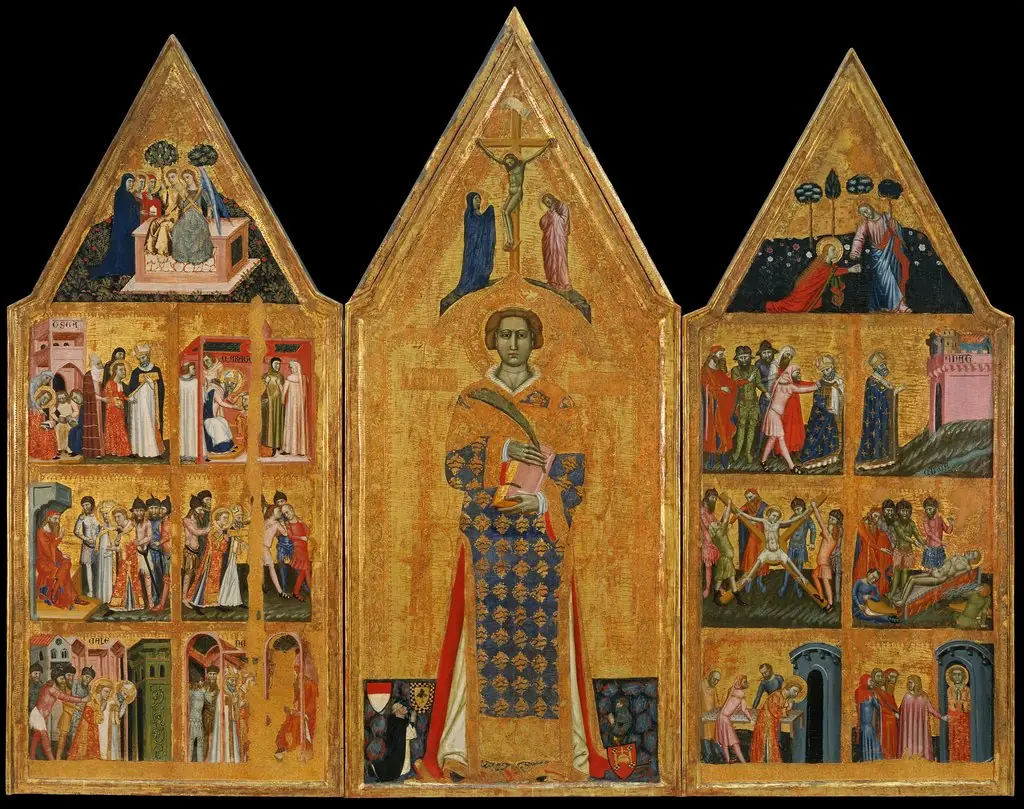
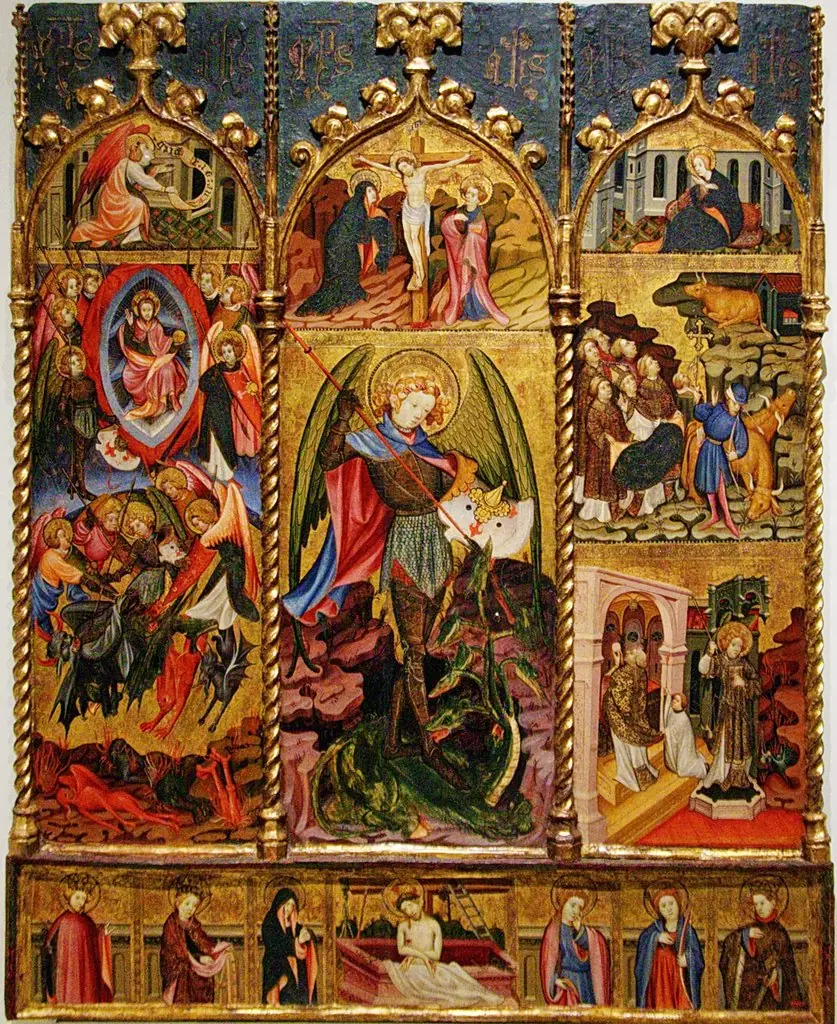
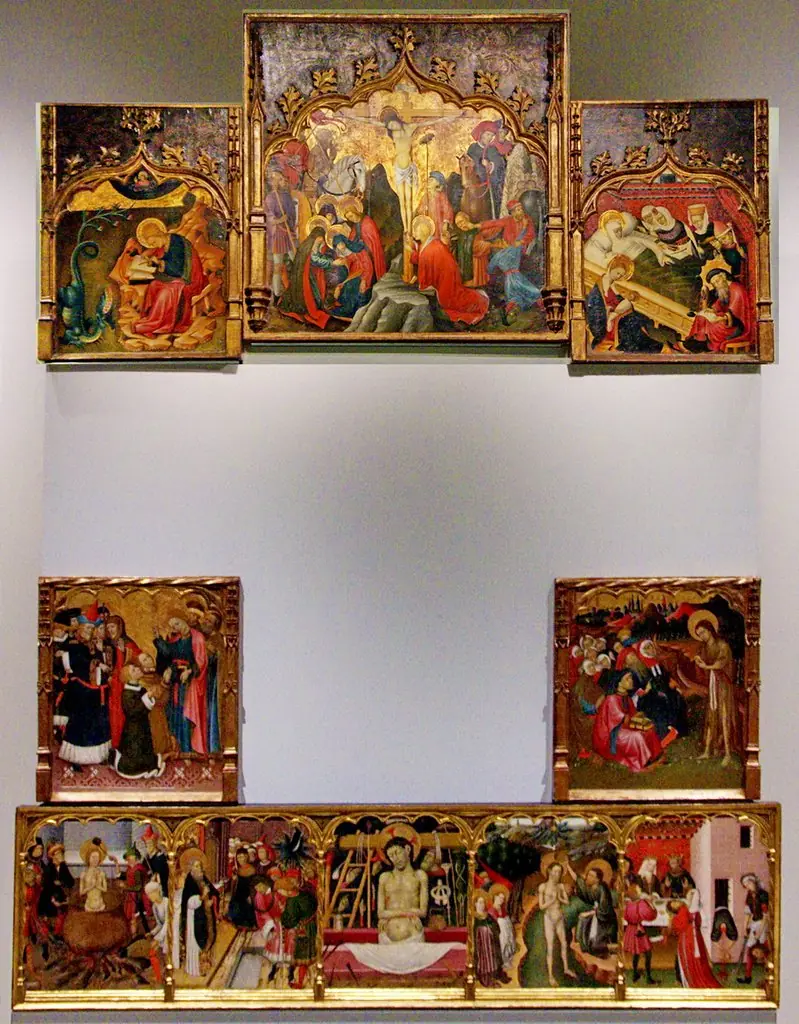
The Altarpiece of the Virgin, painted by Jaume Serra in 1393, is a multi‑panel devotional work now in the collection of the Museu Nacional d'Art de Catalunya. Its format follows the traditional polyptych structure, presenting a central image of the Virgin Mary with the infant Christ surrounded by a series of narrative scenes that trace key moments from Mary's life.
Subject & Meaning
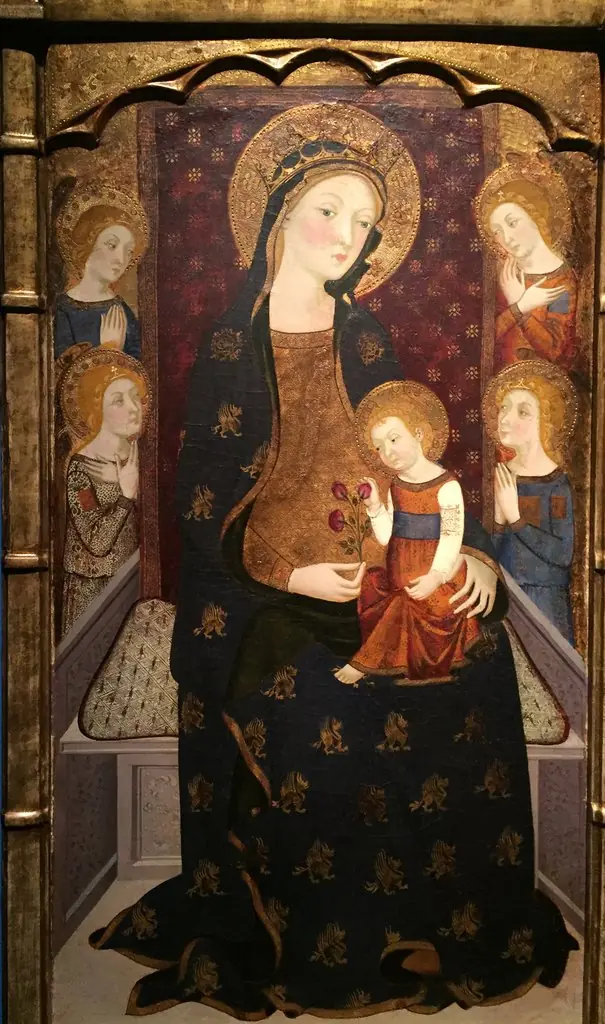
At the heart of the composition, the Virgin is depicted in a blue mantle, cradling the child Jesus, both encircled by a radiant halo that emphasizes their sanctity. The surrounding panels illustrate episodes from Mary's childhood and adulthood, as well as angelic intercessions, creating a visual biography that underscores her role as intercessor and model of piety.
Technique & Style
Serra employs a rich palette dominated by ultramarine and gold leaf, typical of late Gothic Iberian painting, to convey both opulence and spiritual significance. The work is highly detailed, with intricate ornamental borders and finely rendered figures, demonstrating the artist's skill in tempera application and his mastery of delicate line work across the numerous small registers.
History & Provenance
Created at the close of the 14th century, the altarpiece was originally intended for a liturgical setting, likely a cathedral or monastic church. It entered the Museu Nacional d'Art de Catalunya's holdings during the 20th century, where it has been conserved and displayed as a representative example of Catalan Gothic devotional art.
Artist & collection
Artist
Jaume Serra painted delicate tempera panels in 1300s Spain. His Madonna and Child shows soft colors and careful folds in Mary’s robe. The same calm style appears in Episodes from the Lives of Mary Magdalen and Saint…