Artwork
Heureux age! Age d'or (Happy Age! Golden Age)
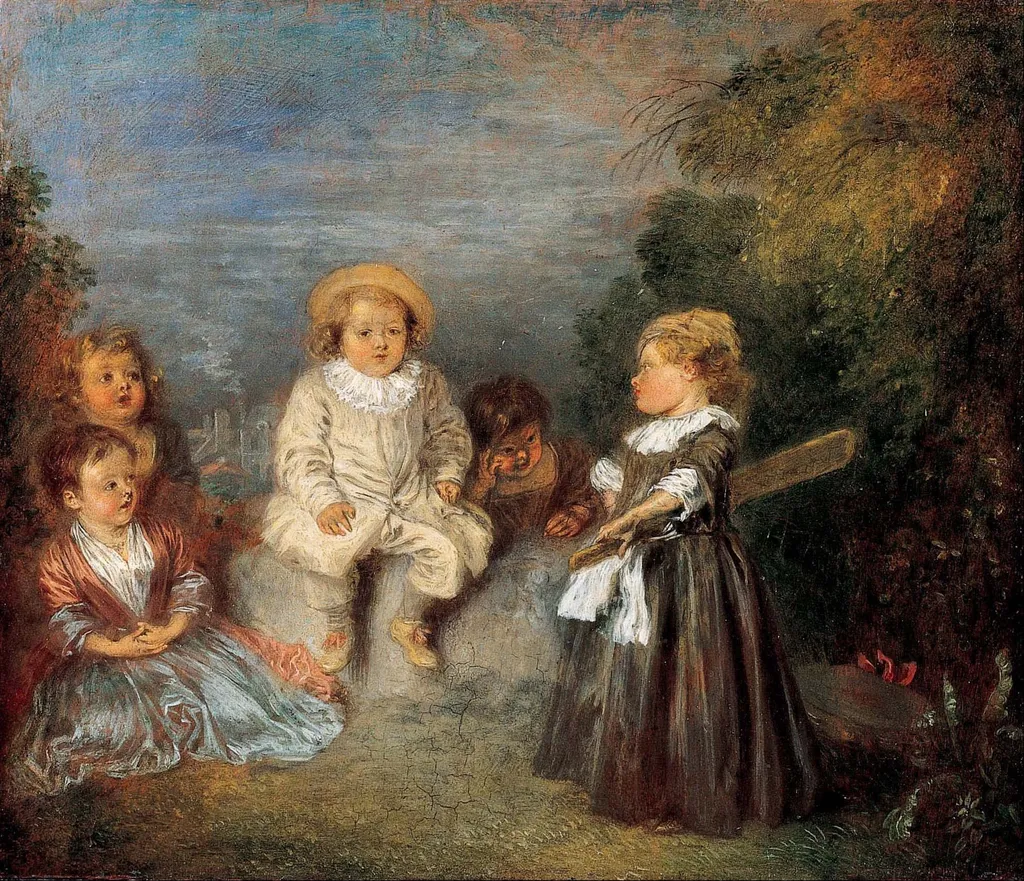
Heureux age! Age d'or (Happy Age! Golden Age) is an oil painting by the Rococo painting artist Jean Antoine Watteau. It dates from 1718 and is held in the collection of the Kimbell Art Museum. Created in 1718, "Heureux age!
About this work
Overview
Created in 1718, "Heureux age! Age d’or" is an oil on canvas by the French Rococo painter Jean‑Antoine Watteau. The work is part of the collection of the Kimbell Art Museum in Fort Worth, Texas, and exemplifies Watteau’s interest in idyllic, pastoral scenes populated by figures from everyday life.
Subject & Meaning
The composition gathers a group of children engaged in playful activity within a verdant garden. Dressed in refined, period attire, the youngsters interact with a sense of ease and camaraderie, suggesting an idealized vision of youthful innocence and communal joy that reflects the painting’s title.
Technique & Style
Watteau employs a palette of muted, pastel hues and employs delicate, feathery brushwork to render foliage, fabric, and skin. The soft transitions and subtle modeling create an atmosphere of gentle warmth, characteristic of the Rococo’s emphasis on elegance, lightness, and the fleeting pleasures of leisure.
History & Provenance
After its completion, the painting entered private collections before being acquired by the Kimbell Art Museum, where it has been on display since the mid‑20th century. Its provenance traces a typical trajectory for Watteau’s works, moving from aristocratic patrons to institutional holdings.
Context
Produced toward the end of Watteau’s brief career, the work aligns with his broader fascination with fêtes galantes—scenes of aristocratic amusement in pastoral settings. It reflects contemporary tastes for romanticized nature and the celebration of refined, yet informal, social interaction among the upper classes.
Artist & collection
Artist
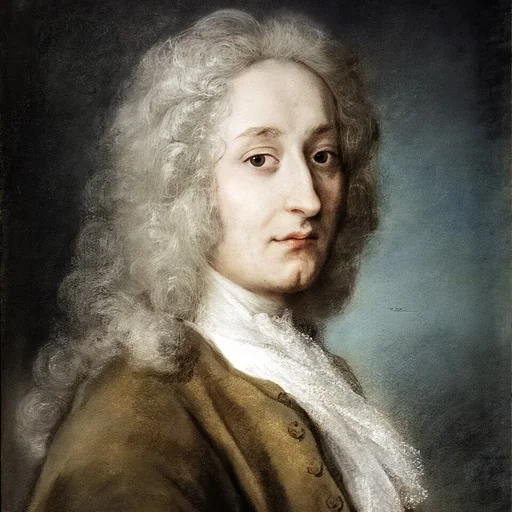
Jean-Antoine Watteau was a French painter and draughtsman whose brief career spurred the revival of interest in colour and movement, as seen in the tradition of Correggio and Rubens.

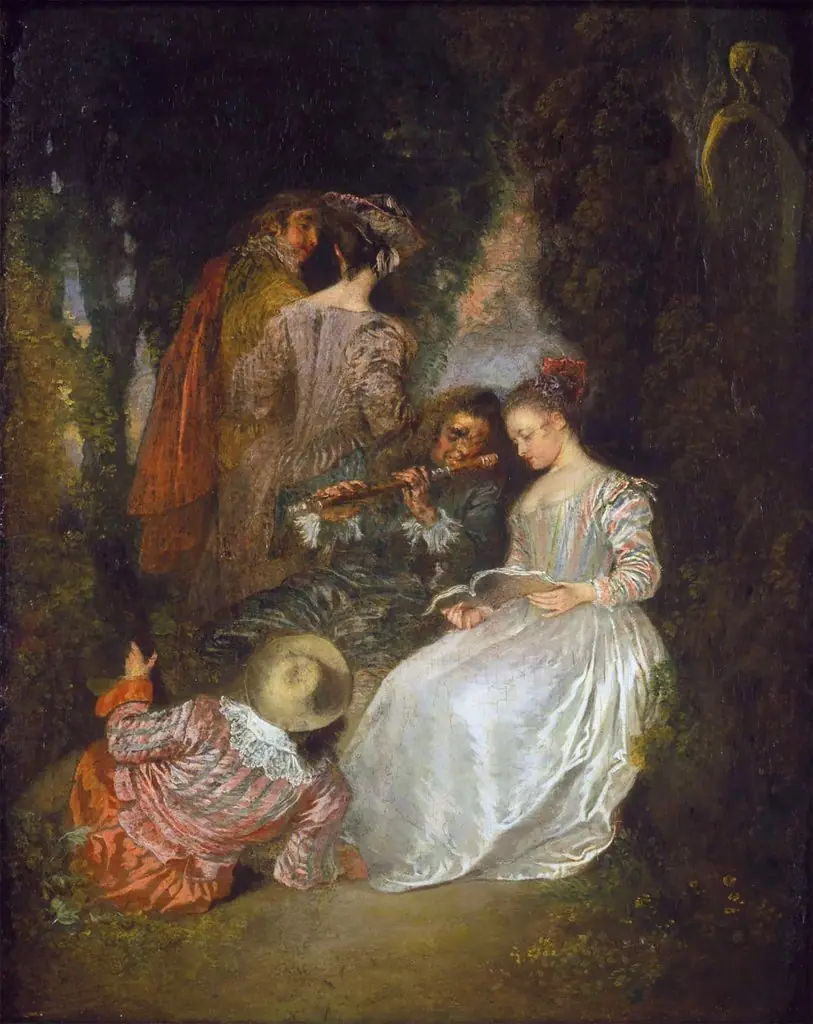 L'Accord parfait
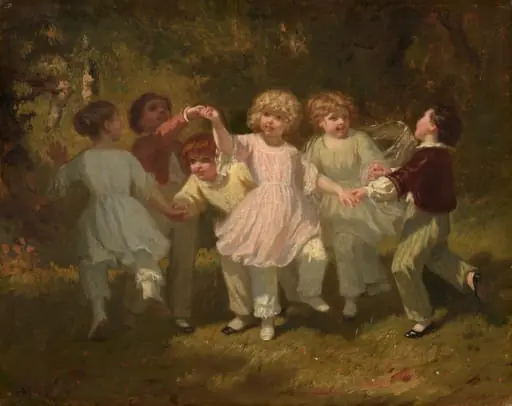 Children Playing in a Park
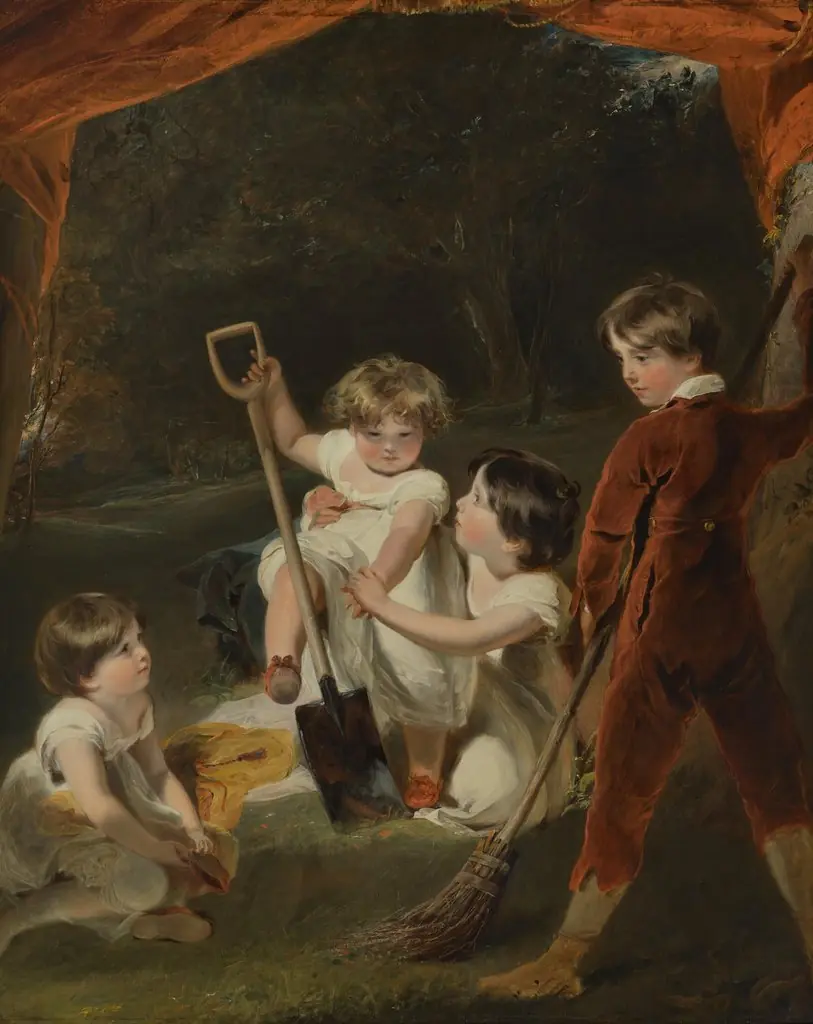 The Angerstein Children
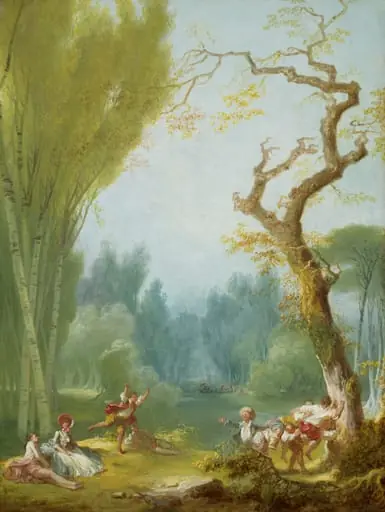 A Game of Horse and Rider
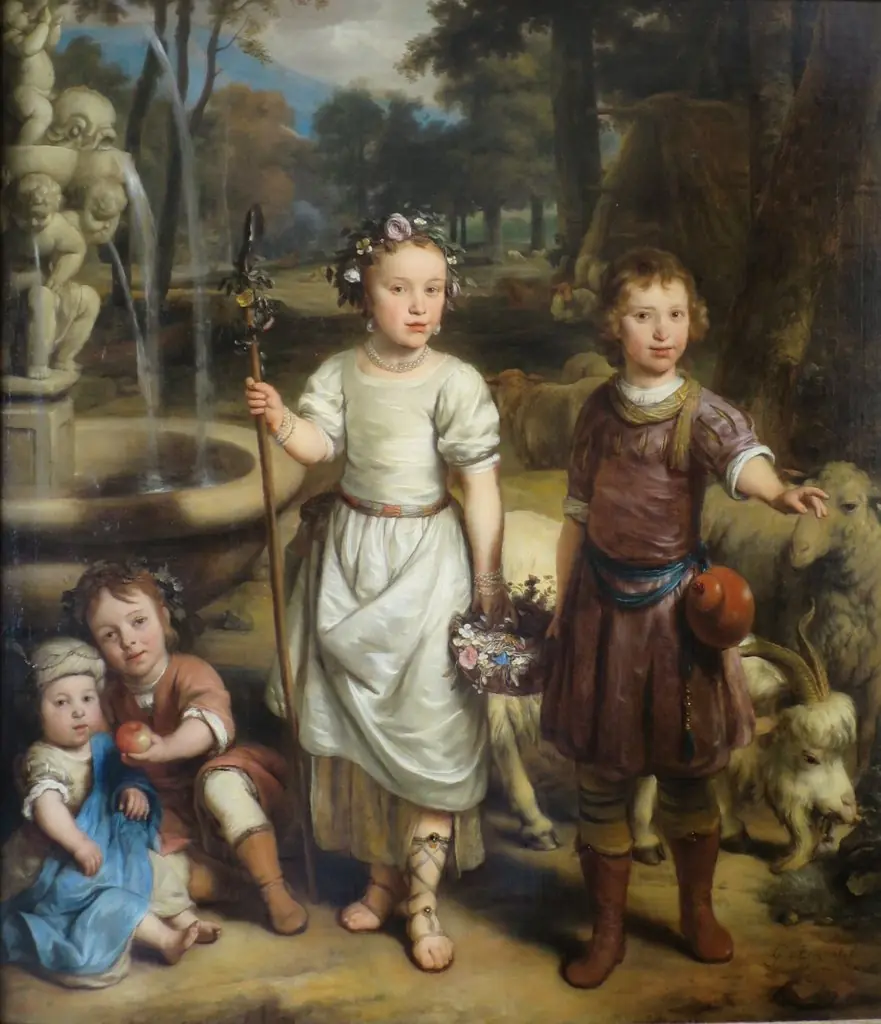 Children in a Park
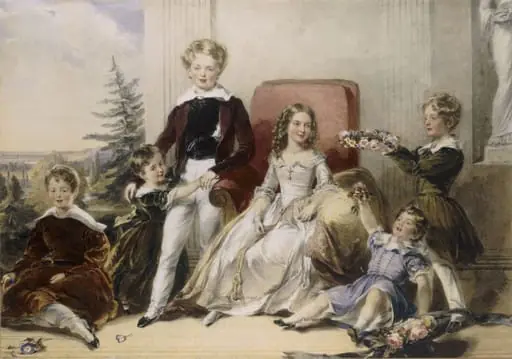 The six children of Elhanan Bicknell Esq
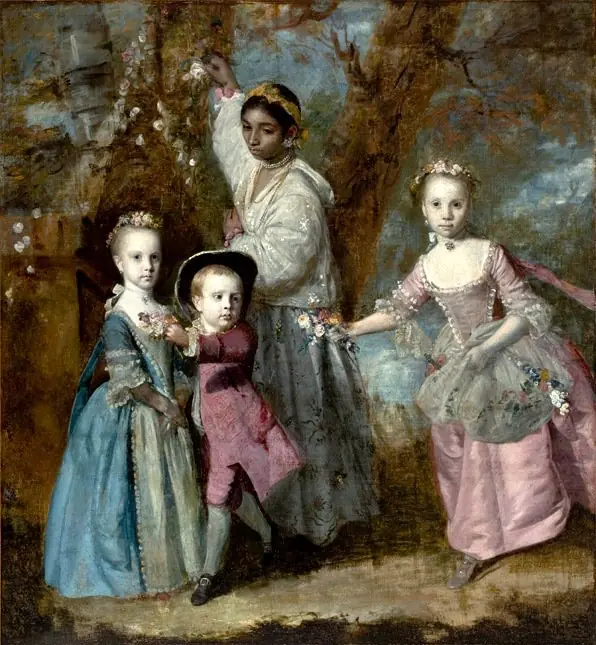 Elizabeth, Sarah and Edward, the Children of Edward Holden Cruttenden
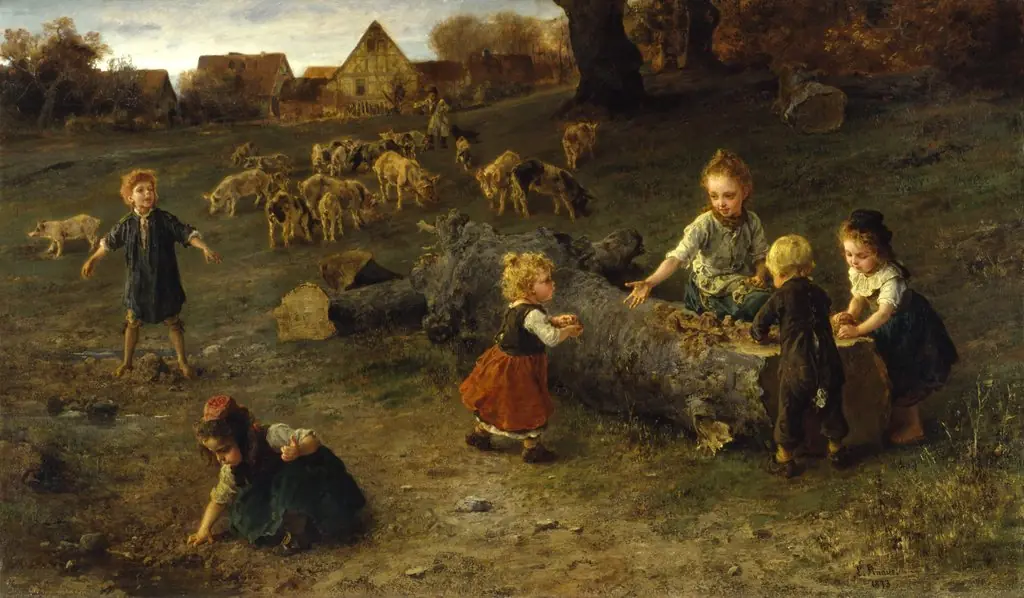 Mud Pies
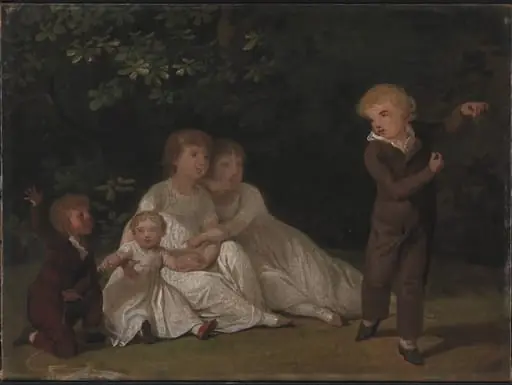 The Artist's Five Children in a garden. Study
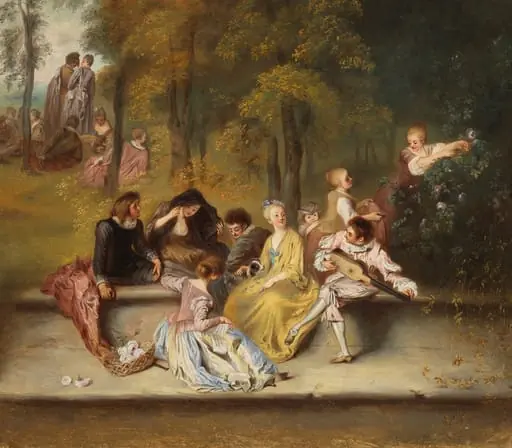 Herroja ja naisia terassilla, kopio Antoine Watteaun mukaan, osa
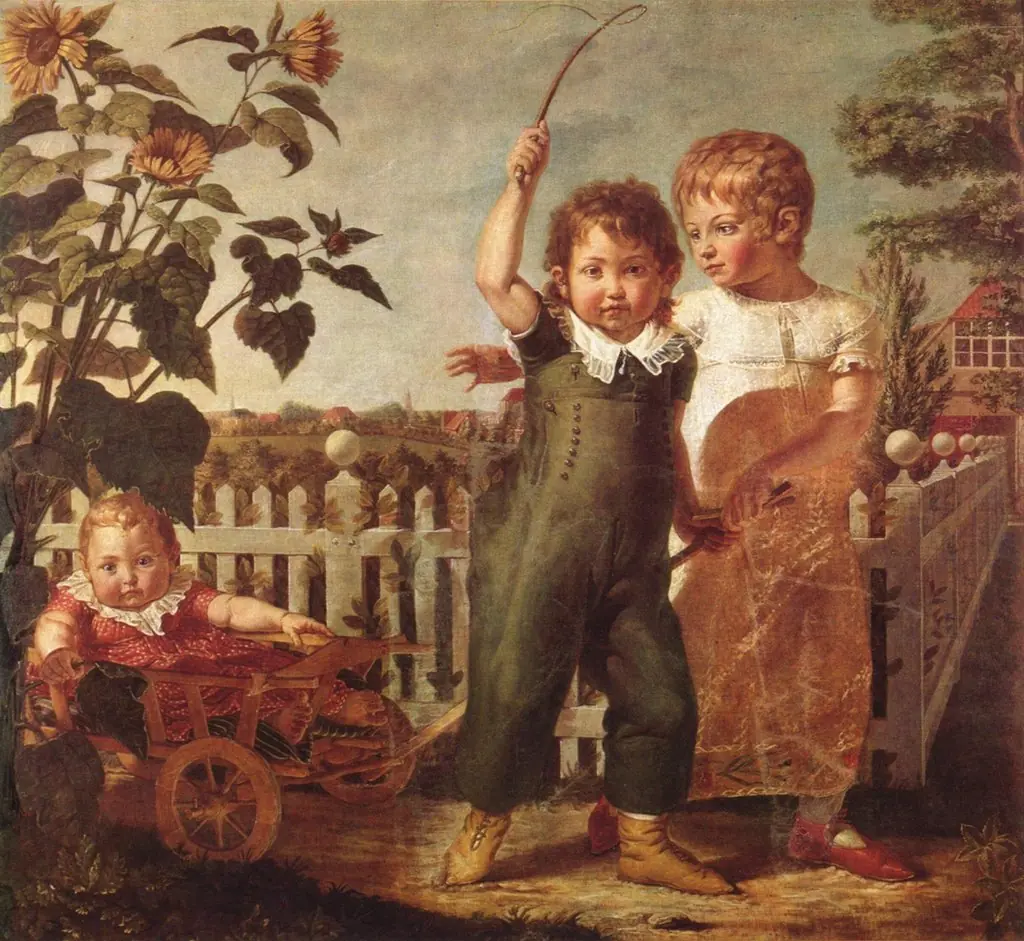 The Hülsenbeck children
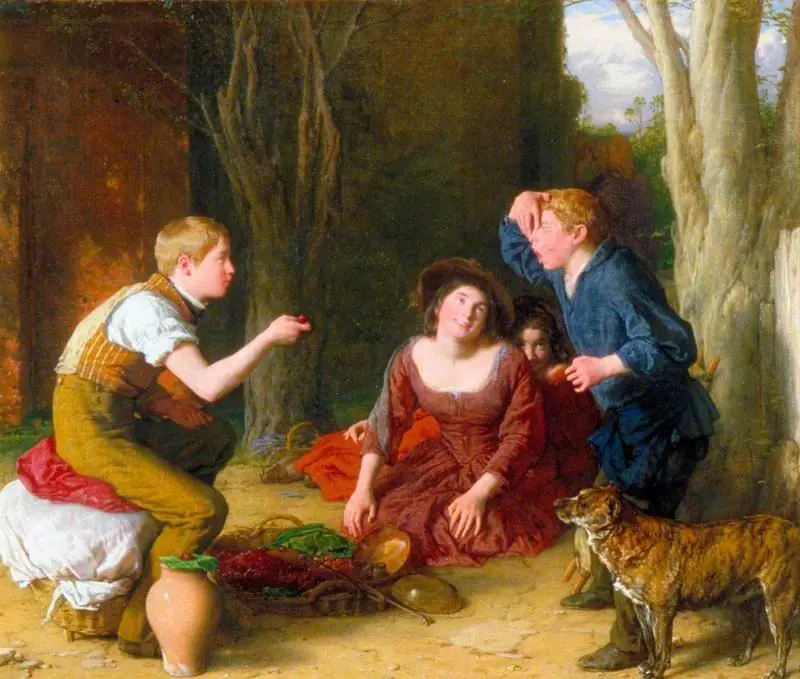 The Butt: Shooting a Cherry