Artwork
View through the Trees in the Park of Pierre Crozat
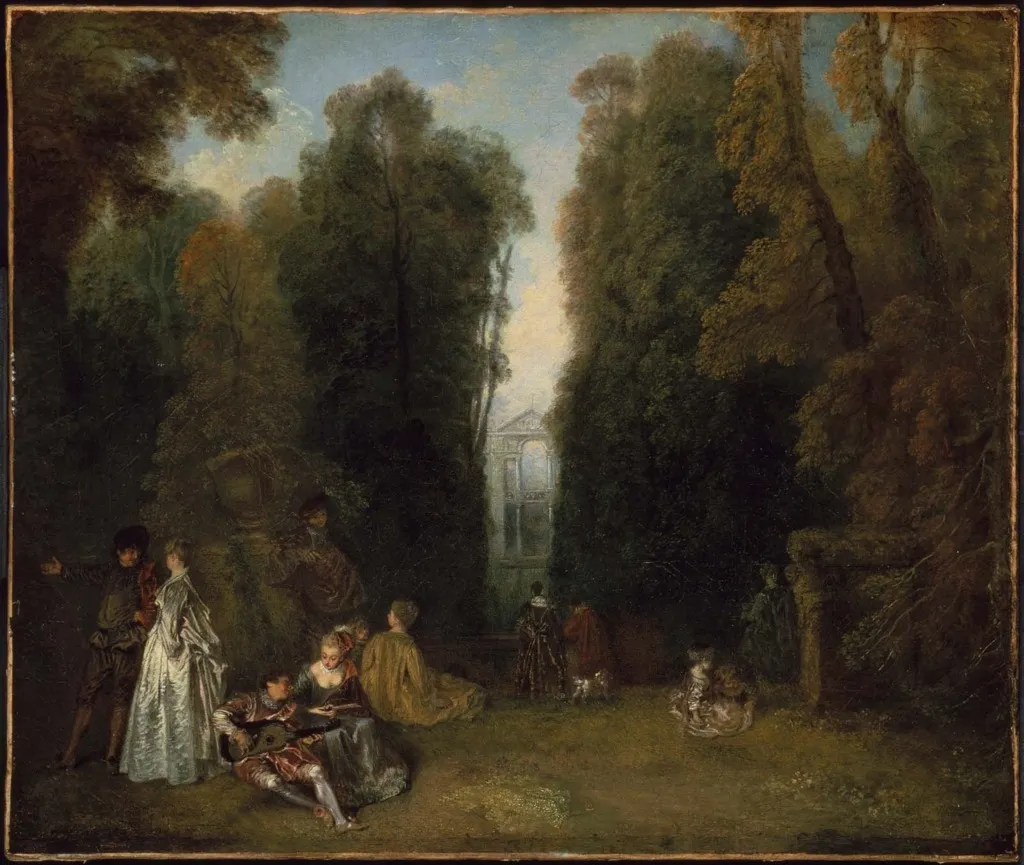
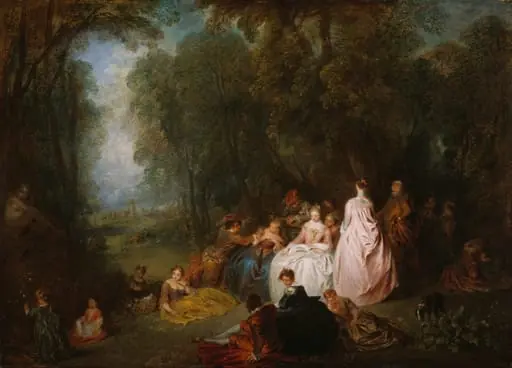
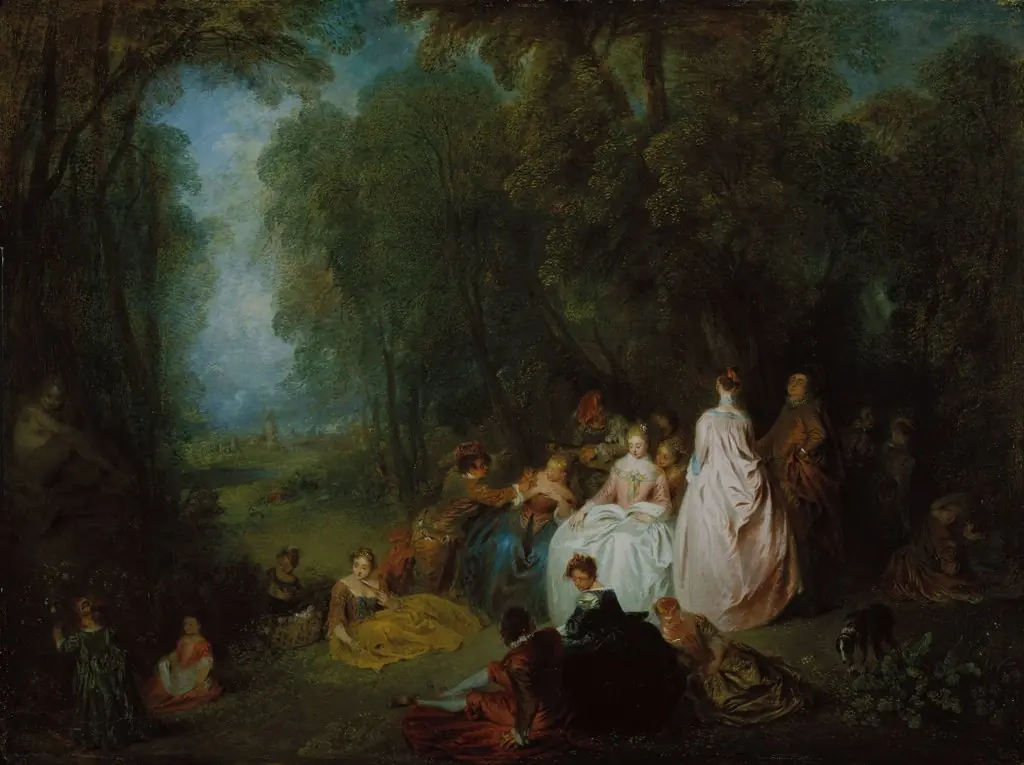
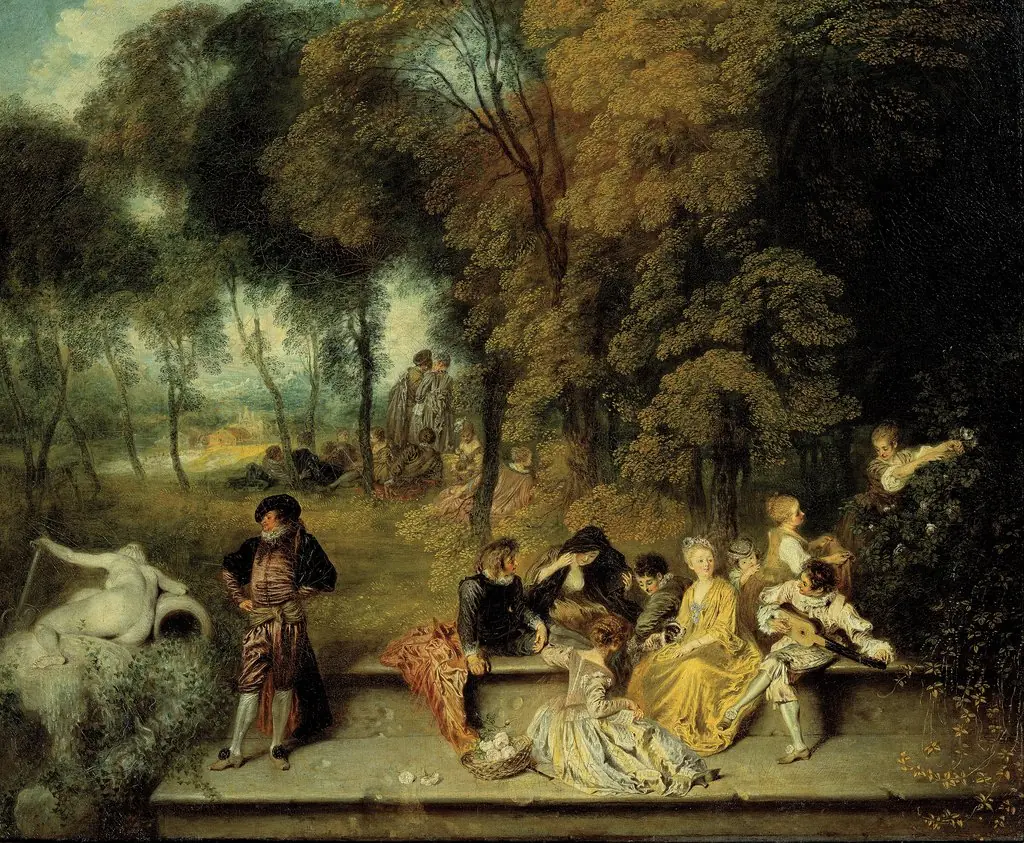
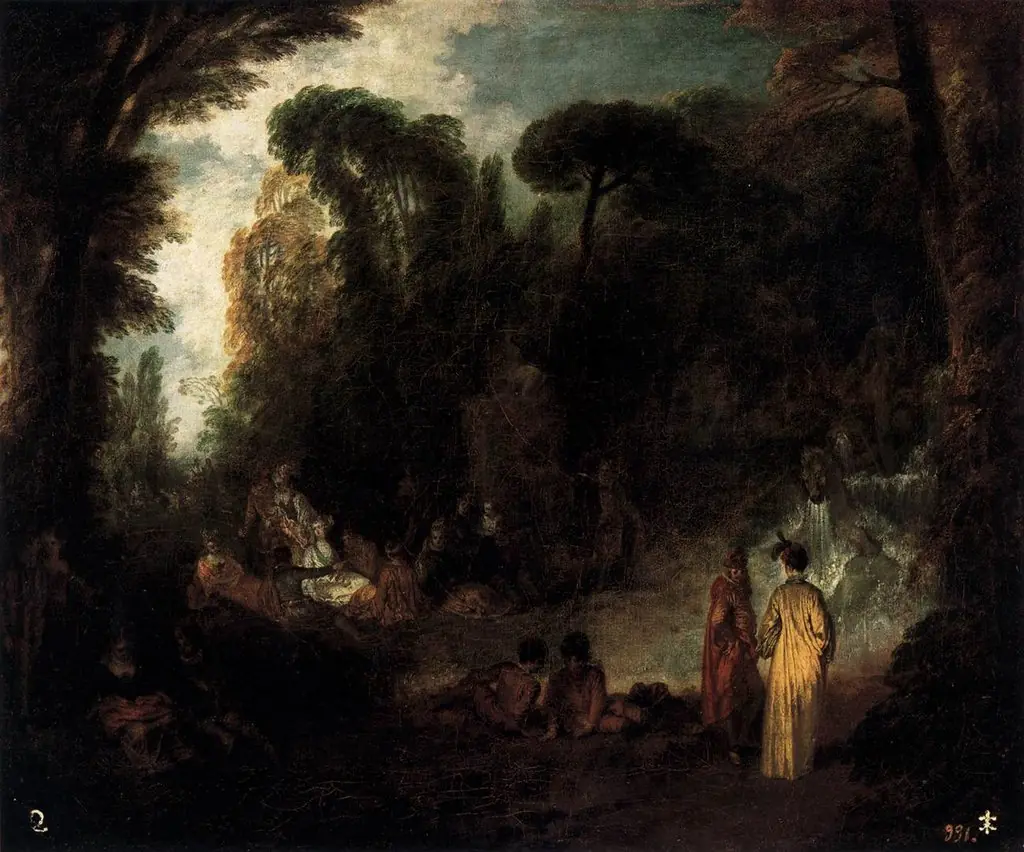
View through the Trees in the Park of Pierre Crozat is an oil painting by the Rococo painting artist Jean Antoine Watteau. It dates from 1715 and is held in the collection of the Museum of Fine Arts Boston.
About this work
Overview
The composition captures a quiet moment of leisure among a small group of figures, framed by dense foliage and a distant architectural structure.
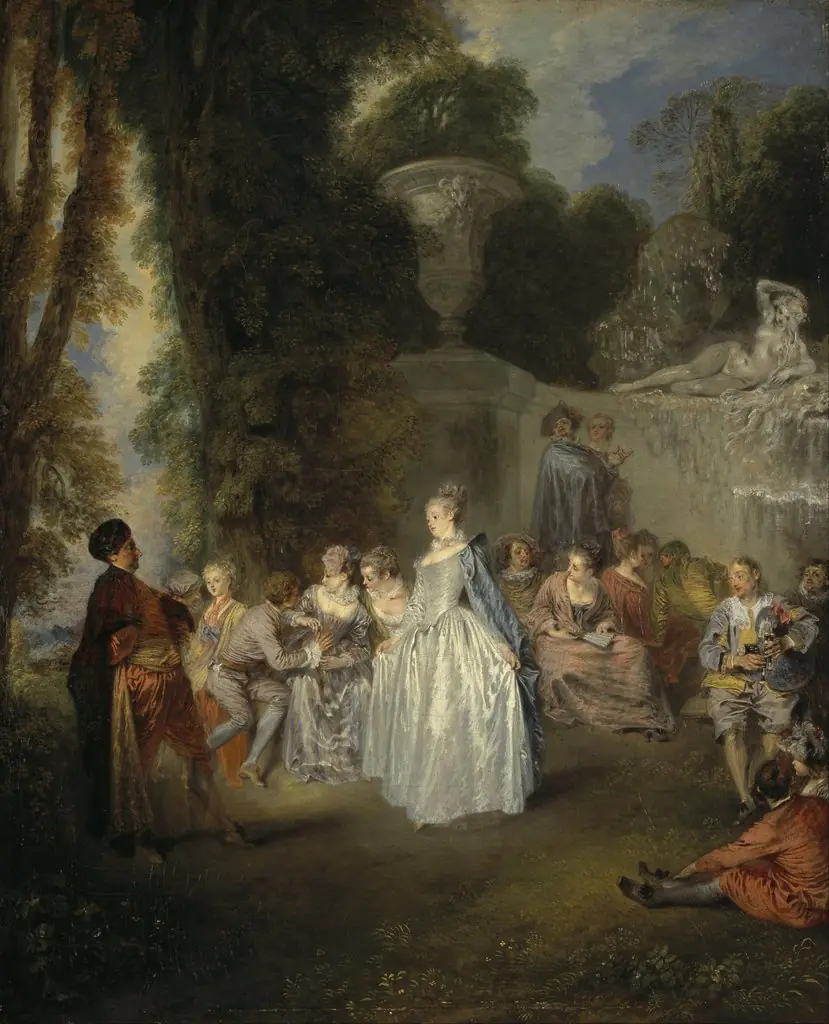
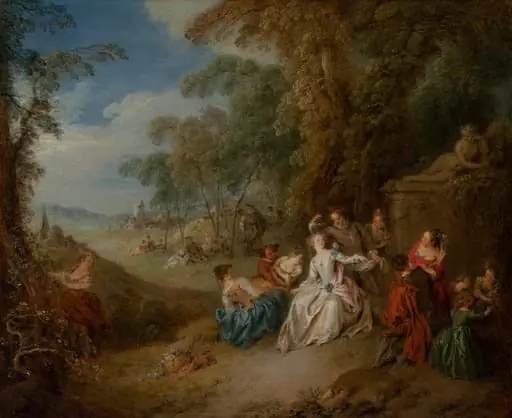
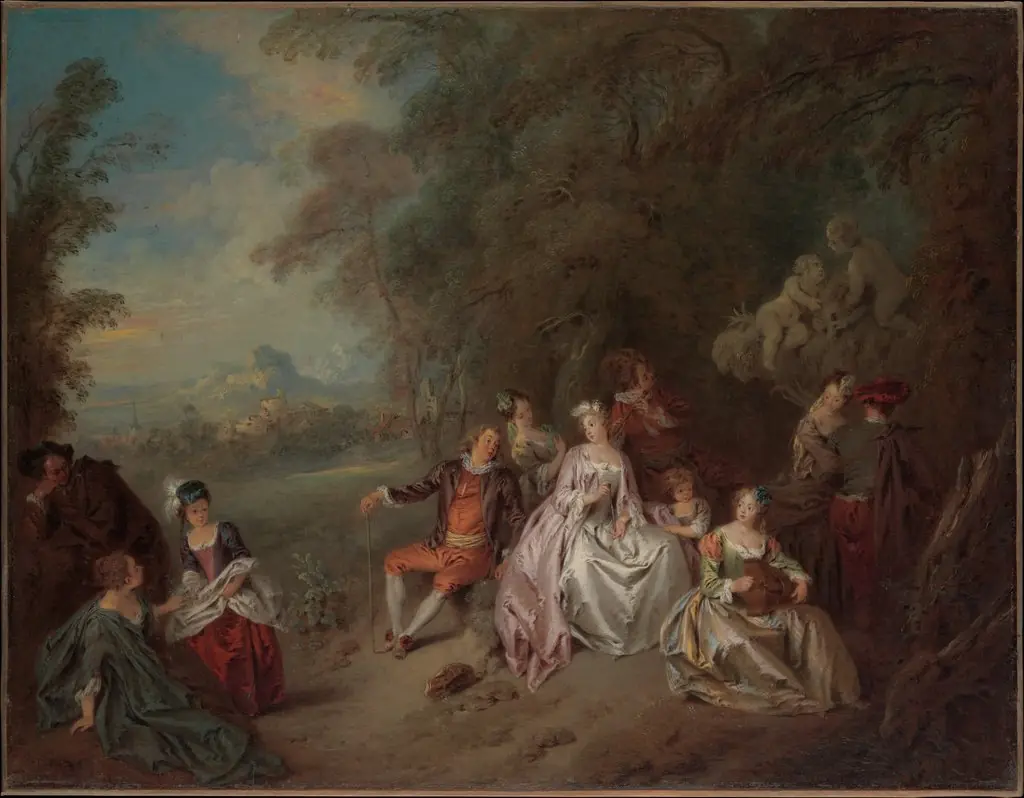
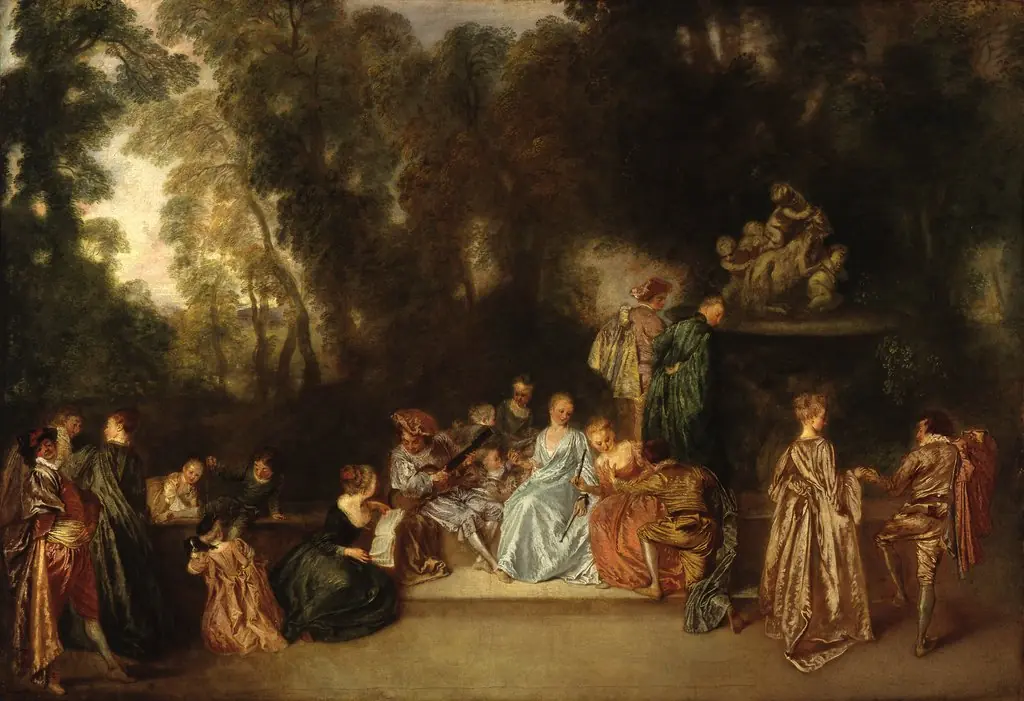
Painted in 1715 by Jean Antoine Watteau, this oil on canvas depicts a tranquil scene within the private park of financier Pierre Crozat. The composition captures a quiet moment of leisure among a small group of figures, framed by dense foliage and a distant architectural structure. Watteau’s use of soft, muted tones and delicate brushwork conveys a sense of stillness and contemplation, characteristic of his fêtes galantes.
Subject & Meaning
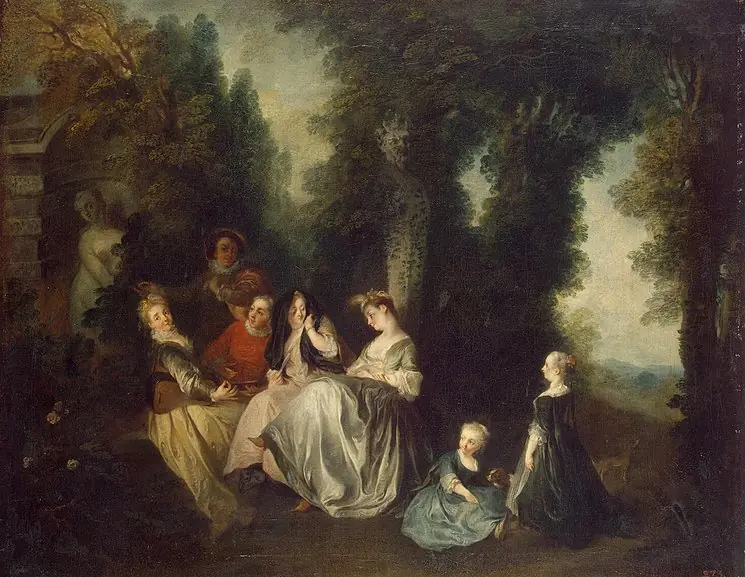
The figures, dressed in 18th-century aristocratic attire, engage in quiet pastimes—reading, playing music, or simply conversing. Their interactions are subdued, suggesting introspection rather than revelry. The setting, a cultivated garden space, reflects the refined tastes of Crozat’s estate and embodies the era’s idealization of nature as a backdrop for elegant, private sociability.
Technique & Style
Watteau employed thin, layered glazes to achieve subtle transitions in color and light, particularly in the rendering of foliage and atmospheric depth. His brushwork is delicate yet precise, with loose strokes suggesting movement in fabric and leaves. The palette, dominated by greens and earth tones, enhances the naturalism of the scene while maintaining a poetic, dreamlike quality.
History & Provenance
Commissioned by Pierre Crozat, a prominent art collector and patron, the painting remained in his collection until his death in 1740. It later entered the French royal collection before being acquired by the Museum of Fine Arts, Boston, in the early 20th century. Its documented lineage reflects its status as a work of high cultural value during the Rococo period.
Context
Created during the early years of the Regency in France, the painting aligns with the shift from formal courtly life to more intimate, private leisure. Watteau’s fêtes galantes responded to this cultural change, offering idealized visions of aristocratic relaxation in landscaped settings. Crozat’s park, a known gathering place for artists and intellectuals, provided a real-world anchor for this artistic genre.
Legacy
The painting exemplifies Watteau’s influence on the development of Rococo aesthetics, particularly in his treatment of nature and human interaction. While not widely exhibited in his lifetime, it contributed to the broader recognition of genre scenes as worthy subjects for serious painting. Today, it remains a key example of early 18th-century French landscape and social observation.
Artist & collection
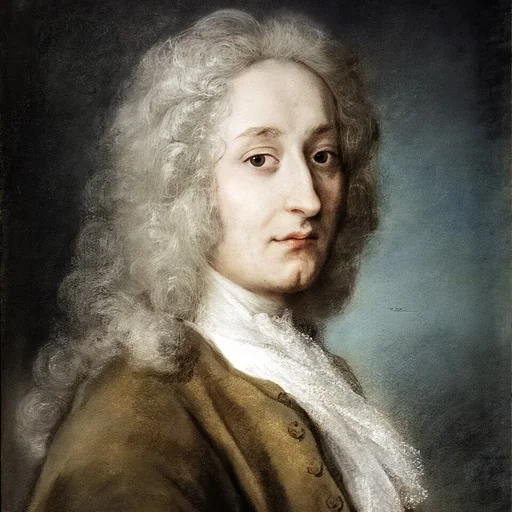
Artist
Jean-Antoine Watteau was a French painter and draughtsman whose brief career spurred the revival of interest in colour and movement, as seen in the tradition of Correggio and Rubens.