Artwork
Fête champêtre (Pastoral Gathering)
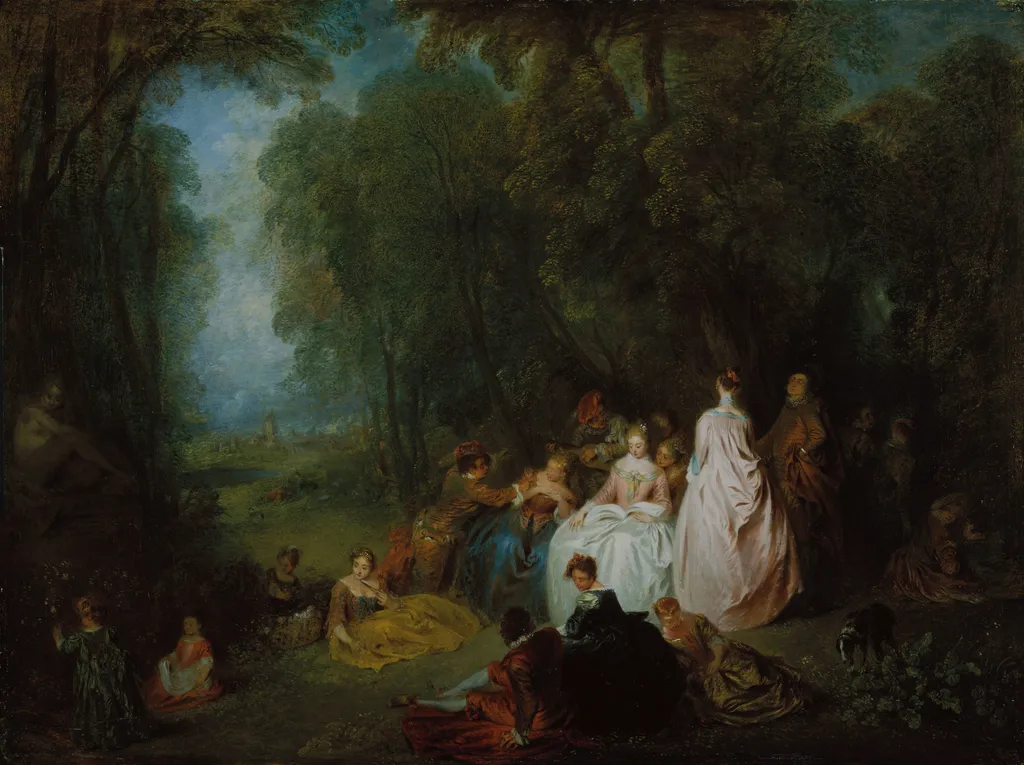
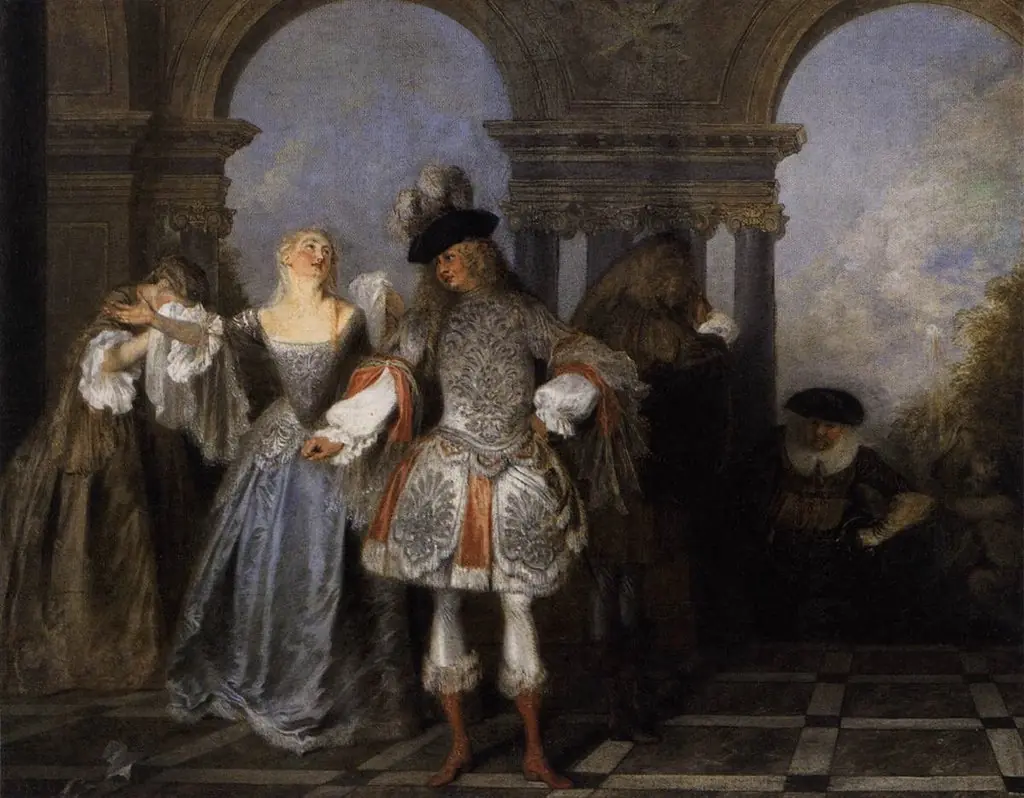
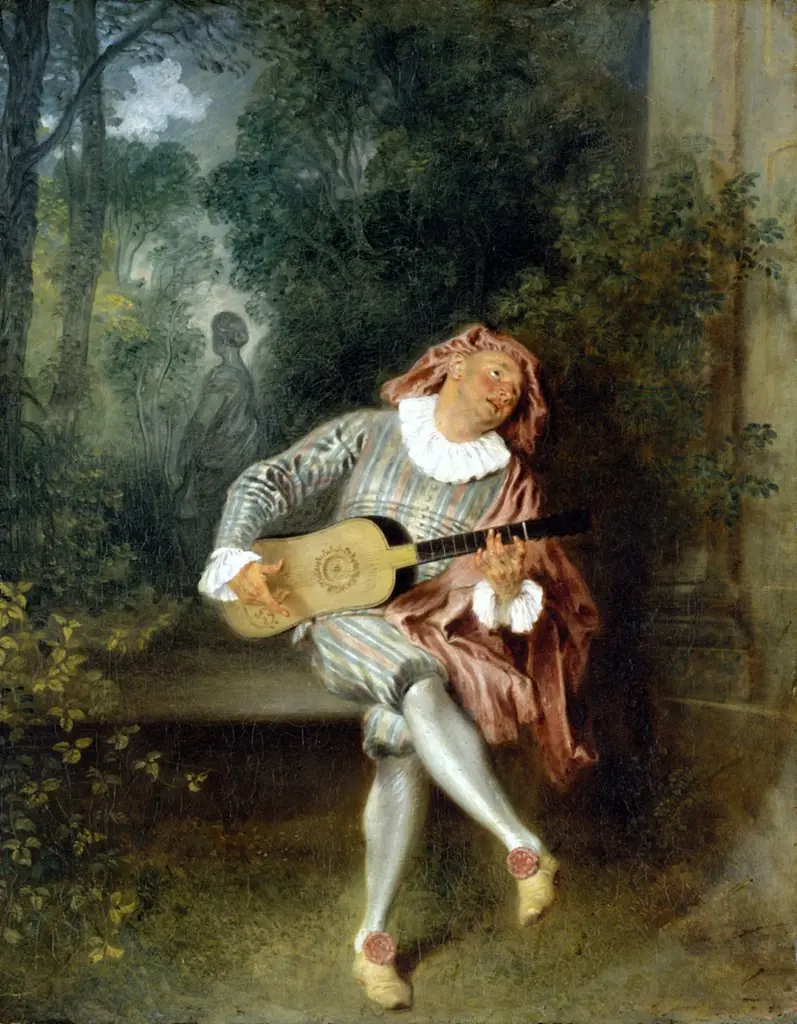
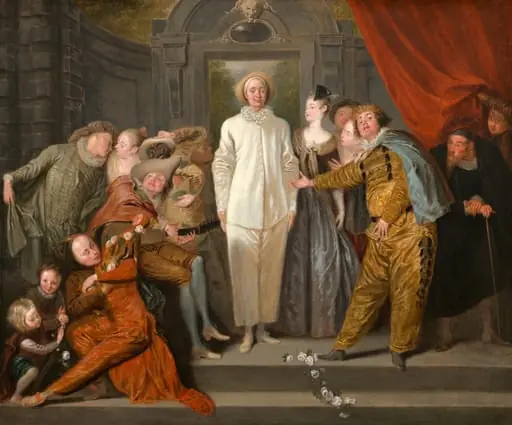
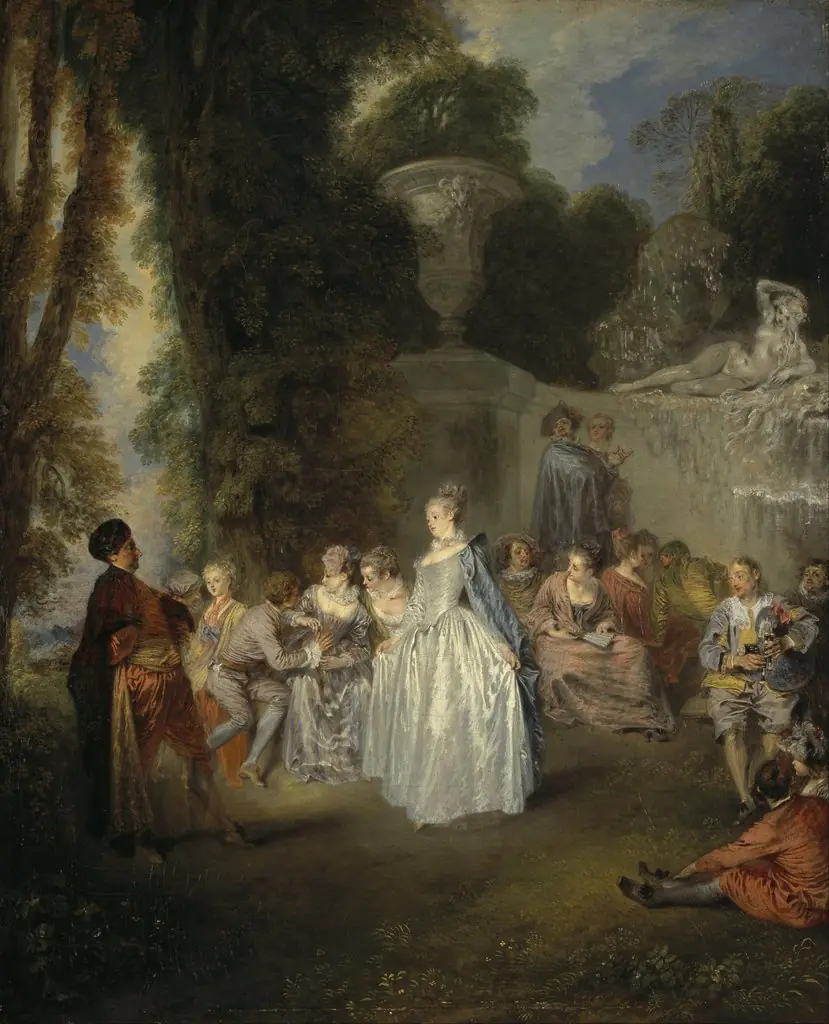
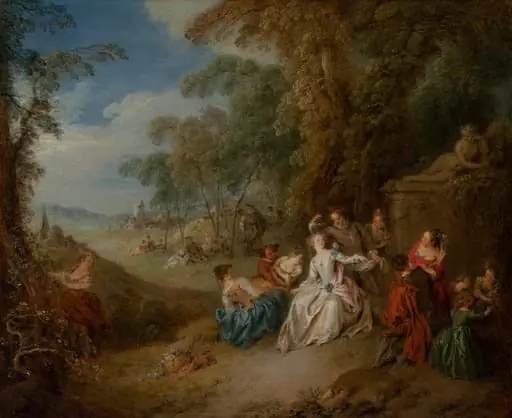
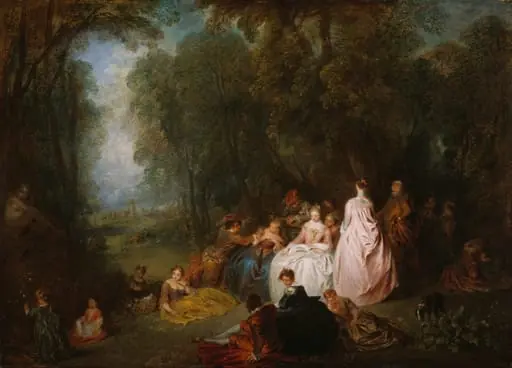
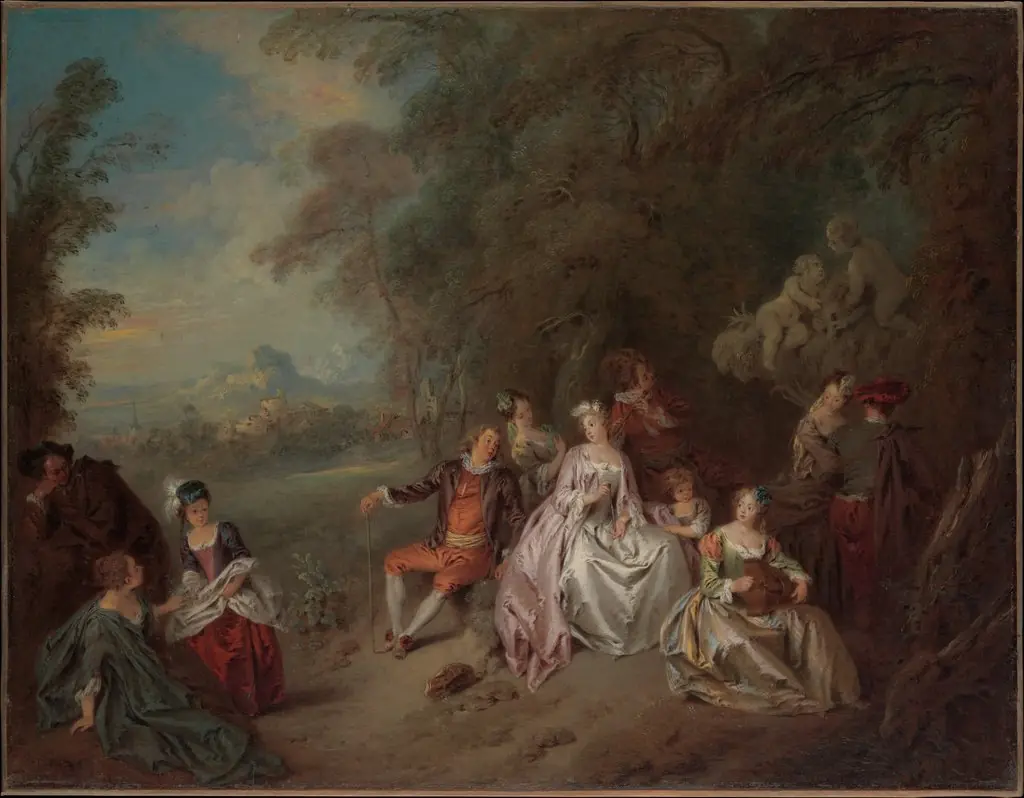
Fête champêtre (Pastoral Gathering) is an oil painting by the Rococo painting artist Jean Antoine Watteau. It dates from 1718 and is held in the collection of the Art Institute of Chicago.
About this work
The painting is called Fête champêtre, which means Pastoral Gathering.
It was made by Jean Antoine Watteau in 1718.
The artist likely chose this scene to show everyday life, which was a common theme in his work, and this gives us a glimpse into what he thought was interesting about people's lives.
You can learn more about the artist, Jean Antoine Watteau.
Overview
It stands as a definitive statement of the Rococo sensibility, prioritizing emotional nuance and poetic suggestion over narrative clarity or rigid formalism.
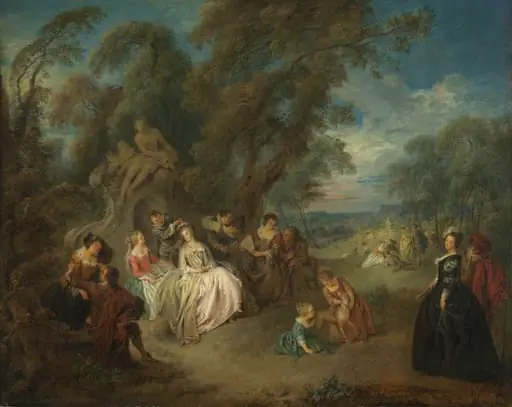
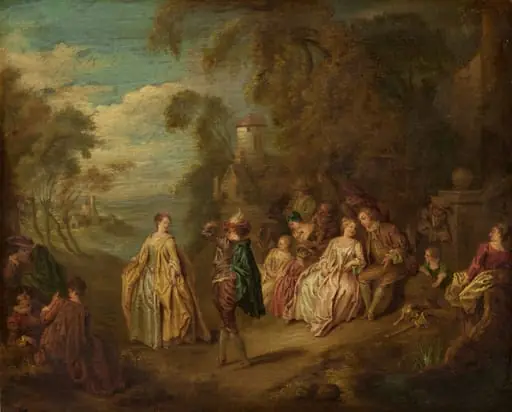
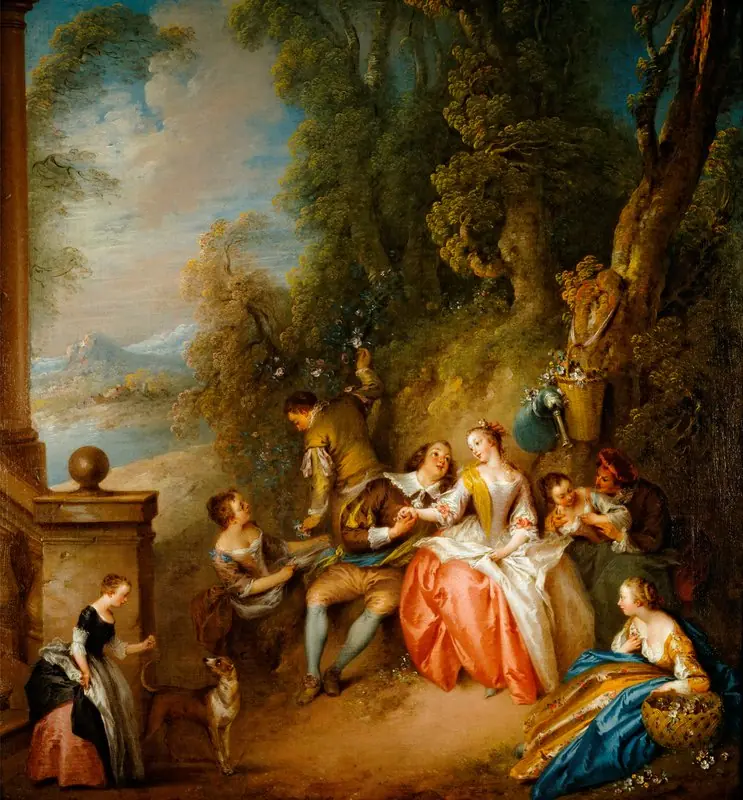
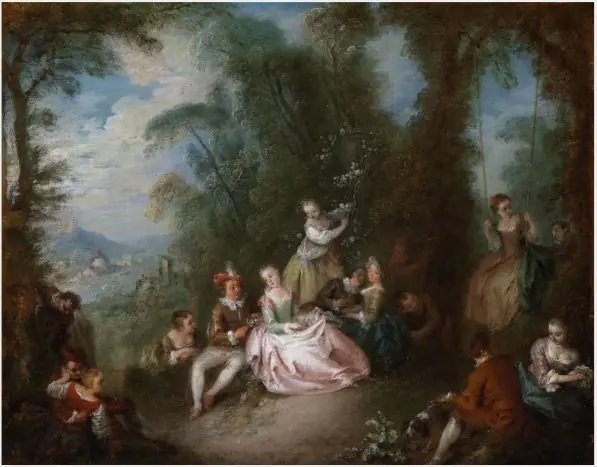
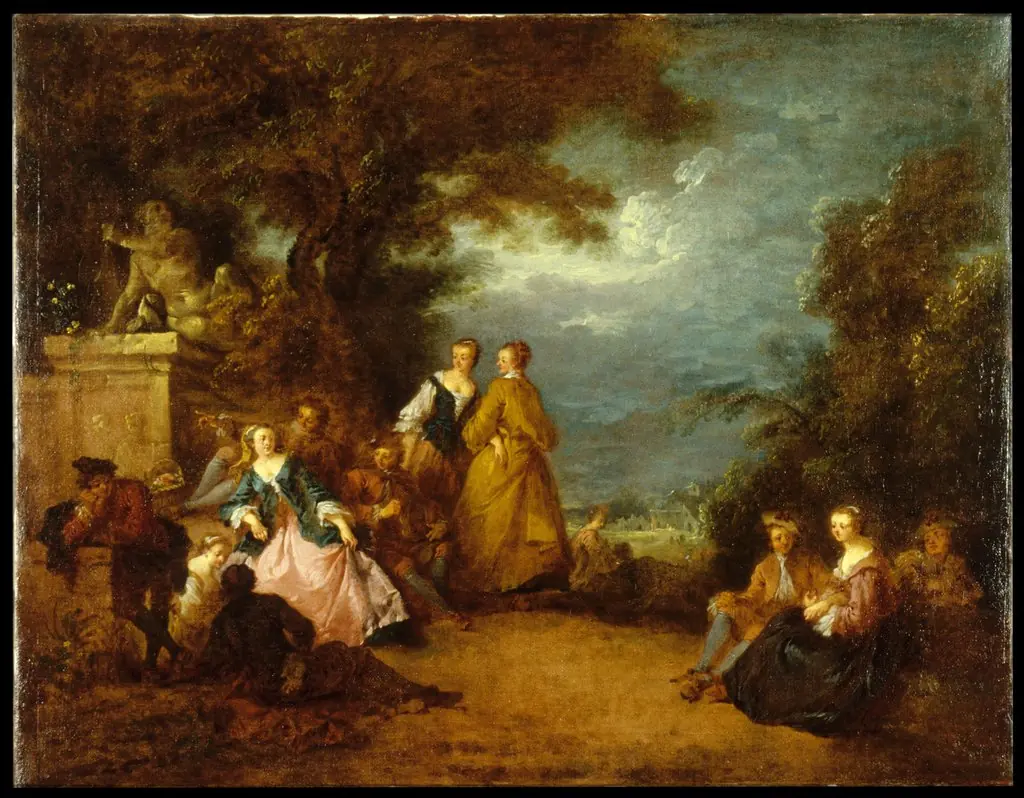
Fête champêtre (Pastoral Gathering), executed in 1718 by Jean-Antoine Watteau, is a quintessential example of the fête galante genre, a category the artist effectively invented and for which he received his reception piece at the Académie Royale in 1717. The work depicts elegantly dressed aristocrats and musicians gathered in a lush, wooded landscape, engaging in conversation, music-making, and courtship. The composition is characterized by a soft, atmospheric handling of light and a rhythmic arrangement of figures that blend seamlessly with the surrounding foliage, creating a dreamlike, theatrical ambiance. Painted in oil, the surface exhibits Watteau's signature technique of broken brushwork and delicate color transitions, which imbue the scene with a sense of fleeting movement and melancholy. Created during the height of the artist's career, shortly after his official admission to the French Academy, this painting reflects the post-Louis XIV era's shift toward intimate, leisurely pursuits and the idealized pastoral life. It stands as a definitive statement of the Rococo sensibility, prioritizing emotional nuance and poetic suggestion over narrative clarity or rigid formalism.
Subject & Meaning
The title, translating to “Pastoral Gathering,” signals a depiction of aristocratic figures engaged in relaxed recreation within a bucolic setting. Watteau frequently explored such moments, using them to suggest a fleeting, idealized vision of social interaction that blends the elegance of courtly life with the charm of the countryside.
Technique & Style
Executed with the delicate brushwork characteristic of Watteau’s oeuvre, the oil medium allows for subtle modulation of light and color. The painter employs a soft, pastel palette and fluid contours to convey atmosphere, while the composition balances figures and foliage in a harmonious, almost theatrical arrangement typical of Rococo sensibilities.
History & Provenance
Created near the end of Watteau’s short career, the canvas entered the public domain through acquisition by the Art Institute of Chicago. Its presence in an American museum reflects the 19th‑century European collecting trends that brought many French Rococo works to the United States, where they continue to be studied and exhibited.
Own this work as a print
Artist & collection
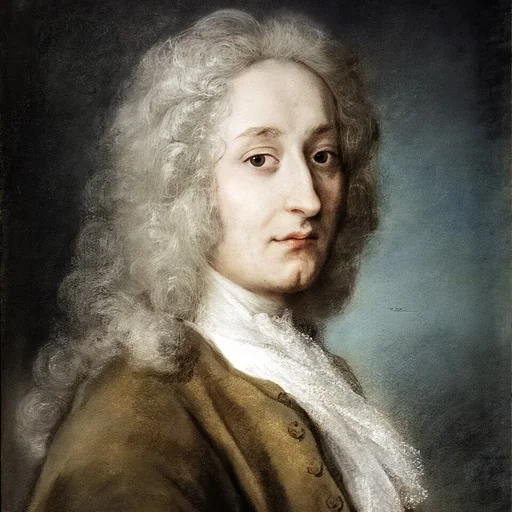
Artist
Jean-Antoine Watteau was a French painter and draughtsman whose brief career spurred the revival of interest in colour and movement, as seen in the tradition of Correggio and Rubens.