Artwork
Amédée-David, the Comte de Pastoret
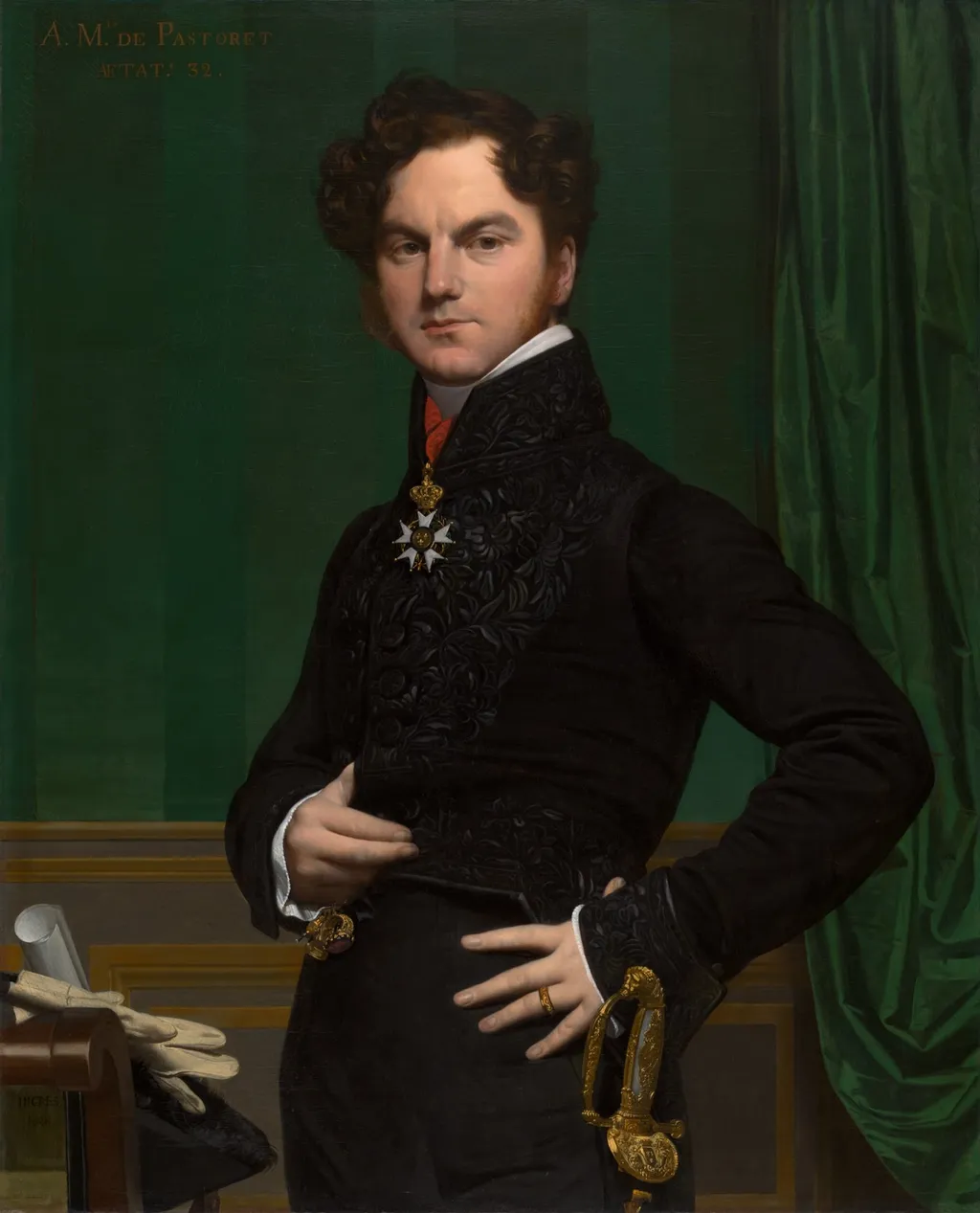
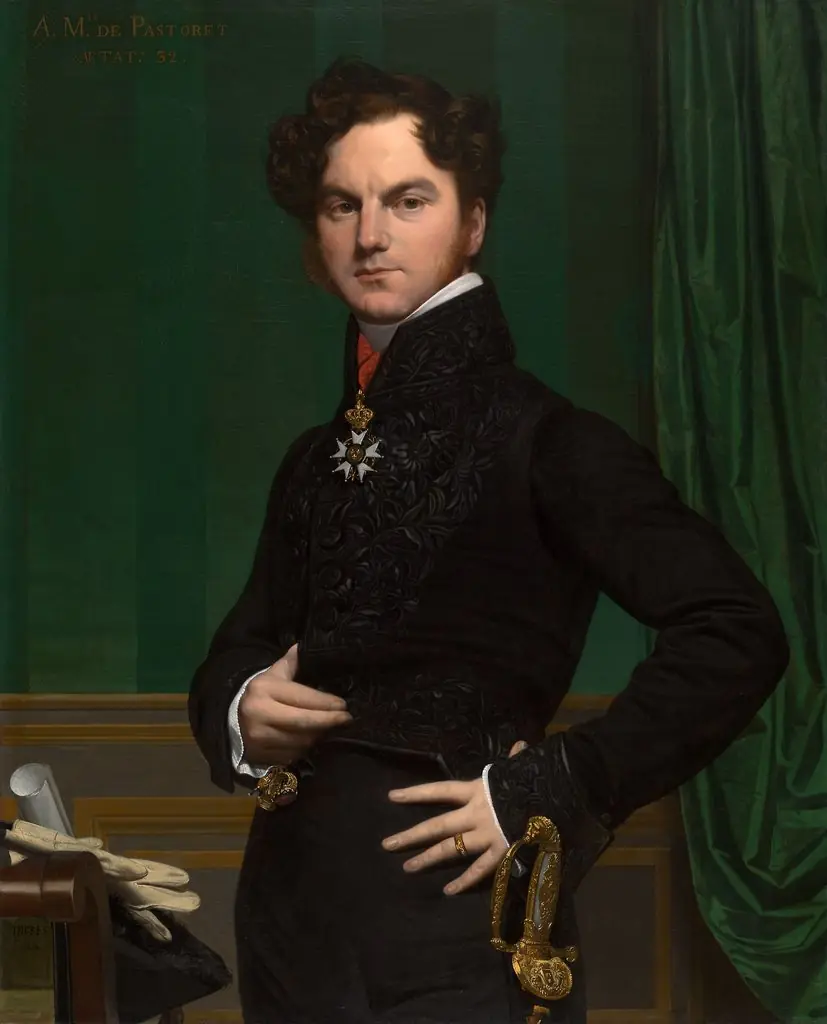
Amédée-David, the Comte de Pastoret is an oil painting by the Neoclassicist artist Jean Auguste Dominique Ingres. It dates from 1824 and is held in the collection of the Art Institute of Chicago.
About this work
Overview
This oil-on-canvas portrait by Jean-Auguste-Dominique Ingres depicts Amédée-David, the Comte de Pastoret, in formal attire, characterized by a black uniform, Legion of Honor medal, and golden sword hilt, set against a forest-green backdrop.
Subject & Meaning
The portrait captures Comte de Pastoret with an air of confidence and subtle disinterest, reflecting his aristocratic status and possibly his influence, notably in facilitating Ingres's admission to the Académie des Beaux-Arts.
Technique & Style
Ingres employed meticulous brushwork and likely glazing techniques to achieve depth and texture, evident in the detailed uniform, medal, and the contrast between the somber costume and the vibrant, shimmering accents.
History & Provenance
The painting remained in the Comte de Pastoret's family until 1890, was later acquired by Edgar Degas in 1897, and stayed in Degas's collection until his death in 1917, highlighting Ingres's influence on the younger artist.
Context
Created amidst Ingres's work with aristocratic portraits, this piece aligns with the Neoclassical style's emphasis on detail and formality, while also reflecting the political and social standing of its subject.
Legacy
As part of Degas's collection and given its subject and artist, the portrait underscores the interconnectedness of 19th-century French artistic circles and the enduring appreciation for Ingres's meticulous, formal portraiture style.
Artist & collection

Artist
Jean-Auguste-Dominique Ingres was a French Neoclassical painter. Ingres was profoundly influenced by past artistic traditions and aspired to become the guardian of academic orthodoxy against the ascendant Romantic…

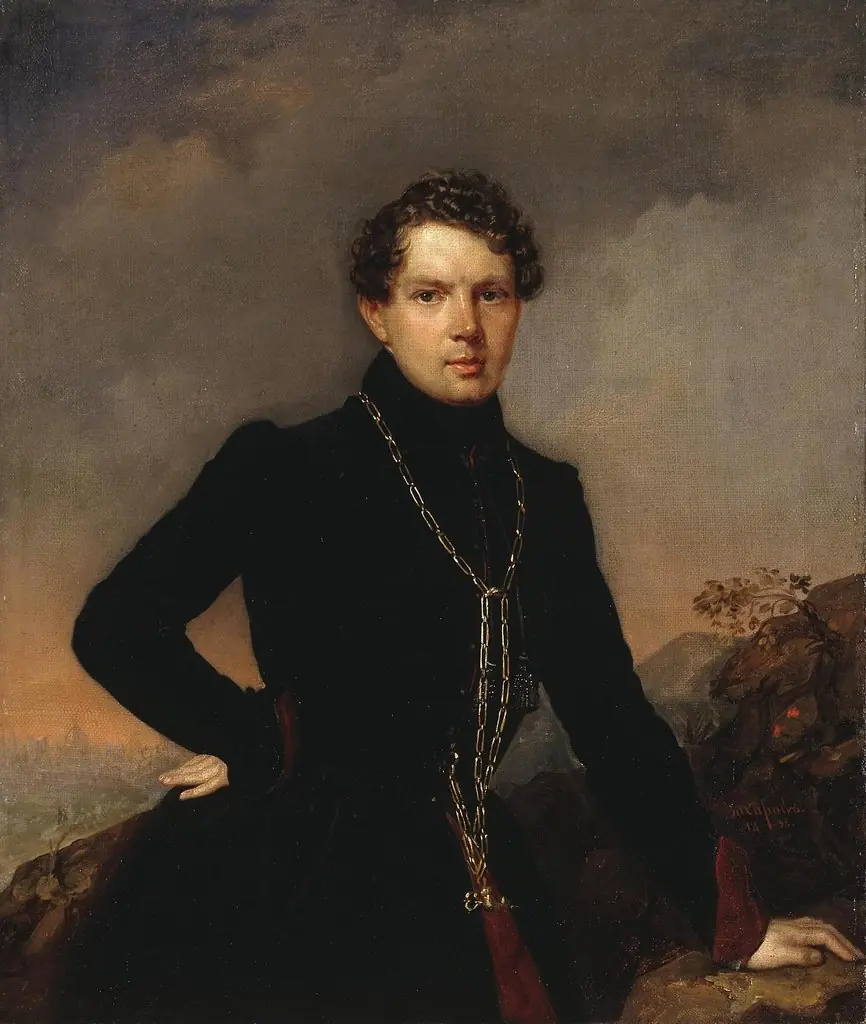 "Portrait of the Writer Alexander Muravyov "(1806-1874)
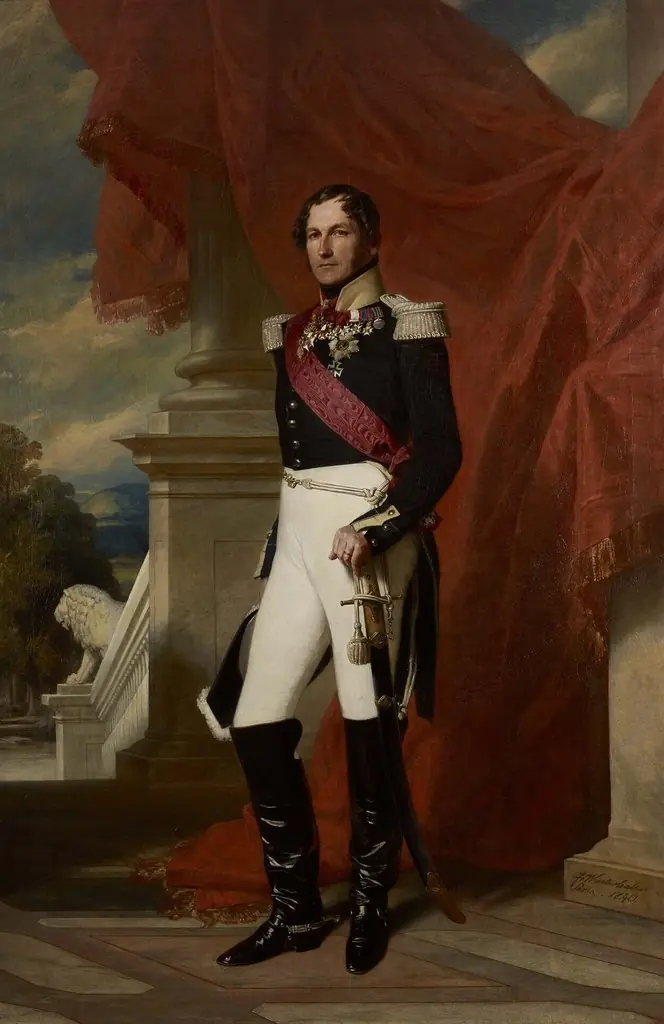 Leopold I, King of the Belgians
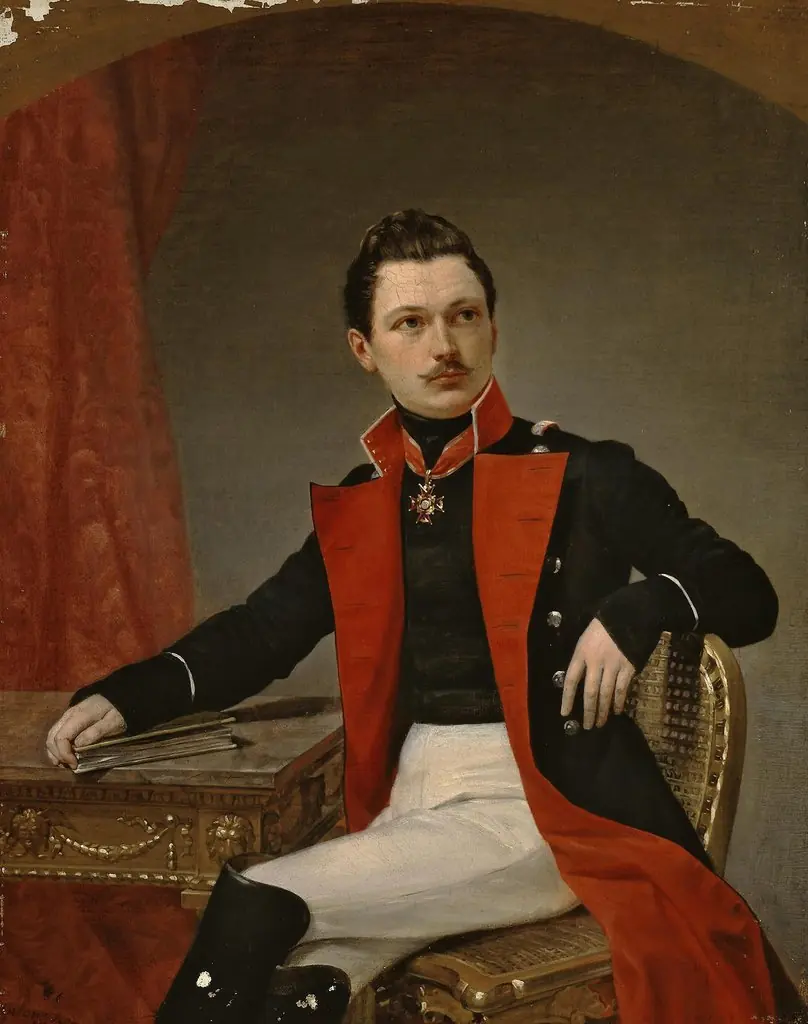 Portrait of P.A.Balashov
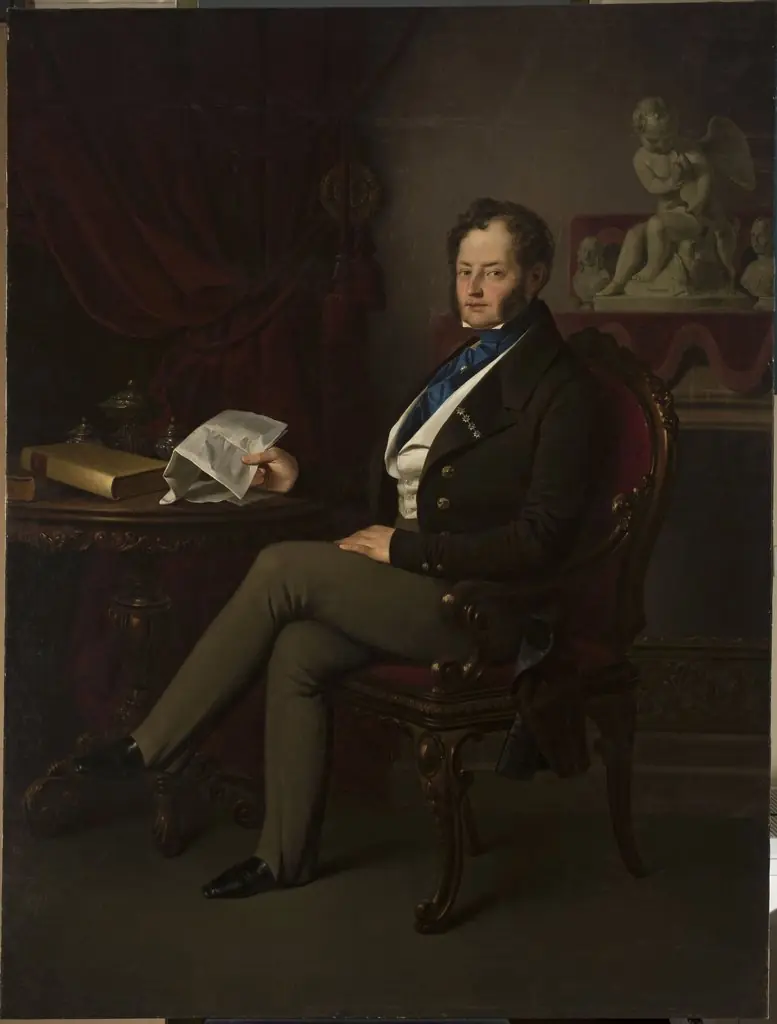 Portrait of Władysław Branicki, seated with a letter in his hand
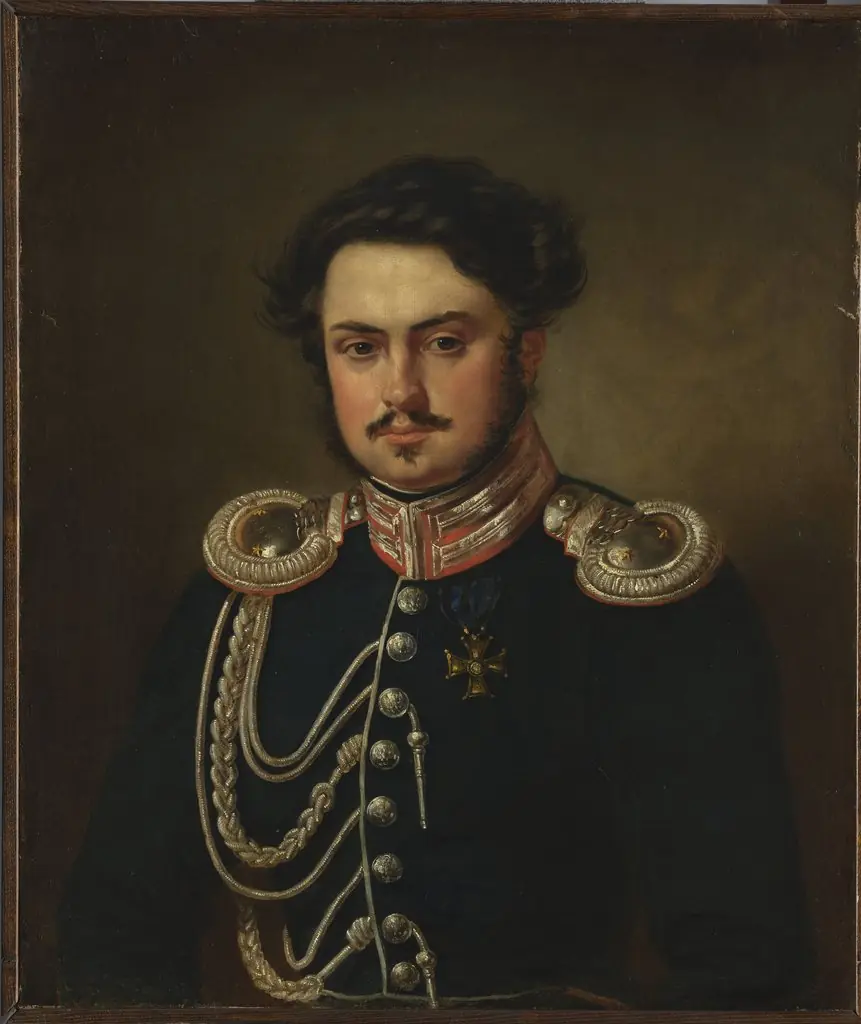 Portrait of Seweryn Madan, officer of the guard cavalry staff
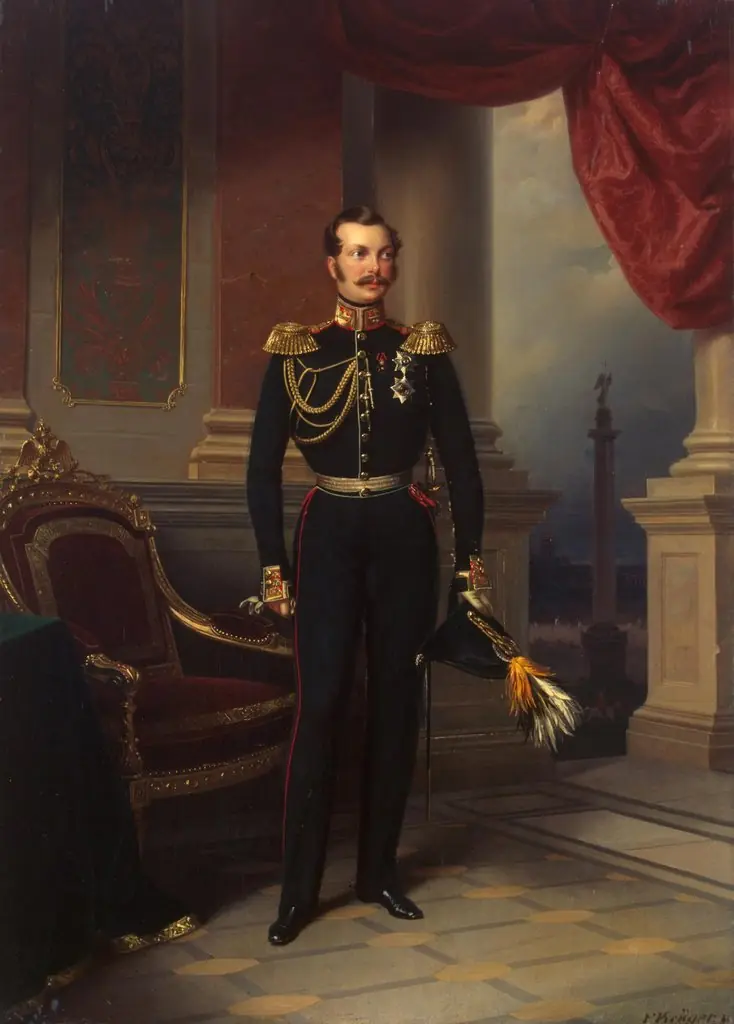 Portrait of Grand Prince Alexander Nikolayevich
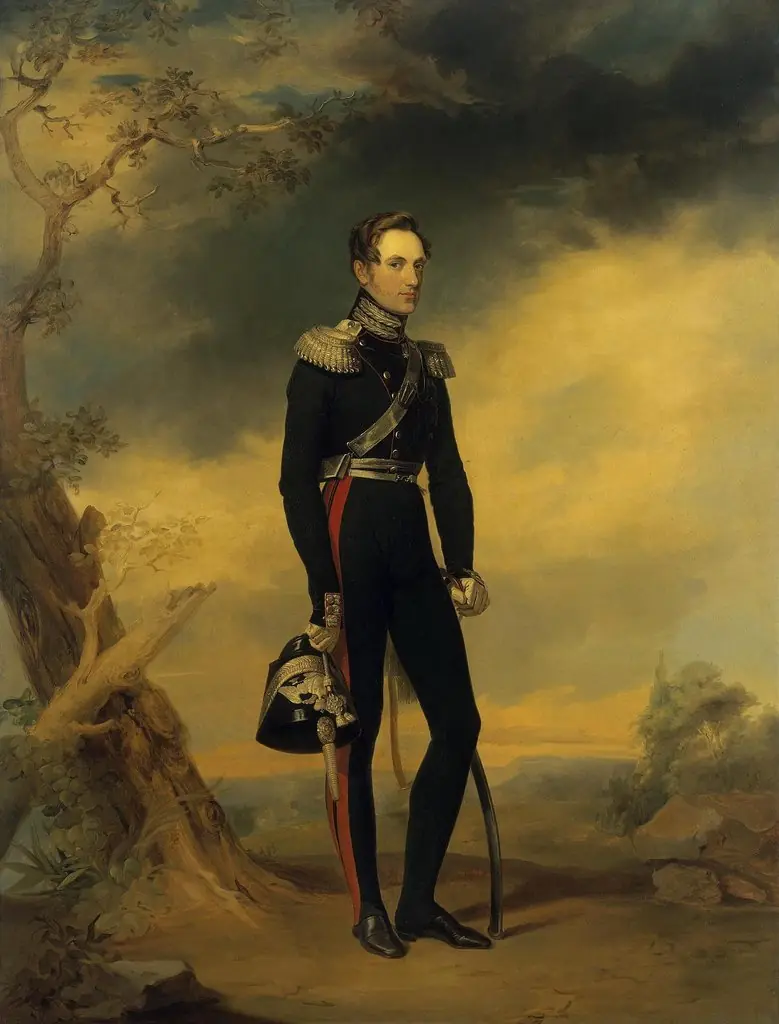 Portrait of Grand Duke Nikolai Pavlovich
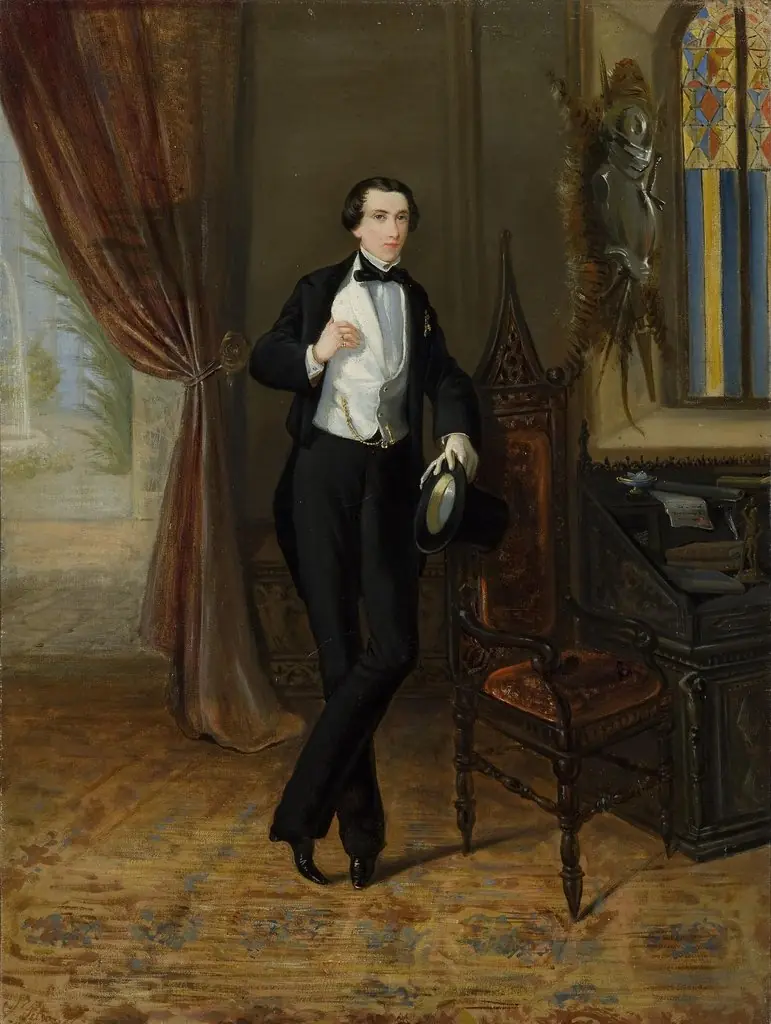 Portrait of Young Duke N.B. Yusupov
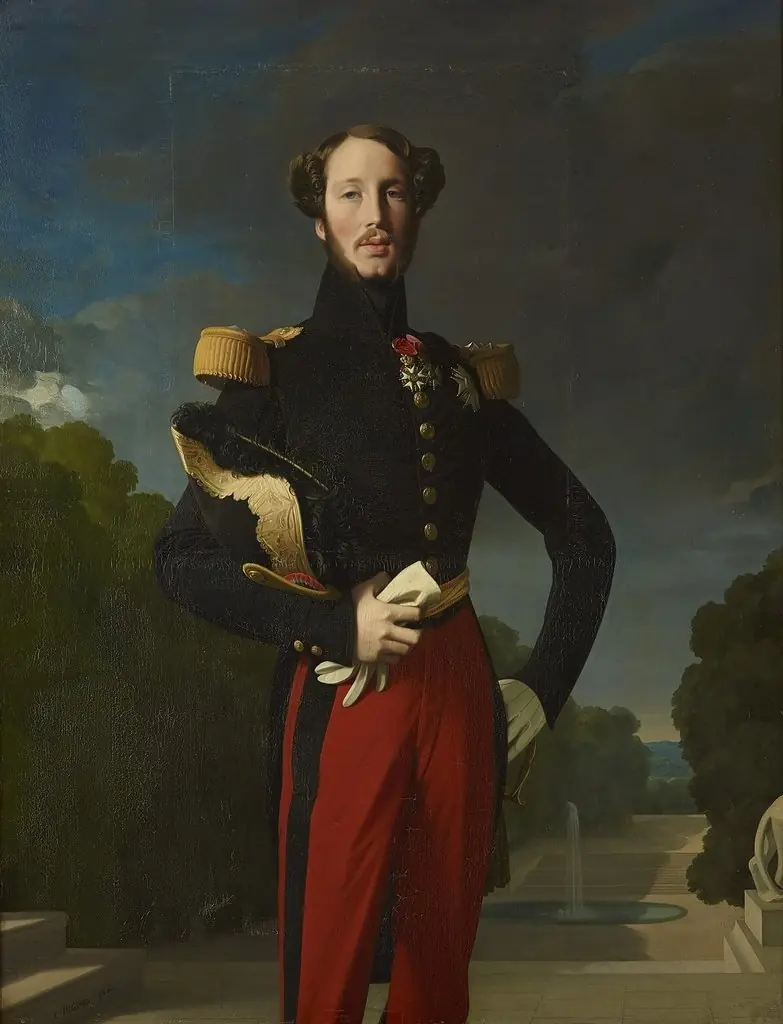 Ferdinand-Philippe-Louis, Duke of Orleans
 Portrait of the Naval Lieutenant D. Christen Schifter Feilberg
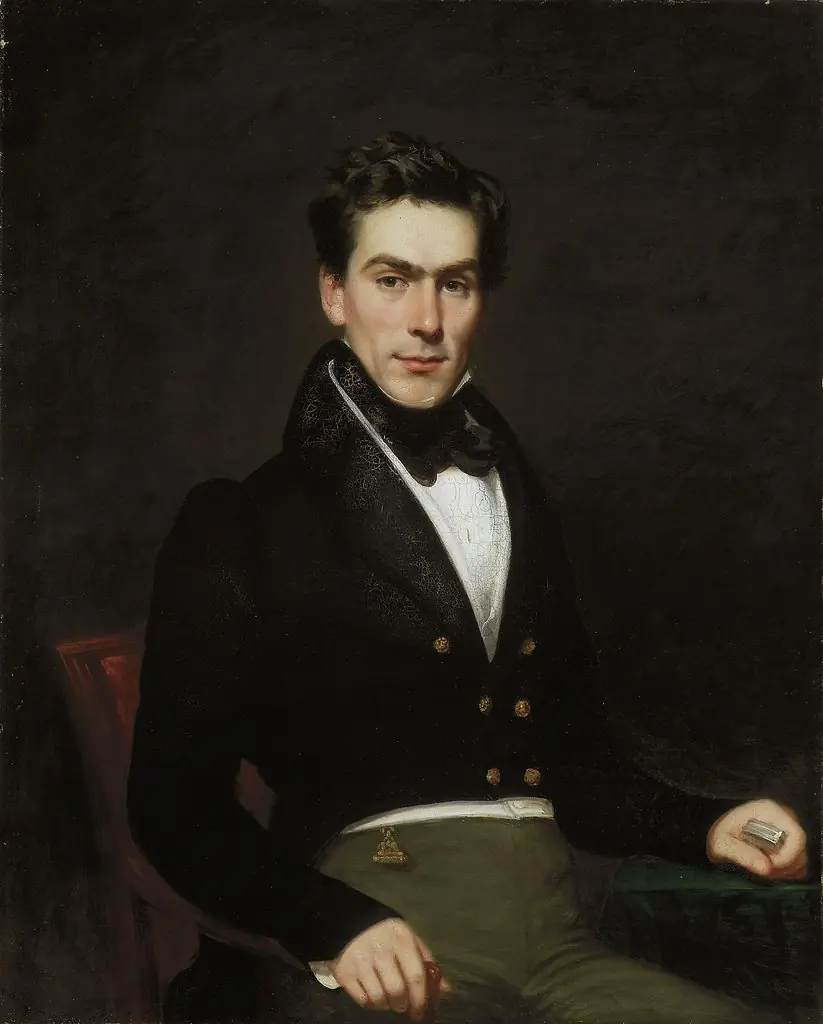 Mr. James Mackie
 Amédée-David, the Comte de Pastoret