Artwork
Ferdinand-Philippe-Louis, Duke of Orleans
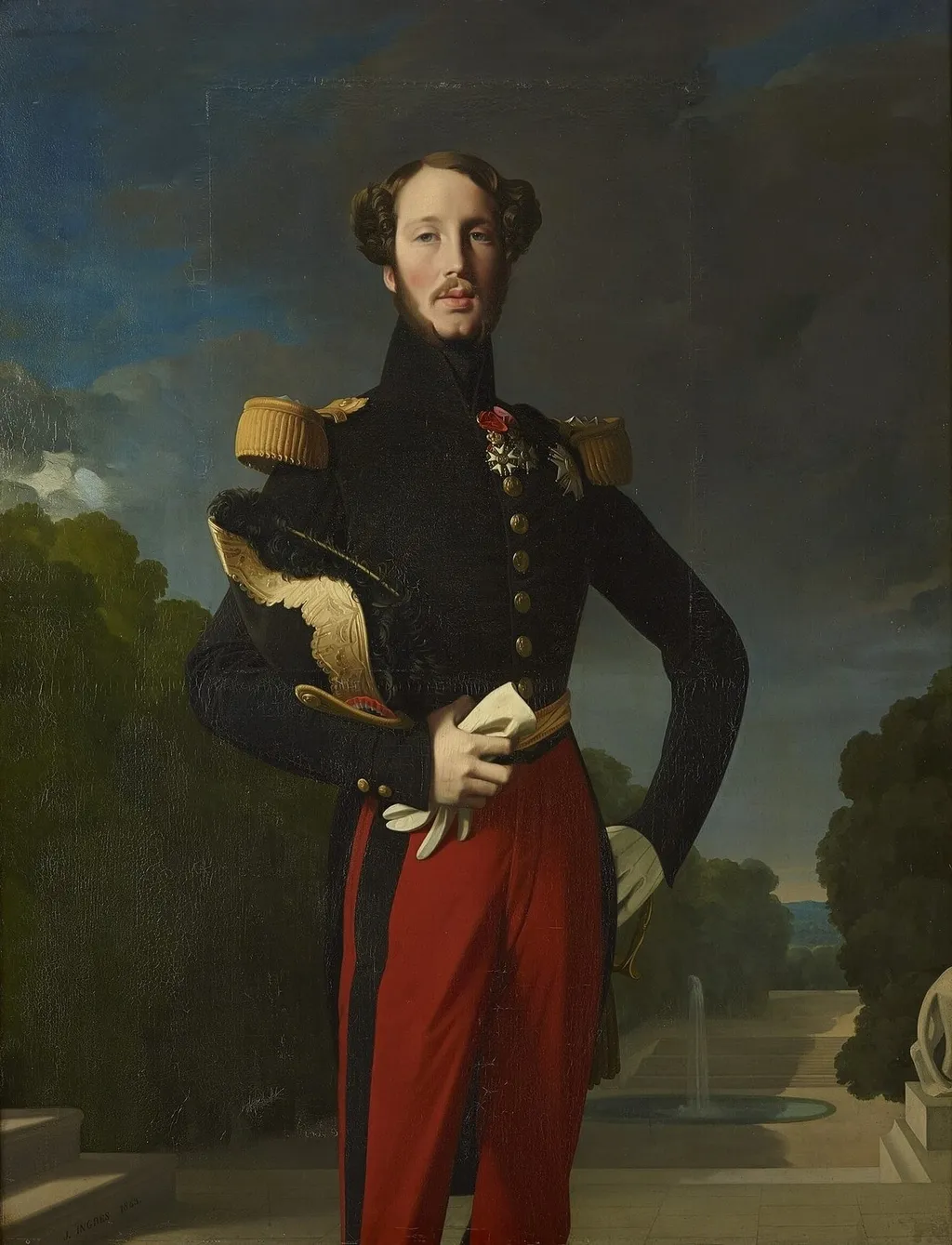
Ferdinand-Philippe-Louis, Duke of Orleans is an oil painting by the Neoclassicist artist Jean Auguste Dominique Ingres. It dates from 1843 and is held in the collection of the Palace of Versailles.
About this work
Overview
Ingres, known for his precise draftsmanship, rendered the duke in full military regalia, emphasizing his role as a royal figure and military leader.
Painted in 1843 by Jean-Auguste-Dominique Ingres, this oil portrait captures Ferdinand-Philippe-Louis, Duke of Orléans, heir to the French throne under the July Monarchy. The work is part of the collection at the Palace of Versailles, where it reflects the court’s emphasis on formal portraiture as a tool of political representation. Ingres, known for his precise draftsmanship, rendered the duke in full military regalia, emphasizing his role as a royal figure and military leader.
Subject & Meaning
The Duke of Orléans, son of King Louis-Philippe, is portrayed as a disciplined nobleman embodying the ideals of the July Monarchy. His uniform, adorned with gold epaulets and buttons, signals his military rank, while the white glove and red flower suggest refinement and ceremonial presence. The composed stance—hand on hip, glove held loosely—conveys controlled authority rather than aggression. The setting, though minimal, evokes a private garden, subtly linking his status to the natural order and dynastic continuity.
Technique & Style
Ingres employed his signature linear precision, with sharp contours defining the duke’s uniform and the smooth texture of his skin. The black jacket and red trousers are rendered with restrained color, allowing the gold embroidery and white glove to stand out as focal points. The background is softly blurred, directing attention to the figure’s stillness and formal posture. Brushwork is controlled, avoiding dramatic chiaroscuro in favor of even illumination, reinforcing the portrait’s sense of calm dignity.
History & Provenance
Commissioned during the height of the July Monarchy, the portrait was completed shortly before the Duke’s untimely death in 1842, though it was finished posthumously in 1843. It entered the royal collection at Versailles soon after, where it remained as a memorial to a figure whose early death altered the succession. The painting’s placement in the palace underscores its role in preserving the image of a dynasty in transition, before the monarchy’s collapse in 1848.
Context
Ingres painted this portrait amid political instability in France, as the July Monarchy sought to legitimize itself through imagery of order and tradition. The Duke, though popular, represented a bridge between revolutionary ideals and monarchical structure. His portrayal in uniform, rather than court dress, aligned with the era’s emphasis on civic duty and military leadership. Ingres’s restrained style contrasted with Romantic excess, reflecting the regime’s preference for classical restraint.
Legacy
The portrait endures as a document of aristocratic identity in the early 19th century, illustrating how portraiture served political memory. Ingres’s treatment of the subject influenced later official portraiture in Europe, emphasizing composure over grandeur. Though the Orléans line never ascended the throne, the painting preserves the visual language of a monarchy striving to appear both modern and rooted in tradition.
Artist & collection

Artist
Jean-Auguste-Dominique Ingres was a French Neoclassical painter. Ingres was profoundly influenced by past artistic traditions and aspired to become the guardian of academic orthodoxy against the ascendant Romantic…

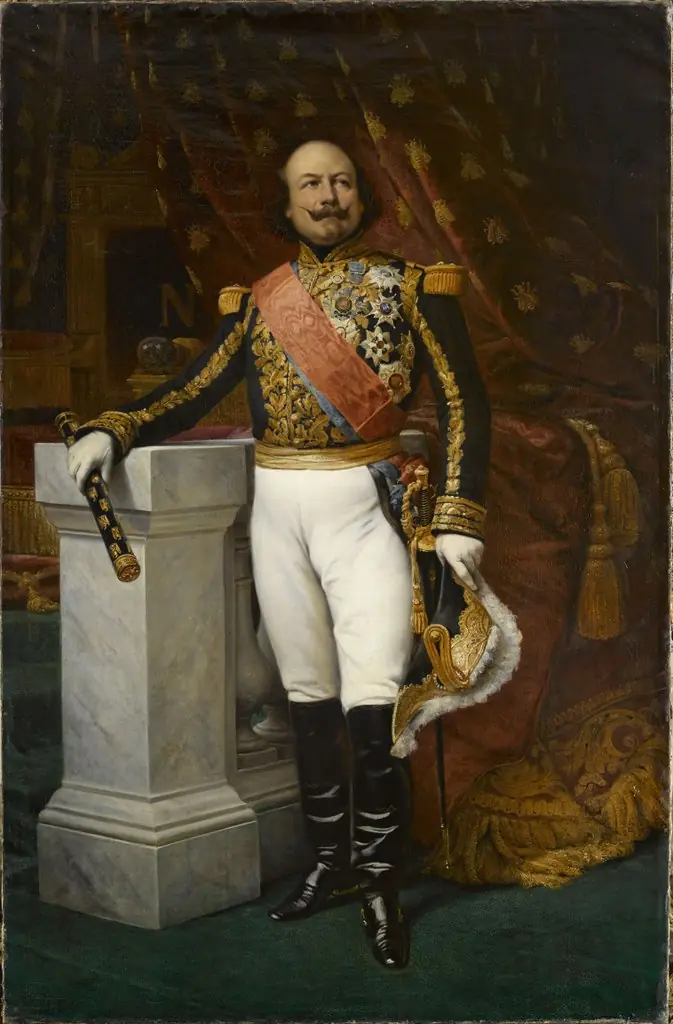 Portrait of Marshal Canrobert
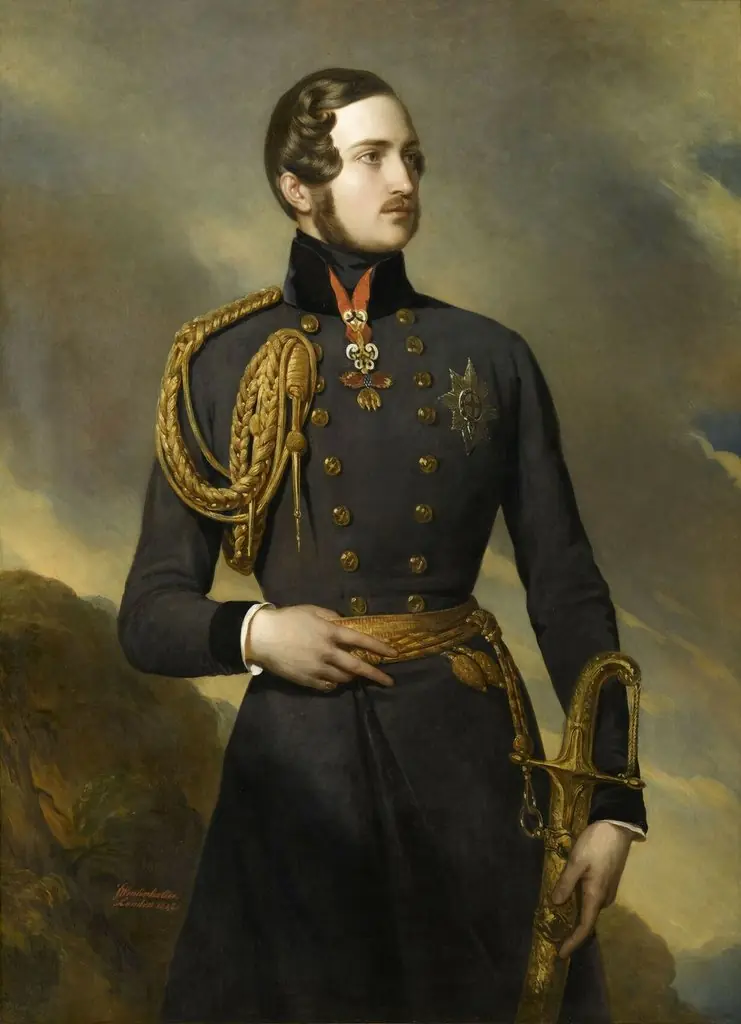 Albert of Saxe-Coburg-Gotha, Prince Consort (1819–1861)
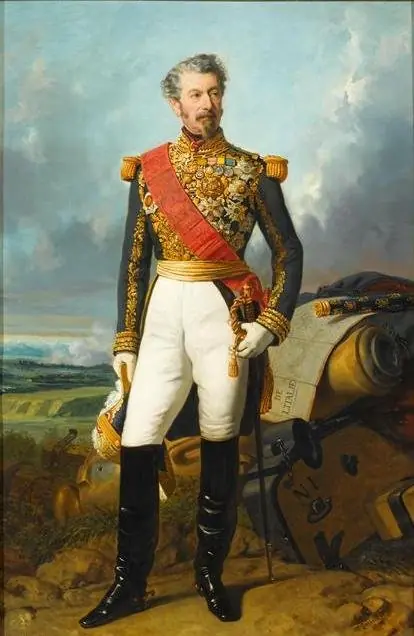 Adolphe Niel, maréchal de France (1802-1869)
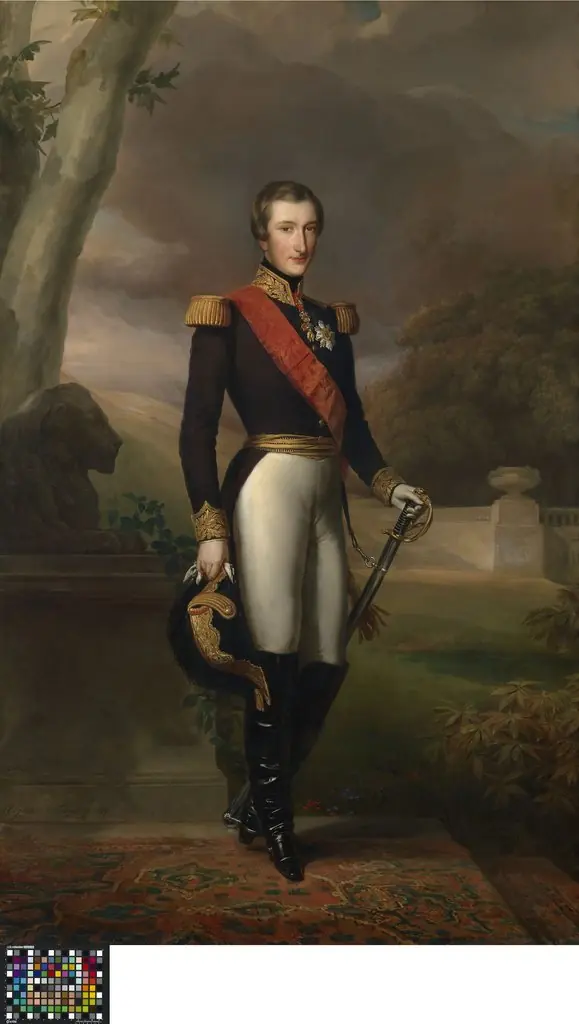 Portret van Leopold II, koning der Belgen, als hertog van Brabant
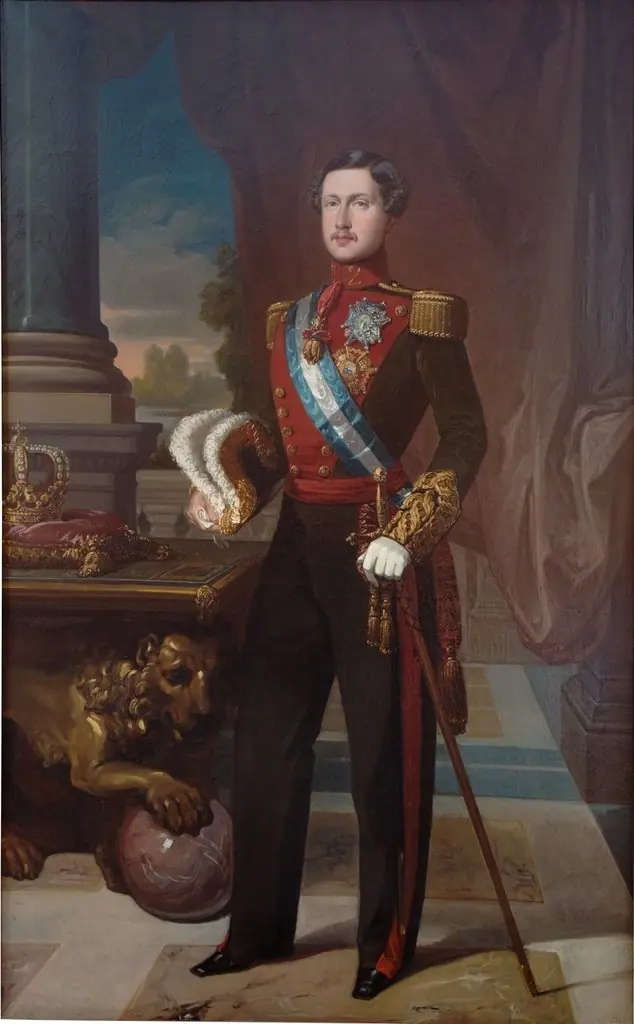 El rey Francisco de Asís con uniforme de capitán general
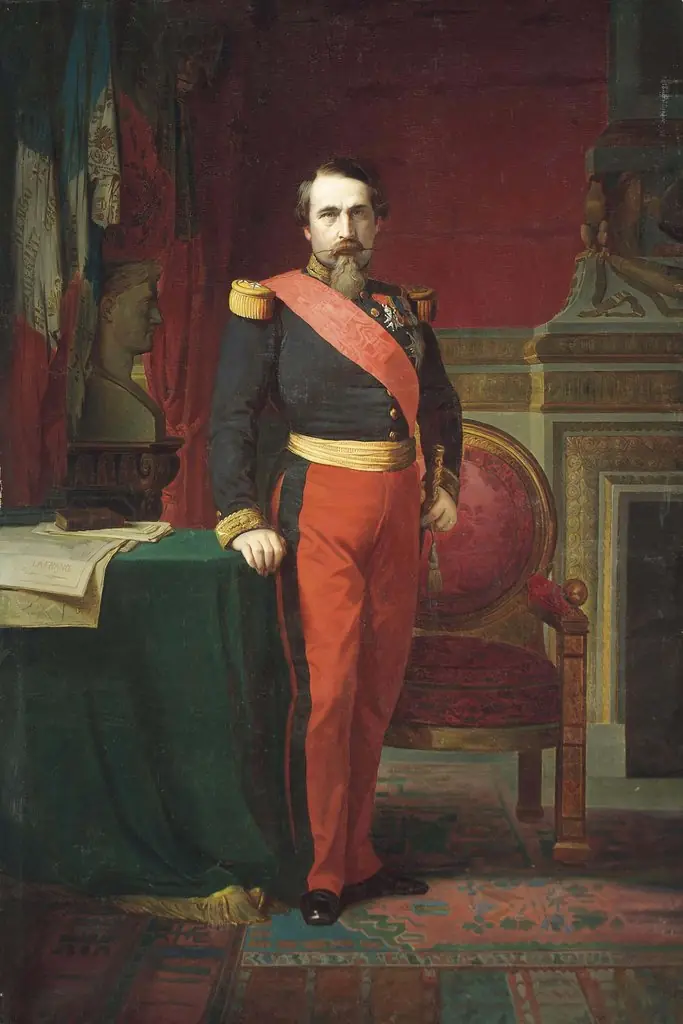 Portrait of Napoleon III
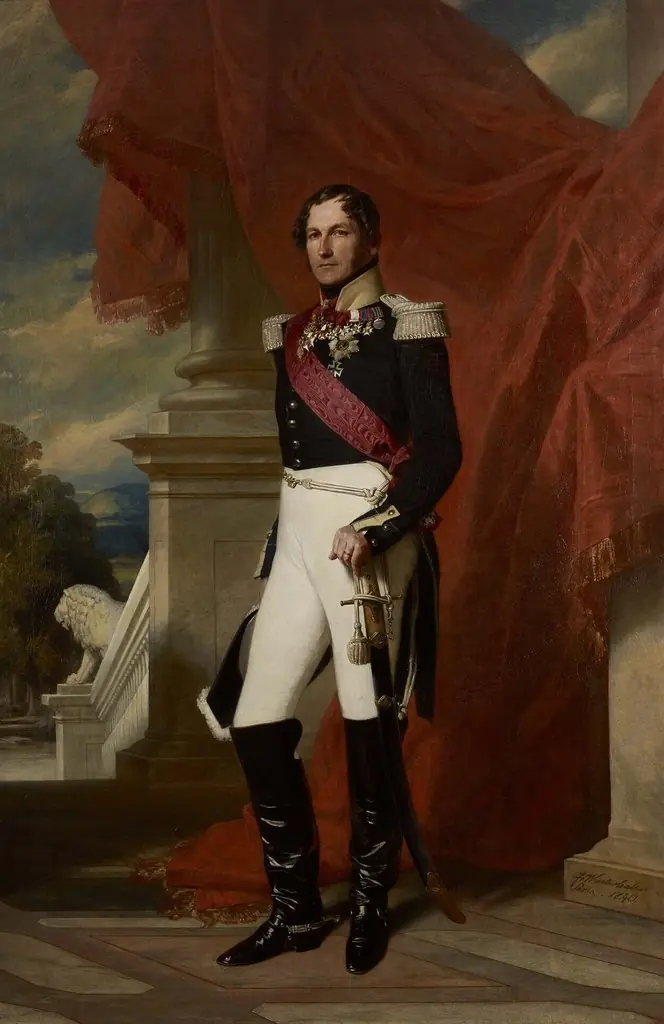 Leopold I, King of the Belgians
 Porträt des Rémi Joseph Isidore Exelmans, Marechal De France (1775-1852)
 El general Evaristo Fernández San Miguel I duque de San Miguel
 Jean-Baptiste-Philibert Vaillant, Marshal of France