Artwork
Leopold I, King of the Belgians
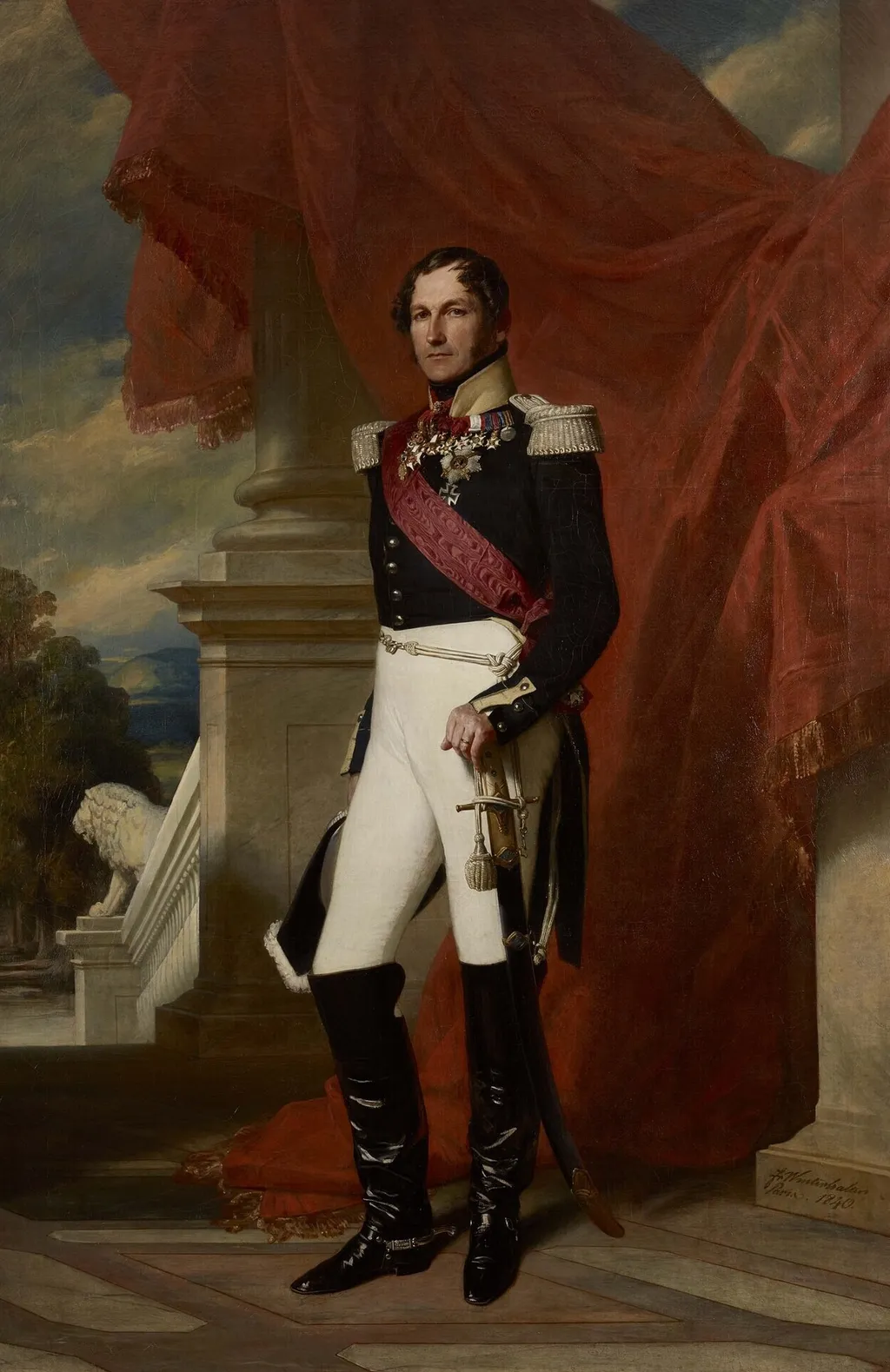
Leopold I, King of the Belgians is an oil painting by Franz Xaver Winterhalter. It dates from 1840 and is held in the collection of the Museum of the History of France.
About this work
Overview
This 1840 oil on canvas portrait by Franz Xaver Winterhalter depicts Leopold I, the first King of the Belgians, in a formal military pose. Commissioned for the Musée de l'Histoire de France at Versailles, the work showcases Winterhalter's skill in capturing regal presence.
Subject & Meaning
Leopold I, a German-born monarch who ascended to the Belgian throne after the 1830 revolution, is portrayed in a manner reflecting his authority and heritage. His attire, including a black jacket with gold epaulets, red sash, and medals, signifies his military and royal status.
Technique & Style
Winterhalter employs chiaroscuro to create depth and dimensionality, with strong contrasts between light and dark accentuating the subject's facial features and the intricacies of his uniform. The partially visible cloudy sky behind a red curtain adds to the sense of grandeur.
History & Provenance
Originally commissioned by Louis Philippe I for Versailles, the painting's current location is not specified here, differing from another Winterhalter portrait of Leopold, commissioned in 1846 for Queen Victoria, which resides in the British Royal Collection.
Context
Created amidst the aftermath of the Belgian Revolution and Leopold's strategic marriage to Louise of Orléans, the portrait reflects the diplomatic and royal alliances of the time, including Leopold's connection to Queen Victoria as her uncle.
Own this work as a print
Artist & collection
Artist
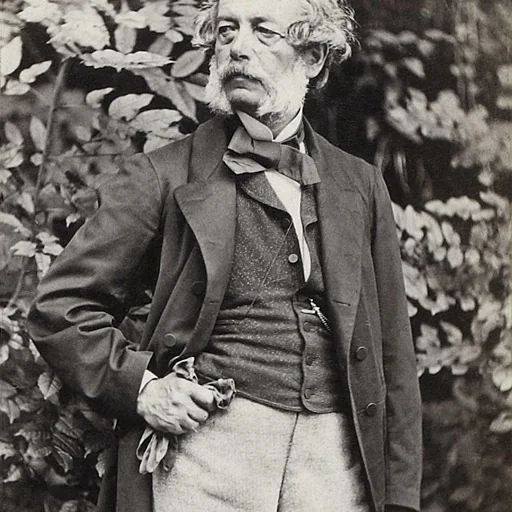
Franz Xaver Winterhalter (20 April 1805 – 8 July 1873) was a German painter and lithographer, known for his flattering portraits of royalty and upper-class society in the mid-19th century.

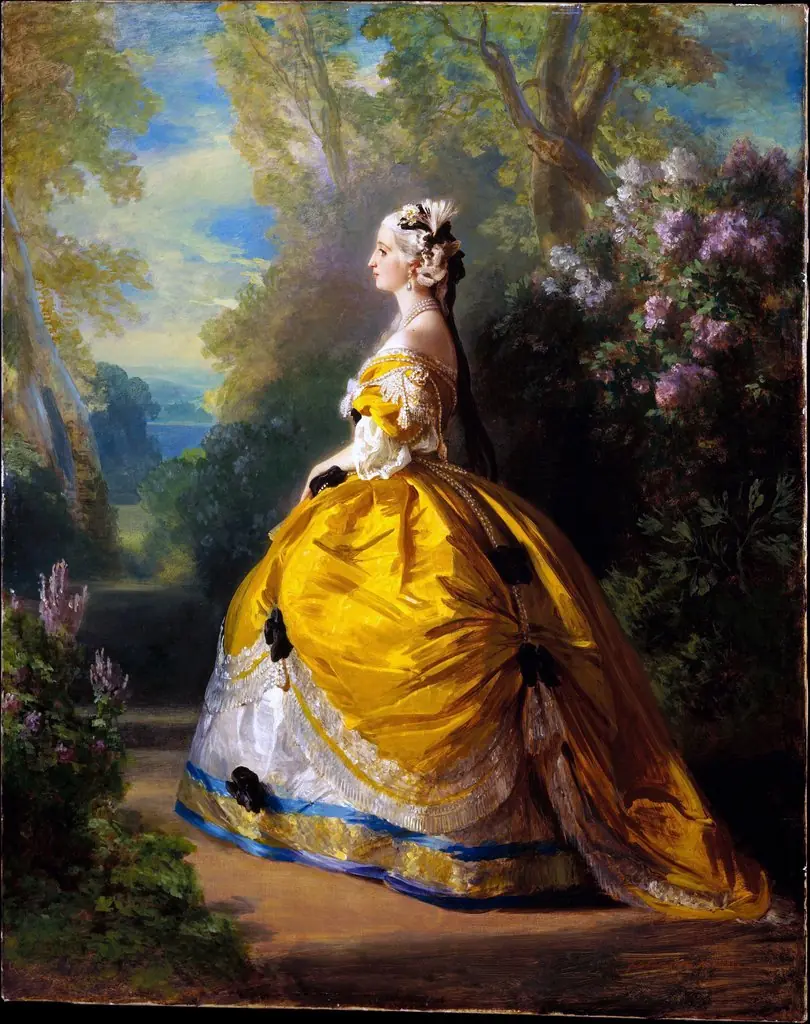 Portrait of Empress Eugénie de Montijo
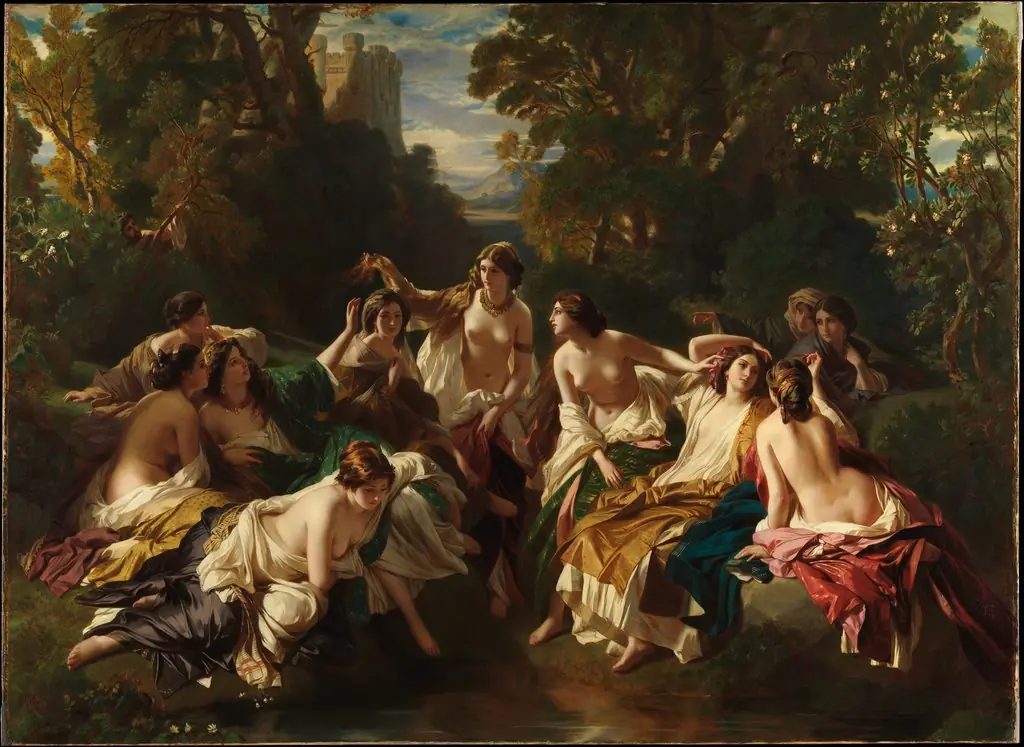 Florinda
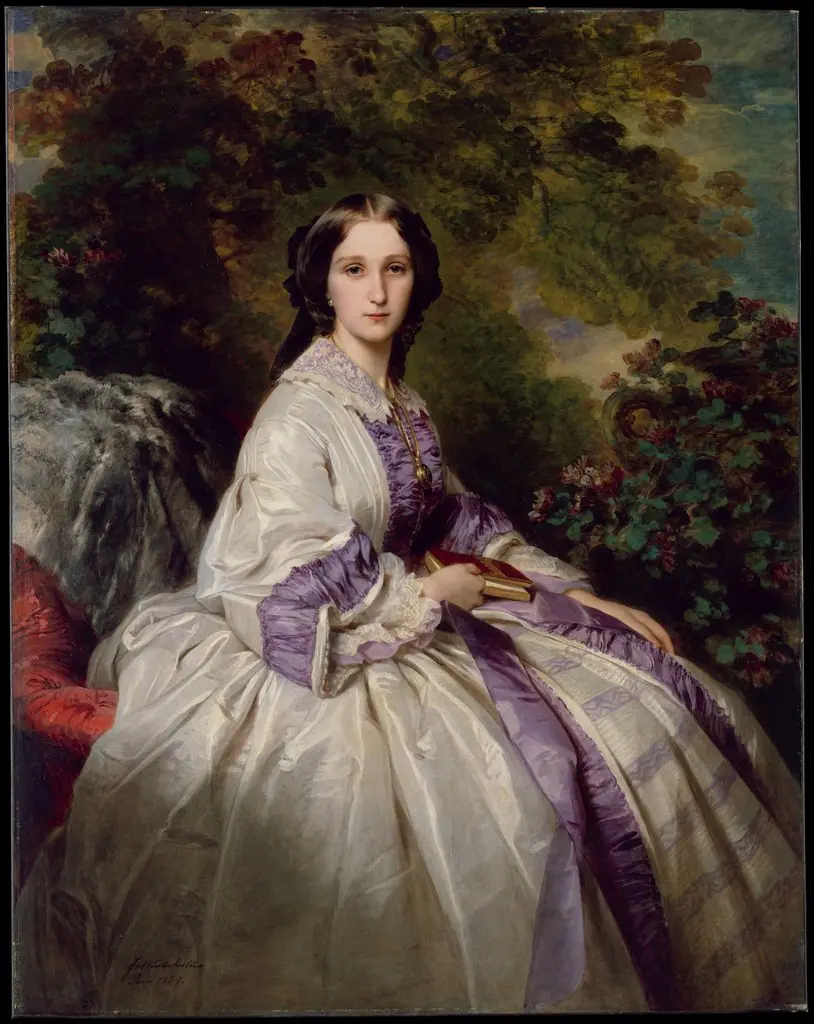 Portrait of Countess Alexander Nikolaevitch Lamsdorff
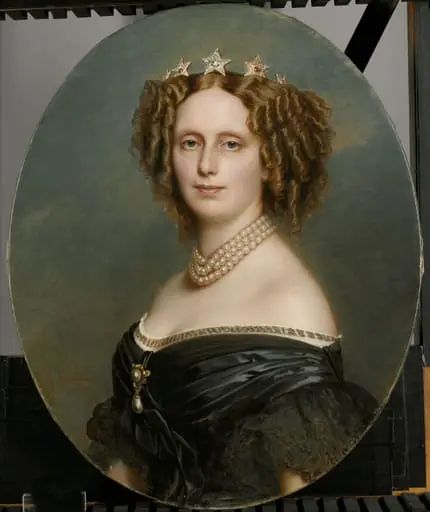 Portrait of Sophia Frederika Mathilda (1818-77), Princess of Württemberg
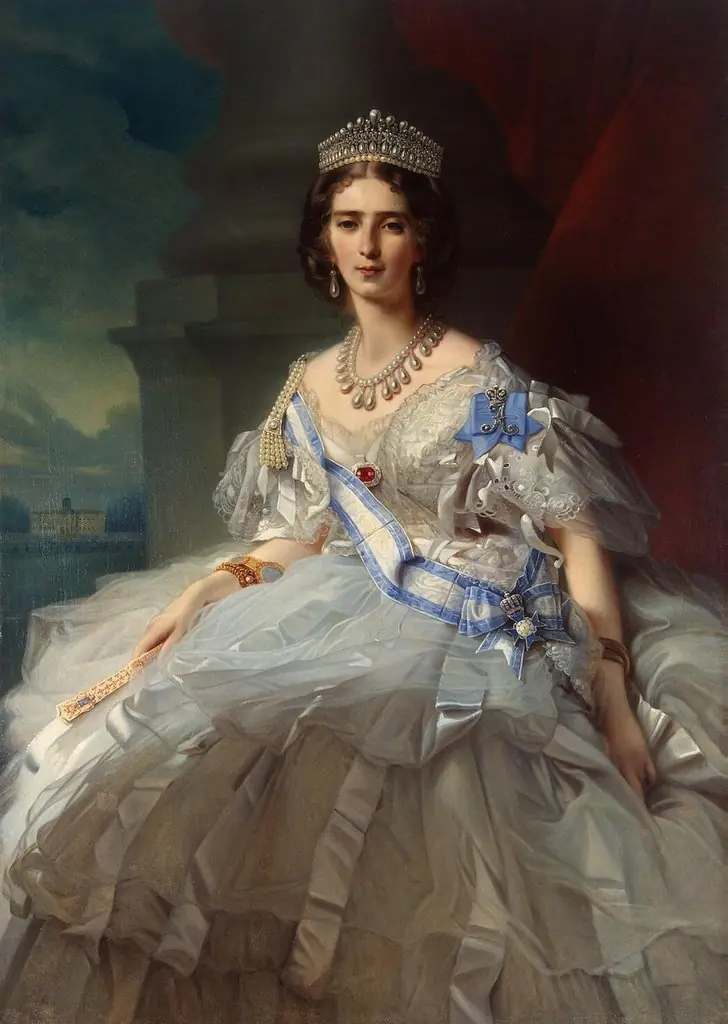 Portrait of Princess Tatyana Yusupova
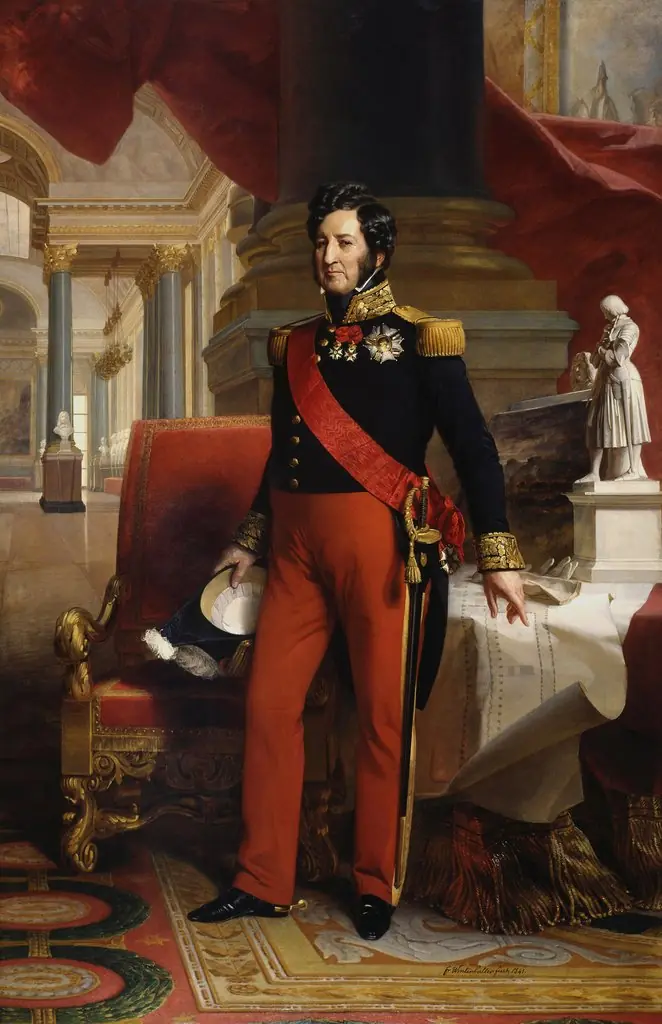 Louis-Philippe I, King of the French (1773–1850)
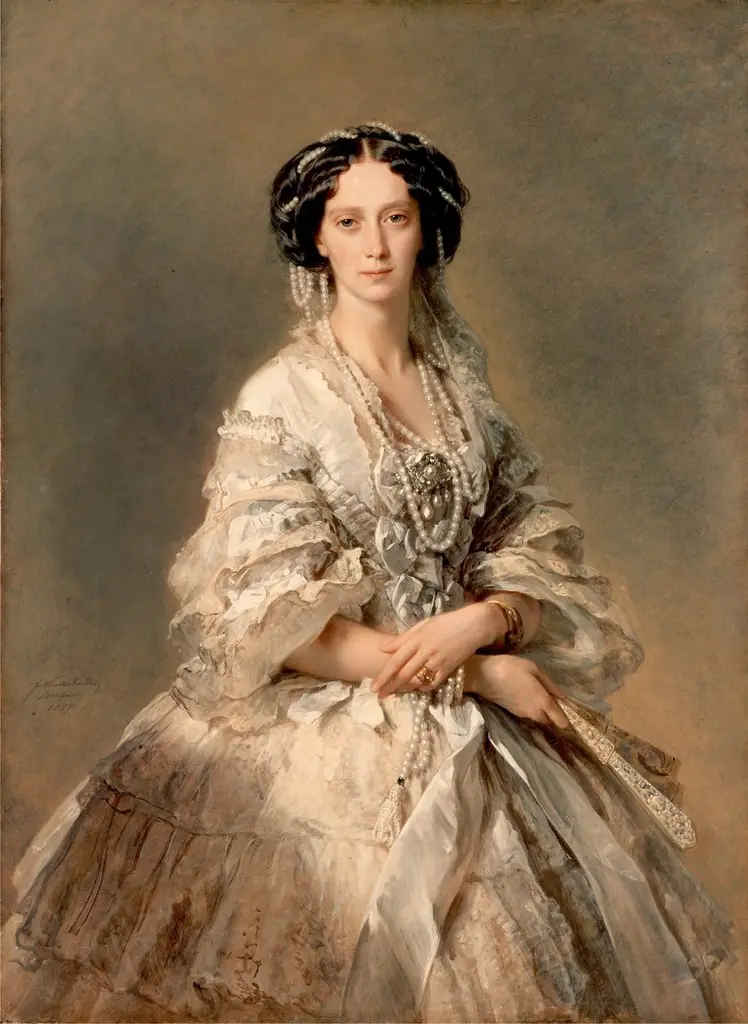 Portrait of Empress Maria Alexandrovna
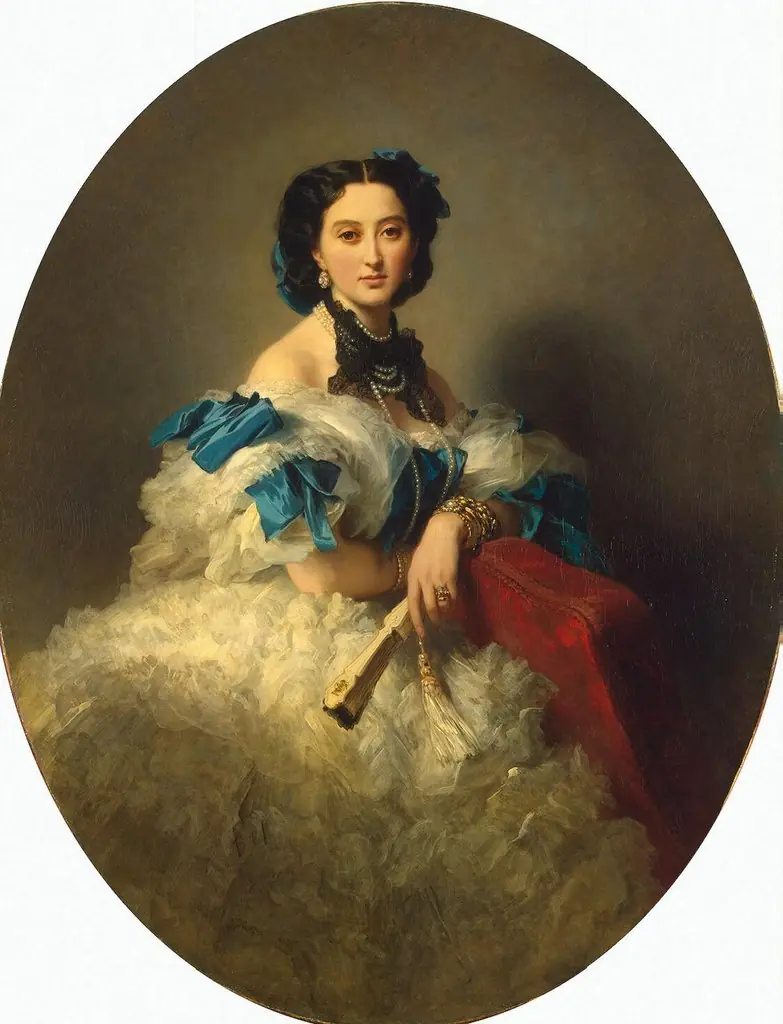 Portrait of Countess Varvara Musina-Pushkina
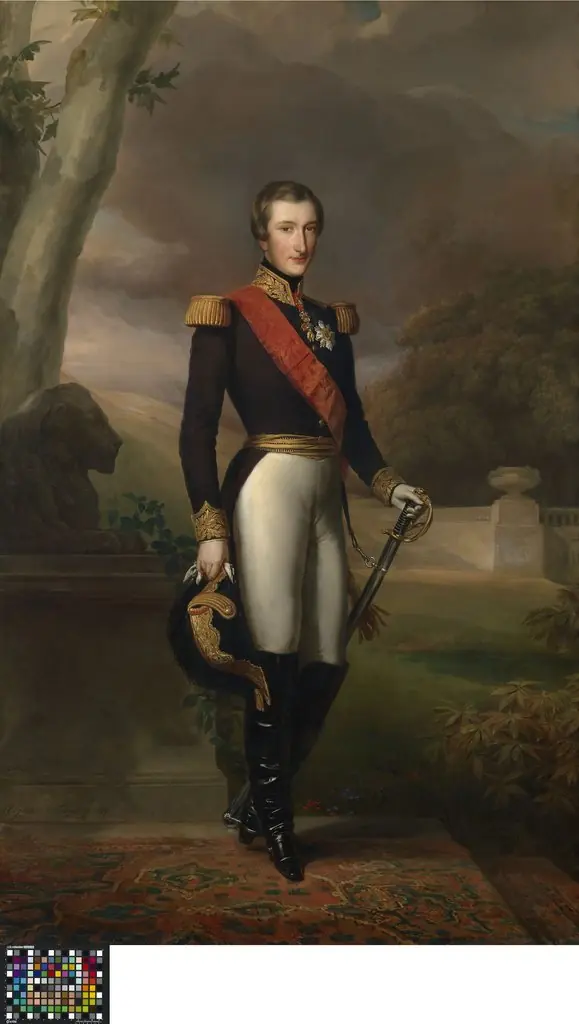 Portret van Leopold II, koning der Belgen, als hertog van Brabant
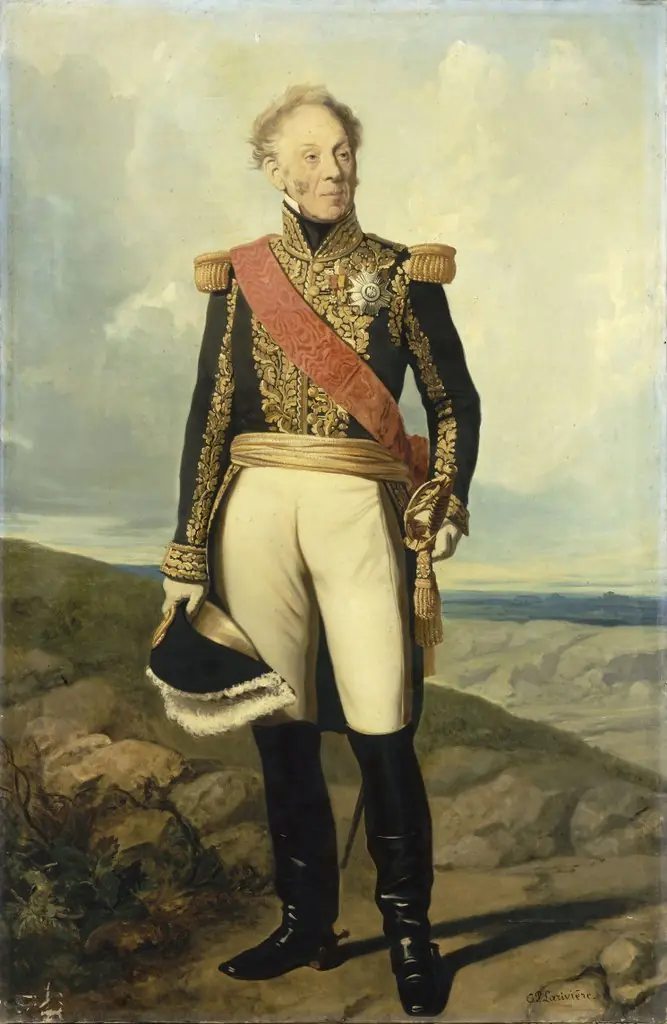 Porträt des Rémi Joseph Isidore Exelmans, Marechal De France (1775-1852)
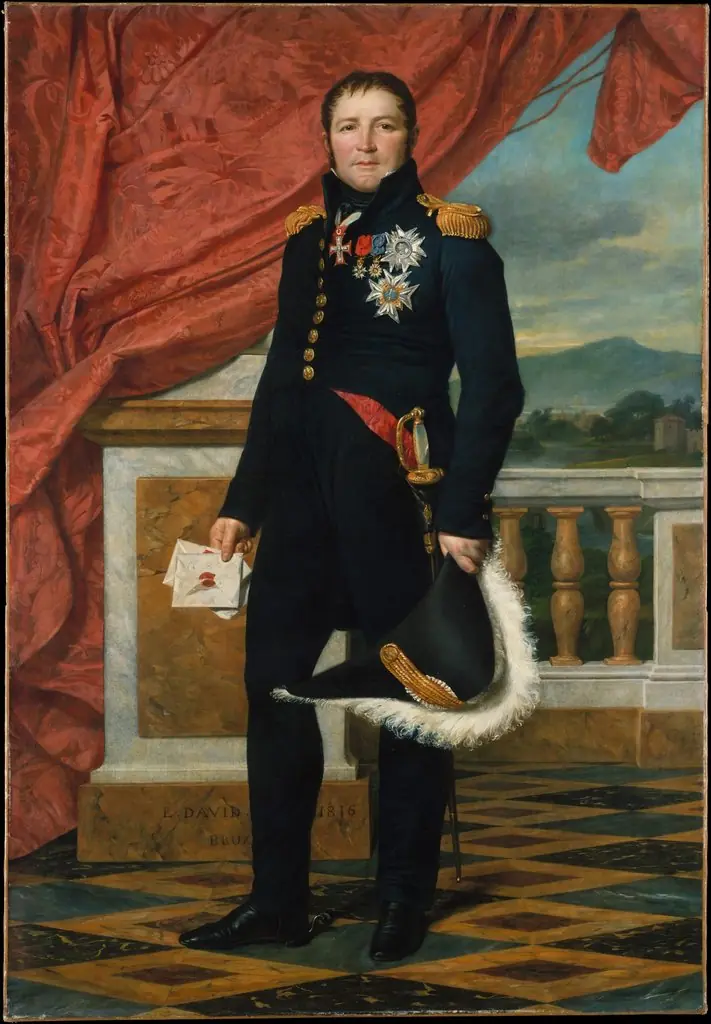 General Étienne-Maurice Gérard (1773–1852), Marshal of France
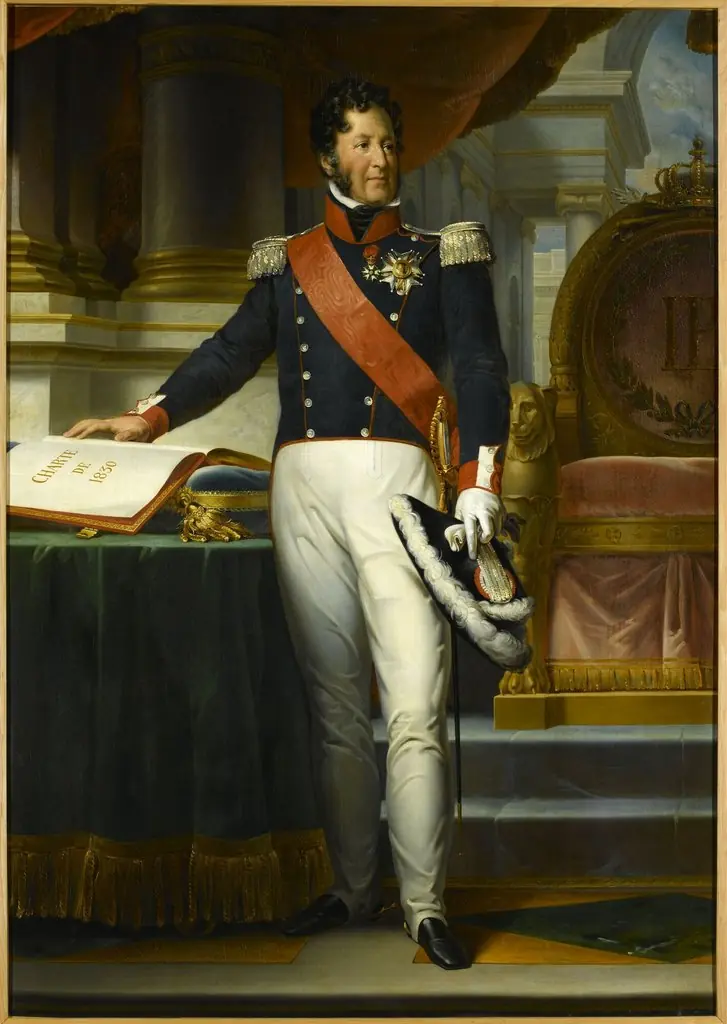 Portrait of Louis Philippe I
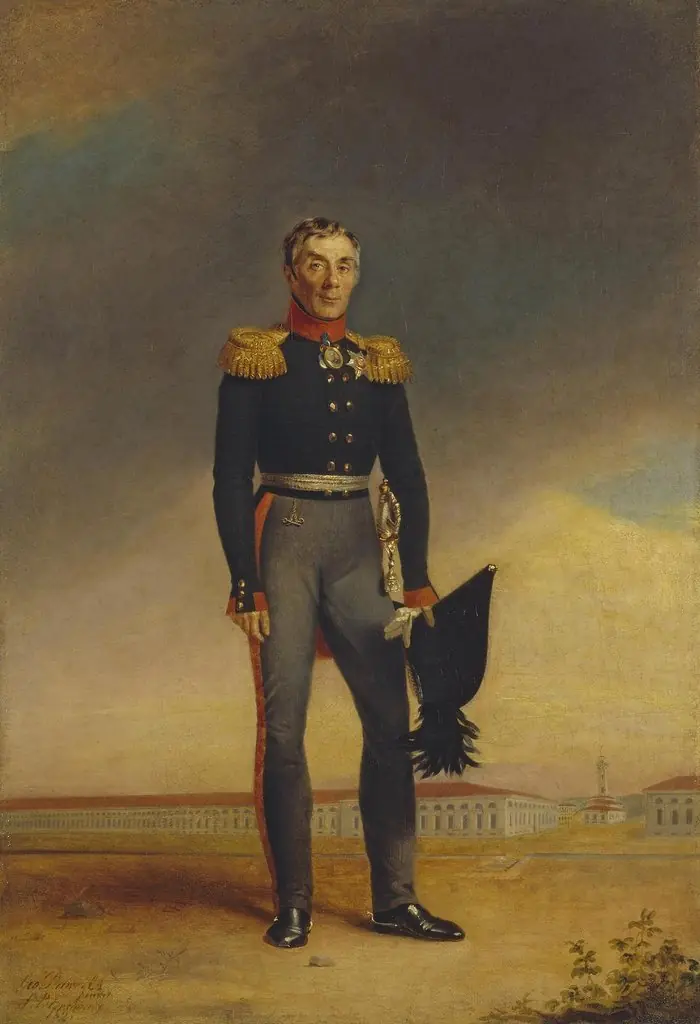 Portrait of Count Alexey Arakcheyev
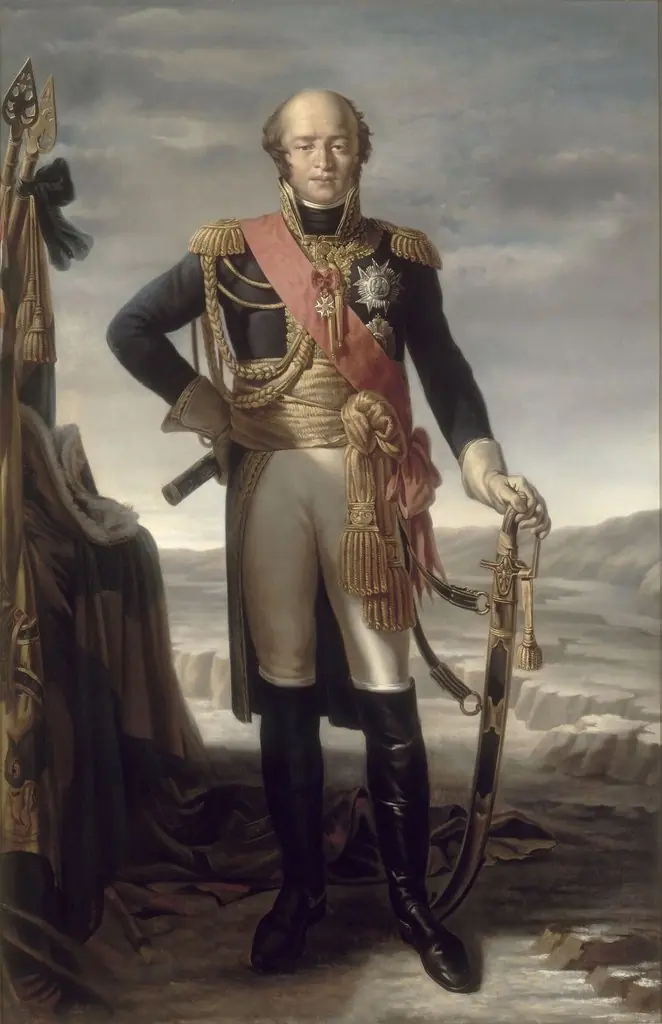 Portrait de Louis Nicolas Davout
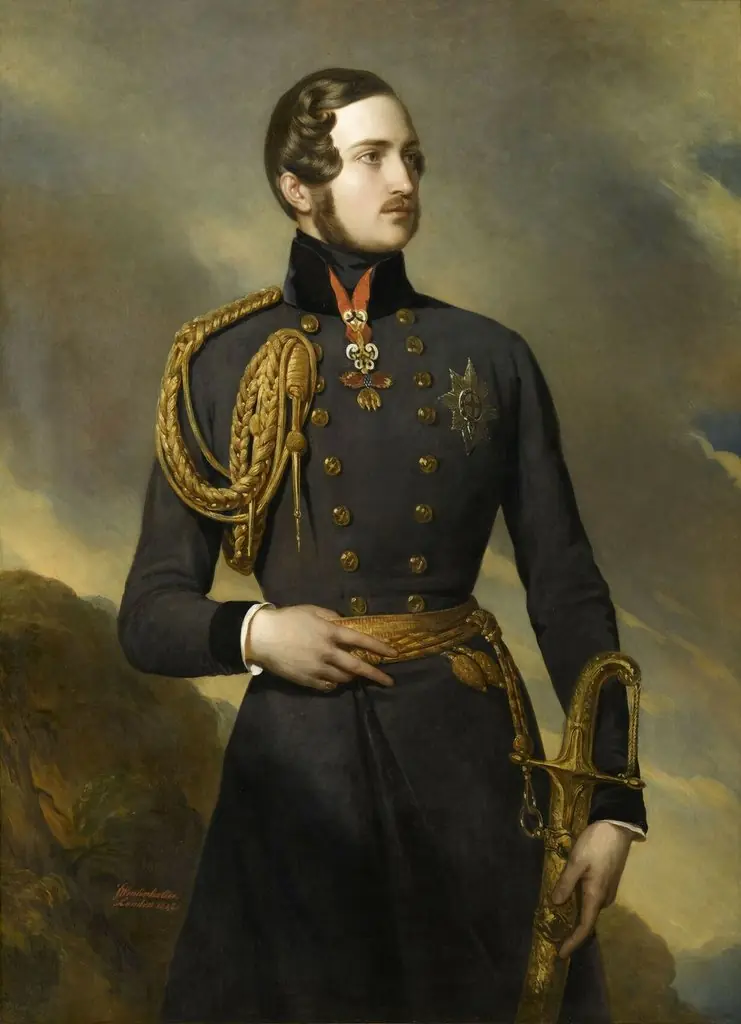 Albert of Saxe-Coburg-Gotha, Prince Consort (1819–1861)
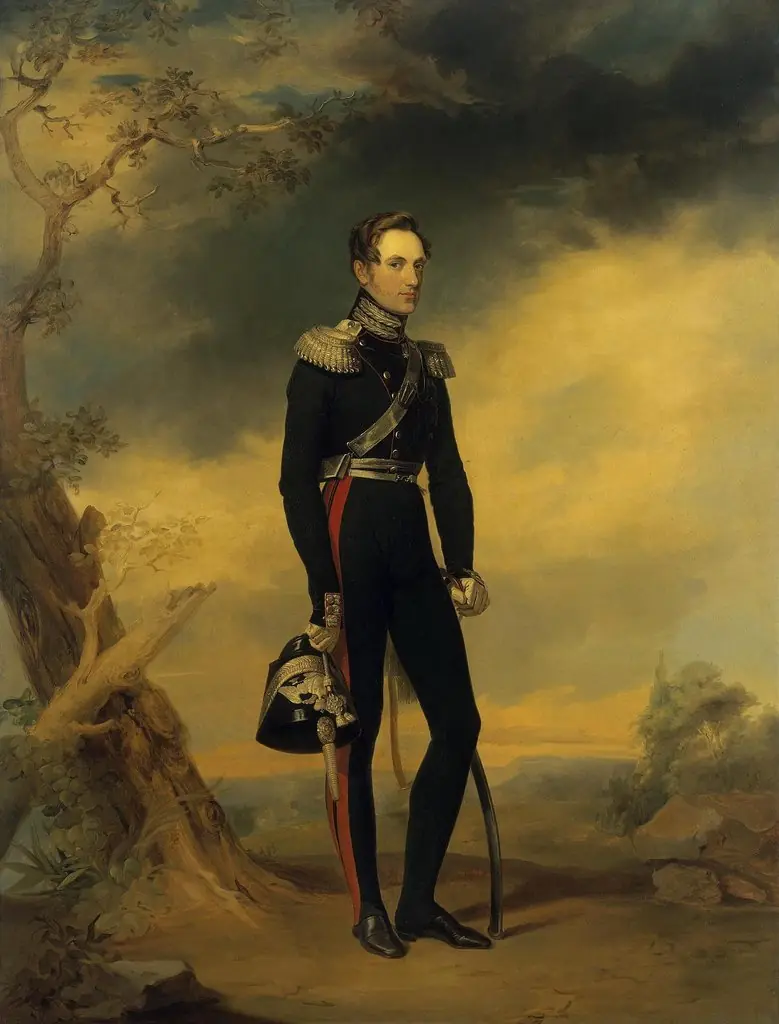 Portrait of Grand Duke Nikolai Pavlovich
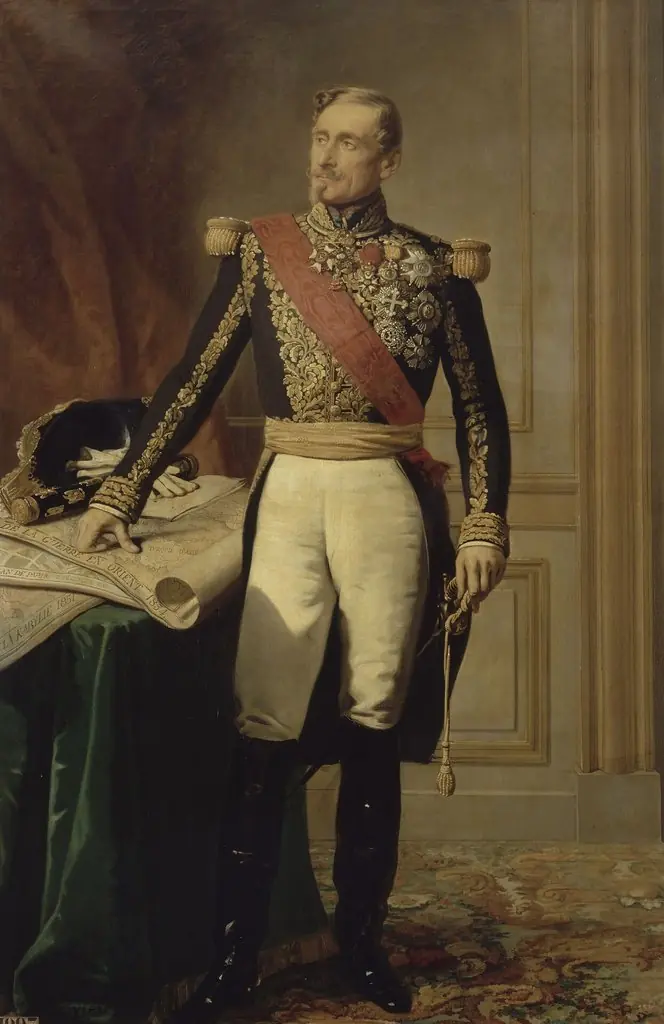 Armand-Jacques Leroy de Saint-Arnaud, Marshal of France
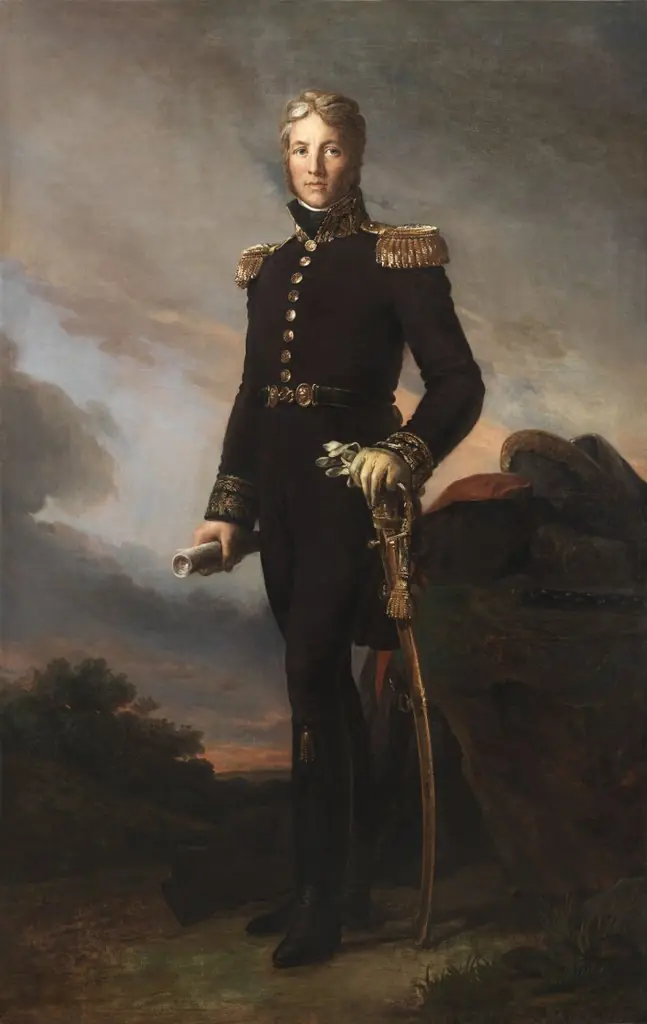 Jean-Victor Moreau (1763-1813), général en chef de l'armée du Rhin
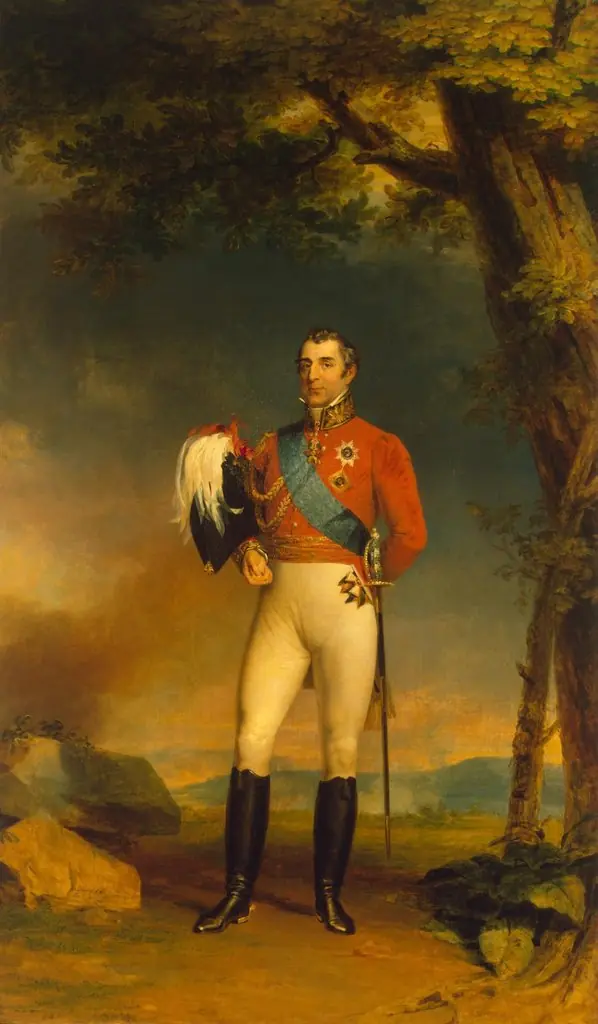 Portrait of Duke of Wellington (1769-1852)