Artwork
Ketyanya
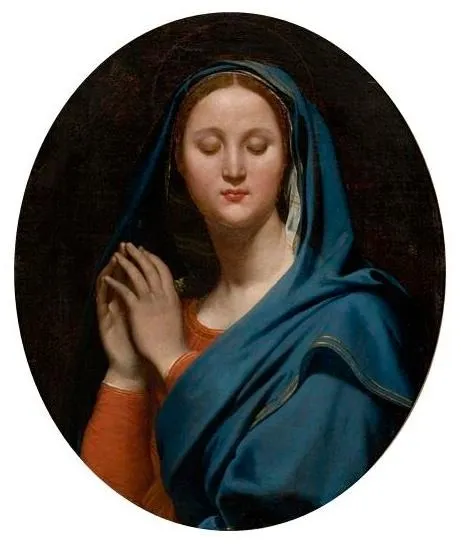
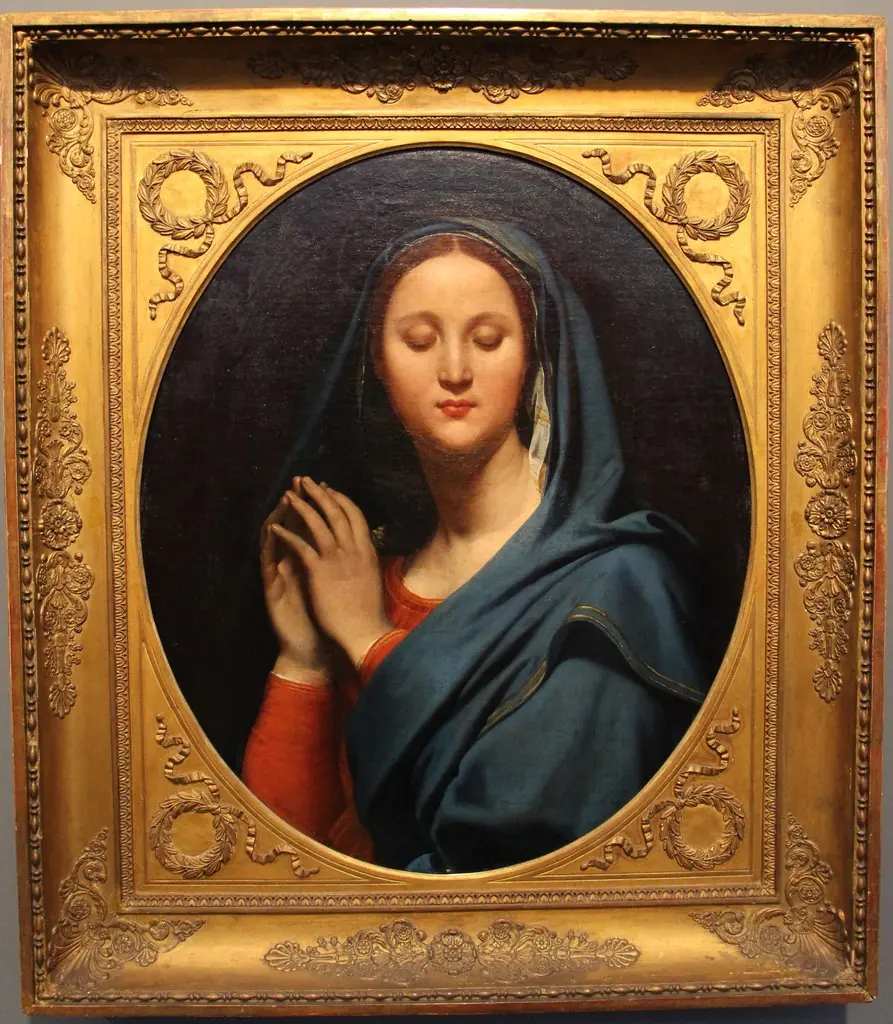
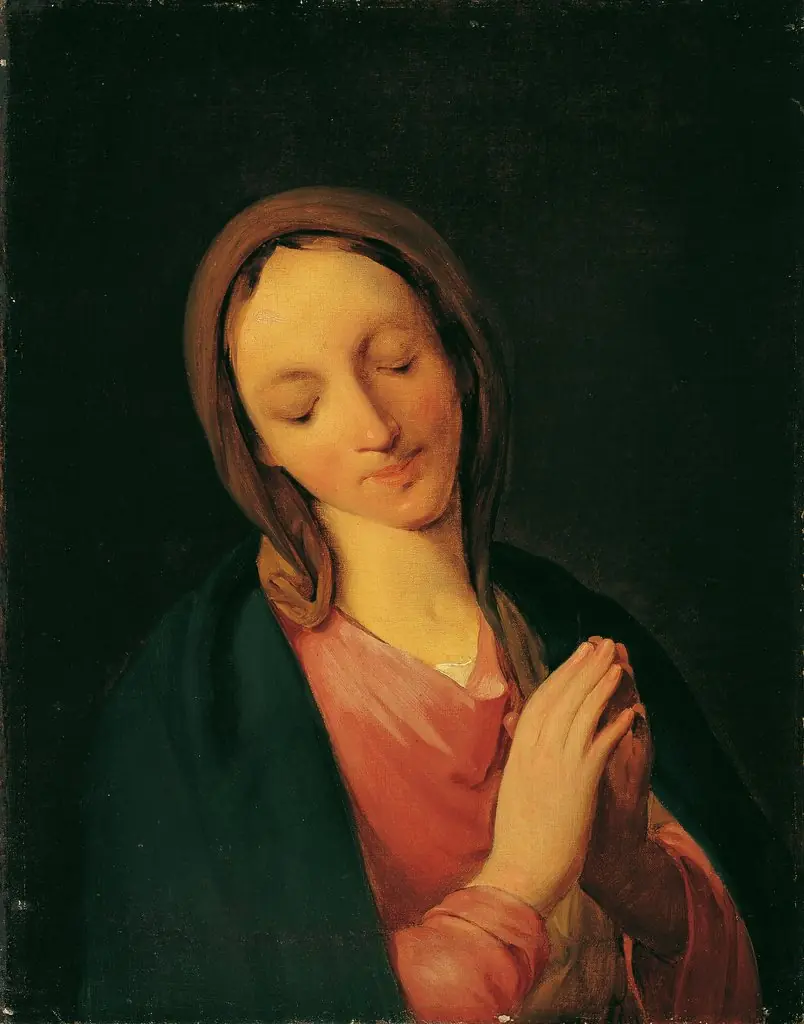
Ketyanya is an unspecified painting by the Neoclassicist artist Jean Auguste Dominique Ingres. It dates from 1827 and is held in the collection of the São Paulo Museum of Art. Painted in 1827 by Jean-Auguste-Dominique Ingres, this work depicts a solitary woman in a moment of quiet devotion.
About this work
Overview
The painting resides in the collection of the São Paulo Museum of Art, where it is recognized for its restrained emotional tone and technical precision.
Painted in 1827 by Jean-Auguste-Dominique Ingres, this work depicts a solitary woman in a moment of quiet devotion. Rendered with precise detail and subdued tonality, the figure is set against a deep, unmodulated background that enhances the intimacy of the scene. The painting resides in the collection of the São Paulo Museum of Art, where it is recognized for its restrained emotional tone and technical precision.
Subject & Meaning
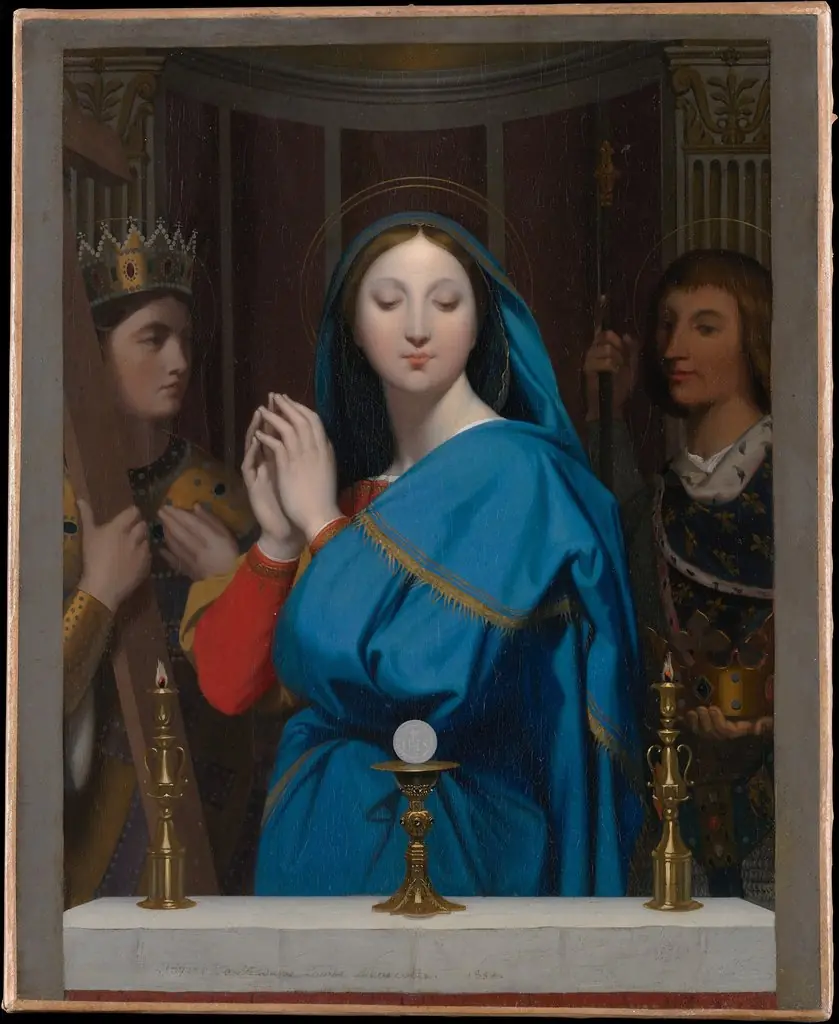
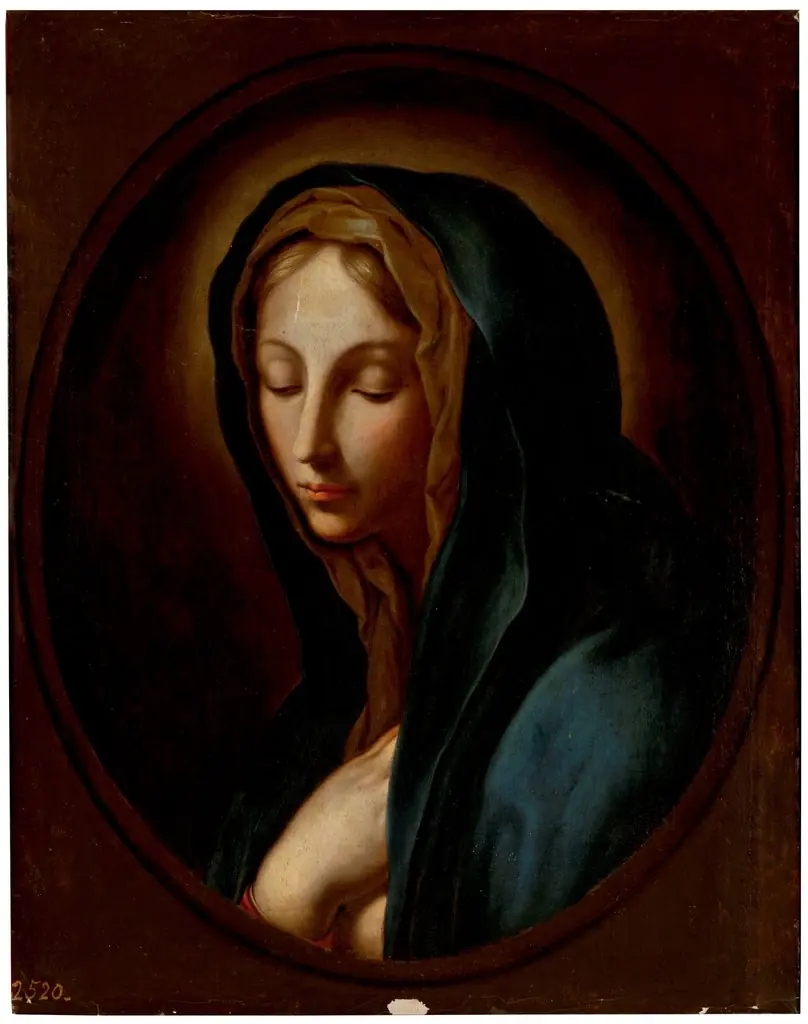
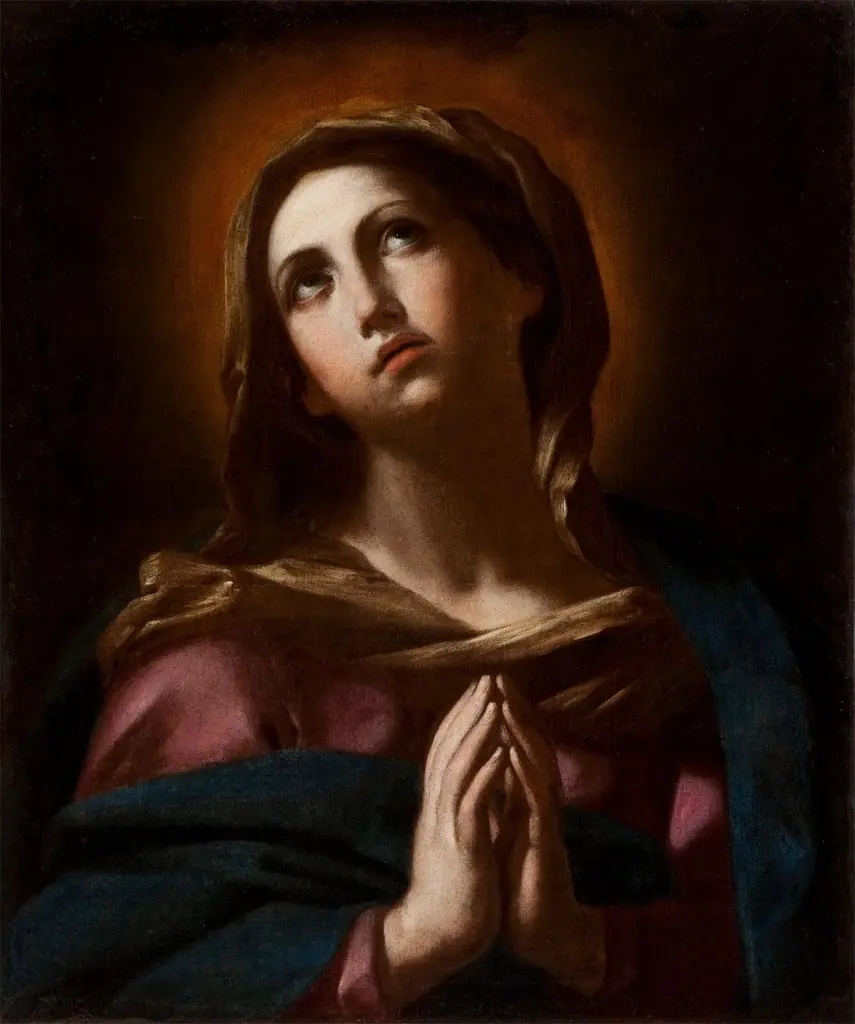
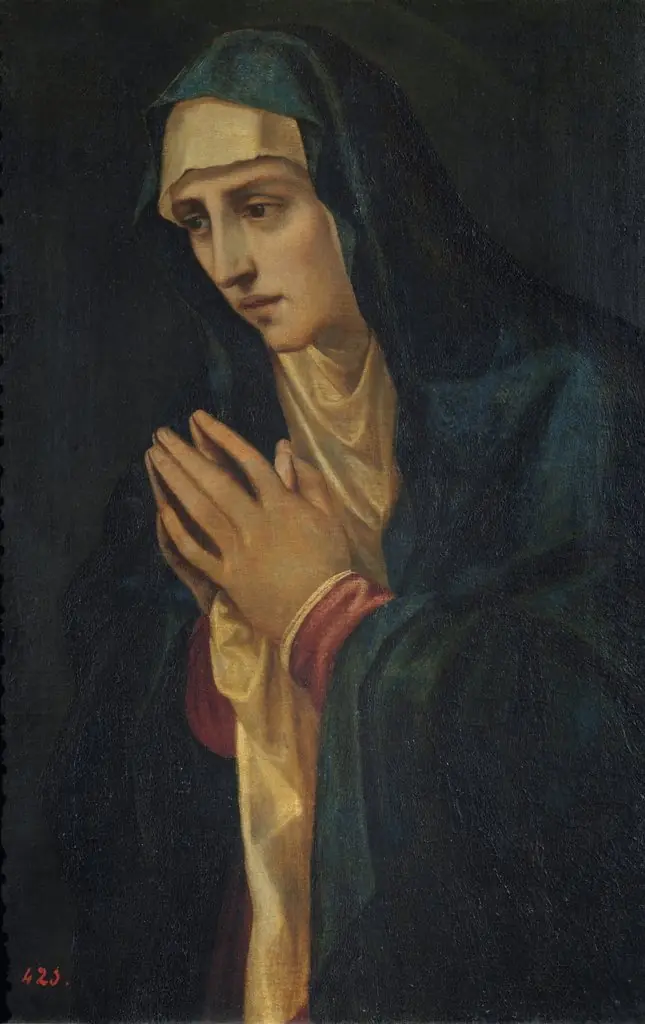
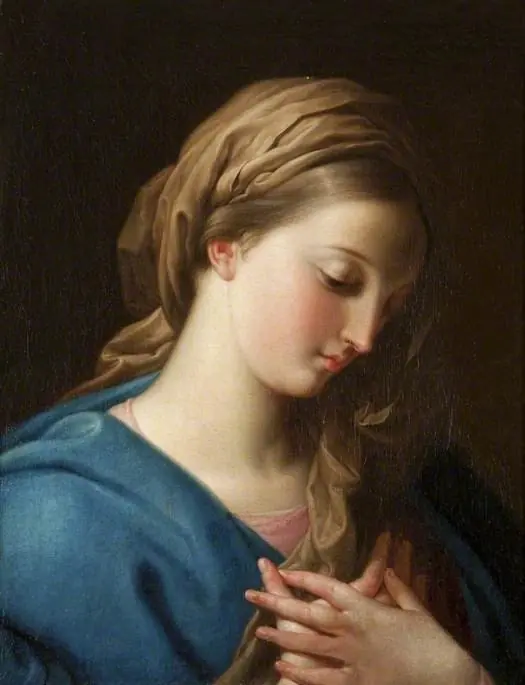
The figure is a woman dressed in an orange gown and blue headscarf, her hands clasped in prayer and her gaze lowered. Her slightly parted lips suggest silent supplication, evoking a private spiritual moment rather than public ritual. Ingres avoids narrative context, focusing instead on the psychological stillness of the subject, inviting contemplation of inner devotion without doctrinal specificity.
Technique & Style
Ingres employs smooth, meticulous brushwork to define the folds of the headscarf and the contours of the dress, emphasizing tactile realism. The contrast between the warm orange of the garment and the dark, neutral background heightens the figure’s presence. Soft, directional lighting models the face with subtle gradations, reinforcing the sense of introspection while maintaining the clarity of form characteristic of Ingres’s Neoclassical approach.
History & Provenance
The painting was completed in 1827 during Ingres’s early career in Rome, a period when he frequently explored intimate portraiture and religious themes. It entered the São Paulo Museum of Art’s collection in the mid-20th century, likely through acquisitions of European works by the museum’s founding patrons. Its provenance prior to that remains undocumented in publicly available records.
Context
Created during Ingres’s formative years in Italy, the work reflects his engagement with Renaissance devotional imagery and his interest in psychological depth over grand narrative. While aligned with academic traditions, the painting’s simplicity and focus on individual emotion distinguish it from larger historical or mythological compositions of the era.
Legacy
Though not among Ingres’s most widely exhibited works, this painting exemplifies his ability to convey quiet emotion through controlled composition and refined draftsmanship. It has influenced later artists interested in intimate portraiture and the expressive potential of minimalism, serving as a quiet counterpoint to the theatricality of Romanticism.
Artist & collection

Artist
Jean-Auguste-Dominique Ingres was a French Neoclassical painter. Ingres was profoundly influenced by past artistic traditions and aspired to become the guardian of academic orthodoxy against the ascendant Romantic…