Artwork
Aqueduct
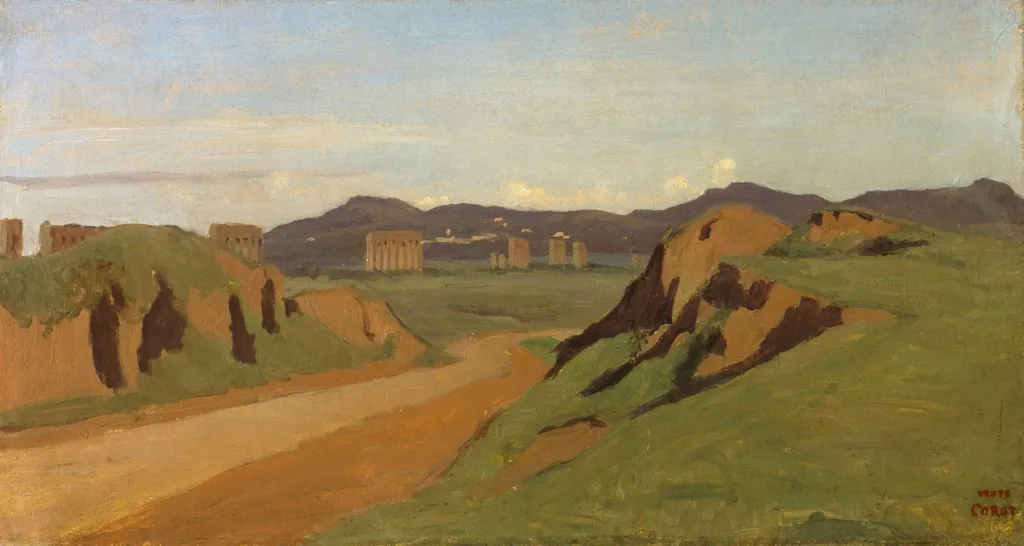
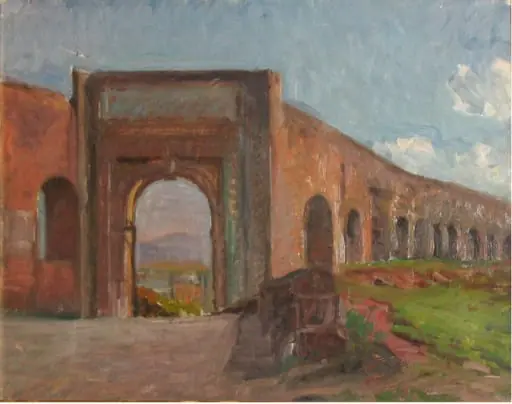
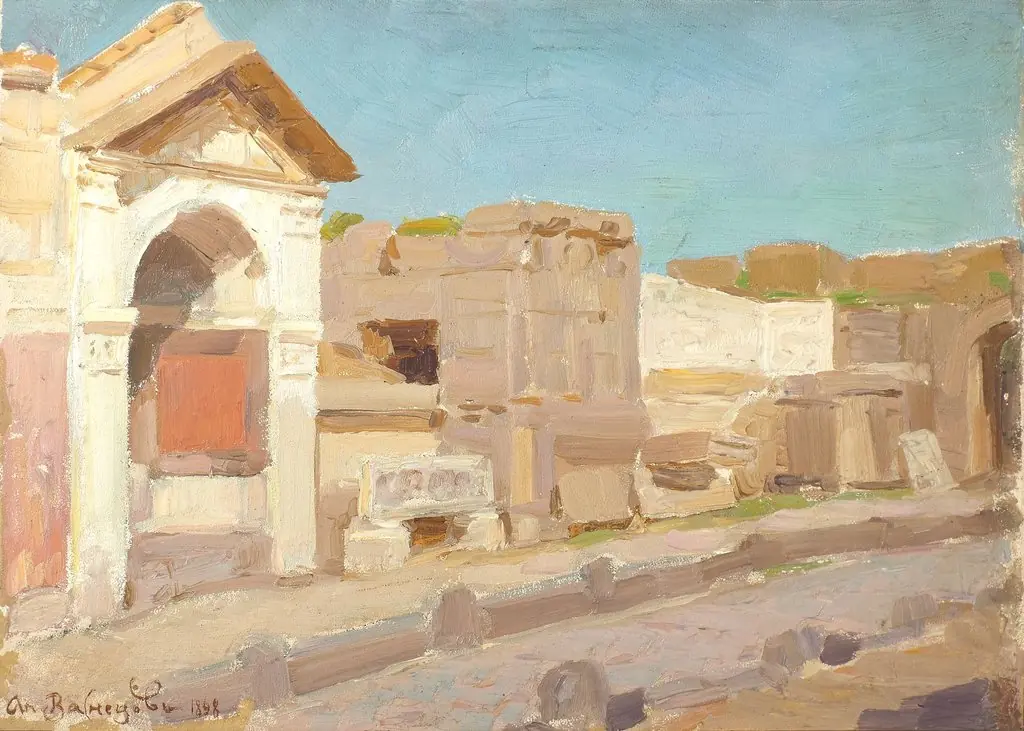
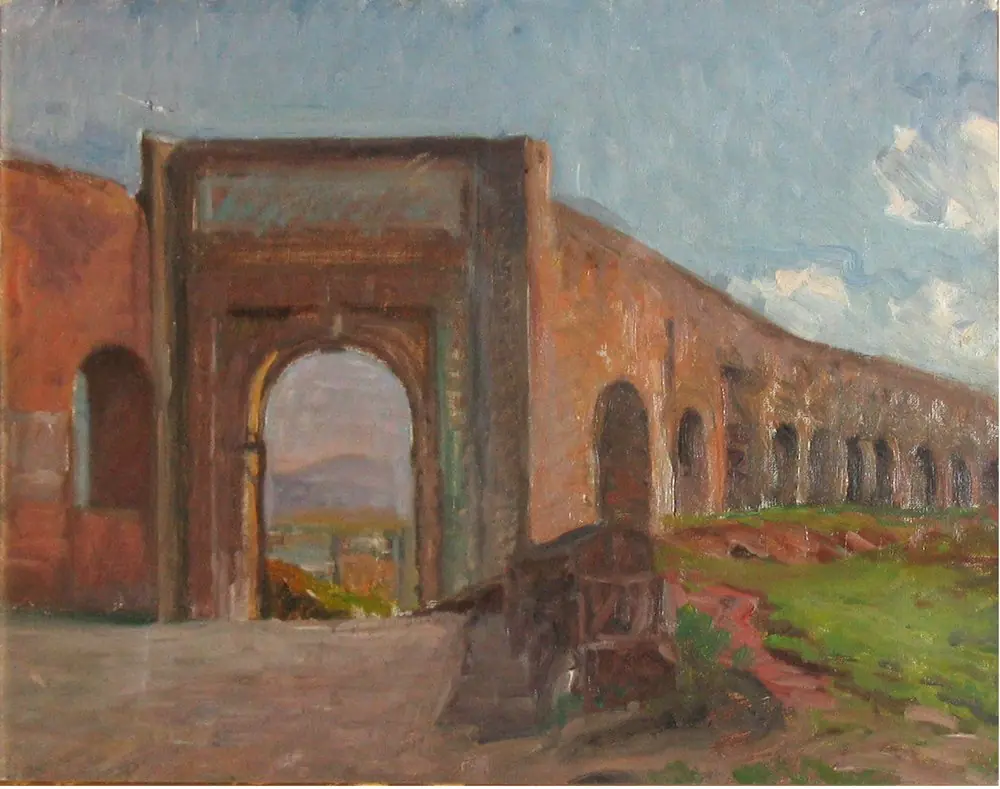
Aqueduct is an oil painting by the Realist artist Jean Baptiste Camille Corot. It dates from 1826 and is held in the collection of the Philadelphia Museum of Art.
About this work
Overview
It reflects Corot’s interest in observing nature directly, blending careful observation with a subdued, atmospheric sensibility.
Painted in 1826, *Aqueduct* is an early oil work by Jean-Baptiste-Camille Corot, capturing a quiet rural scene in France. Though associated with Realism, the painting retains a lyrical tone that anticipates later Impressionist approaches. It reflects Corot’s interest in observing nature directly, blending careful observation with a subdued, atmospheric sensibility. The piece is part of the Philadelphia Museum of Art’s permanent collection.
Subject & Meaning
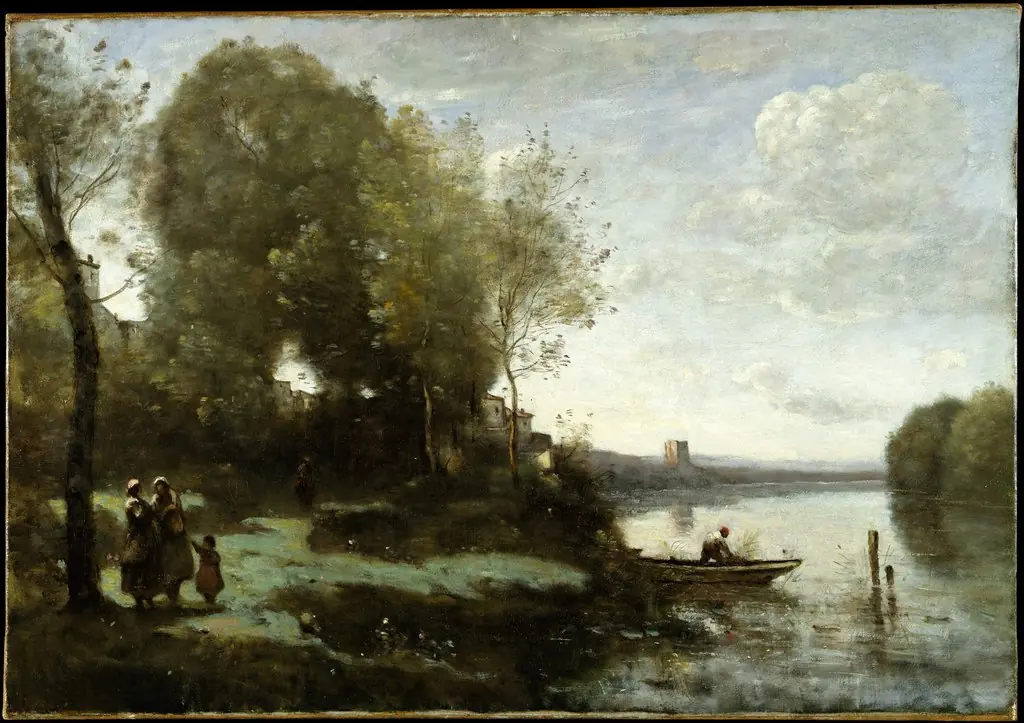
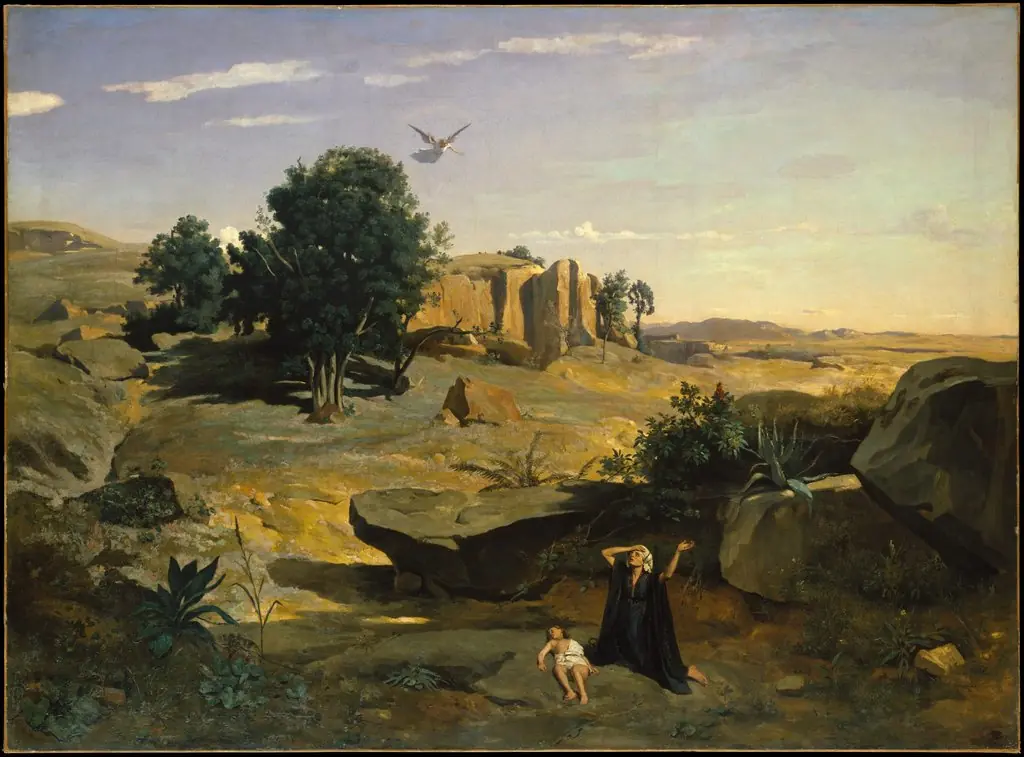
The painting depicts a winding road leading toward distant ruins of an aqueduct, framed by rolling hills and scattered trees. The architecture, though modest, suggests the lingering presence of ancient Roman engineering in the French countryside. There is no human activity visible; the scene conveys stillness and time’s quiet passage, emphasizing nature’s reclamation of human structures without overt narrative or symbolism.
Technique & Style
Corot employed fine, layered brushwork and glazing techniques to achieve a soft, diffused light across the landscape. The greens and browns of the terrain are built up in subtle tonal shifts, while the sky’s pale blue is rendered with delicate transparency. Textures of foliage and cobblestones are suggested through precise, small strokes, avoiding harsh definition in favor of atmospheric cohesion and muted realism.
History & Provenance
Created during Corot’s formative years, *Aqueduct* stems from his early travels through France, where he sketched ruins and rural vistas. It was likely painted on-site, reflecting his commitment to direct observation. The work entered the Philadelphia Museum of Art’s collection in the 20th century, following a trajectory common among 19th-century French landscapes acquired by American institutions seeking European academic traditions.
Context
In the 1820s, French painting was transitioning from idealized Neo-Classical compositions toward more grounded, observational approaches. Corot’s work stood apart by rejecting dramatic narratives in favor of tranquil, everyday landscapes. *Aqueduct* aligns with a growing interest in topographical accuracy and the poetic potential of rural scenes, foreshadowing the plein-air practices that would define later generations of landscape painters.
Legacy
Though not among Corot’s most famous works, *Aqueduct* exemplifies his foundational role in shifting French landscape painting toward naturalism. Its restrained palette and atmospheric handling influenced younger artists, including those who would later form the Barbizon School. The painting remains a quiet testament to the value of subtle observation over grandeur in 19th-century art.
Artist & collection
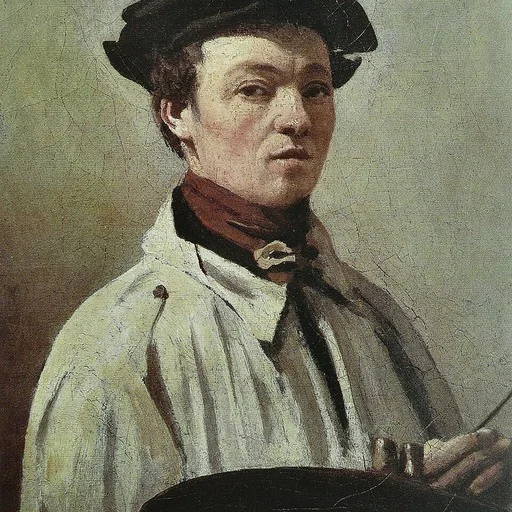
Artist
Jean-Baptiste-Camille Corot (UK: KORR-oh, US: kə-ROH, kor-OH; French: ; 16 July 1796 – 22 February 1875), or simply Camille Corot, was a French landscape and portrait painter as well as a printmaker in etching.