Artwork
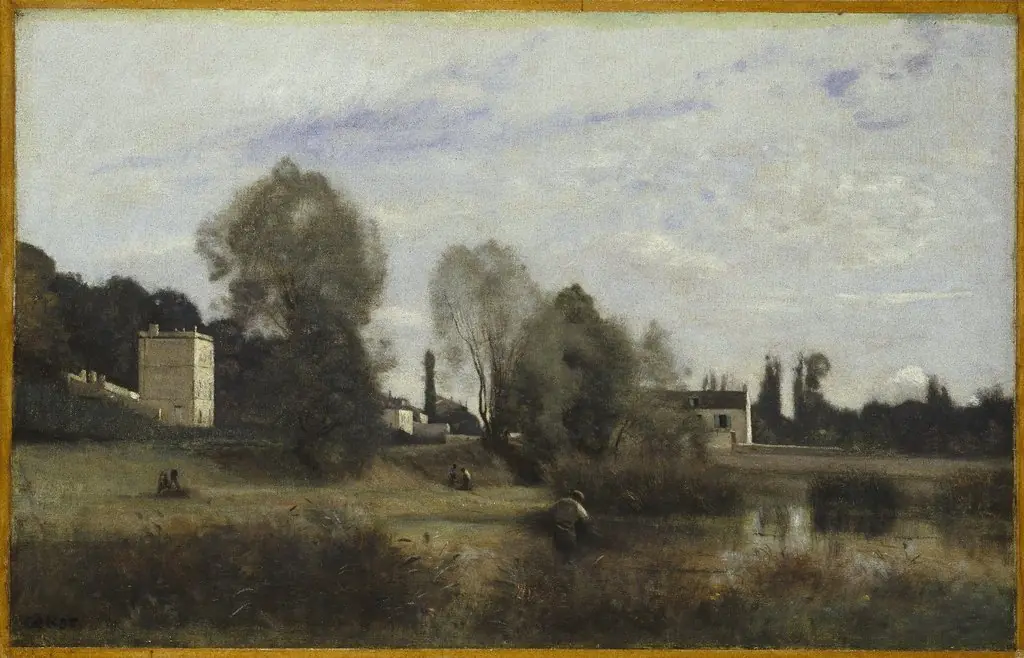
Auvers-sur-Oise: La mare à Daubigny
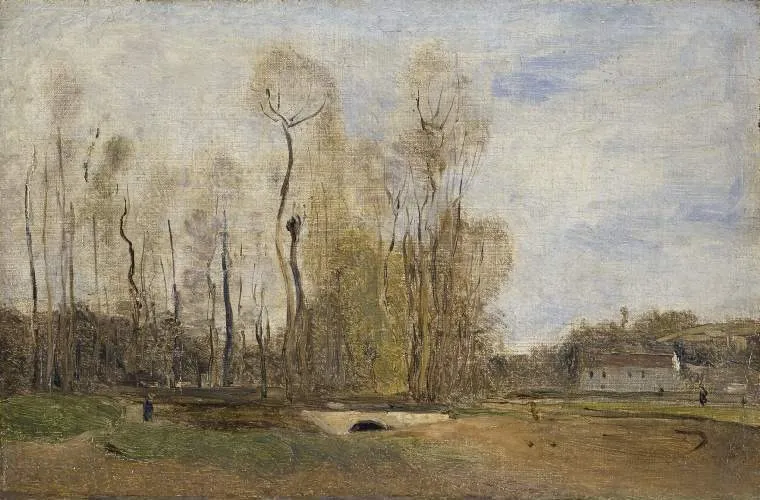
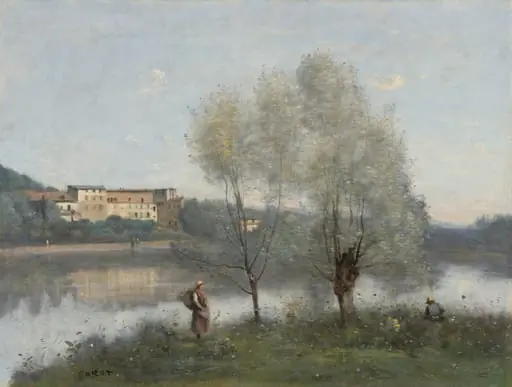
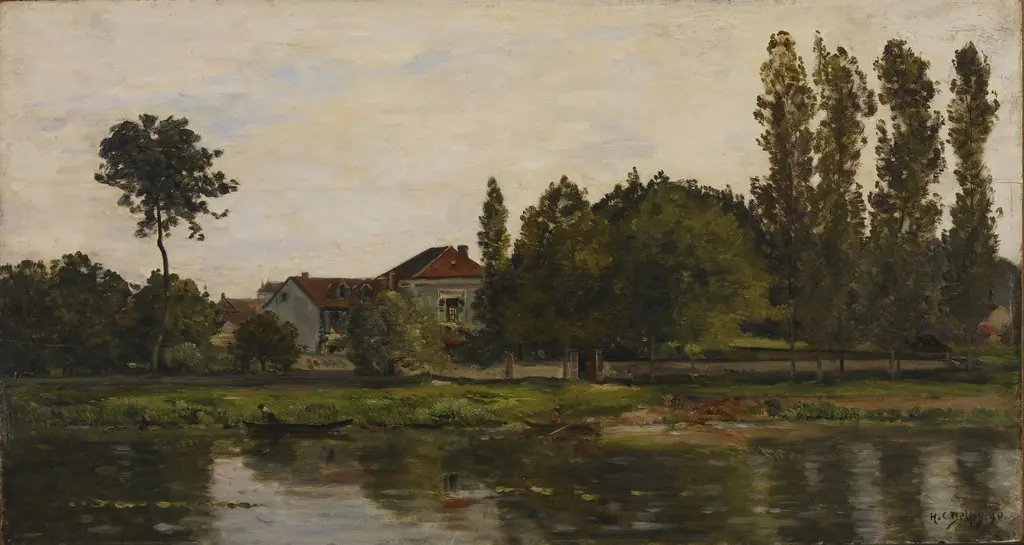
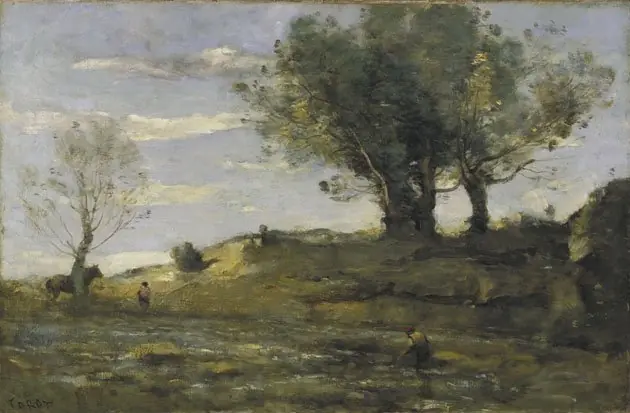
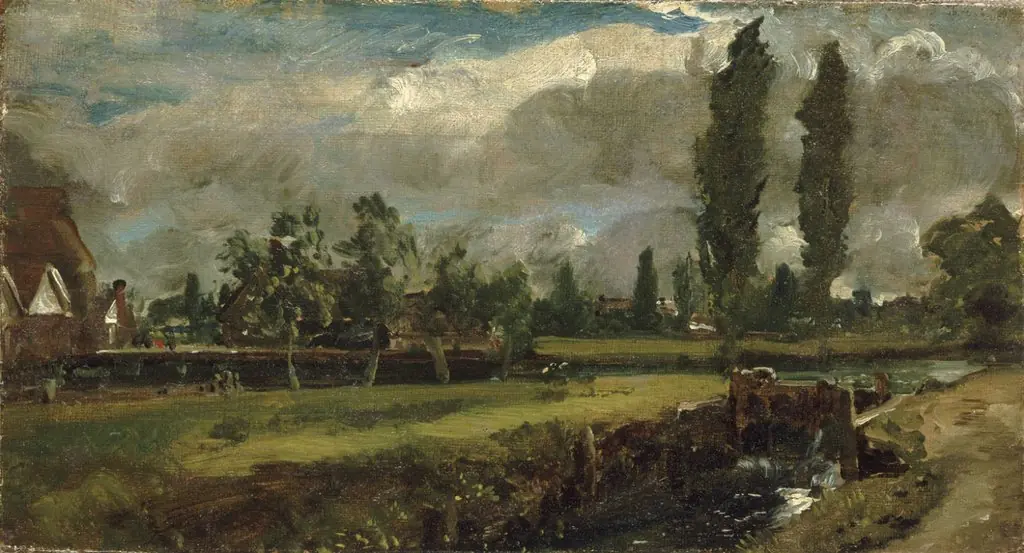
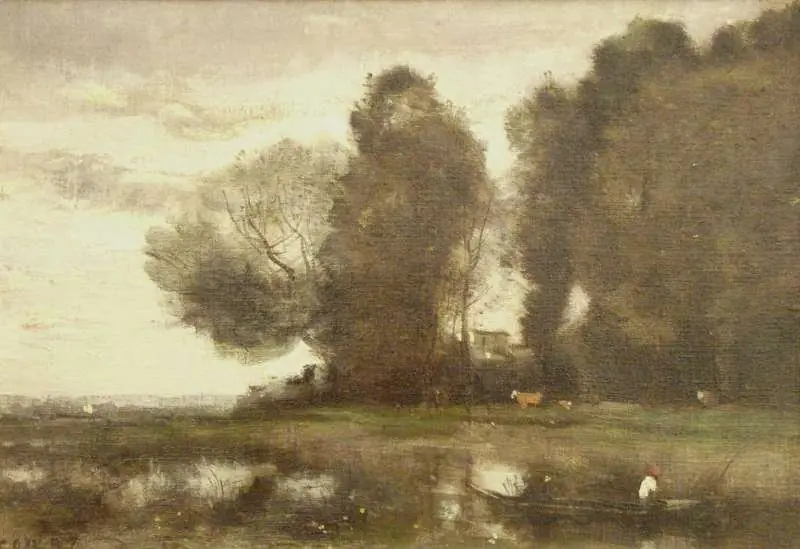
Auvers-sur-Oise: La mare à Daubigny is an unspecified painting by the Realist artist Jean Baptiste Camille Corot. It dates from 1857 and is held in the collection of the Fitzwilliam Museum.
About this work
Overview
It belongs to a series of rural scenes he produced during his travels in northern France.
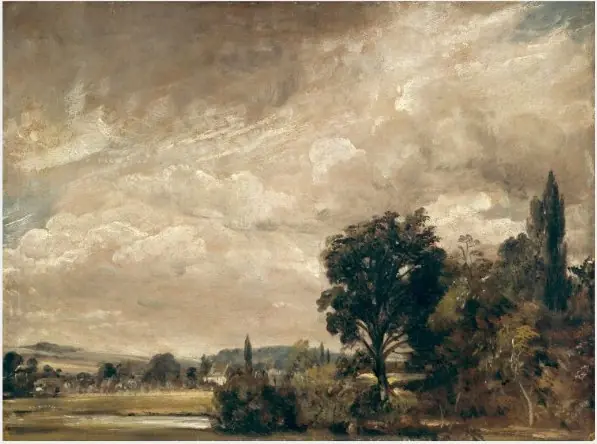
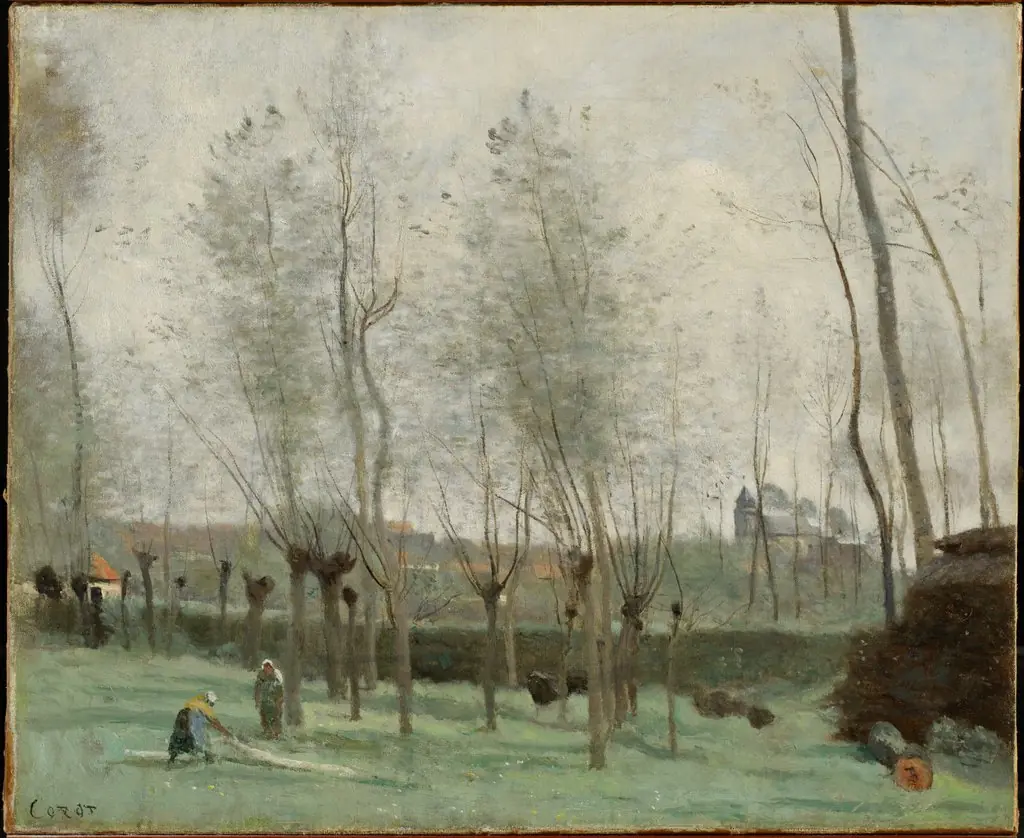
Painted in 1857, *Auvers-sur-Oise: La mare à Daubigny* is a landscape by Jean-Baptiste-Camille Corot that captures a quiet stretch of countryside near the village of Auvers-sur-Oise. Executed in the Realist tradition, the work reflects Corot’s interest in observing nature directly, blending careful observation with a poetic sensitivity to light and atmosphere. It belongs to a series of rural scenes he produced during his travels in northern France.
Subject & Meaning
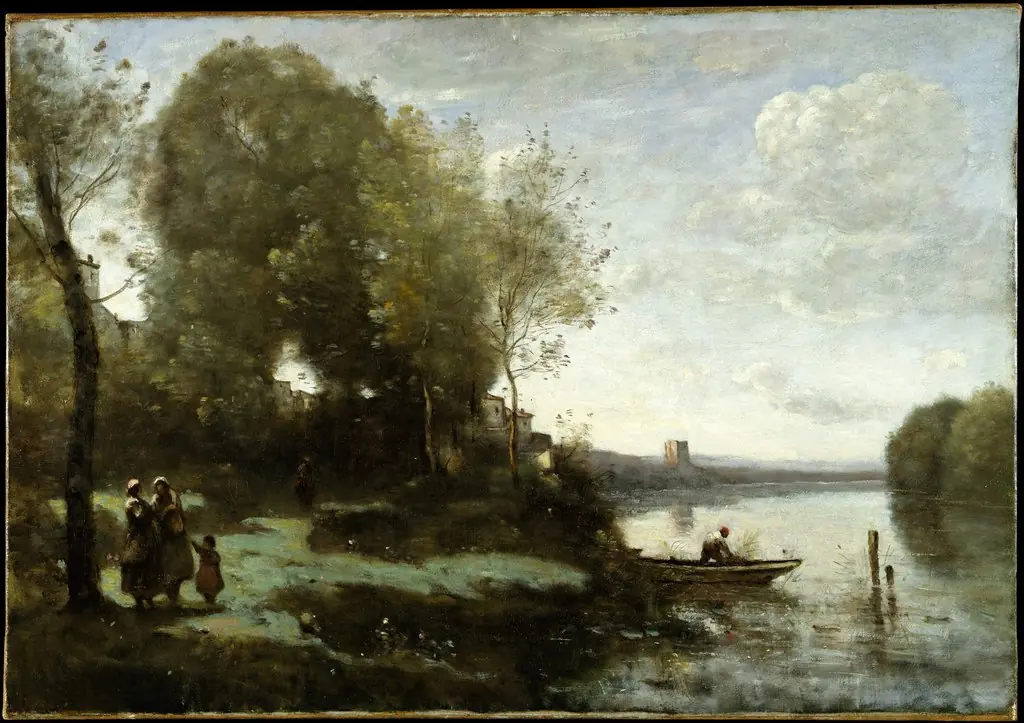
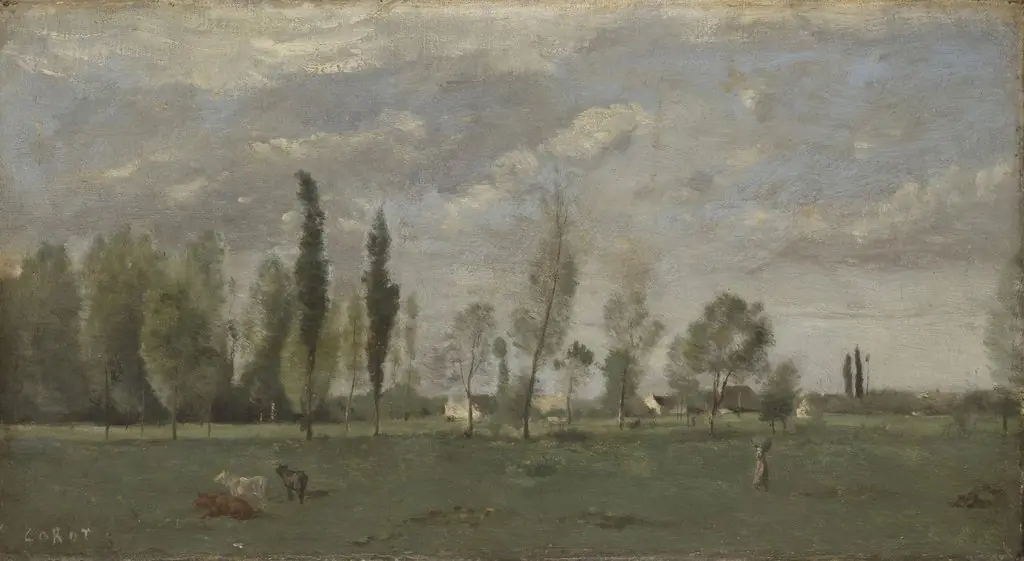
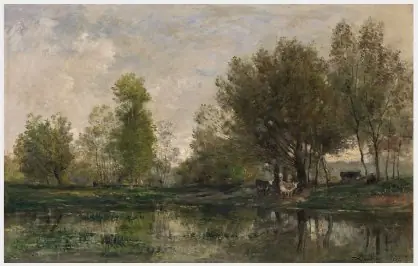
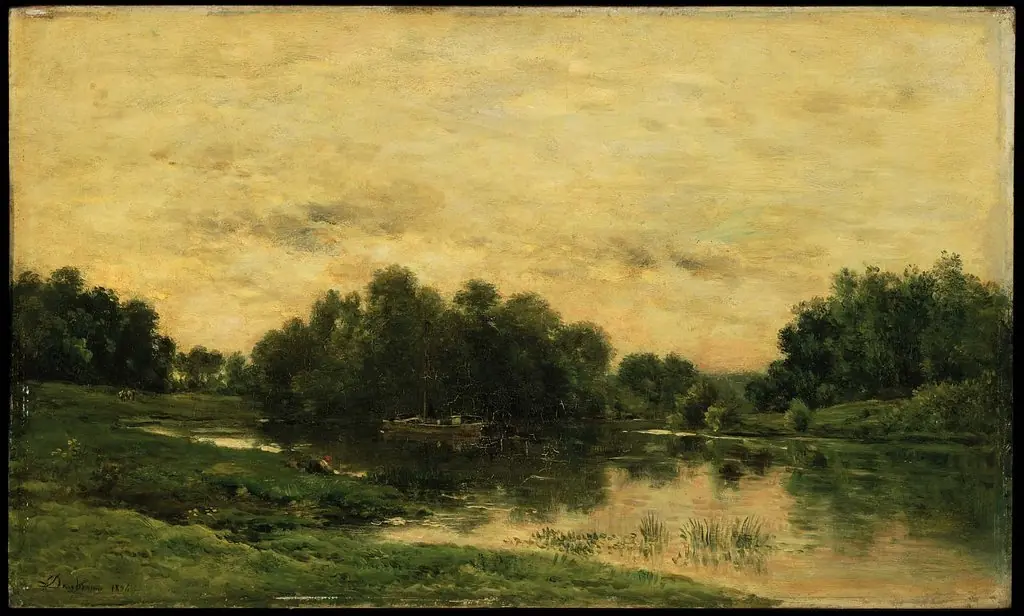
The painting presents a tranquil waterside setting with a modest dwelling, a low bridge, and a grove of trees lining the bank. Bare branches hint at early spring, while the faint emergence of buds suggests renewal. The scene lacks human figures, emphasizing solitude and the quiet rhythm of the natural world. Corot’s choice of subject reflects a contemplative engagement with the French countryside, free from idealization or narrative.
Technique & Style
Corot employed loose, fluid brushwork to suggest the movement of wind through foliage and the soft diffusion of light across water and sky. Colors are restrained—muted greens, grays, and pale whites—creating a harmonious, cool tonality. The paint is applied with a sense of immediacy, blurring the line between sketch and finished work. This approach prioritizes atmosphere over detail, anticipating the optical concerns of later Impressionists.
History & Provenance
Created during a period when Corot frequently visited the Île-de-France region, the painting was likely made on-site, as was his practice. It entered the Fitzwilliam Museum’s collection in the 19th century, part of a broader acquisition of French 19th-century works. Its provenance remains unbroken since its acquisition, preserving its original context within a major British institutional collection.
Context
In the mid-1850s, Corot was transitioning from the structured compositions of Neo-Classicism toward a more spontaneous mode of landscape painting. While aligned with Realism’s focus on everyday scenes, his work diverged by emphasizing mood over social commentary. His plein-air studies influenced younger artists, including those who would form the Impressionist circle, though he maintained a more lyrical, less radical approach.
Legacy
Corot’s treatment of light and atmosphere in this painting contributed to a shift in how landscape was perceived—not as a backdrop for narrative, but as a subject worthy of quiet, sustained attention. His technique, particularly the use of soft edges and tonal gradations, became a reference point for later generations. Though not overtly revolutionary, his work laid subtle groundwork for modern landscape painting.
Artist & collection
Artist
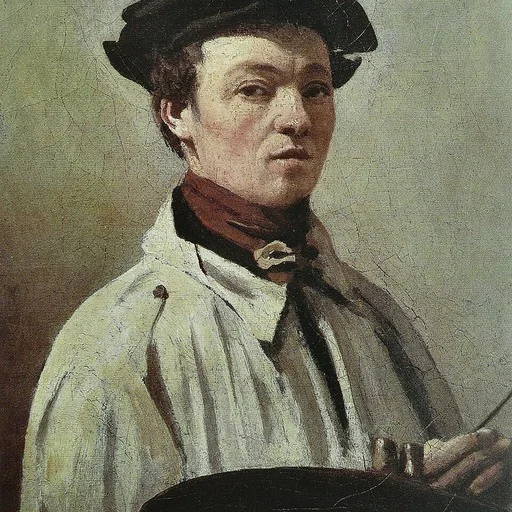
Jean-Baptiste-Camille Corot (UK: KORR-oh, US: kə-ROH, kor-OH; French: ; 16 July 1796 – 22 February 1875), or simply Camille Corot, was a French landscape and portrait painter as well as a printmaker in etching.