Artwork
View of Marino (recto); Sketch for a Landscape (verso)
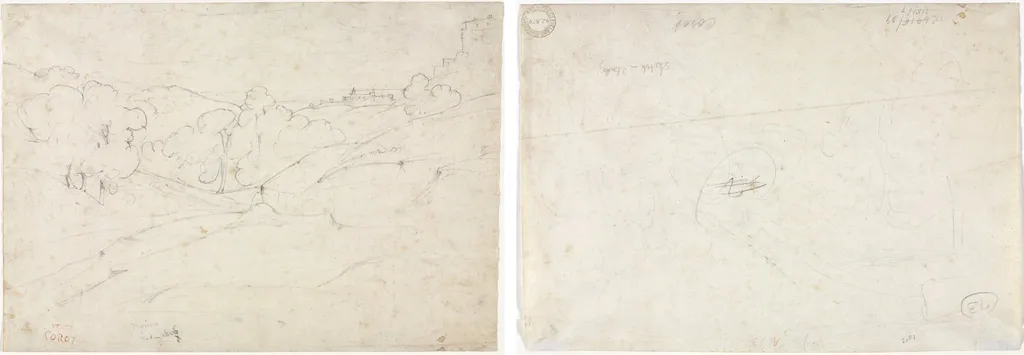
View of Marino (recto); Sketch for a Landscape (verso) is a drawing by the Romanticist artist Jean Baptiste Camille Corot. It dates from 1827 and is held in the collection of the Cleveland Museum of Art.
About this work
Overview
Created in 1827, this double-sided drawing by Jean-Baptiste-Camille Corot captures a moment of direct observation from the Italian countryside.
Created in 1827, this double-sided drawing by Jean-Baptiste-Camille Corot captures a moment of direct observation from the Italian countryside. One side presents a tentative rendering of the town of Marino, while the reverse holds a loose, experimental sketch of natural forms. Both sides reflect Corot’s habit of working rapidly in the open air, using minimal means to record visual impressions. The paper’s age and subtle wear suggest frequent handling and use in the field.
Subject & Meaning
The recto depicts a quiet view of Marino, a hilltop town near Rome, with simplified forms of trees, rolling hills, and a distant structure. The verso offers a more abstracted composition, focusing on the interplay of light and mass rather than specific landmarks. Neither image seeks grandeur; instead, they convey a quiet attentiveness to the rhythms of the landscape, emphasizing perception over narrative or idealization.
Technique & Style
Corot employed light, fluid pencil strokes to suggest form without heavy definition. The lines are hesitant and layered, revealing adjustments and revisions. Smudges and faint erasures indicate an iterative process, while the blank margins suggest the drawing was never intended as a finished work. The sparse use of tone and absence of detail reflect a practice oriented toward immediate response, prioritizing atmosphere over precision.
History & Provenance
The drawing was made during Corot’s first extended stay in Italy, a formative period for his artistic development. It remained in his possession until his death, later entering private collections before being acquired by The Cleveland Museum of Art. The artist’s signature on the verso confirms its origin and was likely added as a personal identifier, not for public display.
Context
In the 1820s, French artists were beginning to move beyond studio-based historic landscapes toward direct observation of nature. Corot’s sketches from this time, including this one, contributed to a shift in how landscape was understood—not as a staged composition, but as a transient experience shaped by light and place. His approach influenced younger painters who would later develop Impressionist methods.
Legacy
This drawing exemplifies Corot’s role in redefining landscape as a medium for personal observation. Its informal quality and emphasis on fleeting effects prefigure later 19th-century tendencies toward spontaneity and sensory immediacy. Though modest in scale and finish, such works became foundational to modern landscape practice, demonstrating how sketching could serve as both record and revelation.
Artist & collection
Artist
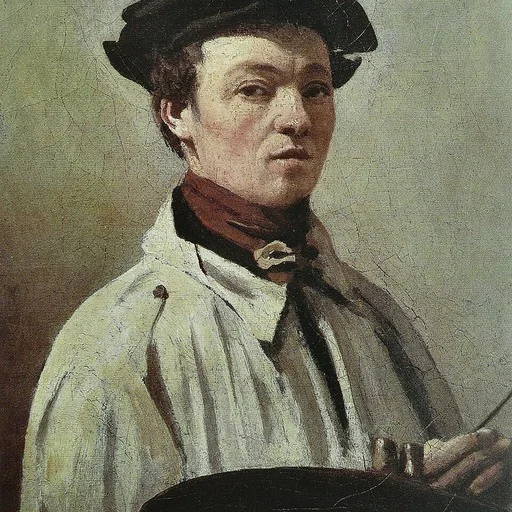
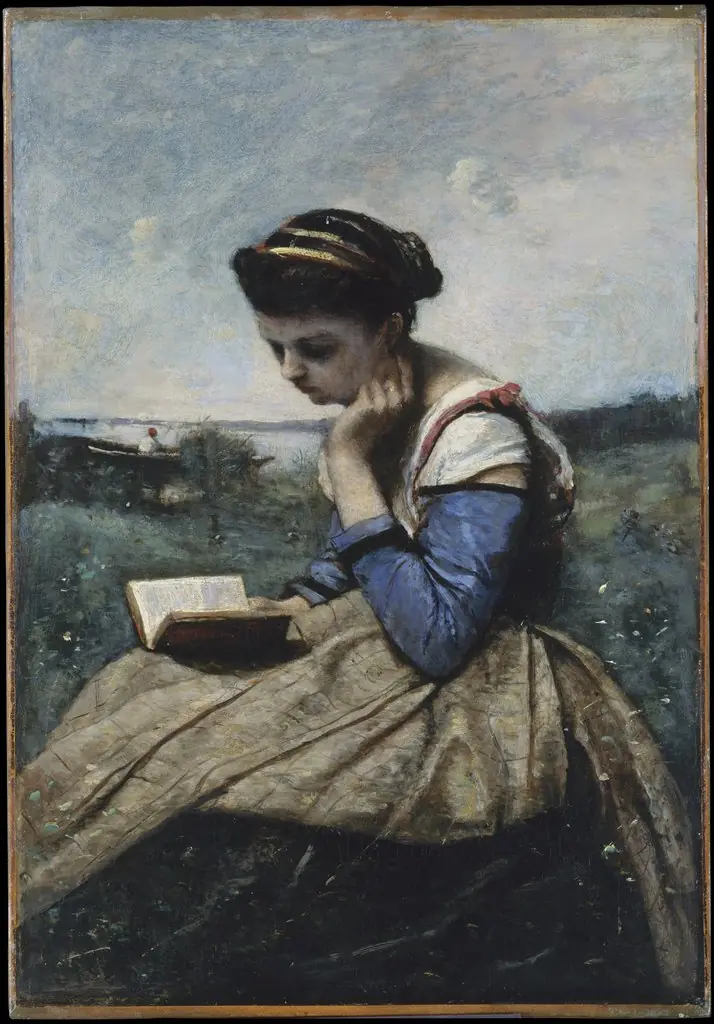
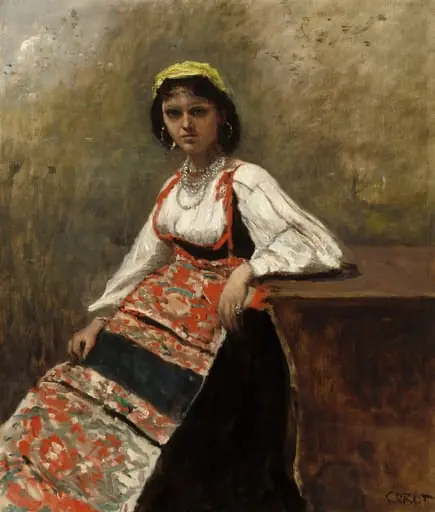
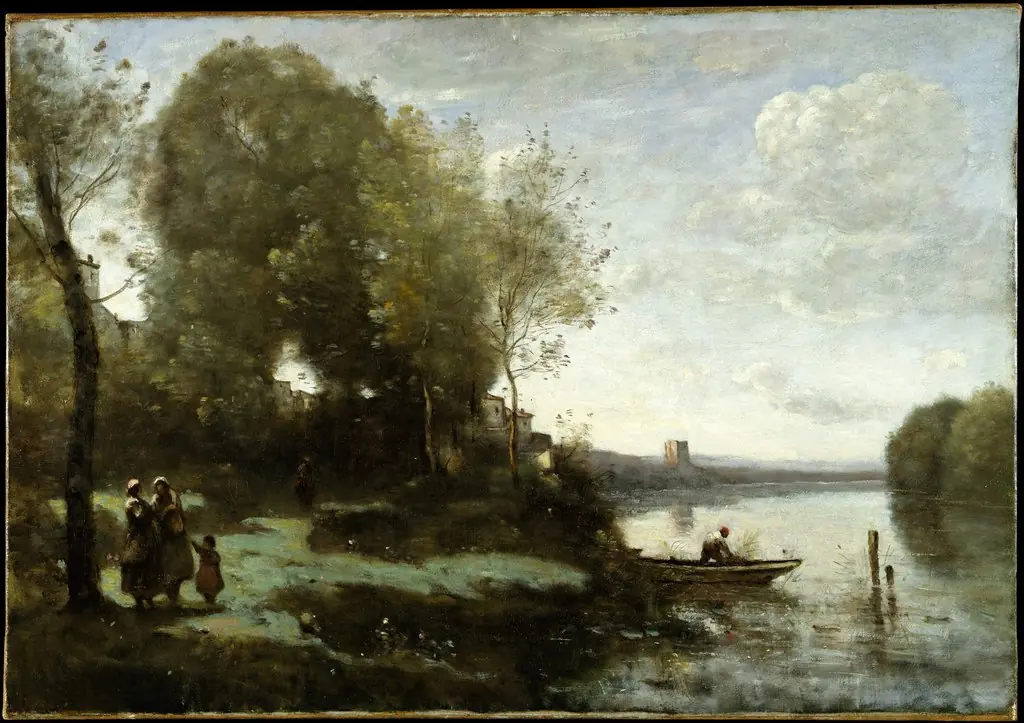
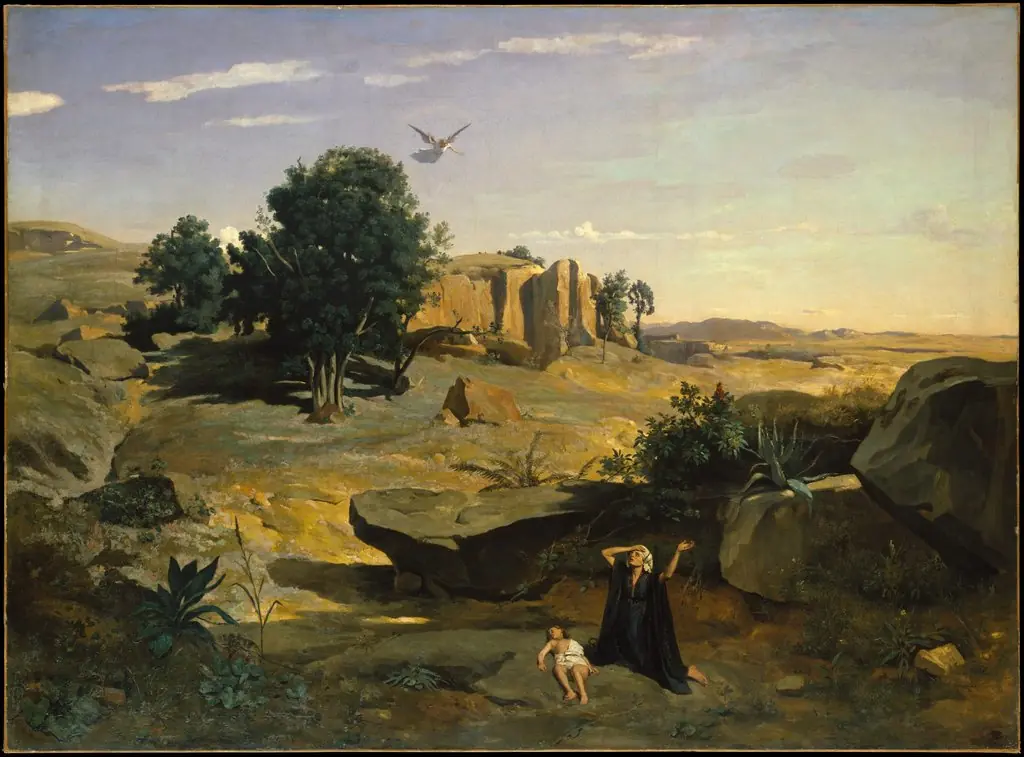
Jean-Baptiste-Camille Corot (UK: KORR-oh, US: kə-ROH, kor-OH; French: ; 16 July 1796 – 22 February 1875), or simply Camille Corot, was a French landscape and portrait painter as well as a printmaker in etching.

![Head of a Monkey; Inventory of Bottles and Beverages [verso], by Paul Gauguin](https://artifactworldgallery.com/img/paul-gauguin--head-of-a-monkey-inventory-of-bottles-and-beverages-verso--0d4bb62a8bd056d4-w320.webp) Head of a Monkey; Inventory of Bottles and Beverages [verso]
Head of a Monkey; Inventory of Bottles and Beverages [verso] Landscape Sketch with Bridge and Castle
![Figure on Horseback and Other Studies [verso], by Winslow Homer](https://artifactworldgallery.com/img/winslow-homer--figure-on-horseback-and-other-studies-verso--3909dbf700a8f786-w320.webp) Figure on Horseback and Other Studies [verso]
Figure on Horseback and Other Studies [verso] View from My Window in Rome (recto) Soldier in a Landscape (verso)
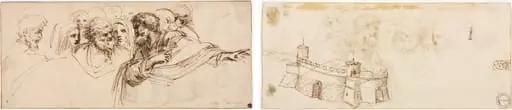 Study of Heads (recto); Crenelated Fortress (verso)
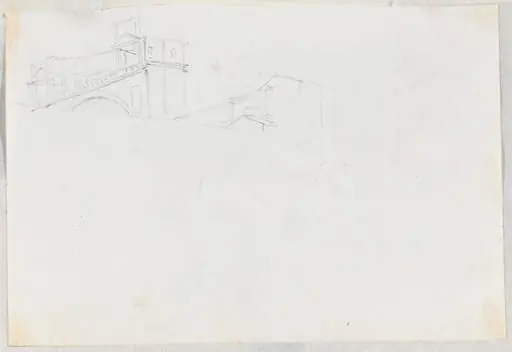 Classical Buildings above a Wall
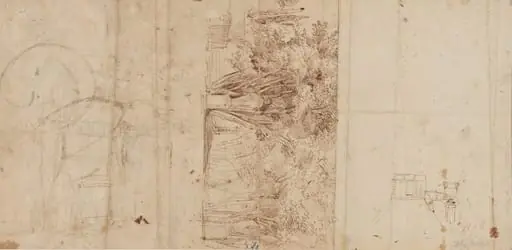 The Gardens of the Villa Medici
![Trees [verso], by David Cox](https://artifactworldgallery.com/img/david-cox--trees-verso--2f59ba73e183df09-w320.webp) Trees [verso]
Trees [verso]