Artwork
Peisaj
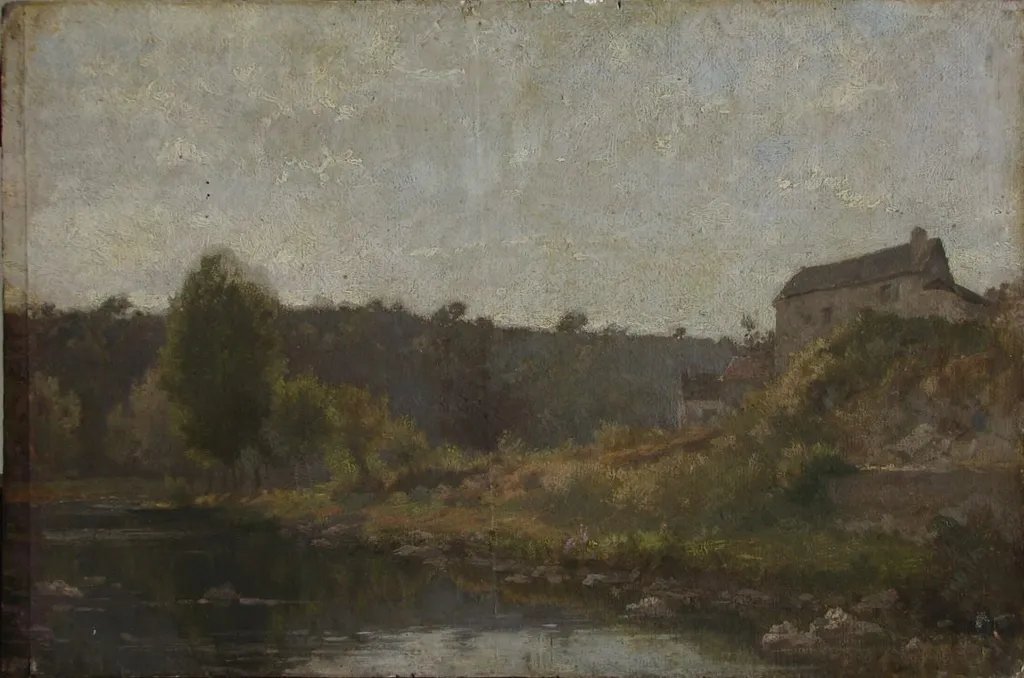
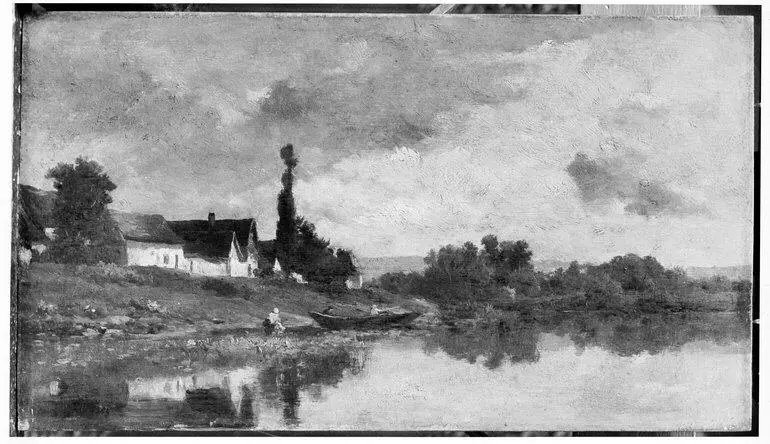
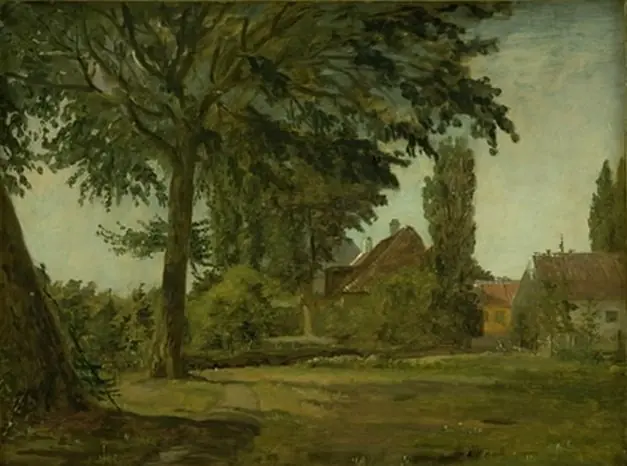
Peisaj is a print by Charles François Daubigny. It dates from 1855 and is held in the collection of the Brukenthal National Museum.
About this work
Overview
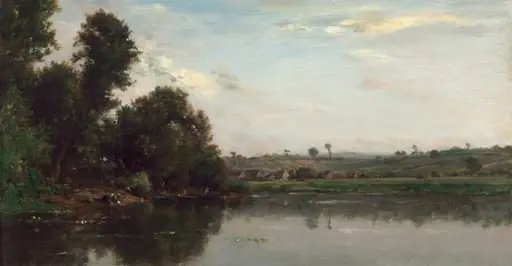
Peisaj, created by Charles-François Daubigny around 1855, is a landscape painting exemplifying the artist's naturalistic and atmospheric approach to rural scenes.
Subject & Meaning
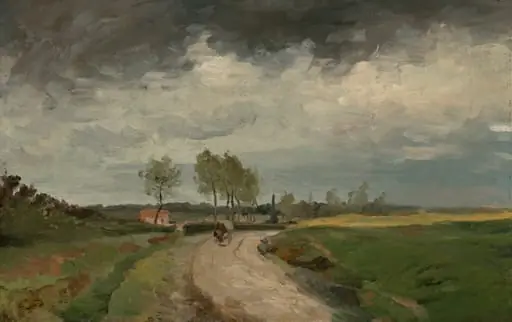
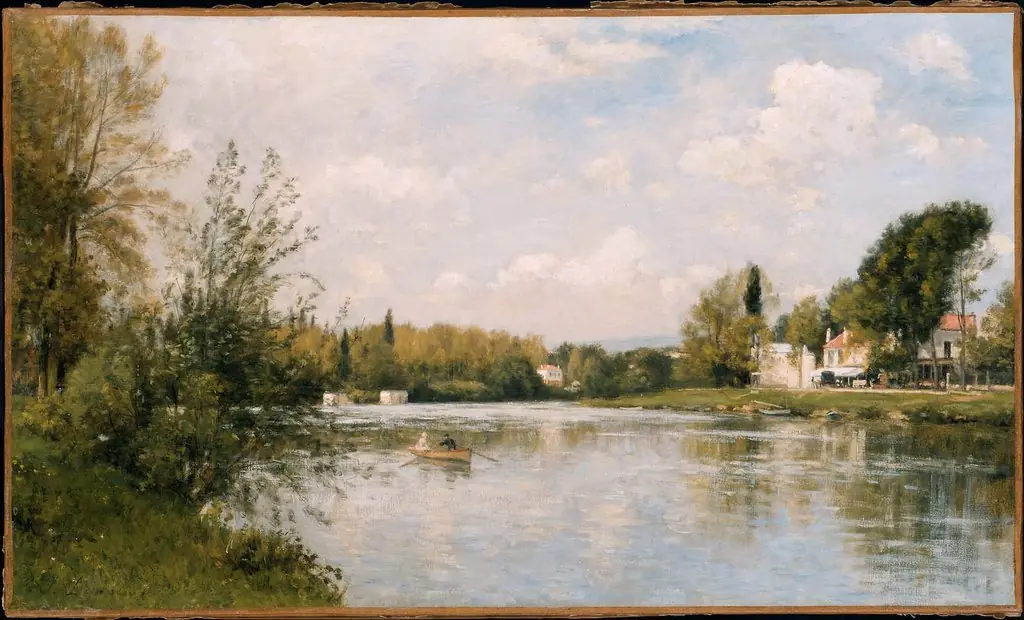
The painting depicts a serene riverside setting with small houses, trees, calm water, and a pale sky, emphasizing the capture of light and atmospheric effects in a countryside environment.
Technique & Style
Characterized by loose, sketchy brushstrokes, the work features muted earth tones (greens, browns, grays) without bright accents, contributing to a soft, naturalistic ambiance.
History & Provenance
Daubigny, associated with the Barbizon school and an influence on early Impressionism, utilized innovative techniques like etching and cliché verre in his broader practice, though *Peisaj* specifically highlights his painterly approach.
Context
Within Daubigny's oeuvre, *Peisaj* aligns with his penchant for rural landscapes, inviting comparison with his other works that similarly blend naturalism with atmospheric light effects.
Legacy
As a precursor to Impressionism, Daubigny's works, including *Peisaj*, influenced the development of outdoor, light-focused painting practices in the late 19th century.
Artist & collection
Artist
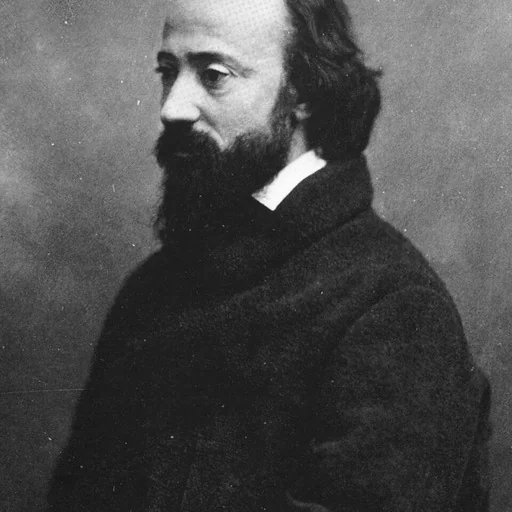
Charles-François Daubigny ( DOH-bin-yee, US: DOH-been-YEE, doh-BEEN-yee, French: ; 15 February 1817 – 19 February 1878) was a French painter, one of the members of the Barbizon school, and is considered an important precursor of…

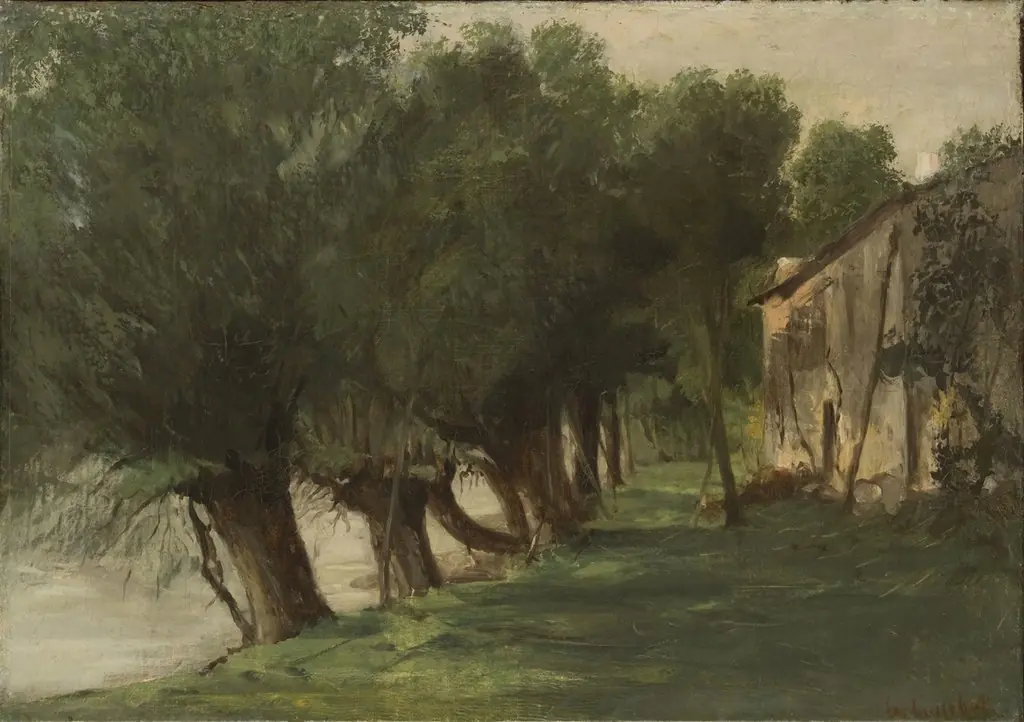 La Charente, Port-Berteau
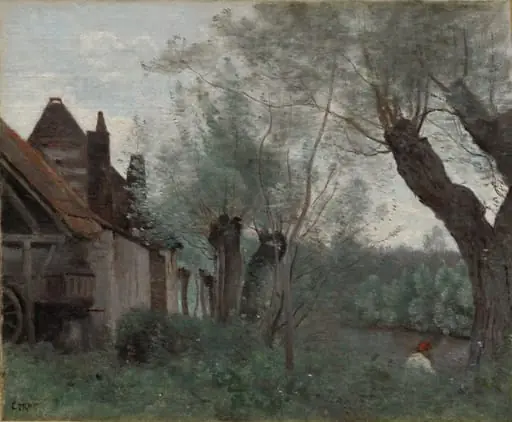 Willows and Farmhouse at Sainte-Catherine-lès-Arras
 The Marne at La Varenne
 Berglandschap in Voreppe, Dauphiné
 Landscape
 View from Kalwaria Zebrzydowska
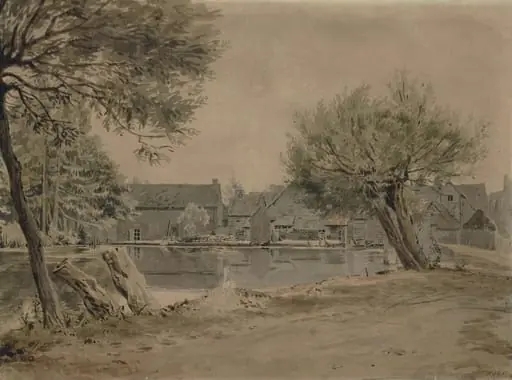 Mill at Mapledurham (?) on the Thames
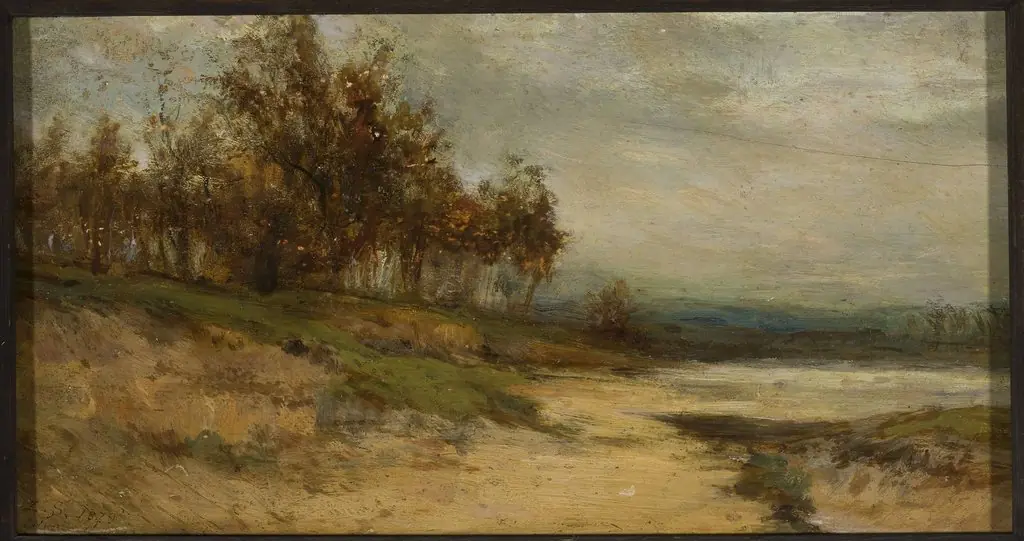 Landscape with a bunch of trees
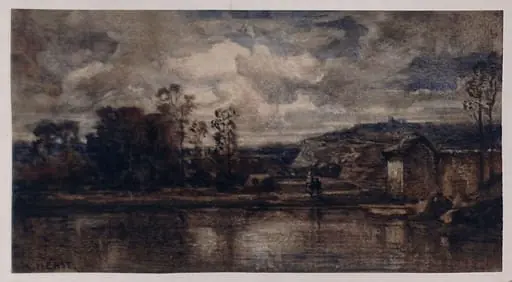 Landscape with pond
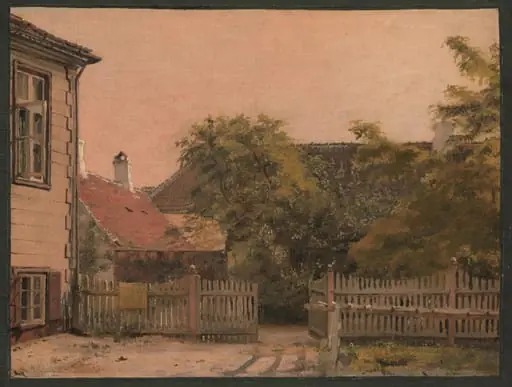 A Corner of the Artist´s Father's House
 View of Falkonerallé outside Copenhagen