Artwork
Head of a Young Girl
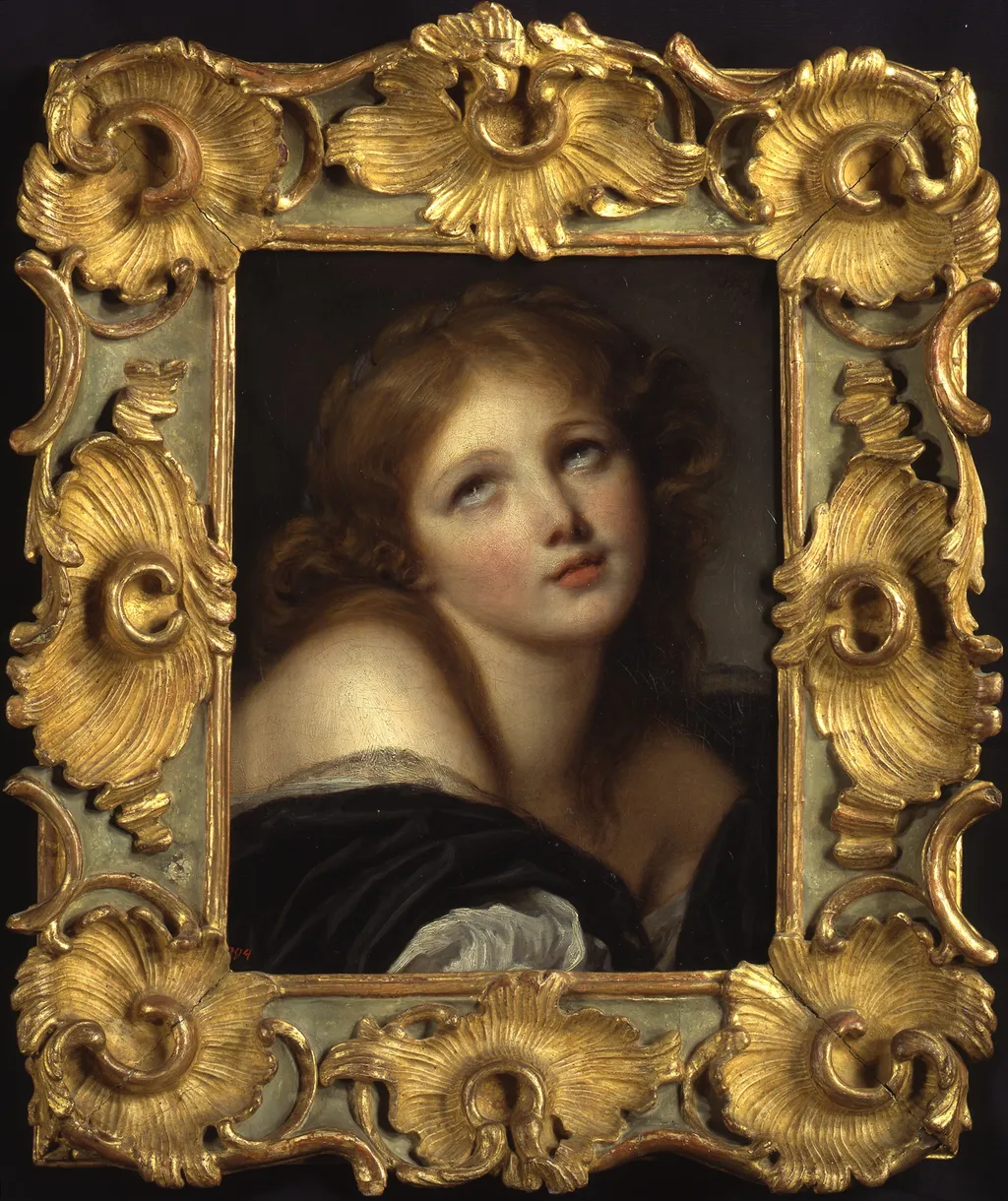
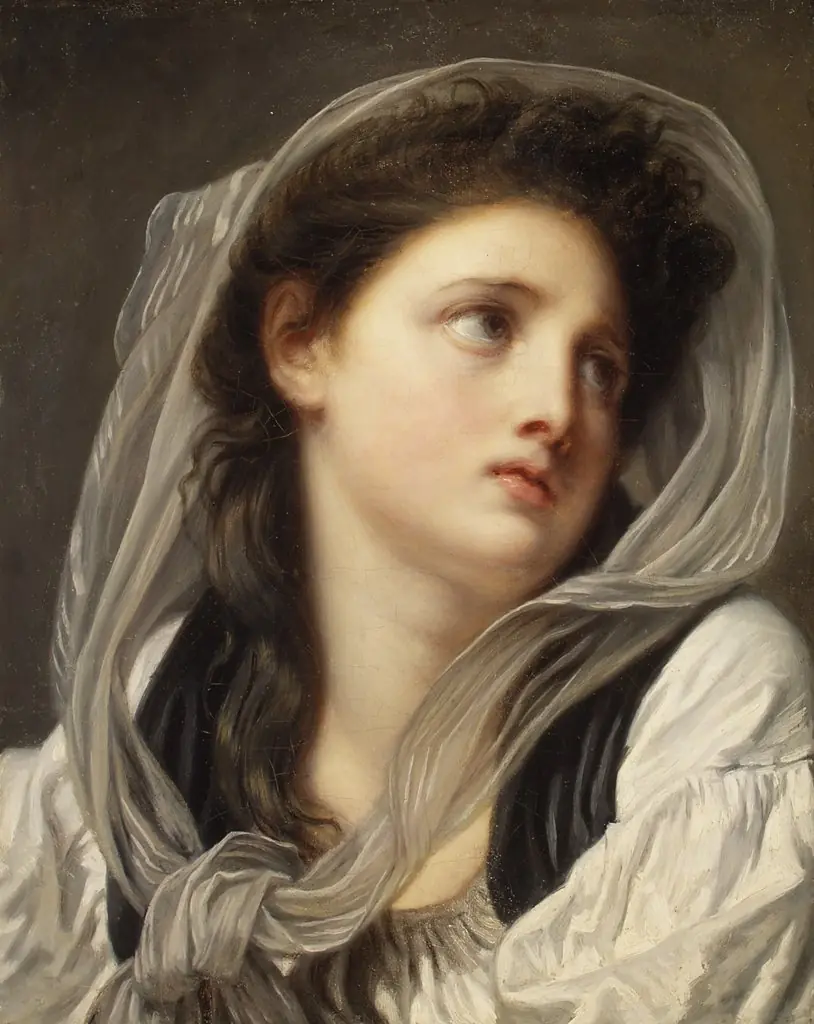
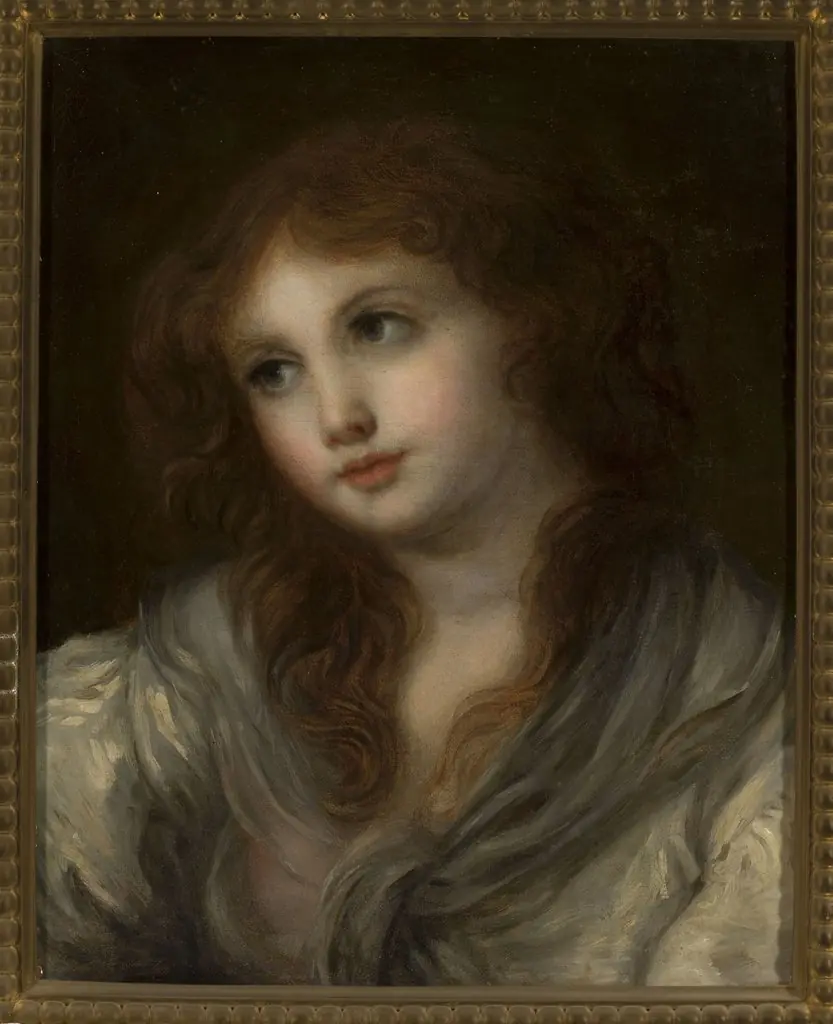
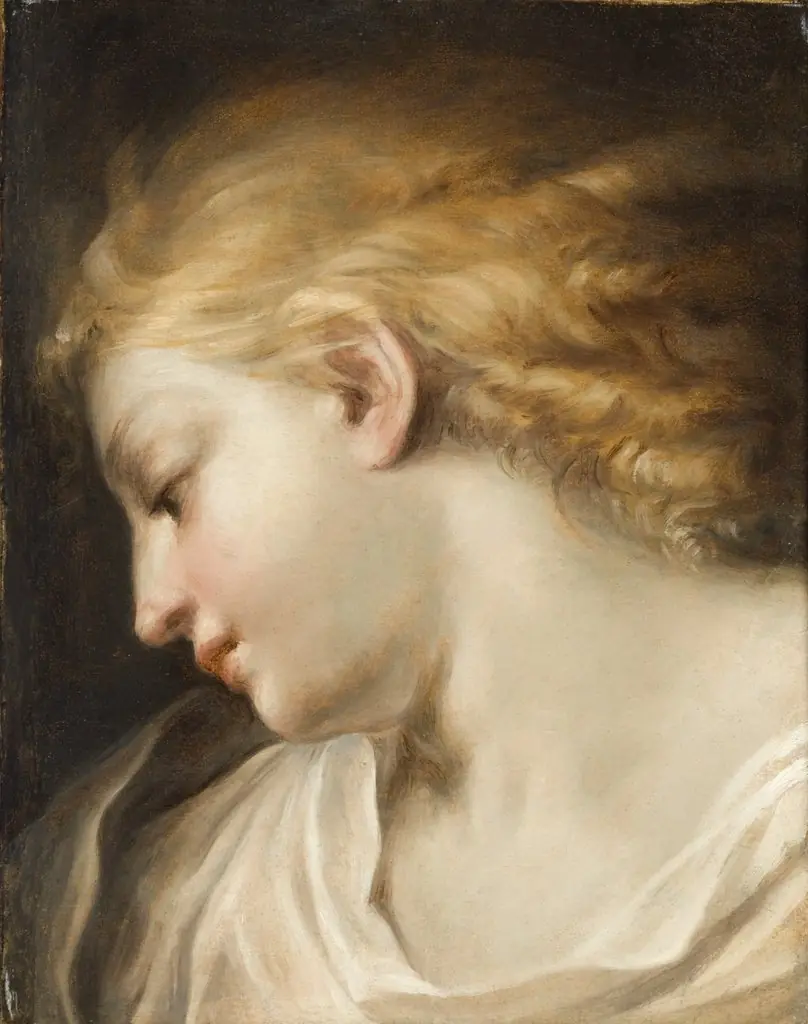
Head of a Young Girl is an oil painting by the Rococo painting artist Jean-Baptiste Greuze. It dates from 1794 and is held in the collection of the Gemäldegalerie Berlin.
About this work
Overview
The composition emphasizes psychological presence over narrative, aligning with Greuze’s preference for personal, restrained expression.
Painted in 1794 by Jean-Baptiste Greuze, this oil portrait captures a young girl in quiet repose. Executed during the later phase of his career, the work reflects his enduring focus on intimate portraiture. It resides in the Gemäldegalerie Berlin, part of a broader collection of 18th-century French paintings. The composition emphasizes psychological presence over narrative, aligning with Greuze’s preference for personal, restrained expression.
Subject & Meaning
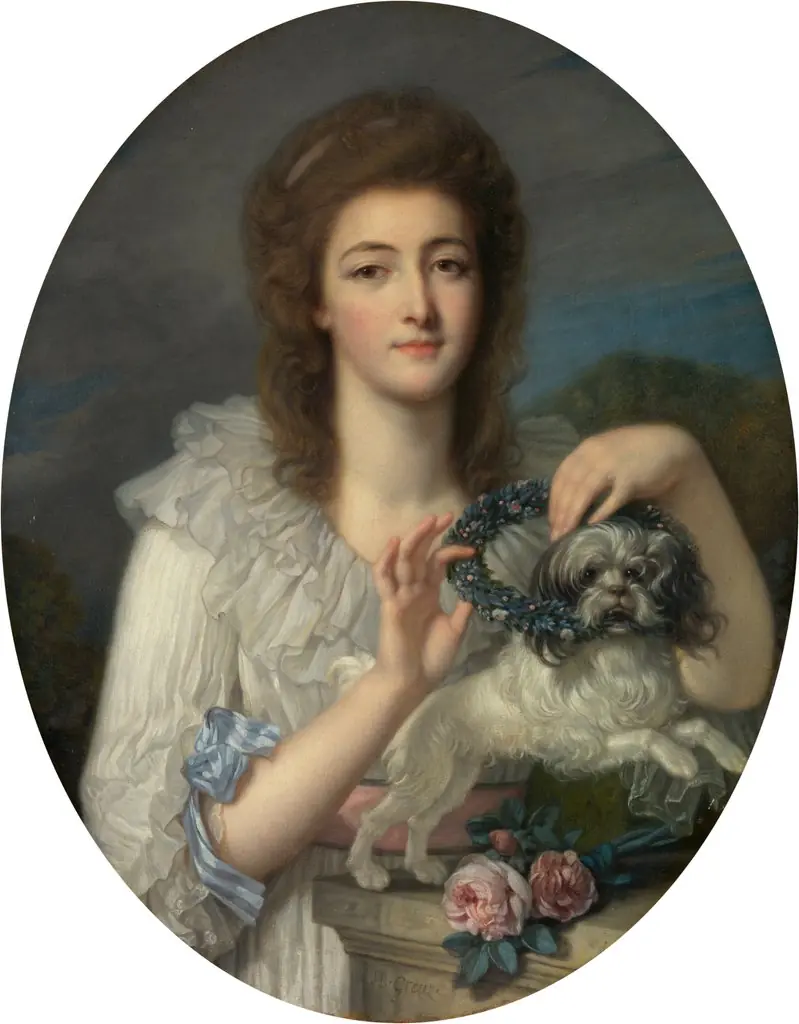
The subject is a young girl, her gaze soft and inward, head tilted gently to the right. Her expression conveys calmness rather than theatrical emotion, avoiding sentimentality. The simplicity of her white dress and loose curls suggests modesty and youth, typical of Greuze’s depictions of children and adolescents. The painting invites contemplation rather than storytelling, emphasizing the dignity of ordinary subjects.
Technique & Style
Greuze employed subtle chiaroscuro to model the girl’s face, using soft transitions between light and shadow to create volume. The background is rendered in muted tones, receding to isolate the figure. Brushwork is refined but not overly polished, preserving a sense of immediacy. The high neckline and delicate curls are rendered with precision, reflecting his training in academic portraiture while avoiding the ornamental excesses of Rococo.
History & Provenance
Created in 1794, the painting emerged during a period when Greuze’s style was increasingly seen as outdated amid rising Neoclassical tastes. It remained in private hands before entering the Gemäldegalerie Berlin’s collection, likely through acquisition in the 19th century. Its survival reflects continued appreciation for Greuze’s psychological depth, even as artistic trends shifted away from his approach.
Context
In the 1790s, French art was moving toward Neoclassicism, favoring idealized forms and civic themes. Greuze’s focus on individual character and domestic intimacy stood in contrast. This portrait, though small in scale, carried forward his lifelong interest in the emotional life of ordinary people, particularly women and children, a theme that had defined his reputation since the mid-18th century.
Legacy
Though not among Greuze’s most celebrated works, this portrait exemplifies his consistent commitment to nuanced psychological portrayal. It contributes to the understanding of how portraiture evolved in late 18th-century France, bridging the emotional intimacy of Rococo with the emerging seriousness of Neoclassicism. The painting remains a quiet testament to his skill in capturing fleeting human presence.
Artist & collection
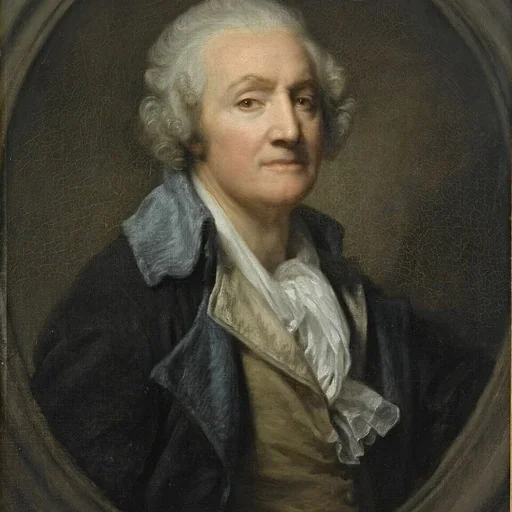
Artist
Jean-Baptiste Greuze (French pronunciation: , 21 August 1725 – 4 March 1805) was a French painter of portraits, genre scenes, and history painting.