Artwork
Penitent Magdalene
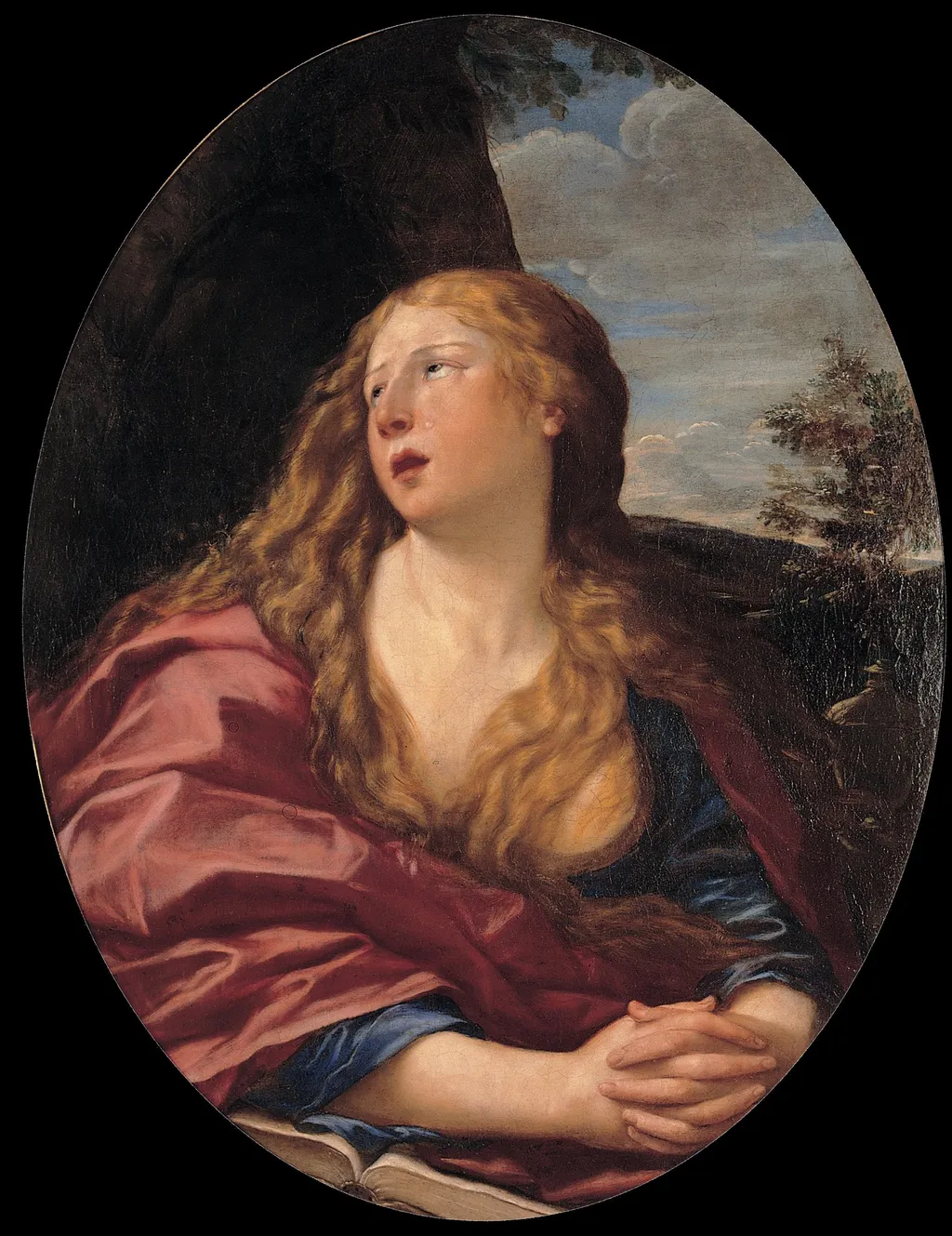
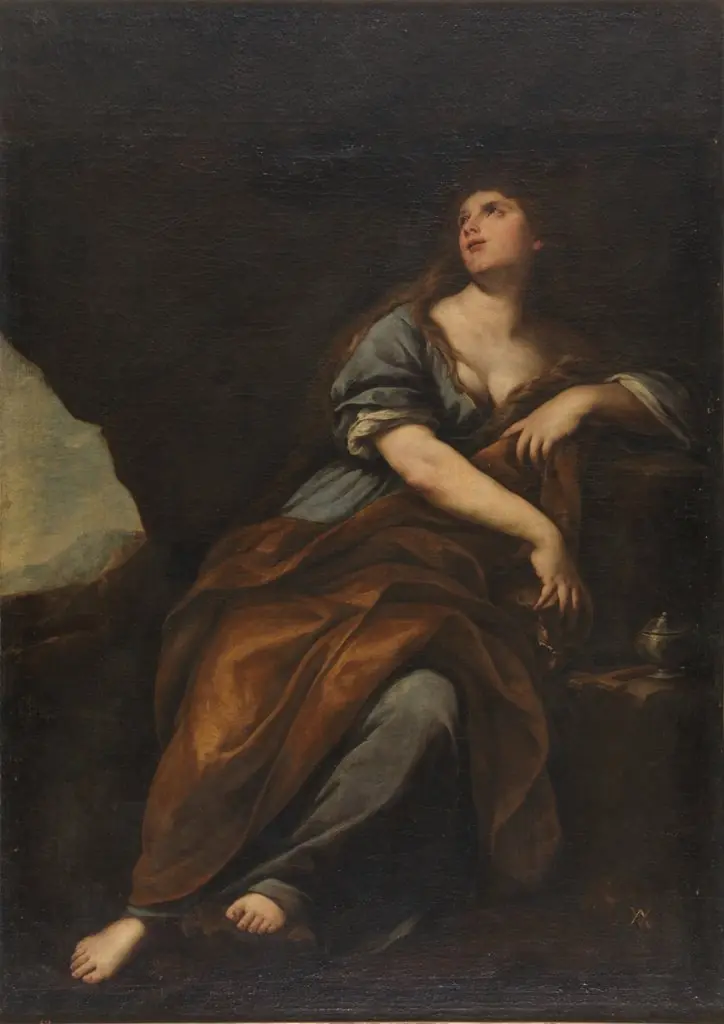
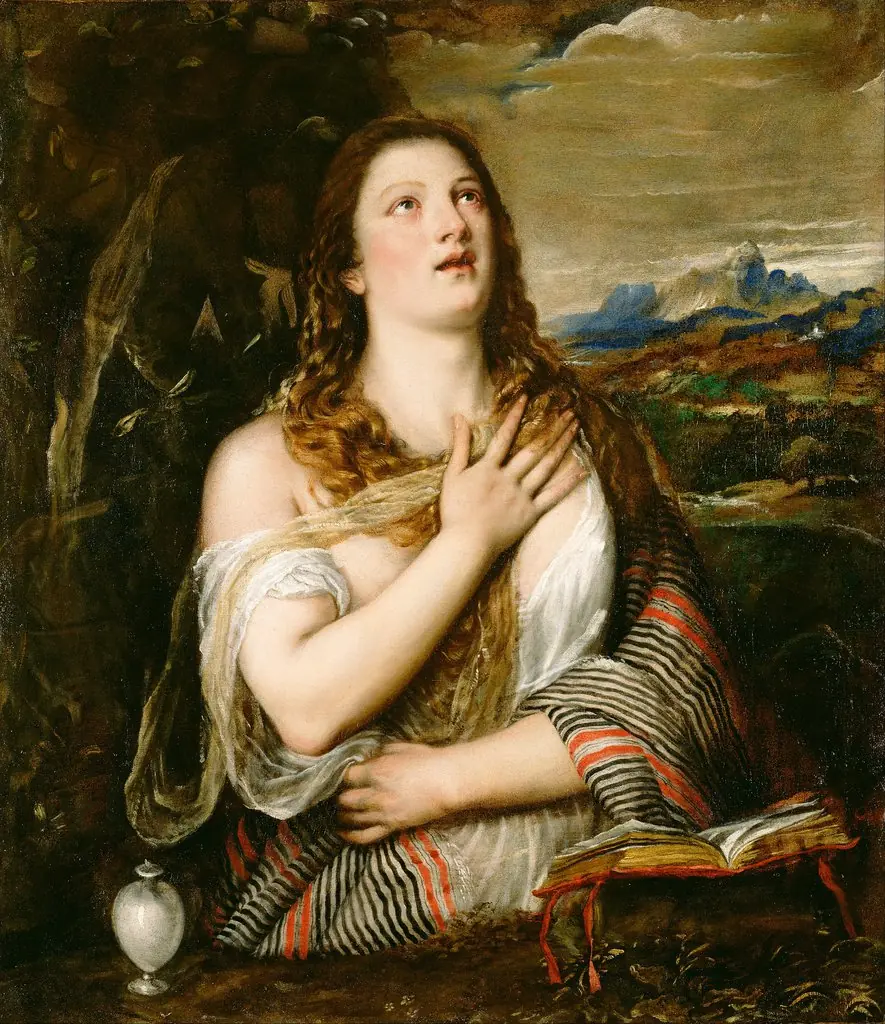
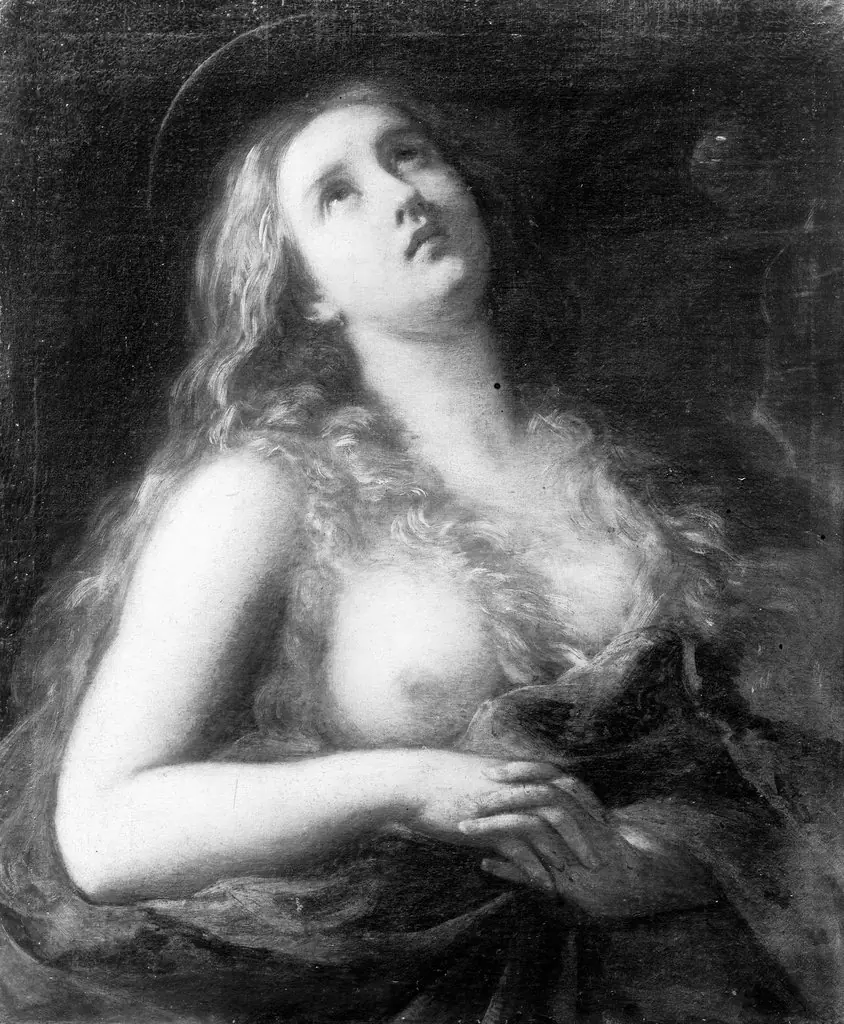
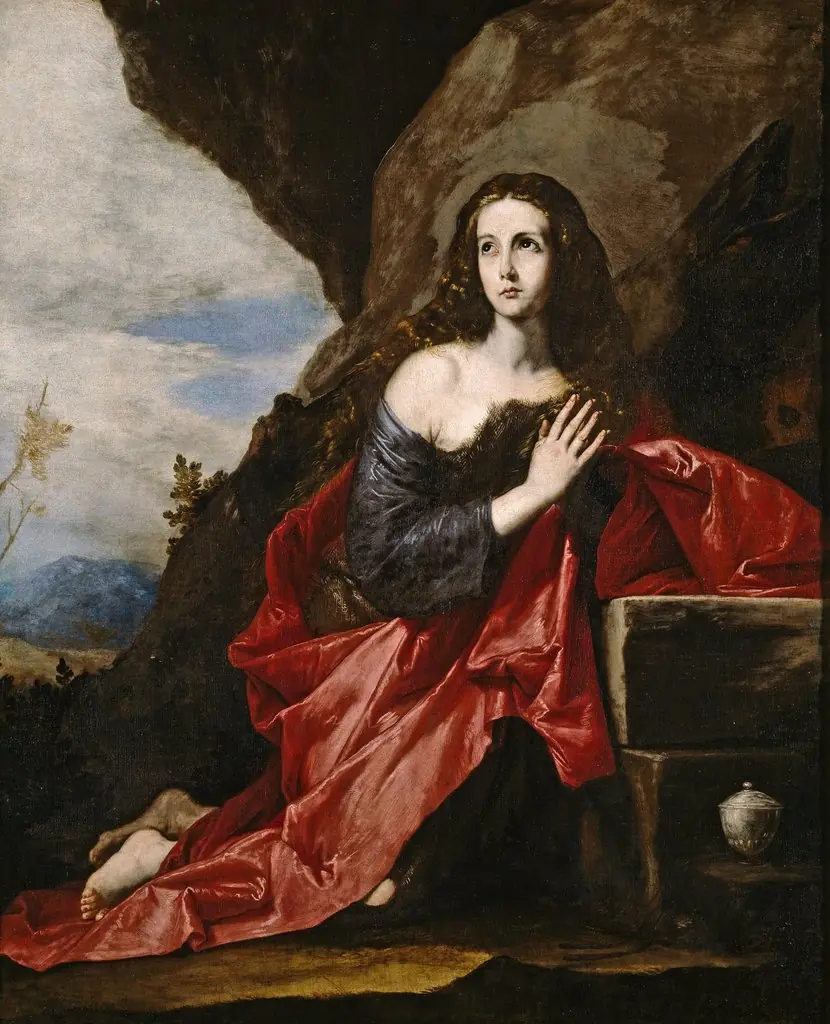
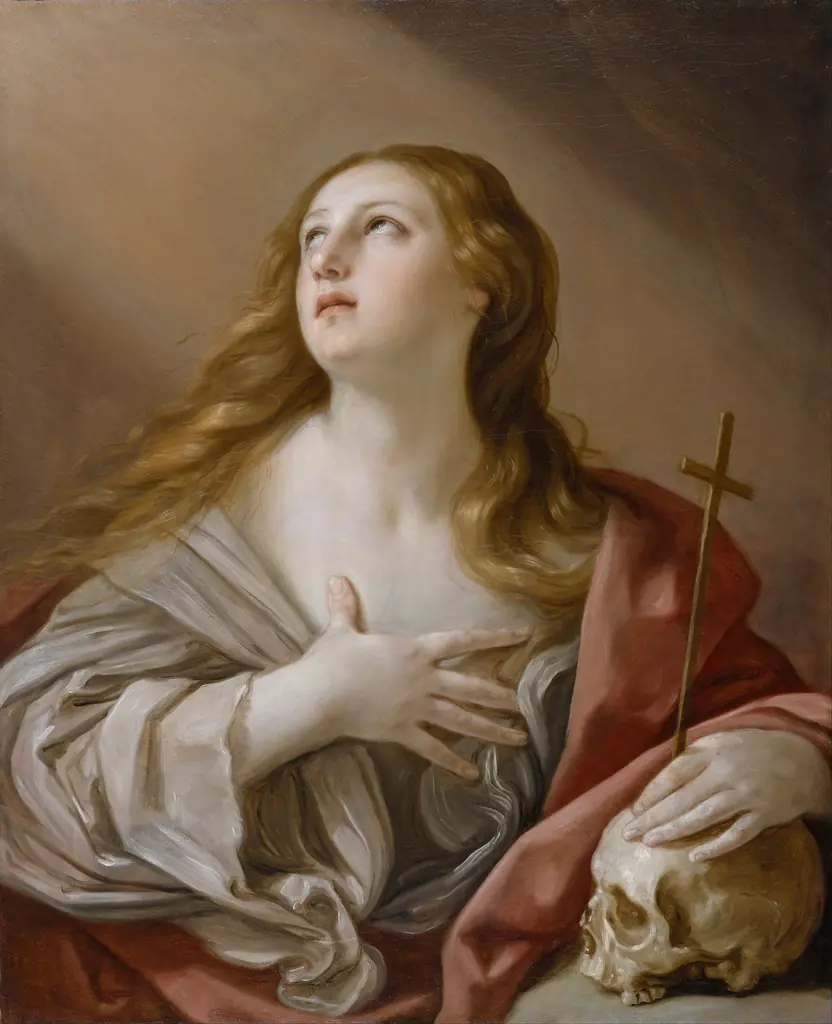
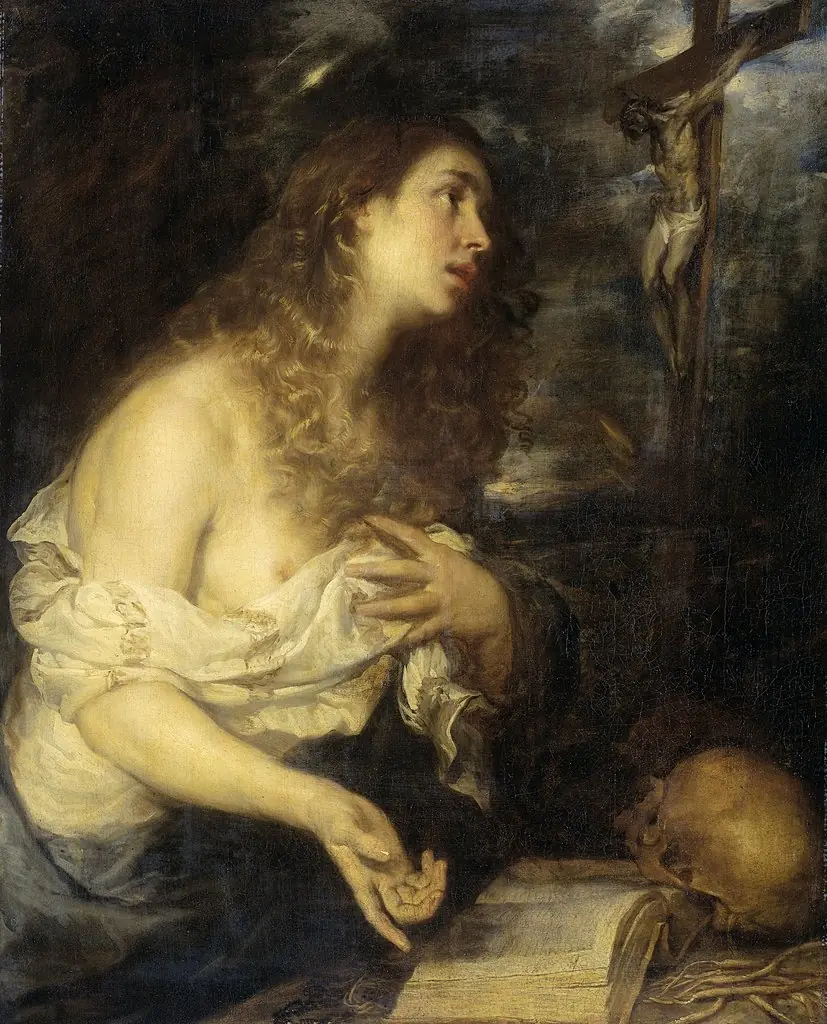
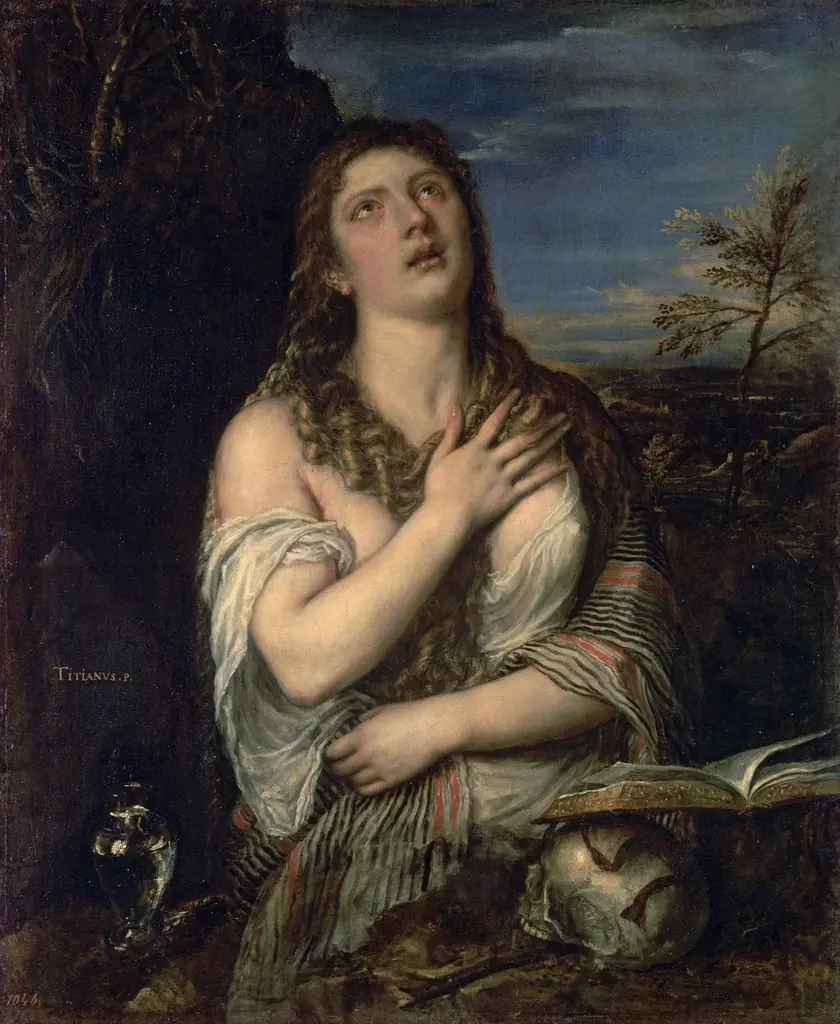
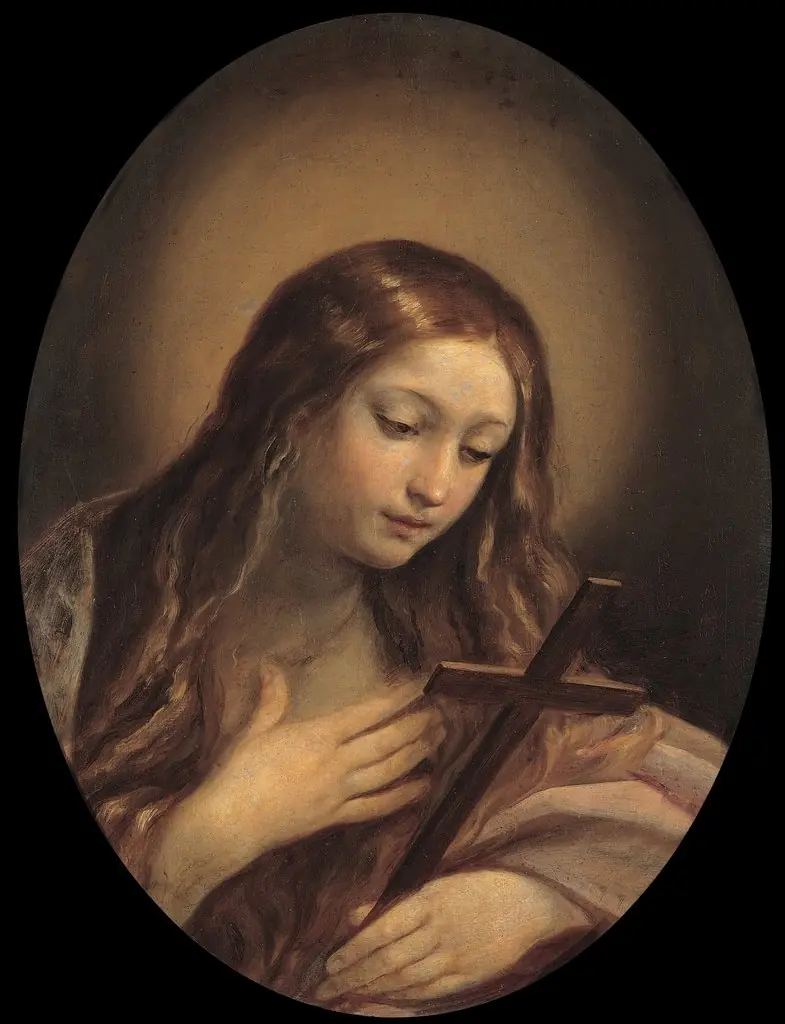
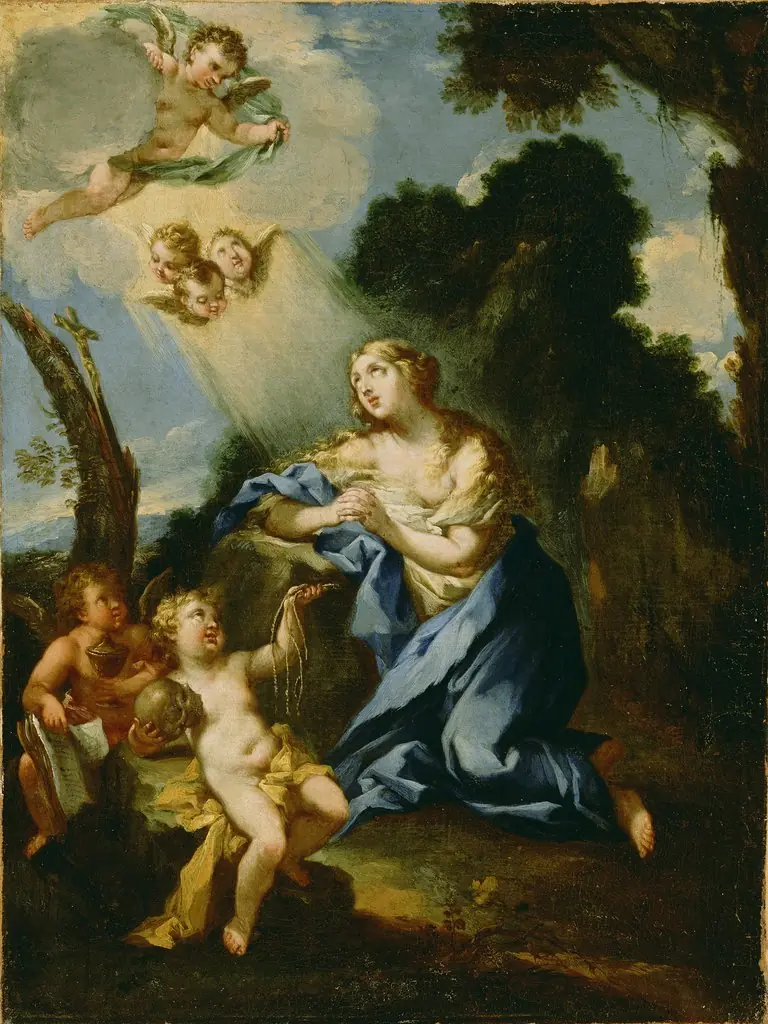
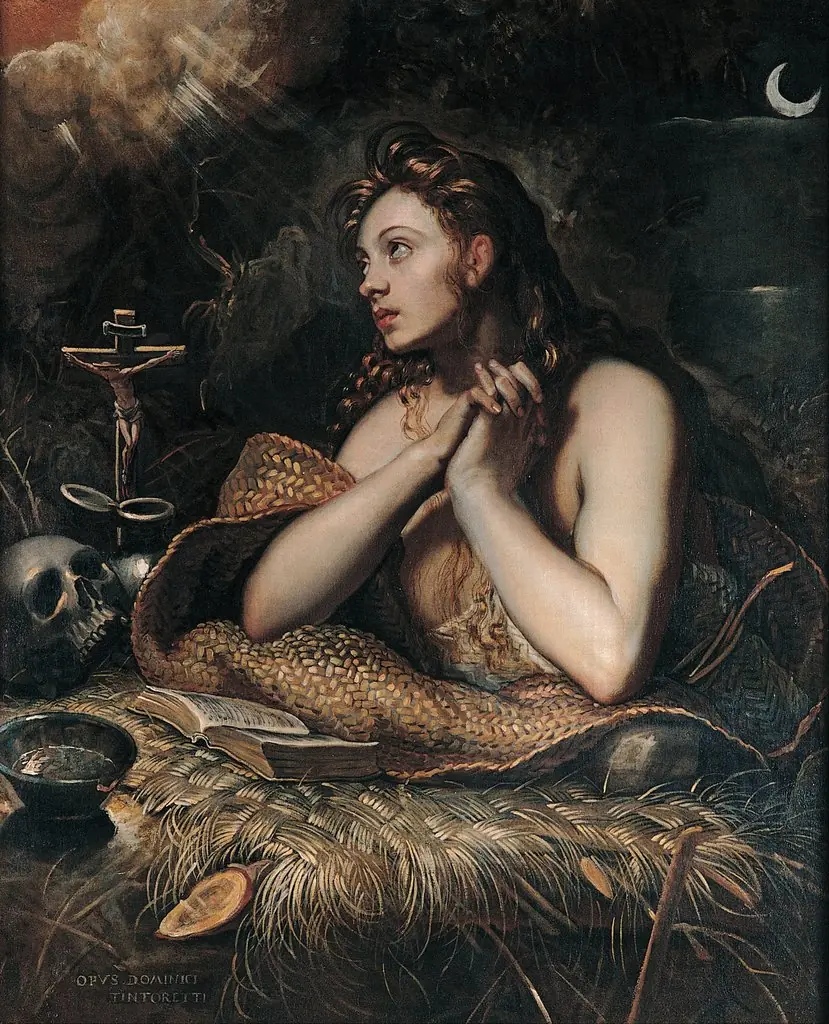
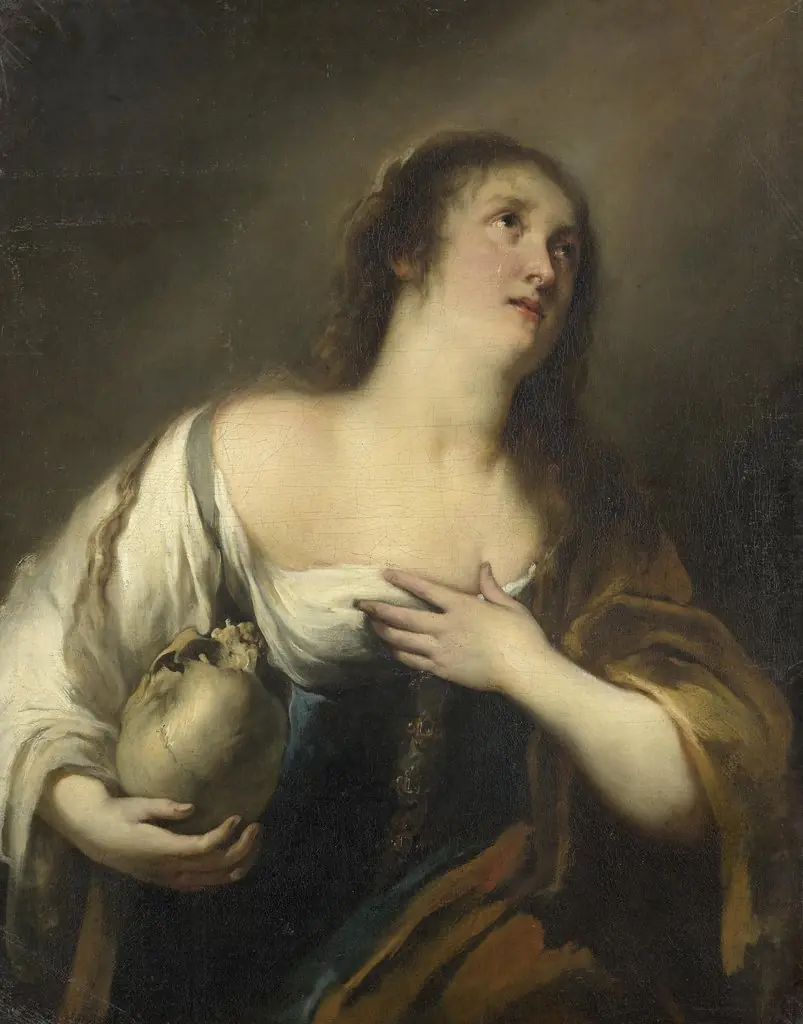
Penitent Magdalene is an oil painting by the Early Baroque Italian artist Francesco Albani. It dates from 1625 and is held in the collection of the Capitoline Museums.
About this work
Overview
Its composition centers on the figure seated in stillness, surrounded by a calm natural setting that enhances the sense of inward focus.
Painted in 1625 by Francesco Albani, this oil-on-canvas work portrays Mary Magdalene in a moment of private devotion. Executed with refined technique, the painting is part of the Capitoline Museums’ collection in Rome. Its composition centers on the figure seated in stillness, surrounded by a calm natural setting that enhances the sense of inward focus. The work reflects Albani’s engagement with Counter-Reformation themes of repentance and spiritual renewal.
Subject & Meaning
The figure is Mary Magdalene, traditionally depicted after her conversion as a penitent sinner. Her upward gaze and clasped hands suggest prayerful contemplation rather than despair. The absence of overt symbols like skulls or crosses shifts emphasis to internal emotion. Her refined attire and composed posture convey dignity, aligning with early 17th-century interpretations that softened her image into one of quiet grace and moral transformation.
Technique & Style
Albani employs chiaroscuro to model the figure’s form, directing light toward the face and hands to underscore emotional focus. Glazing layers build luminous skin tones and rich fabric depths, while subtle impasto adds texture to the cloak’s folds. The landscape, rendered with soft brushwork and muted hues, recedes gently behind her, reinforcing the intimacy of the scene without competing for attention.
History & Provenance
The painting entered the Capitoline Museums’ collection in the 18th century, likely through the Aldobrandini family’s holdings, which were absorbed into the state collection. Its presence in Rome suggests it was commissioned or acquired by a patron aligned with the Church’s spiritual ideals. No documentation of its original commission survives, but its quality indicates a private or ecclesiastical patronage.
Context
Created during the height of the Counter-Reformation, the image responds to calls for accessible religious imagery that evoked personal piety. Albani, influenced by Correggio and the Bolognese school, favored lyrical, emotionally restrained figures over dramatic spectacle. This work aligns with contemporary devotional paintings meant to inspire quiet reflection rather than public spectacle.
Legacy
Though not widely reproduced, the painting exemplifies Albani’s contribution to Bolognese classicism and the evolution of Magdalene iconography. Its restrained emotion and technical polish influenced later artists seeking to balance spiritual gravity with aesthetic harmony. It remains a quiet reference point in the history of Baroque religious painting, valued for its subtlety over theatricality.
Artist & collection

Artist
Francesco Albani or Albano was an Italian Baroque painter of Albanian descent who was active in Bologna, Rome, Viterbo (1609–1610), Mantua (1621–1622) and Florence (1633).