Artwork
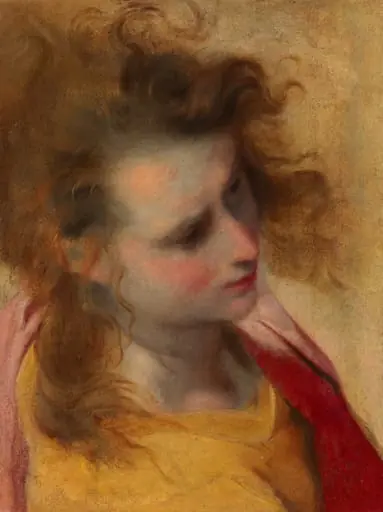
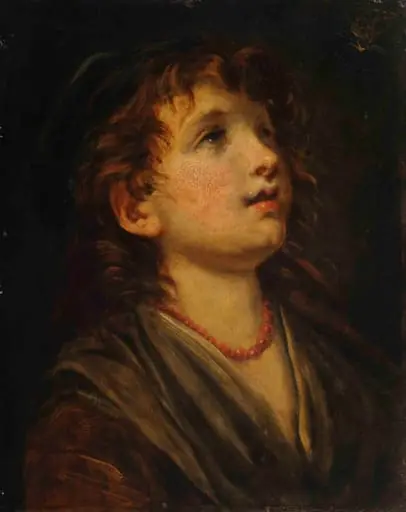
Head of an Angel
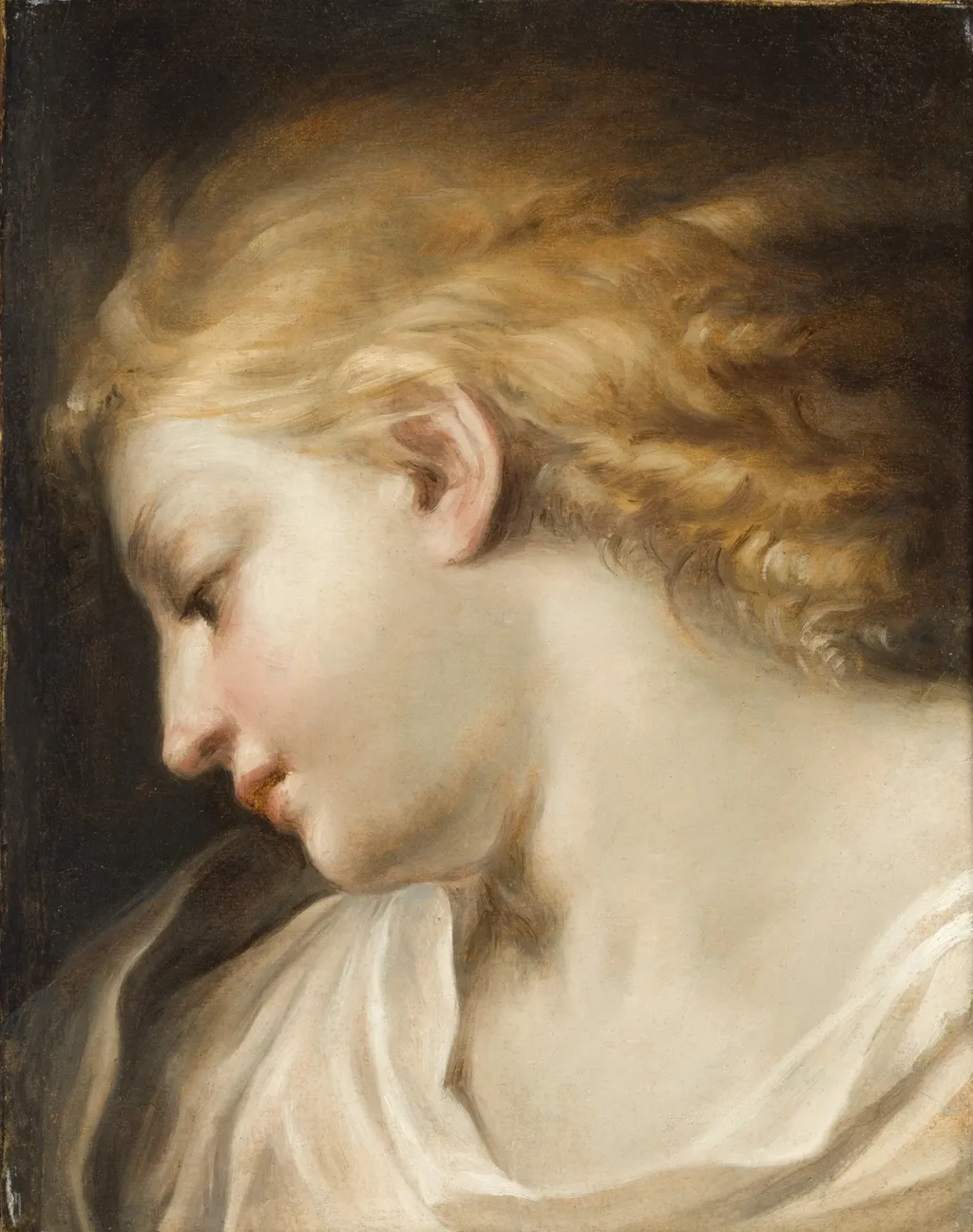
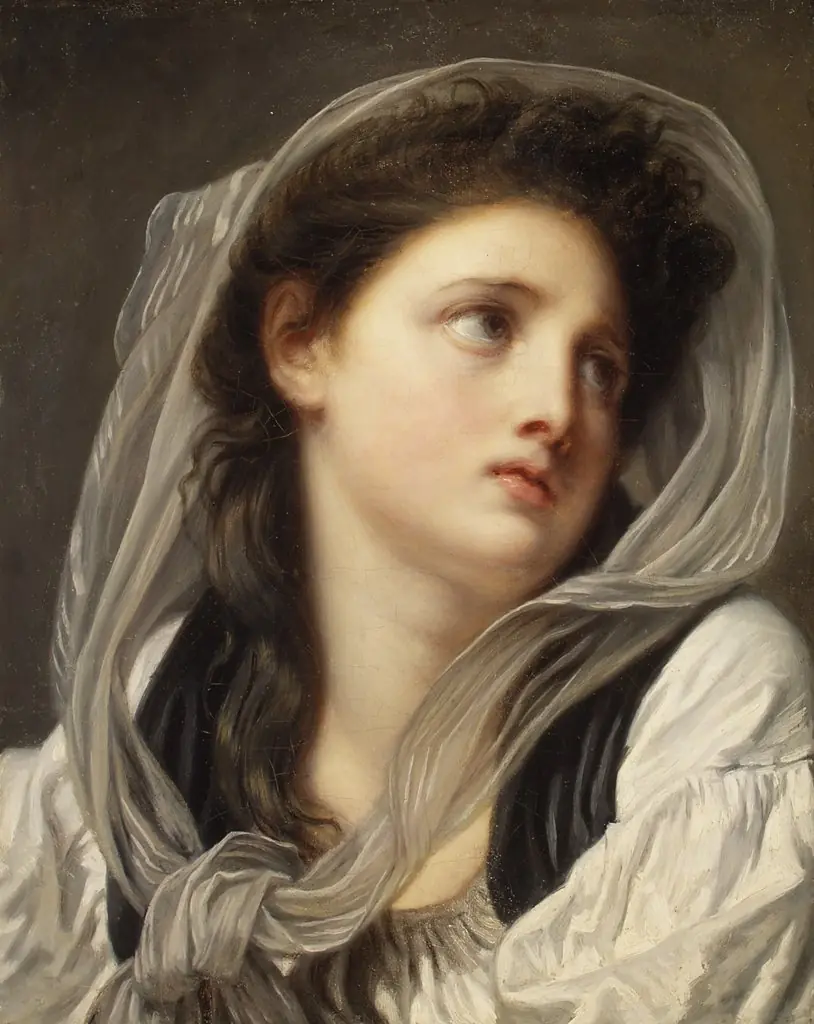
Head of an Angel is an unspecified painting by the Rococo painting artist Unknown. It dates from 1750 and is held in the collection of the Los Angeles County Museum of Art. This painting presents a tightly framed portrait of an angel’s head, turned slightly to the left.
About this work
Overview
The composition isolates the figure against a deep, unmodulated background, emphasizing the delicacy of the hair and fabric.
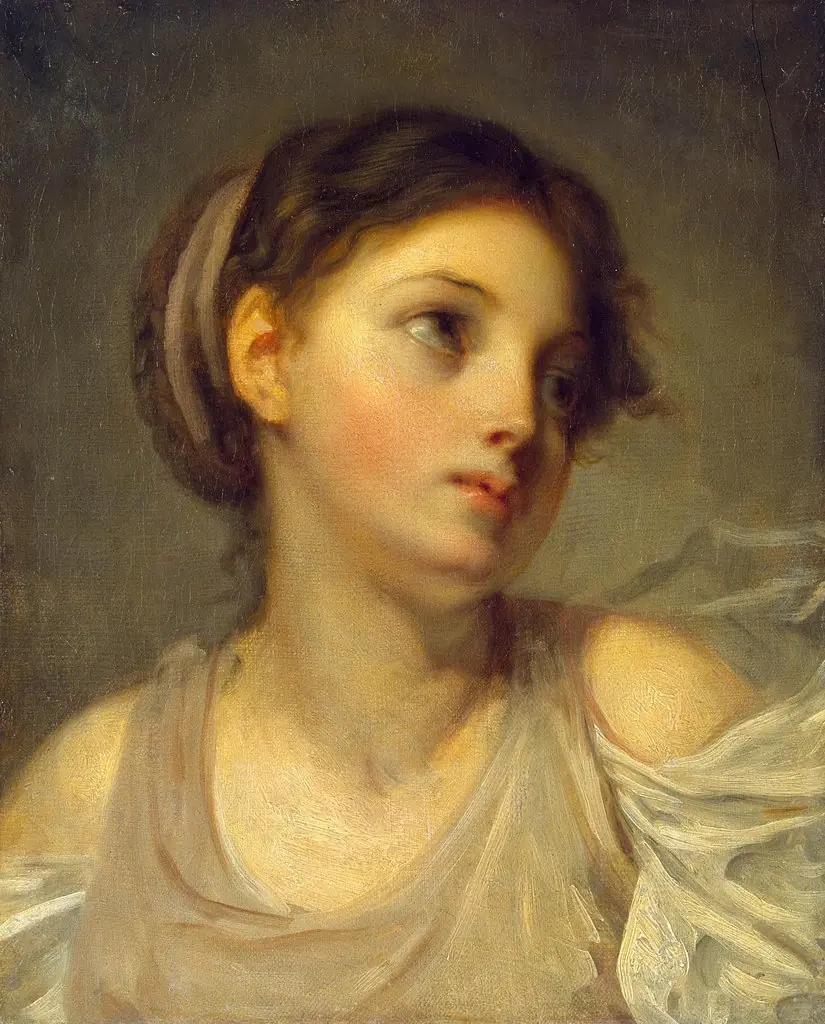
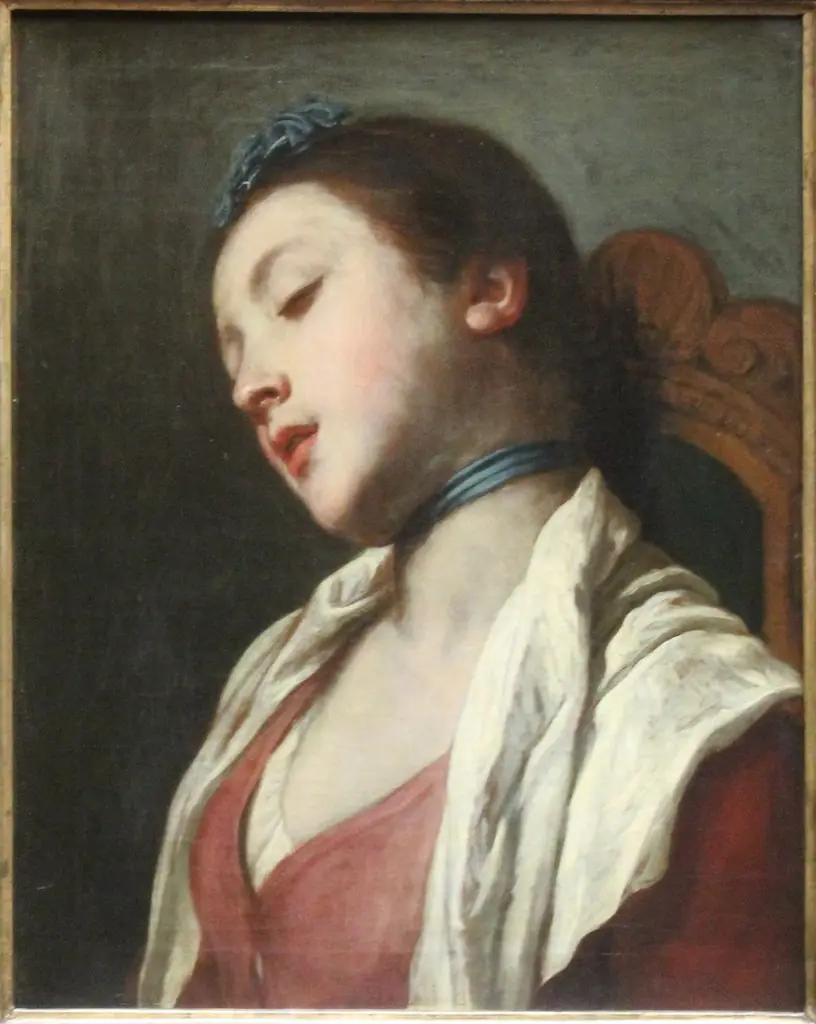
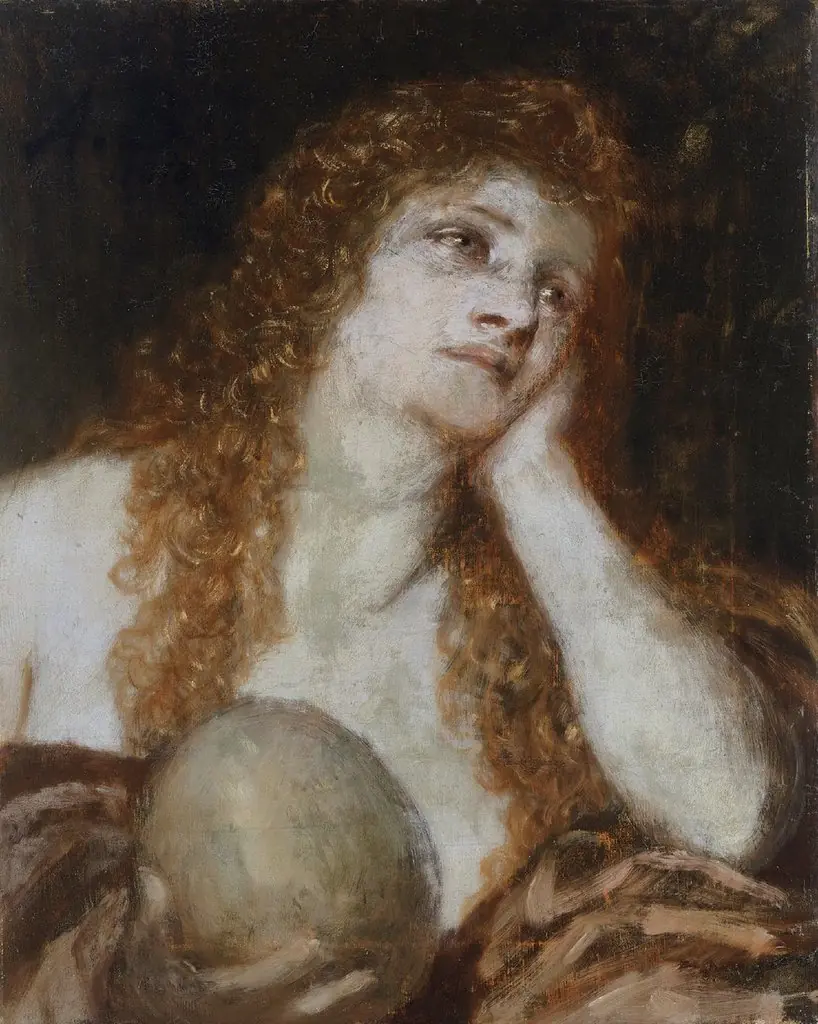
This painting presents a tightly framed portrait of an angel’s head, turned slightly to the left. The composition isolates the figure against a deep, unmodulated background, emphasizing the delicacy of the hair and fabric. The face is rendered with soft focus, while the curls and collar receive precise attention. Light falls subtly across the surface, modeling form without harsh contrast, suggesting a devotional intent through quiet intimacy rather than dramatic grandeur.
Subject & Meaning
The figure is identified as an angel, likely drawn from Christian iconography, though no wings or attributes are visible. The white garment and flowing hair align with traditional representations of celestial beings as pure and serene. The blurred face invites contemplation, shifting focus from individual identity to symbolic presence. The absence of narrative context reinforces its role as an object of quiet reverence, meant for personal meditation rather than public display.
Technique & Style
The artist employs fine brushwork to render the intricate curls of the hair and the soft folds of the collar, contrasting with the hazy rendering of the face. A limited palette of white, gold, and deep brown enhances the tactile quality of the materials. Light is used sparingly to define volume, avoiding strong chiaroscuro in favor of a gentle gradation that preserves ambiguity. The technique suggests a focus on texture and subtlety over theatrical expression.
History & Provenance
The painting’s origins are undocumented in public records, and its early ownership remains unknown. It likely originated in a religious context, possibly as part of a larger altarpiece or devotional panel. Its current condition and isolated format suggest it may have been detached from a larger work at some point. No signatures or inscriptions have been verified, leaving its maker and date uncertain.
Context
Created during a period when devotional imagery emphasized personal piety, this work reflects a trend toward intimate, emotionally restrained religious subjects. Similar portraits of angels appear in Northern Renaissance and early Baroque art, often serving as intermediaries between the divine and the viewer. The absence of narrative elements aligns with private worship practices, where contemplation of sacred forms replaced storytelling.
Legacy
Though not widely exhibited or studied, the painting contributes to a broader tradition of small-scale sacred portraiture that prioritized emotional resonance over spectacle. Its focus on texture and ambiguity influenced later artists exploring spiritual themes through partial revelation. It remains a quiet example of how subtle technique could convey sacred presence without overt symbolism.
Artist & collection

 Domestic Scene
 Giacomo and Cardinal Marco, investing Andrea, Abbot of San Zeno, with his Benefice
 The Nymph of Fontainebleau
 Portrait of a Woman
 Madonna and Child with Saints in the Enclosed Garden
 Venus and Minerva
 Family Group of Four on Sofa
 Wall painting from Room H of the Villa of P. Fannius Synistor at Boscoreale