Artwork
The Lady Giving Charity
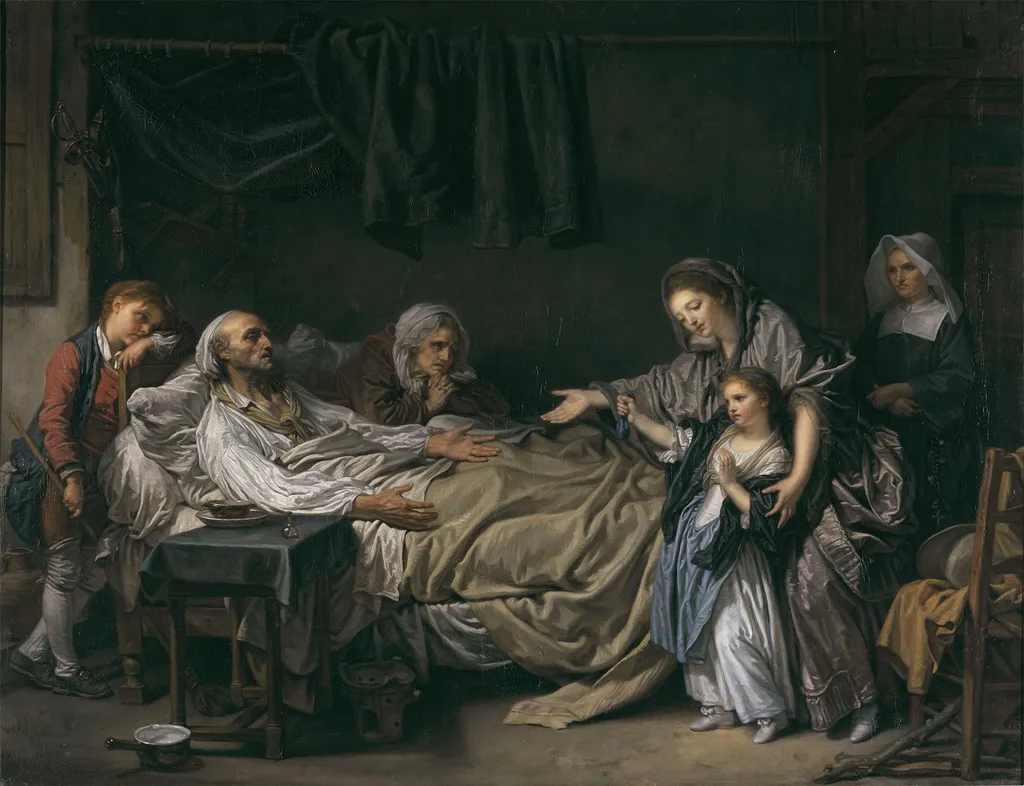
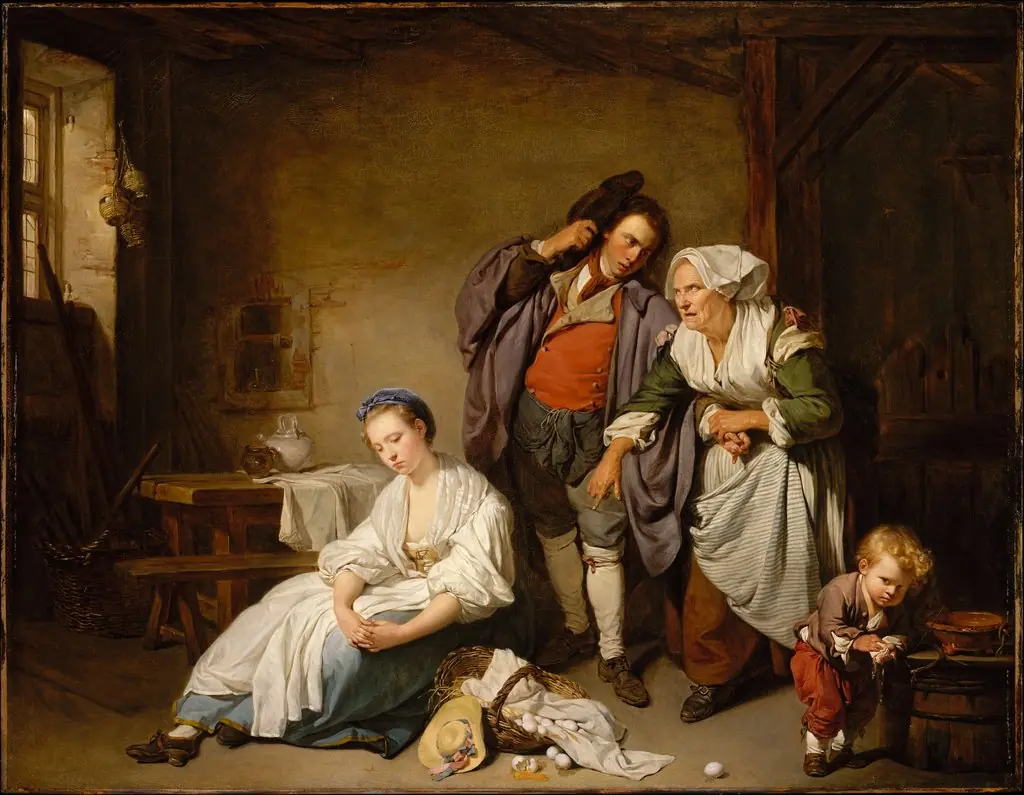
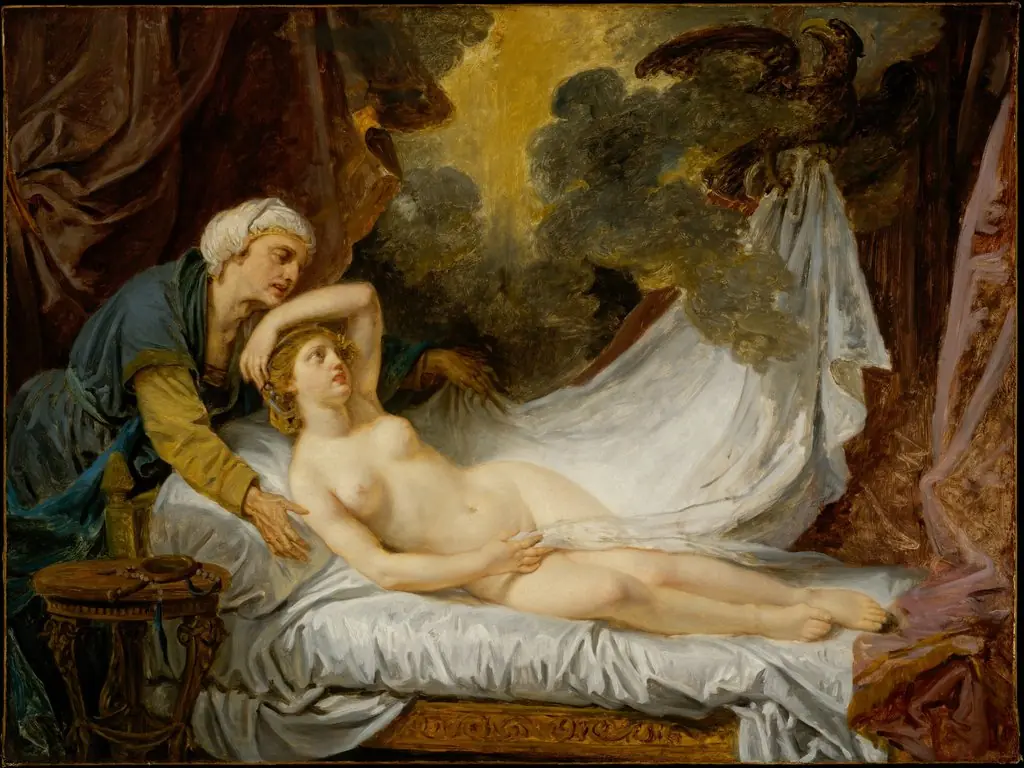
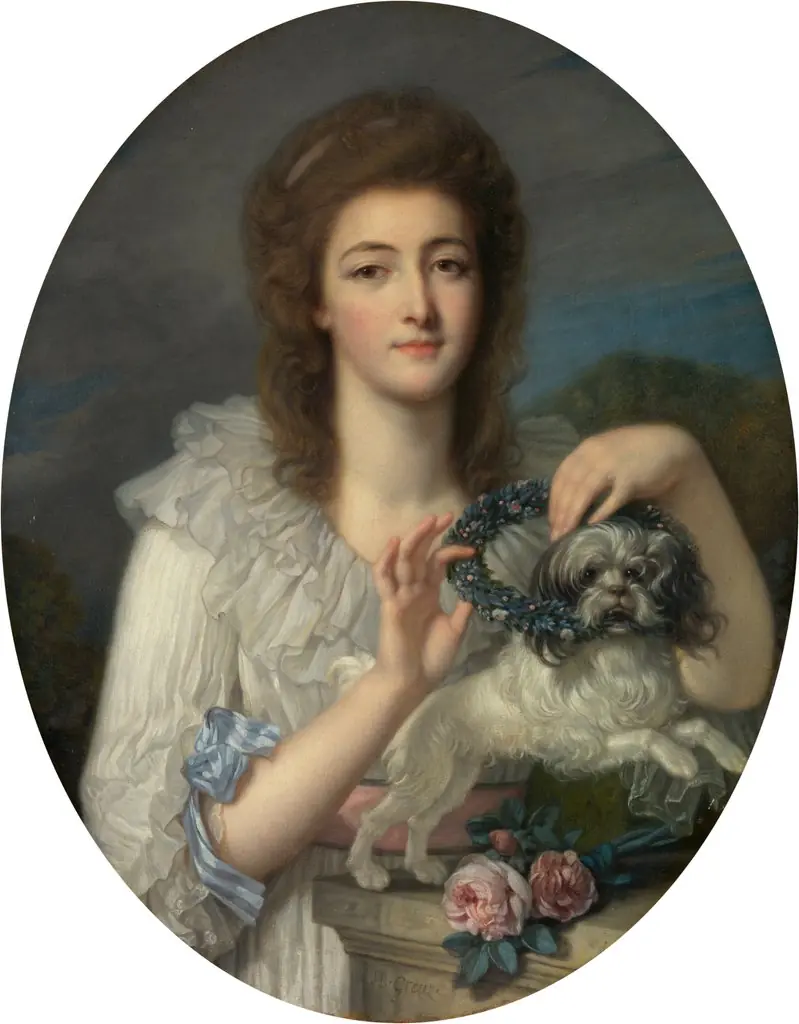
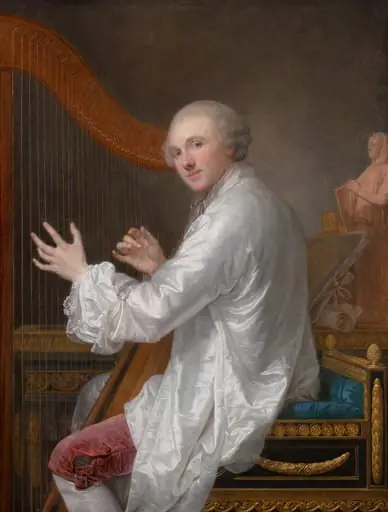
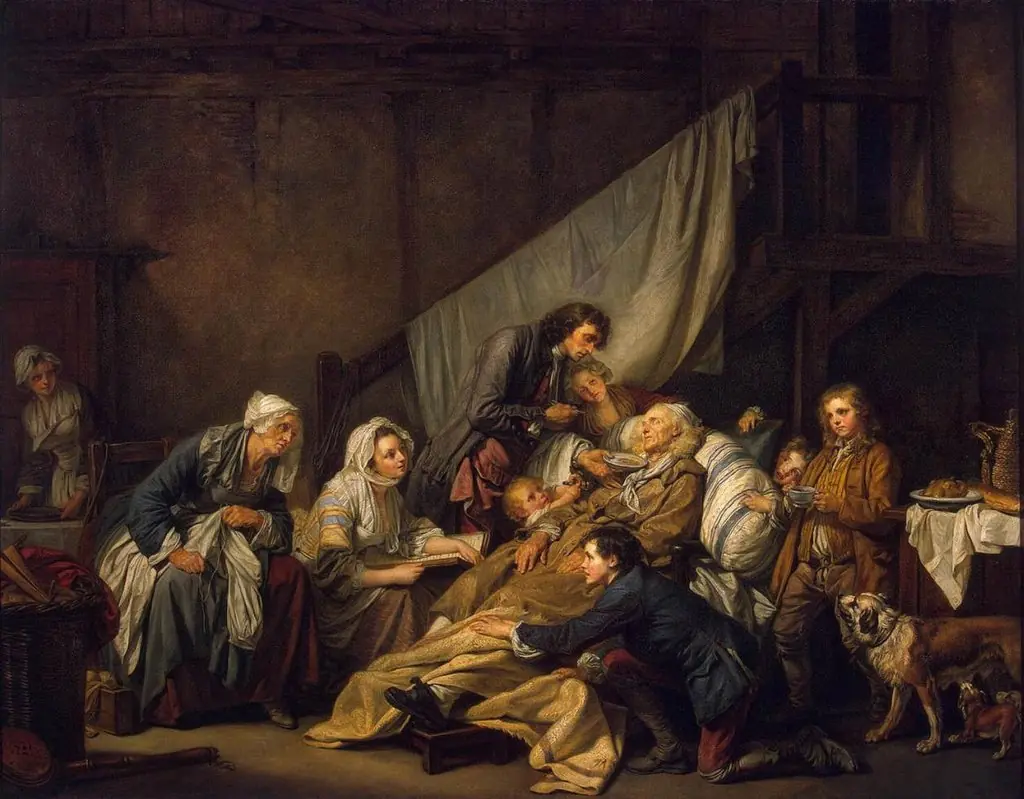
The Lady Giving Charity is an oil painting by the Rococo painting artist Jean-Baptiste Greuze. It dates from 1772 and is held in the collection of the Museum of Fine Arts of Lyon.
About this work
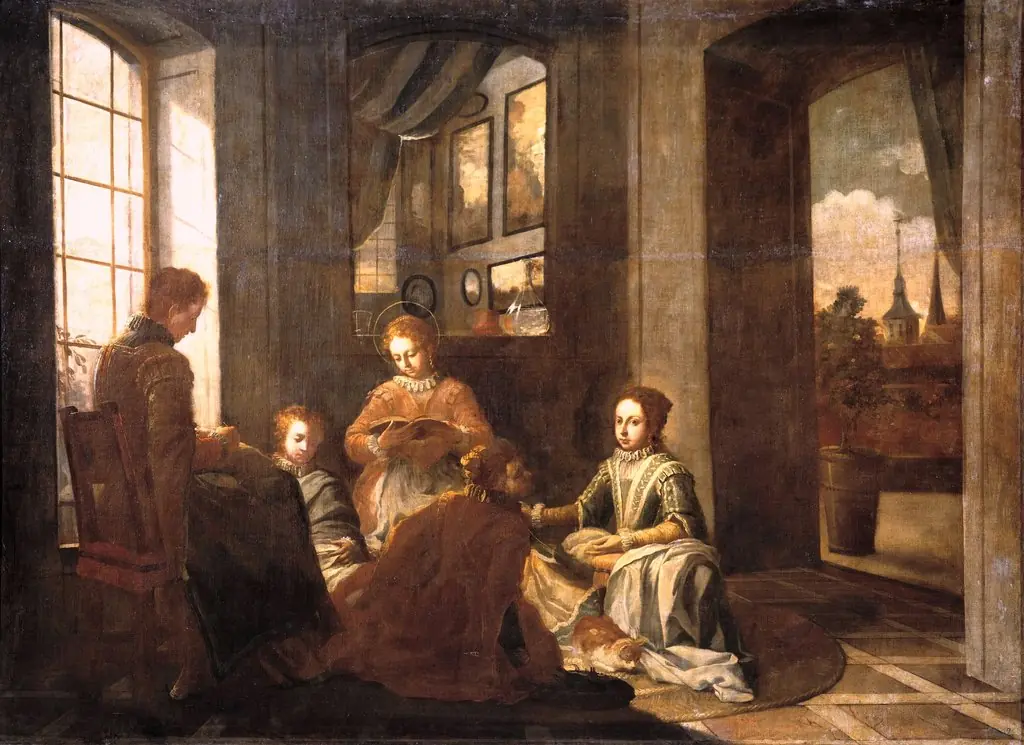
The work shows a well-dressed woman teaching her young daughter to give money to a sick old man.
Here’s the rewrite:
Jean-Baptiste Greuze painted *The Lady Giving Charity* in 1772. It’s an oil painting in the Museum of Fine Arts of Lyon. The work shows a well-dressed woman teaching her young daughter to give money to a sick old man.
Greuze was known for scenes that taught moral lessons. This one shows kindness and charity in action. The soft lighting makes the moment feel gentle and caring.
Look up the Museum of Fine Arts of Lyon next.
Overview
Painted in 1772, *The Lady Giving Charity* is an oil-on-canvas work by Jean-Baptiste Greuze, currently held in the Museum of Fine Arts of Lyon. The painting captures a quiet domestic moment in which a woman instructs her daughter in the act of giving alms. Greuze, known for moralizing narratives in genre scenes, uses this intimate encounter to convey ethical instruction through everyday behavior.
Subject & Meaning
The scene depicts a well-dressed woman guiding her young daughter to offer money to a frail, elderly man, likely a beggar. The gesture is framed not as grand philanthropy but as a learned habit, emphasizing the transmission of compassion across generations. The woman’s poised demeanor and the child’s attentive gaze suggest that charity is presented as a cultivated virtue, rooted in familial duty rather than spectacle.
Technique & Style
Greuze employs soft, diffused lighting to warm the figures and unify the composition, drawing attention to the exchange of alms without theatricality. The textures of fabric, skin, and worn clothing are rendered with careful precision, grounding the scene in realism. His palette remains restrained, favoring muted tones that reinforce the solemnity of the moment, avoiding overt sentimentality.
History & Provenance
Completed in 1772, the painting entered the collection of the Museum of Fine Arts of Lyon in the 19th century, where it remains today. It was produced during Greuze’s peak period of moral genre painting, following his success with similar works exhibited at the Paris Salon. Its preservation in Lyon reflects its recognition as a representative example of 18th-century French didactic art.
Context
In the decades before the French Revolution, French society increasingly valued domestic virtue and civic morality. Greuze’s paintings responded to this cultural shift, offering visual models of ethical conduct for the middle and upper classes. *The Lady Giving Charity* aligns with broader Enlightenment ideals that linked personal behavior with social responsibility, particularly through the education of children.
Legacy
Though less celebrated today than his more dramatic works, this painting exemplifies Greuze’s influence on the development of moral genre painting in France. Its quiet emphasis on everyday ethics helped shape later 19th-century realist traditions, where ordinary moments carried social weight. The work continues to be studied for its nuanced portrayal of intergenerational moral instruction.
Artist & collection
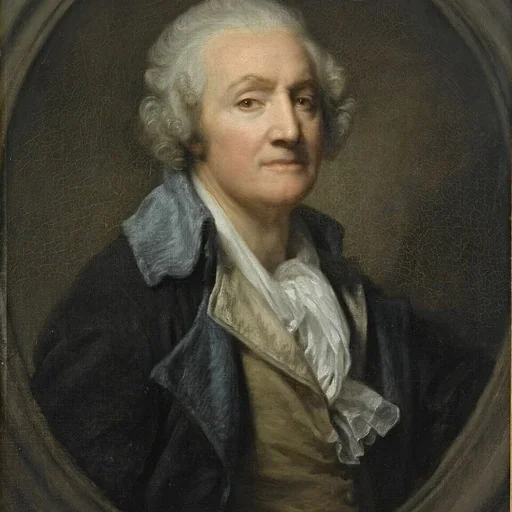
Artist
Jean-Baptiste Greuze (French pronunciation: , 21 August 1725 – 4 March 1805) was a French painter of portraits, genre scenes, and history painting.