Artwork
The Testament of Eudamidas
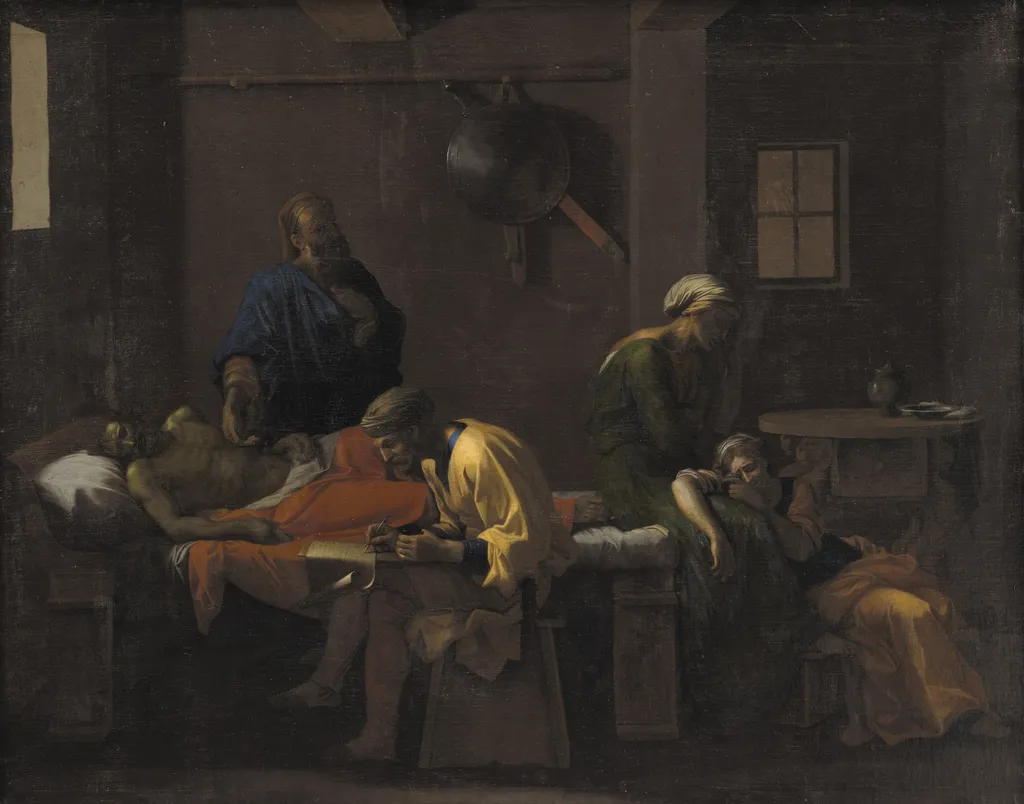
The Testament of Eudamidas is an oil painting by the Flemish Baroque painting artist Nicolas Poussin. It dates from 1644 and is held in the collection of the Statens Museum for Kunst.
About this work
Overview
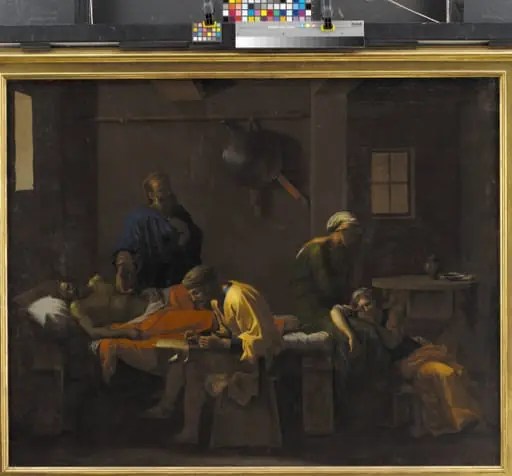
Nicolas Poussin’s oil on canvas, dated 1644, is known as The Testament of Eudamidas. The work resides in Denmark’s Statens Museum for Kunst, where it forms part of the museum’s Baroque collection. It presents a quiet, interior tableau that captures a moment of finality and reflection, characteristic of Poussin’s measured narrative approach.
Subject & Meaning
The composition centers on a man lying on a bed, his stillness suggesting death. Around him, a small group of figures gathers, their postures conveying grief and solemn duty. A man in a yellow robe sits at a nearby table, quill in hand, poised to record a written testament, reinforcing the painting’s title and its meditation on mortality and legacy.
Technique & Style
Poussin employs chiaroscuro to model the scene, allowing stark contrasts between illuminated faces and the surrounding shadows. The subdued lighting creates depth and emphasizes the emotional weight of the gathering. The restrained palette and precise draftsmanship reflect the artist’s classical sensibility, while the careful arrangement of figures underscores narrative clarity.
History & Provenance
Since its creation in the mid‑17th century, the canvas has changed hands several times before entering the Statens Museum for Kunst’s holdings. The museum acquired the painting as part of its effort to represent French Baroque art, ensuring its preservation and public accessibility within a European context.
Own this work as a print
Artist & collection
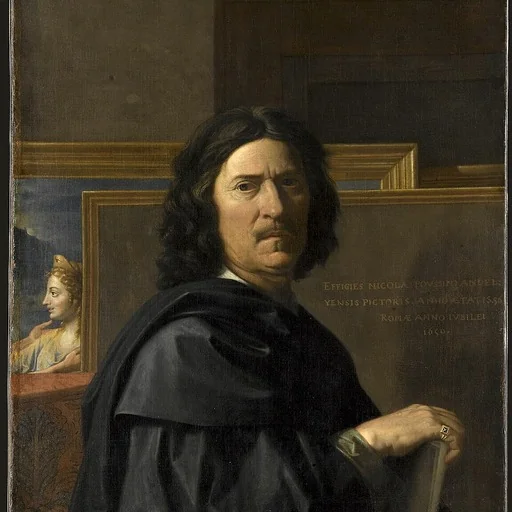
Artist
Nicolas Poussin (UK: , US: , French: ; June 1594 – 19 November 1665) was a leading painter of the classical French Baroque style, although he spent most of his working life in Rome.

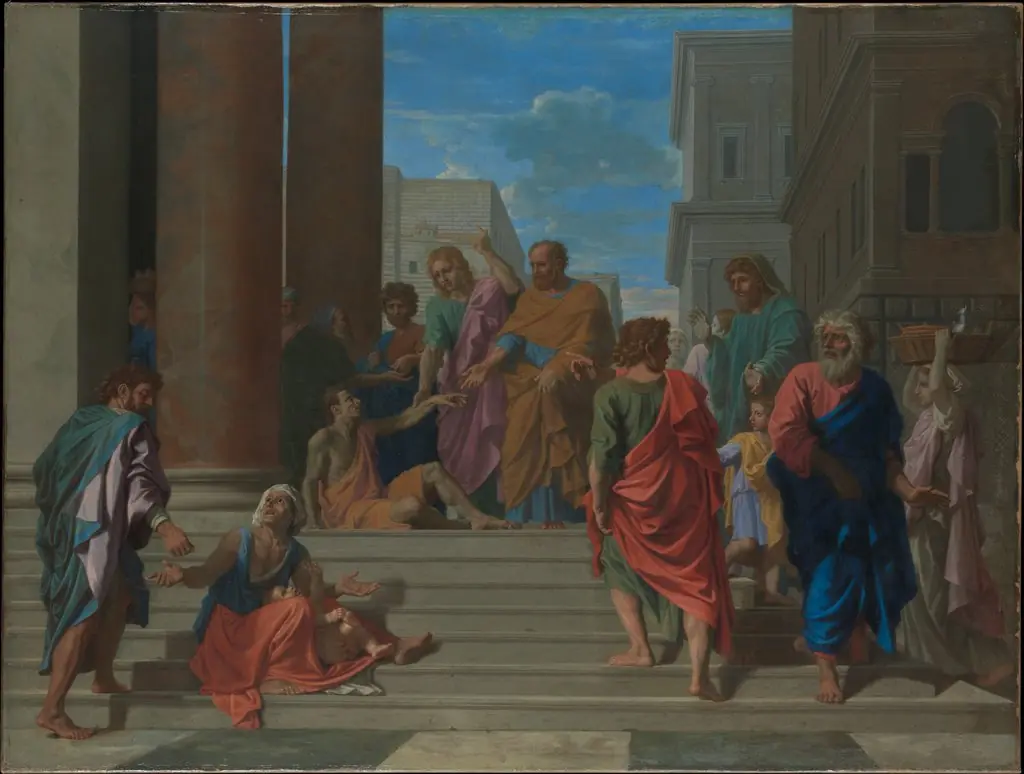
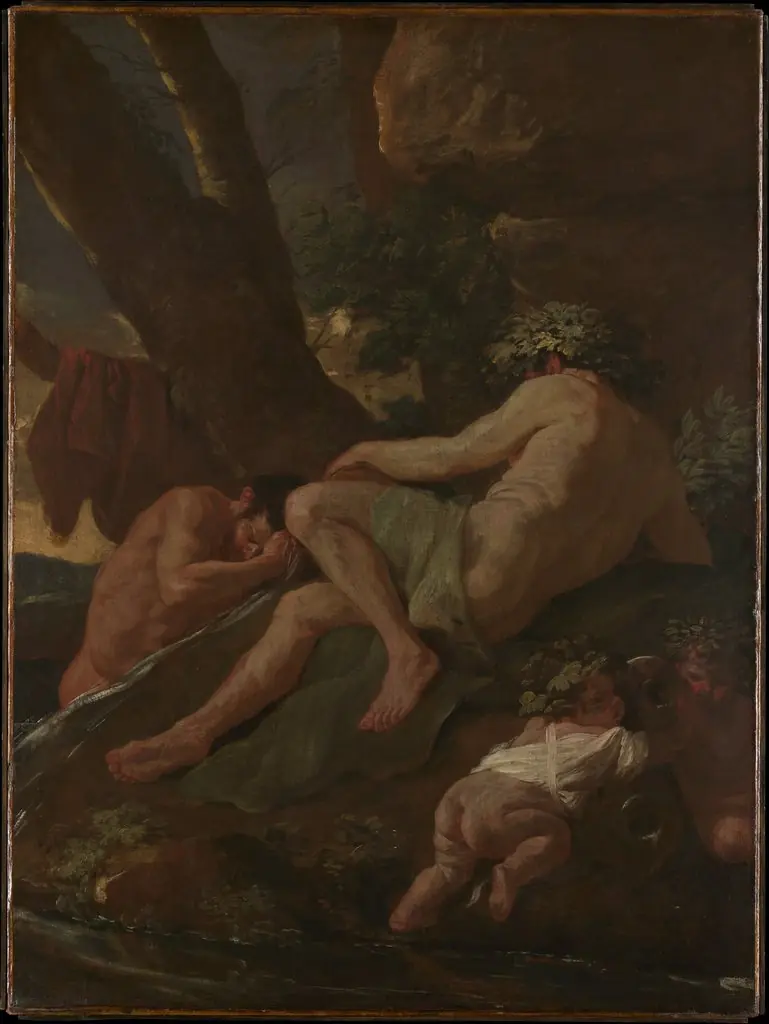
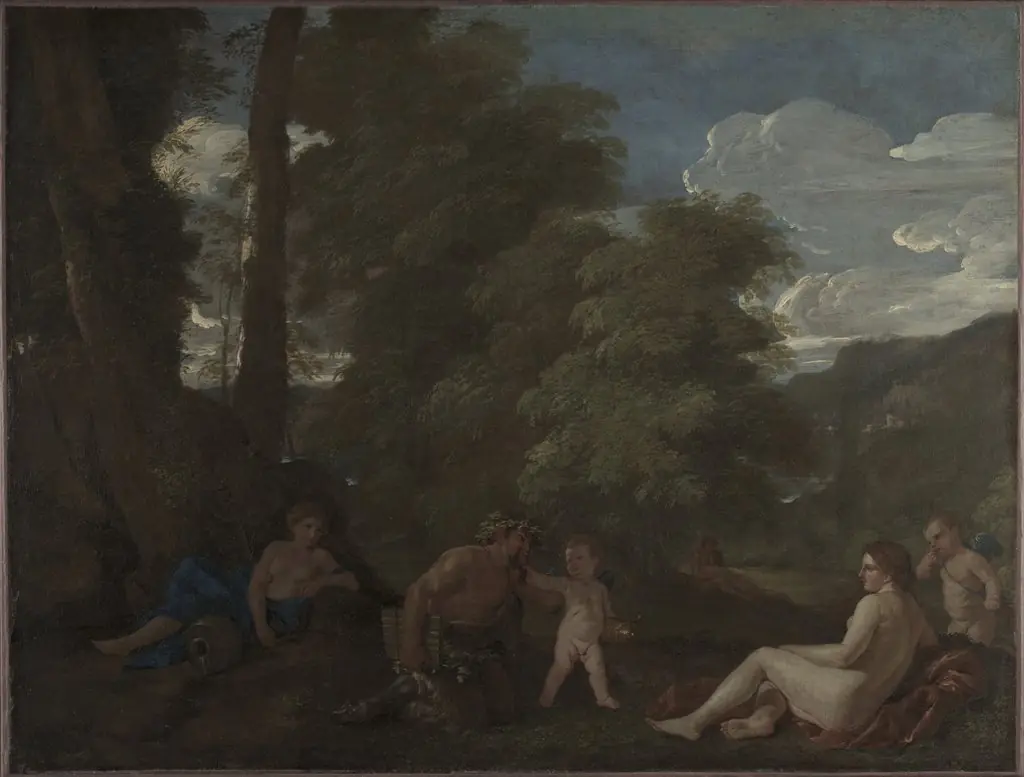
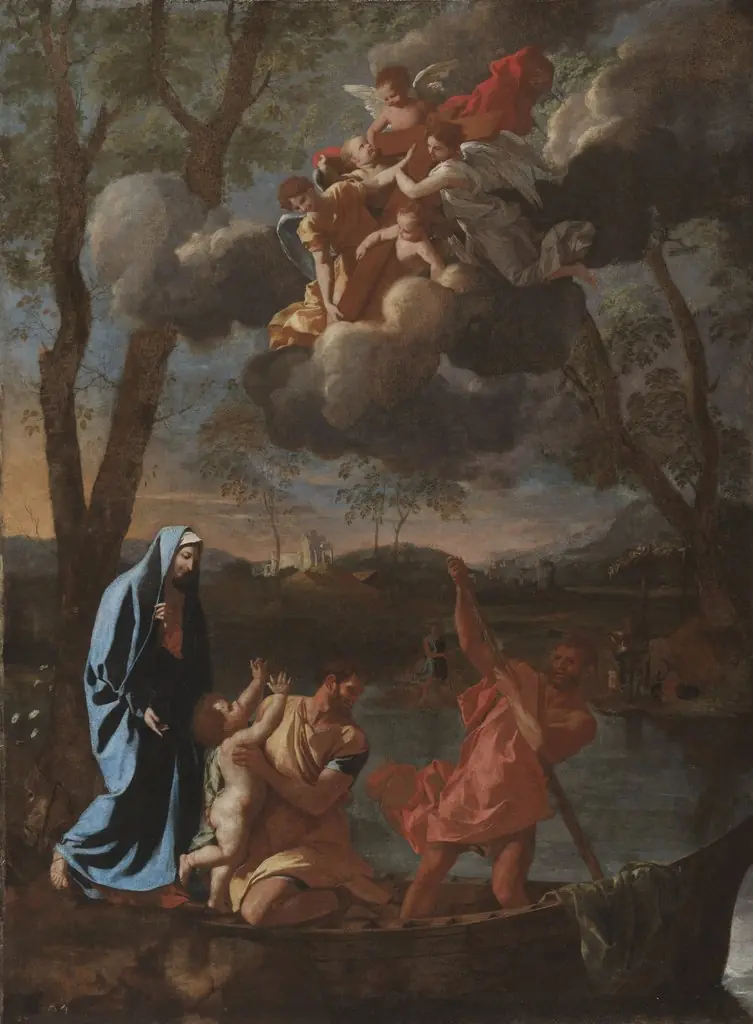
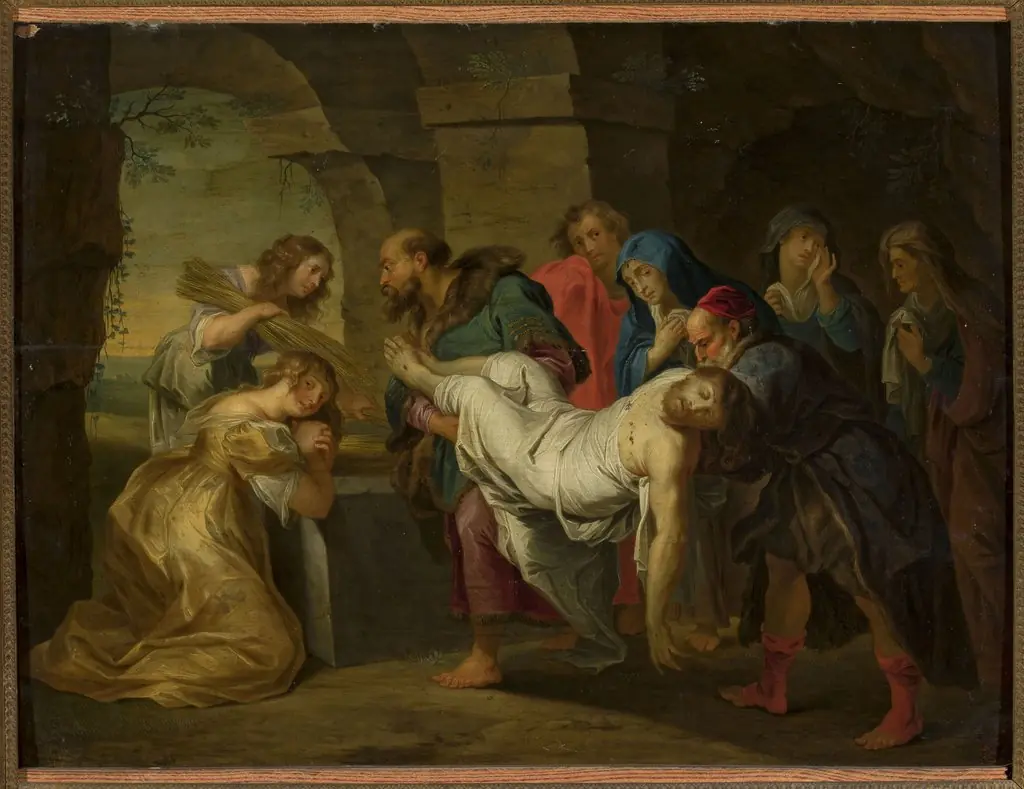 Entombment of Christ
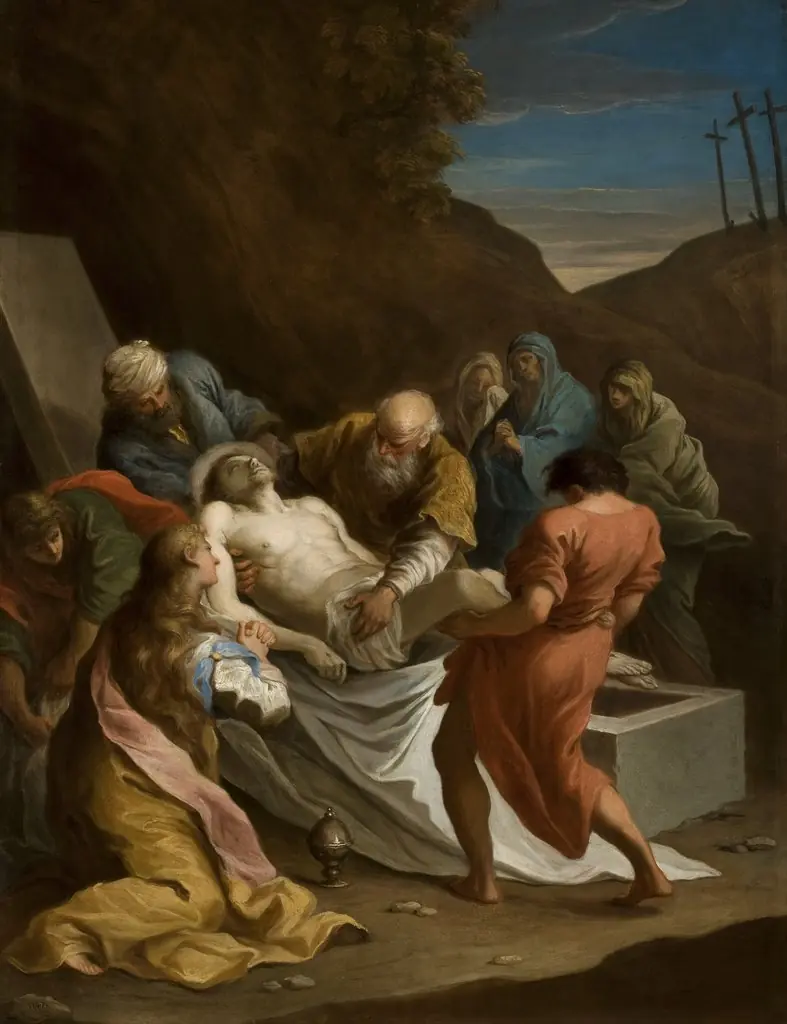 The Entombment
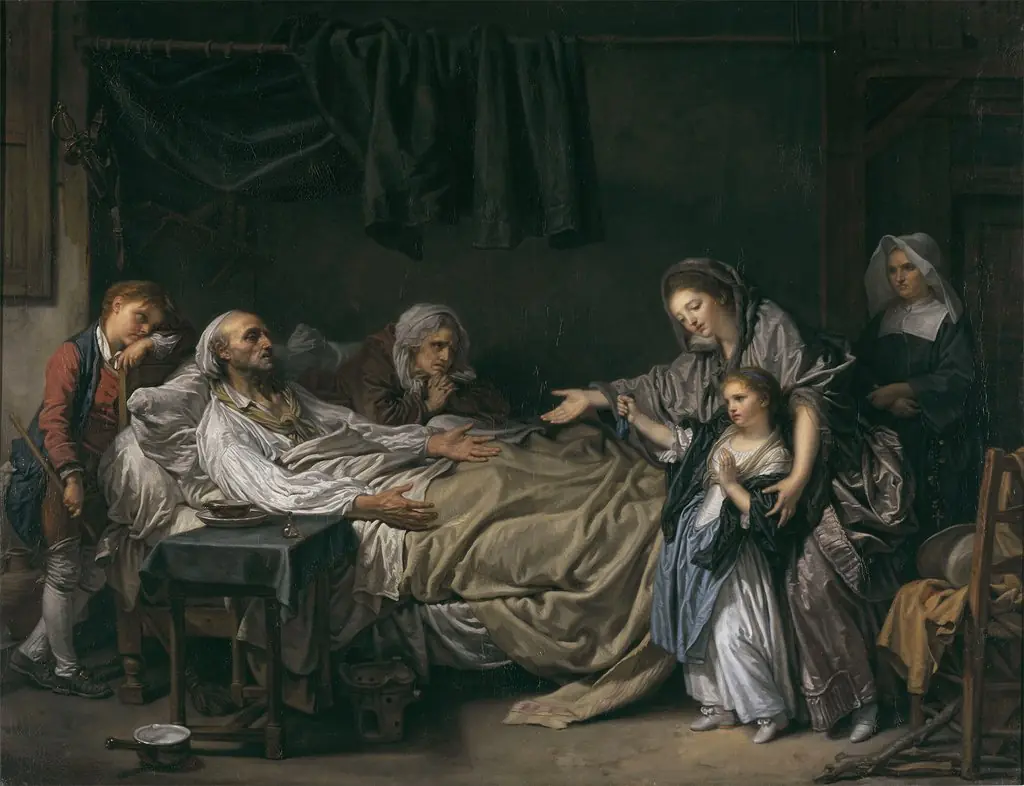 The Lady Giving Charity
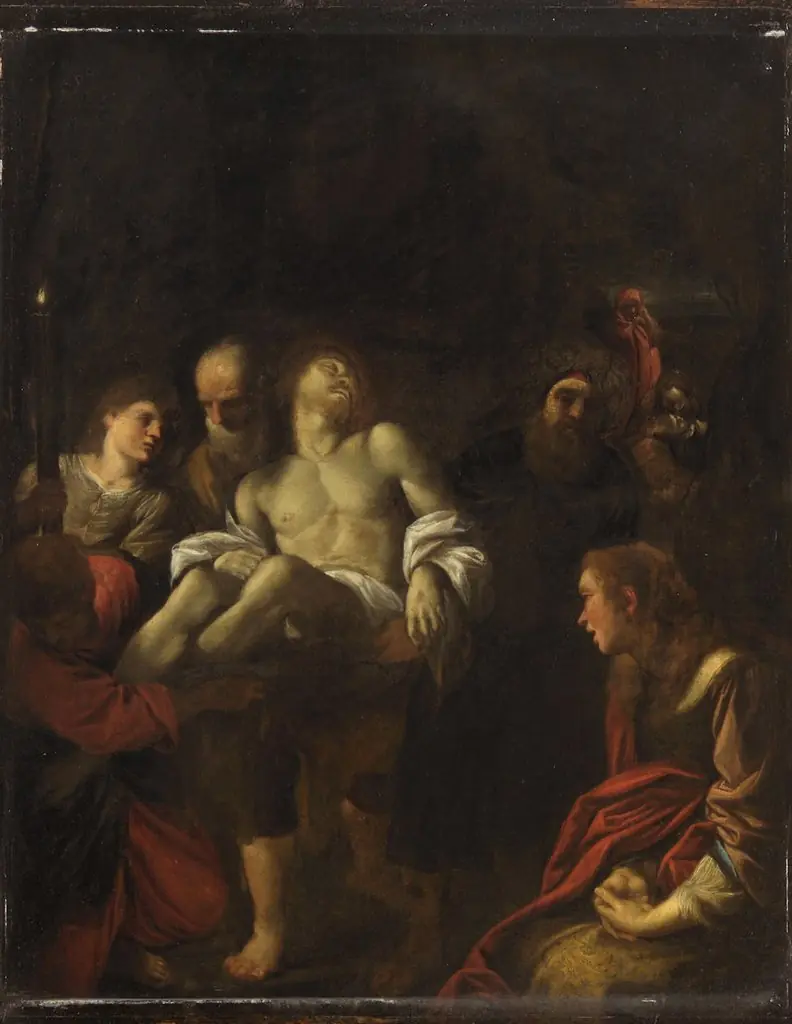 Entombment of Christ
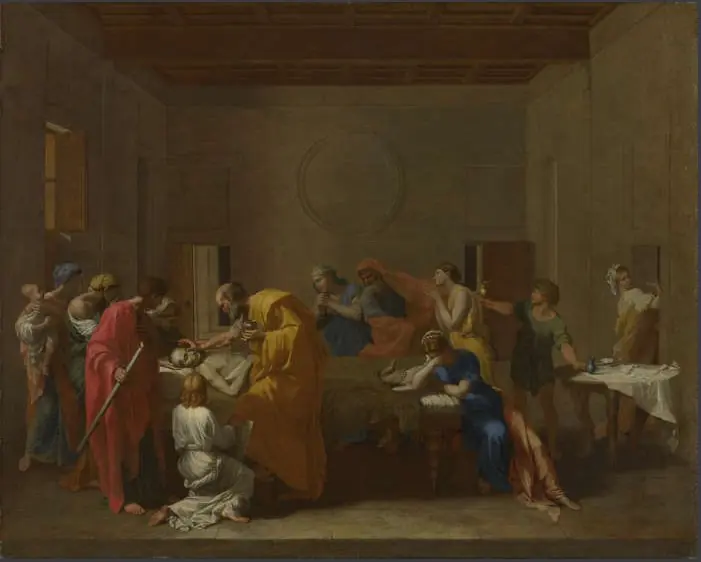 Extreme Unction
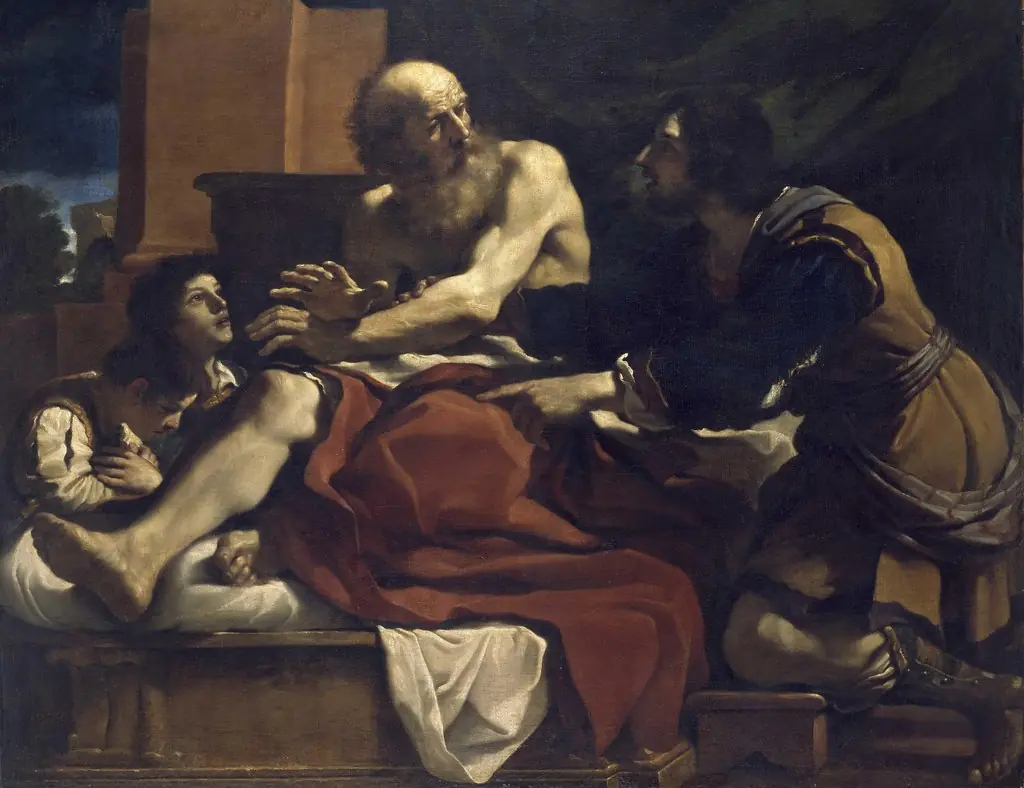 Jacob Blessing the Sons of Joseph
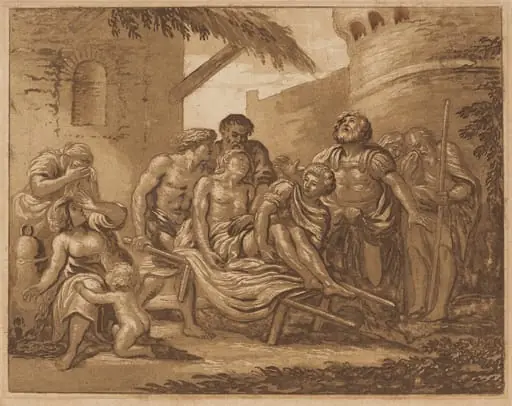 The Death of Hector on the Ramparts of Troy (recto) / Tancred and Erminia (verso)
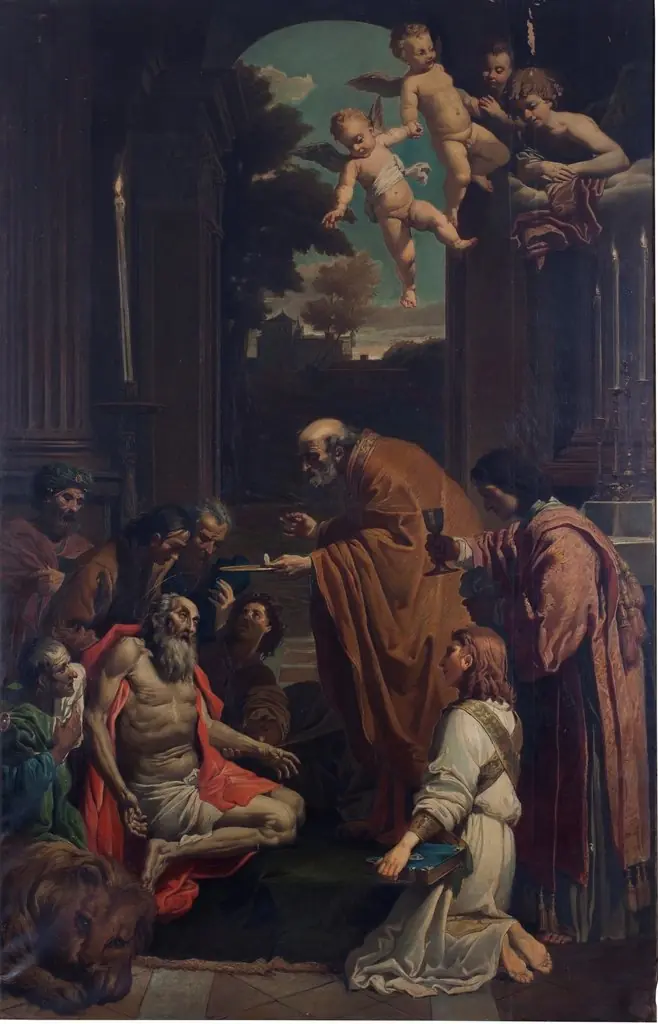 Última comunión de san Jerónimo o El viático de san Jerónimo
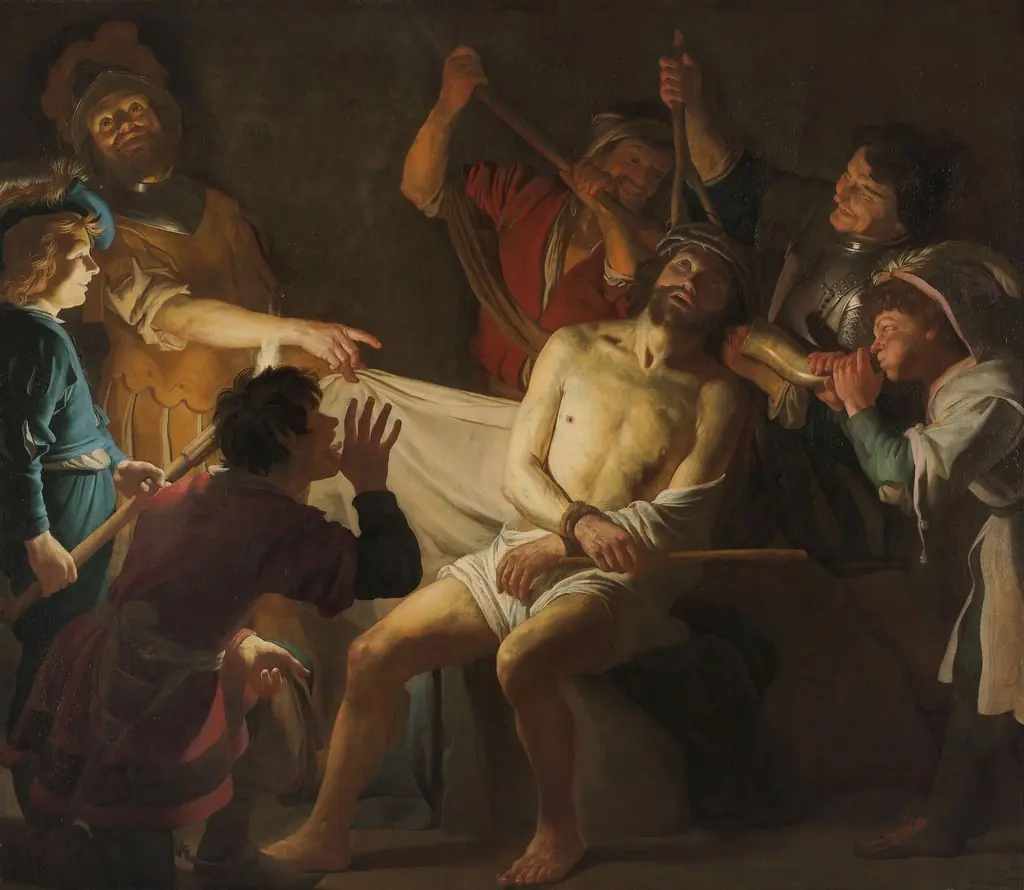 Christ Crowned with Thorns
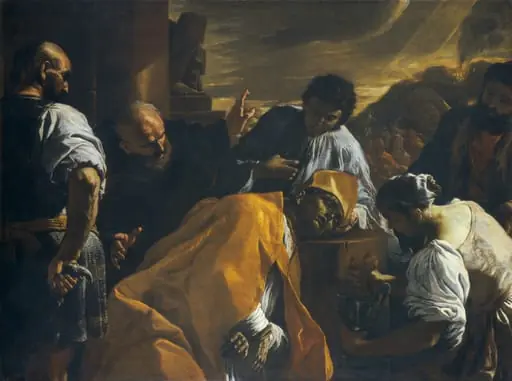 The Martyrdom of Saint Gennaro
 Death of Meleager
 The Testament of Eudamidas