Artwork
Rest of the Shepherds
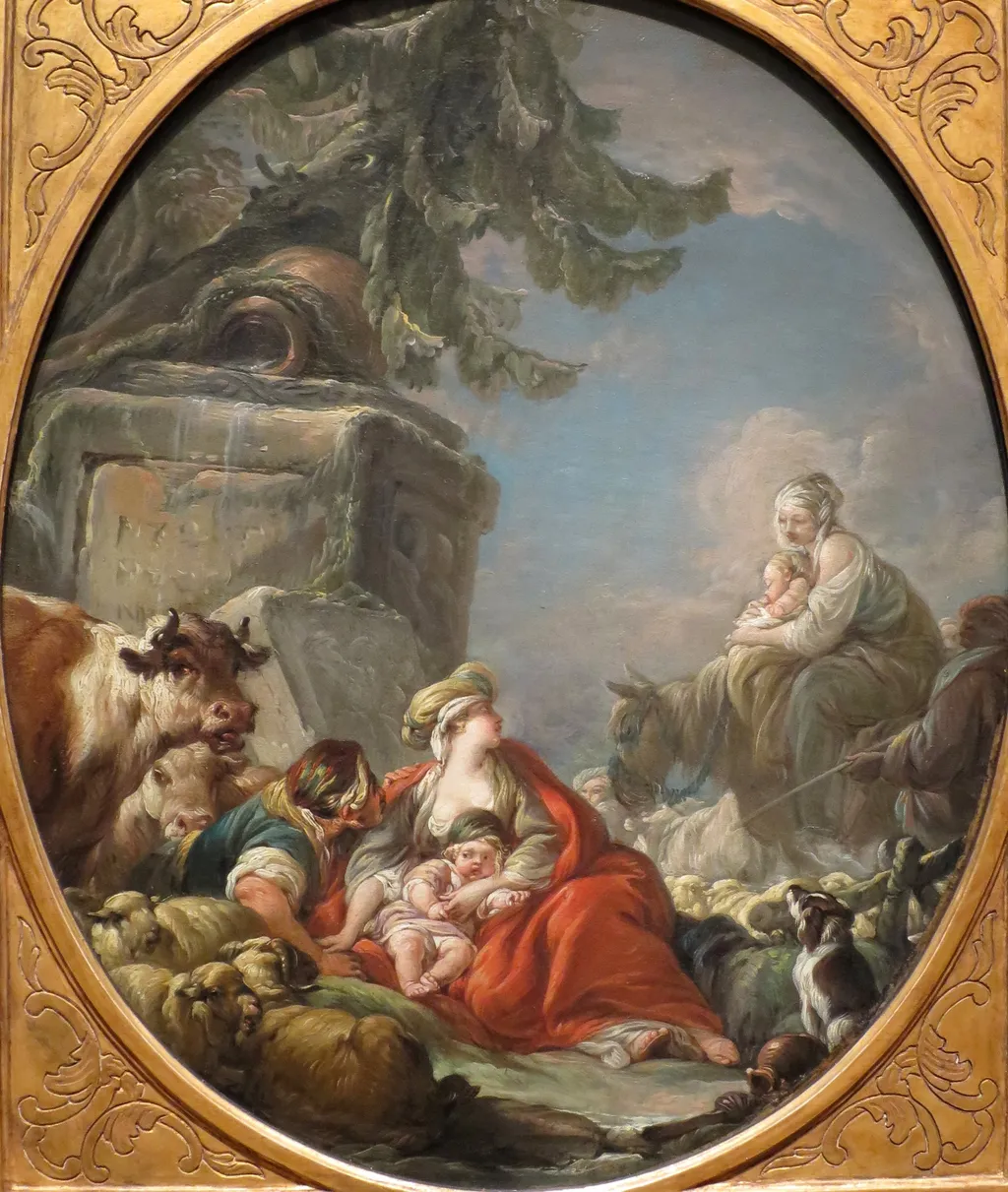
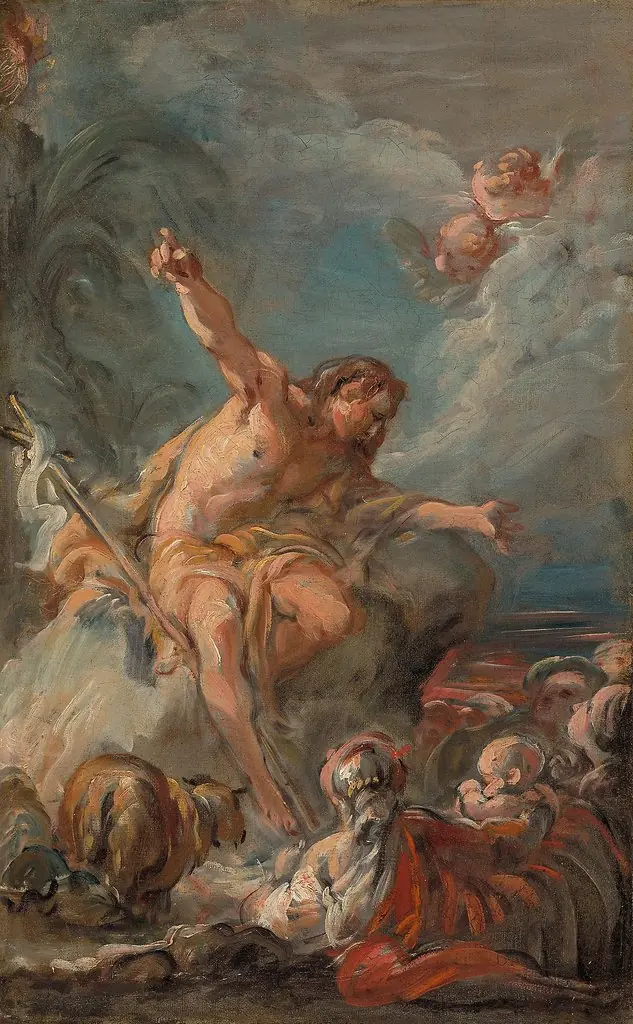
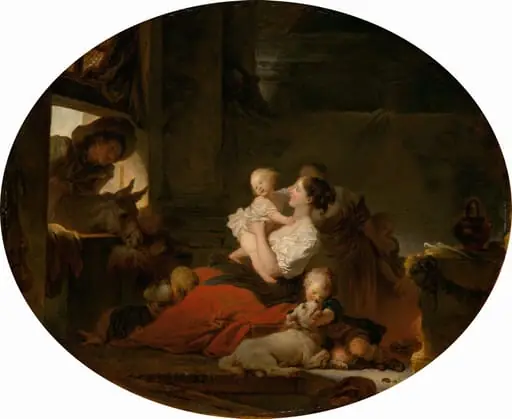
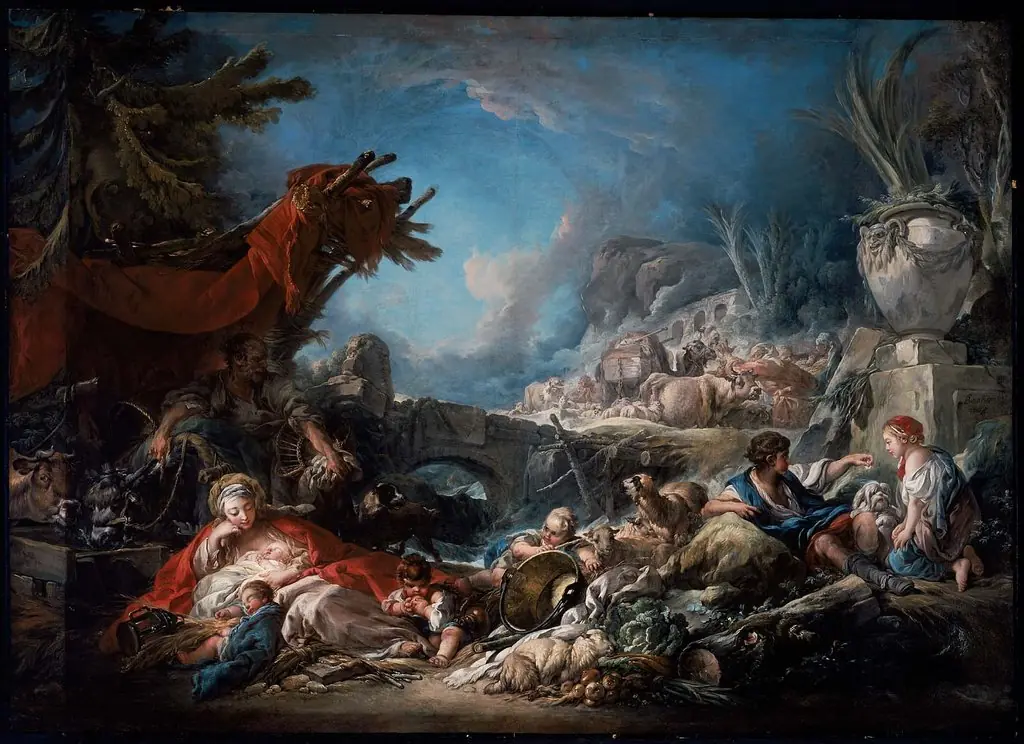
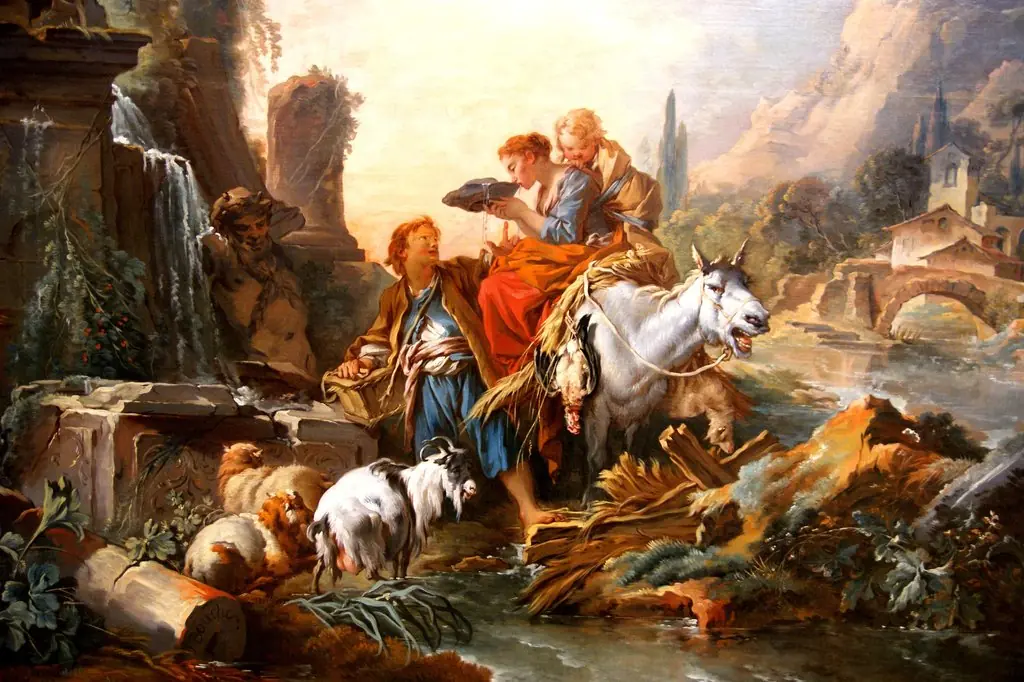
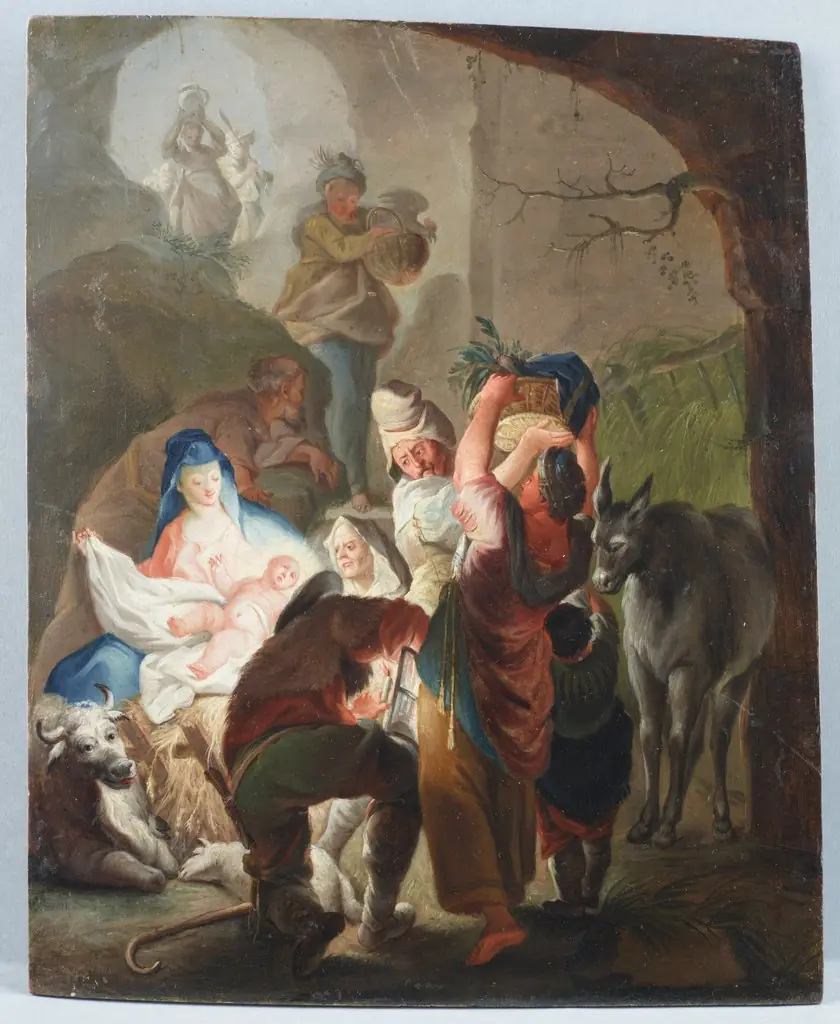
Rest of the Shepherds is an oil painting by the Rococo painting artist Jean-Baptiste-Henri Deshays. It dates from 1750 and is held in the collection of the Norton Simon Museum.
About this work
Overview
Rest of the Shepherds is an oil painting created by French artist Jean-Baptiste-Henri Deshays around 1750. Characterized by a serene pastoral scene, it exemplifies the lighthearted and decorative qualities of the Rococo movement.
Subject & Meaning
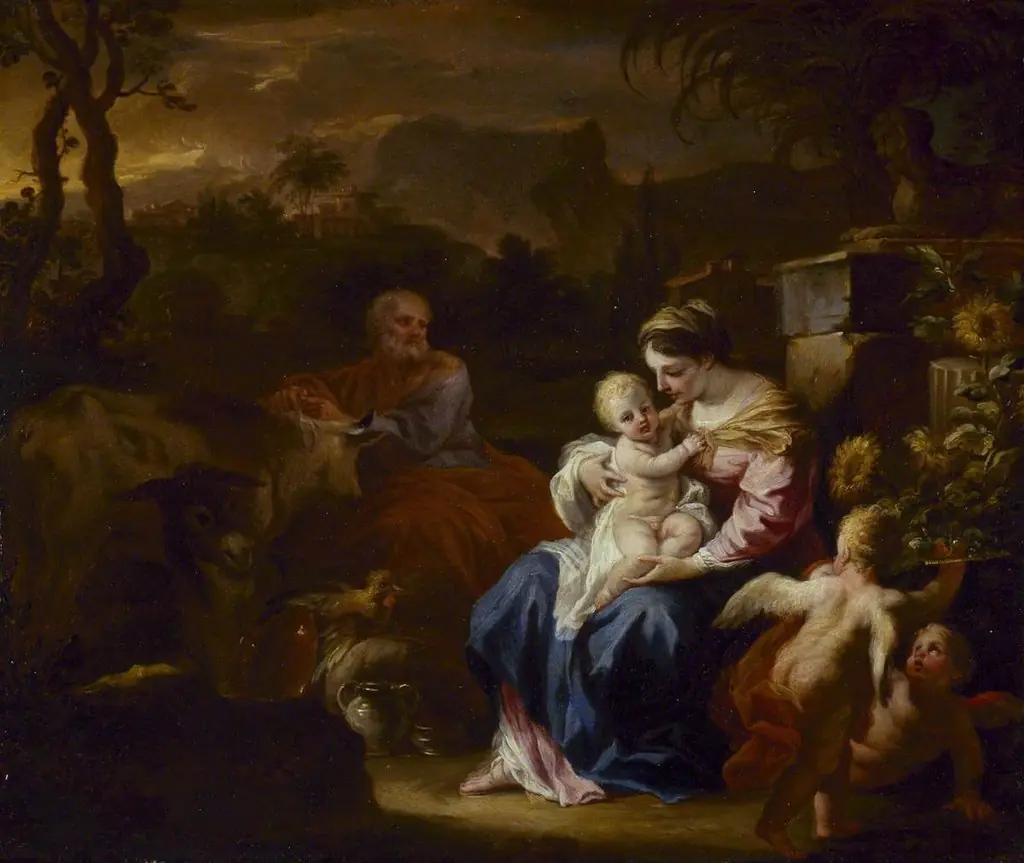
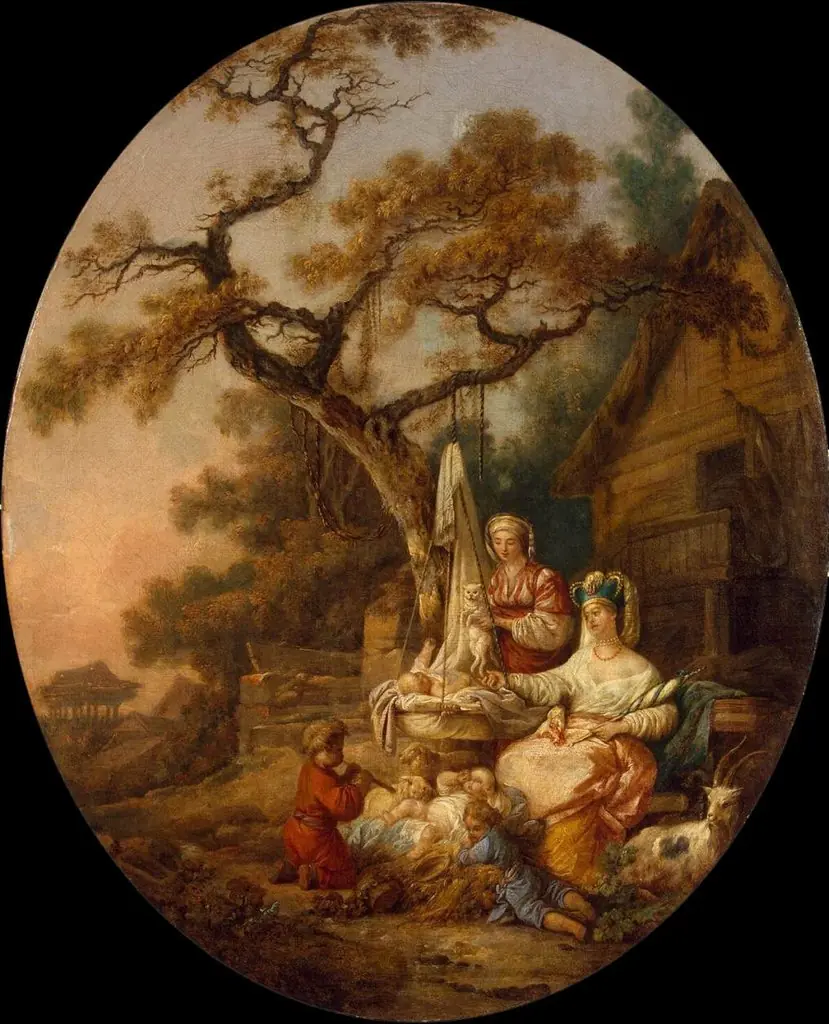
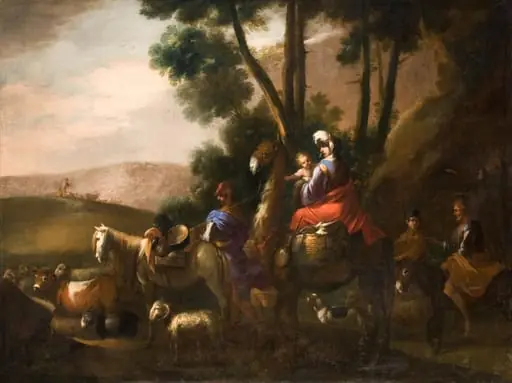
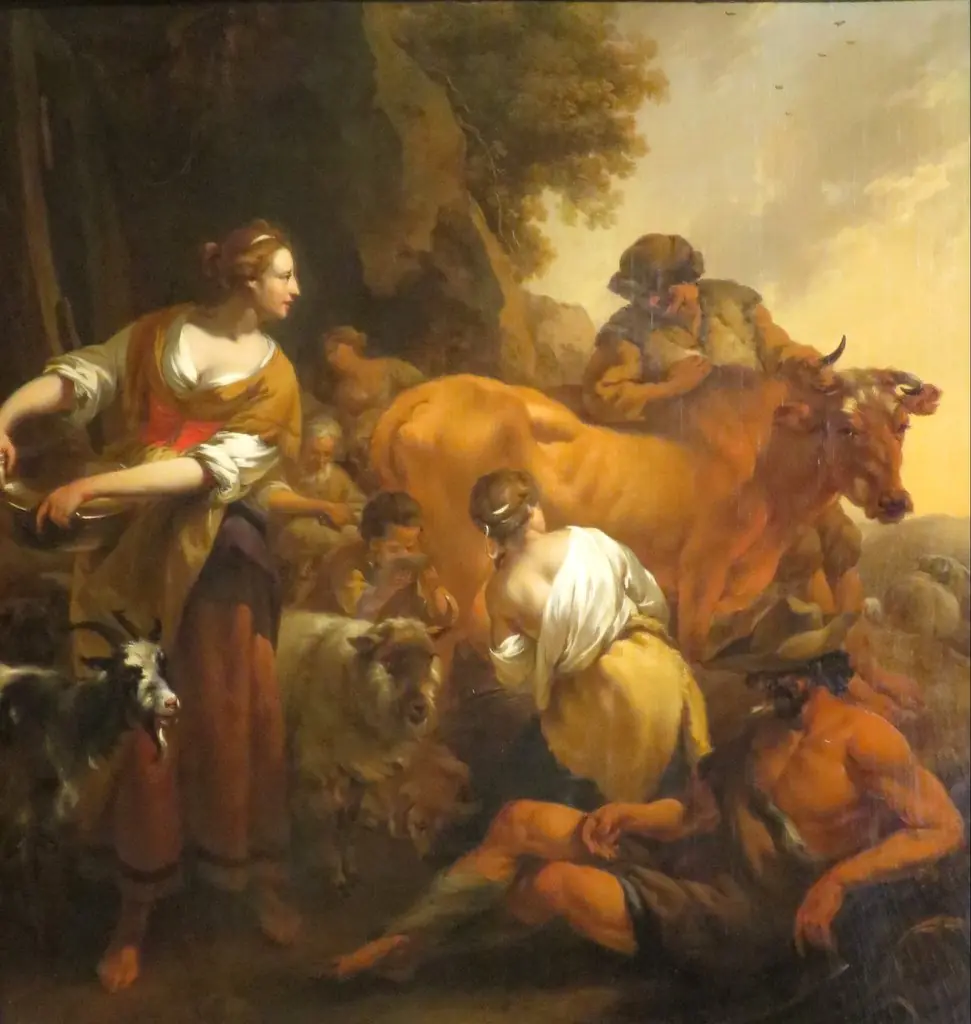
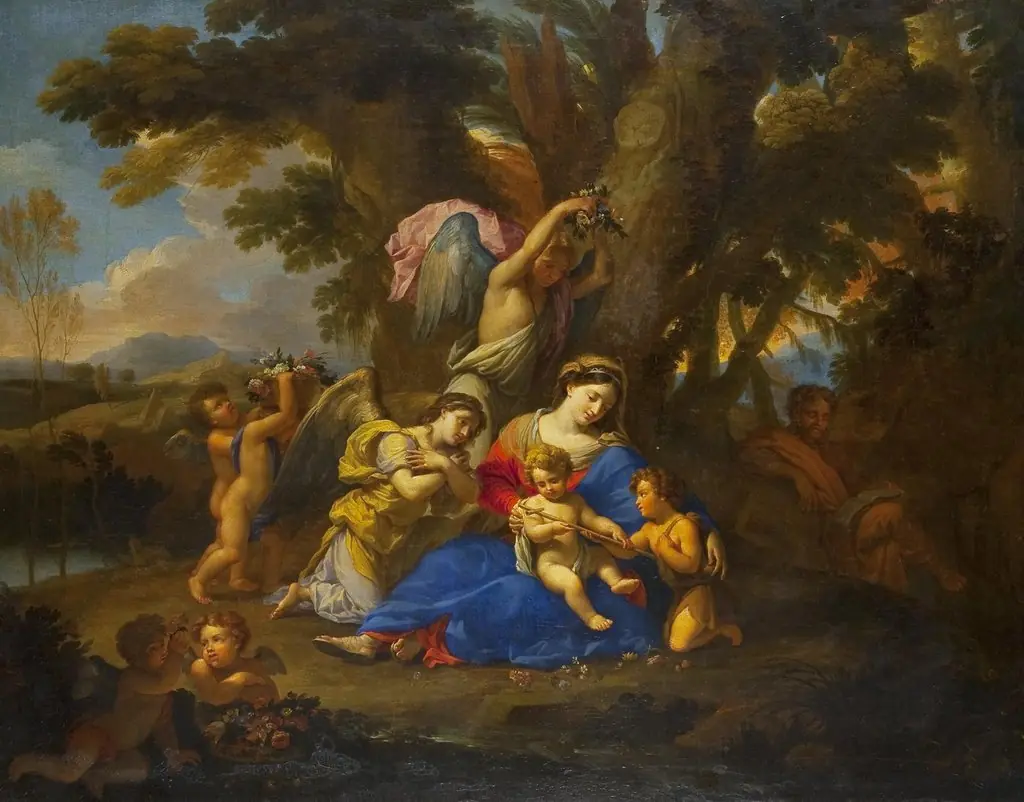
The painting depicts a peaceful gathering of shepherds at rest, with a central figure of a woman in a red dress holding a baby, accompanied by animals. The scene conveys an atmosphere of tranquility and everyday life, typical of Rococo’s emphasis on gentle, idyllic moments.
Technique & Style
Deshays employed a mix of warm and cool colors, with vibrant accents of red and green set against more subdued background tones. The composition suggests the use of chiaroscuro, though not overly dramatic, to enhance the serene and intimate mood of the scene.
History & Provenance
Jean-Baptiste-Henri Deshays, known for religious and mythological themes, created this work during his activity in the mid-18th century. The painting is currently part of the Norton Simon Museum’s collection.
Context
Produced in the 1750s, Rest of the Shepherds reflects the Rococo era’s preference for decorative, pastoral, and emotionally restrained subjects, diverging from the grandeur of preceding Baroque art.
Legacy
While specific impact details are not highlighted, the painting represents Deshays’ contribution to the Rococo style, offering insights into 18th-century French artistic preferences for serene, everyday themes in religious or pastoral contexts.
Artist & collection
Artist
Jean-Baptiste-Henri Deshays or Deshayes (1729 – 10 February 1765) was a French painter of religious and mythological subjects.