Artwork
Portrait of Henri Gratien, Comte Bertrand
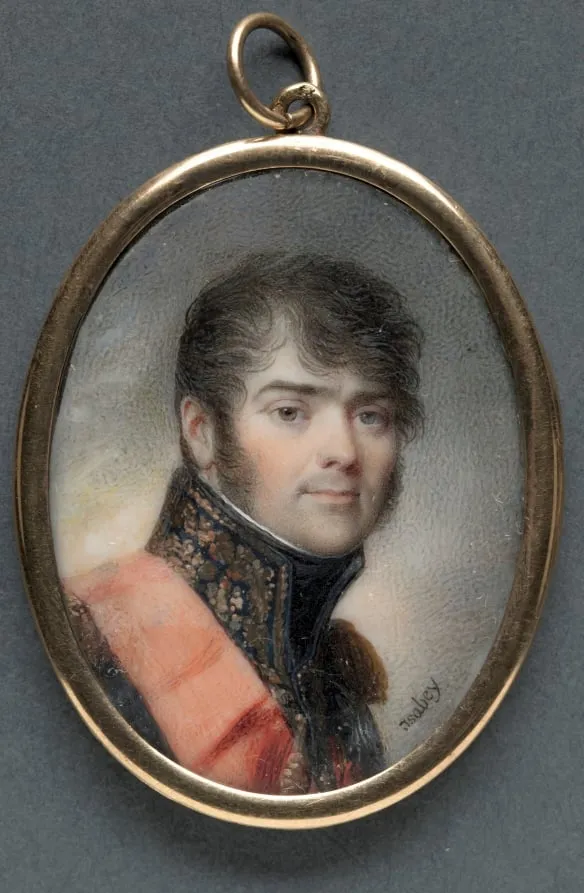
Portrait of Henri Gratien, Comte Bertrand is an unspecified portrait miniature by the Romanticist artist Jean-Baptiste Isabey. It dates from 1808 and is held in the collection of the Cleveland Museum of Art. This miniature portrait depicts Henri Gratien, Comte Bertrand, a French general and trusted aide to Napoleon Bonaparte.
About this work
Overview
Painted in watercolor on ivory by Jean-Baptiste Isabey, it captures Bertrand in his military uniform with quiet precision.
This miniature portrait depicts Henri Gratien, Comte Bertrand, a French general and trusted aide to Napoleon Bonaparte. Painted in watercolor on ivory by Jean-Baptiste Isabey, it captures Bertrand in his military uniform with quiet precision. The small scale and intimate format reflect the tradition of personal portraiture among French elites during the Napoleonic era, emphasizing presence over grandeur.
Subject & Meaning
Bertrand served as a military engineer and later as one of Napoleon’s closest companions, notably overseeing the construction of critical bridges during the 1809 campaign on the Danube. The portrait conveys his role not through symbols of triumph but through composed demeanor and refined attire. His calm gaze and restrained expression suggest duty, competence, and quiet authority rather than heroic spectacle.
Technique & Style
Isabey employed fine brushwork and translucent layers of watercolor on ivory to achieve a lifelike texture. Soft modeling of light across Bertrand’s face creates subtle depth, while the glint of gold embroidery on his collar adds restrained elegance. The technique avoids theatricality, favoring clarity and naturalism—hallmarks of Isabey’s approach to portraiture among Napoleon’s inner circle.
History & Provenance
Commissioned during the height of the First Empire, the portrait likely originated in Napoleon’s circle as a personal keepsake or diplomatic gift. Isabey, a favored artist of the imperial family, produced numerous likenesses of key figures. The work remained within French private collections after the Bourbon Restoration, preserving its connection to Bertrand’s legacy without public display.
Context
In early 19th-century France, miniature portraiture served as both personal memento and political statement. Among military elites, such images affirmed status and loyalty. Bertrand’s portrait aligns with a trend favoring understated realism over idealized heroism, reflecting the shifting values of a post-revolutionary aristocracy still embedded in imperial service.
Legacy
Isabey’s portraits of Napoleon’s associates, including Bertrand, remain valuable records of the era’s visual culture. While not widely exhibited, these works inform historical understanding of how power was visually negotiated in private spheres. The portrait endures as a quiet testament to the individuals who enabled imperial campaigns, beyond the fame of their leaders.
Artist & collection
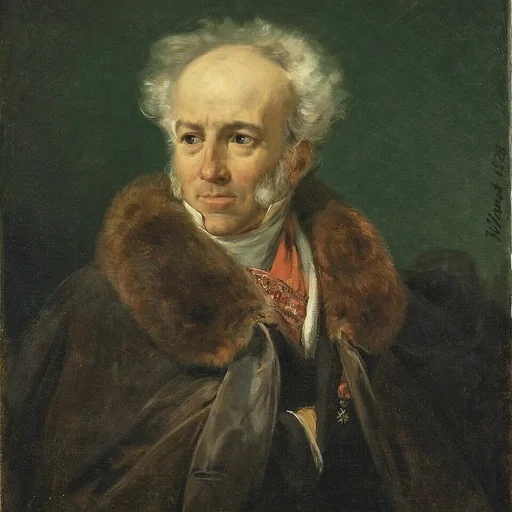
Artist
Jean-Baptiste Isabey (French pronunciation: ; 11 April 1767 – 18 April 1855) was a French artist during both the First Empire and the Restoration.

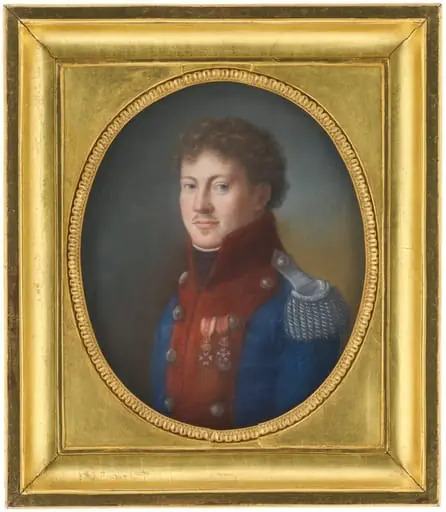 Rittmeister Heinrich Bauer
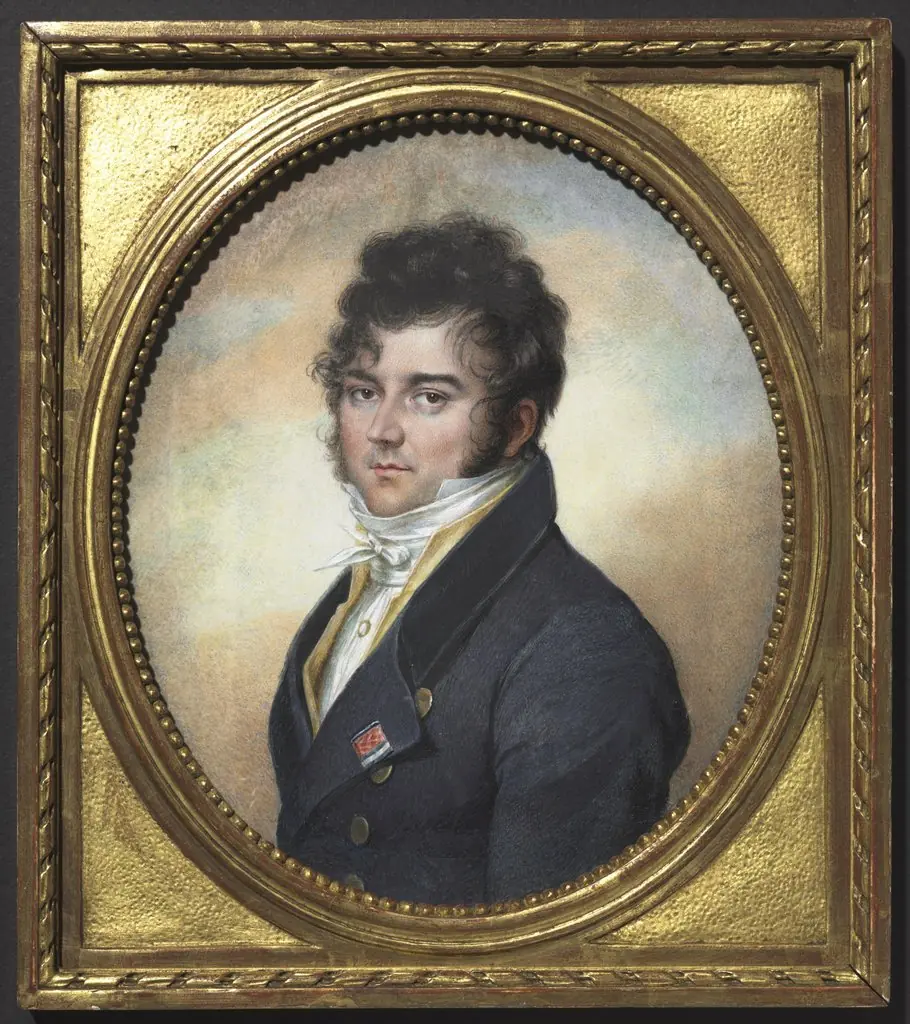 Portrait of a Man
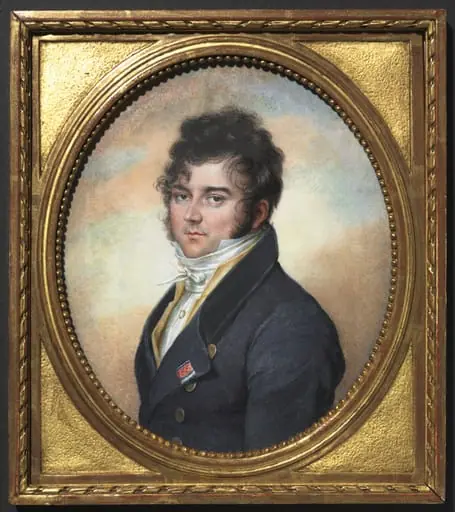 Portrait of a Man
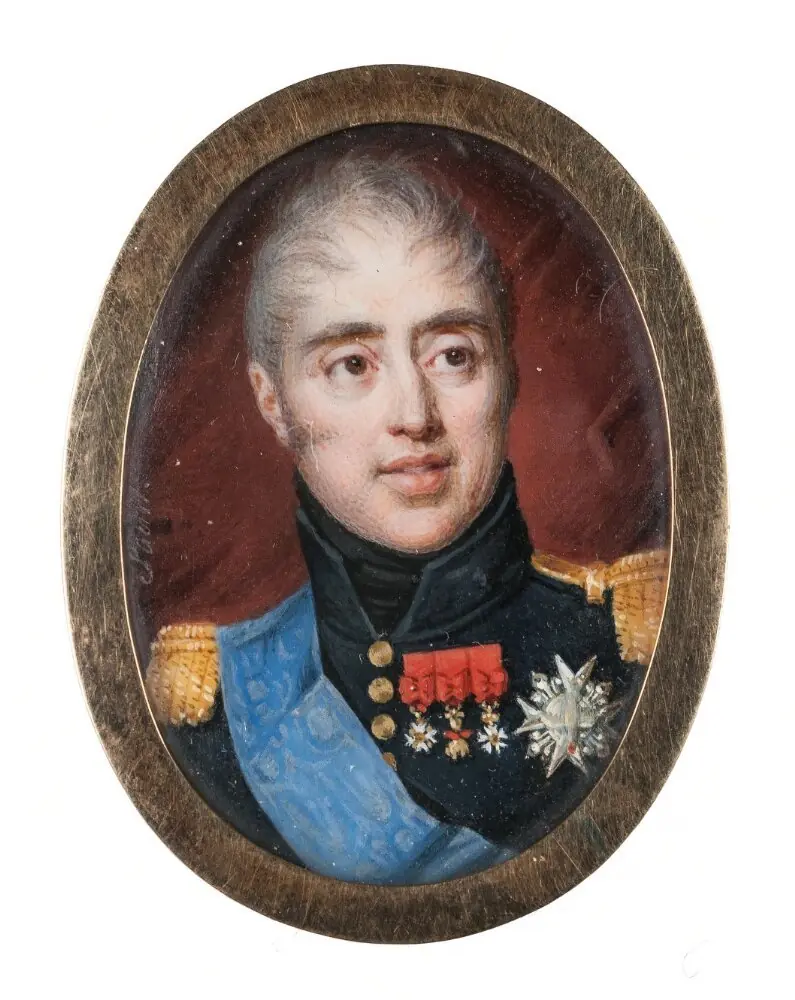 Charles X, King of France and Navarre
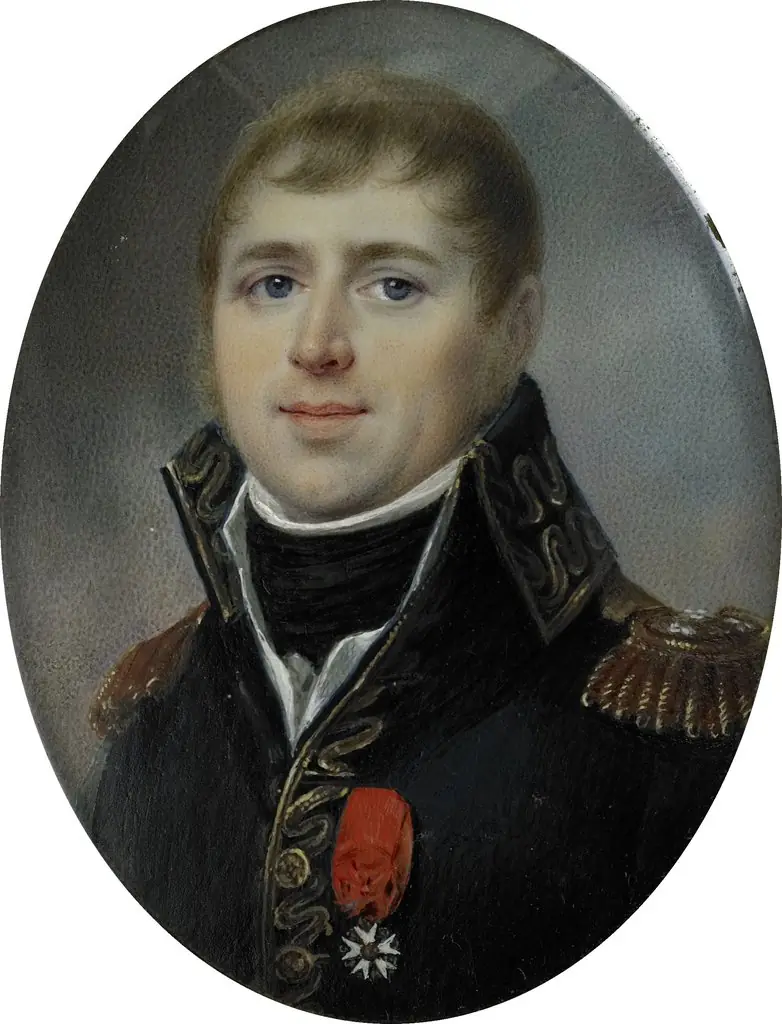 Carel Hendrik Ver Huell (1764-1845), Vice-admiraal van de Bataafse vloot en Minister van Marine van de Bataafse Republiek, getooid met het officierskruis van het Legioen van Eer, hem verleend in 1804
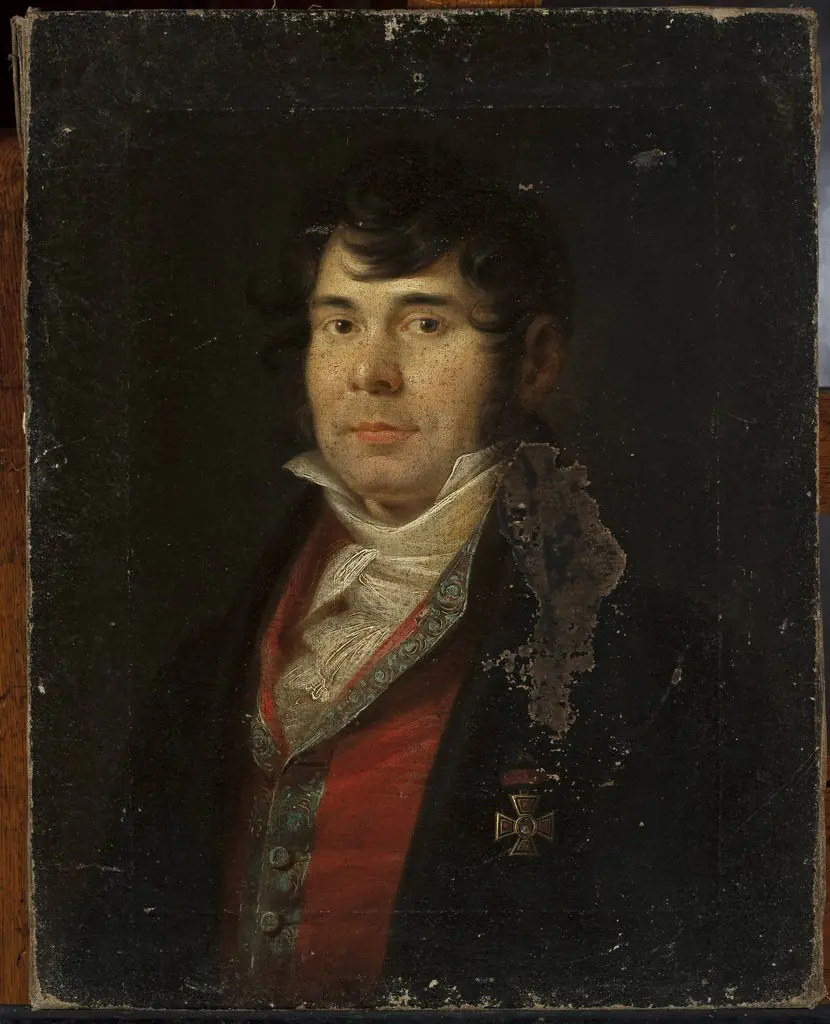 Male portrait
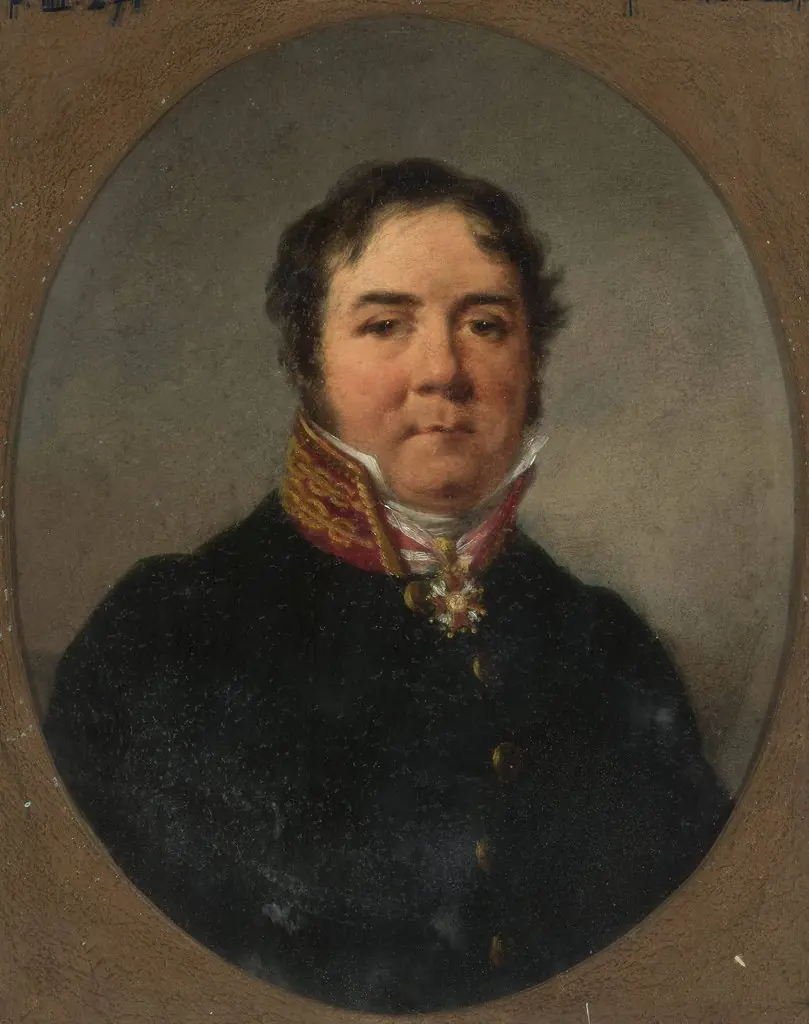 Portrait of Antoni Erazm Makarowicz
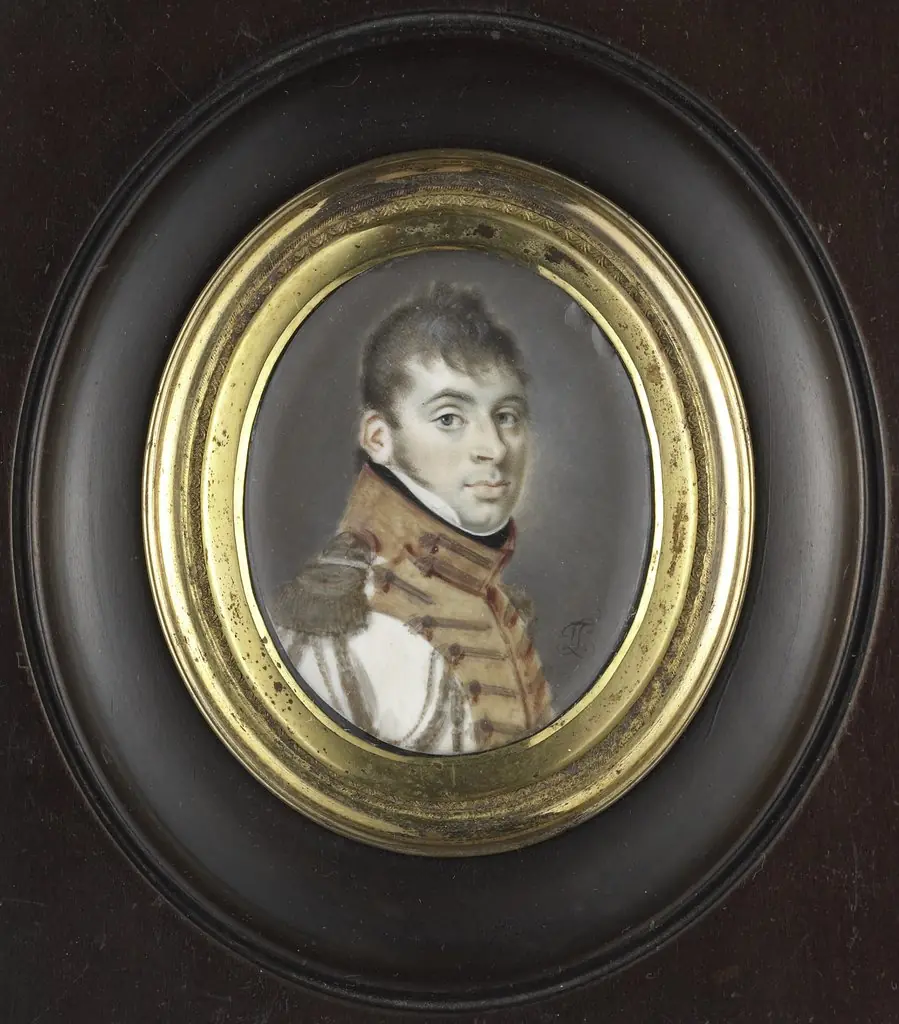 Willem Jacob Verkouteren (1779-1861), in het uniform van de Garde d'Honneur van Delft
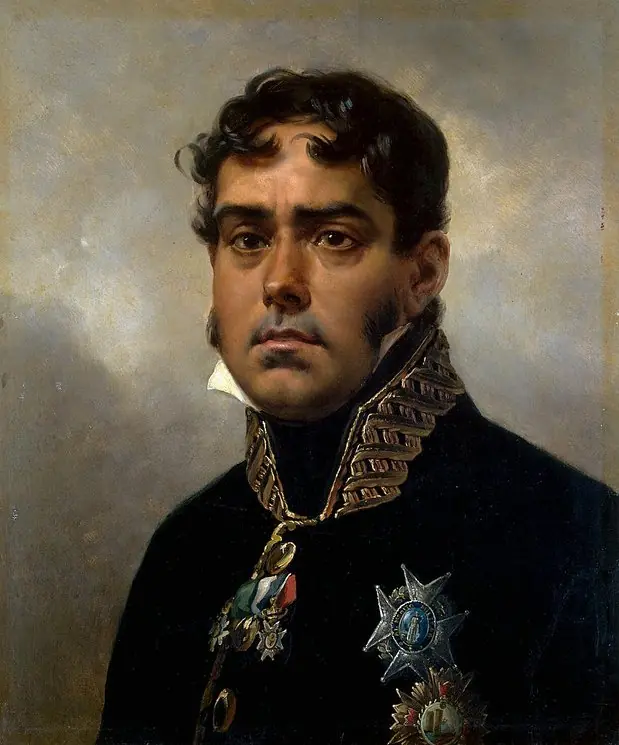 Portrait of General Pablo Morillo