Artwork
Charles X, King of France and Navarre
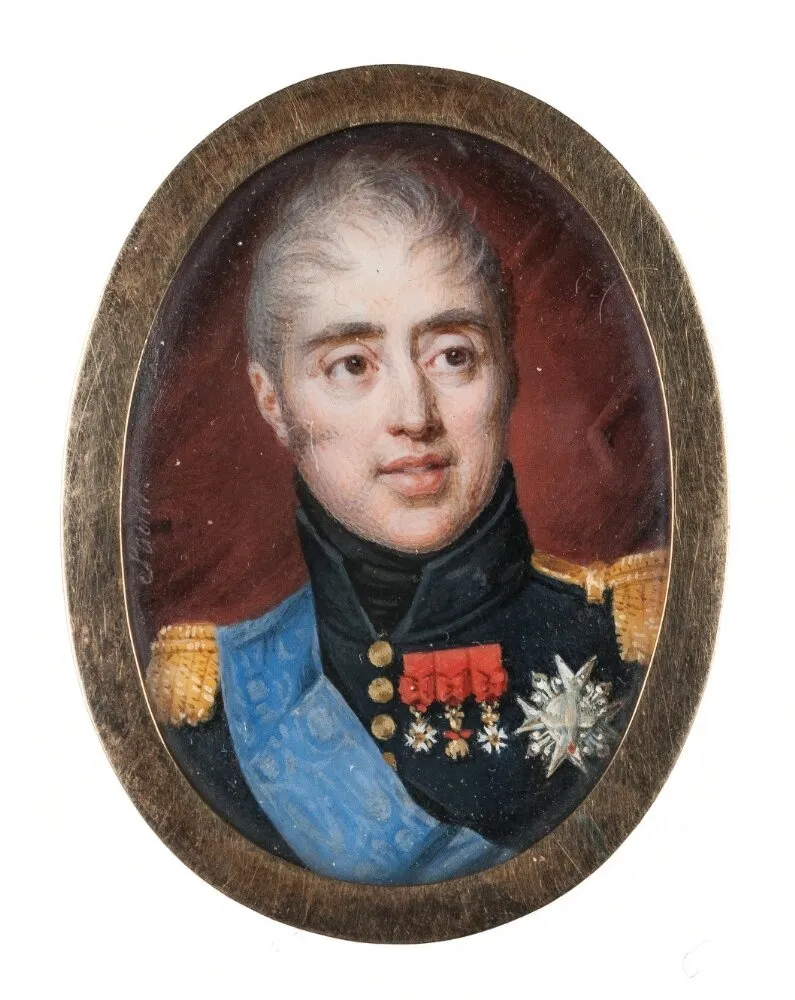
Charles X, King of France and Navarre is an unspecified painting by Daniel Saint. It dates from 1822 and is held in the collection of the Nationalmuseum.
About this work
Overview
Painted around 1822 by Daniel Saint, this portrait captures Charles X, the last Bourbon king of France and Navarre, in the final years of his reign. The work resides in the Nationalmuseum in Stockholm, where it serves as a visual record of French monarchical authority during a period of political transition. Its formal composition reflects the conventions of early 19th-century state portraiture.
Subject & Meaning
Charles X is portrayed in military attire, emphasizing his role as commander-in-chief and his alignment with the conservative, post-revolutionary order. The red ribbon and medal signify honors received, reinforcing his status within the established hierarchy. His direct gaze and stern expression convey gravitas, intended to project legitimacy and control amid rising liberal opposition in France.
Technique & Style
Subtle modeling of light and shadow enhances the three-dimensionality of the king’s face and uniform, suggesting a quiet use of chiaroscuro.
Saint employs a restrained palette dominated by deep blues, reds, and blacks to anchor the figure against a dark, uniform background. Subtle modeling of light and shadow enhances the three-dimensionality of the king’s face and uniform, suggesting a quiet use of chiaroscuro. Textures in the fabric and metallic embellishments are rendered with precision, underscoring the sitter’s rank without overt embellishment.
History & Provenance
The painting was likely commissioned during Charles X’s reign or shortly after his abdication in 1830. It entered the collection of the Nationalmuseum in Sweden, possibly through diplomatic channels or royal gift, reflecting the international interest in French monarchy during the Bourbon Restoration. Its presence in Stockholm highlights the transnational circulation of royal imagery in the early 1800s.
Context
Created during the Bourbon Restoration, the portrait responds to a cultural moment when European monarchies sought to reassert traditional authority after the upheavals of revolution and empire. The military dress and medal reflect the king’s attempt to align himself with the Napoleonic legacy of disciplined leadership, even as his rule faced growing public dissent.
Legacy
As one of the few surviving formal portraits of Charles X, the painting offers insight into how the monarchy visually constructed its identity in its final years. It stands as a document of royal self-presentation rather than popular acclaim, capturing a ruler whose reign ended in exile and whose image was soon overshadowed by the July Monarchy.
Artist & collection

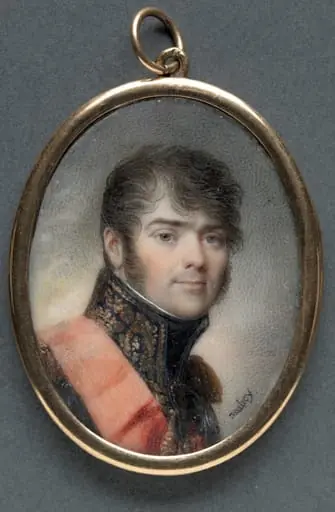 Portrait of Henri Gratien, Comte Bertrand
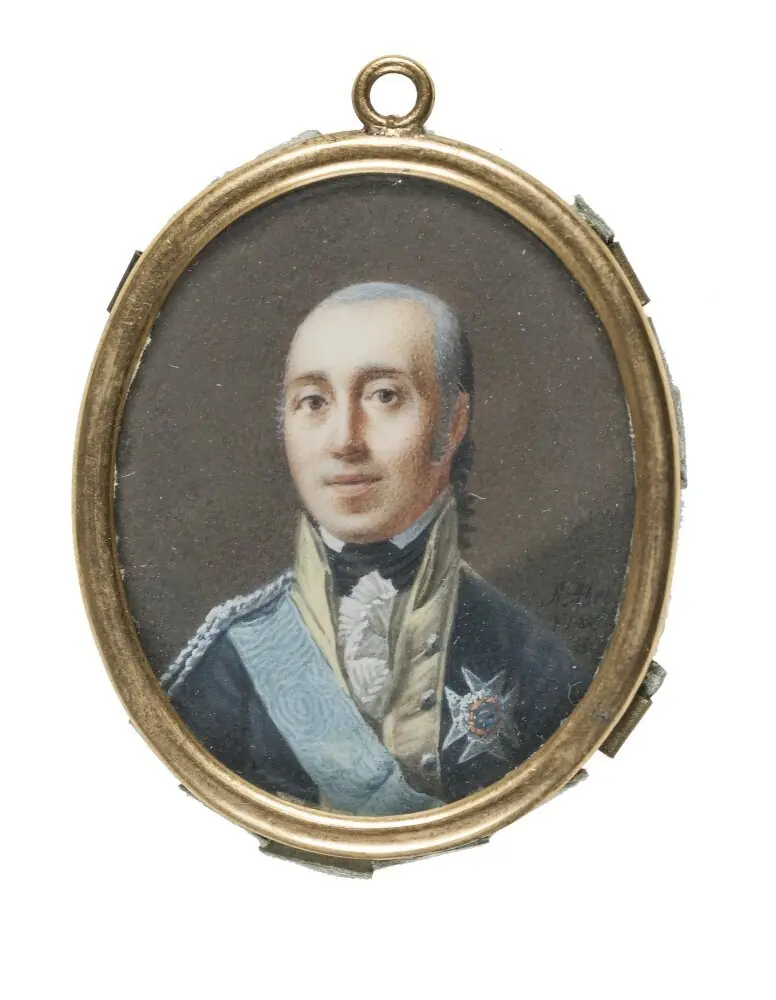 Friedrich Franz, Duke of Mecklenburg-Schwerin
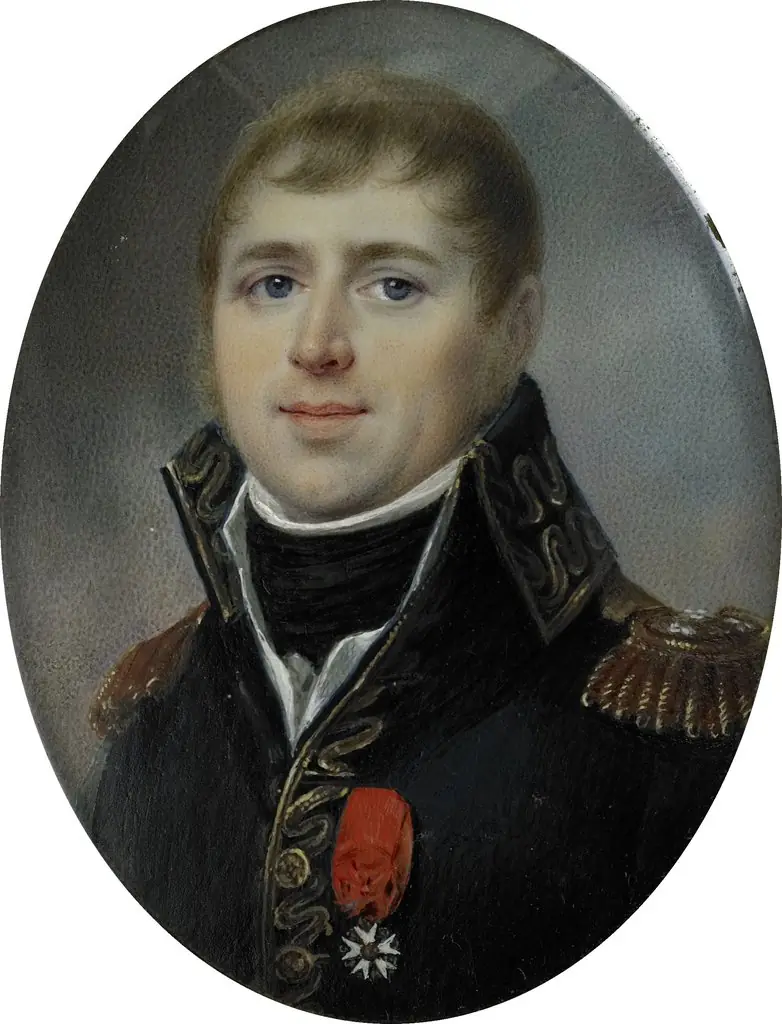 Carel Hendrik Ver Huell (1764-1845), Vice-admiraal van de Bataafse vloot en Minister van Marine van de Bataafse Republiek, getooid met het officierskruis van het Legioen van Eer, hem verleend in 1804
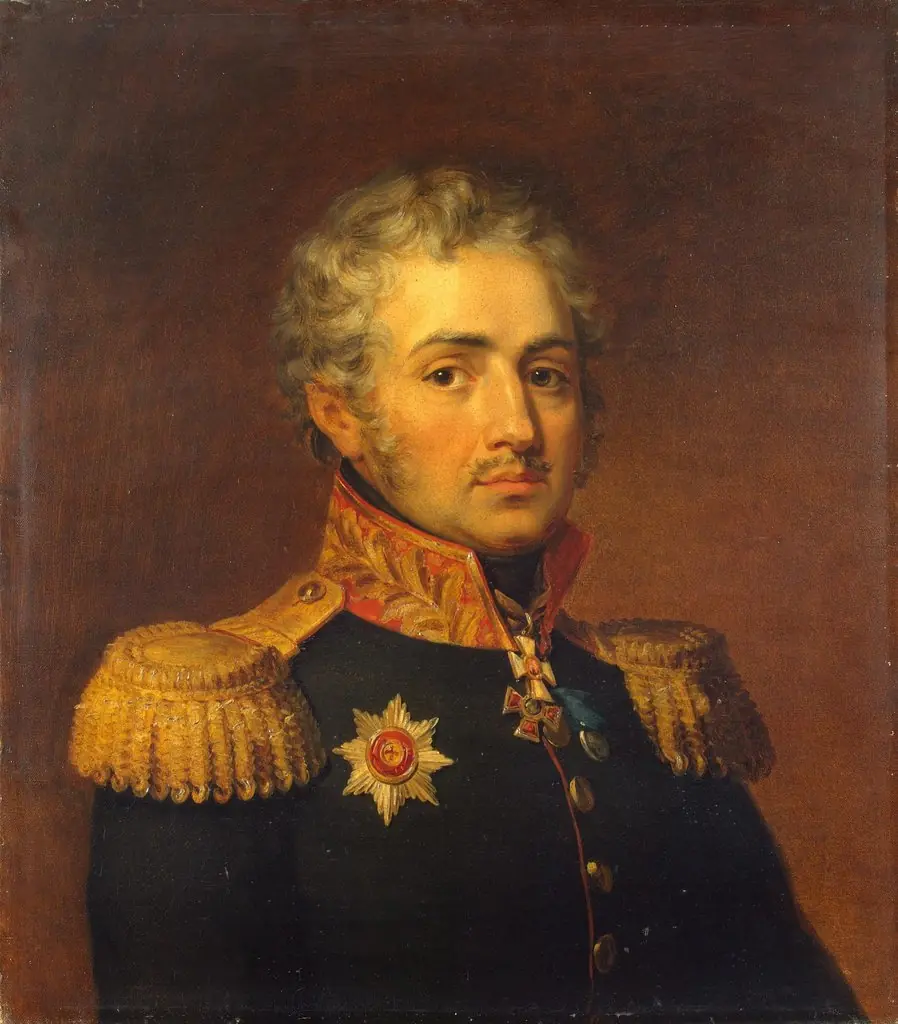 Portrait of Ivan Ye. Shevich (1754-1813)
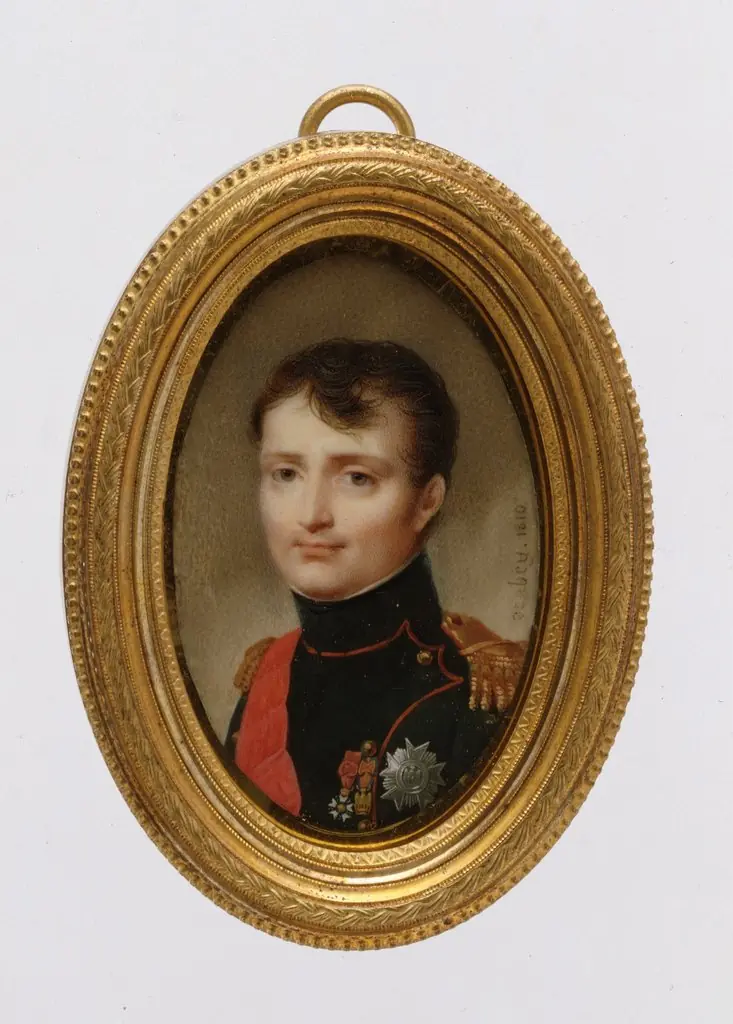 Napoléon I (1769–1821)
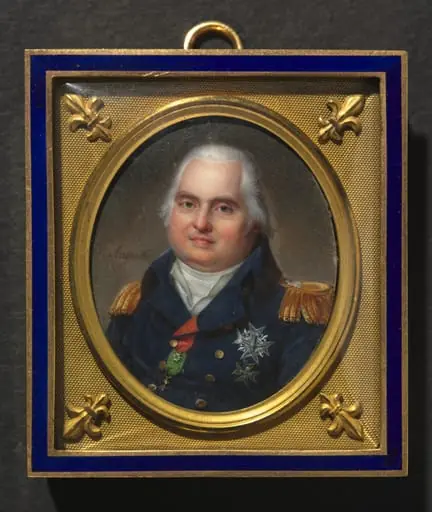 Portrait of Louis XVIII
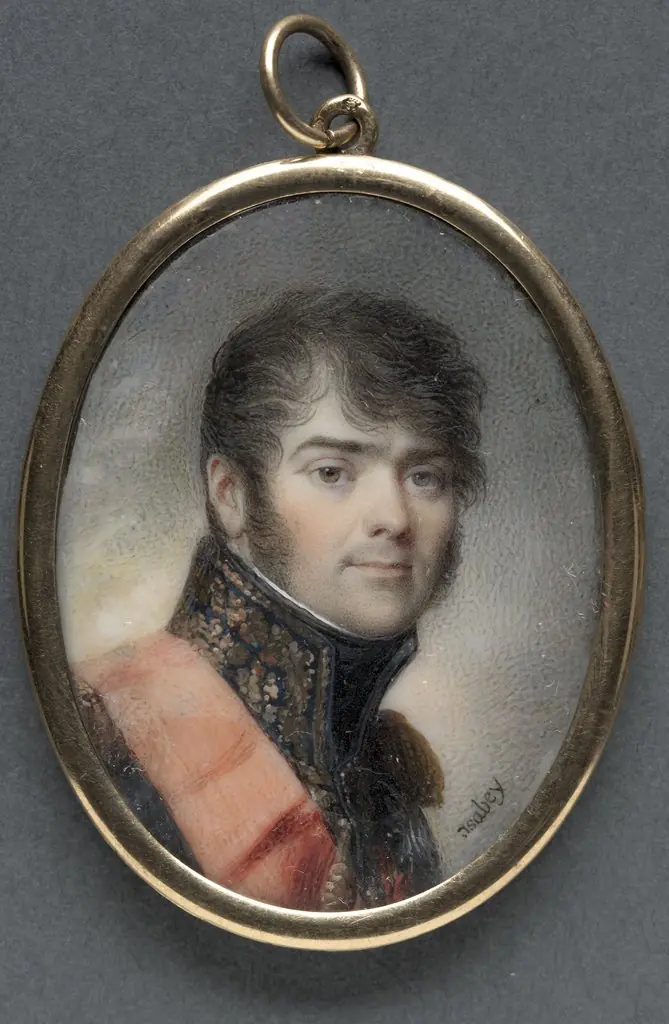 Portrait of Henri Gratien, Comte Bertrand
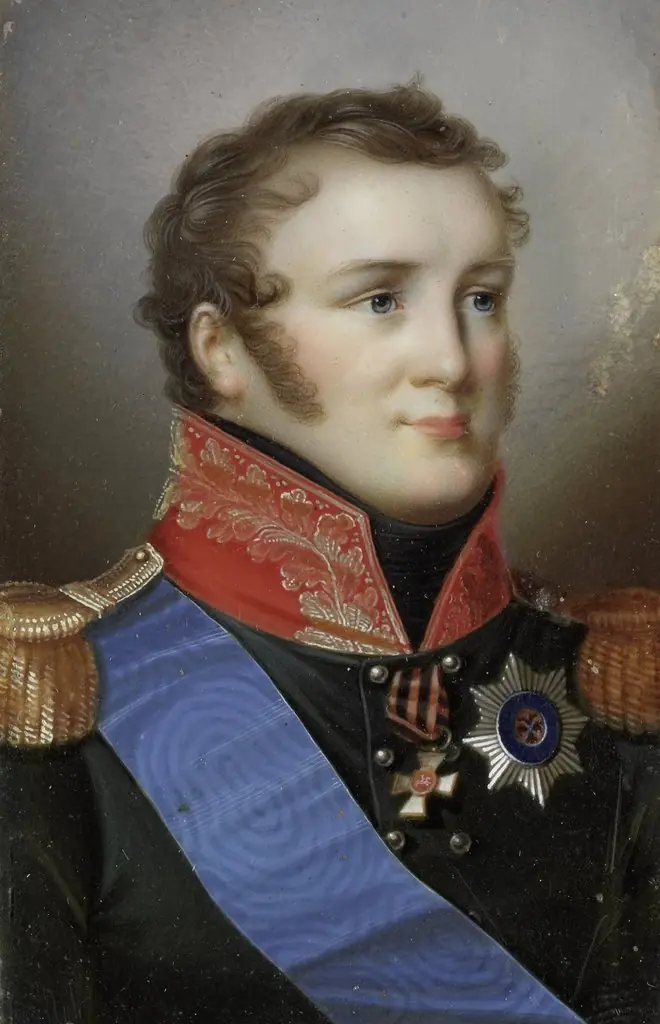 Portrait of Alexander I Romanov (1777-1825)
 An Unknown French Officer
 Portrait of Louis XVIII
 Portrait of Louis XVIII
 So-called portrait of Charles Felix of Savoy, King of Sardinia