Artwork
Charles-François Pinceloup de la Grange
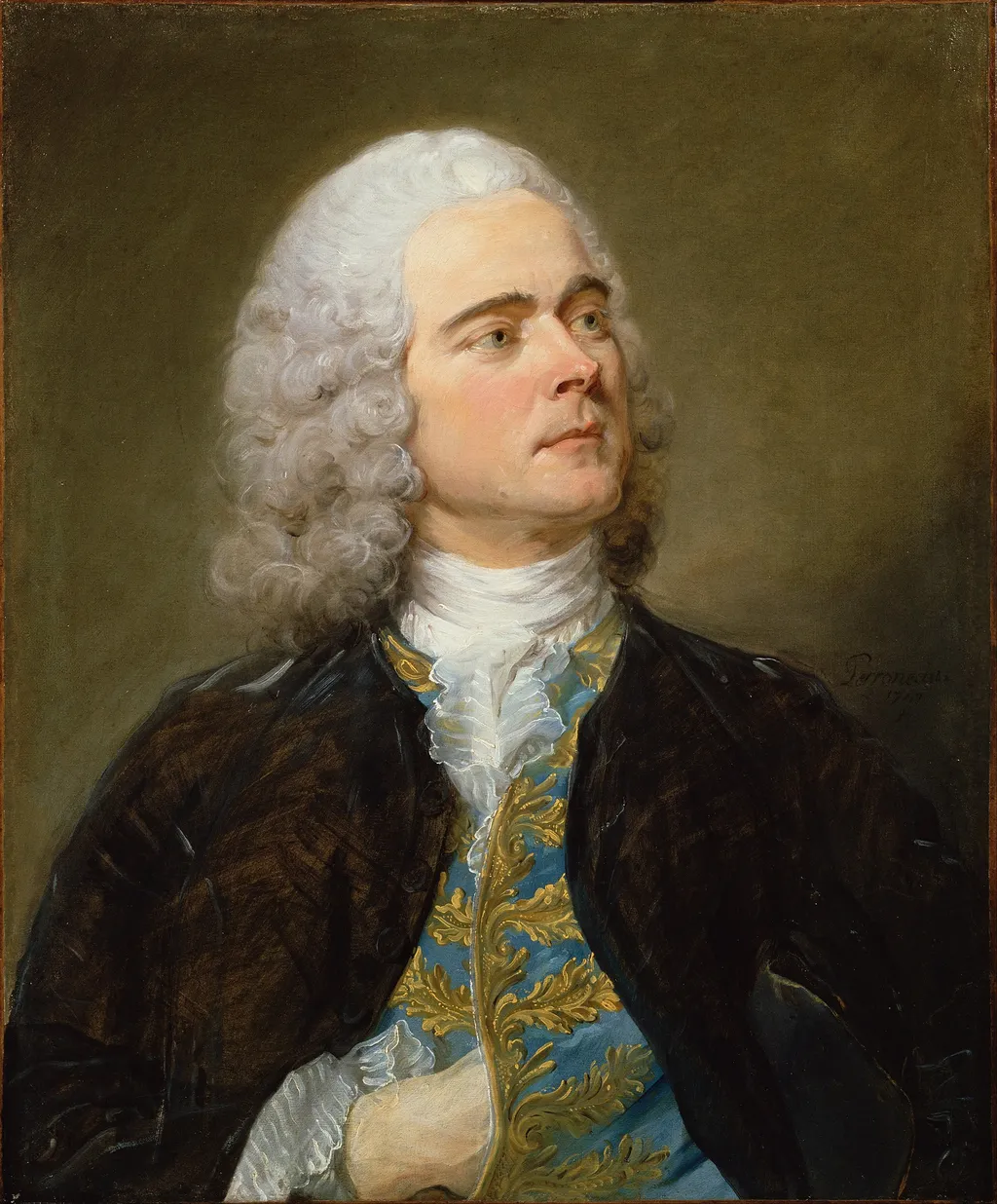
Charles-François Pinceloup de la Grange is an oil painting by the Rococo painting artist Jean-Baptiste Perronneau. It dates from 1747 and is held in the collection of the J. Paul Getty Museum.
About this work
Overview
This 1747 oil painting by Jean-Baptiste Perronneau depicts Charles-François Pinceloup de la Grange in a characteristic Rococo style. Although Perronneau is best known for his pastel portraits, this work showcases his skill with oil paint.
Subject & Meaning
The subject, Charles-François Pinceloup de la Grange, is portrayed in a formal yet approachable manner, with attire indicating his social status. His gaze directed to the right suggests a sense of introspection or engagement with something outside the frame.
Technique & Style
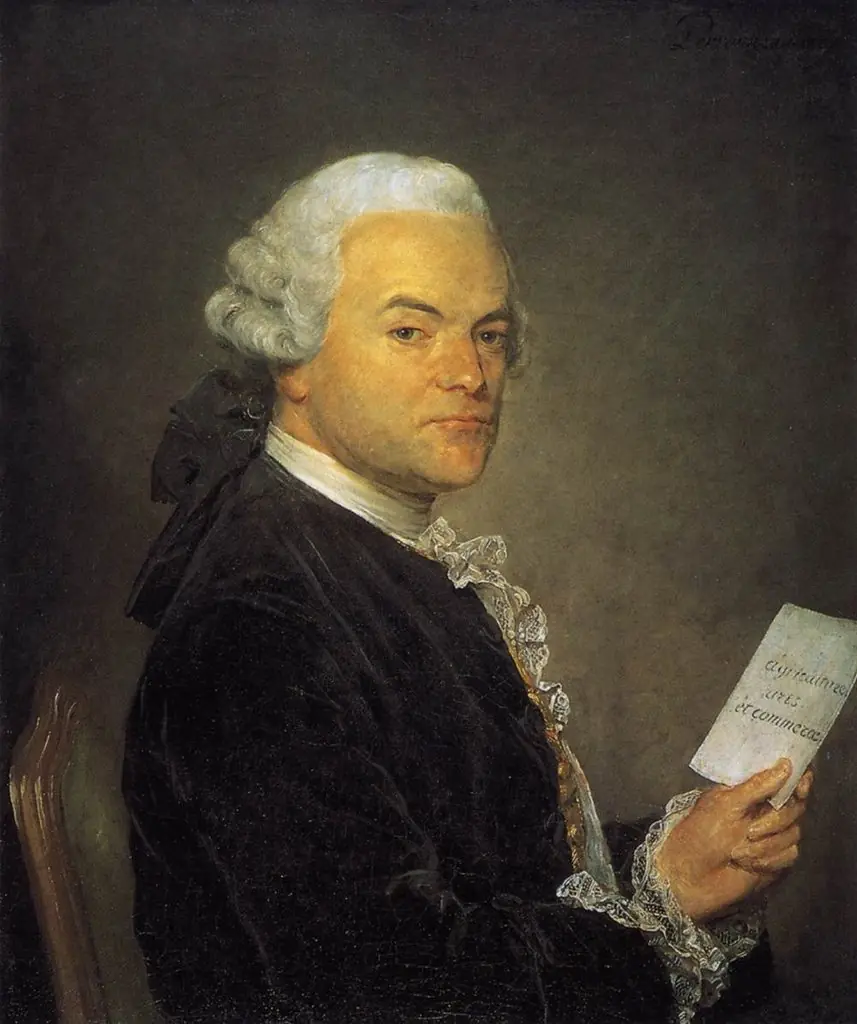
Executed in oil on canvas, the painting features a dark brown background that contrasts with the subject's vibrant, gold-embroidered blue vest and white ruffled shirt. The open black jacket and curly white hair add depth and texture, hallmarks of the Rococo emphasis on detail and comfort.
History & Provenance
Created in 1747, the painting's provenance is not detailed here, but its existence highlights Perronneau's versatility beyond pastels during the 18th century.
Context
This work reflects the Rococo period's fondness for capturing the elegance and personality of the aristocracy and emerging bourgeoisie, often in more intimate and less formal settings than Baroque portraiture.
Legacy
While not as widely recognized as Perronneau's pastel works, this oil painting contributes to the broader understanding of his artistic range and the Rococo style's prevalence in 18th-century French portraiture.
Artist & collection
Artist
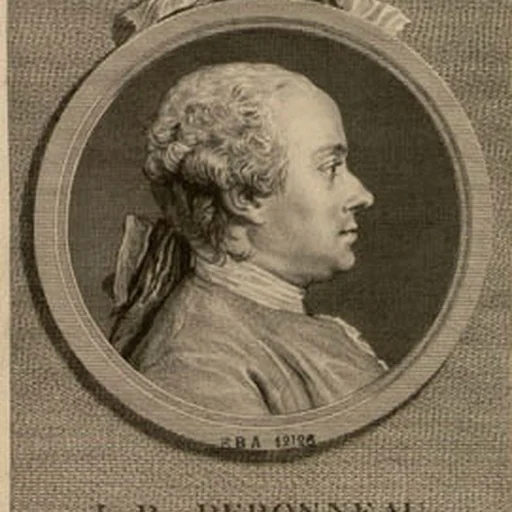
Jean-Baptiste Perronneau (French pronunciation: ; c. 1716 – 19 November 1783) was a French Rococo painter and draughtsman, best known for his portrait pastels.

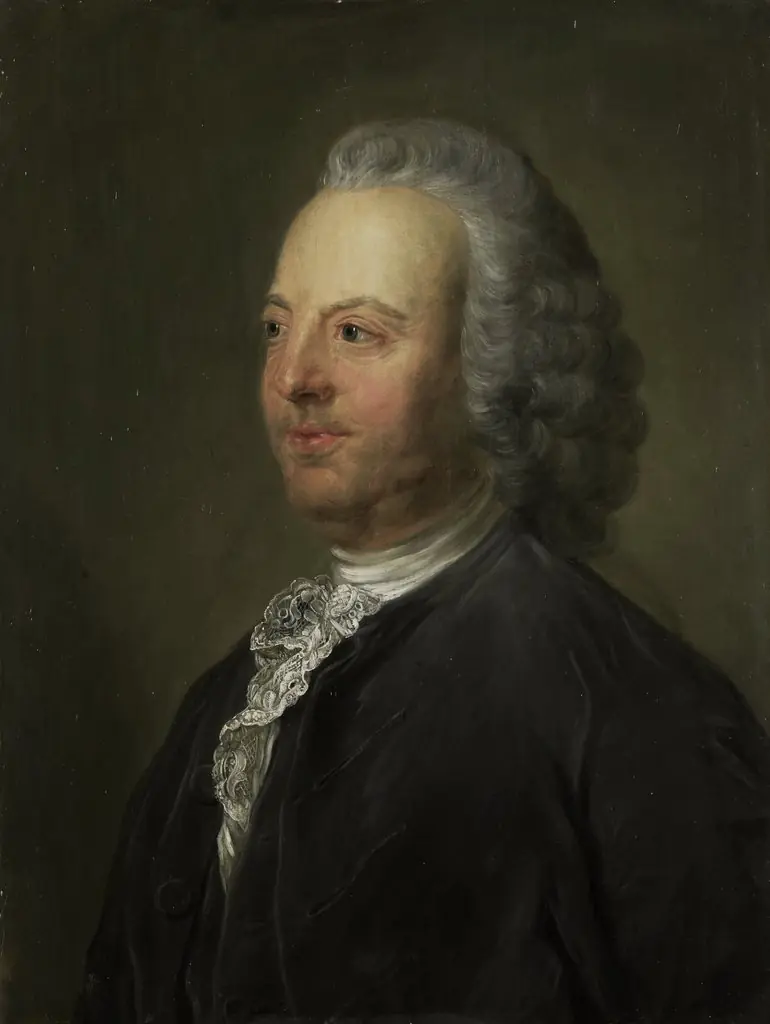
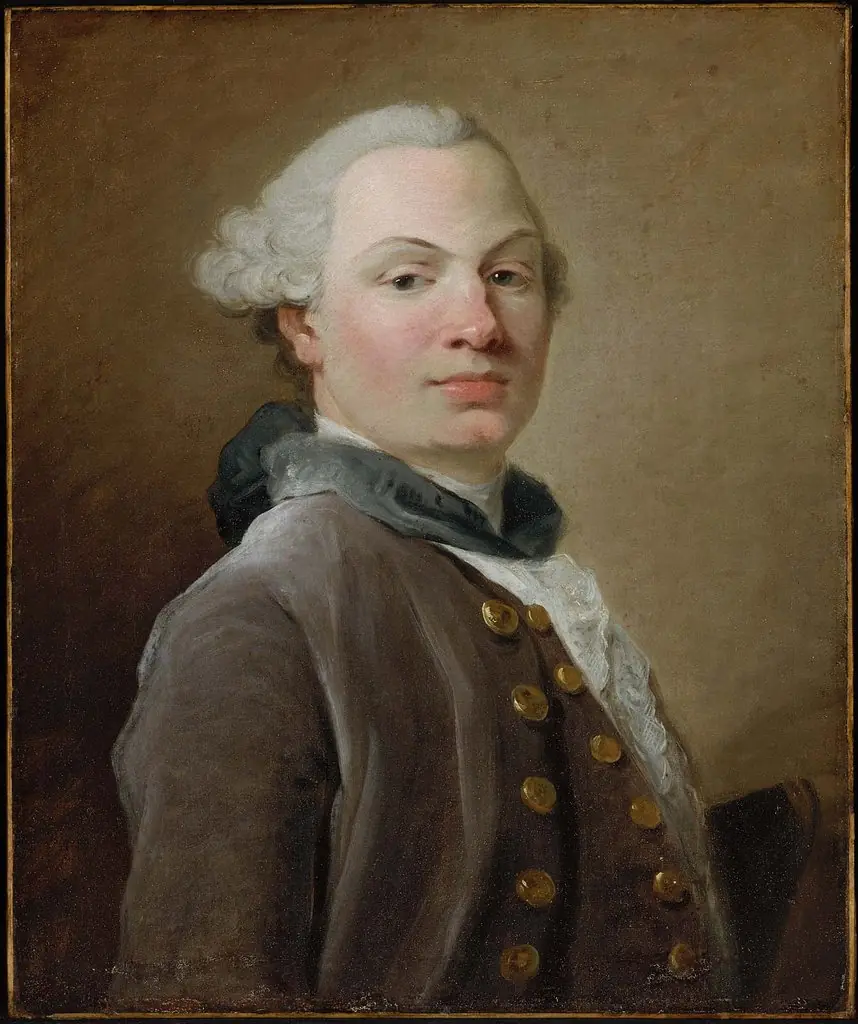
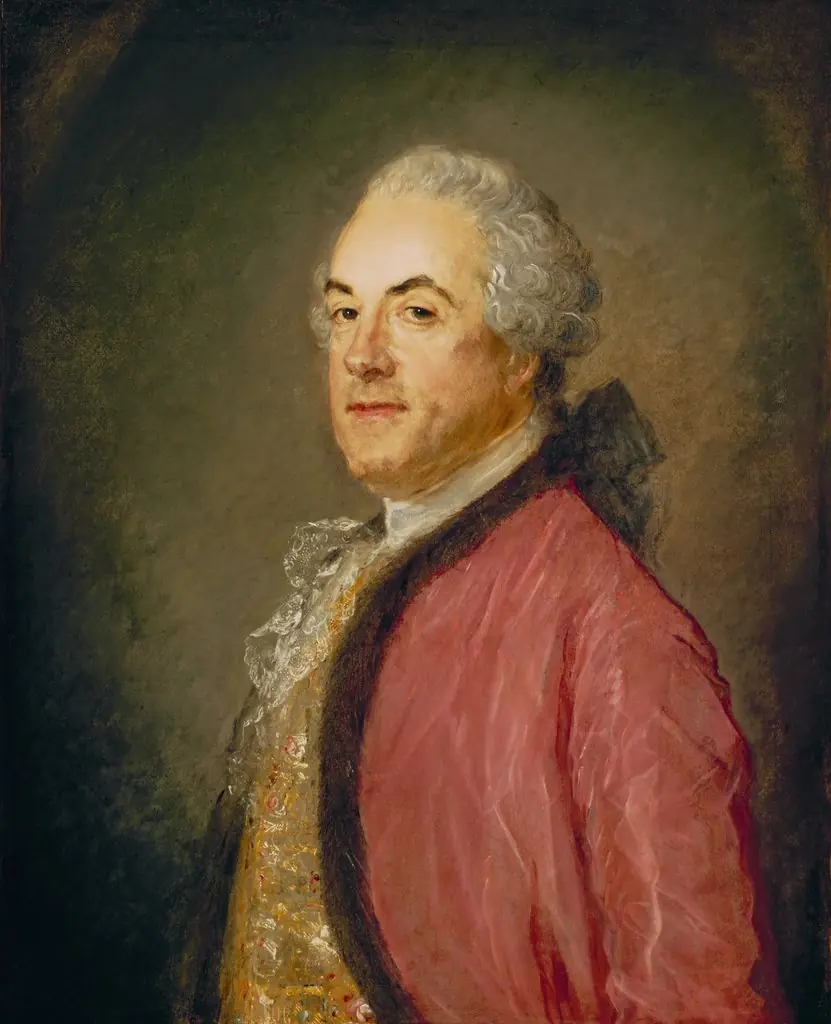
 Sir James Gray, 2nd Bt.
 Bildnis eines Herrn, angeblich des Kammerherrn von Montargu
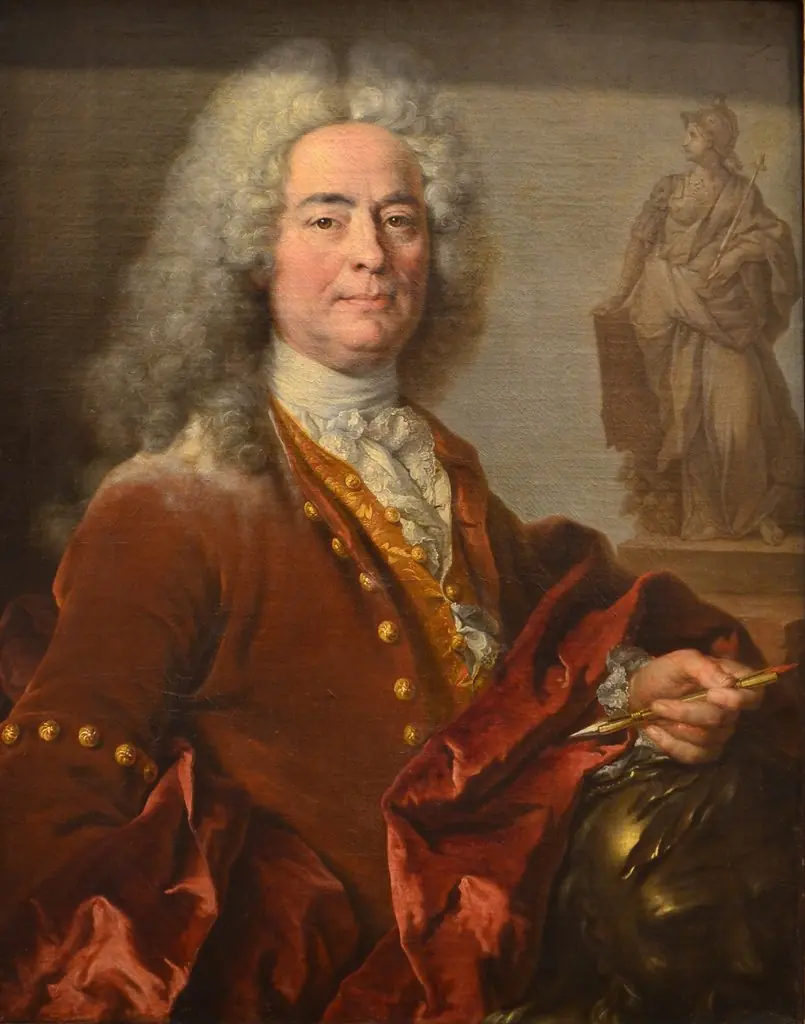 Portrait du sculpteur Jean Thierry
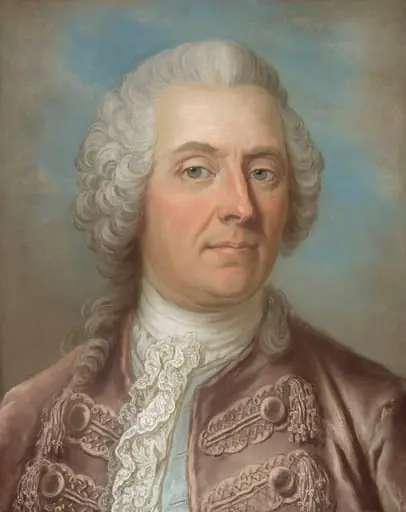 Vapaaherra Johan Wilhelm Sprengtporten
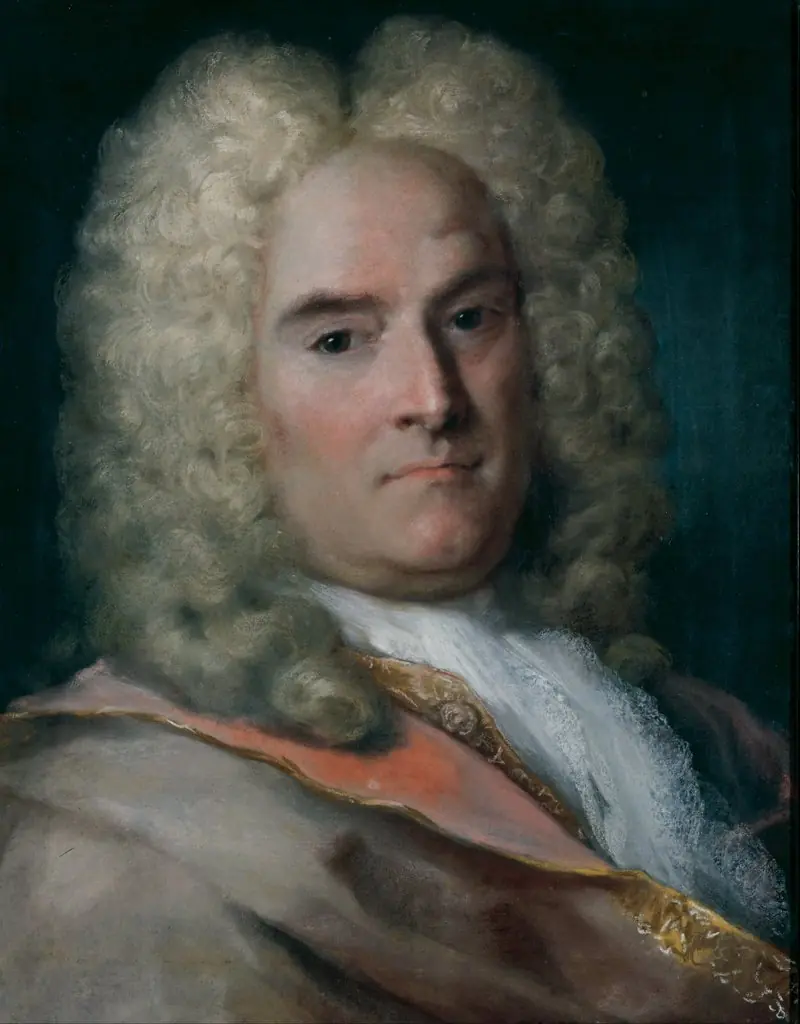 A Gentleman in a Gray Cape over a Gold-Embroidered Coat
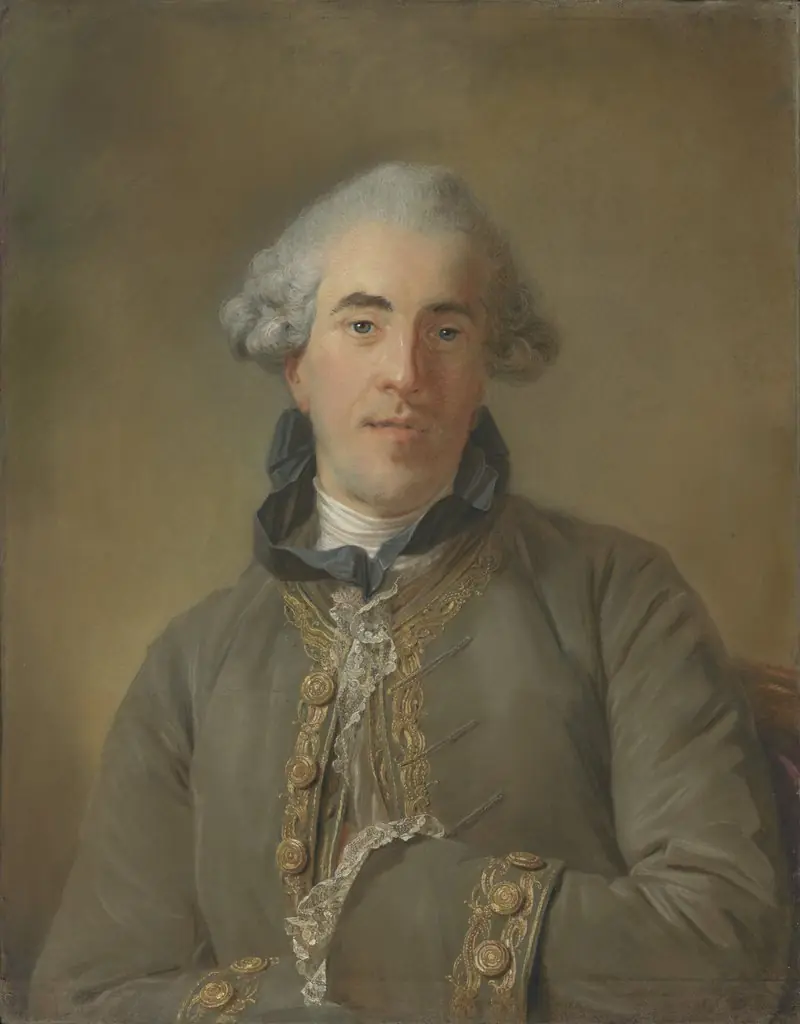 Portrait of Théophile Van Robais
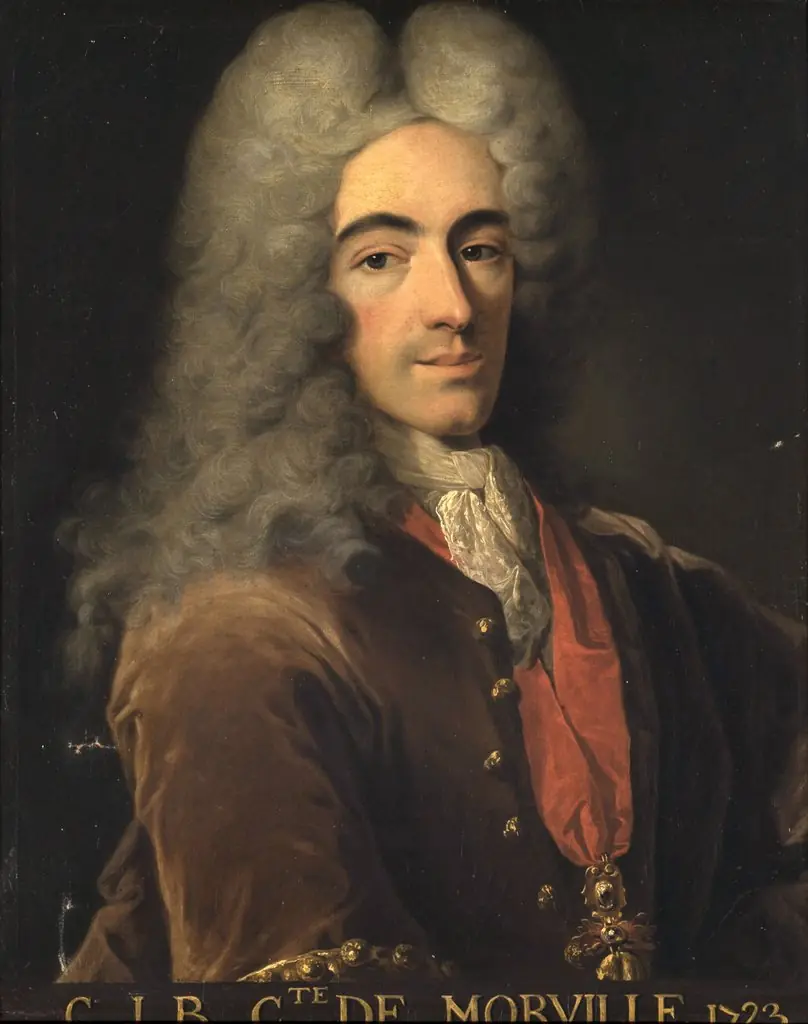 Charles-Jean-Baptiste Fleuriau, Comte de Morville (1686-1732)
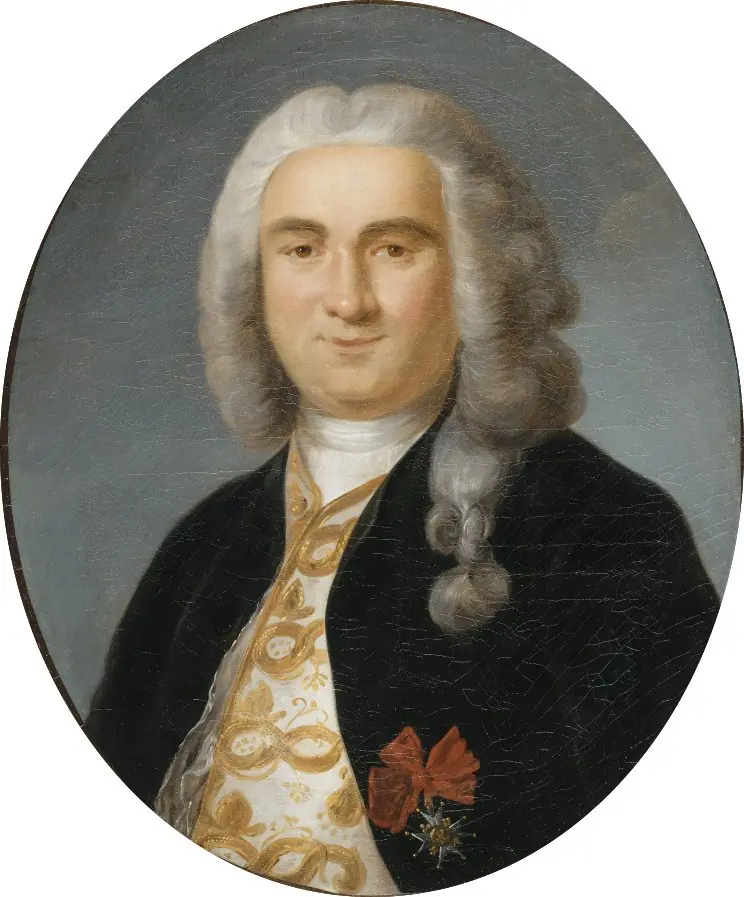 Portrait of Bertrand-François Mahé de La Bourdonnais (1699-1753), French admiral
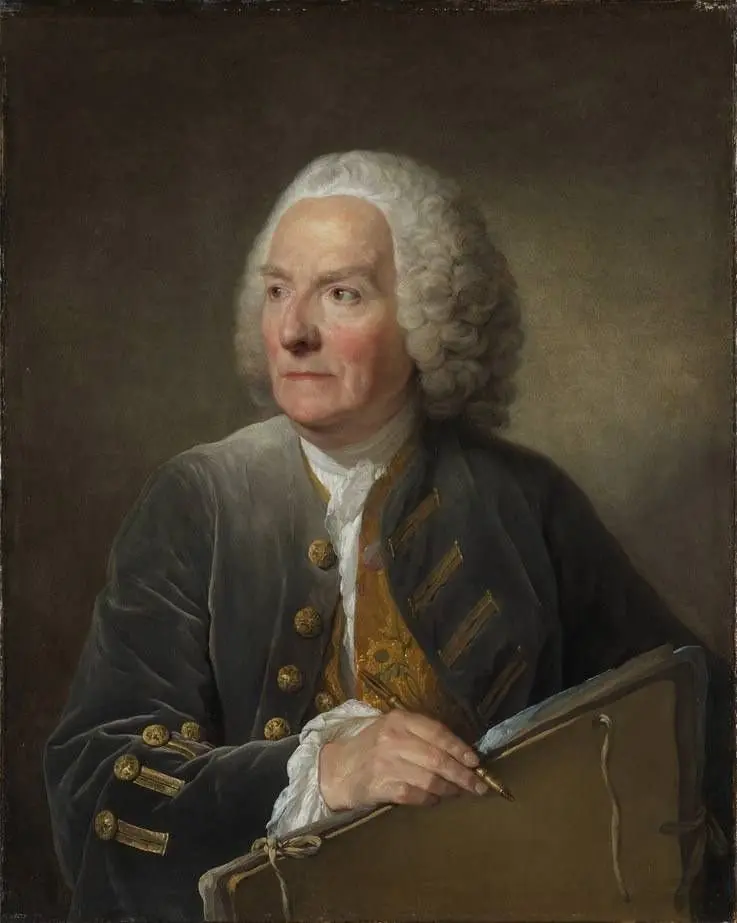 Louis de Silvestre d. J.
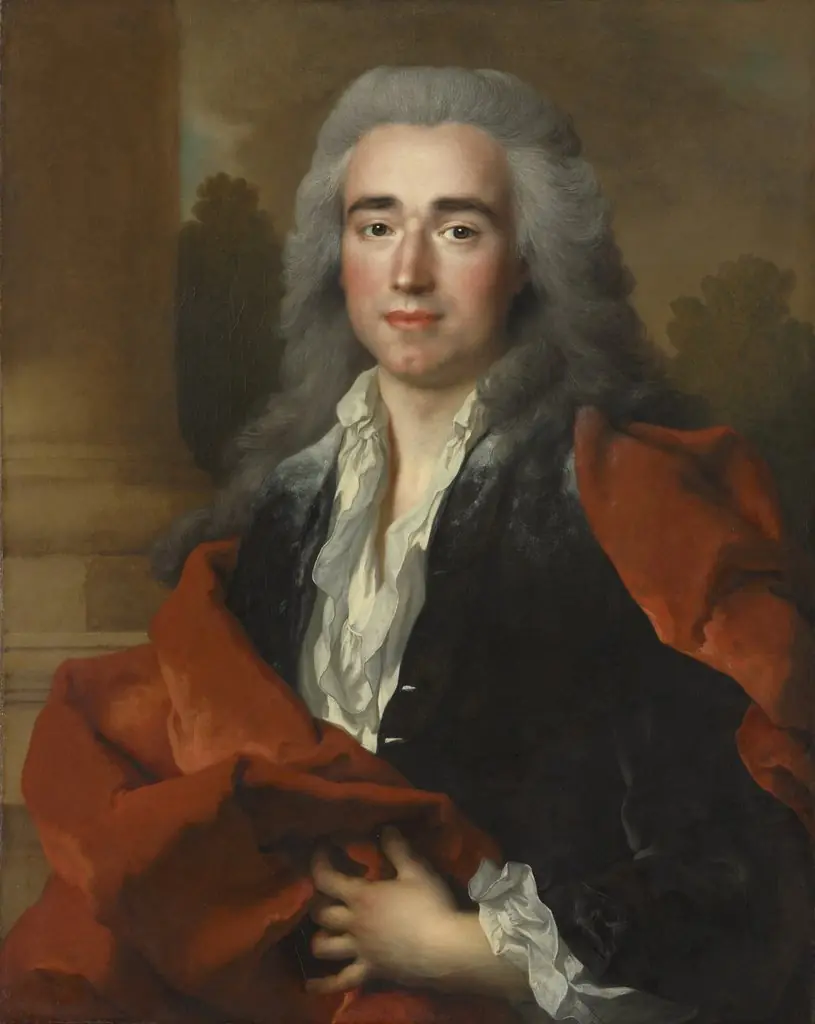 Portrait of Anne Louis Goislard de Montsabert, Comte de Richbourg-le-Toureil
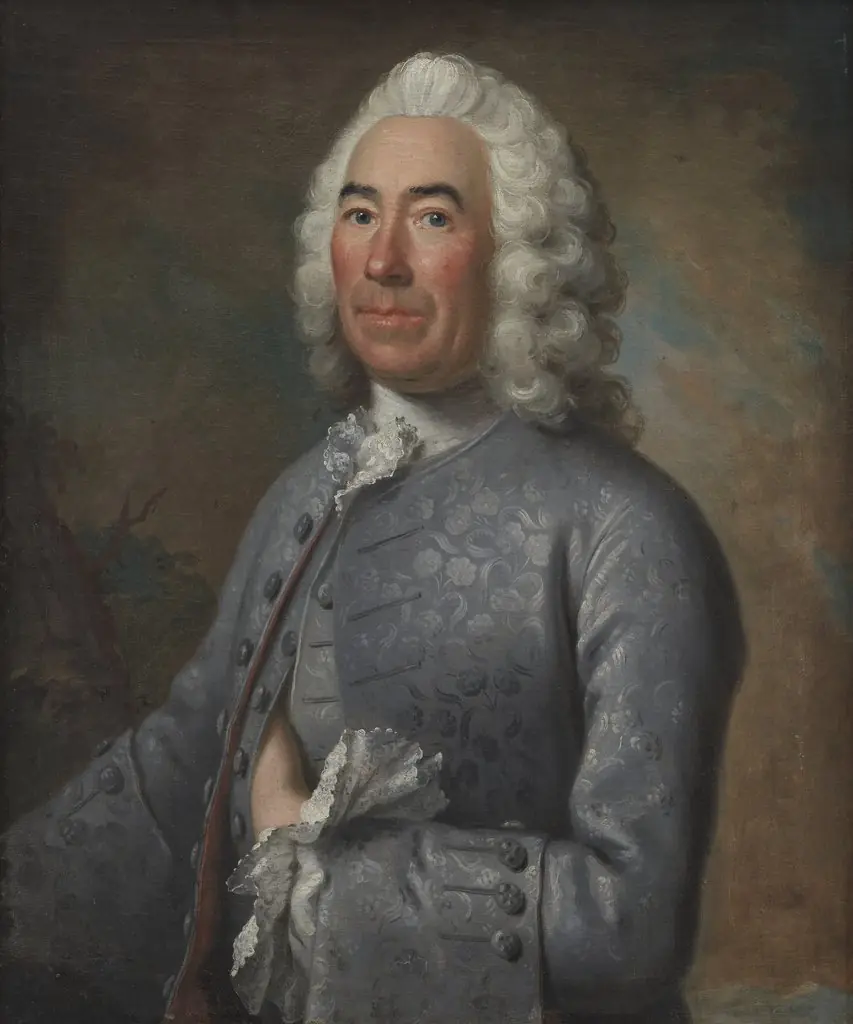 Portrait og an Elderly Gentleman
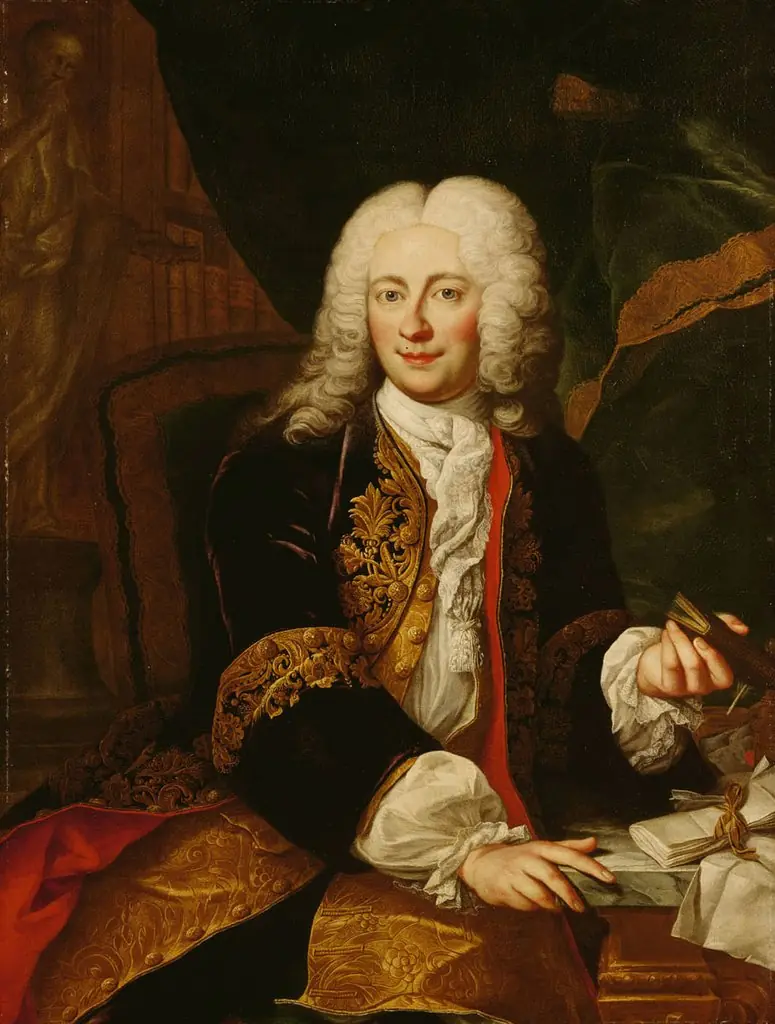 Portrait of Johann Christoph Freiherr von Bartenstein (1689-1767)