Artwork
The Sliced Melon
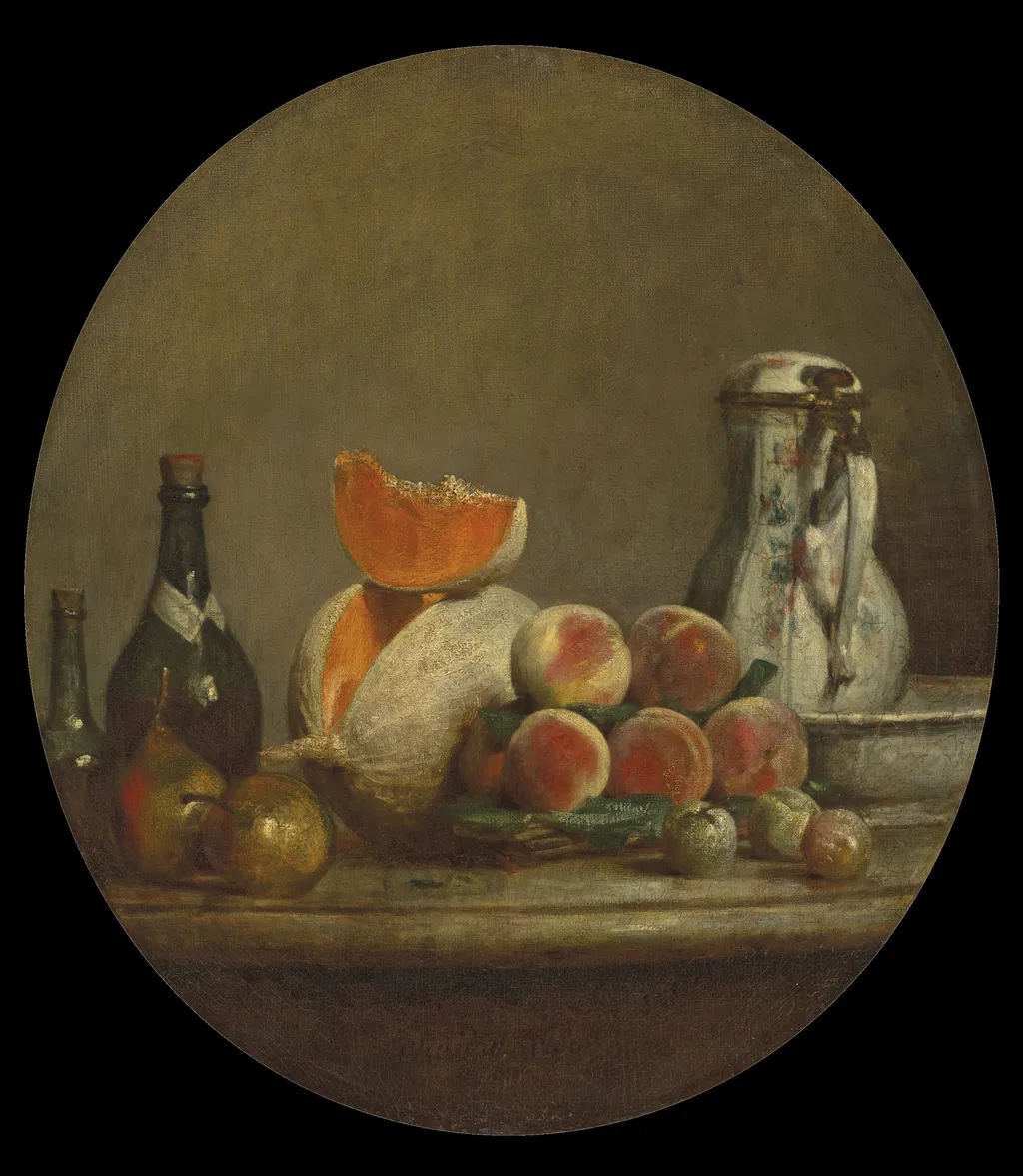
The Sliced Melon is an oil painting by the Rococo painting artist Jean-Baptiste-Siméon Chardin. It dates from 1760 and is held in the collection of the Kimbell Art Museum.
About this work
Overview
Painted in 1760 by Jean-Baptiste-Siméon Chardin, *The Sliced Melon* is an oil-on-canvas still life that captures ordinary domestic objects with quiet precision. The composition centers on a halved melon, peaches, and a bottle arranged on a plain wooden table. Set against a neutral wall, the scene avoids ornamentation, emphasizing restraint and contemplative observation over theatrical display.
Subject & Meaning
The painting presents humble fare—melon, fruit, and a simple vessel—elevated through careful arrangement. Rather than symbolizing abundance or luxury, the objects suggest the quiet dignity of daily life. Chardin’s focus on transient, edible items invites reflection on impermanence and the beauty found in the mundane, aligning with Enlightenment-era values of sincerity and observation.
Technique & Style
The restrained palette and deliberate composition reflect a deliberate move away from Rococo exuberance toward a more intimate, tactile realism.
Chardin employs soft, layered brushwork to render textures with subtle realism: the melon’s rind, the peach’s fuzz, and the bottle’s glassy surface are distinguished through nuanced tonal shifts. Light falls gently from one side, modeling forms without dramatic contrast. The restrained palette and deliberate composition reflect a deliberate move away from Rococo exuberance toward a more intimate, tactile realism.
History & Provenance
Created during Chardin’s mature period, the painting remained in private collections until entering the Kimbell Art Museum’s holdings. Its documented history is modest, consistent with Chardin’s reputation for producing works admired by connoisseurs rather than widely exhibited. The museum acquired it as part of a broader effort to represent 18th-century French domestic painting.
Context
In mid-18th-century France, while courtly art favored grandeur, Chardin turned to the interiors of middle-class homes. His still lifes contrasted with the ornamental tendencies of Rococo, offering instead a quiet, almost ascetic focus on ordinary things. This approach resonated with emerging philosophical currents that valued empirical observation and the moral worth of simplicity.
Legacy
Chardin’s influence extended to later realists and modern painters who valued understated composition and material presence. *The Sliced Melon* exemplifies his enduring contribution: transforming the still life from decorative genre into a vehicle for perceptual clarity. Its quiet authority continues to inform how everyday objects are rendered with dignity in Western art.
Artist & collection
Artist
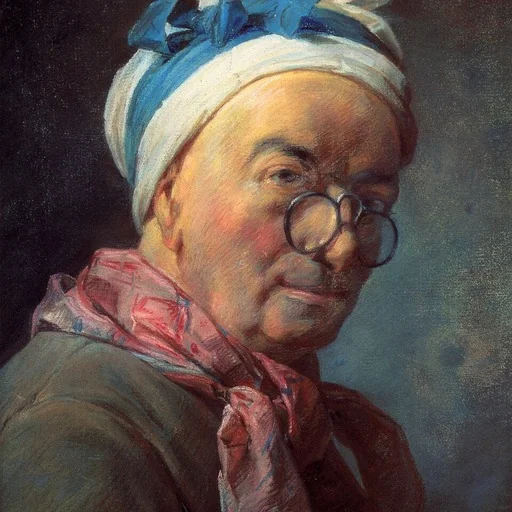
Jean Siméon Chardin (French: ; November 2, 1699 – December 6, 1779) was an 18th-century French painter.

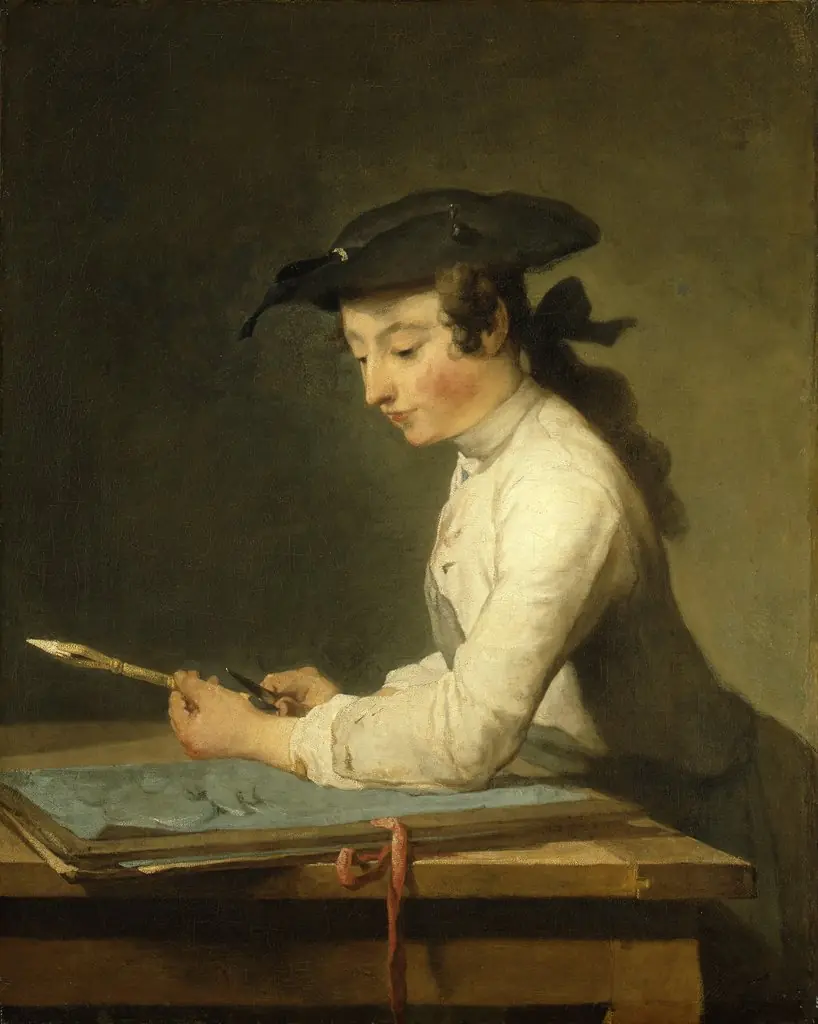
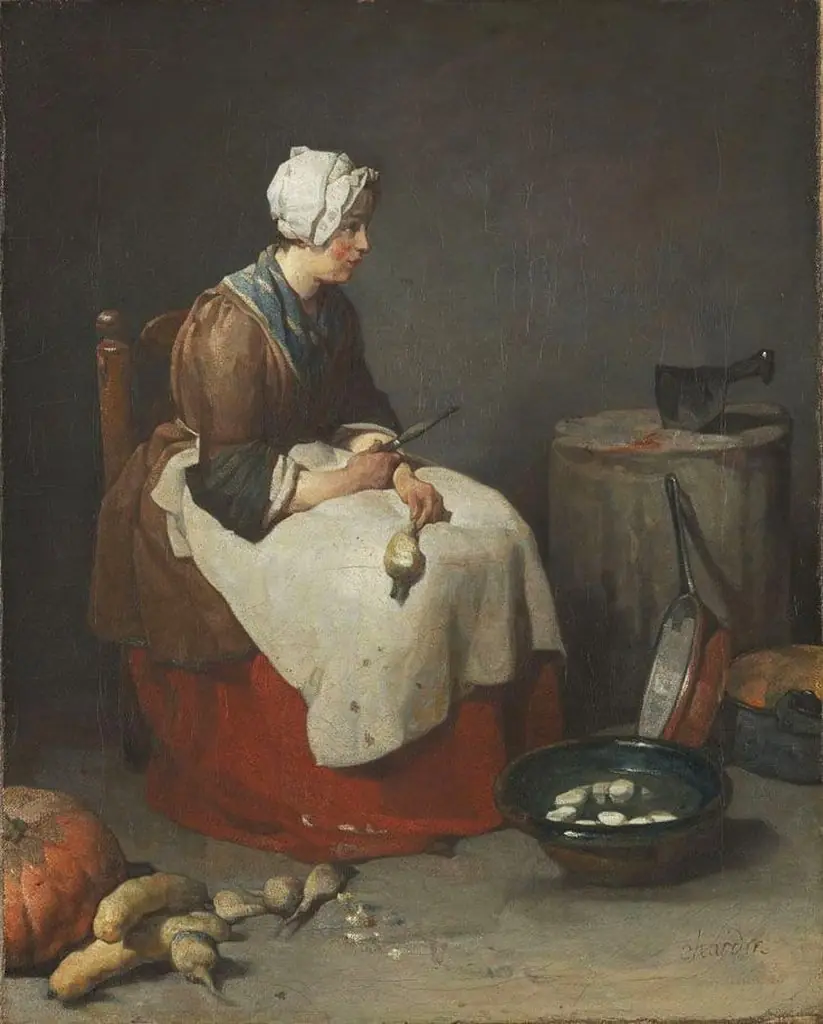
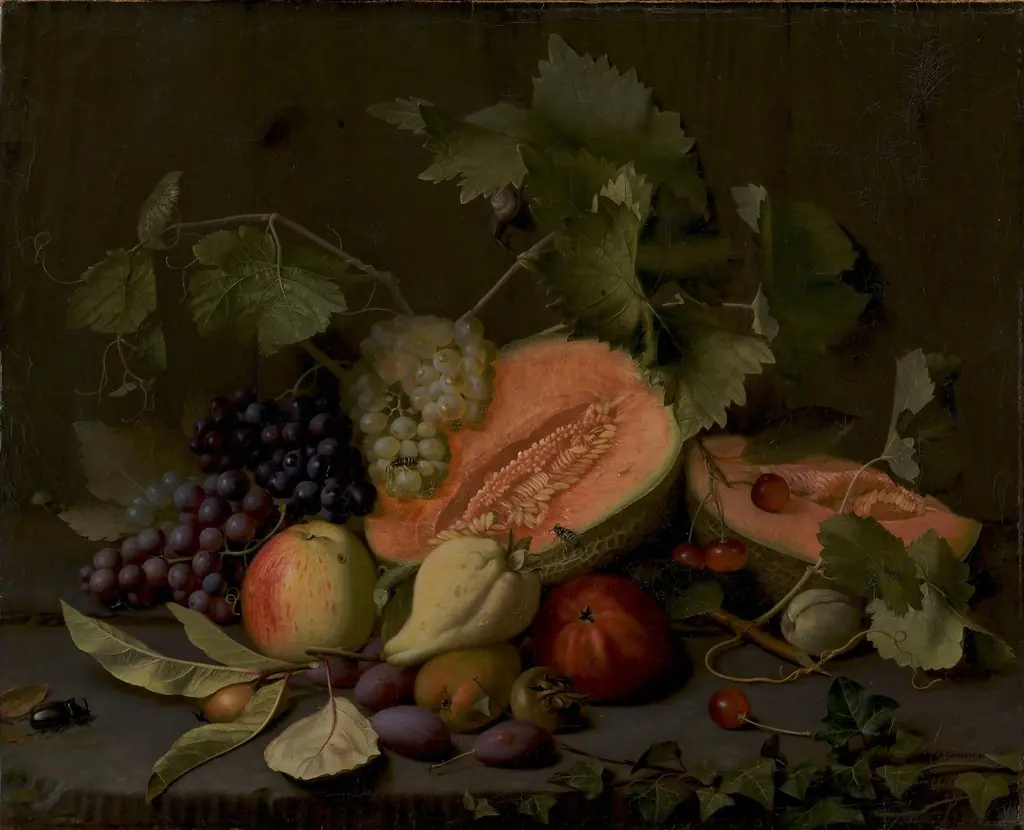 Still Life with Melons and Grapes
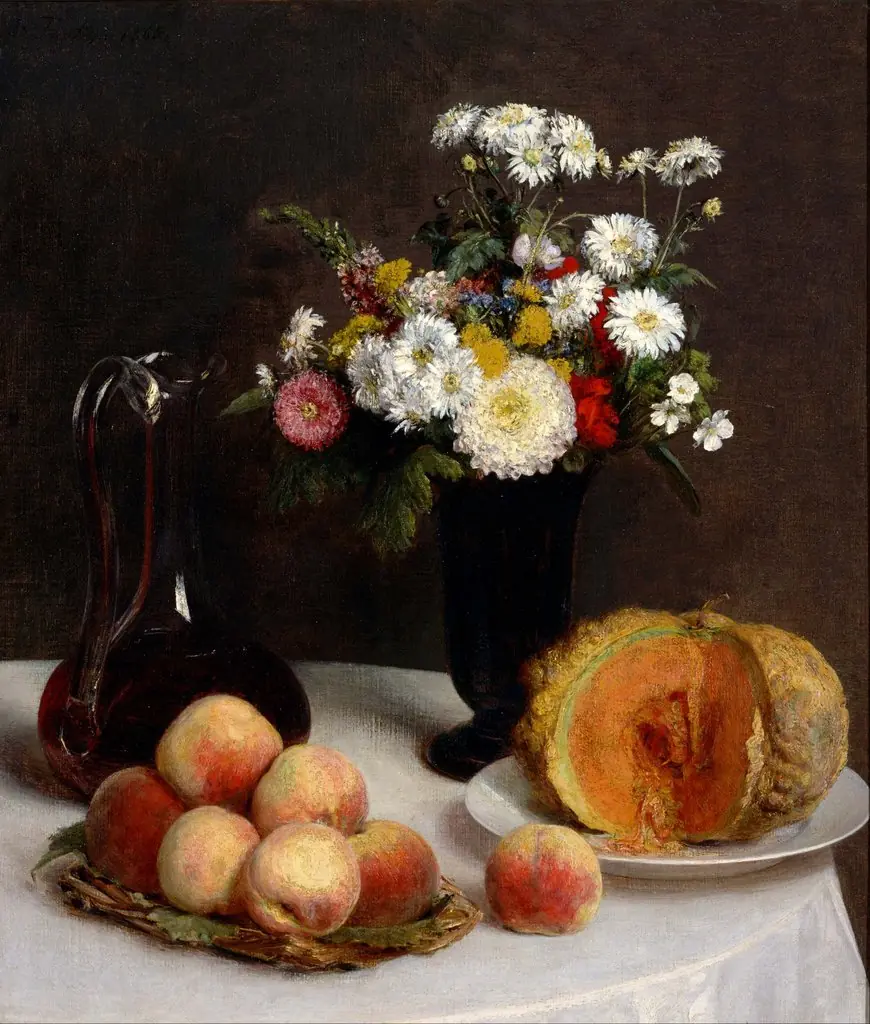 Still Life with a Carafe, Flowers and Fruit
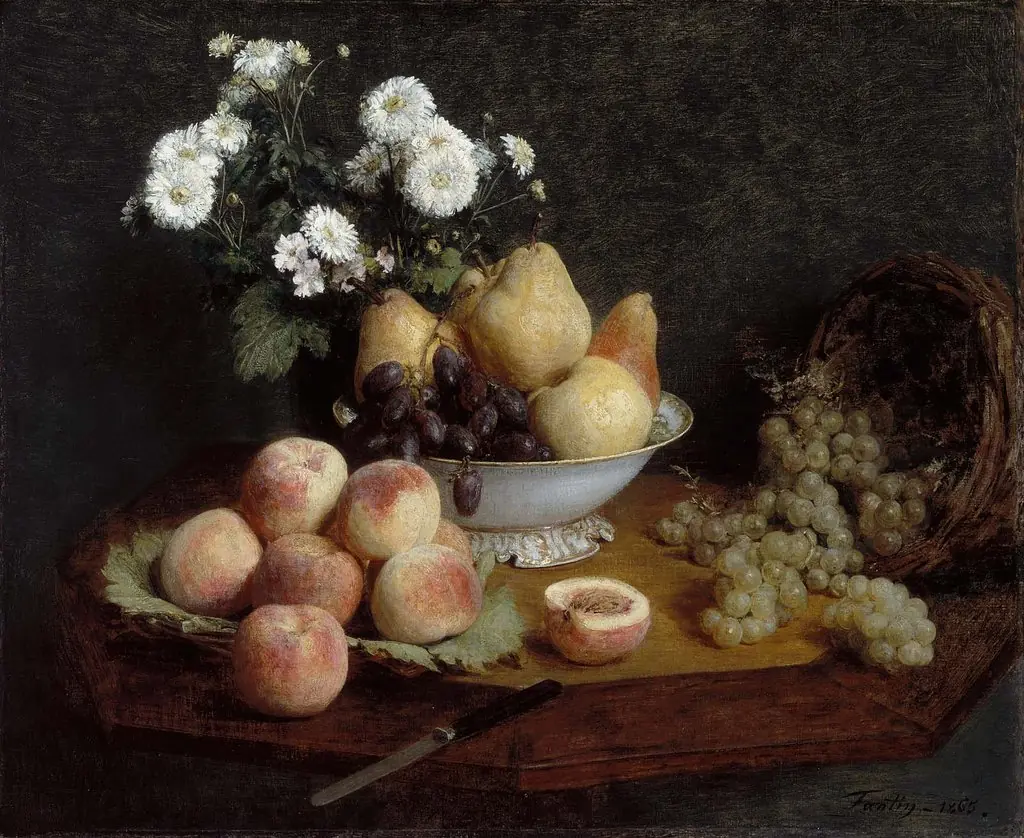 Flowers and Fruit on a Table
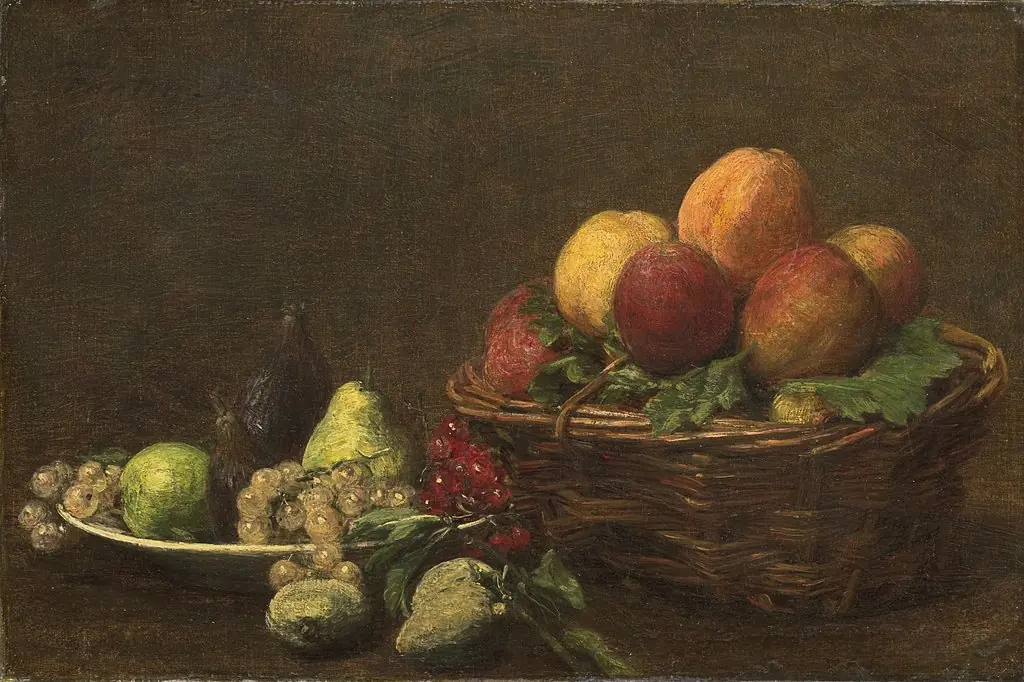 Still Life with Fruit
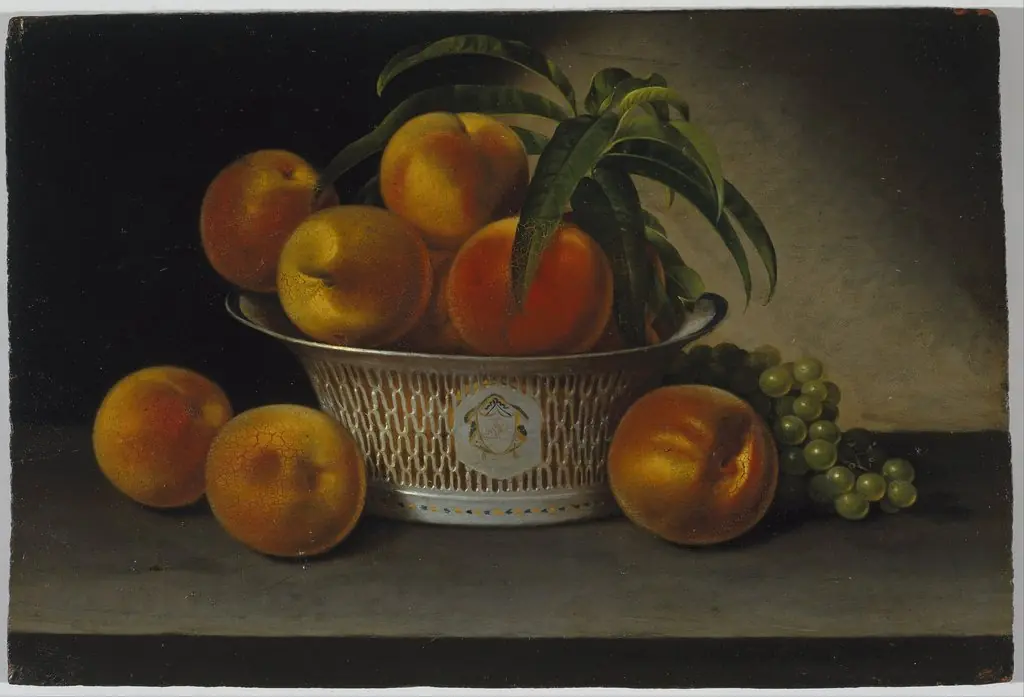 Still Life with Peaches
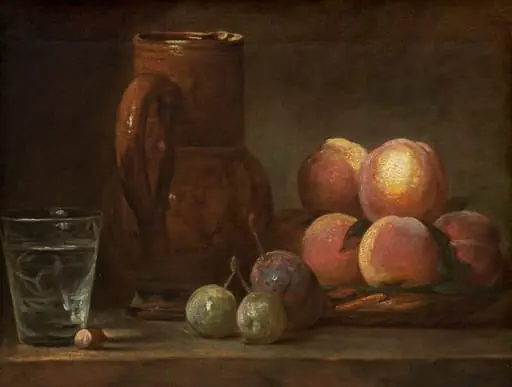 Fruit, Jug, and a Glass
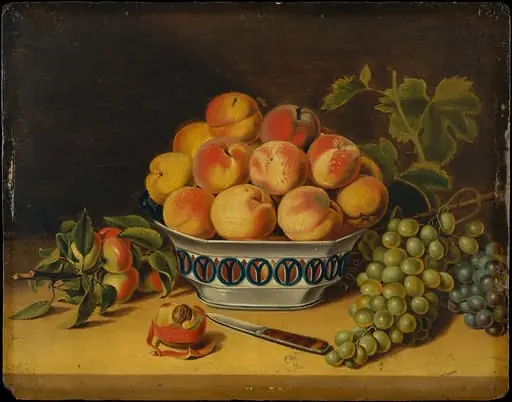 Still Life: Peaches and Grapes
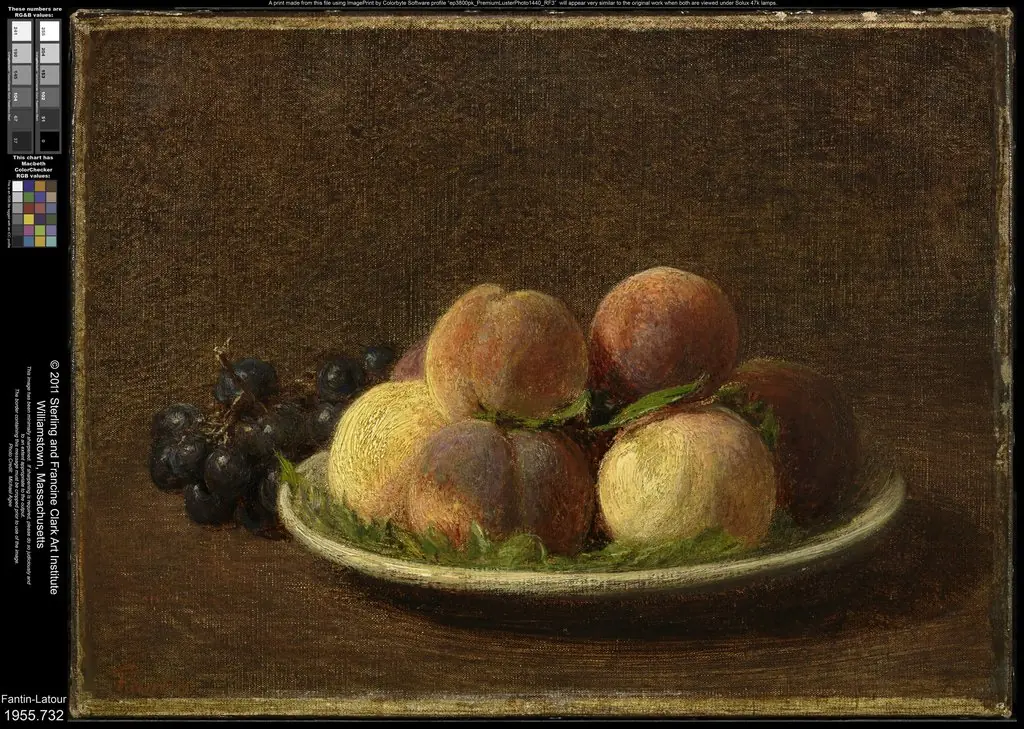 Peaches and Grapes
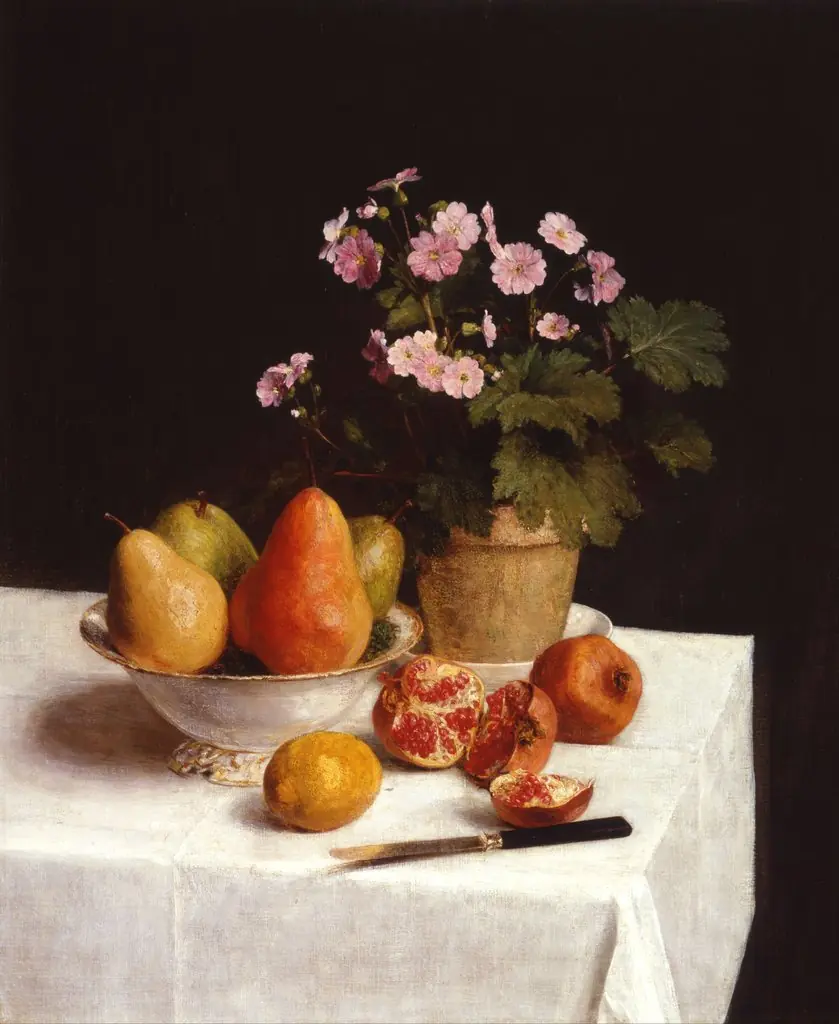 Still life (primroses, pears and pomegranates)
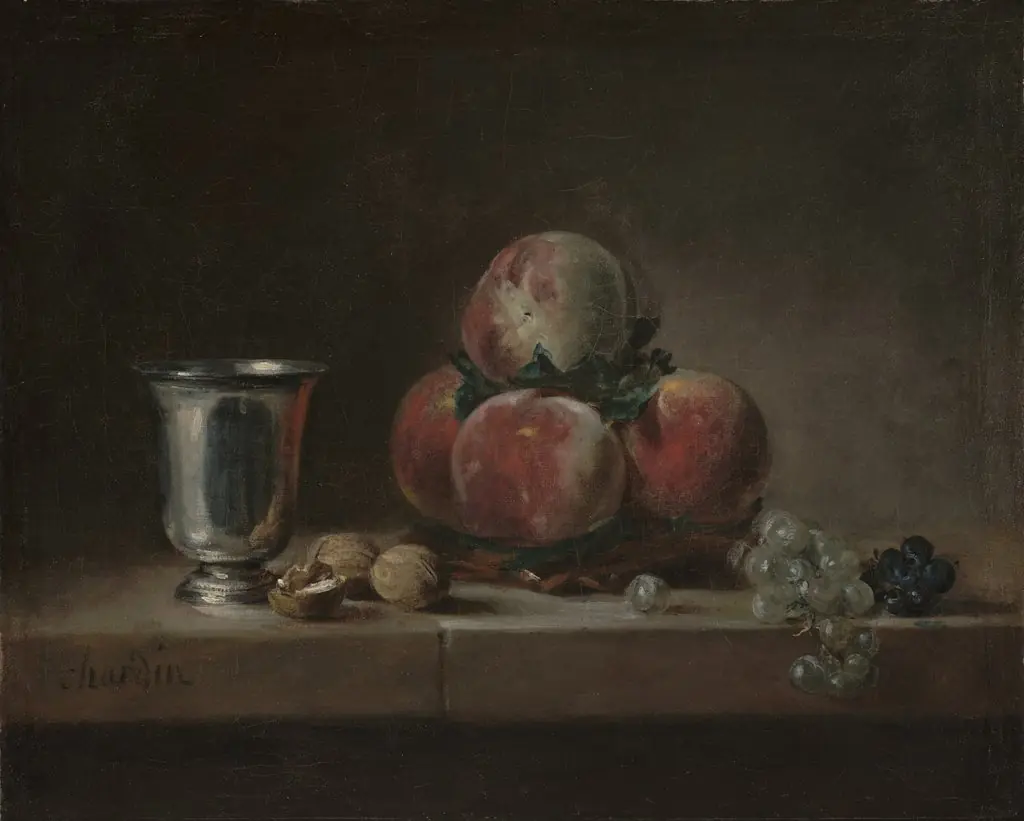 Still Life with Peaches, a Silver Goblet, Grapes, and Walnuts
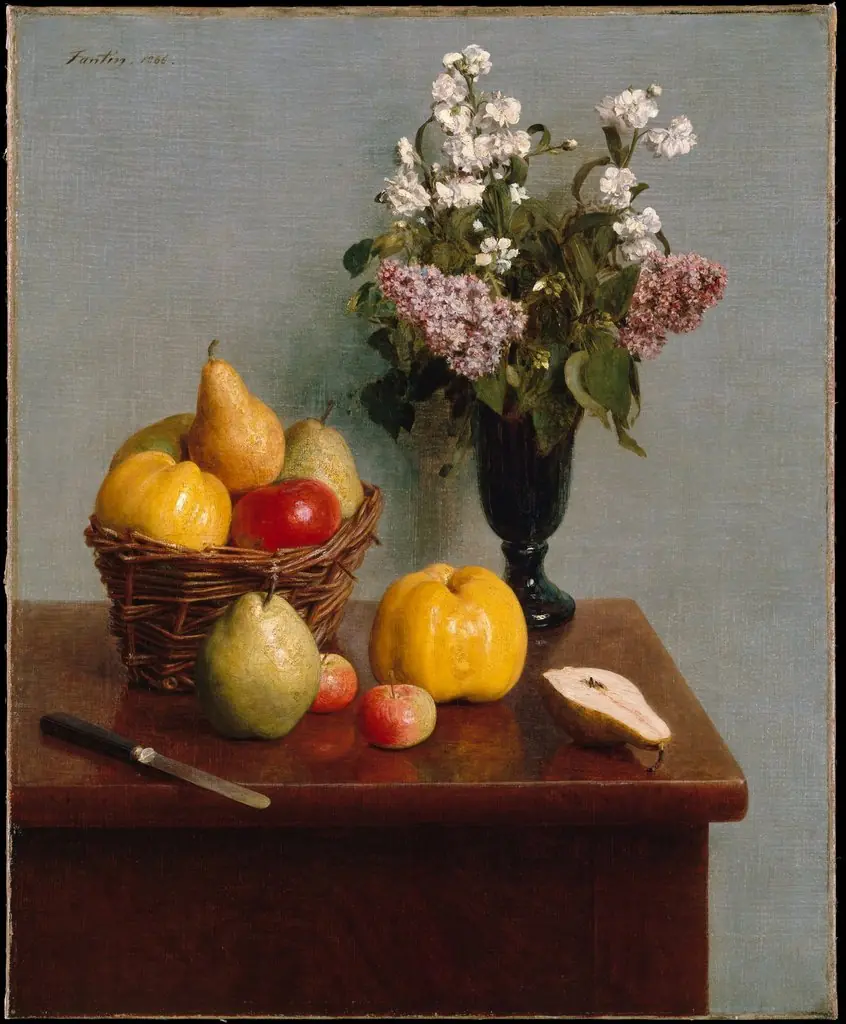 Still Life with Flowers and Fruit
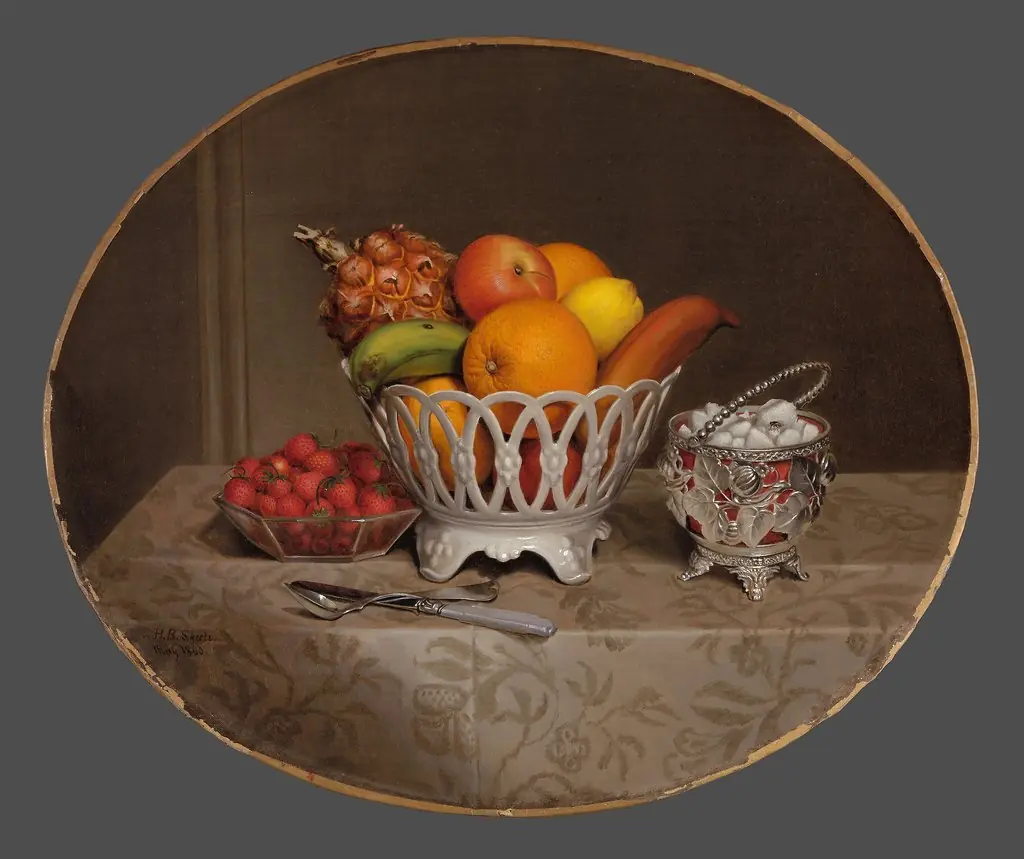 Fruit Piece