Artwork
Portrait of Wilhelmine, queen of the Netherlands
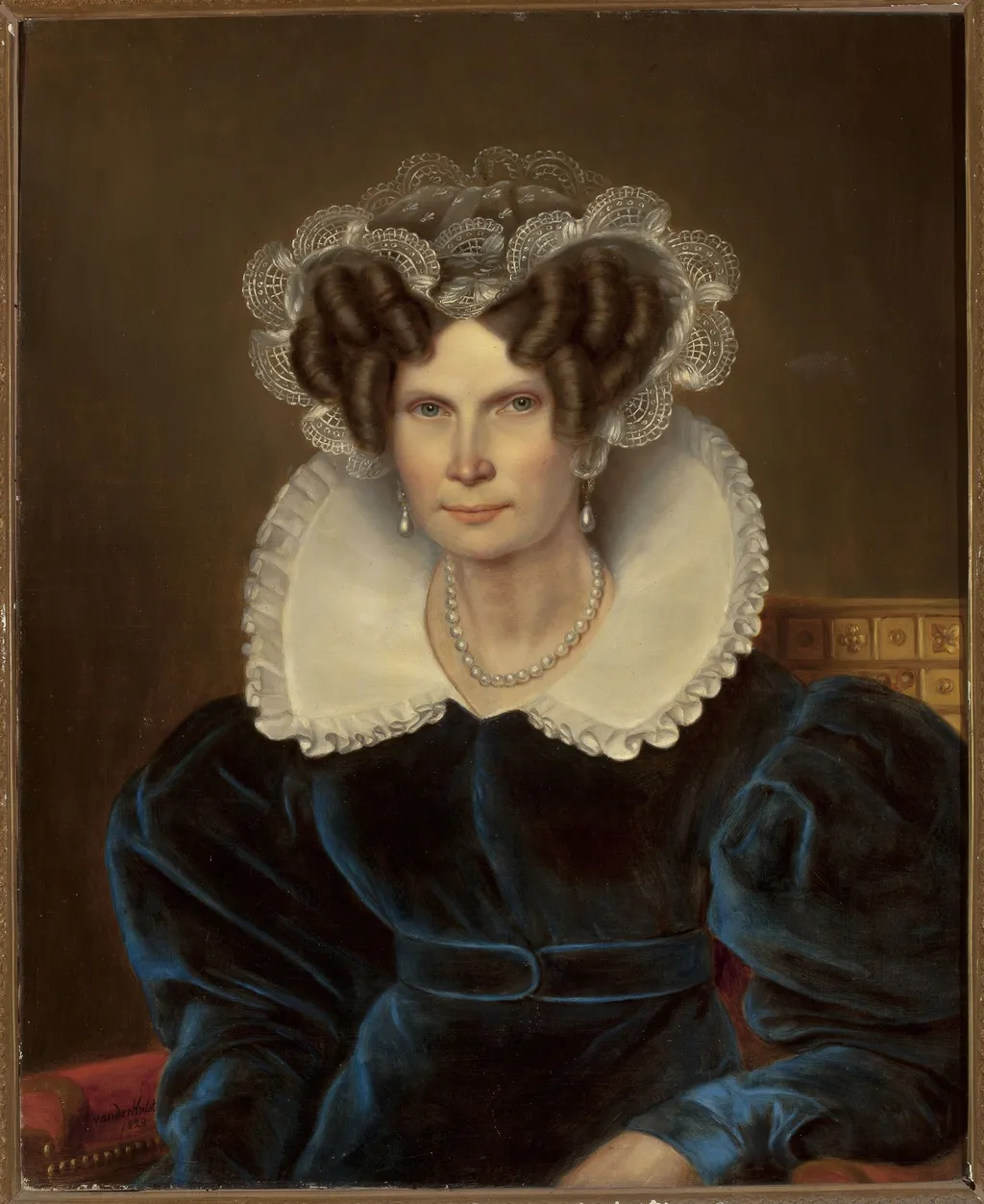
Portrait of Wilhelmine, queen of the Netherlands is an oil painting by Jan Baptist van der Hulst. It dates from 1828 and is held in the collection of the National Museum in Warsaw.
About this work
Overview
Painted in 1828 by Jan Baptist van der Hulst, this oil portrait depicts Wilhelmine of Prussia, Queen of the Netherlands.
Painted in 1828 by Jan Baptist van der Hulst, this oil portrait depicts Wilhelmine of Prussia, Queen of the Netherlands. Van der Hulst, a Flemish artist active in the Netherlands, specialized in royal and historical subjects. The painting captures the queen in a formal, seated pose against a muted background, emphasizing her status through restrained elegance rather than overt grandeur. It is now part of the National Museum in Warsaw’s collection.
Subject & Meaning
Wilhelmine is portrayed as a dignified royal figure, her composure reflecting the expectations of queenship in early 19th-century Europe. The white collar, blue sash, and pearl necklace signify her noble lineage and marital alliance between Prussia and the Netherlands. The calm expression and stillness convey restraint and authority, aligning with the era’s ideals of female royalty as moral and symbolic anchors rather than political actors.
Technique & Style
Van der Hulst employed smooth, controlled brushwork to render the queen’s skin and fabric textures with quiet precision. The dark background isolates her form, enhancing the luminosity of her white collar and lace cap. Subtle shadows beneath her eyes add depth without drama. The patterned wall behind her is barely suggested, keeping focus on the figure. The palette is restrained, dominated by dark tones with delicate highlights in white and blue.
History & Provenance
Commissioned during Wilhelmine’s tenure as queen, the portrait was likely created for official or familial use. It entered the National Museum in Warsaw’s collection in the 19th or early 20th century, possibly through diplomatic exchange or acquisition. Its presence in Poland reflects the interconnectedness of European royal networks and the movement of art across borders during periods of political realignment.
Context
In the 1820s, European monarchies emphasized visual representation to reinforce legitimacy. Portraits like this one served as tools of state image-making, balancing personal identity with dynastic symbolism. Van der Hulst’s approach aligns with the broader trend of neoclassical restraint in royal portraiture, favoring clarity and decorum over theatricality, even as Romanticism influenced other artistic domains.
Legacy
The portrait remains a documented example of van der Hulst’s royal commissions, though he is not widely known outside specialized circles. Its preservation in Warsaw offers insight into how Dutch royal imagery circulated beyond the Netherlands. As a record of Wilhelmine’s public persona, it contributes to the visual archive of 19th-century European queenship, reflecting the quiet authority expected of royal women of the time.
Artist & collection
Artist
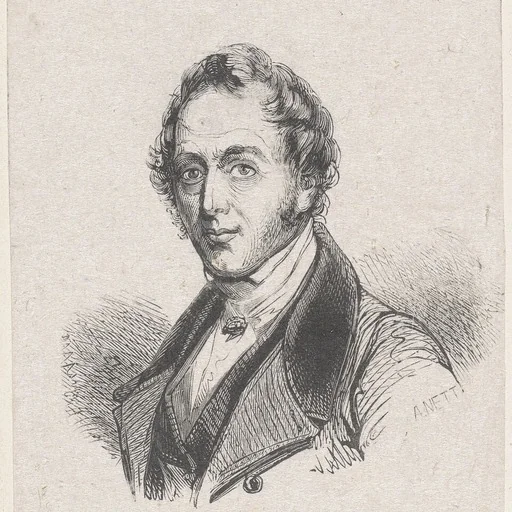
Jan Baptist van der Hulst (2 March 1790 – 16 May 1862) was a Flemish painter and lithographer. He painted numerous members of the royal family of the Netherlands, and was known for his work in history painting as well.

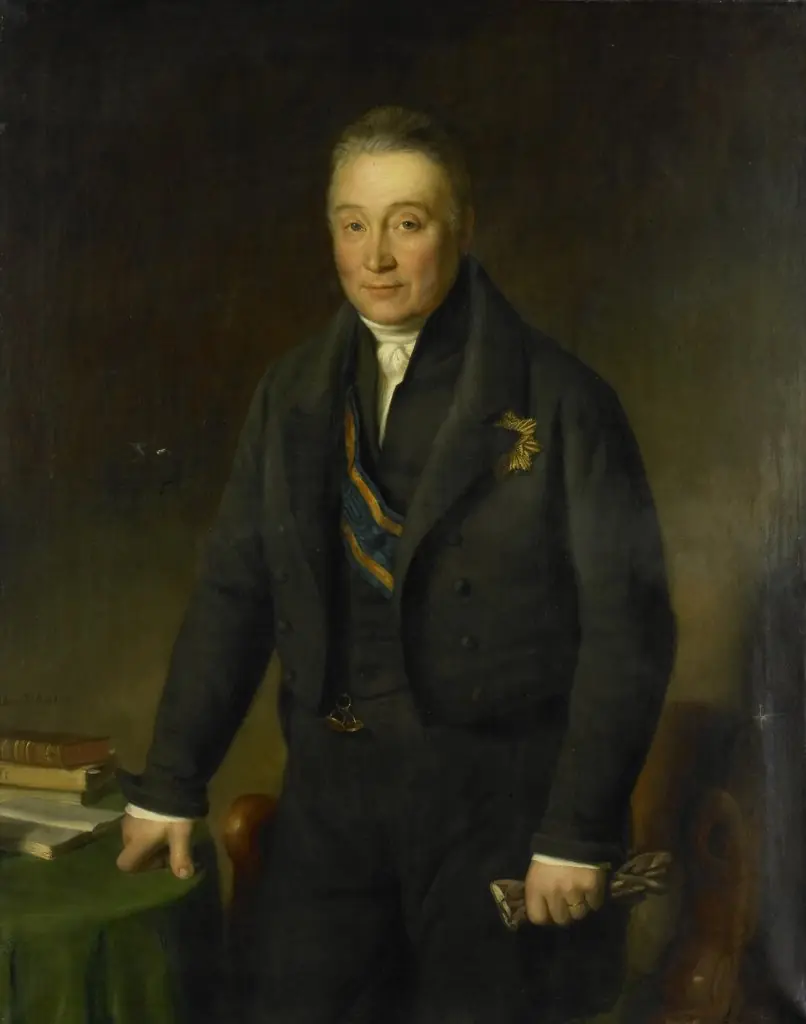 Portrait of Count Adam-François-Jules-Armand van der Duyn van Maasdam
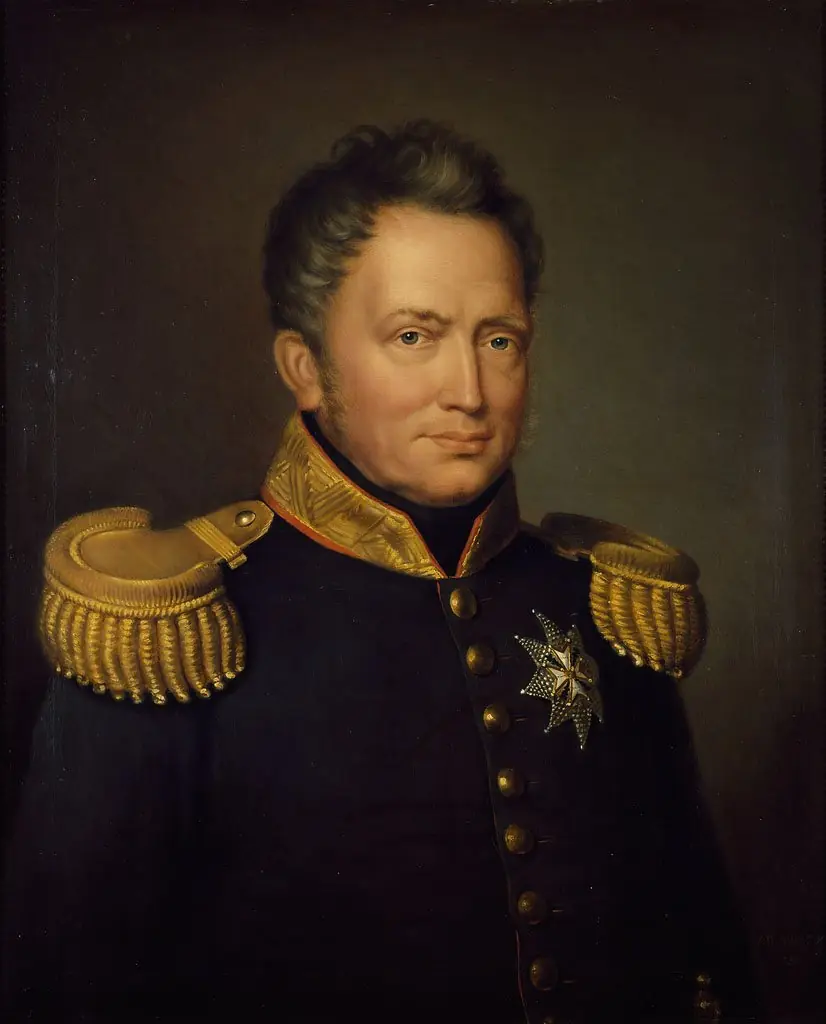 Portrait of Willem I (1772-1843). King of the Nederlands
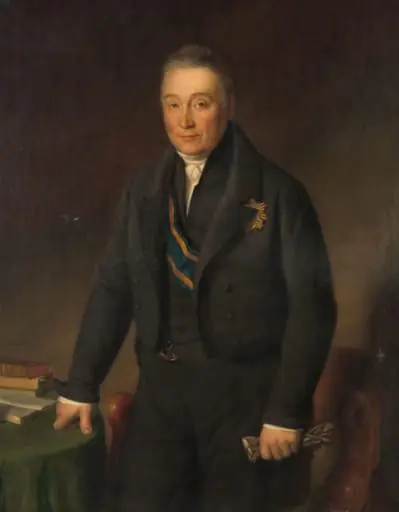 Adam-François-Jules-Armand (1771-1848), Count van der Duyn van Maasdam
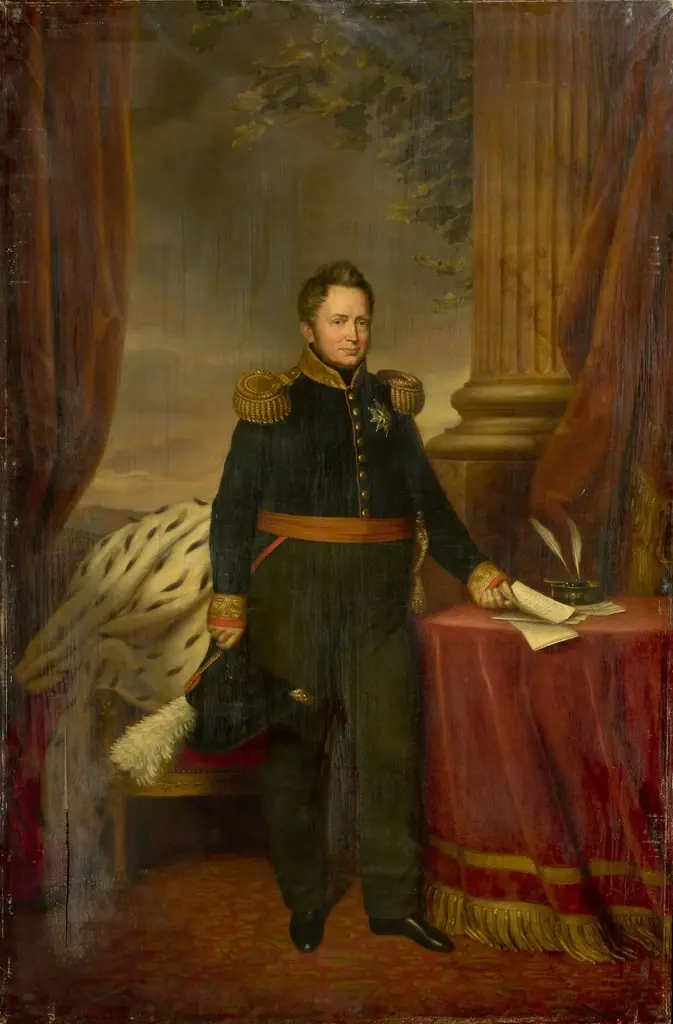 Portrait of William I, king of Netherlands
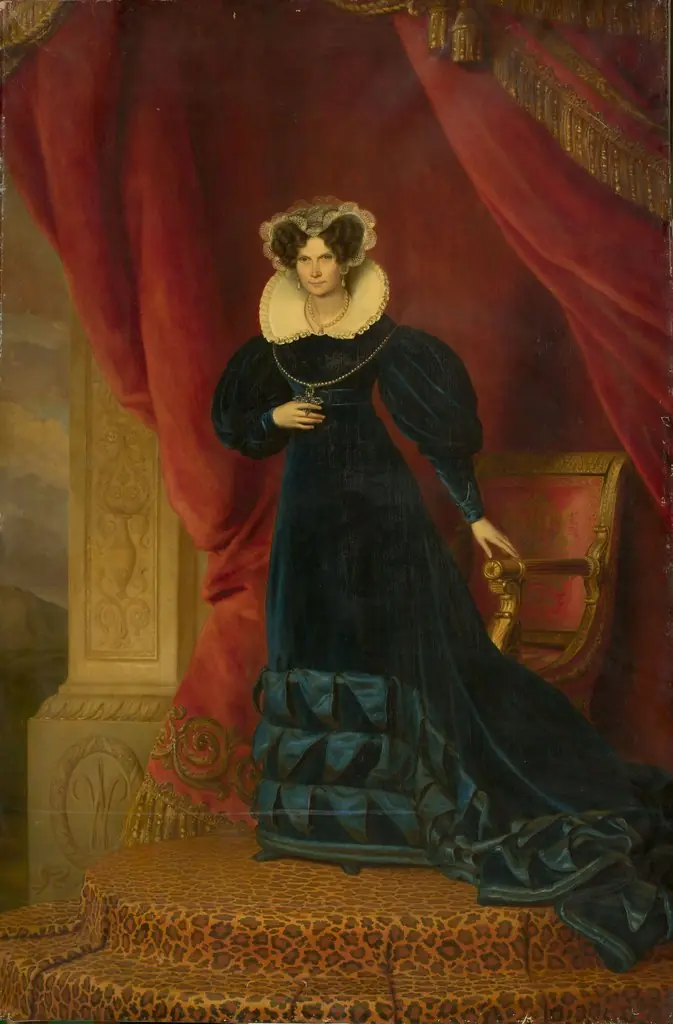 Portrait of Luise Wilhelmine of Prussia, queen of the Netherlands, wife of William I
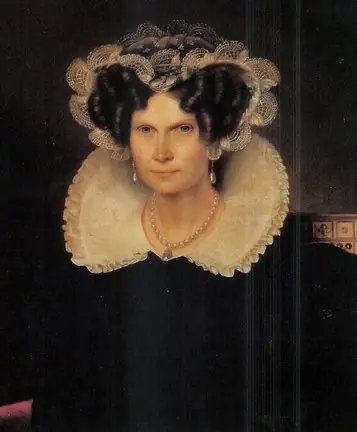 Portrait of Queen Wilhelmina, princess of Prussia (1774-1837)
![Mrs. Pearson [possibly Sarah Thompson Pearson], by Pieter Christoffel Wonder](https://artifactworldgallery.com/img/pieter-christoffel-wonder--mrs-pearson-possibly-sarah-thompson-pearson--0006ffde77661f8c-w320.webp)