Artwork
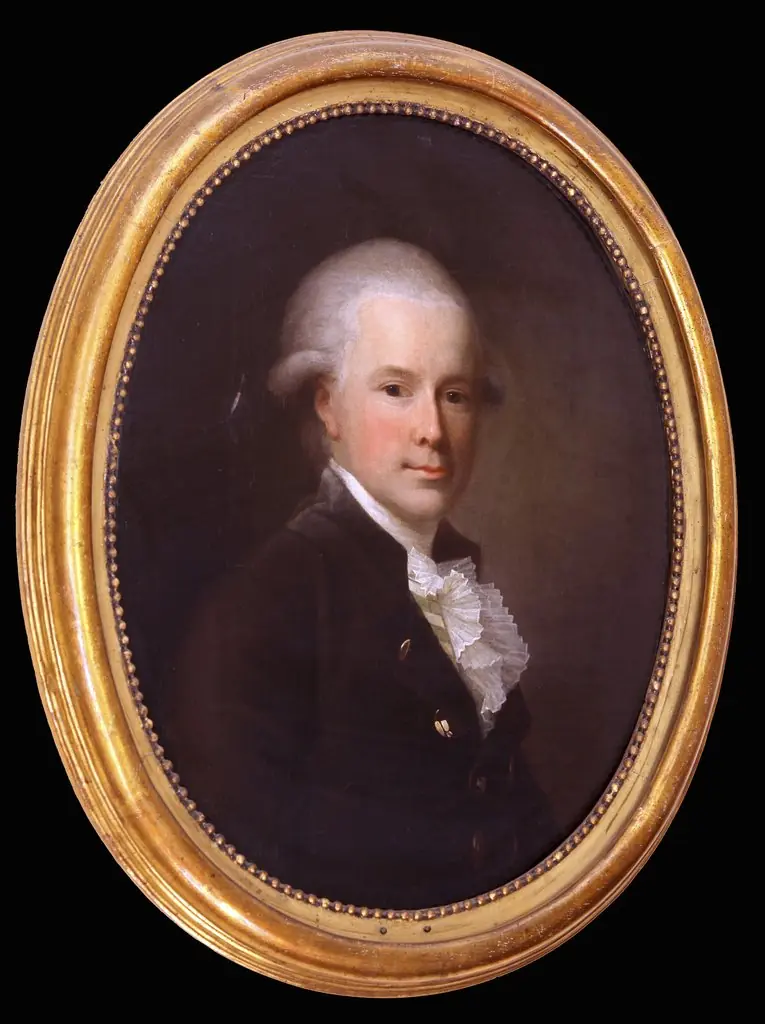
Portret van een man
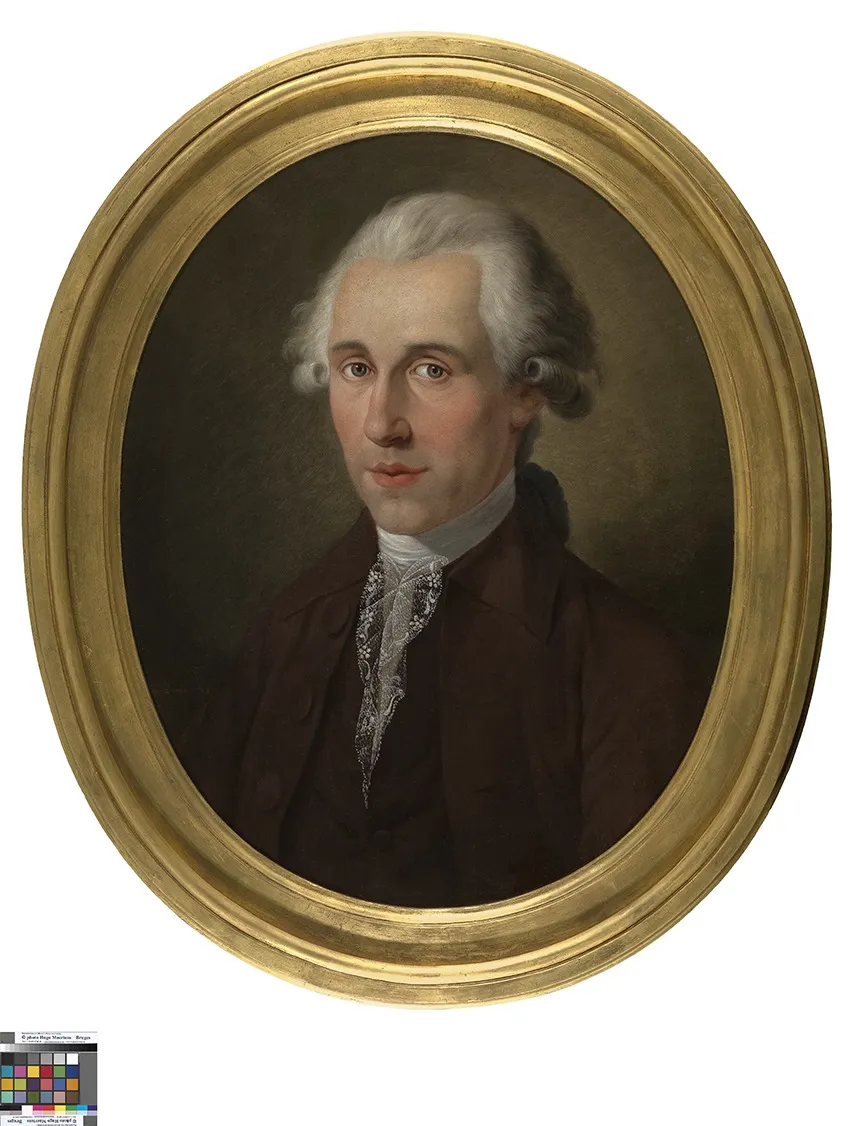
Portret van een man is an oil painting by the Rococo painting artist Jean-Bernard Duvivier. It dates from 1792 and is held in the collection of the Groeningemuseum.
About this work
Overview
Jean-Bernard Duvivier’s *Portret van een man* (1792) is an oil on canvas portrait that resides in the Groeningemuseum. Executed toward the end of the Rococo period, the work presents a single sitter rendered with a restrained palette and careful modeling, reflecting the artist’s training in Bruges and Italy and his later career in Paris.
Subject & Meaning
The canvas shows an elderly gentleman with white hair, dressed in a dark brown coat, white shirt, and a lace cravat. He is positioned against a deep, neutral background that isolates his figure, emphasizing his dignified bearing and the subtle psychological presence typical of portraiture in the late 18th century.
Technique & Style
Duvivier employs chiaroscuro to model the sitter’s face and upper torso, creating a three‑dimensional effect that draws the eye forward. The brushwork is smooth and precise, allowing the delicate rendering of lace and fabric textures, while the overall composition remains balanced, a hallmark of Rococo sensibility tempered by a more sober, academic approach.
History & Provenance
Painted in 1792, the portrait entered the collection of the Groeningemuseum, where it remains on display. Duvivier, who later taught at the Paris Academy and worked as an illustrator, produced this work after his Italian studies, marking a mature phase in his career before his death in 1819.
Artist & collection
Artist
Jean-Bernard Duvivier (Bruges, 1762 – Paris, 1837) was a painter and drawer of portraits and historical and religious subjects, a book illustrator and a professor at the Normal School in Paris.

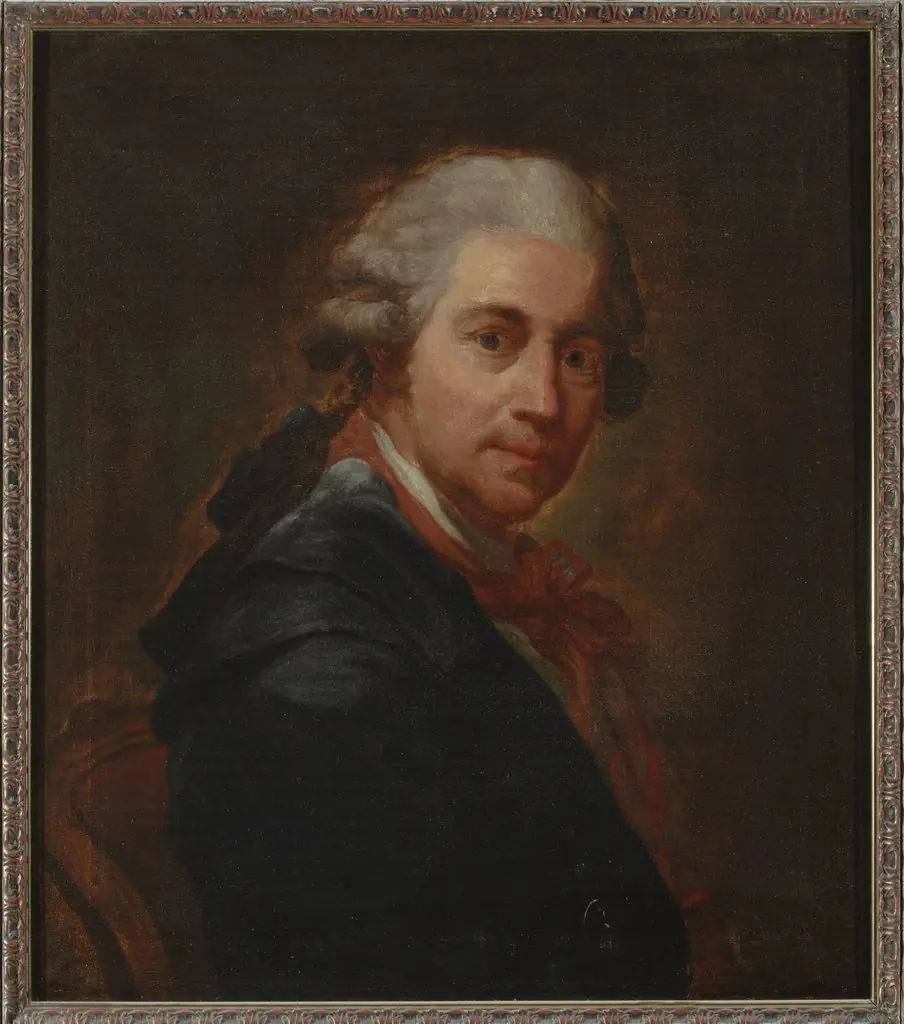 Self-portrait of Bacciarelli in a redingote
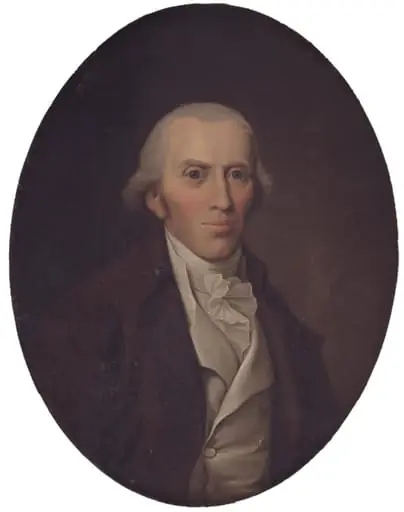 Johann Jacob Frølich d.æ.
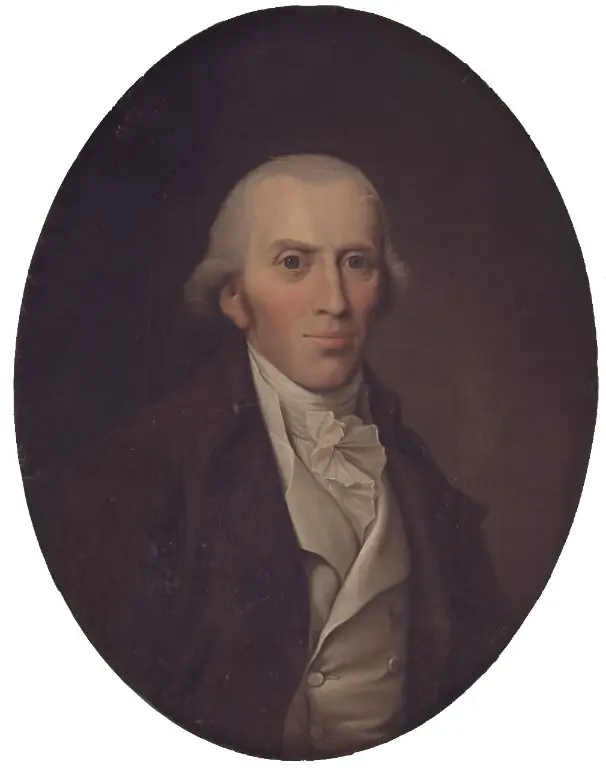 Johann Jacob Frølich d.æ.
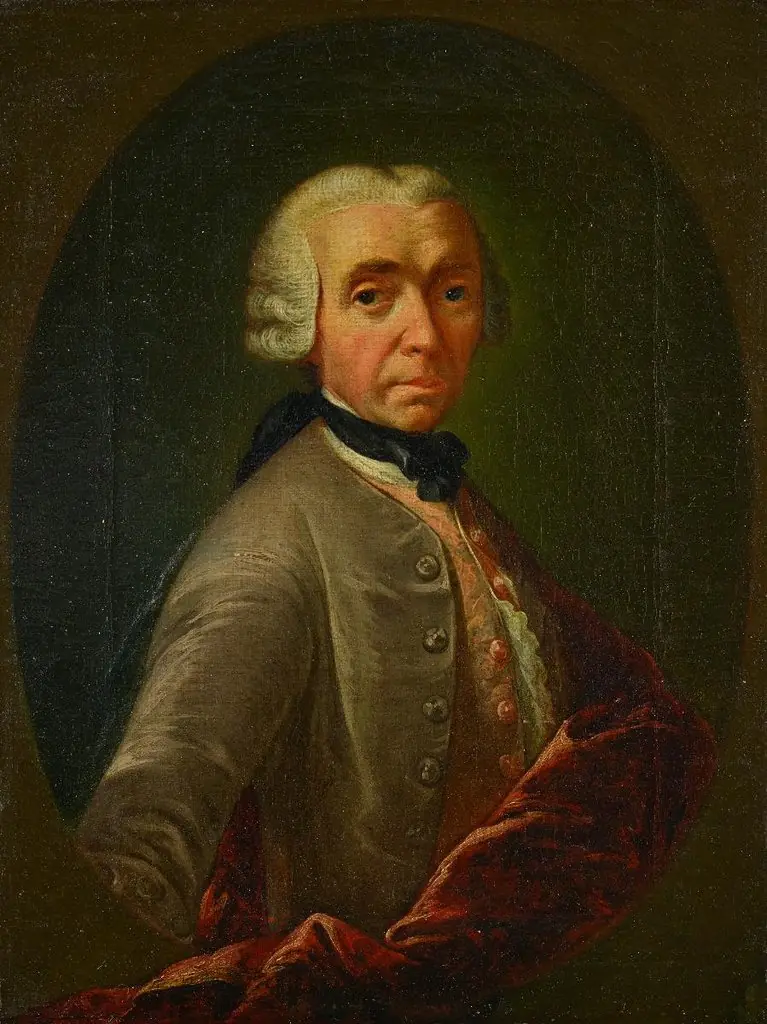 Selbstbildnis
 Amtmand, geheimeråd Antoine de la Calmette
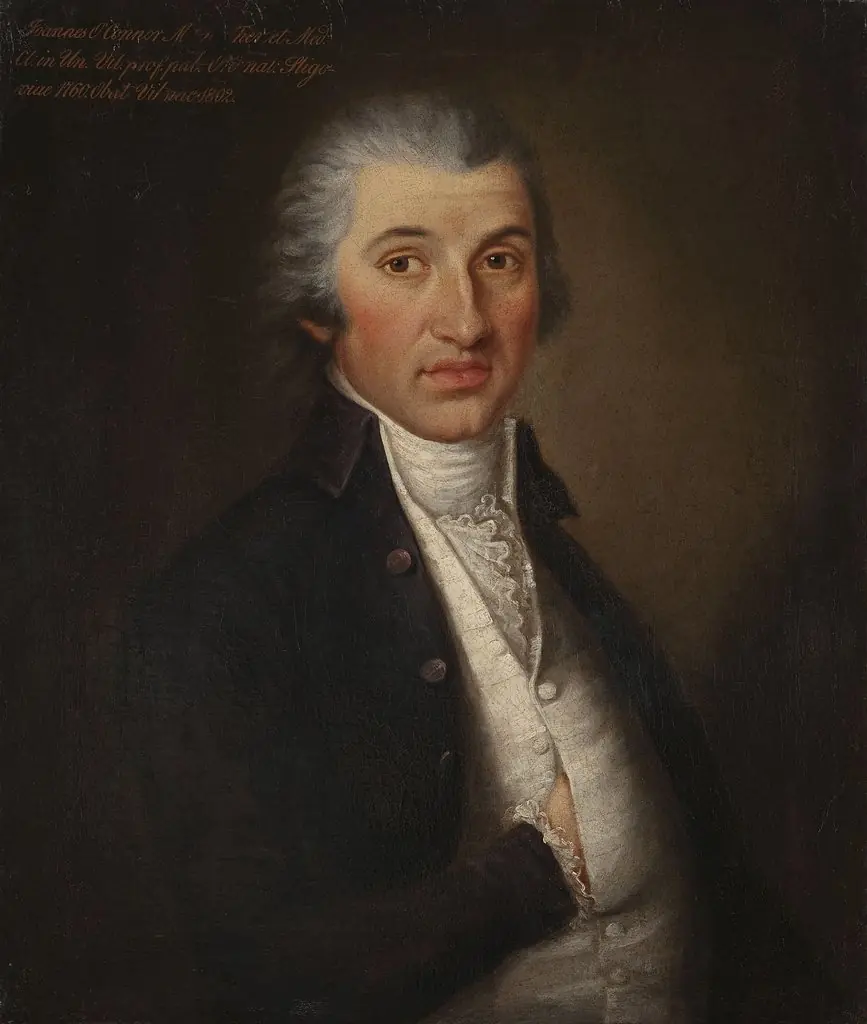 Portrait of John O'Connor (1760-1802), professor at the University of Vilnius
 Amtmand, geheimeråd Antoine de la Calmette
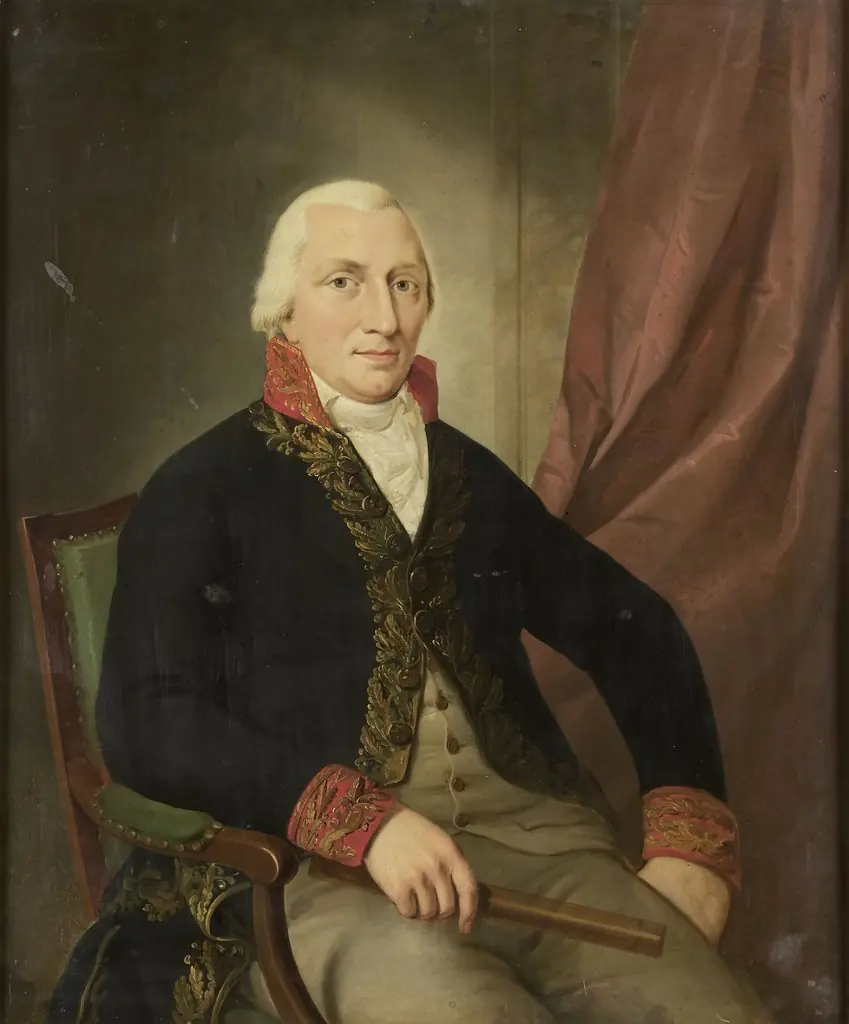 Portrait of Albertus Henricus Wiese, Governor-General of the Dutch East Indies
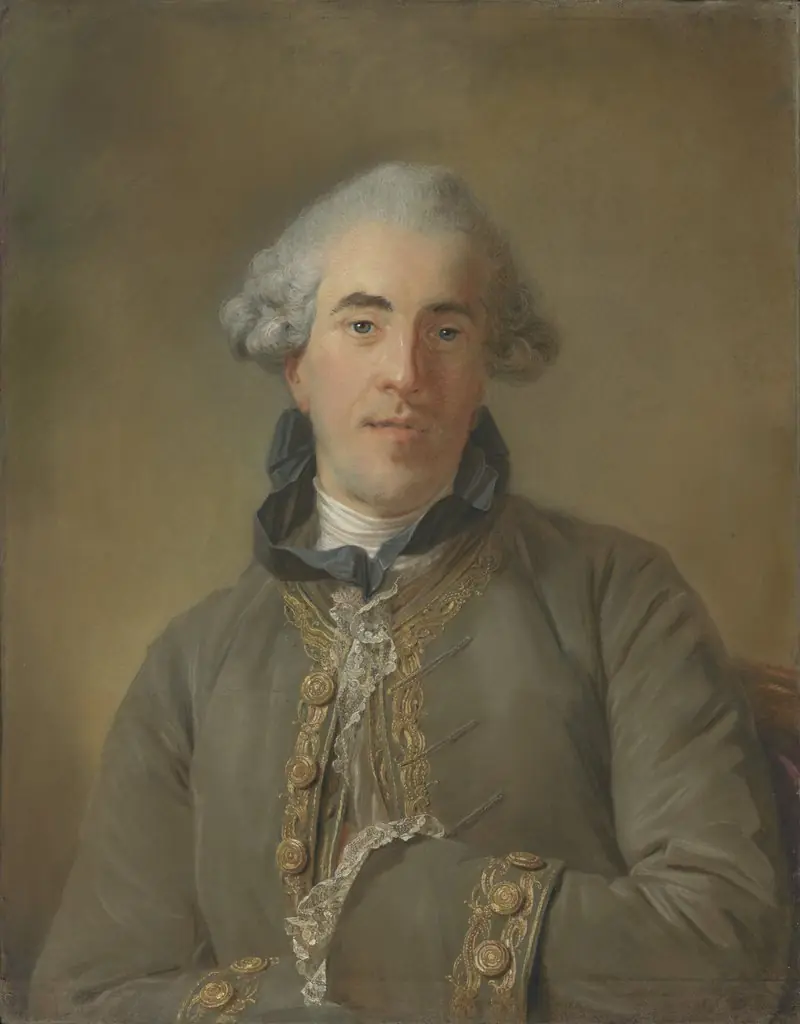 Portrait of Théophile Van Robais
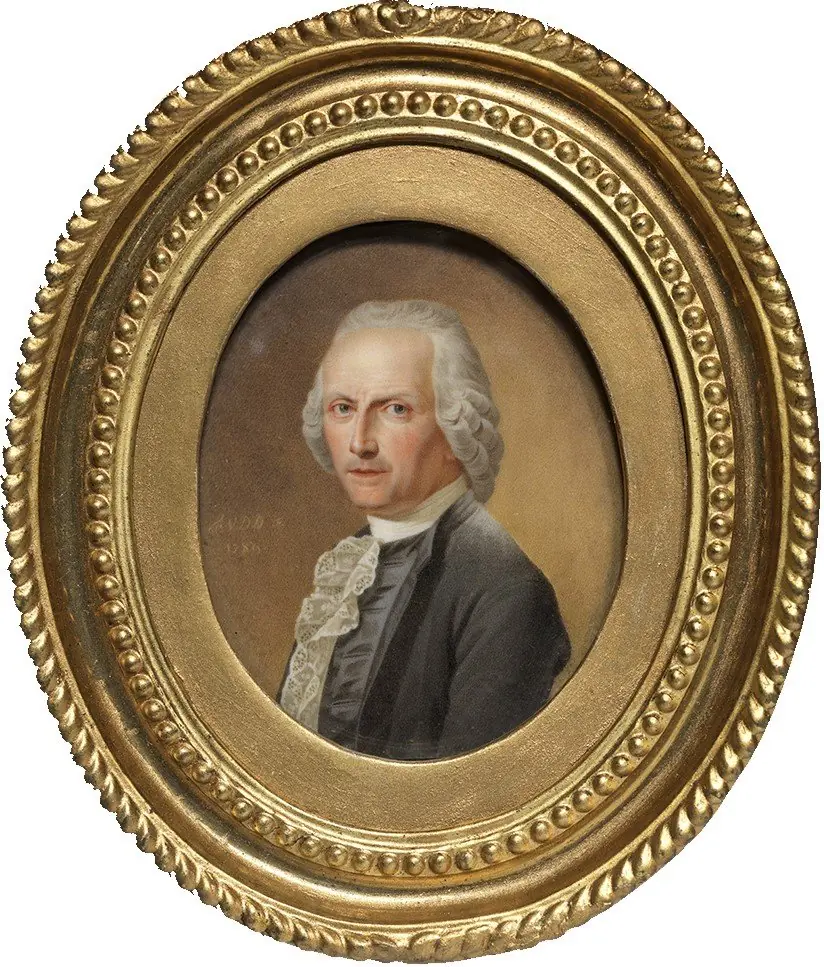 Portret van Paul Josef de Cock
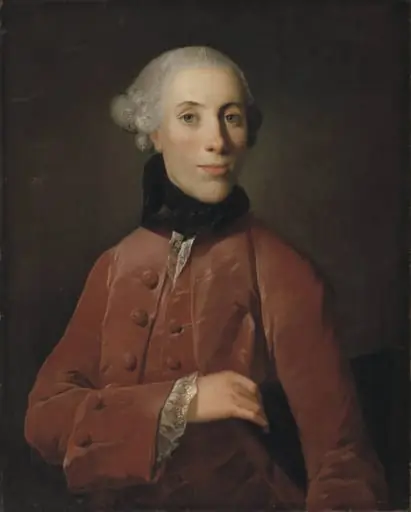 The Court Seal Engraver Ahron Jacobson
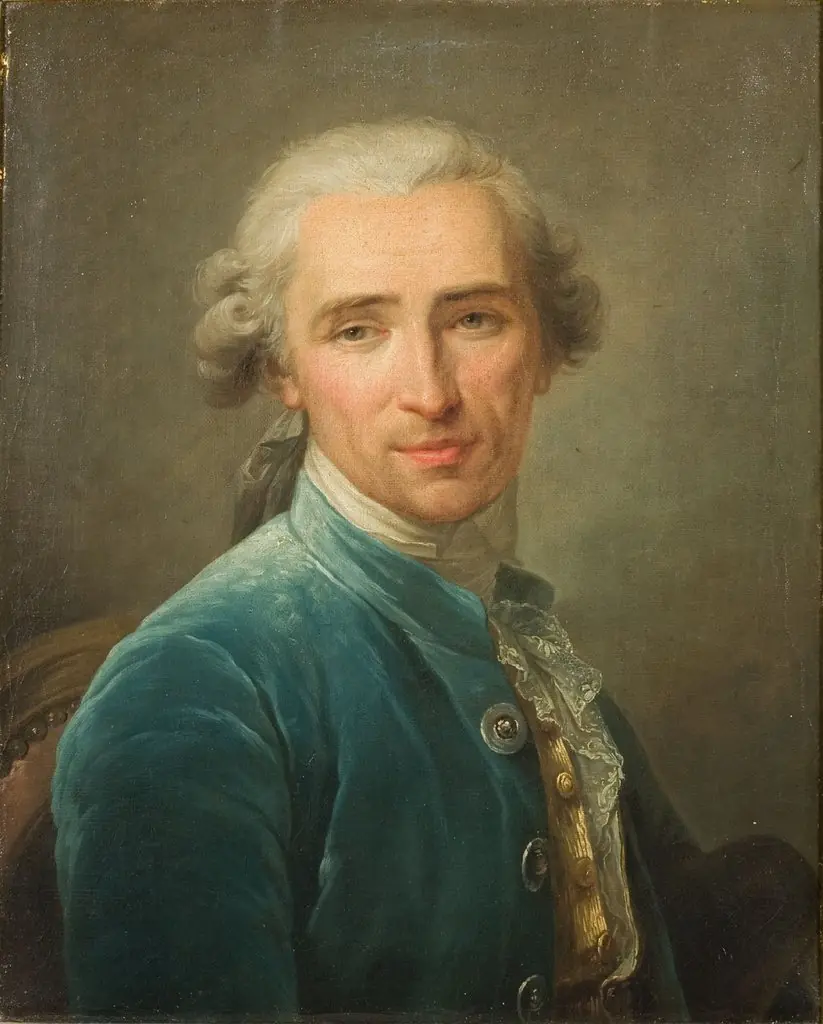 Portrait de Joseph Benoît Suvée