Artwork
Johann Jacob Frølich d.æ.
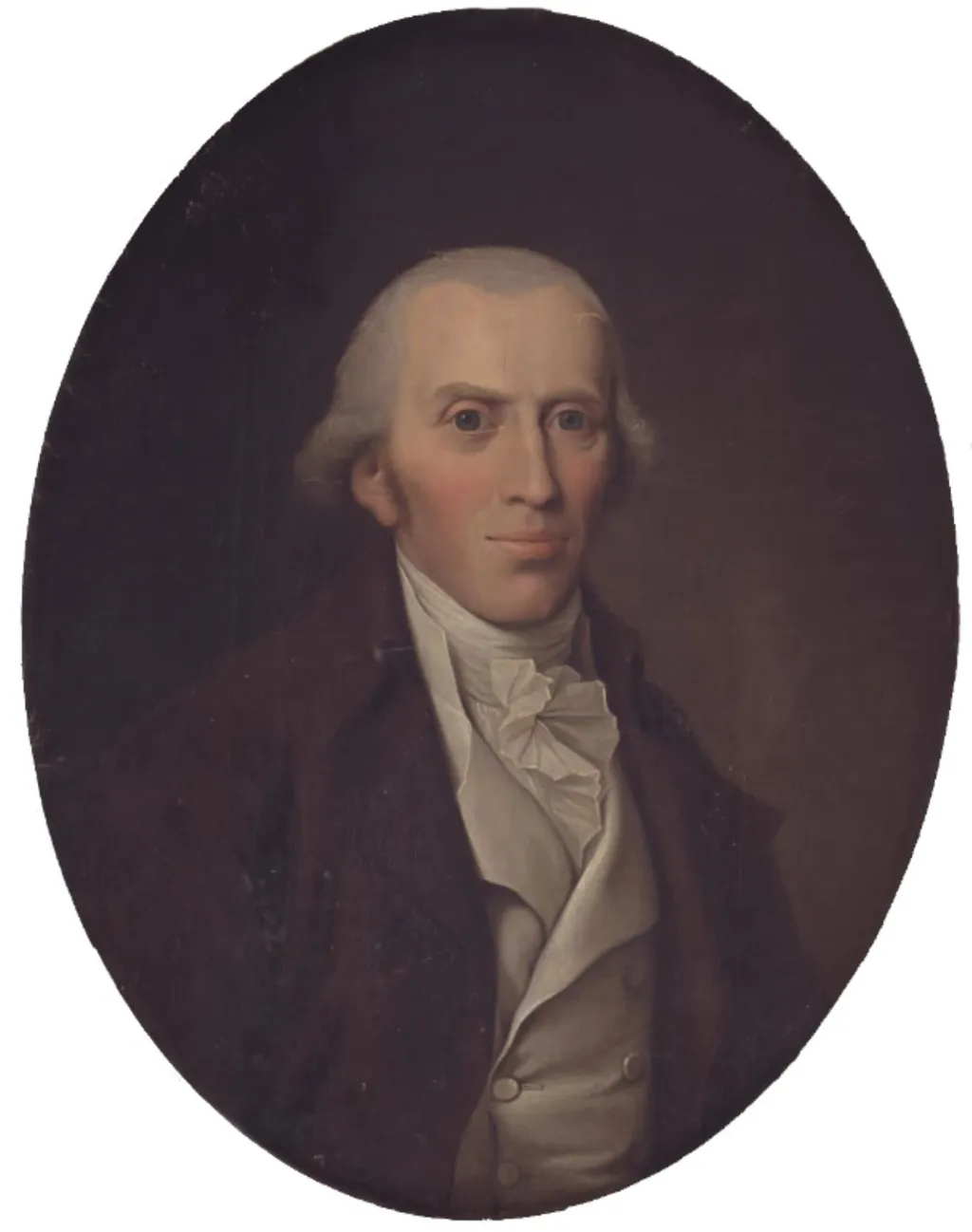
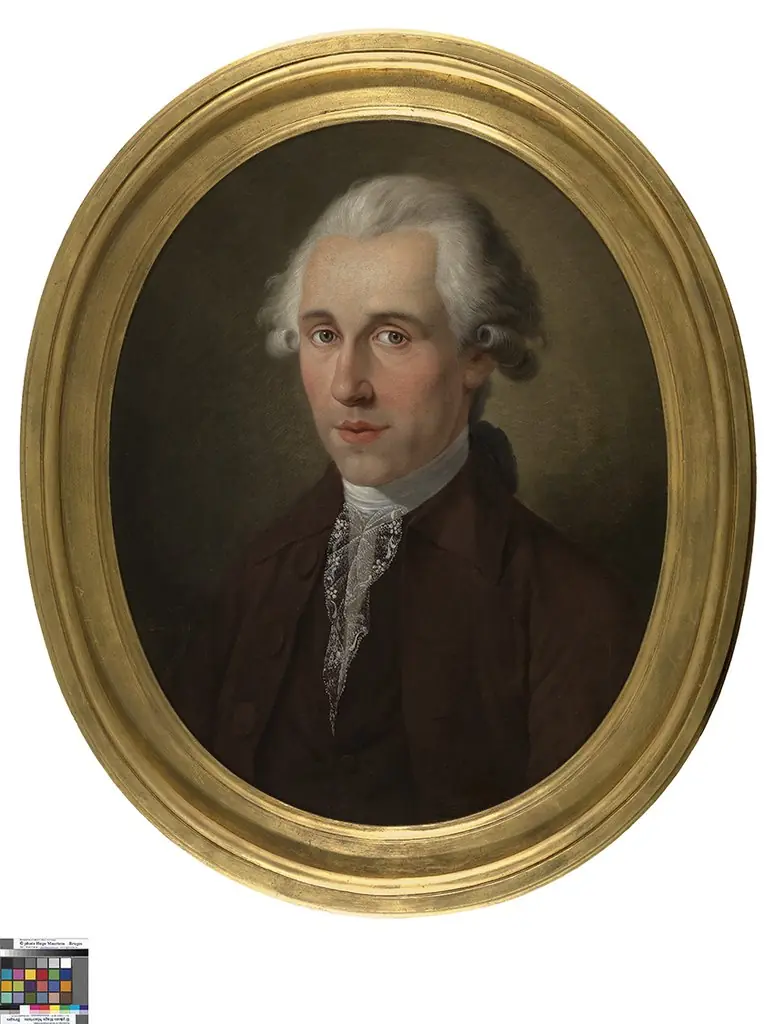
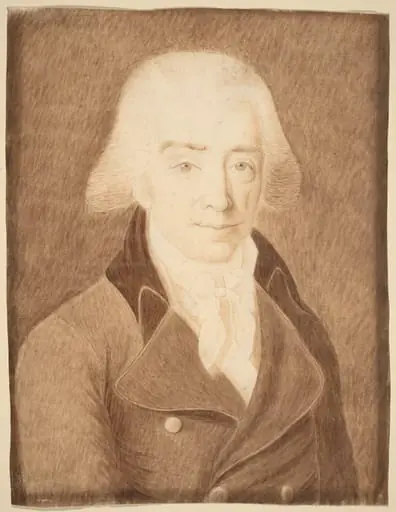
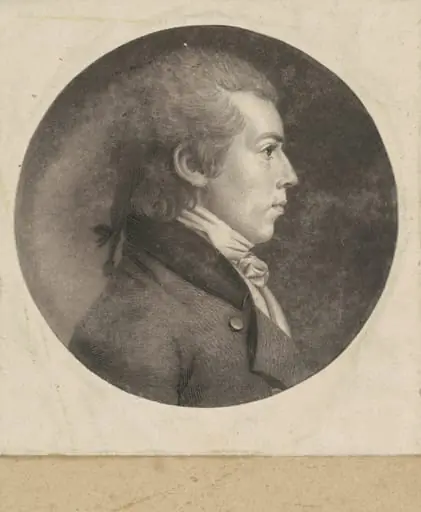
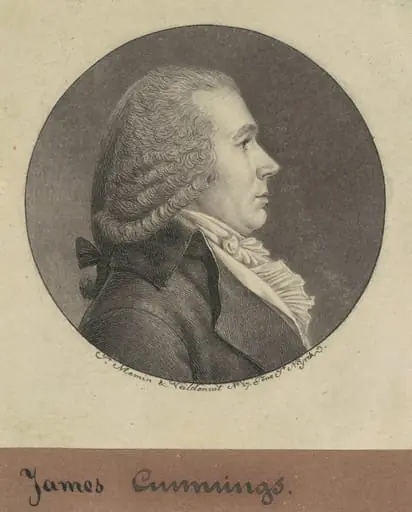
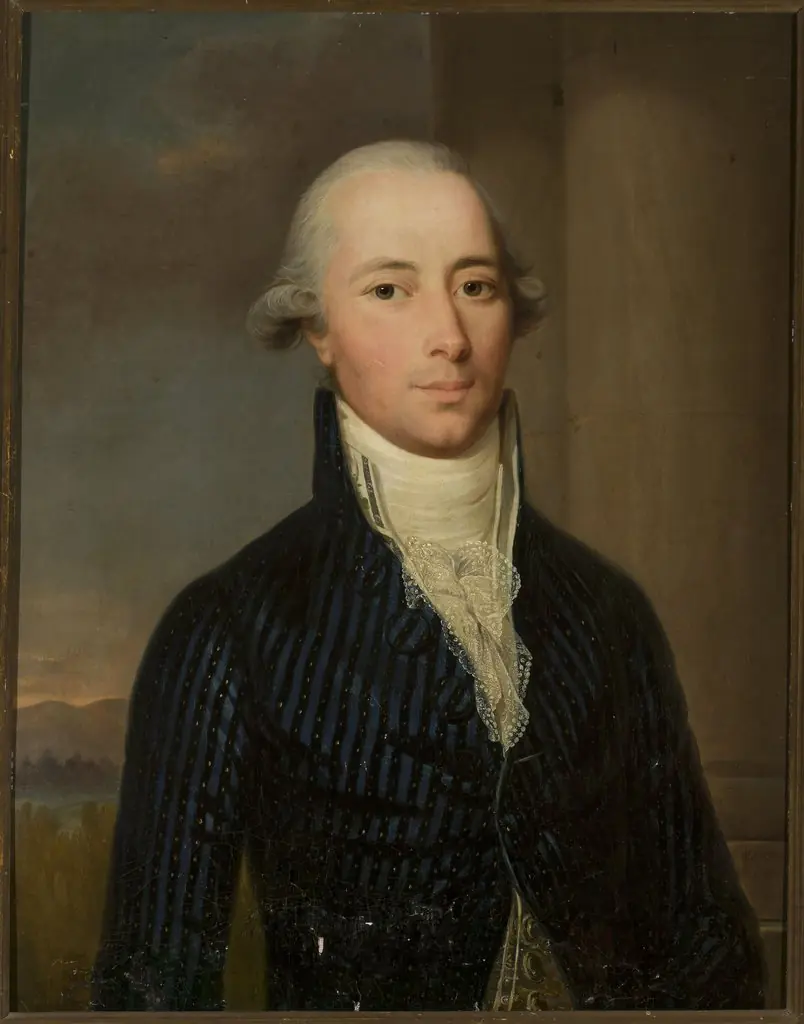
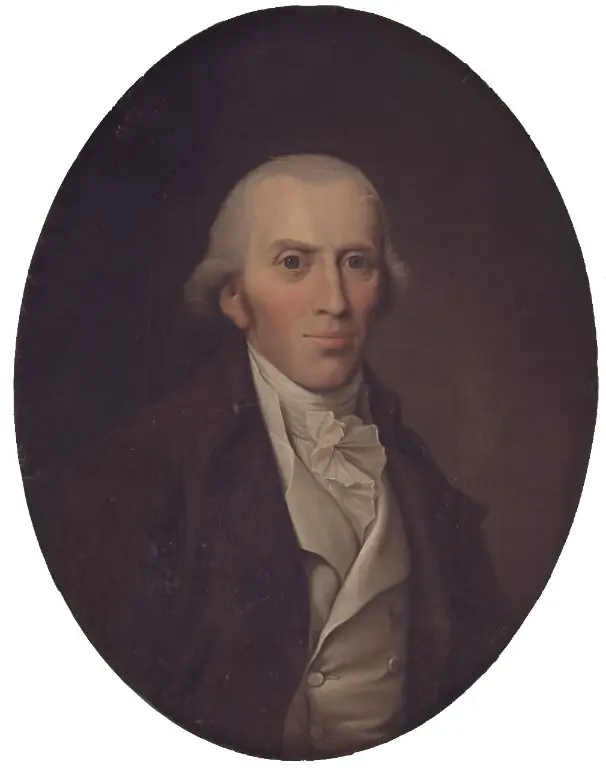
Johann Jacob Frølich d.æ. is a photography by Unknown. It dates from 1750 and is held in the collection of the Statens Museum for Kunst. This round portrait depicts Johann Jacob Frølich d.
About this work
Overview
The image is held by the Museum of Ethnography, where its material distinction from contemporary painted likenesses makes it an unusual artifact.
This round portrait depicts Johann Jacob Frølich d.æ., created around 1750. Though visually resembling a painted portrait, it is in fact an early photograph, a rarity in museum collections of the period. The image is held by the Museum of Ethnography, where its material distinction from contemporary painted likenesses makes it an unusual artifact. Its format and lighting suggest a deliberate emulation of traditional portraiture conventions.
Subject & Meaning
The subject, Johann Jacob Frølich d.æ., is rendered with a composed, restrained demeanor. His pale complexion and neutral expression, softened by a slight frown, convey quiet introspection rather than grandeur. The absence of symbolic objects or elaborate attire suggests an emphasis on individual presence over social status. The image functions as a personal record, capturing a moment of stillness in an era when photographic portraiture was still novel.
Technique & Style
The image employs chiaroscuro through stark contrasts between light and shadow, directing focus to the face against a dark, unbroken background. The lighting models the contours of the face with precision, mimicking the tonal strategies of painted portraits. The round format, uncommon in early photography, further aligns it with traditional portrait miniatures. The technique reveals an awareness of established visual norms, even as the medium itself was revolutionary.
History & Provenance
Created circa 1750, the image predates the widespread adoption of photographic technology, raising questions about its dating or attribution. It is currently held by the Museum of Ethnography, though its origins and how it entered the collection remain unclear. The discrepancy between its visual style and the known timeline of photographic invention suggests possible misdating or later reproduction of an earlier image.
Context
In the mid-18th century, portraiture was dominated by painted likenesses, especially among the educated elite. The appearance of a photographic image from this period challenges assumptions about the timeline of photographic adoption. Its presence in an ethnographic museum may reflect an interest in documenting individuals from diverse backgrounds, though Frølich’s identity and social position remain unelaborated in the collection records.
Legacy
This image stands as an early example of photography’s engagement with established portraiture traditions. Its inclusion in a museum context highlights how new media were initially framed within the visual language of older forms. Though its technical origins are anomalous for the date, it contributes to broader discussions about the transition from hand-crafted to mechanical image-making in the 18th century.
Artist & collection

 Domestic Scene
 Giacomo and Cardinal Marco, investing Andrea, Abbot of San Zeno, with his Benefice
 The Nymph of Fontainebleau
 Portrait of a Woman
 Madonna and Child with Saints in the Enclosed Garden
 Venus and Minerva
 Family Group of Four on Sofa
 Wall painting from Room H of the Villa of P. Fannius Synistor at Boscoreale