Artwork
Untitled
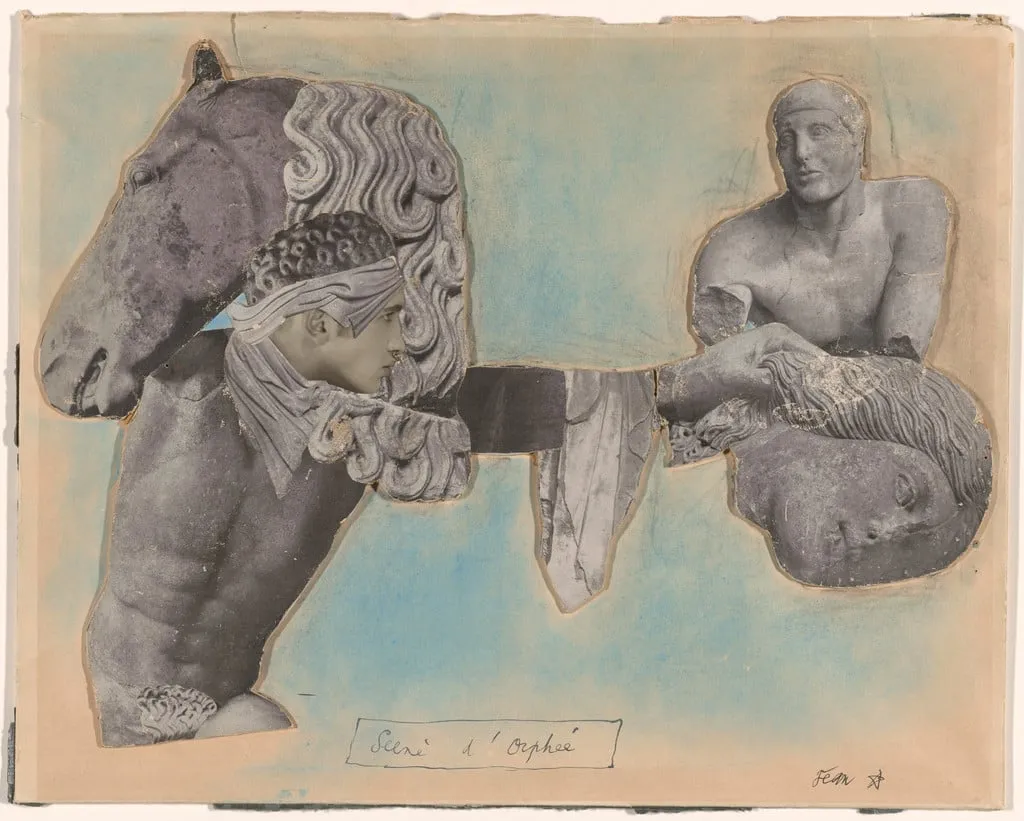
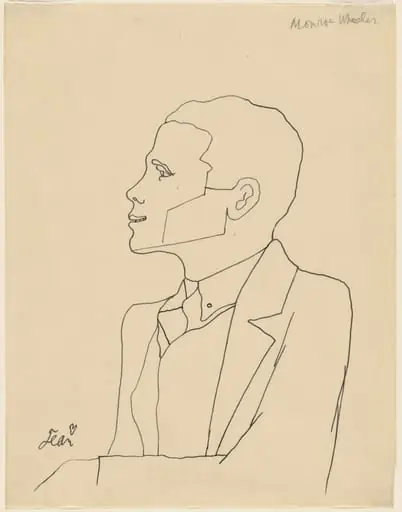
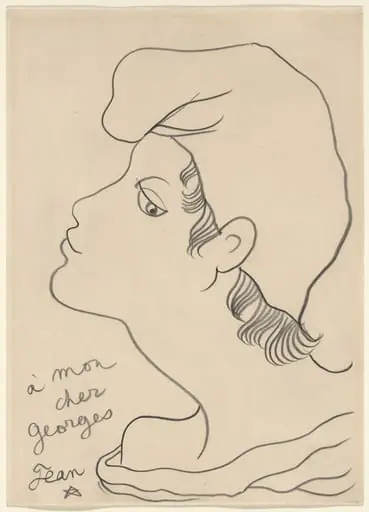
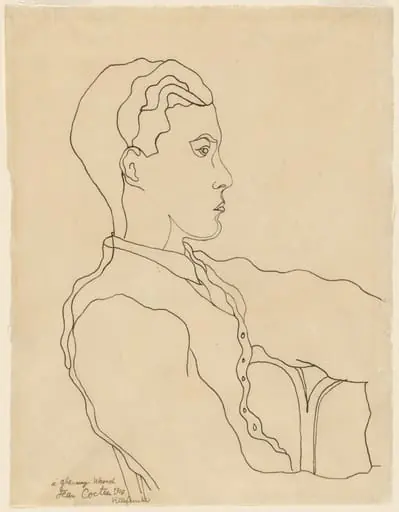
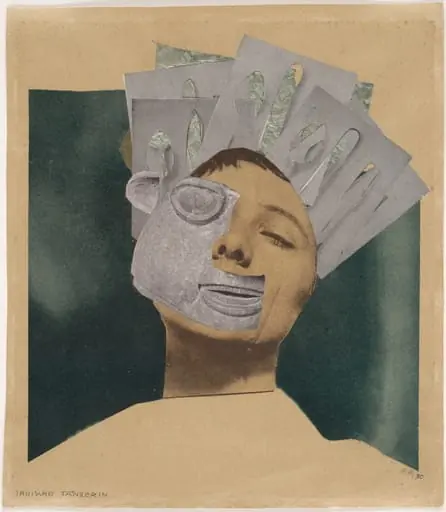
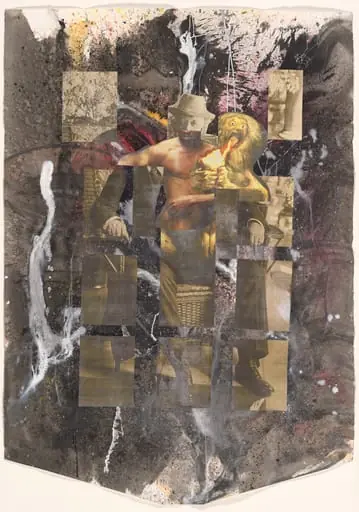
Untitled is a crayon drawing by Jean Cocteau. It dates from 1936 and is held in the collection of the Museum of Modern Art.
About this work
Overview
Created around 1936, this mixed-media work by Jean Cocteau combines photographic fragments of classical statues with hand-drawn elements on a light blue board.
Created around 1936, this mixed-media work by Jean Cocteau combines photographic fragments of classical statues with hand-drawn elements on a light blue board. The composition uses cut-and-pasted gelatin silver prints, crayon, and ink, with torn paper edges suggesting fragmentation. Though untitled, its imagery evokes mythological themes, particularly through references to Orpheus. The piece resides in the collection of The Museum of Modern Art.
Subject & Meaning
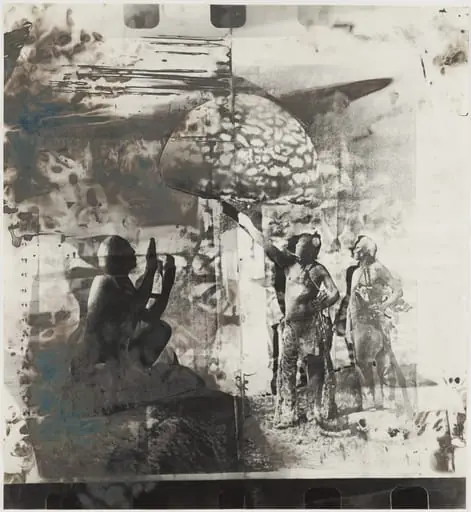
Two sculptural fragments appear to narrate a mythic scene: on the left, a horse’s head and a human arm extend toward a sword; on the right, a torso clutches a lyre atop a rocky form. These elements allude to Orpheus, the legendary musician whose lyre charmed the underworld. The sword may symbolize death or separation, reinforcing themes of loss and artistic longing. The broken statues suggest the fragility of myth and memory.
Technique & Style
Cocteau assembled the image by adhering photographic reproductions of ancient statues to the board, then overlaying them with crayon and ink drawings. The torn paper borders and faded tones emphasize impermanence. The blending of mechanical reproduction with manual mark-making blurs boundaries between documentation and invention. This method reflects his interest in collage as a way to reconstruct meaning from cultural fragments.
History & Provenance
The work dates to the mid-1930s, a period when Cocteau was deeply engaged with myth, cinema, and visual poetry. It entered The Museum of Modern Art’s collection through established acquisition channels, likely during the museum’s early focus on modern European avant-garde works. Its provenance remains unremarkable, consistent with Cocteau’s practice of creating intimate, non-commercial pieces for personal or exhibition use.
Context
In the 1930s, Cocteau was immersed in reinterpreting classical myths through modern media, including film and collage. His fascination with Orpheus culminated later in his 1950 film of the same name, but this earlier work reveals the roots of that preoccupation. The use of photographic fragments aligns with broader Surrealist and Dadaist practices of recontextualizing found imagery to disrupt traditional narratives.
Legacy
This piece exemplifies Cocteau’s enduring interest in myth as a living, mutable form. Its hybrid technique influenced later artists exploring collage and photomontage as tools for psychological and literary expression. Though not widely exhibited, it remains a quiet testament to his method of weaving ancient stories into contemporary visual language, bridging classical iconography with modern fragmentation.
Artist & collection