Artwork
François, Marquis of Barbé-Marbois (1745-1837)
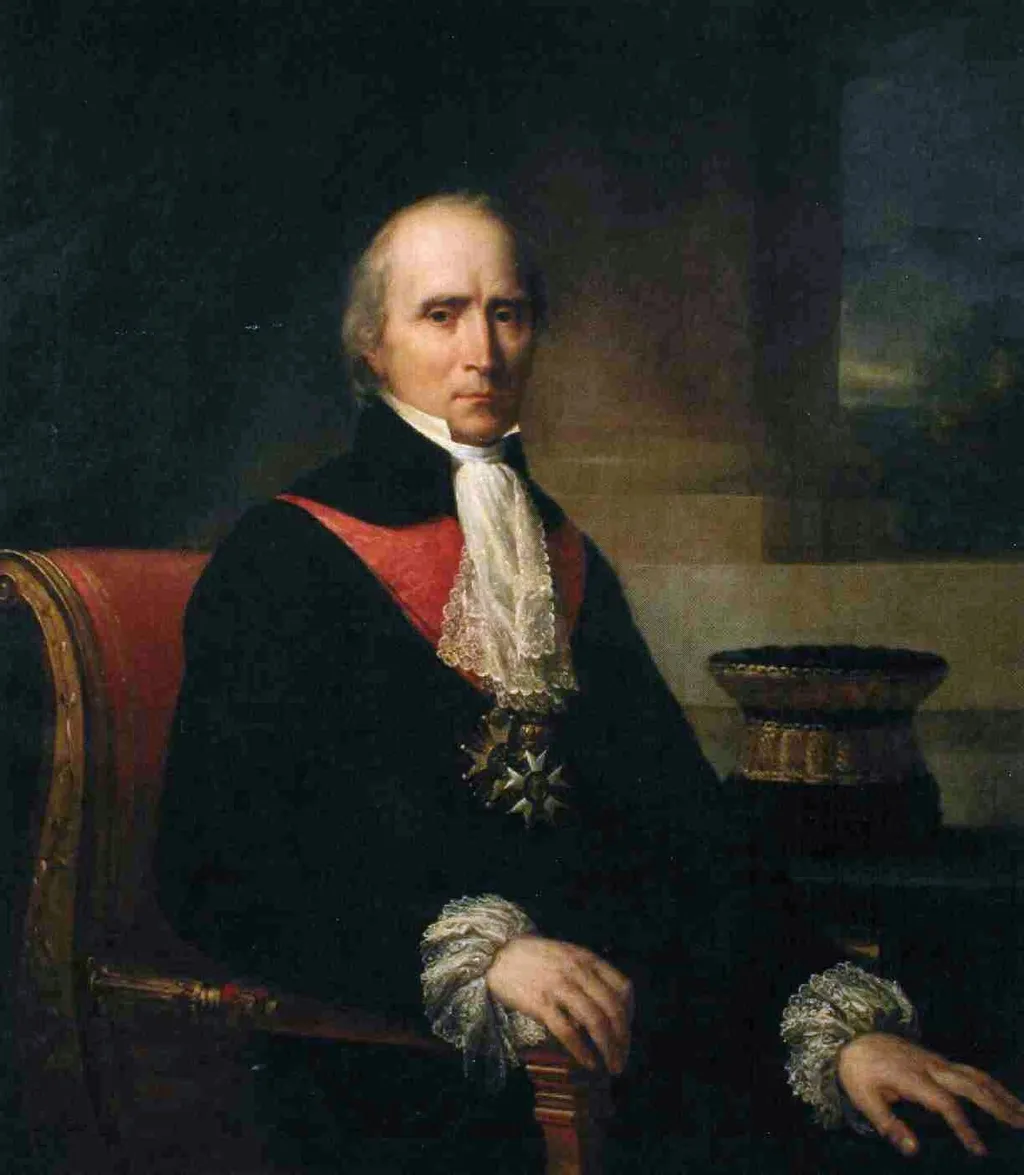
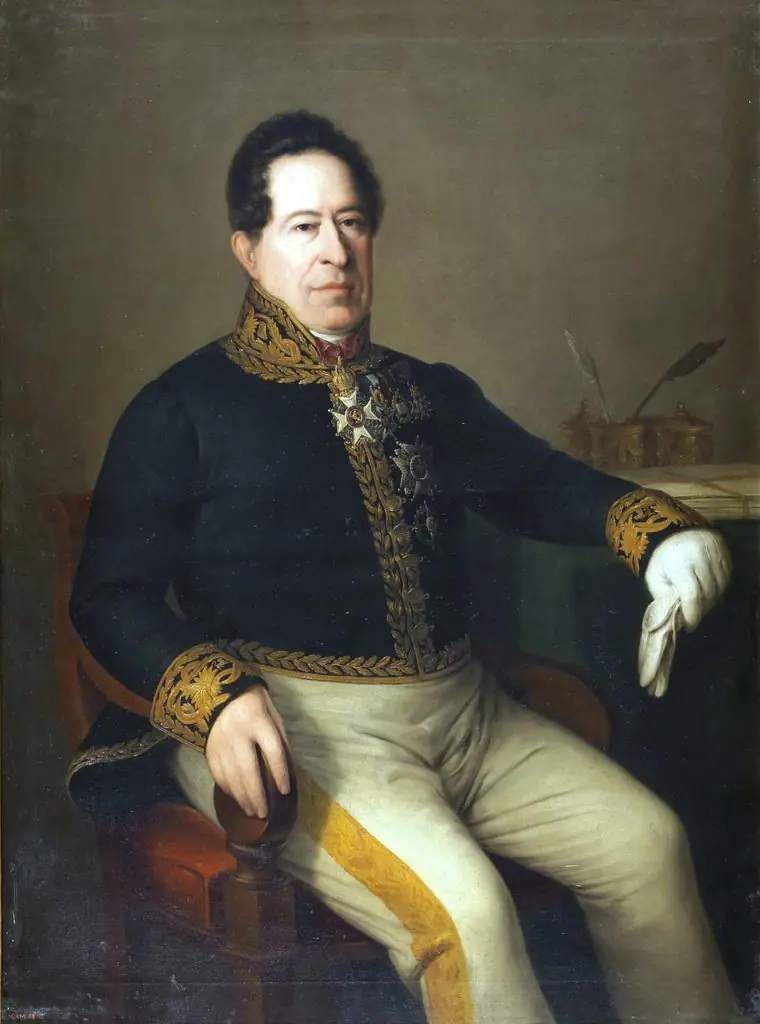
François, Marquis of Barbé-Marbois (1745-1837) is an oil painting by Jean François Boisselat. It dates from 1835 and is held in the collection of the Palace of Versailles.
About this work
Overview
This 1835 oil portrait captures François, Marquis of Barbé-Marbois, a French statesman and diplomat, painted by Jean François Boisselat.
This 1835 oil portrait captures François, Marquis of Barbé-Marbois, a French statesman and diplomat, painted by Jean François Boisselat. The work is part of the collection at the Palace of Versailles, where it reflects the tradition of official portraiture among France’s aristocratic elite in the early 19th century. The composition emphasizes dignity and social standing through restrained elegance and controlled lighting.
Subject & Meaning
Barbé-Marbois is depicted seated, his posture composed and authoritative. His attire—a black coat with red collar, white cravat, and lace cuffs—signals his noble status, while the large medal on a ribbon denotes official recognition, likely from the Legion of Honour. The absence of symbolic props or elaborate settings focuses attention on his presence, suggesting a portrait of personal gravitas rather than political narrative.
Technique & Style
Boisselat employs chiaroscuro to model the figure against a dark, indistinct background, lending depth and volume to the form. The lighting isolates the face and upper torso, drawing the eye to the subject’s expression and the texture of fabric. Brushwork is precise but not overly detailed, favoring a sober realism consistent with post-Revolutionary French portraiture, where restraint replaced ornamental excess.
History & Provenance
Painted in 1835, near the end of Barbé-Marbois’s life, the portrait was likely commissioned to commemorate his public service. It entered the Palace of Versailles collection shortly after completion, aligning with efforts to preserve the visual legacy of prominent figures from the Ancien Régime and early Bourbon Restoration. Its preservation there underscores its role as a historical record rather than a private keepsake.
Context
Created during the July Monarchy, the portrait reflects a cultural moment when France sought to reconcile revolutionary change with continuity of aristocratic identity. Barbé-Marbois, who had served under Louis XVI and later in diplomatic roles, embodied this transition. The painting’s subdued tone mirrors the era’s preference for dignified, unadorned representation over the flamboyance of earlier courts.
Legacy
The portrait remains a quiet testament to Barbé-Marbois’s enduring influence in French administrative history. While Boisselat is not widely known today, this work contributes to the visual archive of 19th-century French elites. Its presence in Versailles ensures its continued role as a reference for understanding how nobility was visually redefined after the collapse of the monarchy.
Artist & collection
Artist
Jean François Boisselat (1812–1889) was an artist, born in former 11th arrondissement of Paris.

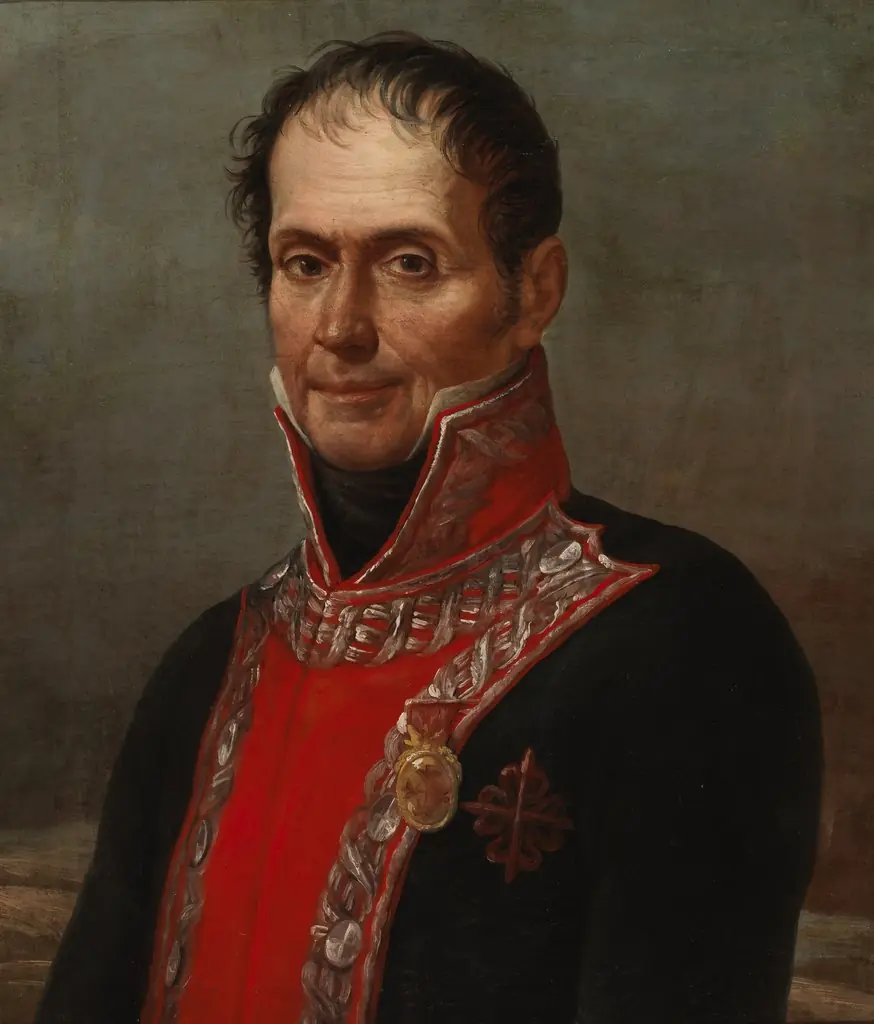 Francisco Javier Venegas y Saavedra
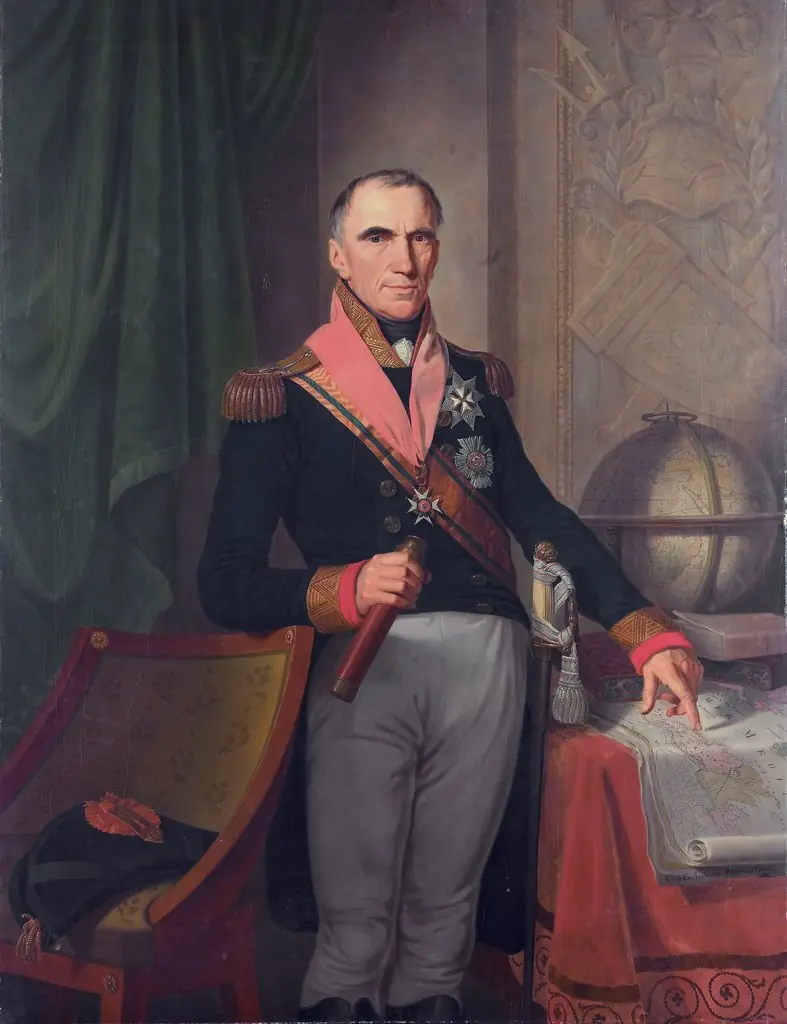 Jonkheer Theodorus Frederik van Capellen (1762-1824)
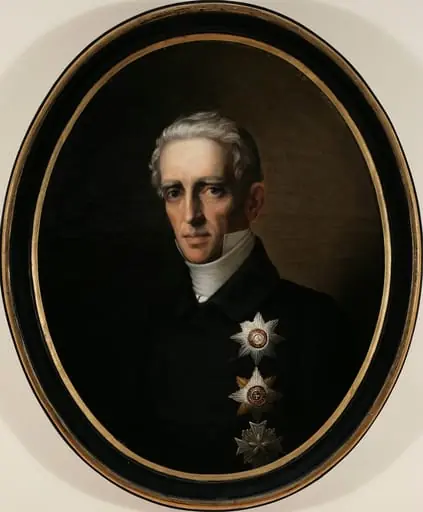 Vapaaherra Lars Gabriel von Haartman
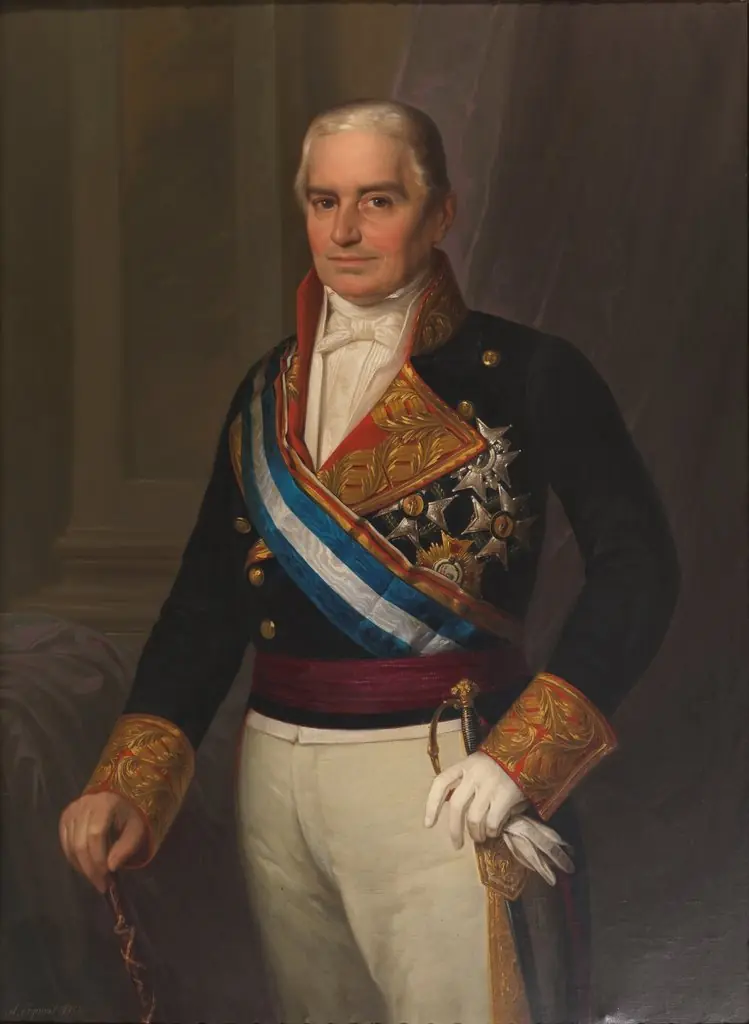 Miguel de la Torre y Pando conde de Torre Pando
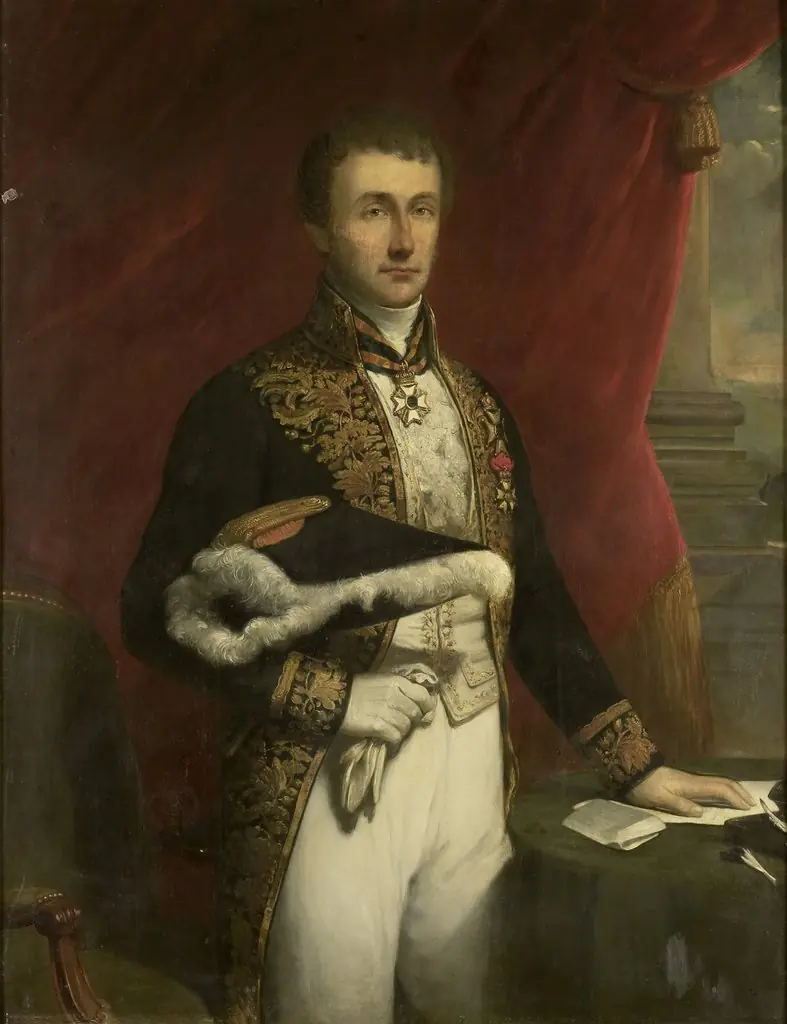 Pieter Merkus (1787–1844). Gouverneur-generaal (1841–1844)
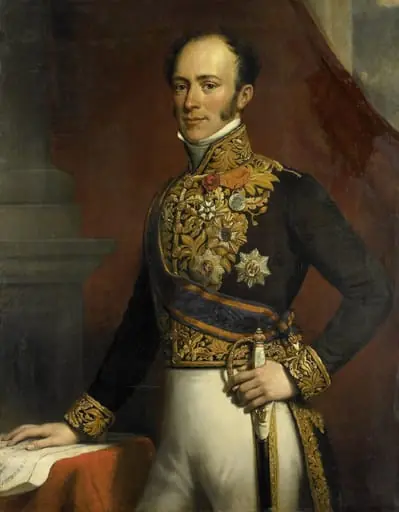 Portrait of Jan Jacob Rochussen, Governor-General of the Dutch East Indies
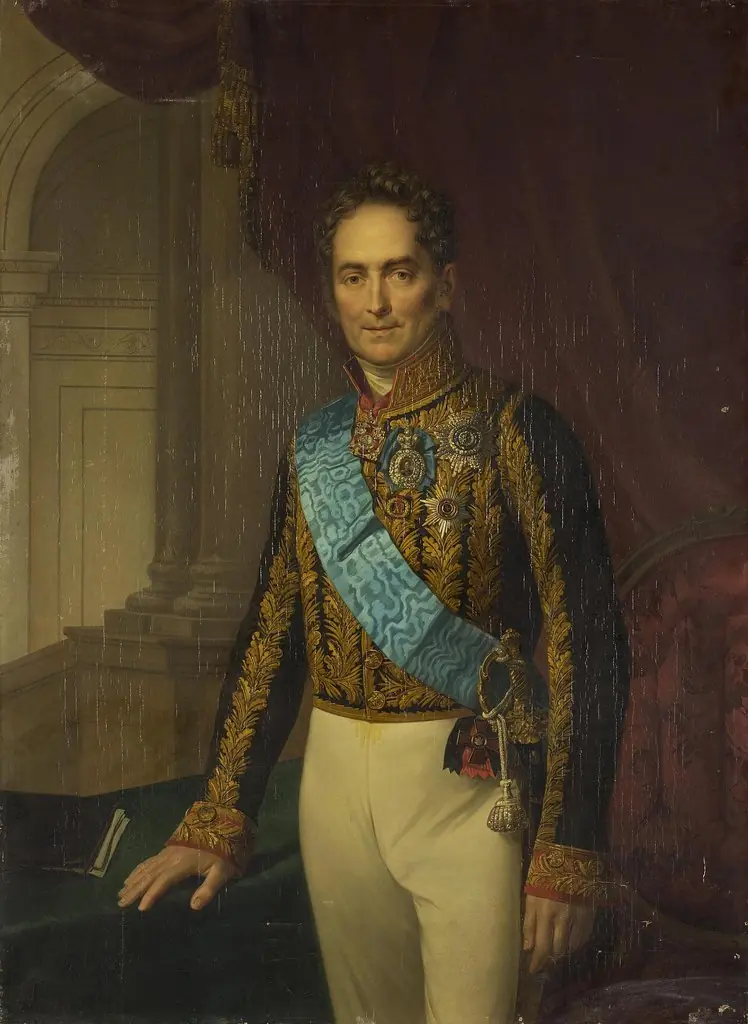 Portrait of Count Viktor Kochubei
 Manuel Godoy
 Martín Fernández de Navarrete (copia)
 Portrait of Jan Jacob Rochussen, Governor-General of the Dutch East Indies
 El infante Antonio Pascual de Borbón
 Portrait of Cesáreo María Sáenz y de la Barrera