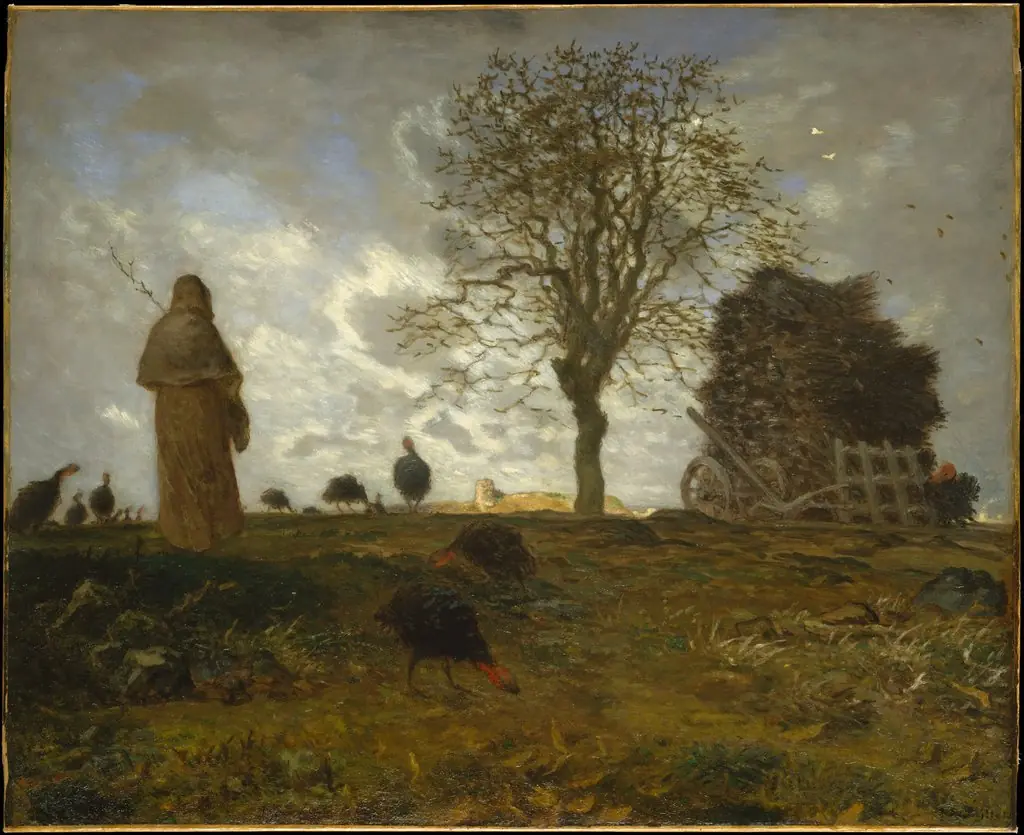
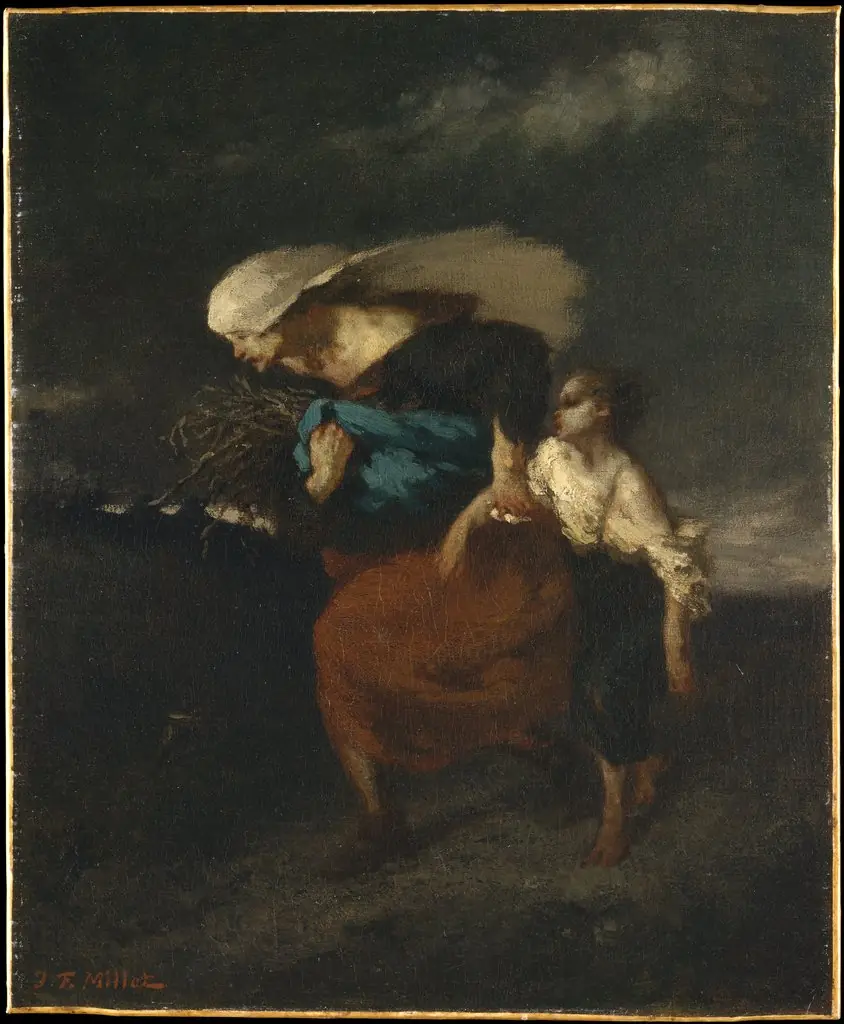
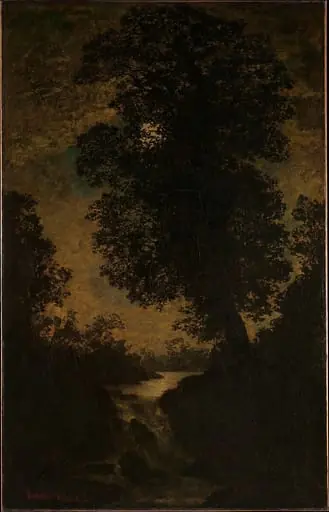
Artwork
Forest with Shepherdess and Sheep
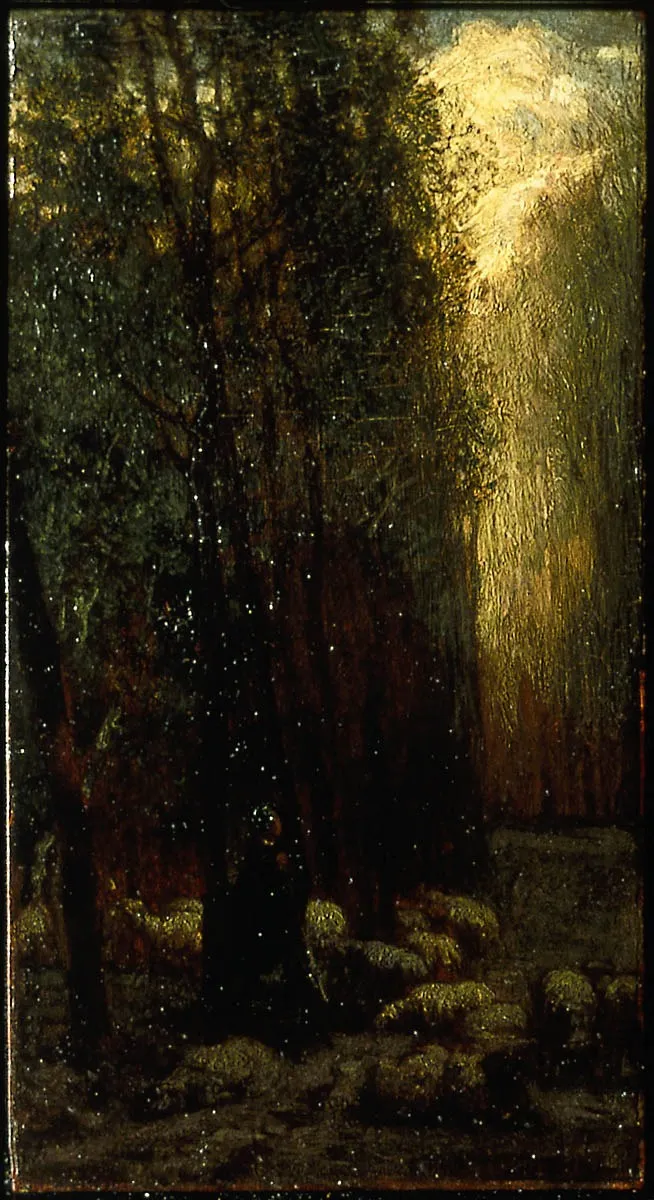
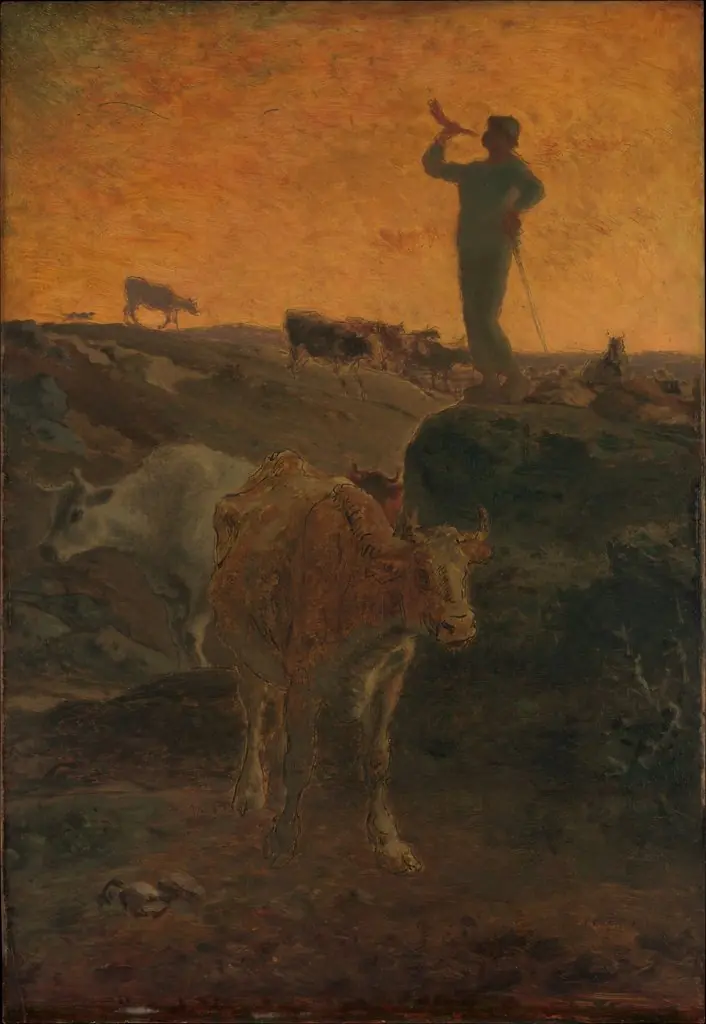
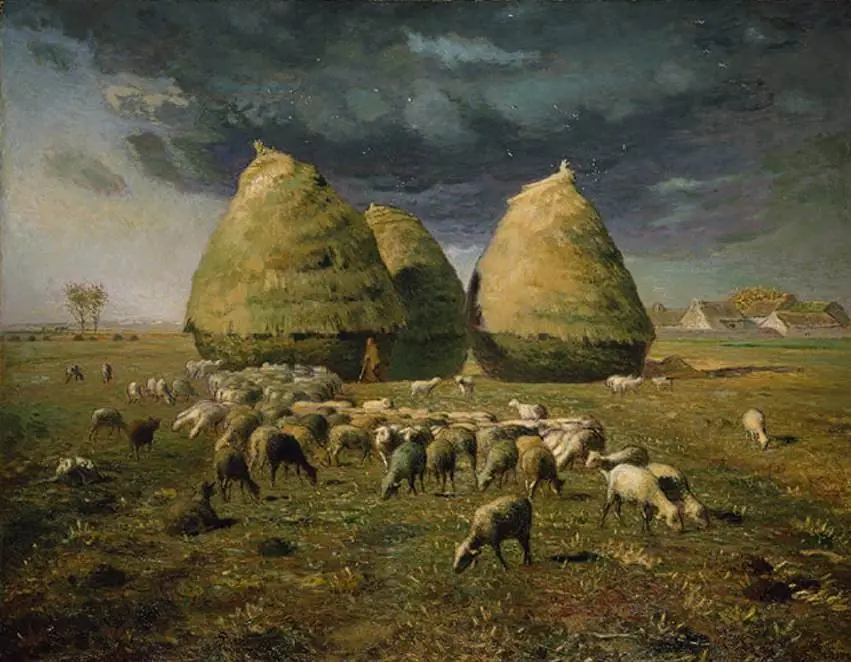
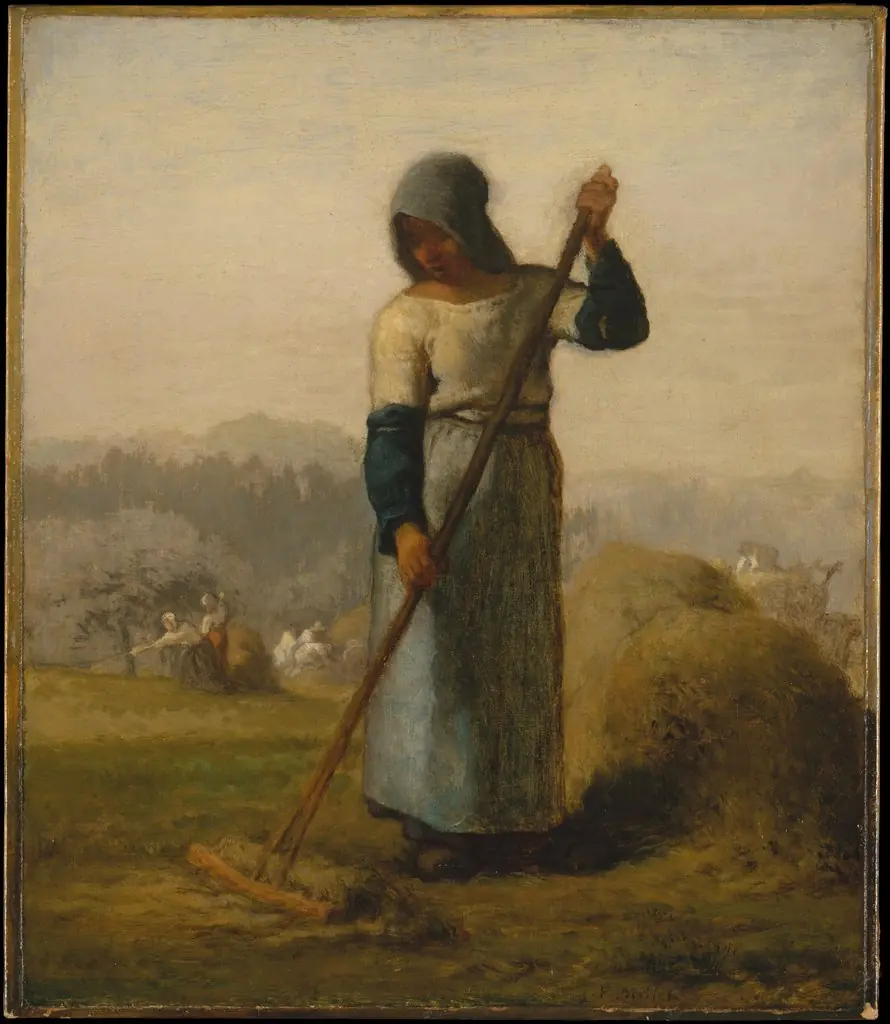
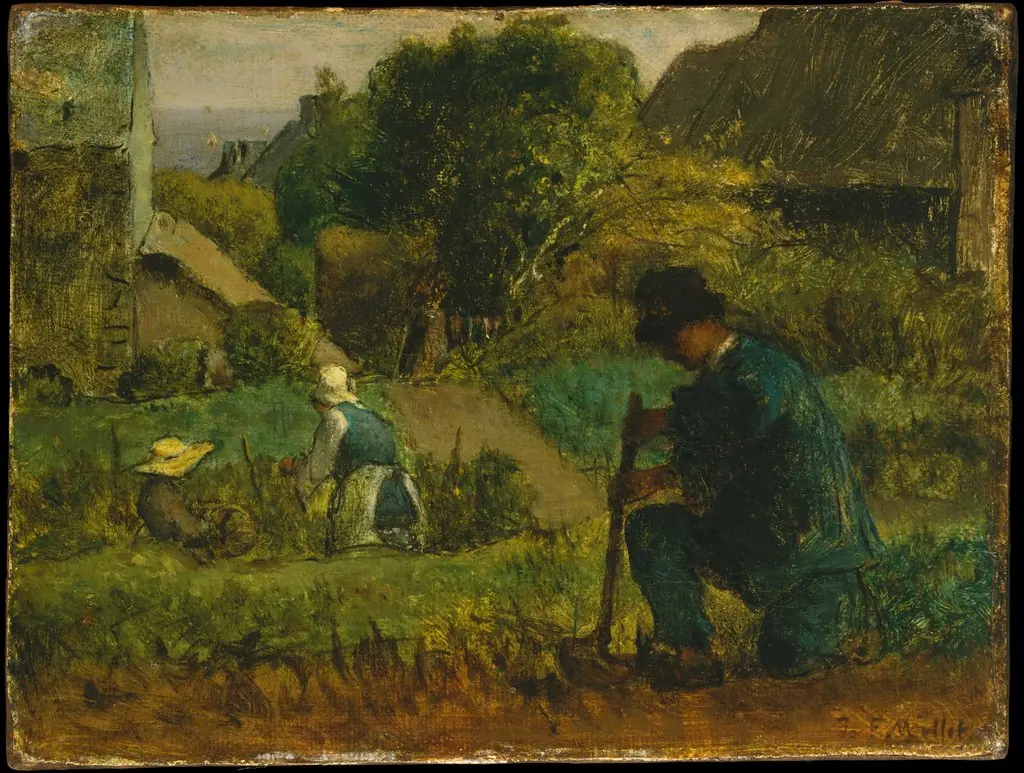
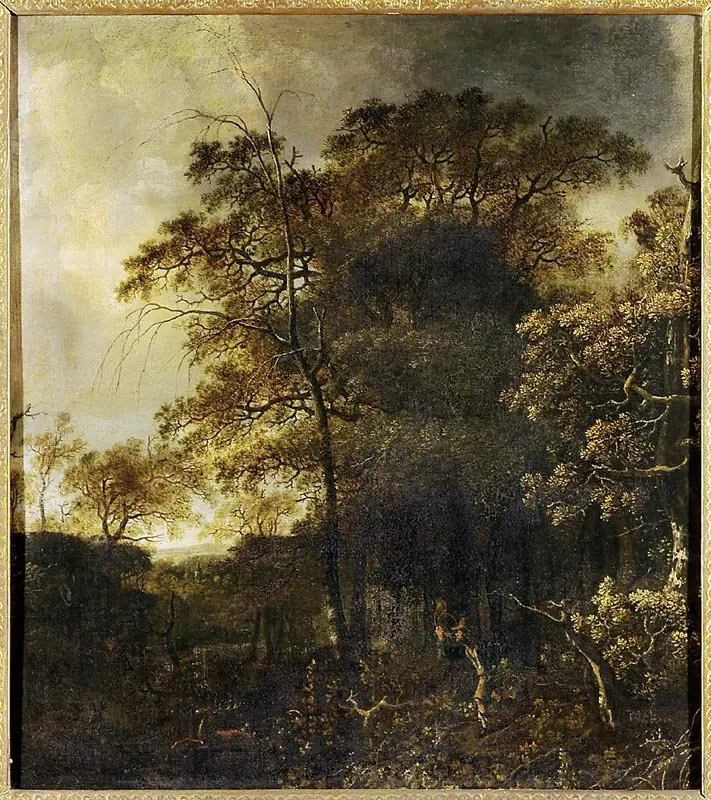
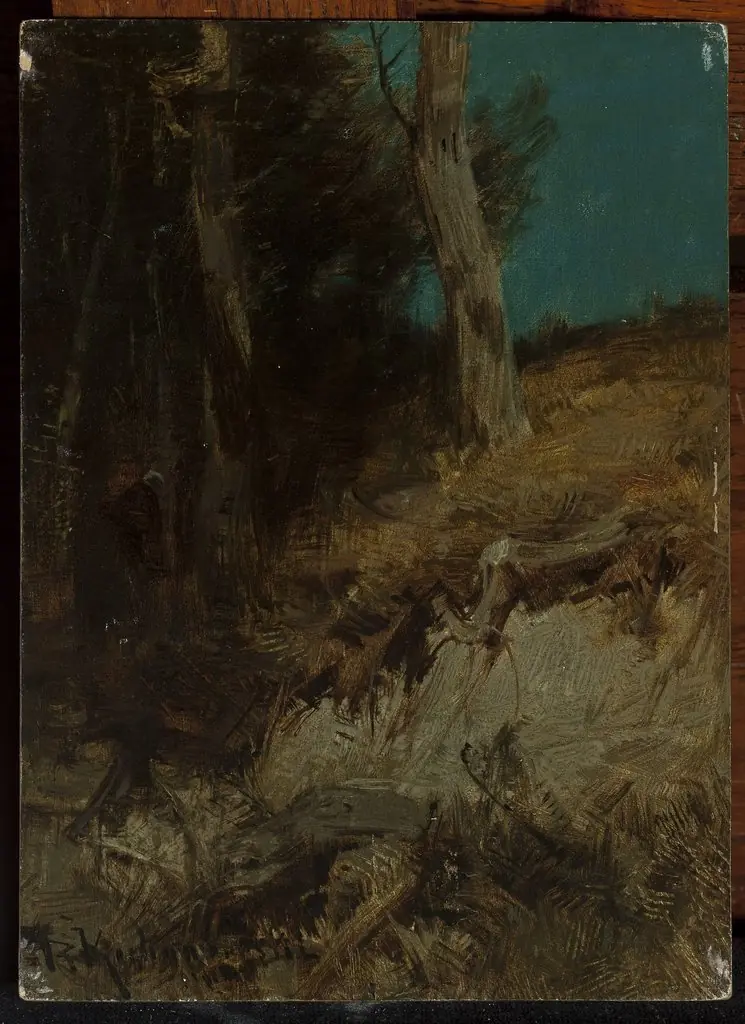
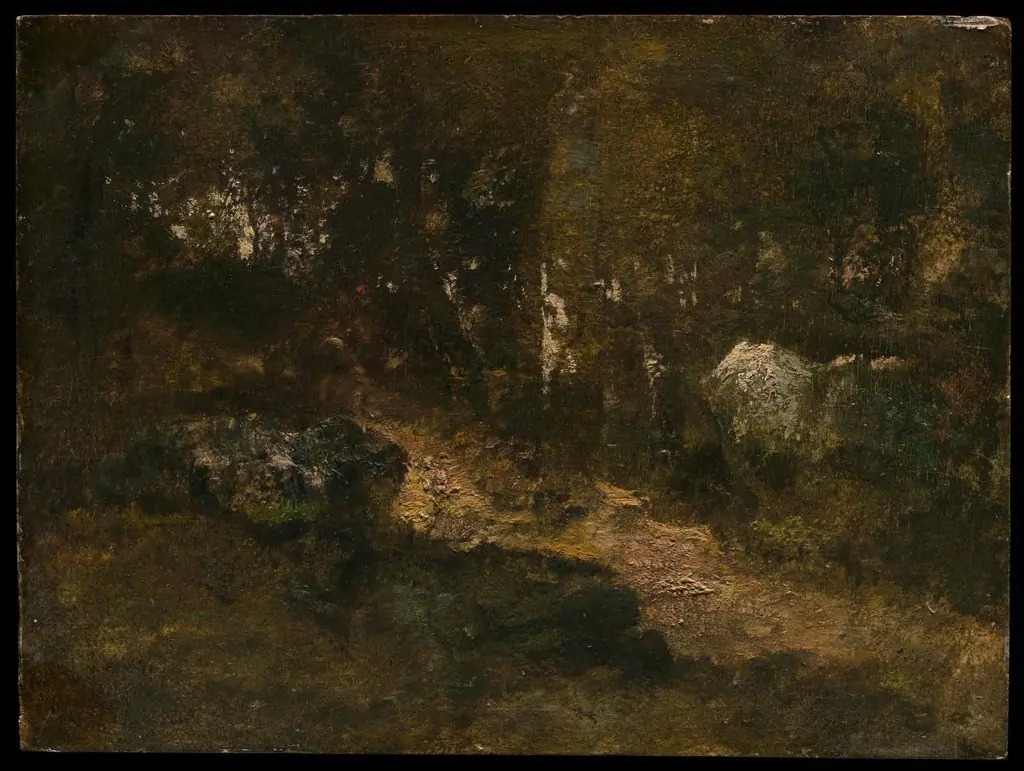
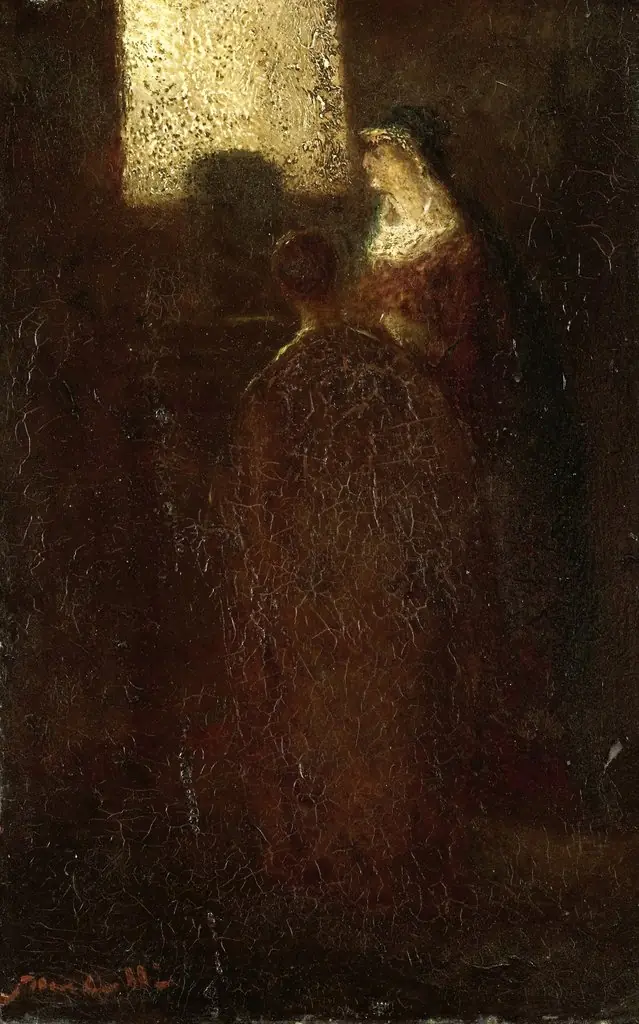
Forest with Shepherdess and Sheep is an unspecified painting by Jean François Millet. It dates from 1854 and is held in the collection of the Museum of Fine Arts Boston.
About this work
Overview
Though rooted in Realism, the work shifts toward atmospheric depiction, emphasizing the forest’s stillness over narrative action.
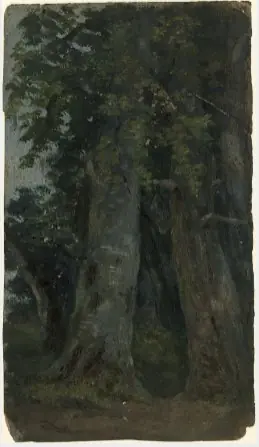
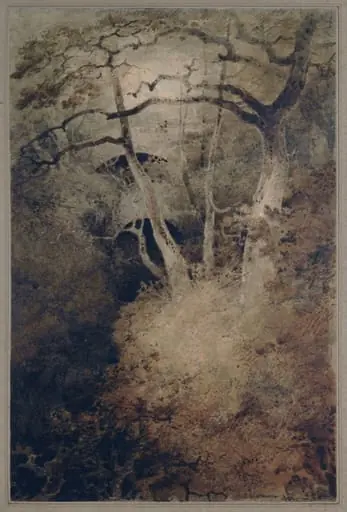
Painted around 1854, *Forest with Shepherdess and Sheep* is a landscape by Jean-François Millet that bridges his focus on rural labor and the quiet dignity of nature. Though rooted in Realism, the work shifts toward atmospheric depiction, emphasizing the forest’s stillness over narrative action. The shepherdess appears not as a central figure but as a subtle presence within the environment, reflecting Millet’s evolving interest in nature as a subject in its own right.
Subject & Meaning
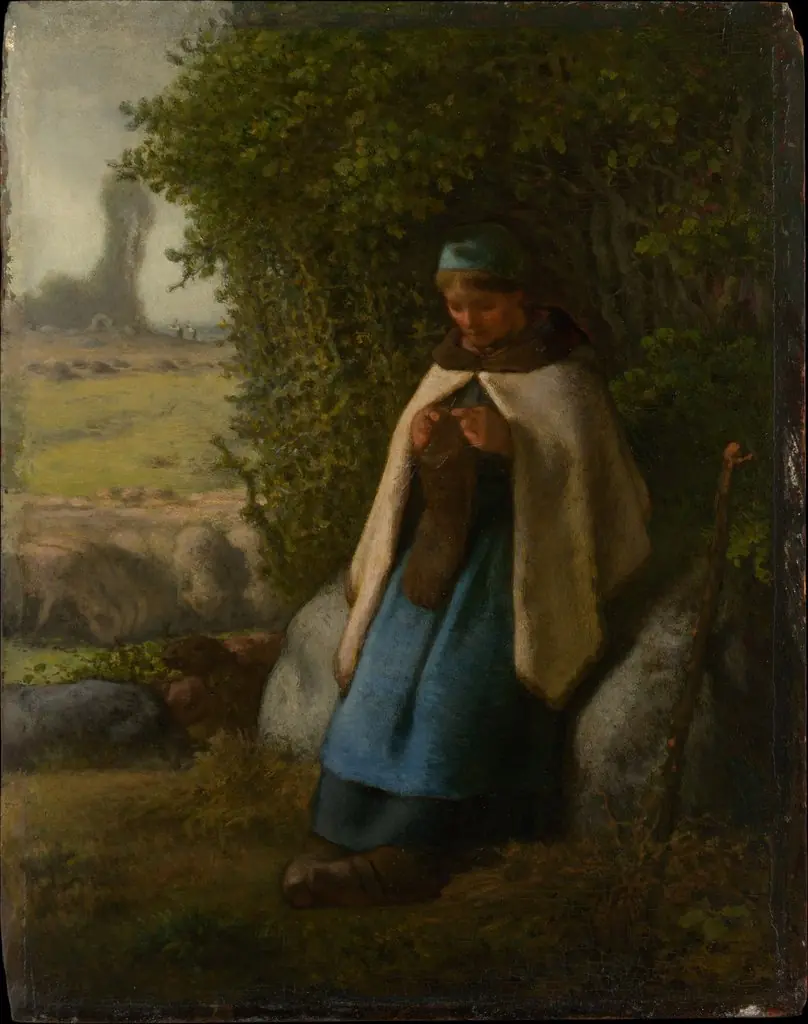
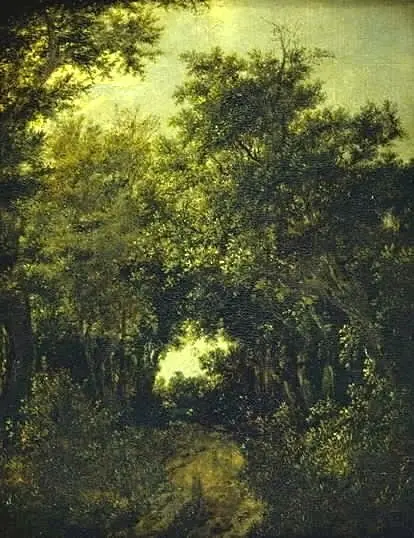
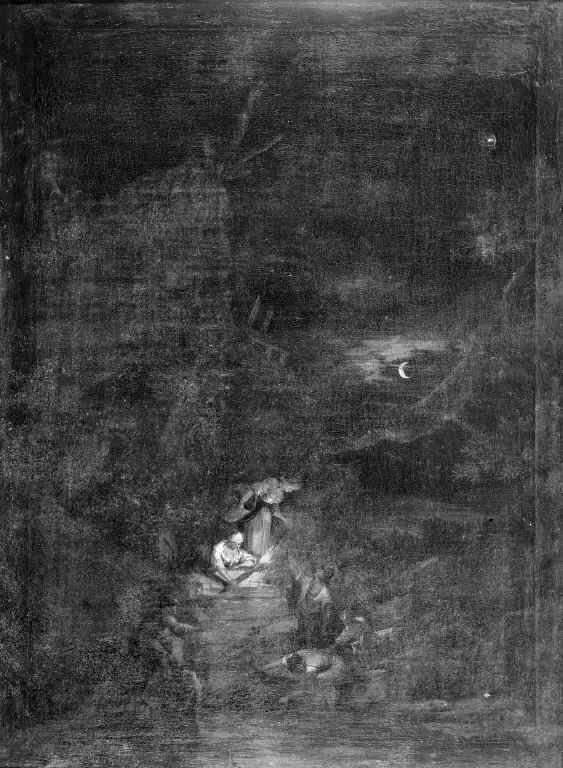
The painting presents a solitary shepherdess and her flock in a secluded woodland, suggesting a moment of pause rather than labor. Her posture and gaze outward invite reflection, blurring the line between human and natural world. The sheep, clustered in the foreground, convey vulnerability and quiet cohesion. There is no indication of hardship or toil; instead, the scene evokes an enduring, almost meditative harmony between shepherd, animals, and forest.
Technique & Style
Millet employs muted earth tones and subtle gradations of light to render the forest’s depth. Chiaroscuro defines the volume of trees and underbrush, while dappled sunlight breaks through the canopy in soft, irregular patterns. The shepherdess’s form is rendered with restrained detail, integrating her into the landscape rather than isolating her. Brushwork is deliberate but unobtrusive, favoring texture and atmosphere over fine finish.
History & Provenance
Created during Millet’s time in Barbizon, the painting emerged from his sustained engagement with rural life and the natural world outside Paris. It was likely painted in the mid-1850s, a period when he increasingly turned from overt peasant narratives to more contemplative landscapes. The work entered the Museum of Fine Arts, Boston’s collection in the early 20th century, where it remains as part of its significant holdings of 19th-century French art.
Context
Millet’s work emerged alongside the Barbizon school’s rejection of idealized historical painting in favor of direct observation of nature and rural existence. While contemporaries like Corot emphasized poetic light, Millet grounded his vision in the physical reality of the forest and its inhabitants. This painting reflects a broader shift in French art toward sincerity and quietude, away from academic grandeur and toward intimate, unembellished scenes.
Legacy
Though less celebrated than Millet’s labor-focused works, *Forest with Shepherdess and Sheep* exemplifies his contribution to landscape painting’s evolution in 19th-century France. It influenced later artists seeking emotional resonance in natural settings without romantic embellishment. The painting’s restrained composition and atmospheric depth helped pave the way for the more immersive landscapes of the Impressionists and Symbolists.
Artist & collection
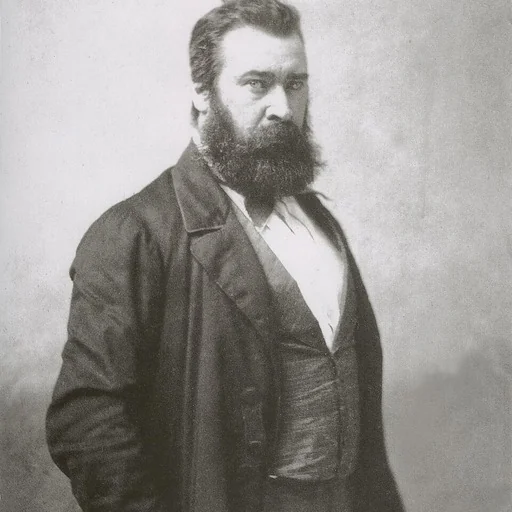
Artist
Jean-François Millet (French pronunciation: ; 4 October 1814 – 20 January 1875) was a French painter and one of the founders of the Barbizon school in rural France.