Artwork
First Steps
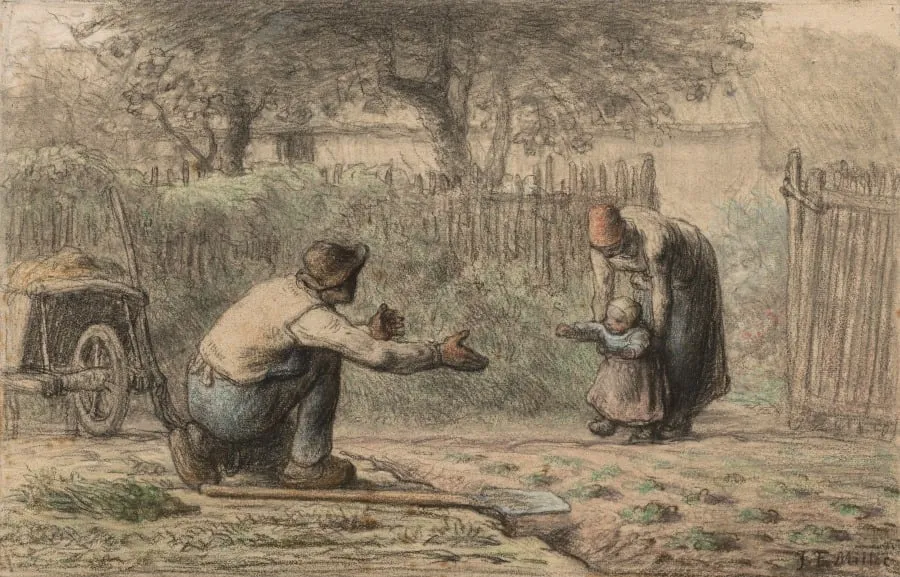
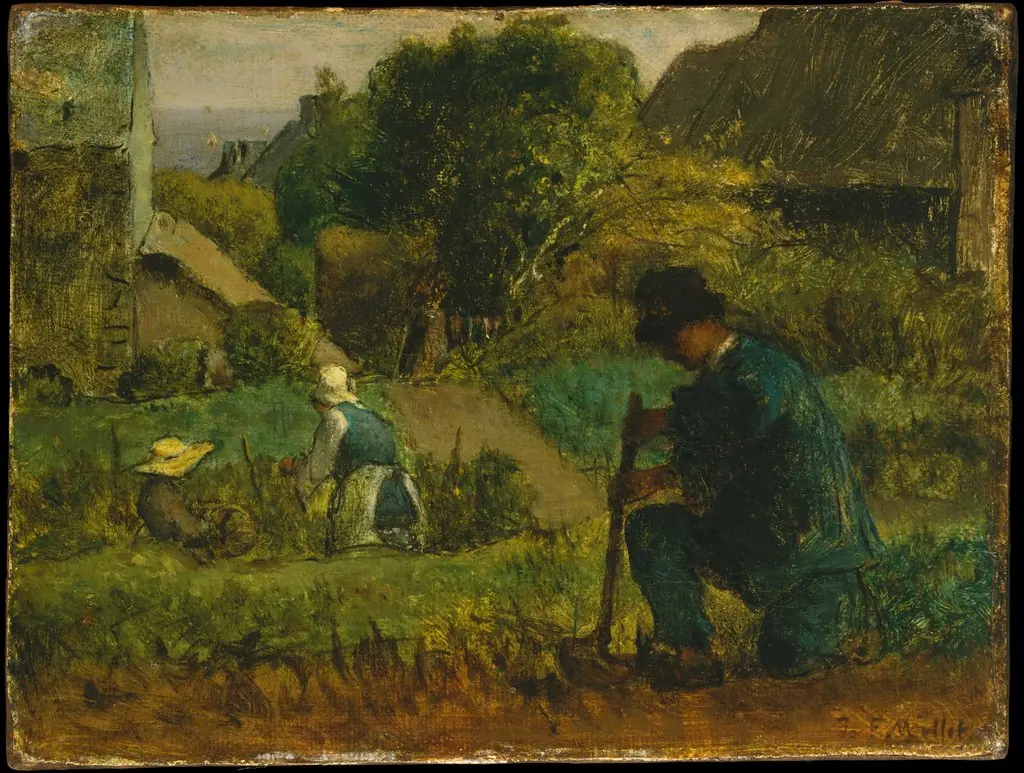
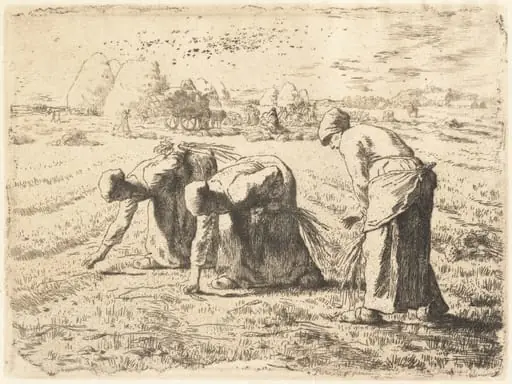
First Steps is a drawing by the Impressionist artist Jean François Millet. It dates from 1862 and is held in the collection of the Cleveland Museum of Art.
About this work
Overview
Created between 1865 and 1869, this pastel drawing is one of over a hundred such works Millet produced during a focused period of experimentation.
Created between 1865 and 1869, this pastel drawing is one of over a hundred such works Millet produced during a focused period of experimentation. He turned to pastel to introduce color into his rural scenes, seeking broader appeal among collectors. The medium allowed rapid, expressive application, contrasting with his earlier monochrome chalk studies. This piece exemplifies his shift toward luminous, tonal compositions that retained emotional depth while embracing new technical possibilities.
Subject & Meaning
The scene depicts a child’s first steps in a modest garden, framed by a low fence. A woman kneels, arms open in quiet encouragement, while a man observes from behind, his posture suggesting quiet vigilance. The moment is intimate, unidealized, and grounded in daily rural life. Millet elevates this private act into a quiet meditation on care, growth, and the dignity of ordinary domestic rituals.
Technique & Style
Millet employed soft pastel sticks to build layered hues of blue, green, yellow, and red with minimal blending, preserving the chalk’s tactile quality. He avoided smooth sfumato, instead using distinct strokes to suggest light and texture. The colors are applied with restraint, enhancing rather than overwhelming the drawing’s emotional core. The medium’s immediacy allowed him to capture fleeting gestures and atmospheric effects with surprising subtlety.
History & Provenance
This work emerged during Millet’s most intensive period of pastel production, following his established reputation as a painter of peasant life. Though initially motivated by commercial considerations, his pastels gained unexpected critical attention. By the late 1860s, collectors and artists began to value these works for their expressive color and intimate scale, helping to revive interest in pastel as a serious medium beyond preparatory studies.
Context
In mid-19th-century France, pastel was largely associated with portraiture or decorative art. Millet’s use of it for rural subjects challenged these conventions. His work coincided with broader artistic interest in naturalism and the everyday, aligning with Realist ideals. While contemporaries like Degas later expanded pastel’s possibilities, Millet’s contributions laid groundwork by demonstrating its capacity for emotional resonance in non-urban themes.
Legacy
Millet’s pastel drawings helped reestablish the medium as a viable form for serious artistic expression. His success encouraged other artists to explore color in drawing, influencing the revival of pastel in the 1870s and 1880s. Though less celebrated than his oil paintings, these works reveal a nuanced engagement with light, color, and domestic life that expanded the boundaries of his artistic legacy.
Artist & collection
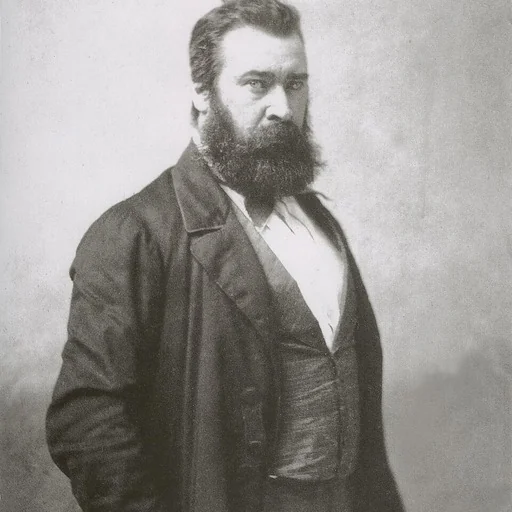
Artist
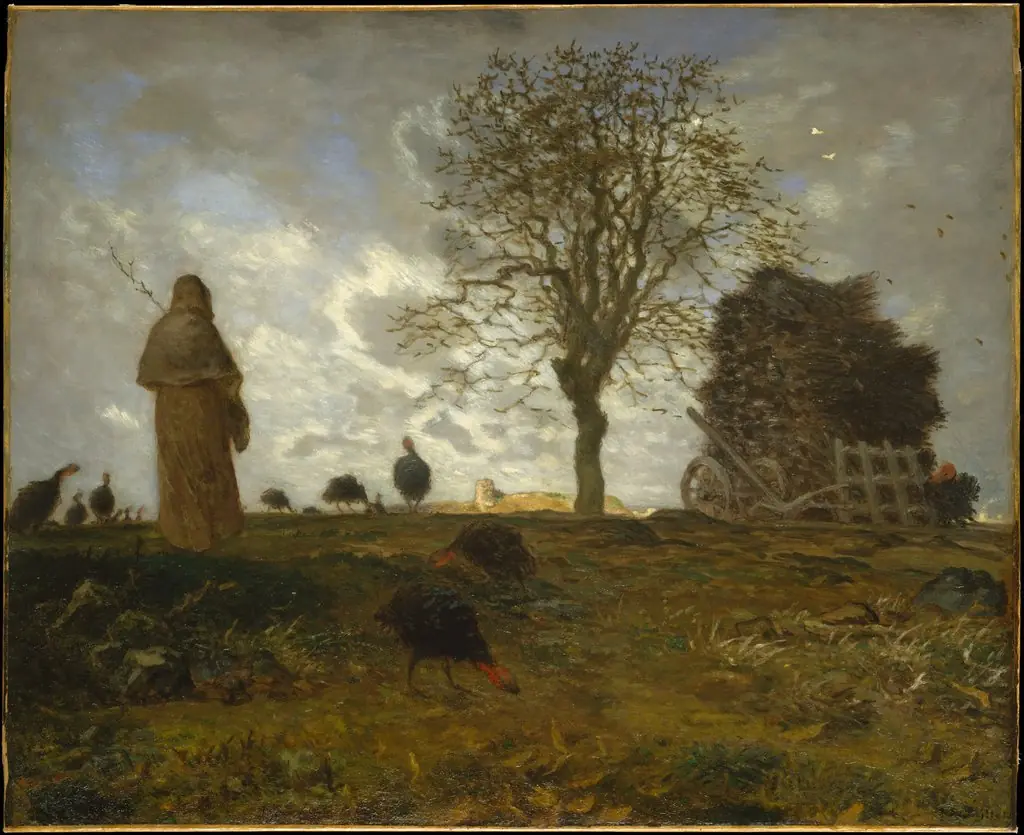
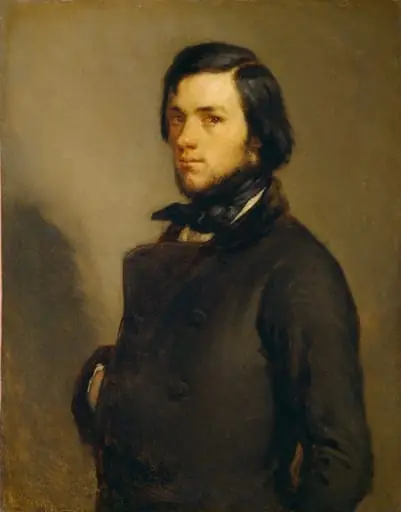
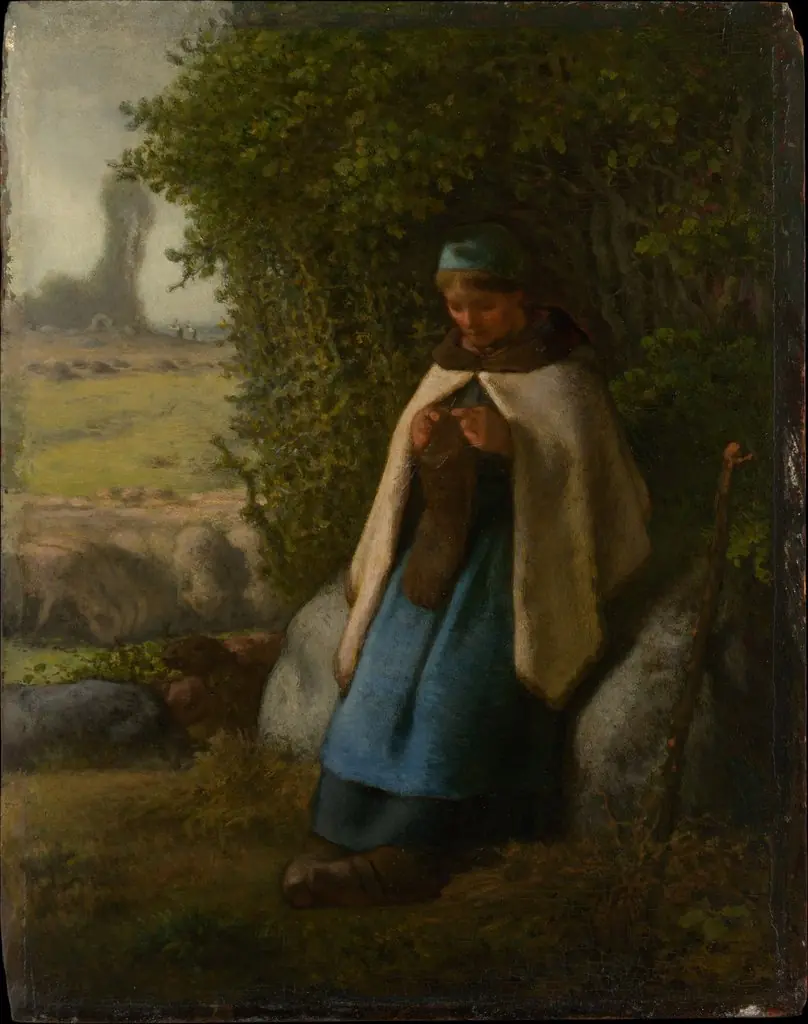
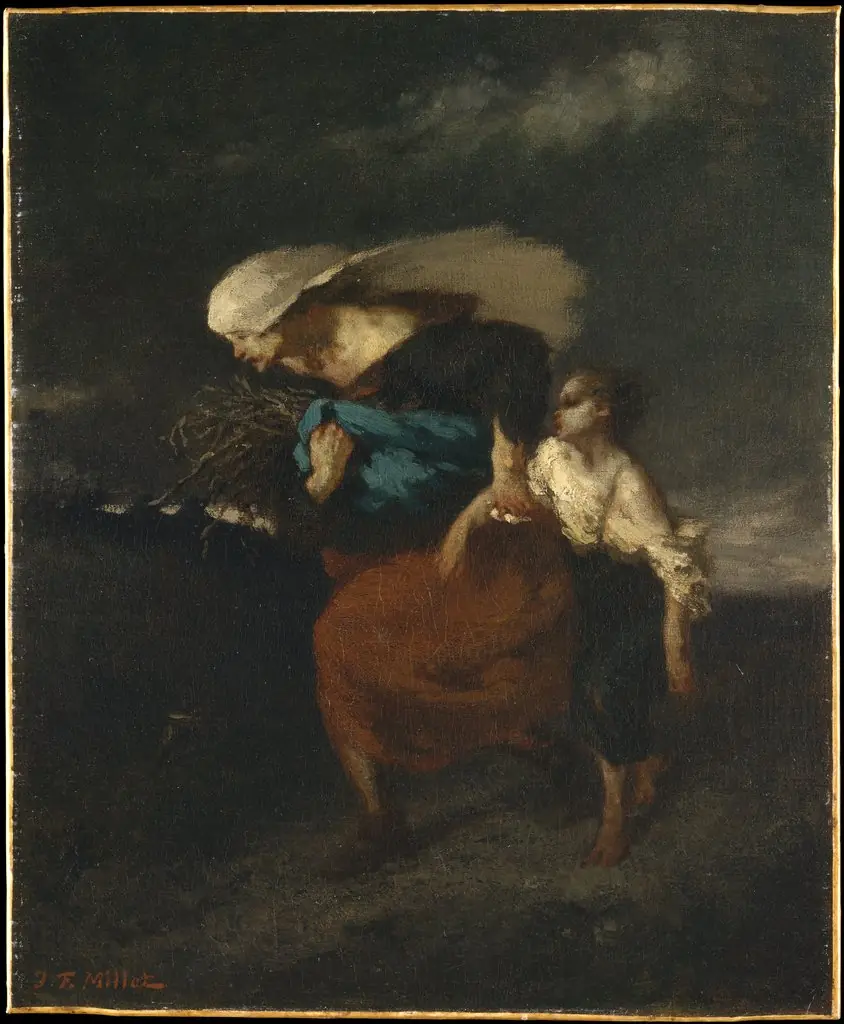
Jean-François Millet (French pronunciation: ; 4 October 1814 – 20 January 1875) was a French painter and one of the founders of the Barbizon school in rural France.