Artwork
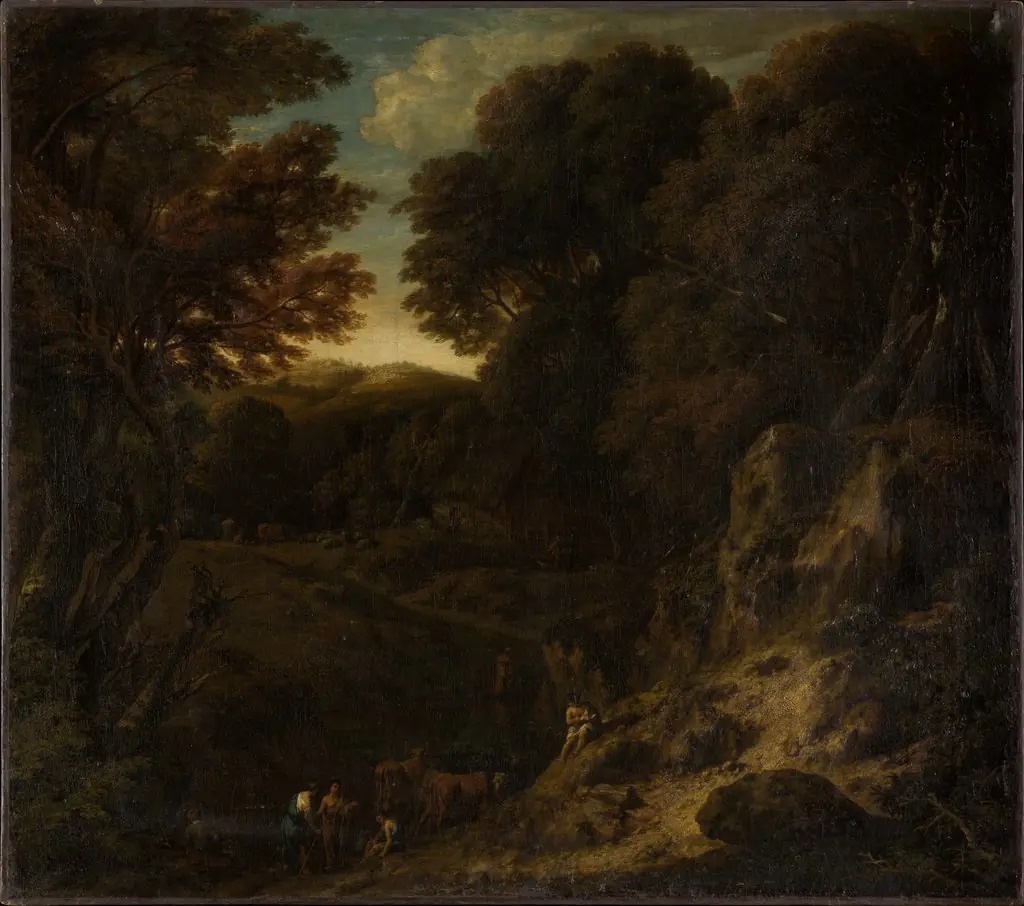
Waldlandschaft mit Badenden
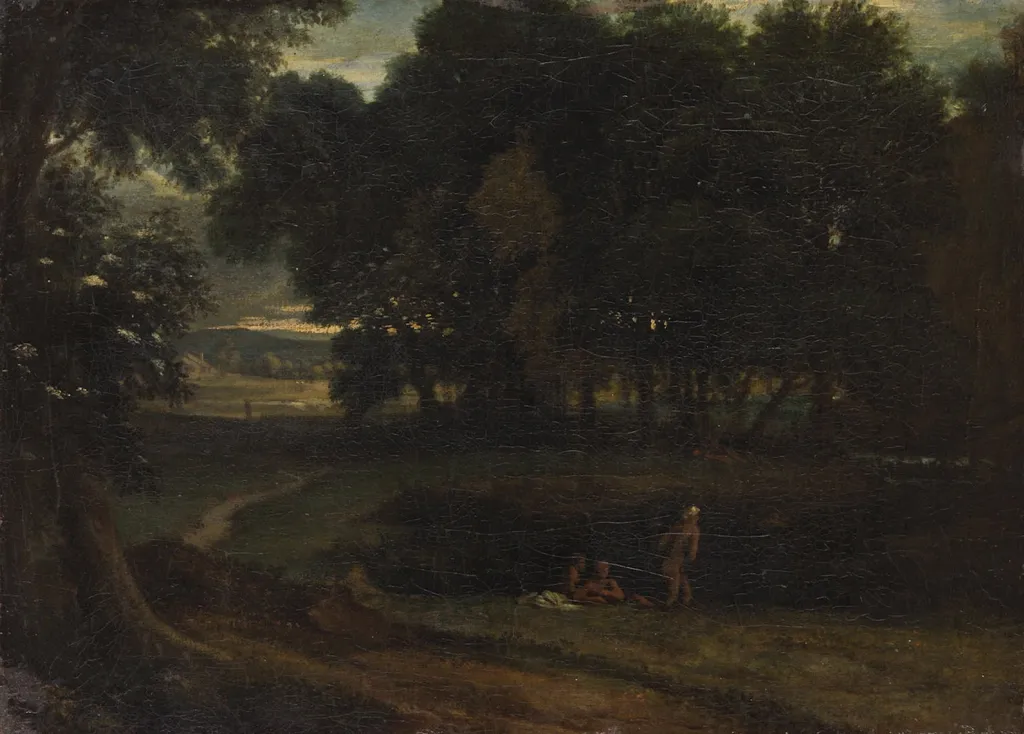
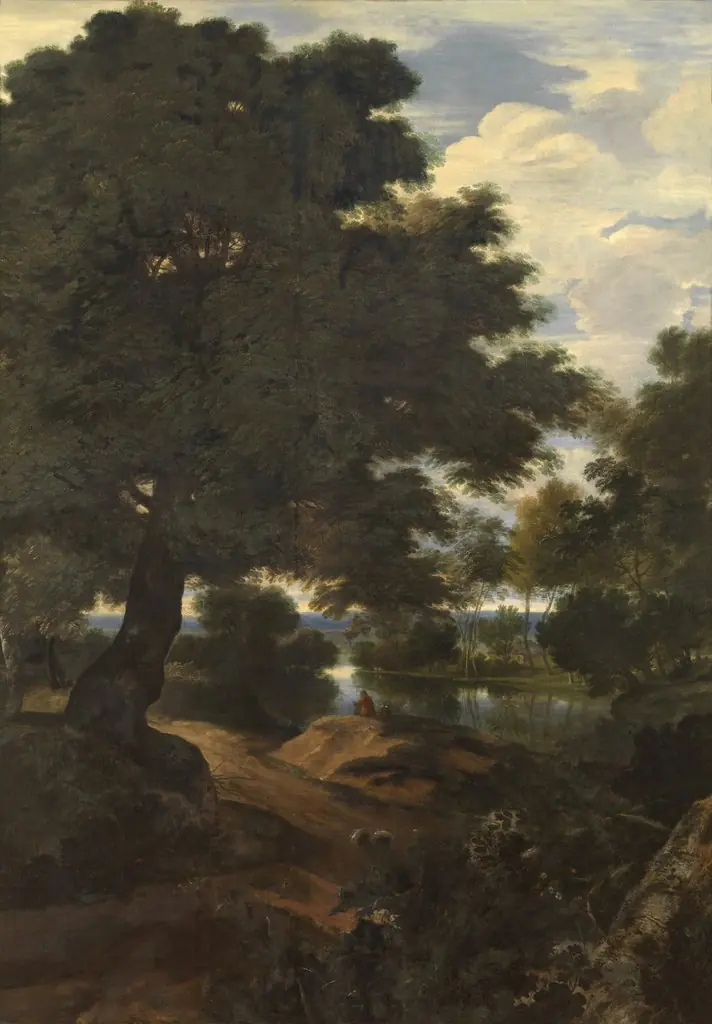
Waldlandschaft mit Badenden is an unspecified painting by Jean François Millet. It dates from 1854 and is held in the collection of the Kunsthistorisches Museum.
About this work
Overview
Though best known for scenes of agricultural labor, this work signals a move away from human figures toward the quiet observation of nature.
Painted around 1854, *Waldlandschaft mit Badenden* marks a transitional phase in Jean-François Millet’s career. Though best known for scenes of agricultural labor, this work signals a move away from human figures toward the quiet observation of nature. Executed in oil on canvas, it reflects his deepening engagement with the natural world, aligning with the broader interests of the Barbizon school in capturing unidealized rural environments.
Subject & Meaning
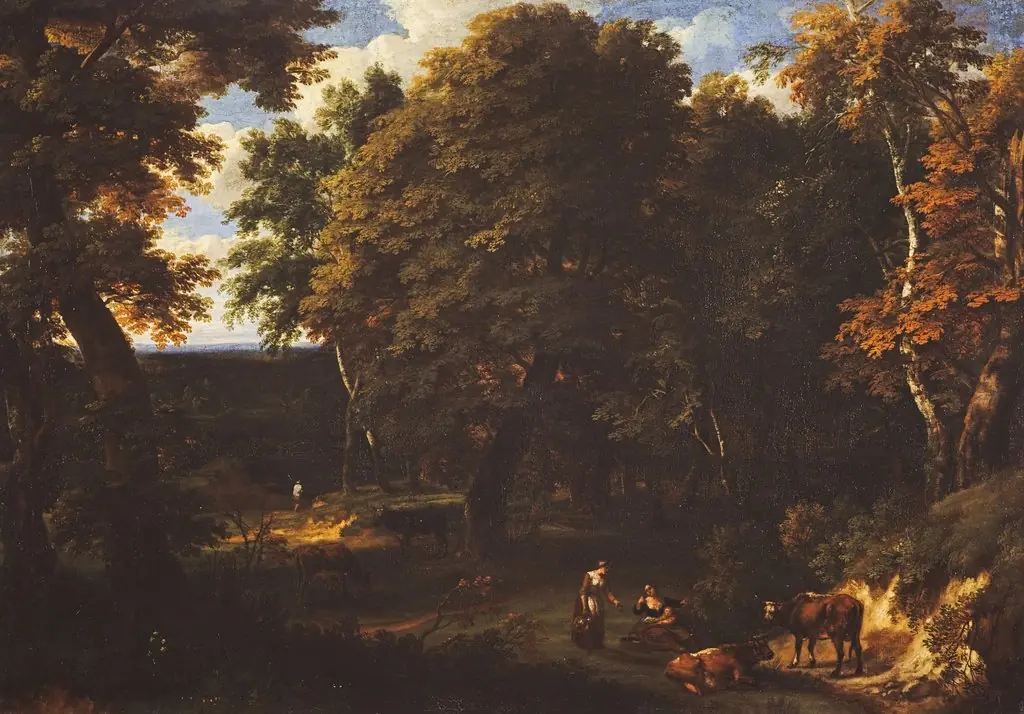
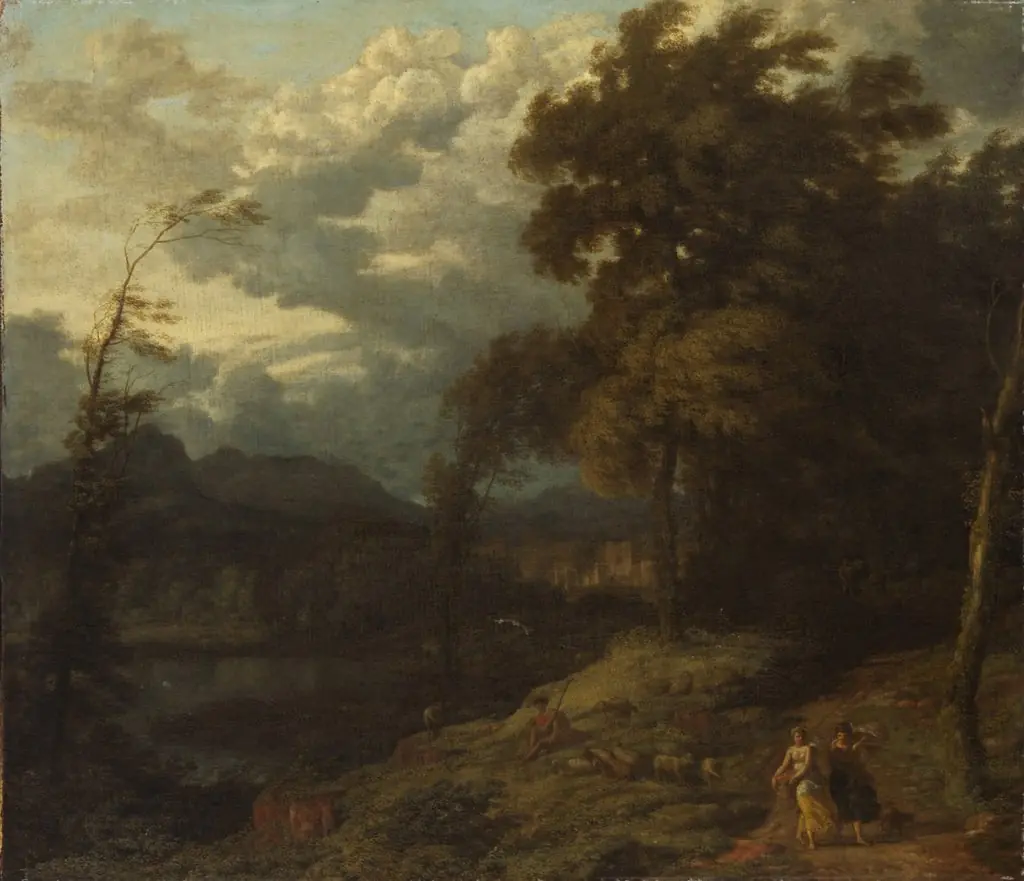
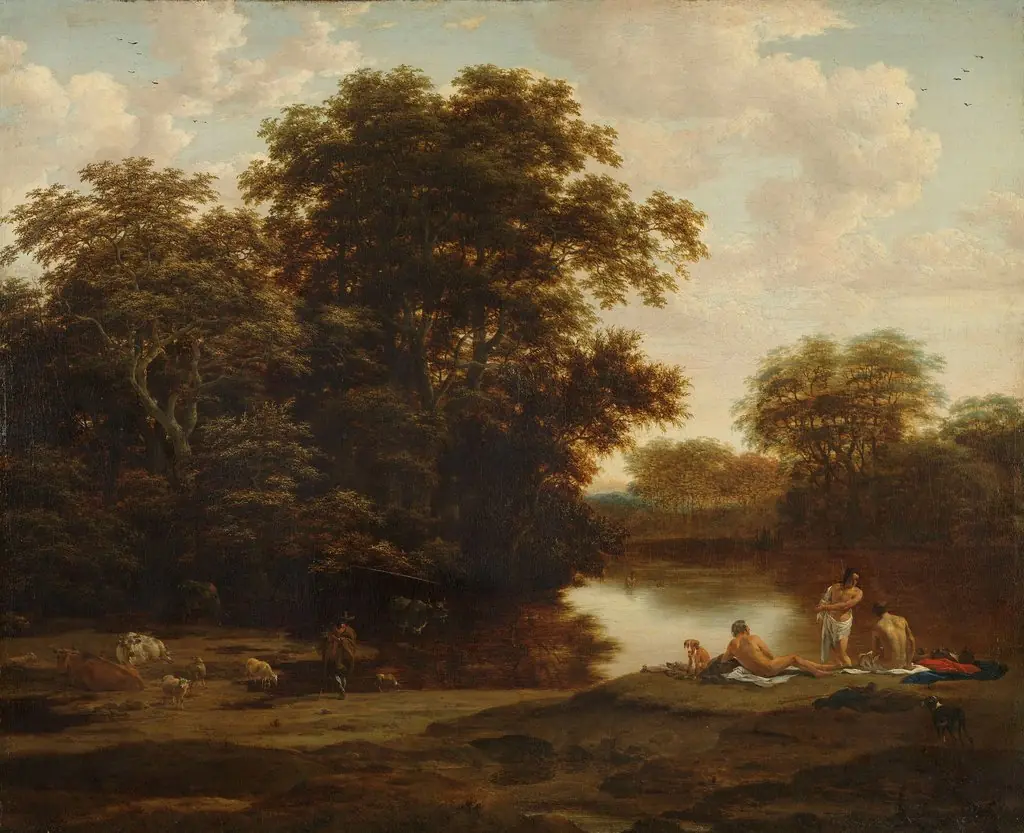
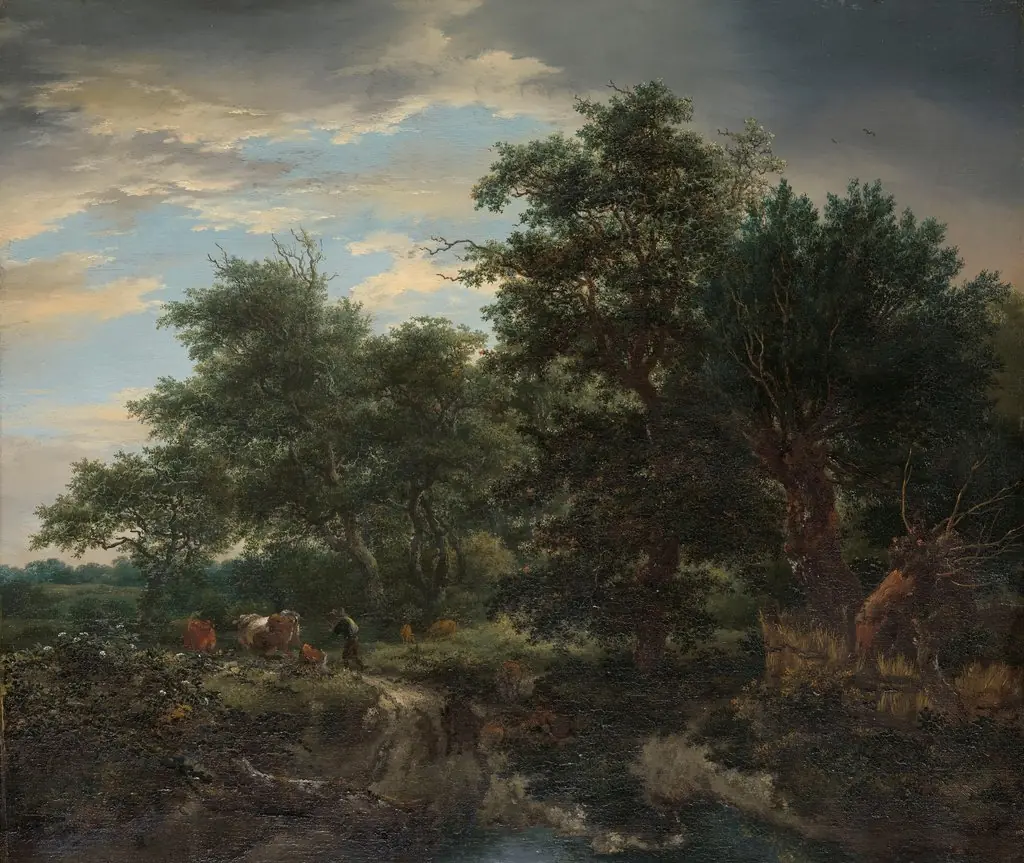
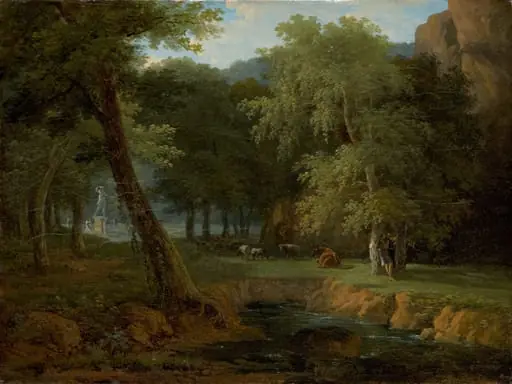
The painting depicts a wooded landscape with figures bathing in a stream, but the humans are rendered subtly, almost as incidental elements within the larger scene. Rather than emphasizing narrative or moral themes, Millet focuses on the harmony between people and their natural surroundings. The bathers are not idealized; their presence feels grounded, unremarkable, and integrated into the rhythms of the forest.
Technique & Style
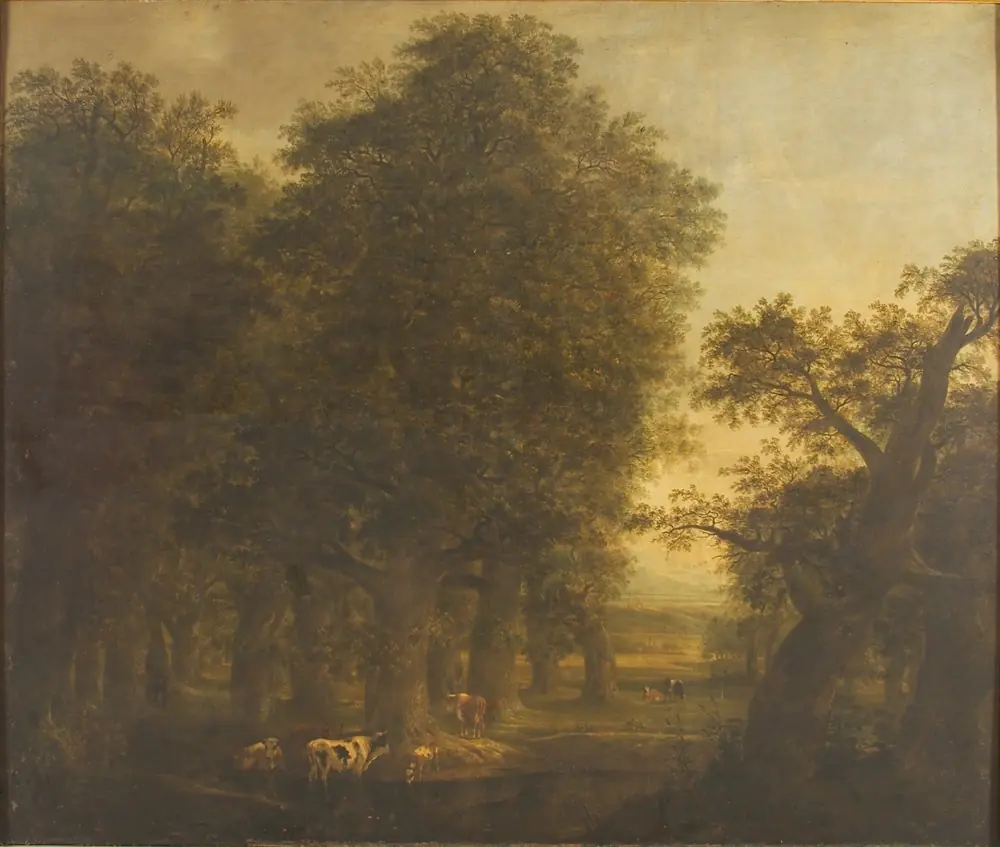
Millet employed a muted palette and loose, atmospheric brushwork to convey the dappled light and dense foliage of the woodland. The composition avoids dramatic focal points, instead guiding the eye through layered greens and soft transitions of tone. His technique prioritizes mood over detail, reflecting a shift toward lyrical realism and a sensitivity to the transient effects of light and weather.
History & Provenance
The painting entered the collection of the Kunsthistorisches Museum in Vienna, where it remains today. Its acquisition reflects the museum’s broader interest in 19th-century French Realism. While not widely exhibited during Millet’s lifetime, the work gained recognition in later decades as scholars reevaluated his landscape output alongside his more famous peasant scenes.
Context
Created during a period when many Barbizon painters sought to escape urban industrialization, this work aligns with a growing cultural preference for nature as a site of quiet contemplation. Millet’s retreat from overt social commentary to landscape painting mirrored broader artistic trends in mid-century France, where the natural world was increasingly viewed as a subject worthy of serious study in its own right.
Legacy
Though less celebrated than Millet’s labor scenes, *Waldlandschaft mit Badenden* contributes to understanding his evolving artistic vision. It demonstrates how his commitment to truthful observation extended beyond human subjects to the textures and quietude of the natural environment. The painting remains a quiet testament to his enduring interest in the dignity of ordinary, unremarked moments in rural life.
Artist & collection
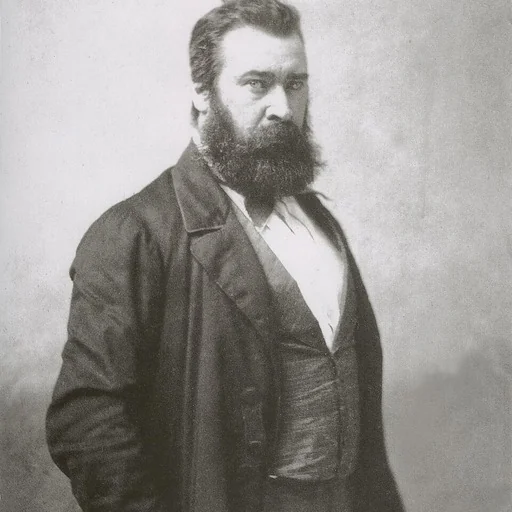
Artist
Jean-François Millet (French pronunciation: ; 4 October 1814 – 20 January 1875) was a French painter and one of the founders of the Barbizon school in rural France.