Artwork
The Death of Socrates
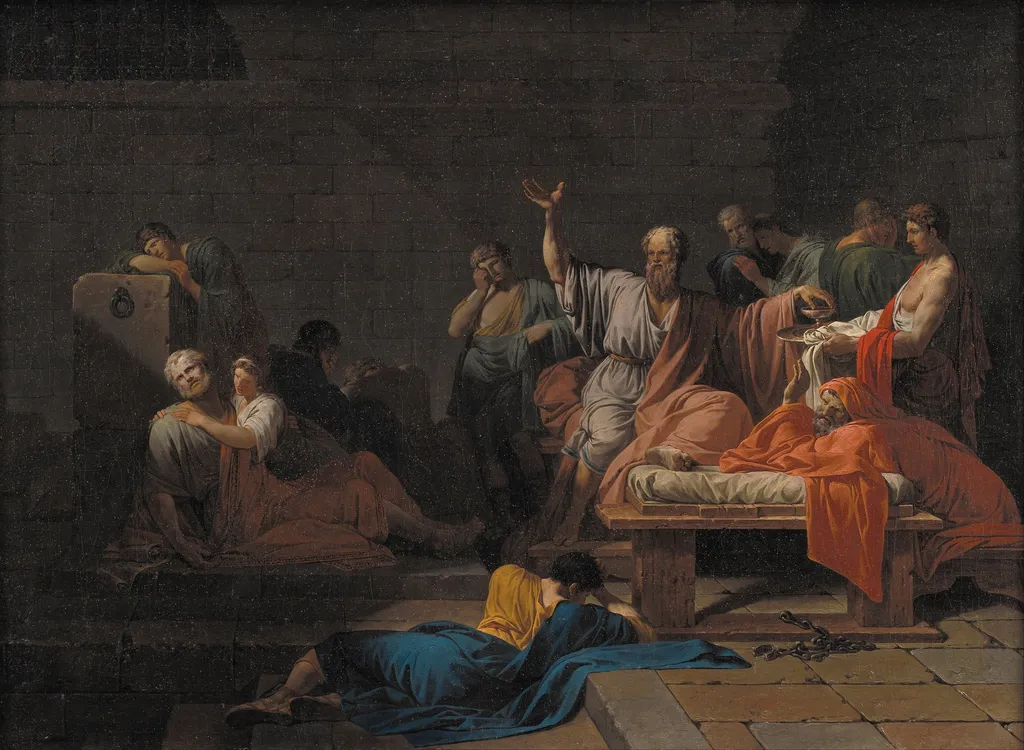
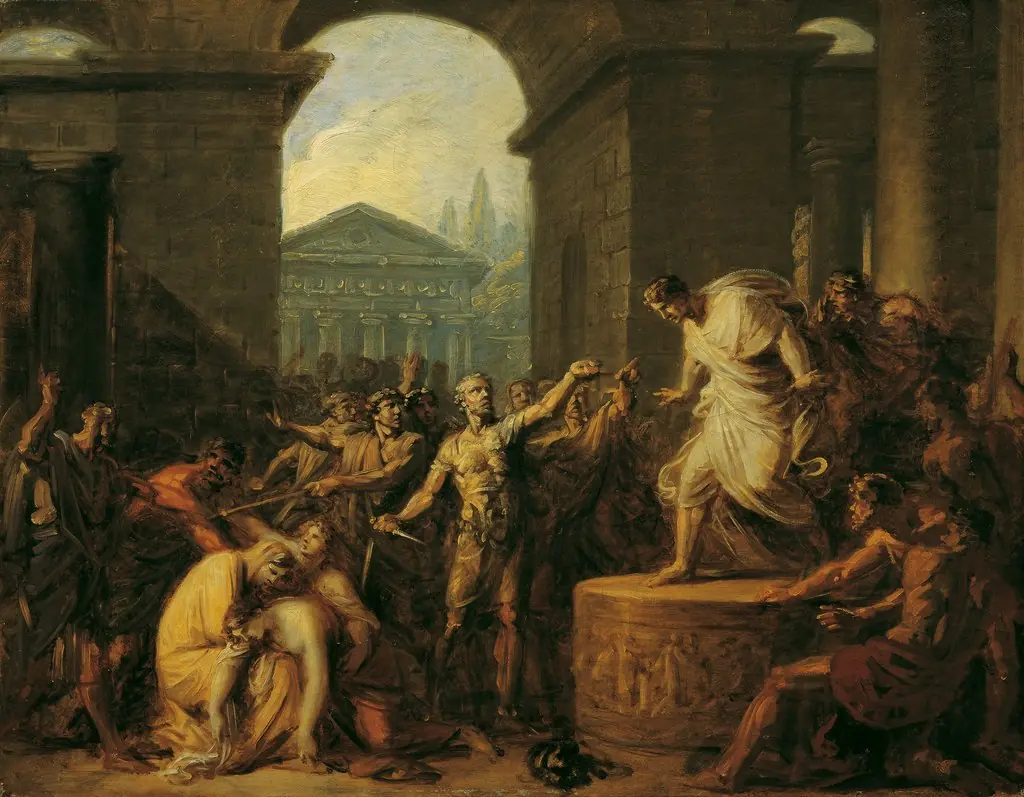
The Death of Socrates is an oil painting by the Neoclassicist artist Jean-François Pierre Peyron. It dates from 1794 and is held in the collection of the Statens Museum for Kunst.
About this work
Overview
Jean‑François Pierre Peyron’s 1794 oil on canvas, *The Death of Socrates*, exemplifies French Neoclassicism. The composition captures the final moments of the Athenian philosopher, arranged within a modest interior where a handful of figures react to his calm demeanor. The painting is part of the Statens Museum for Kunst’s permanent collection.
Subject & Meaning
At the centre sits Socrates, robed in white, his hand raised as if delivering a final argument. Around him, disciples display a range of emotions—leaning forward, averting gaze, or covering their faces—suggesting both reverence and distress at the philosopher’s impending death. The work reflects Enlightenment ideals of rational sacrifice and moral steadfastness.
Technique & Style
Peyron employs a restrained palette of muted earth tones, punctuated by the blue cloth draped over the corpse. Subtle chiaroscuro creates a soft illumination that isolates key figures, while the surrounding darkness accentuates their expressions. The precise drawing and balanced composition align with the Neoclassical emphasis on clarity and moral narrative.
History & Provenance
Completed shortly after the French Revolution, the painting entered the Danish national collection in the early 19th century, where it remains on display at the Statens Museum for Kunst. Its acquisition reflects the period’s interest in classical subjects as moral exemplars for contemporary audiences.
Own this work as a print
Artist & collection
Artist
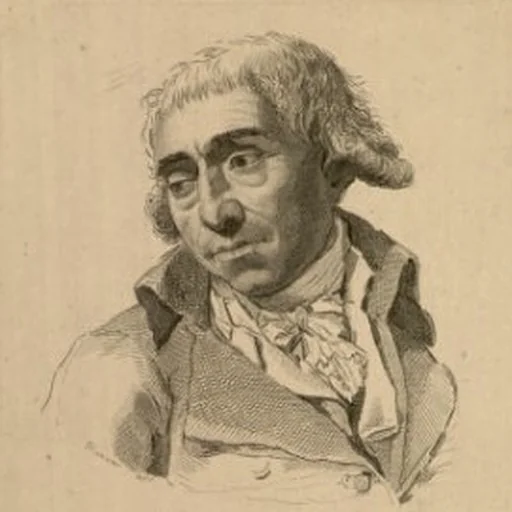
Jean-François Pierre Peyron (15 December 1744 – 20 January 1814) was a French Neoclassical painter, printmaker, and art collector.

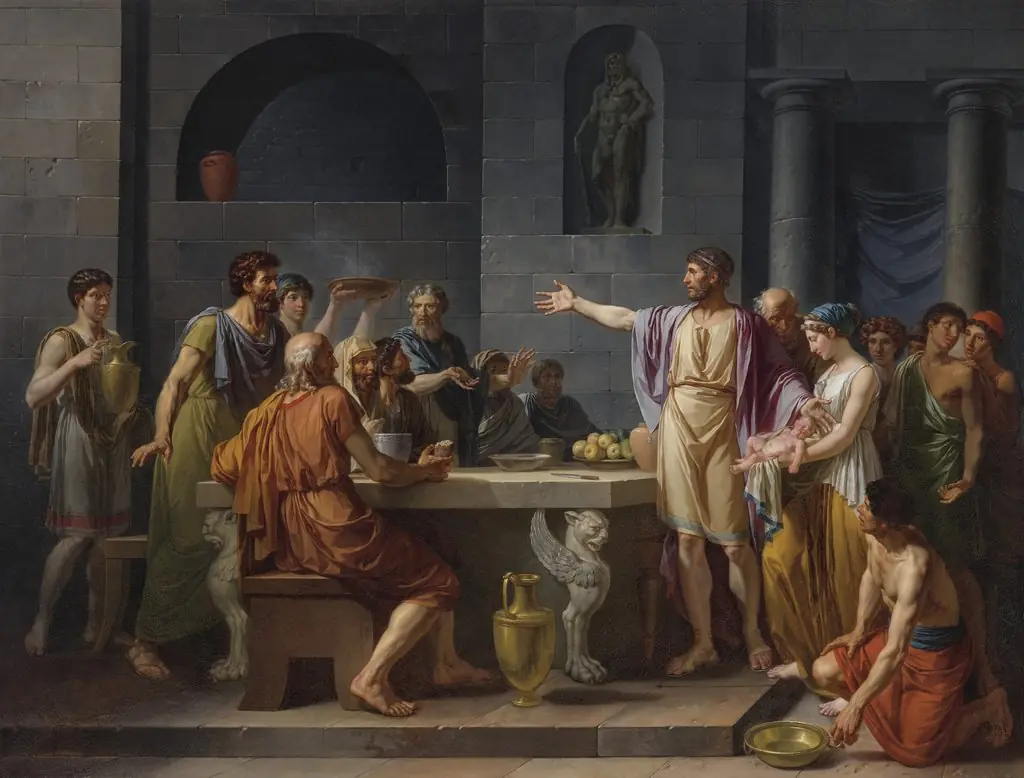 The Magnanimity of Lycurgus
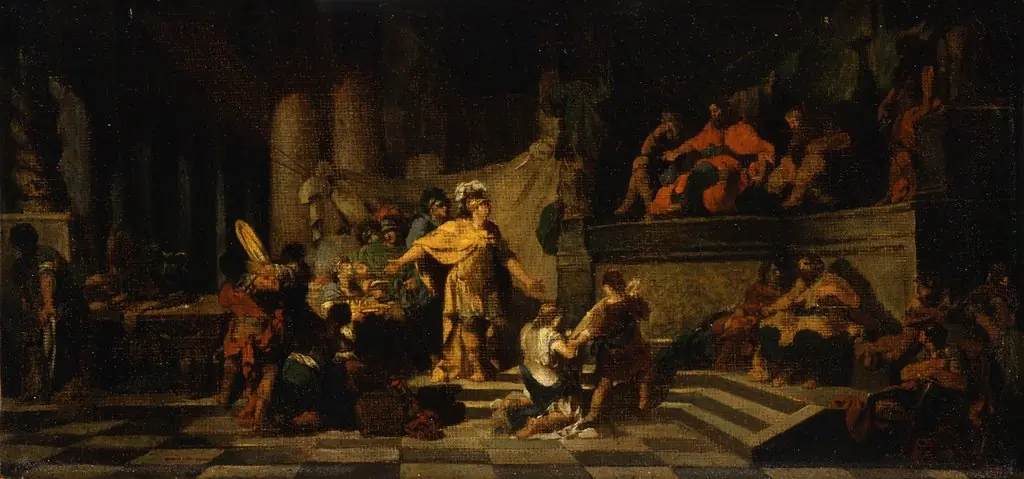 Aeneas Offering Presents to King Latinus and Asking Him for the Hand of His Daughter
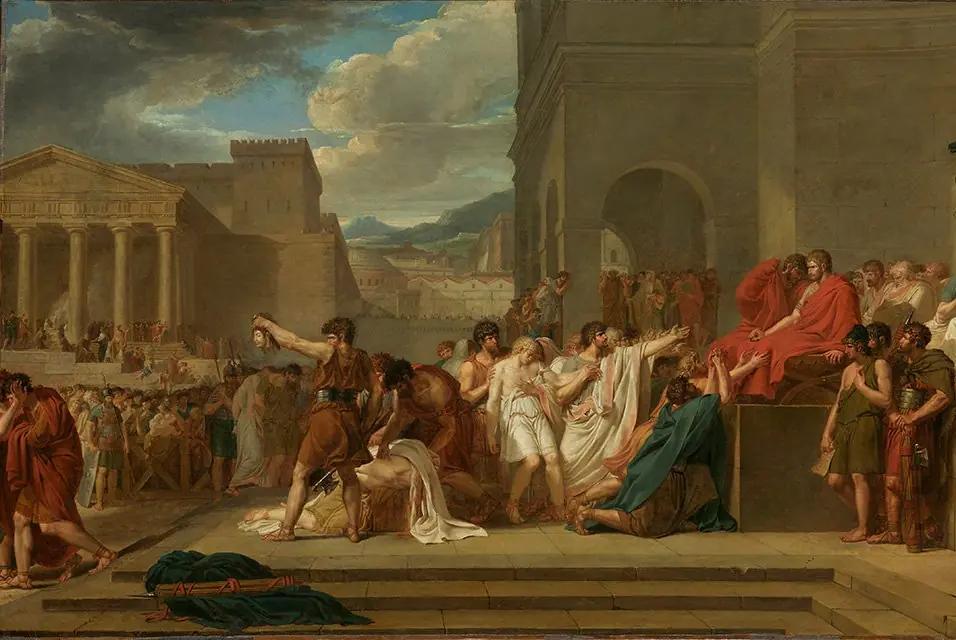 Brutus condemning his sons to death
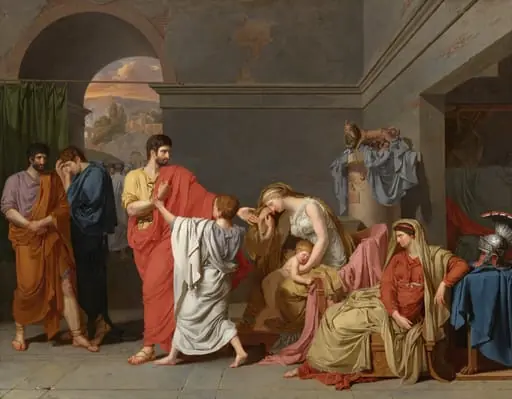 Coriolanus Taking Leave of his Family
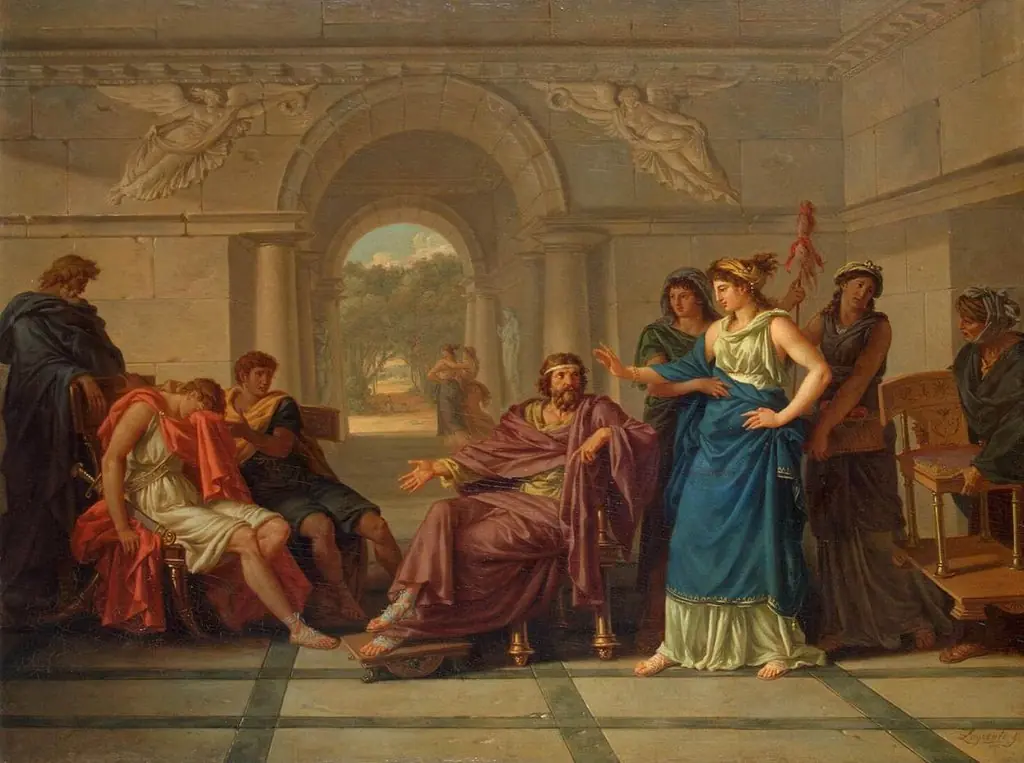 Helen Recognising Telemachus, Son of Odysseus
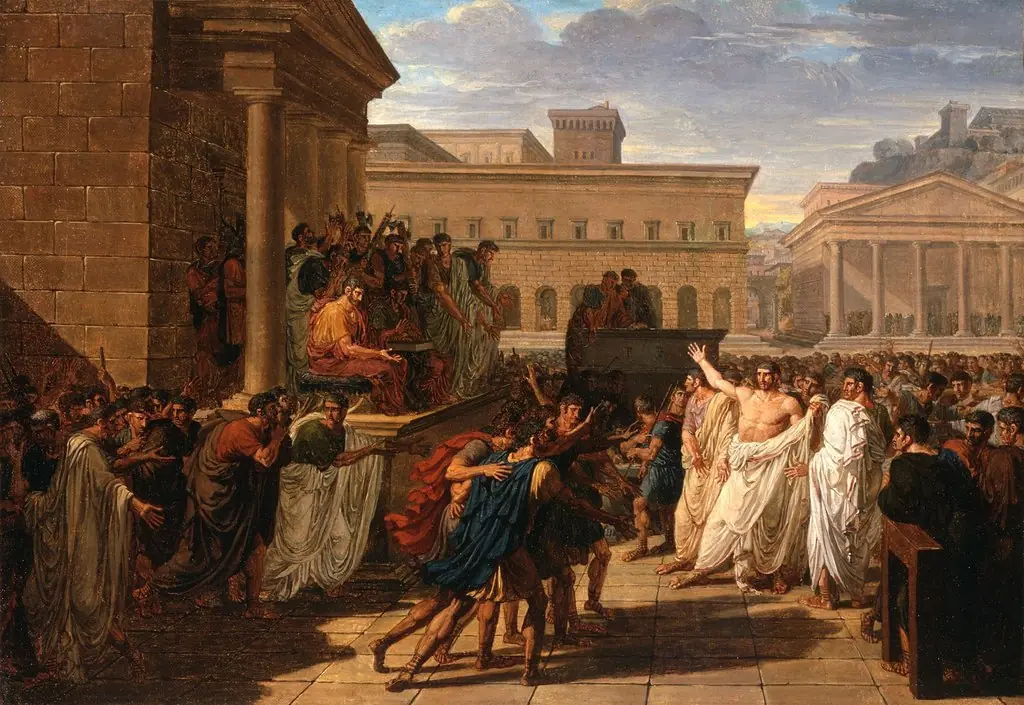 Brutus Listening to the Ambassadors from the Tarquins
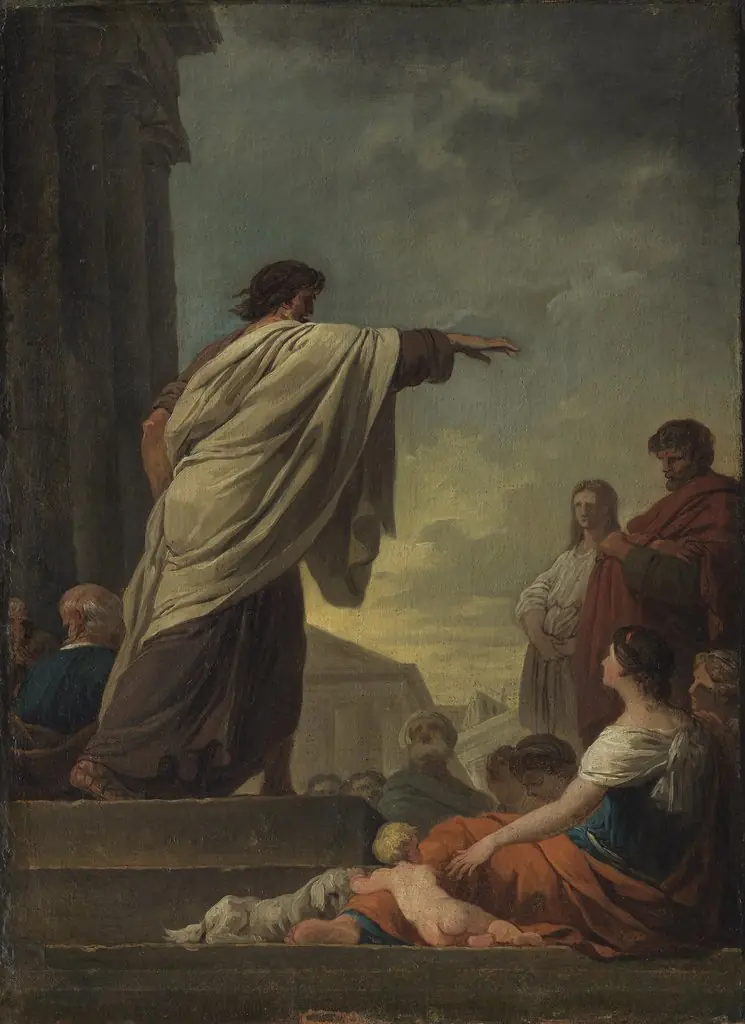 The Predication of Saint Paul
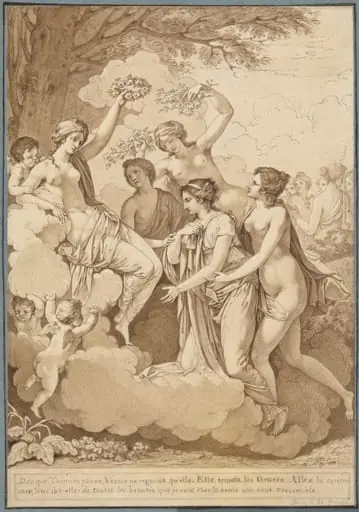
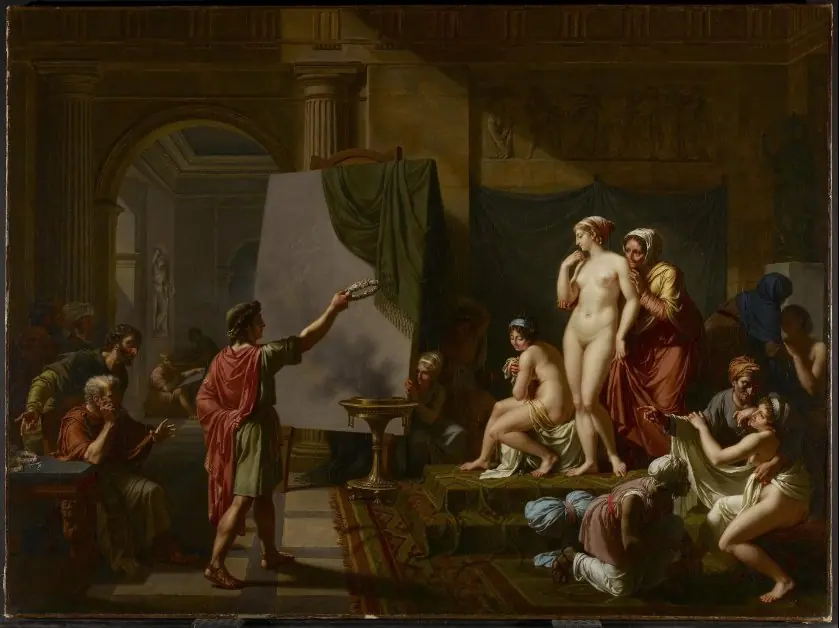 Zeuxis choisissant des modèles
 The Death of Virginia