Artwork
Brutus condemning his sons to death
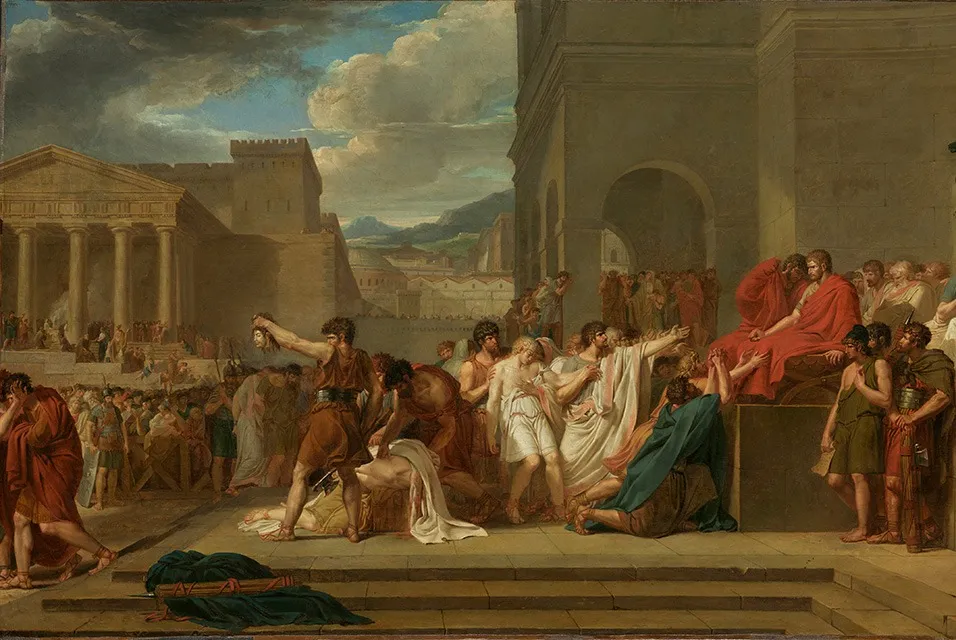
Brutus condemning his sons to death is an oil painting by the Neoclassicist artist Guillaume Guillon-Lethière. It dates from 1794 and is held in the collection of the Clark Art Institute.
About this work
Overview
Created in 1788 by the French Neoclassical painter Guillaume Guillon-Lethière, this oil canvas portrays a pivotal moment from Roman legend. The work centers on Lucius Junius Brutus, the founder of the Roman Republic, as he observes the execution of his own sons, who have been condemned for conspiring to restore the deposed monarchy.
Subject & Meaning
The composition dramatizes Brutus’s commitment to civic duty over familial ties, illustrating the ancient narrative in which he orders the death of his sons, Tiberius and Titus, for their involvement in a plot to reinstate the Tarquin kings. The scene underscores themes of sacrifice, republican virtue, and the tension between private loyalty and public responsibility.
Technique & Style
Lethière employs a stark chiaroscuro that heightens the emotional intensity, recalling the dramatic lighting of Caravaggio while adhering to Neoclassical ideals of clarity and order. Figures are rendered with precise anatomy and restrained coloration, the central figure in a red toga contrasting with the darker surrounding crowd.
History & Provenance
After remaining in private hands for more than two centuries, the painting entered the collection of the Clark Art Institute in Williamstown, Massachusetts, in 2018. The acquisition included both the finished canvas and a preparatory drawing, expanding the museum’s holdings of late‑18th‑century French art.
Context
Executed during a period when French artists frequently revisited classical antiquity to comment on contemporary political ideals, the work reflects the Enlightenment’s fascination with republicanism. Lethière, born in Guadeloupe, trained in Paris and absorbed the academic conventions that emphasized moral narrative drawn from ancient history.
Artist & collection
Artist
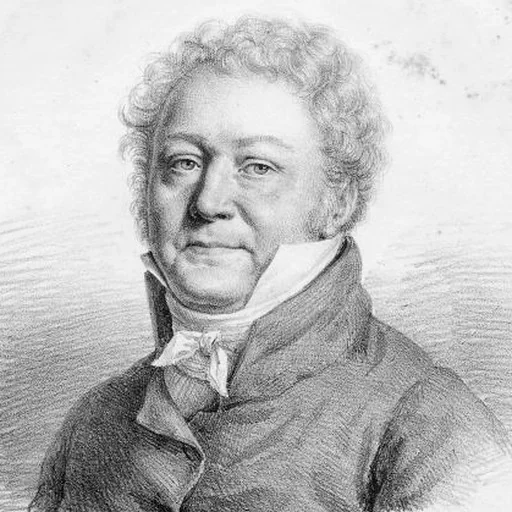
Guillaume Guillon-Lethière (1760–1832) was an artist, born in Sainte-Anne.

 Brutus Listening to the Ambassadors from the Tarquins
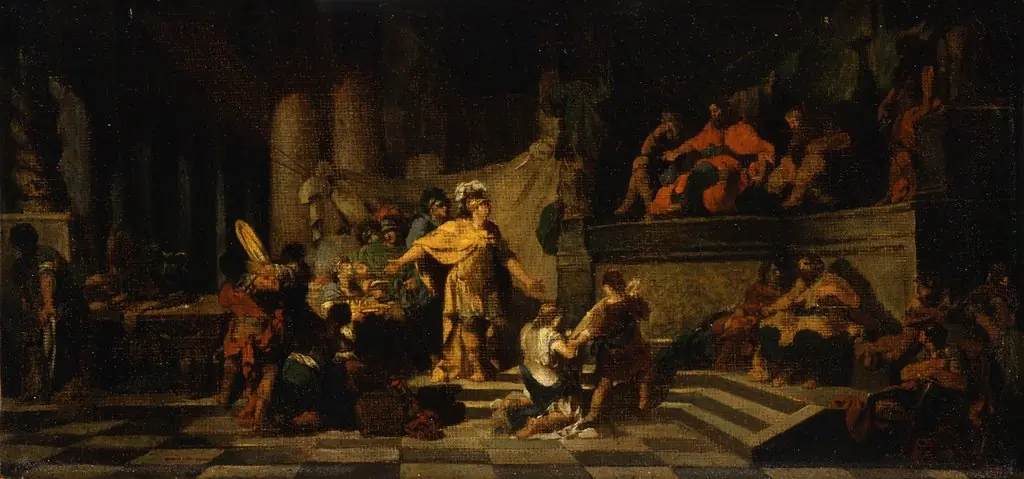 Aeneas Offering Presents to King Latinus and Asking Him for the Hand of His Daughter
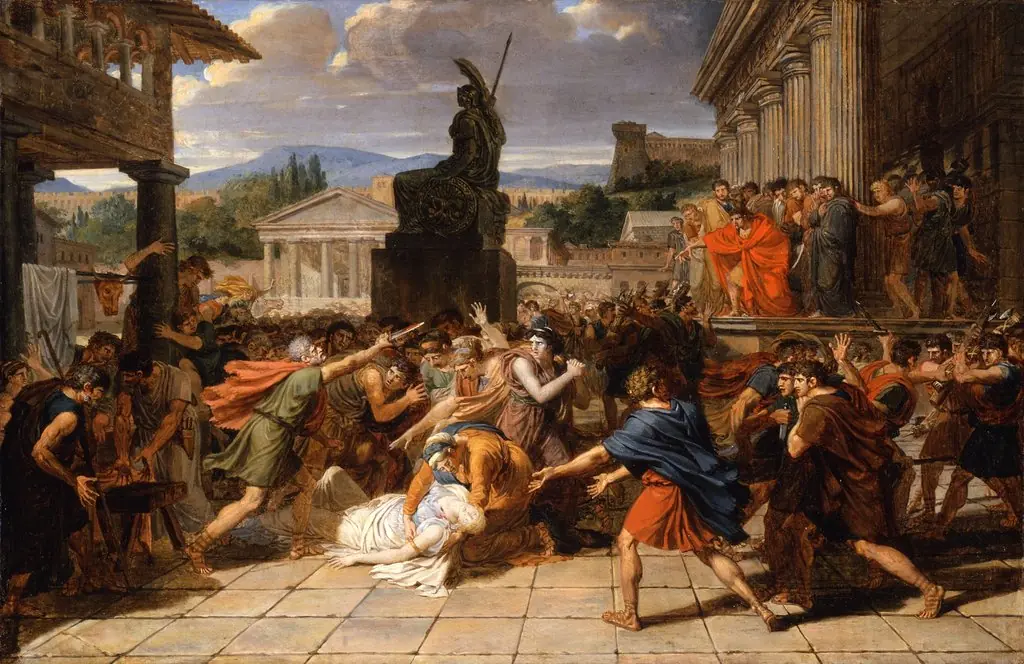
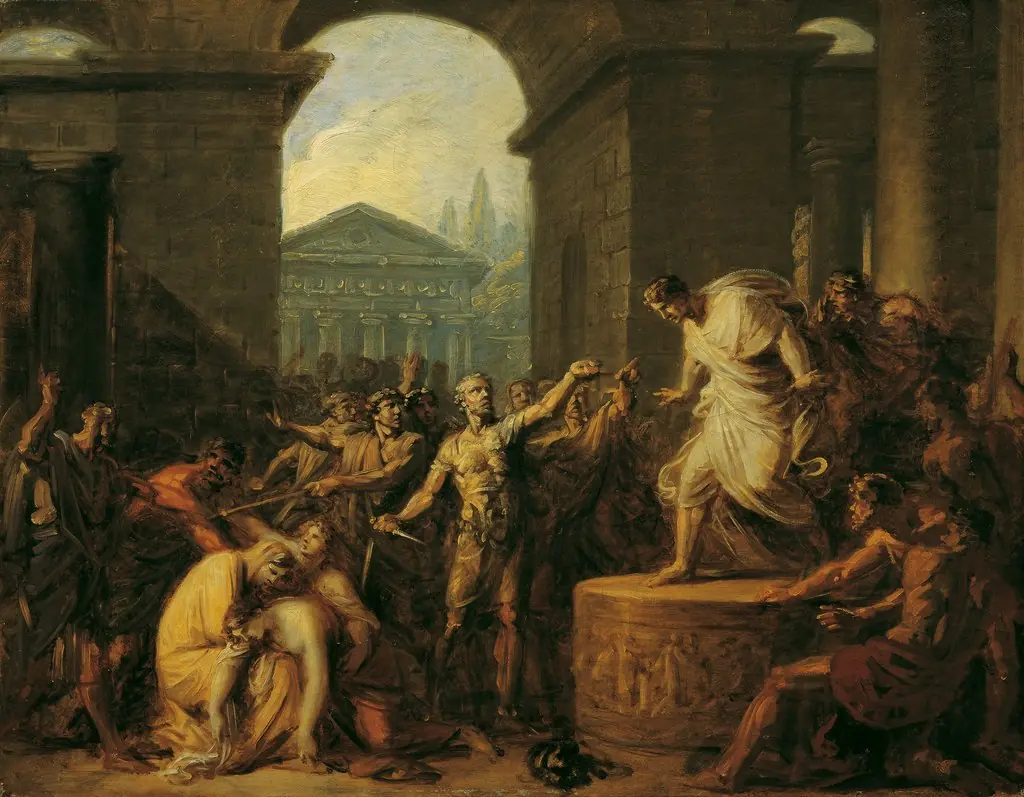 The Death of Virginia
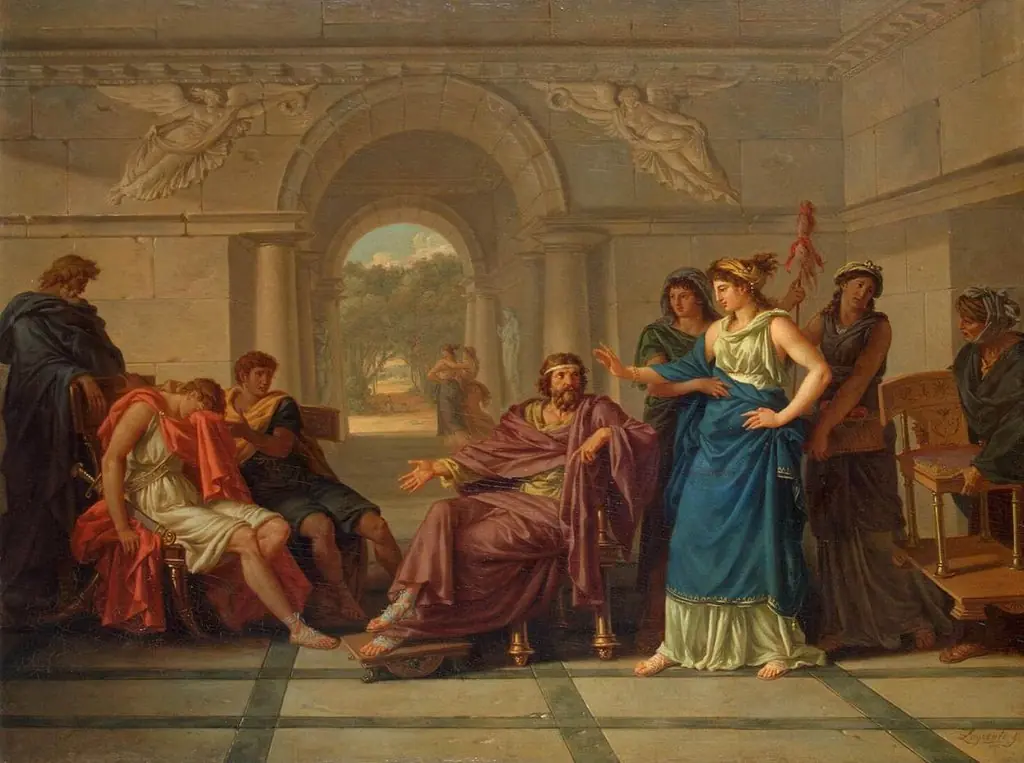 Helen Recognising Telemachus, Son of Odysseus
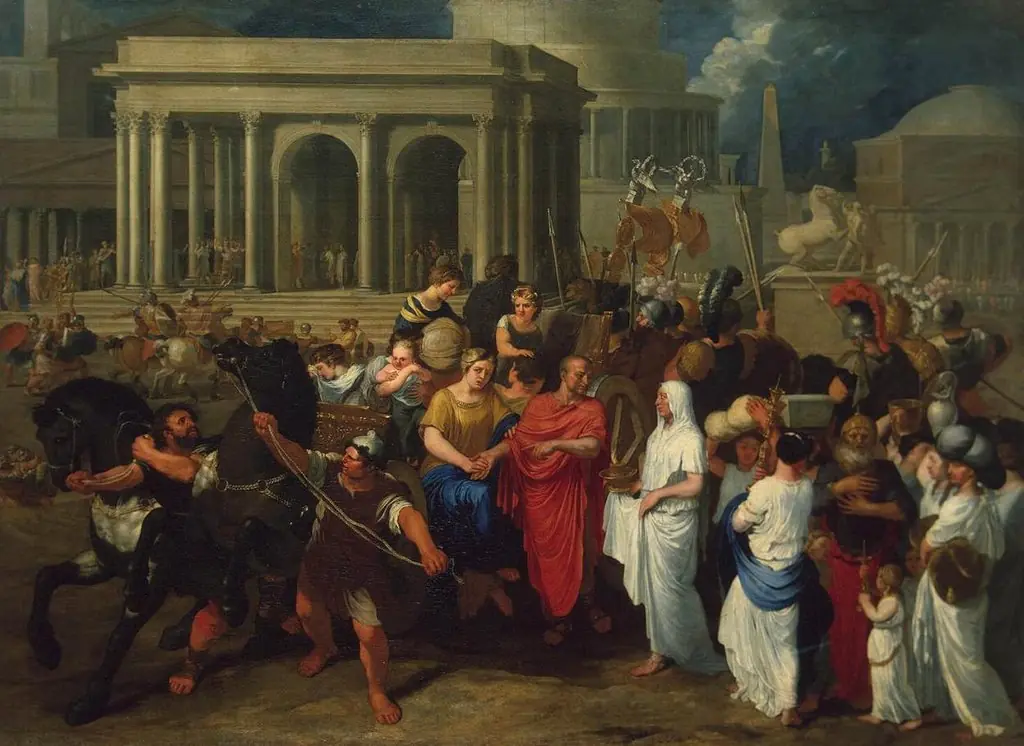 Lucius Albinus Giving his Carriage to Vestals
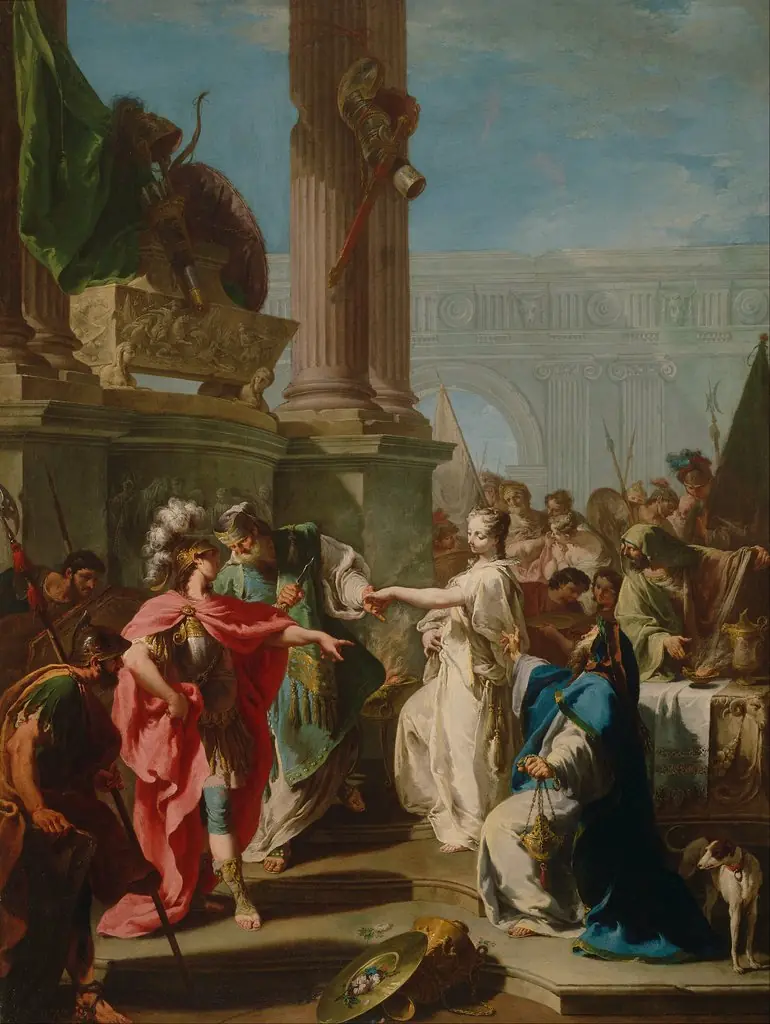 The Sacrifice of Polyxena in Malibu
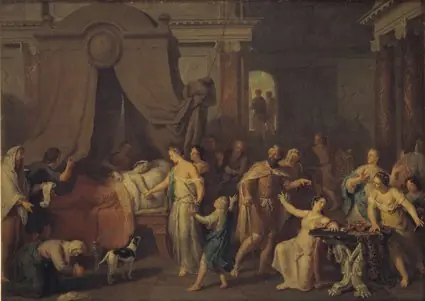 Alcestis and Admetus
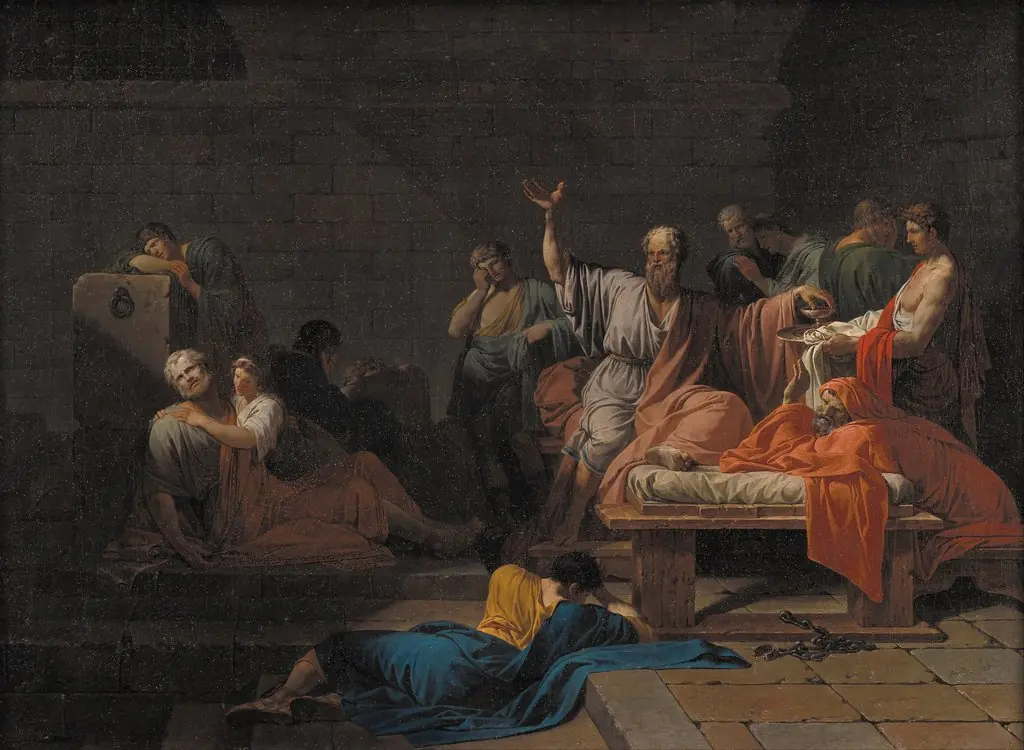 The Death of Socrates
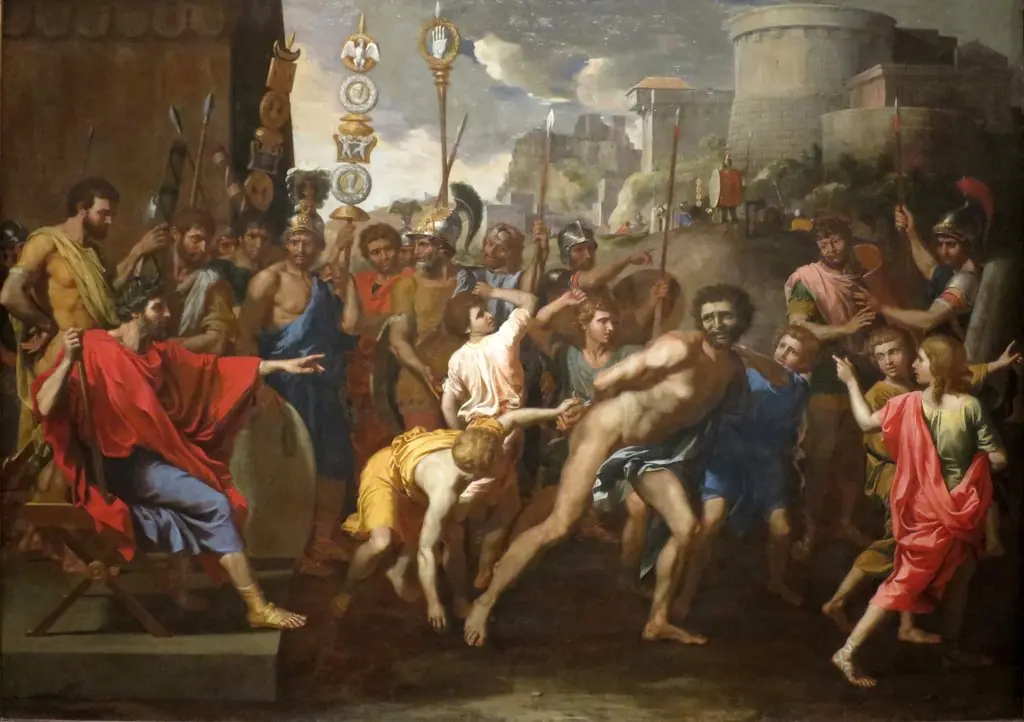 Camillus and the Schoolmaster of Falerii
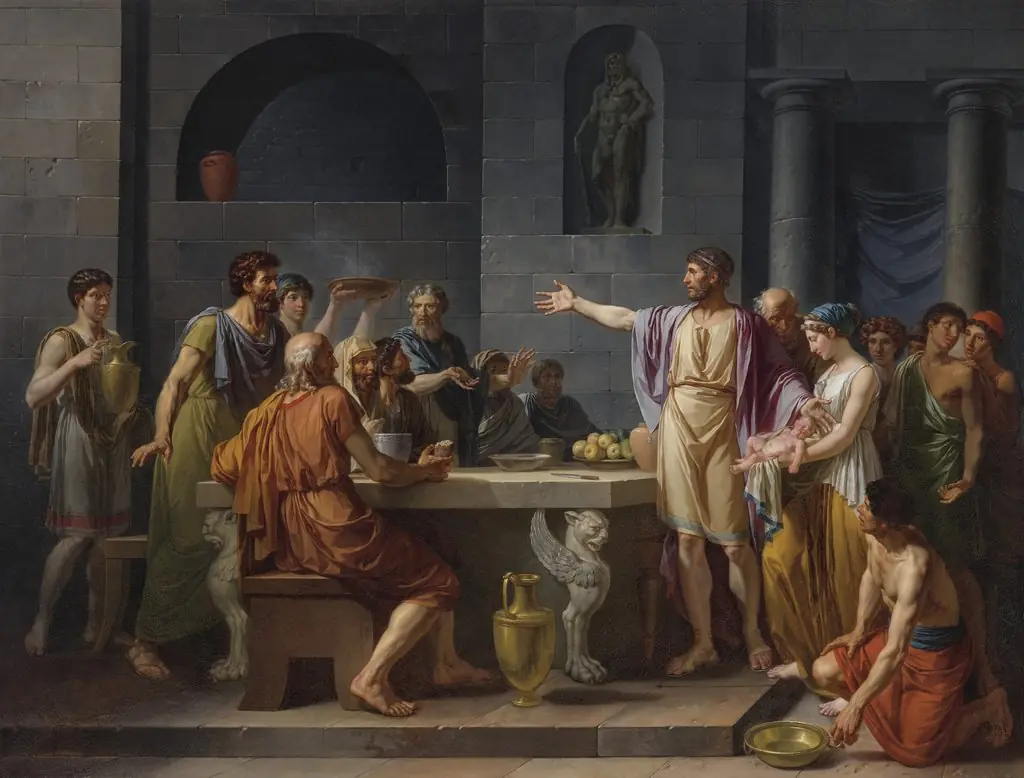 The Magnanimity of Lycurgus
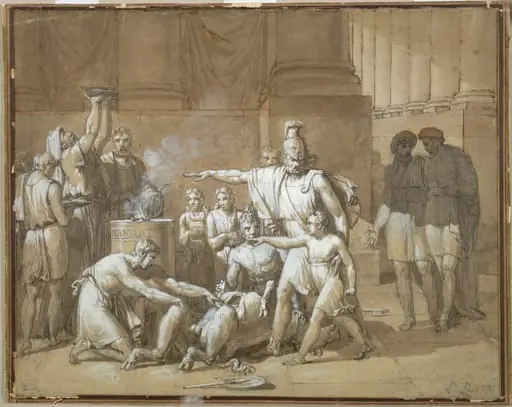 Hannibal Swearing Eternal Enmity toward Rome