Artwork
Helen Recognising Telemachus, Son of Odysseus
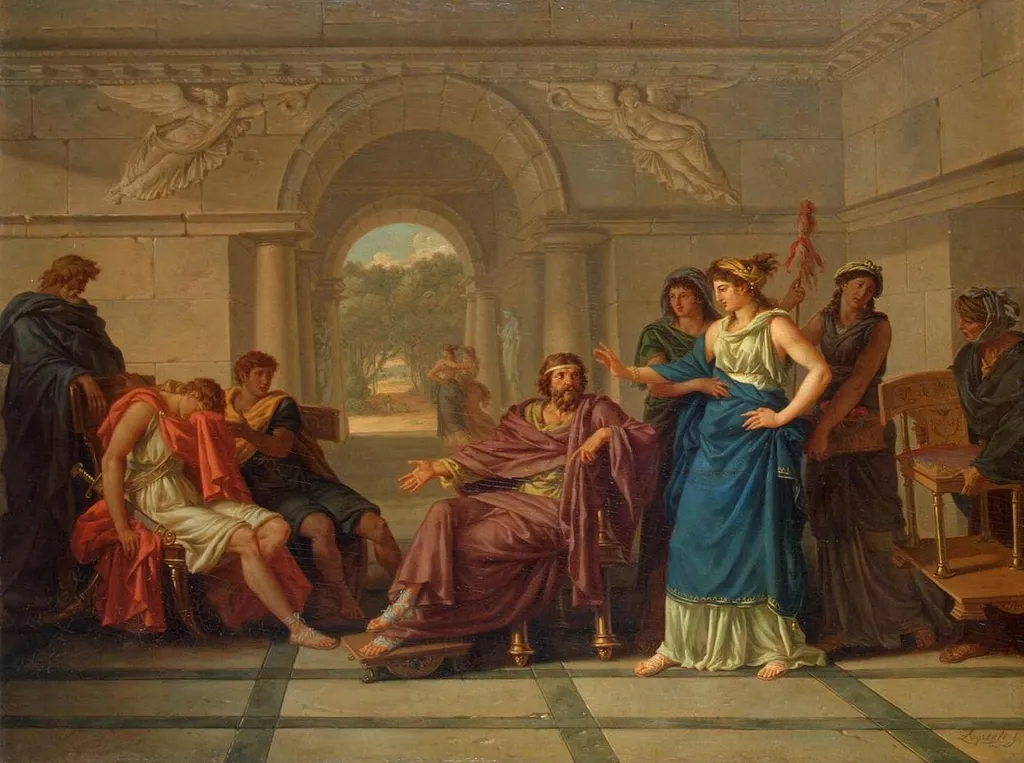
Helen Recognising Telemachus, Son of Odysseus is an oil painting by the Neoclassicist artist Jean-Jacques Lagrenée. It dates from 1798 and is held in the collection of the Hermitage Museum.
About this work
Overview
Jean‑Jacques Lagrenée’s oil painting *Helen Recognising Telemachus, Son of Odysseus* was executed in 1798. Executed in the neoclassical style, the work measures roughly a typical salon canvas and is now part of the State Hermitage Museum’s collection in St. Petersburg.
Subject & Meaning
The composition illustrates a moment from Book IV of Homer’s *Odyssey*, when Helen of Troy, having returned to Sparta, identifies the young Telemachus as the son of Odysseus. The encounter underscores themes of recognition and the lingering ties of war‑torn families within the epic narrative.
Technique & Style
Lagrenée employs a restrained palette of blues, maroons and earth tones, typical of late‑eighteenth‑century French neoclassicism. Figures are rendered in crisp, idealised forms, set against a marble‑like architectural backdrop with columns and an arch, reinforcing the classical setting of the myth.
History & Provenance
Trained in Rome and later employed in Russia, Lagrenée returned to Paris where he completed this work. After changing hands in private collections, the painting entered the Hermitage Museum’s holdings, where it remains on display as part of the museum’s European paintings department.
Context
Lagrenée, the younger brother of painter Louis‑Jean‑François Lagrenée, worked during a period when French artists were drawing heavily on antiquity for moral and civic instruction. The choice of a Homeric episode reflects the era’s fascination with classical literature as a source of exemplary virtue.
Artist & collection
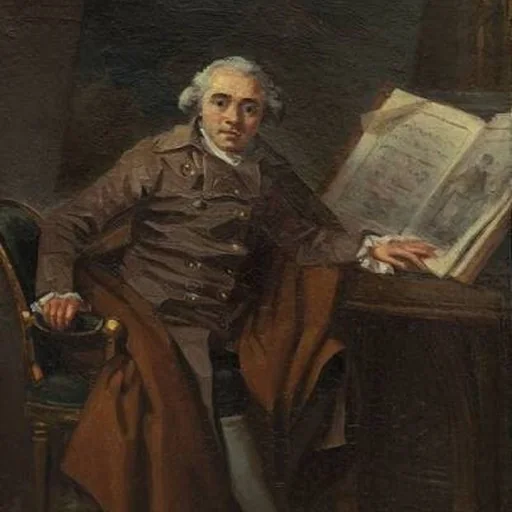
Artist
Jean-Jacques Lagrenée (18 September 1739 in Paris – 13 February 1821 in Paris), known as the younger, was a French history painter and engraver.

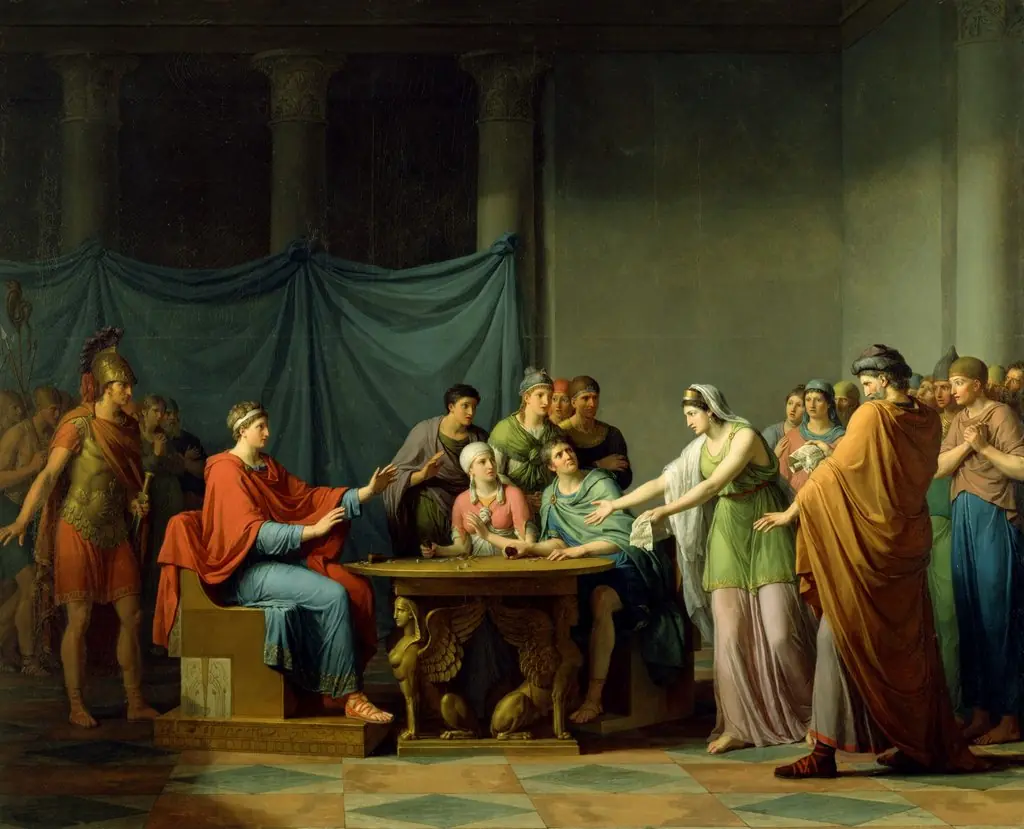 Berenice Reproaching Ptolemy
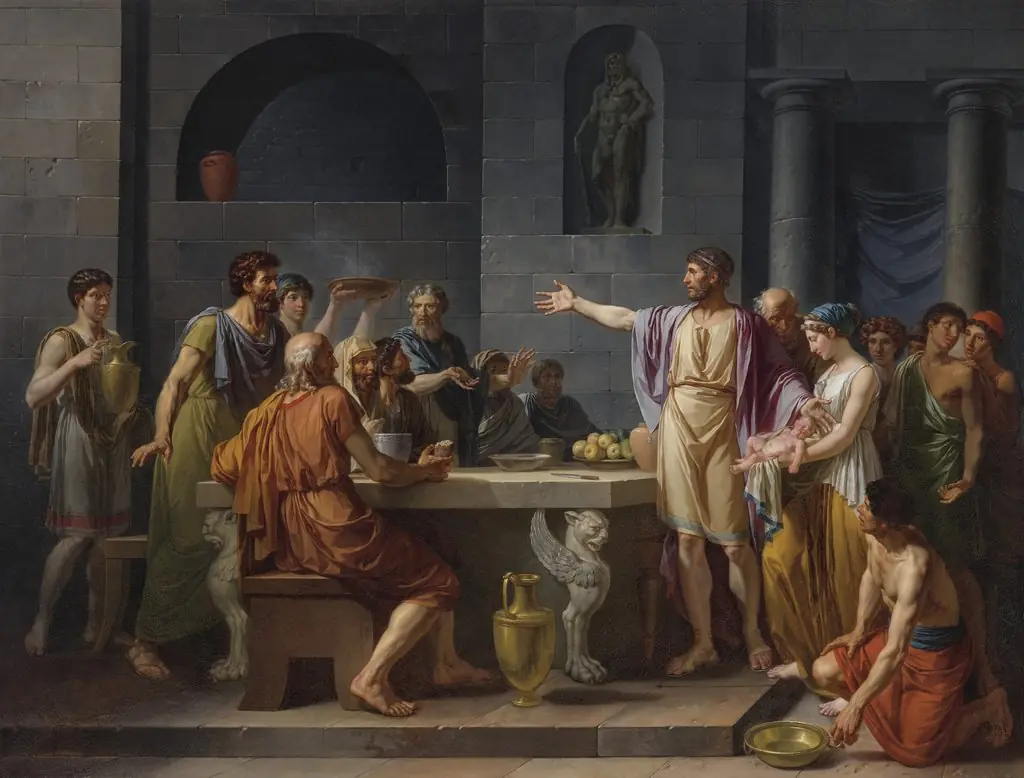 The Magnanimity of Lycurgus
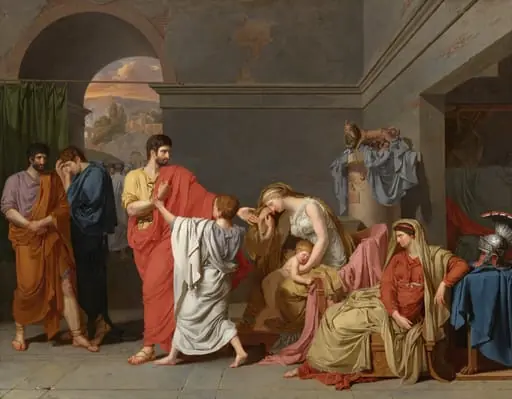 Coriolanus Taking Leave of his Family
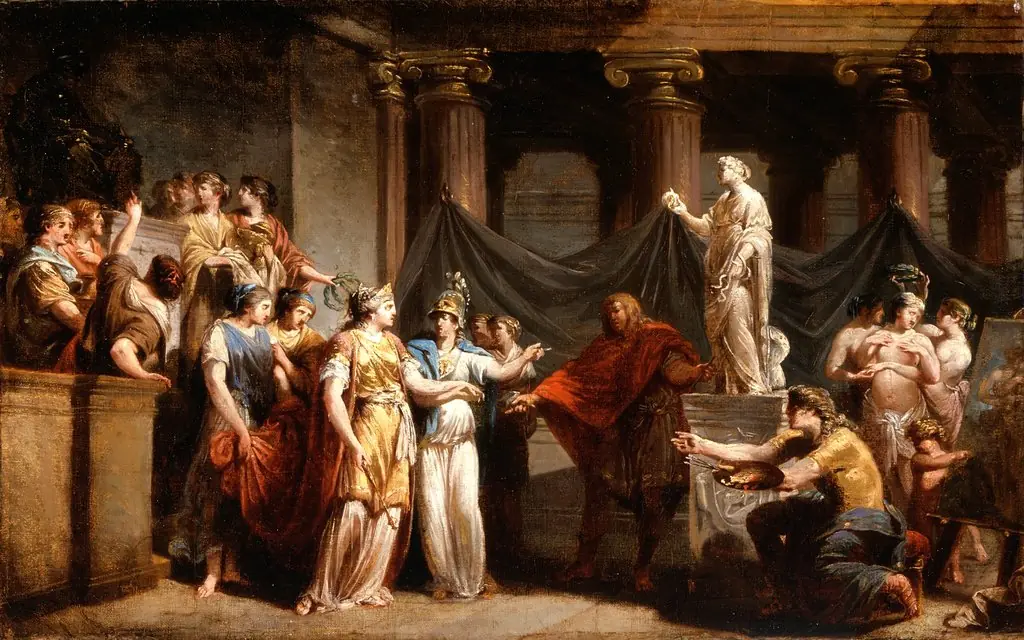 The Temple of the Liberal Arts, with the City of Bern and Minerva
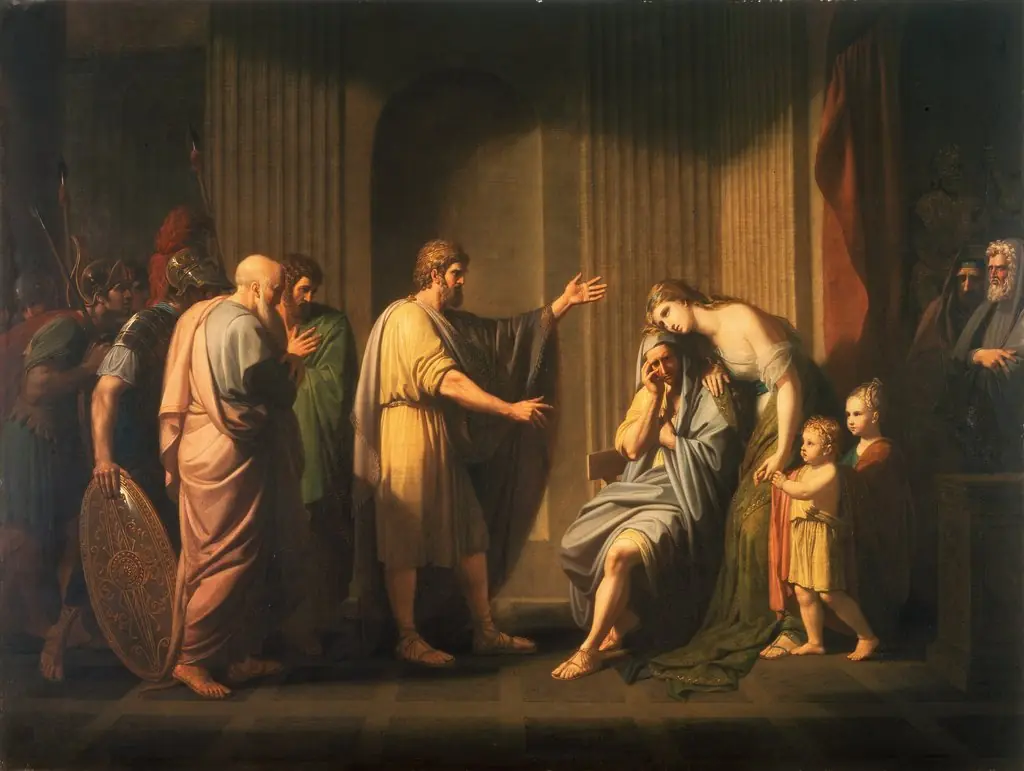 Cleombrotus Ordered into Banishment by Leonidas II, King of Sparta
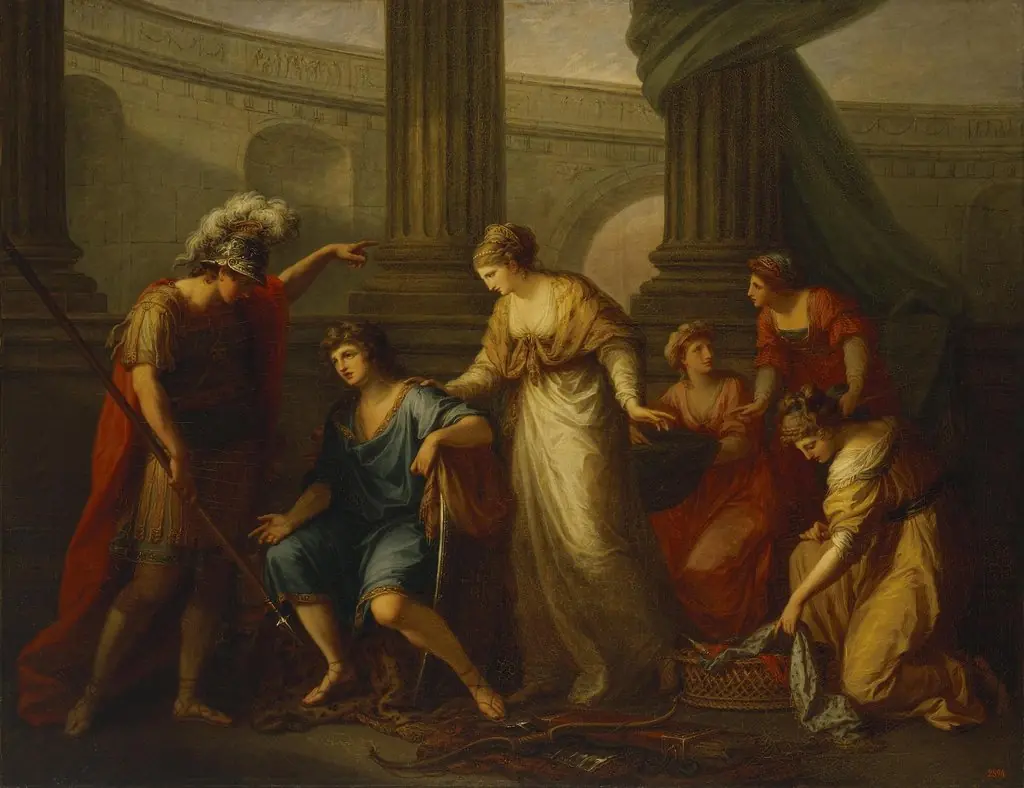 Hector Calling Up Paris to a Battle
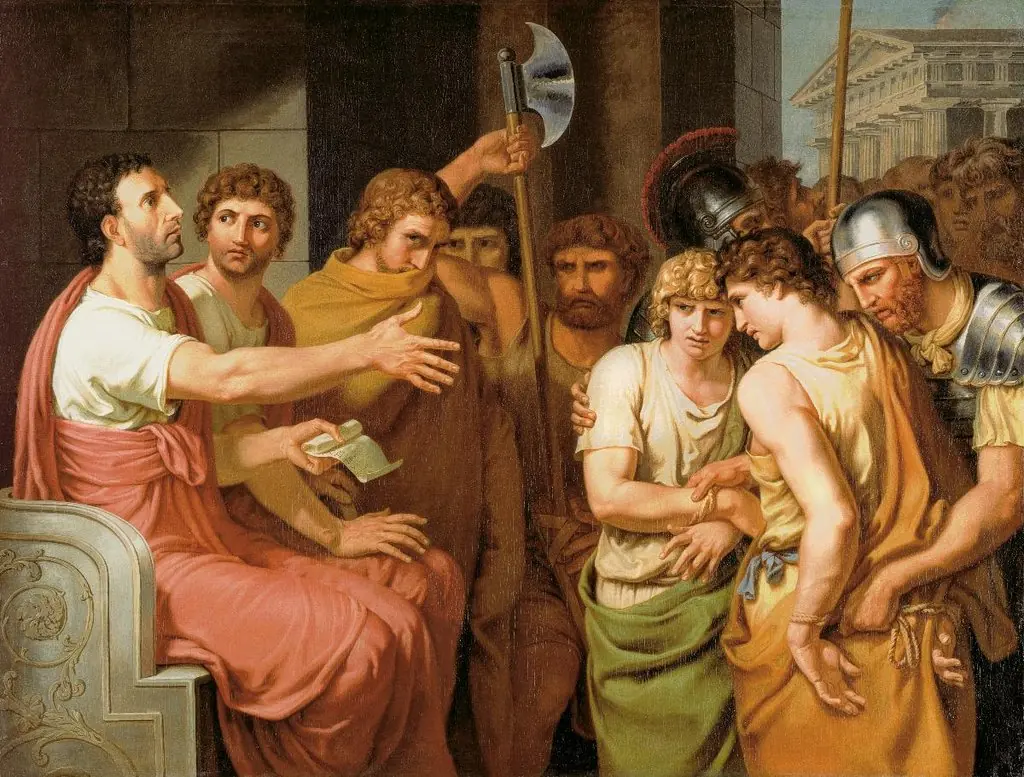 Brutus entdeckt die Namen seiner Söhne auf der Liste der Verschwörer und verurteilt sie zum Tode
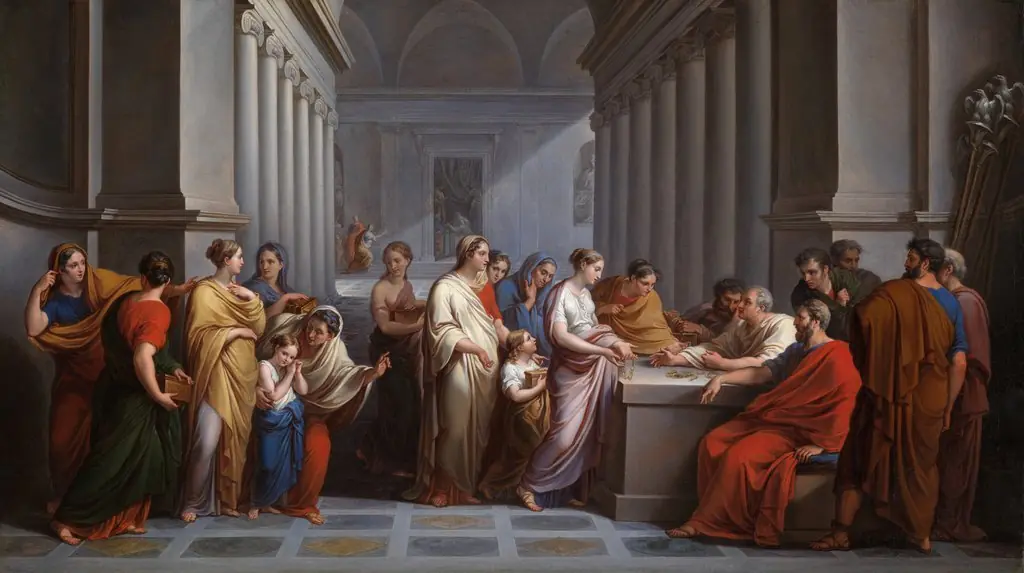 Roman Women Offering Their Jewellery in Defence of the State
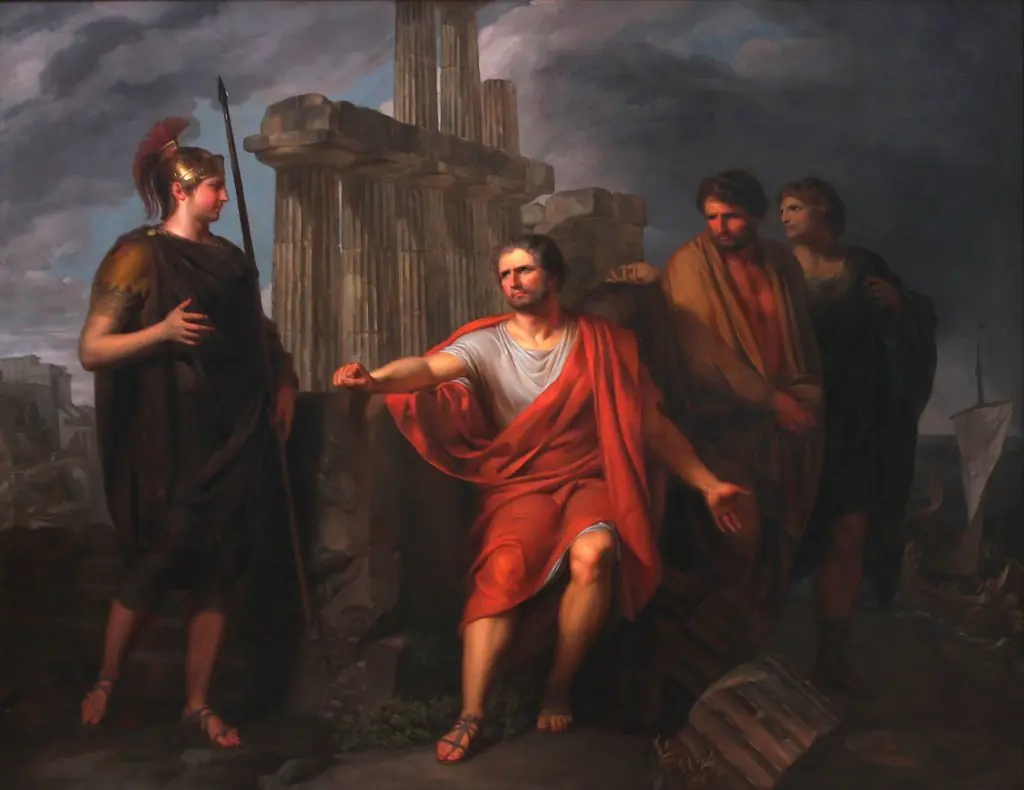 Marius on the ruins of Carthage
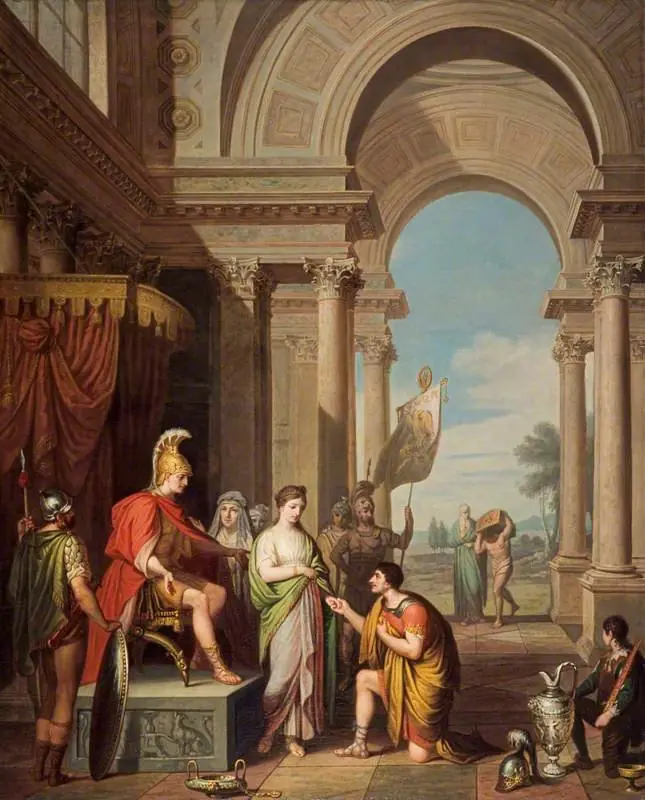 The Continence of Scipio
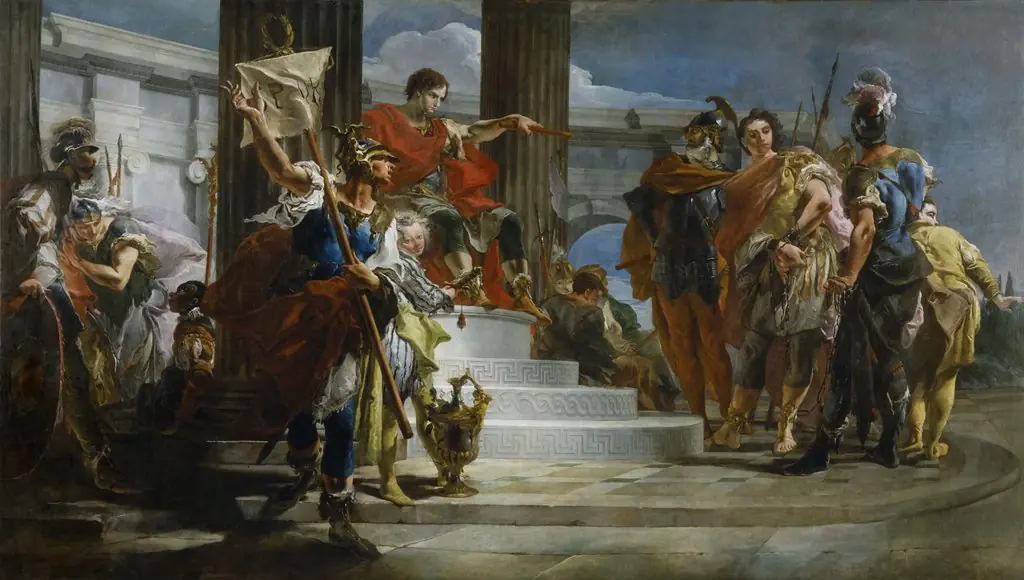 Scipio Africanus Freeing Massiva
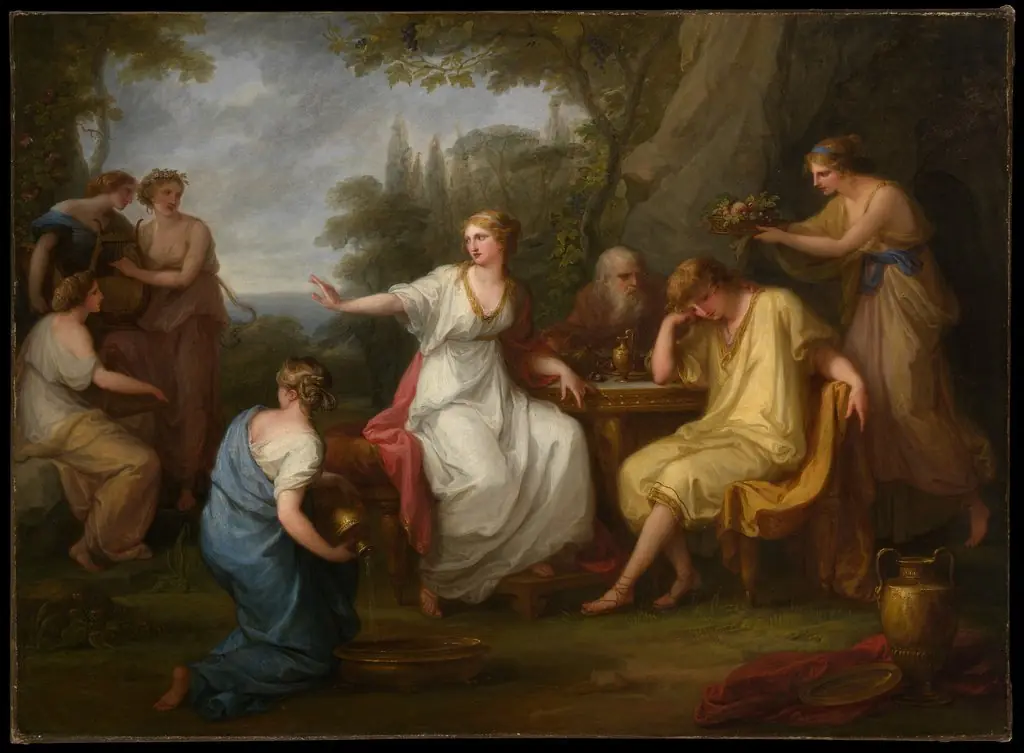 The Sorrow of Telemachus