Artwork
Cupid in a Tree
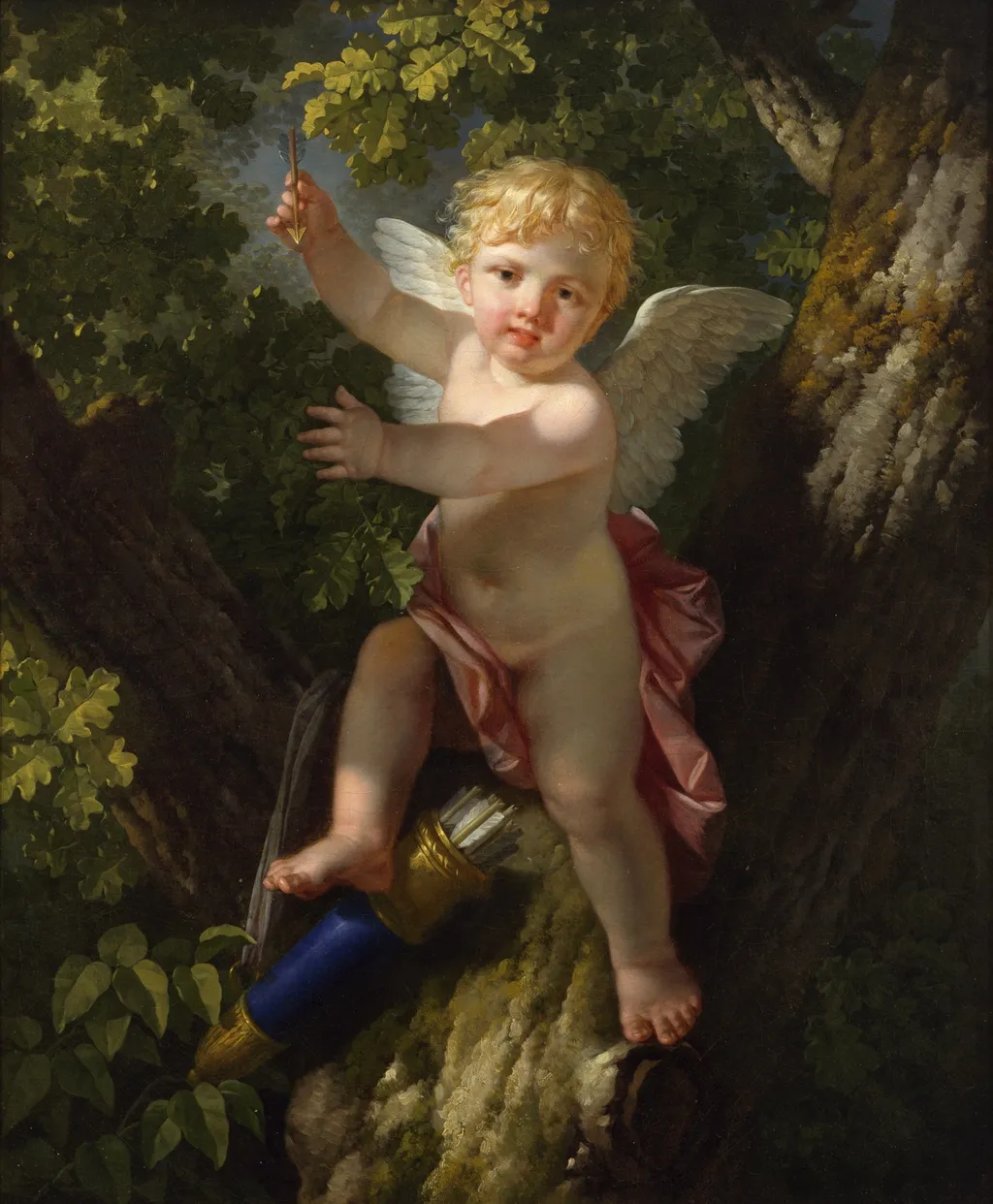
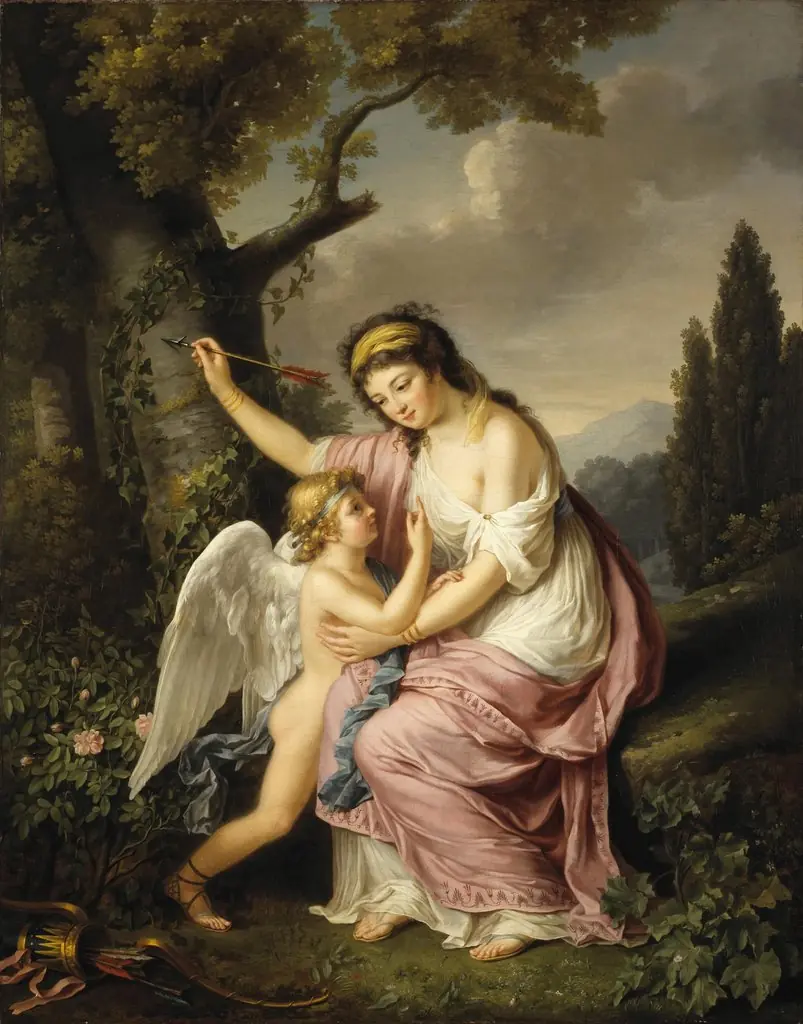
Cupid in a Tree is an oil painting by the Rococo painting artist Jean-Jacques-François Le Barbier. It dates from 1788 and is held in the collection of the Museum of Fine Arts, Houston.
About this work
Overview
The painting is part of the Museum of Fine Arts, Houston’s collection, where it stands as a quiet example of mythological genre painting from the period.
Painted around 1788 by Jean-Jacques-François Le Barbier, *Cupid in a Tree* is an oil-on-canvas work that reflects the lingering influence of Rococo aesthetics in late 18th-century France. Le Barbier, recognized for his historical illustrations and official role as court painter, turned here to mythological subject matter. The painting is part of the Museum of Fine Arts, Houston’s collection, where it stands as a quiet example of mythological genre painting from the period.
Subject & Meaning
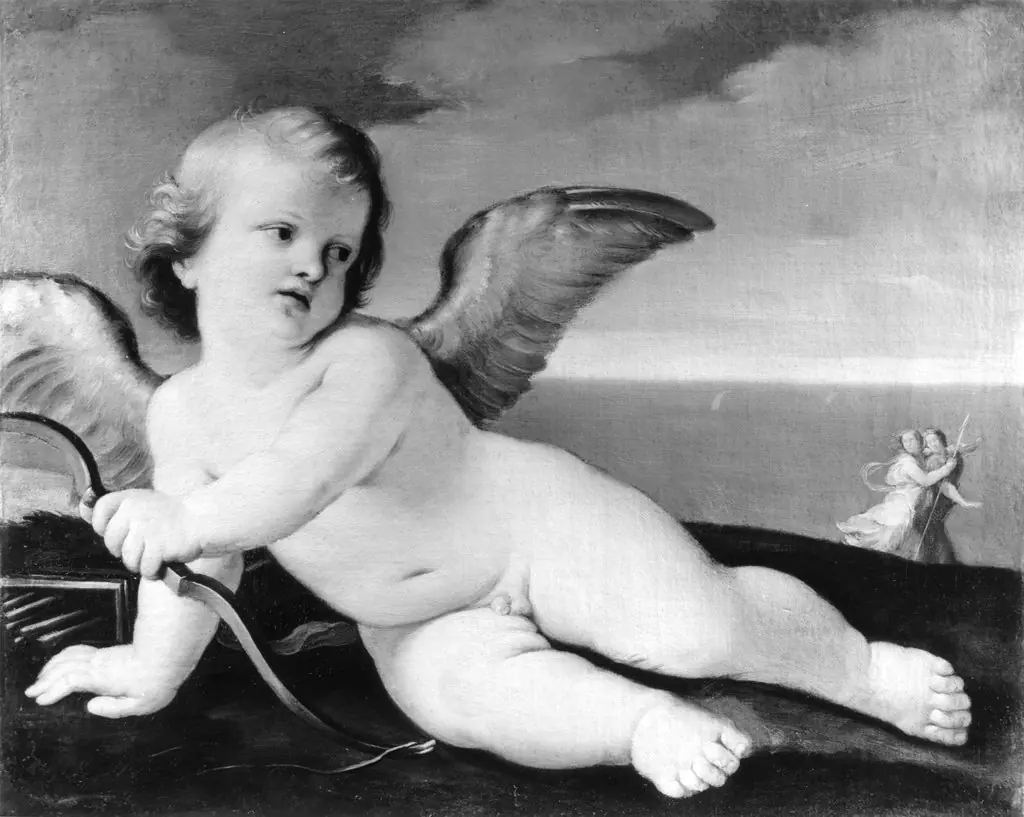
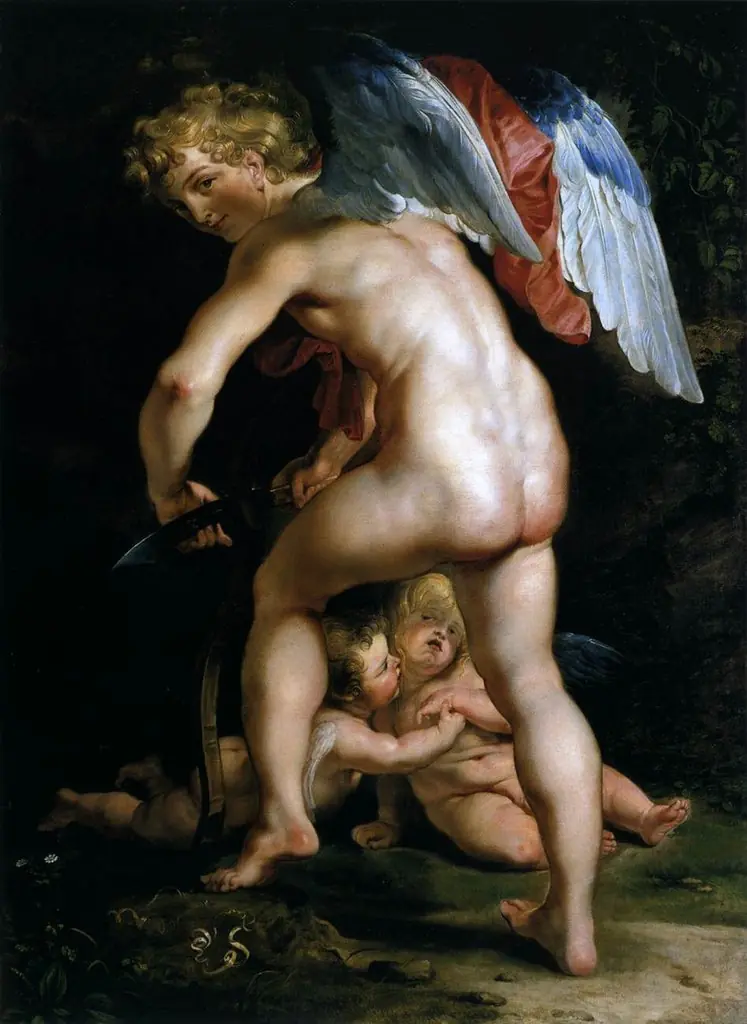
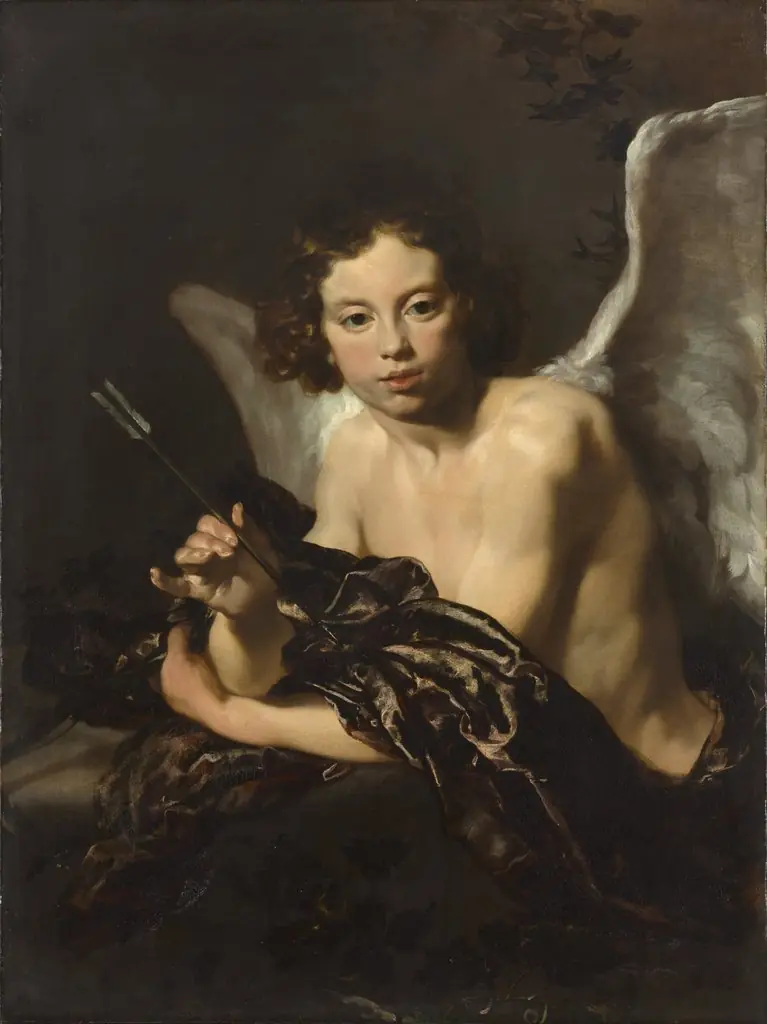
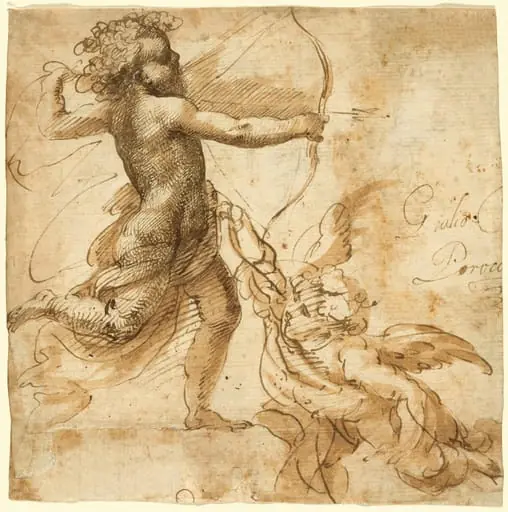
The painting depicts Cupid, the Roman god of desire, seated on a tree branch with a golden arrow in hand. His youthful, cherubic form—blonde-haired, winged, and draped in pink fabric—evokes classical iconography while emphasizing innocence and playfulness. The direct gaze toward the viewer suggests an intimate, almost confrontational invitation, reinforcing Cupid’s role as a disruptor of human emotion. The arrow, his instrument of influence, hints at the unpredictable power of love.
Technique & Style
Le Barbier employs oil paint with delicate brushwork to render Cupid’s soft skin, feathery wings, and the lush foliage surrounding him. Chiaroscuro is used subtly to model the figure, drawing focus to the face and arrow without theatrical intensity. The background, composed of layered greens and dappled light, creates spatial depth while maintaining a light, airy quality characteristic of Rococo sensibility. The palette is restrained yet warm, avoiding the excesses of earlier Baroque ornamentation.
History & Provenance
Created in 1788, the painting emerged during a time when French artistic tastes were shifting from Rococo frivolity toward Neoclassical seriousness. Le Barbier, already established as a royal illustrator, may have produced this work as a private commission or personal study. It entered the Museum of Fine Arts, Houston’s collection in the 20th century, though its earlier ownership history remains undocumented in public records.
Context
In the years leading to the French Revolution, mythological subjects like Cupid persisted in art as allegorical escapes from political turmoil. While Neoclassicism gained favor among intellectuals, Rococo-inspired imagery retained appeal in private collections. Le Barbier’s depiction, though modest, reflects this transitional moment—retaining Rococo’s charm while avoiding its excess, aligning with a quieter, more introspective aesthetic emerging in late 18th-century France.
Legacy
Though not widely exhibited or reproduced, *Cupid in a Tree* offers insight into the persistence of mythological themes in French art beyond the peak of Rococo. Le Barbier’s restrained handling and focus on psychological presence distinguish it from more flamboyant contemporaries. The painting remains a quiet testament to the endurance of classical motifs in an era of upheaval, valued today for its understated elegance rather than its historical prominence.
Own this work as a print
Artist & collection
Artist
Jean-Jacques-François Le Barbier
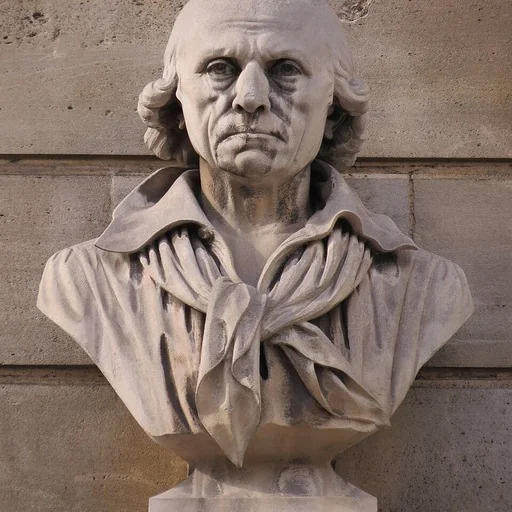
Jean-Jacques-François Le Barbier (French pronunciation: ; 11 November 1738 – 7 May 1826) was a writer, illustrator and painter of French history.