Artwork
Cupid
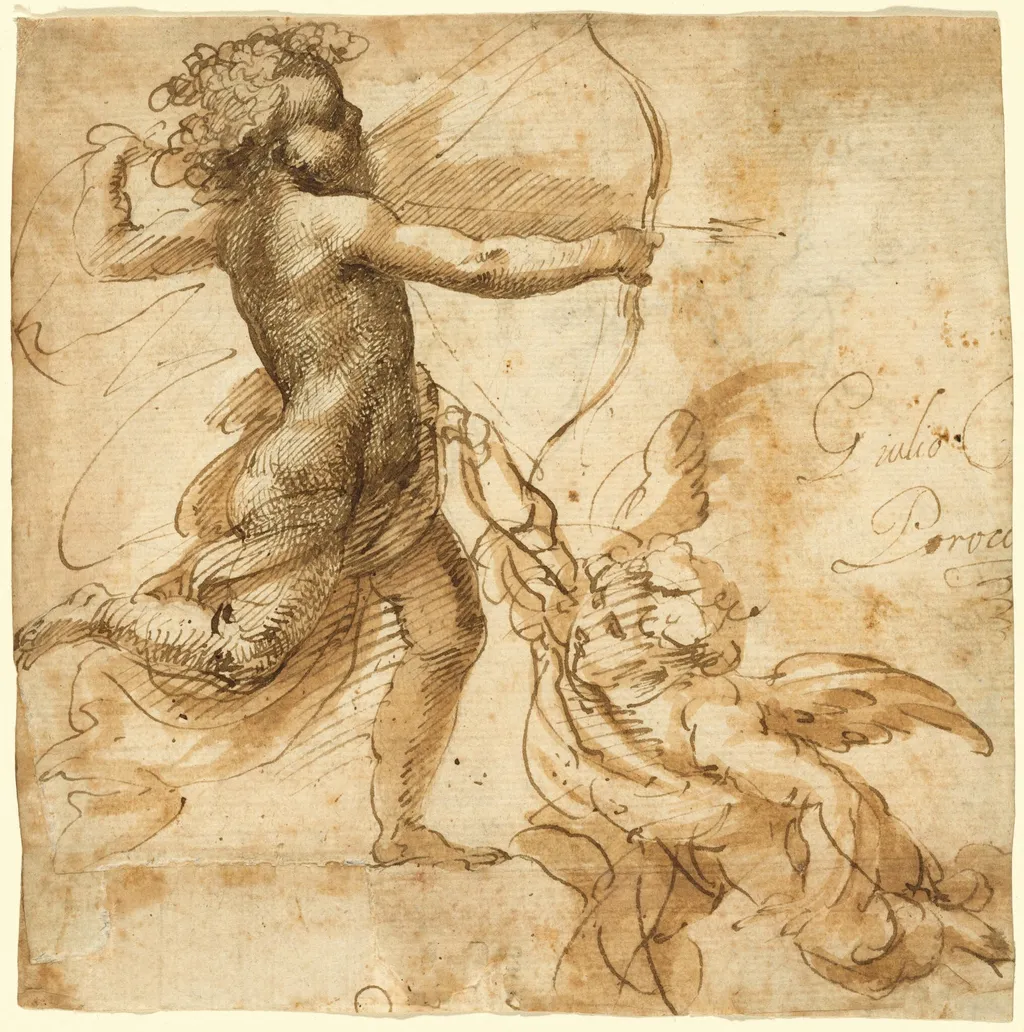
Cupid is an ink drawing by the Baroque artist Giulio Cesare Procaccini. It dates from 1615 and is held in the collection of the National Gallery of Art.
About this work
Overview
Created circa 1615, this drawing portrays the mythological figure Cupid in a dynamic pose. Executed with pen and brown ink complemented by a brown wash, the work measures the fluidity of line and tonal shading characteristic of early Baroque drawing. The figure is rendered nude, holding a bow and arrow, and set against a lightly tinted background that enhances the sense of movement.
Subject & Meaning
The composition captures the youthful god of love as a sprightly boy, his torso turned left while his head looks to the right, suggesting both readiness and playful tension. The inclusion of the bow and arrow underscores Cupid’s role as a messenger of desire, while the energetic stance conveys the Baroque interest in capturing fleeting moments and emotional intensity.
Technique & Style
Procaccini employed a combination of fine pen work and a brown wash to model form and suggest depth. The ink lines define the anatomy and hair, while broader washes of darker brown create shadows that give volume to the figure. This interplay of line and wash produces a spontaneous, almost sketch‑like quality, aligning with the period’s emphasis on expressive drawing.
History & Provenance
The drawing originates from Milan, where Giulio Cesare Procaccini was active as a painter and sculptor in the early seventeenth century.
The drawing originates from Milan, where Giulio Cesare Procaccini was active as a painter and sculptor in the early seventeenth century. It reflects the artistic environment fostered by Cardinal Federico Borromeo, a key patron who supported Procaccini and fellow artists such as Giovanni Battista Crespi and Pier Francesco Mazzucchelli. The work remains documented as part of this regional Baroque circle.
Context
During the early Baroque, Milanese artists were encouraged to explore dynamic compositions and emotive subjects, often drawing on classical mythology. Procaccini’s depiction of Cupid aligns with this trend, merging anatomical study with narrative content. The piece illustrates the broader shift toward movement, drama, and the use of chiaroscuro in drawing, hallmarks of the period’s visual language.
Artist & collection
Artist
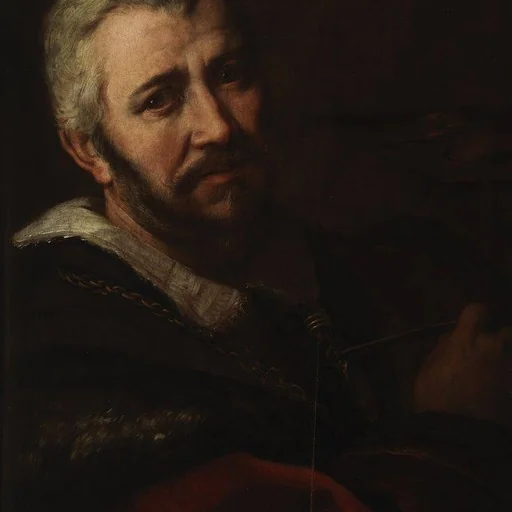
Giulio Cesare Procaccini (30 May 1574 – 14 November 1625) was an Italian painter and sculptor of the early Baroque era in Milan.

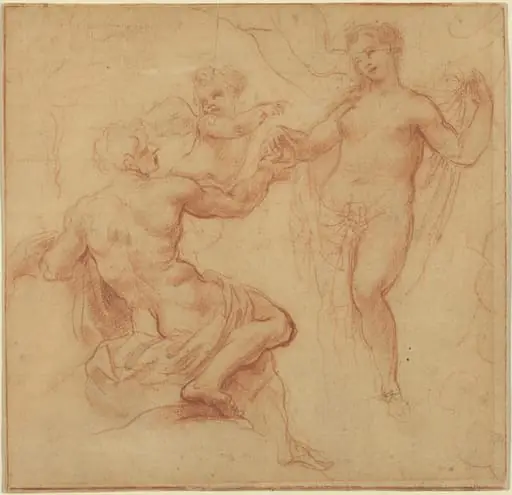 Paris Awarding the Apple to Venus
![Seated Male Nude [recto], by Agostino Carracci](https://artifactworldgallery.com/img/agostino-carracci--seated-male-nude-recto--d80d349fa7dab411-w320.webp) Seated Male Nude [recto]
Seated Male Nude [recto]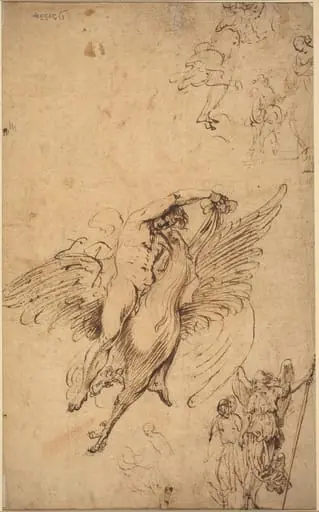 Ganymede
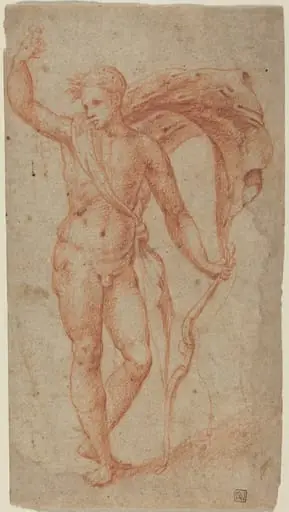 Apollo
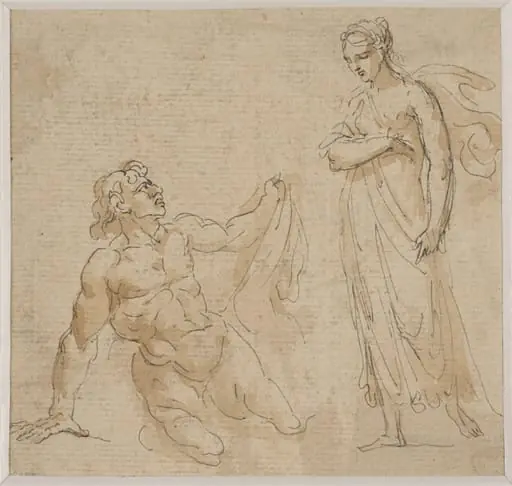 A woman approaching a kneeling man
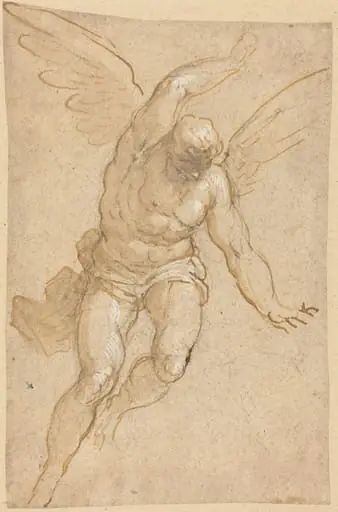 A Flying Angel
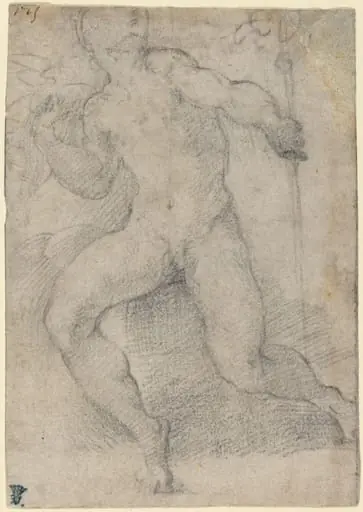 Mercury
![Studies for an Annunciation [recto], by Jacopo Palma il Giovane](https://artifactworldgallery.com/img/jacopo-palma-il-giovane--studies-for-an-annunciation-recto--a15d0411b7678b1e-w320.webp) Studies for an Annunciation [recto]
Studies for an Annunciation [recto]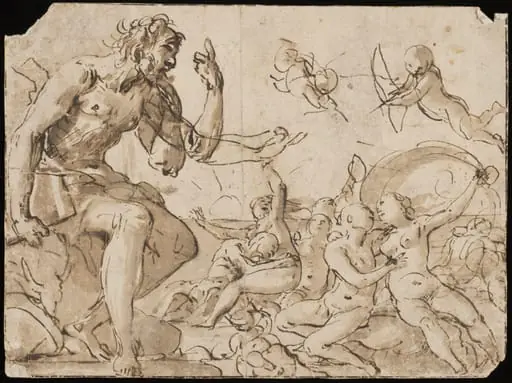 Sea-nymphs playing with tritons and a man; on the left a semi-draped giant, holding a book or stone, seated on a rock; possibly Polyphemus with Acis and Galatea
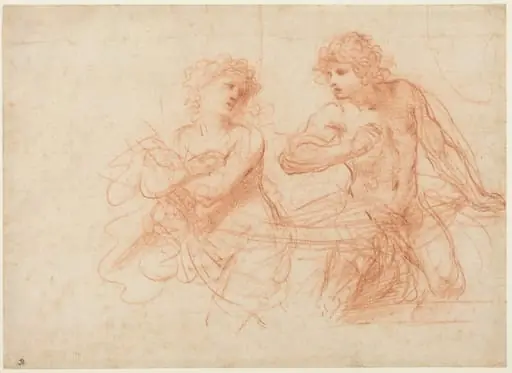 Amnon and Tamar
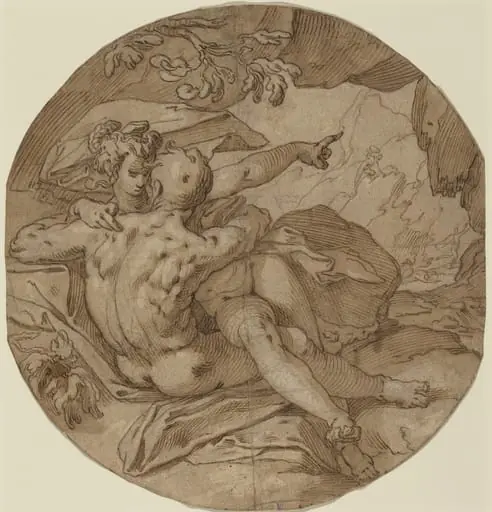 Acis and Galatea
![Two Standing Putti [recto], by Italian 17th Century](https://artifactworldgallery.com/img/italian-17th-century--two-standing-putti-recto--30f23a10b90bc89e-w320.webp) Two Standing Putti [recto]
Two Standing Putti [recto]